
农业新质生产力

Search documents
山东80%蔬菜品种实现国产化
Qi Lu Wan Bao· 2025-12-26 11:49
Core Viewpoint - Shandong province is leveraging technological innovation to enhance agricultural productivity, significantly contributing to its goal of becoming a strong agricultural province [1] Group 1: Agricultural Innovation - Shandong's seed industry innovation capability is nationally leading, with 3 wheat, 1 corn, 1 soybean, and 3 peanut varieties among the top ten in national planting area [1] - The province accounts for 33% of the national grandparent meat chicken supply and 90% of the national seedling supply for large flounder [1] - 18 national integrated seed breeding enterprises and 8 agricultural technology leading enterprises have been cultivated, with companies like Shunfeng Biotechnology and Qingdao Qingyuan emerging as influential innovators [1] Group 2: Mechanization and Technology Contribution - The comprehensive mechanization rate for crop planting and harvesting in Shandong is 91%, which is 16 percentage points higher than the national average [1] - The contribution rate of agricultural technology progress is 67.4%, exceeding the national average by 4 percentage points [1] Group 3: Key Technological Breakthroughs - Shandong has implemented a plan for tackling key core agricultural technologies, achieving breakthroughs such as 80% domestic production of vegetable varieties and advancements in dairy cow embryo production technology [1] - The province has addressed the foreign monopoly on male salmon fry and developed the first domestically produced high-power CVT intelligent tractor with independent intellectual property rights [1] Group 4: High-Quality Agricultural Development - Efforts are focused on building a higher-level "Qilu Granary" by integrating good seeds, equipment, and technology [1] - The coverage rate of quality seeds for major crops in the province exceeds 98%, and support is provided for the development and use of high-performance seeding machines [1] - Key technologies such as wide-row precision sowing for wheat and precise population control for corn are being promoted [1]
全球观·中国策丨专访樊胜根:增强农村发展韧性要打出 “技术+市场+政策” 组合拳
Sou Hu Cai Jing· 2025-12-26 01:36
Core Viewpoint - The article discusses the need for a resilient agricultural and food system transformation in China, emphasizing the importance of a "social-technical innovation combination" to address vulnerabilities exacerbated by climate change, geopolitical conflicts, and market fluctuations [1][3]. Group 1: Agricultural System Transformation - Christopher B. Barrett argues that there is no single solution to enhance agricultural resilience; instead, a combination of innovations is necessary [3]. - The concept of "social-technical innovation combination" involves integrating hard technologies (like improved seeds and smart devices) with institutional policies (such as cooperative organizations and green finance) to overcome barriers to technology adoption by farmers [4][5]. - Historical examples from countries like India, China, and Vietnam illustrate the effectiveness of combining technological innovation, institutional reform, and market-oriented changes in achieving significant agricultural productivity improvements [5][6]. Group 2: Climate Adaptation and Smallholder Resilience - Climate change has intensified agricultural vulnerabilities, particularly affecting smallholder farmers who are less equipped to adapt [7]. - Strategies to enhance climate resilience for smallholders include developing drought-resistant crop varieties, providing new technologies, and encouraging diversification of livelihoods to mitigate risks [8]. - The integration of young, tech-savvy individuals into rural areas is expected to drive modernization in agriculture, utilizing AI and e-commerce to improve farming practices [8]. Group 3: Goals for Agricultural Powerhouse - The article outlines three key areas for China to focus on in its goal to become an agricultural powerhouse during the "14th Five-Year Plan" period: ensuring food security, increasing farmers' incomes, and protecting the ecological environment [9][11]. - Food security is highlighted as a core objective, with an emphasis on adapting to changing consumer demands for safe food and diversifying import channels [9]. - Increasing farmers' incomes requires improving agricultural productivity and enabling capable youth to enter the agricultural sector while ensuring older farmers have social security [11]. - Environmental protection is crucial, advocating for sustainable practices that preserve soil, water resources, and biodiversity while promoting low-carbon agricultural development [11].


辩证看农产品出口成绩单(人民时评)
Ren Min Ri Bao· 2025-12-25 22:19
Core Insights - China, as the world's largest agricultural product importer, has reported impressive export figures, with nearly 600 billion yuan in agricultural exports over the first ten months of the year, covering 838 product categories and reaching 223 countries and regions [1] Group 1: Export Growth and Quality Improvement - The increase in export categories and the enhancement of product quality indicate that China's agricultural exports are moving beyond the "large quantity, low price" phase, demonstrating strong market competitiveness [1] - By aligning with international high standards and integrating into the global market, China's agricultural products are gaining higher recognition and added value [1] Group 2: Efficiency in Logistics and Customs - The introduction of innovative customs and logistics mechanisms, such as the "batch inspection" model in Huzhou and the "green channel time+" rapid release mode in Yunnan, has significantly improved efficiency in the export process [2] - Infrastructure connectivity and regulatory improvements have collectively enhanced the competitiveness of Chinese agricultural products [2] Group 3: Balancing Export and Food Security - High-quality agricultural exports do not conflict with food security; instead, they can support it by optimizing the use of domestic and international markets [2] - The export of specialty products like fruits and vegetables, which often utilize non-arable resources, contributes to a balanced agricultural structure [2] Group 4: Economic Benefits for Farmers - Agricultural exports can lead to higher premiums, incentivizing farmers and creating a positive cycle of industry development and rural revitalization [3] - Examples include the high prices of Nanfeng honey oranges in South Africa and the value-added processing of Yantai apples, which significantly increase farmers' incomes [3] Group 5: China's Role in Global Agricultural Trade - China has become the world's second-largest agricultural trading nation, with a balanced approach to imports and exports that supports food security [3] - The future of Chinese agriculture lies not only in domestic production but also in its ability to compete in global markets [3]

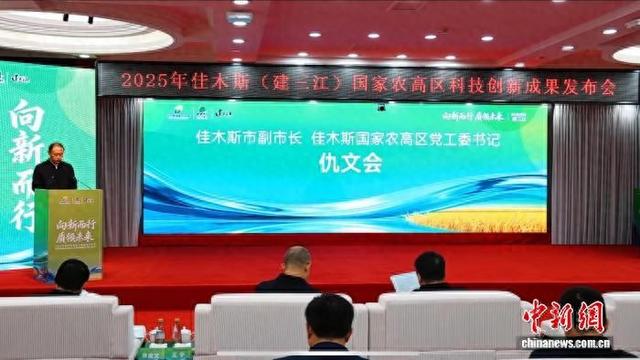
我国“北大仓”佳木斯(建三江)国家农高区集中发布28项农业新成果
Zhong Guo Xin Wen Wang· 2025-12-25 08:39
本次活动在智慧农业领域重点展示大数据、人工智能等前沿技术的深化应用,协同推进智能农机装备的 普及,加快农业生产向智能化、精准化转型,有效提升农业综合生产能力,为持续提高区域粮食产量与 品质、探索耕地资源可持续利用新路径提供了有力支撑。 签约仪式 现场。张永刚 摄 中新网哈尔滨12月25日电(记者 王妮娜)12月25日,2025年第四季度佳木斯(建三江)国家农业高新技术产 业示范区科技创新成果发布会暨成果转化签约仪式在北大荒集团建三江分公司举行。发布会聚焦种质资 源创新、黑土地保护、智慧农业、高端智能农机装备、农产品精深加工五大领域,共发布28项新技术、 新产品与新成果。 当日活动 现场。张永刚 摄 北大荒集团建三江分公司(以下简称"建三江")位于我国建三江平原,这里因盛产水稻而被誉为"北大 仓",这里是我国耕地规模最大、现代化程度最高、综合生产能力最强的国家级重要商品粮基地。 此外,多家单位还与相关高校、企业围绕科技创新、智慧农业、成果转化等重点领域签订了多项合作协 议,进一步构建了产学研用协同联动的合作桥梁。 活动同期举办了"问'稻'未来——寒地农业科技论坛"。论坛邀请了中国农业大学、扬州大学、华中农业 大 ...

我省发布南繁种业标准体系
Hai Nan Ri Bao· 2025-12-25 03:55
《体系》系统梳理了我省"种源、种业、种市"南繁产业的标准现状与需求,明确南繁种业标准化建 设方向,强化产前、产中、产后纵横标准衔接配套,以标准化建设引领我省南繁种业产业链创新效能全 面提升,重点赋能智慧育种、生物育种、种业CRO等新技术、新模式、新业态,助力打造具有南繁特 色的农业新质生产力。 下一步,省市场监管局将联合相关单位加强南繁种业关键领域标准制定与实施监督工作,建立与国 际互认的标准矩阵和评估机制,为南繁硅谷持续、稳定、高质量发展提供坚实支撑。 海南日报讯(海南日报全媒体记者 李梦瑶)近日,省市场监管局、省农业农村厅联合发布《南繁种 业标准体系》(以下简称《体系》),以标准筑基提升种业新质生产力,助力海南"向种图强"。 《体系》坚持"品种培优、品质提升、品牌打造、标准化生产"导向,以"育繁推服"种业全链条为主 线,覆盖种植、畜禽、水产等种业领域,构建起以基础与通用标准、安全标准、基地环境、育种创新等 14个标准子体系为主体的标准体系框架,并进一步细分为37个二级子体系,收录了现行有效、制修订即 将实施及拟制定标准共1061项。 ...
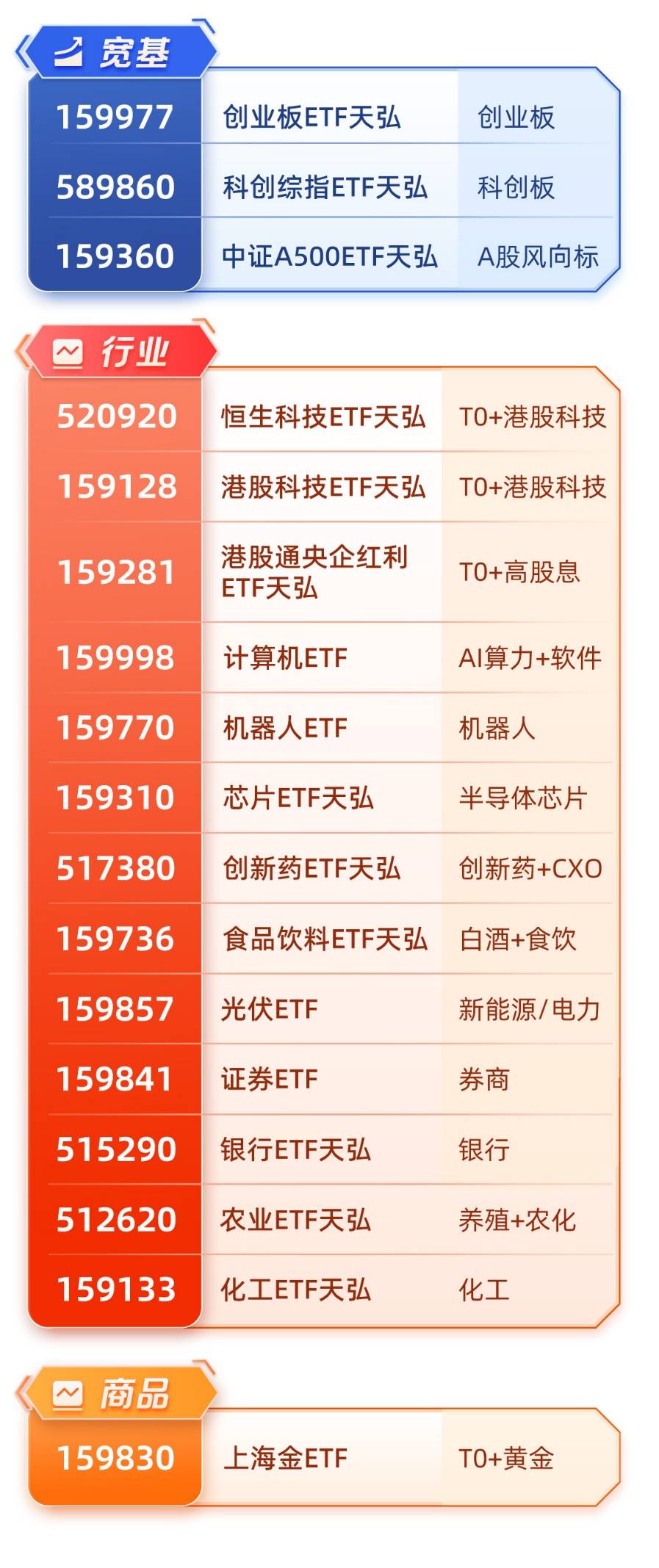
北京市机器人产业协会即将成立,站上百亿规模的机器人ETF(159770)近10日“吸金”3.64亿元,科创综指ETF天弘(589860)跟踪指数强势三连涨!
Sou Hu Cai Jing· 2025-12-25 01:29
Core Insights - The Robot ETF (159770) has seen a turnover of 2.3% with a transaction volume of 230 million yuan, while the tracked CSI Robot Index (H30590) rose by 1.12% [1] - The latest scale of the Robot ETF reached 10.034 billion yuan, with a total of 10.144 billion shares, both hitting record highs since inception [1] - The net inflow of funds into the Robot ETF was 2.9539 million yuan, accumulating a total of 364 million yuan over the last 10 trading days [1] Product Highlights - The Robot ETF (159770) closely tracks the CSI Robot Index, providing investors with an efficient tool to invest in the entire robot industry chain [2] - The Tianhong Sci-Tech Index ETF (589860) closely follows the Sci-Tech Index, featuring leading technology companies with strong brand advantages and research capabilities [2] Related Products - The Robot ETF (159770) corresponds to the off-market linked funds (A: 014880; C: 014881) [3] - The Tianhong Sci-Tech Index ETF (589860) corresponds to the off-market linked funds (A: 023721; C: 023722) [4] Hot Events - The Beijing Robot Industry Association is set to be established on December 26, aiming to create a new platform for collaborative development in the industry [5] - The association will focus on policy research, industry data analysis, and organizing industry exchange activities to promote cooperation and market expansion [5] Institutional Views - Dongfang Securities anticipates rapid advancements in humanoid robots in motion control by 2025, with a shift in market focus towards actual production capabilities [7] - Tesla's CEO Elon Musk expects prototype production readiness around February-March 2026, indicating potential investment opportunities in robot mass production around mid-2026 [7]

黑龙江省省长梁惠玲调研华工科技智能制造北方总部基地
Zheng Quan Shi Bao Wang· 2025-12-24 04:25
Core Viewpoint - The article highlights the emphasis on developing modern agriculture in Heilongjiang, focusing on green agriculture and the integration of artificial intelligence with manufacturing to enhance the quality of smart agricultural machinery [1] Group 1: Development Focus - The primary direction is the development of modernized large-scale agriculture [1] - The article stresses the importance of green agriculture as a distinctive guiding principle [1] Group 2: Technological Integration - There is a push for the implementation of "artificial intelligence + manufacturing" to promote high-quality development of smart agricultural equipment [1] - The initiative aims to adapt agricultural production capabilities to local conditions [1] Group 3: Strategic Importance - The efforts are positioned to support national food security and advance the modernization of agriculture and rural areas [1]

国家发改委发文!大力发展农业新质生产力,提升农业科技策源能力和自主创新能力
Jin Rong Jie· 2025-12-24 03:37
加快农业农村现代化扎实推进乡村全面振兴 国家发展改革委农村经济司 习近平总书记深刻指出:"没有农业农村现代化,就没有整个国家现代化。"党的二十届四中全会通过的 《建议》指出"农业农村现代化关系中国式现代化全局和成色",这是以习近平同志为核心的党中央深刻 把握我国现代化建设规律作出的重大判断。《建议》就"加快农业农村现代化,扎实推进乡村全面振 兴"作出专章部署,明确了"十五五"时期农业农村发展的战略任务和政策举措,我们要深刻理解、准确 把握党的二十届四中全会精神,全面贯彻《建议》部署,科学研判形势,细化任务举措,以加快农业农 村现代化更好推进中国式现代化建设。 一、深刻领会"十五五"时期加快农业农村现代化、扎实推进乡村全面振兴的战略要求 《建议》坚持把解决好"三农"问题作为全党工作的重中之重,深刻反映了以习近平同志为核心的党中央 对"三农"工作极端重要性的深刻洞察和战略把握。我们要深入理解加快农业农村现代化、扎实推进乡村 全面振兴的战略定位和时代背景,全面贯彻"十五五"时期农业农村发展的战略任务和重大举措,以高度 的政治责任感和时代使命感,推动《建议》决策部署持续落地见效。 12月24日,国家发展改革委农村经济 ...
国家发展改革委:加力实施新一轮千亿斤粮食产能提升行动 加快农业新技术推广应用
Xin Hua Cai Jing· 2025-12-24 01:54
Group 1 - The article emphasizes the need to accelerate agricultural modernization and promote comprehensive rural revitalization during the "14th Five-Year Plan" period [1] - It highlights the importance of enhancing agricultural production capacity and quality, ensuring stable and safe supply of grain and key agricultural products [1] - The plan includes a new round of actions to increase grain production capacity, focusing on corn and soybeans while expanding the production of high-quality forage crops [1] Group 2 - The article calls for the development of new agricultural productivity and the promotion of new agricultural technologies [2] - It stresses the need to strengthen the agricultural science and technology innovation system and enhance the collaborative efforts in agricultural technology [2] - The plan includes initiatives for rural industry development, creating a favorable living environment in rural areas, and improving policies to benefit farmers [2]
国家发改委:以保障国家粮食安全和防止规模性返贫致贫为底线
Di Yi Cai Jing· 2025-12-24 01:41
Core Viewpoint - The article emphasizes the importance of the "14th Five-Year Plan" period as a critical time to achieve the strategic goals set by the 20th National Congress of the Communist Party of China, aiming for agricultural modernization and improved rural living conditions by 2035 [1] Group 1: Agricultural Modernization - The goal is to achieve basic agricultural modernization by 2035, with a focus on addressing the "three rural issues" as a top priority for the Party's work [1] - The article advocates for prioritizing agricultural and rural development, leveraging the experience from the "Ten Thousand Projects" initiative [1] Group 2: Rural Revitalization - The approach to rural revitalization will be comprehensive, integrating rural industry development, construction, and governance [1] - Ensuring national food security and preventing large-scale poverty are highlighted as fundamental objectives [1] Group 3: Policy Implementation - The article calls for deepening rural reforms and developing new productive forces in agriculture as a driving force for progress [1] - Urban-rural integration is emphasized as a key strategy for achieving the overall goals of rural revitalization [1]