
文化遗产保护

Search documents
“鱼与熊掌”怎么抉择?江苏扬州大运河文化保护传承走出双赢之路
Ren Min Ri Bao· 2025-06-16 03:35
Group 1 - The cultural heritage protection and transmission work in Jiangsu is prioritized in governance, emphasizing "protection first, rescue first, rational use, and inheritance development" [1] - The Yangzhou Grand Canal Cultural Park has undergone significant transformation over the past decade, showcasing the commitment to ecological and cultural preservation [1][2] - The area was historically industrialized, leading to severe environmental degradation, prompting local government to initiate comprehensive environmental remediation [1][2] Group 2 - The presence of major enterprises, including listed companies, has created a conflict between economic output and environmental quality, with significant revenue generation juxtaposed against local residents' quality of life concerns [2][3] - The local government made a decisive choice to prioritize cultural heritage protection over immediate economic gains, leading to the relocation of residents and businesses from the Sanwan area [3] - The transformation plan included converting land originally intended for commercial housing into cultural exhibition spaces and enhancing the ecological park, reflecting a long-term vision for cultural heritage preservation [3][4] Group 3 - The establishment of the Jiangsu Grand Canal Cultural Tourism Development Fund in 2019, with a mother fund of 2 billion yuan, aims to gather financial resources for cultural heritage projects [4] - The fund supports various projects related to heritage protection, cultural tourism integration, environmental remediation, and rural development, addressing financing challenges in cultural tourism [4] - The approach emphasizes the integration of historical respect, cultural appreciation, and ecological awareness, leading to a balanced development strategy [5]
新思想引领新征程丨把中华文化瑰宝保护好、传承好、传播好
Yang Guang Wang· 2025-06-15 02:19
Group 1 - The core viewpoint emphasizes the importance of strengthening the transmission and utilization of cultural and natural heritage to meet the people's needs for a better life in the new era [1] - Since the 18th National Congress of the Communist Party, significant achievements have been made in the protection and transmission of cultural heritage across various regions [1] - Advanced technologies such as microwave moisture meters and ultrasonic non-destructive testing are being applied to enhance the protection of cultural heritage sites like the Longmen Grottoes [1] Group 2 - The "Digital Cabin" management platform in Xi'an monitors the structural health of the city wall through over 3,000 data points, providing valuable data for heritage protection measures [2] - Interactive experiences at cultural heritage sites, such as the Liangzhu Ancient City Ruins Park, are engaging visitors and enhancing their understanding of history [2] - The integration of cultural heritage protection with tourism development in places like Lijiang has led to significant visitor numbers, with over 20 million tourists in the first quarter of this year [2] Group 3 - Cultural heritage is being leveraged to empower economic and social development, with traditional crafts like batik and embroidery providing employment opportunities for local communities [3] - By the end of 2024, 11,000 intangible cultural heritage workshops are expected to be established, directly employing over 200,000 people and contributing to their income [3] - The National Cultural Heritage Administration emphasizes the need for comprehensive protection of cultural relics to meet the new expectations of the public and enhance the supply of quality cultural products and services [3]
习近平总书记关切事|中华文化瑰宝“向新记”
Xin Hua She· 2025-06-14 15:56
Group 1 - The importance of cultural heritage protection has been emphasized by Xi Jinping, highlighting its role in carrying the genes and bloodline of the Chinese nation, which belongs to both current and future generations [1][3] - Technological advancements are being utilized in the preservation of cultural heritage, such as the use of new materials and non-destructive testing equipment in the maintenance of the Yungang Grottoes [2][3] - Digital restoration techniques, including AI, are being employed to recreate artifacts that are difficult to restore physically, as demonstrated by the Sanxingdui Museum's digital reconstruction of bronze relics [3] Group 2 - Educational initiatives are being implemented to engage students with cultural heritage, such as hands-on experiences in bronze casting at the Baoji Bronze Museum, which has attracted over 150,000 students this year [5] - The integration of traditional culture with modern technology is evident in the immersive experiences offered at cultural sites like the Longmen Grottoes, enhancing visitor engagement [6][7] - The cultural tourism industry is being promoted as a pillar of economic development, with efforts to create high-quality cultural experiences in cities like Luoyang [7] Group 3 - The ceramics industry in Jingdezhen is experiencing a revival through innovative designs and modern marketing strategies, attracting young entrepreneurs and increasing public interest [8][9] - The global recognition of Dunhuang studies has been enhanced through interdisciplinary research and international collaboration, showcasing the significance of cultural heritage in global dialogue [10]
文化新观察丨三湘四水间,文化遗产何以焕发新活力?
Xin Hua She· 2025-06-14 03:32
Core Points - The 2025 Cultural and Natural Heritage Day will be celebrated on June 14, with the theme "Revitalizing Cultural Relics and Shining New Light," and the main event will take place in Changsha, Hunan [1] - Hunan is rich in cultural and heritage resources, including prehistoric sites, revolutionary relics, and traditional villages, ranking among the top in the country [1] Group 1: Archaeological Discoveries - Archaeologists discovered 7,400-year-old rice grains at the Gaomiao site, marking the earliest rice cultivation evidence in the Xiangxi region, providing crucial material evidence for the study of rice agriculture's origins and development in China [2] - The Gaomiao site museum showcases over 240 artifacts and specimens from three major archaeological excavations, allowing visitors to experience prehistoric art and culture [2][3] Group 2: Cultural Heritage Integration - The Laosi City site, part of China's Tusi heritage, was listed as a UNESCO World Heritage site in 2015, where local residents actively participate in the protection and utilization of the site, creating job opportunities while preserving cultural heritage [5] - The ancient city of Qianyang in Hongjiang, a well-preserved Ming and Qing ancient city, continues to serve as a living space for local residents, integrating heritage protection with daily life [7] Group 3: Technological Integration in Cultural Heritage - The immersive stage play "Seeking Changsha" utilizes advanced technologies like holographic projection and digital interaction to bring historical artifacts to life, enhancing cultural identity among audiences [8] - Hunan's cultural institutions are increasingly using technology to revitalize traditional culture, such as the "Digital Han Life" project, which allows visitors to experience Han culture through AI technology [10] - The "She Comes from Chang'an" exhibition at Changsha Museum attracted 1.05 million visitors, showcasing the successful integration of culture and technology [10]

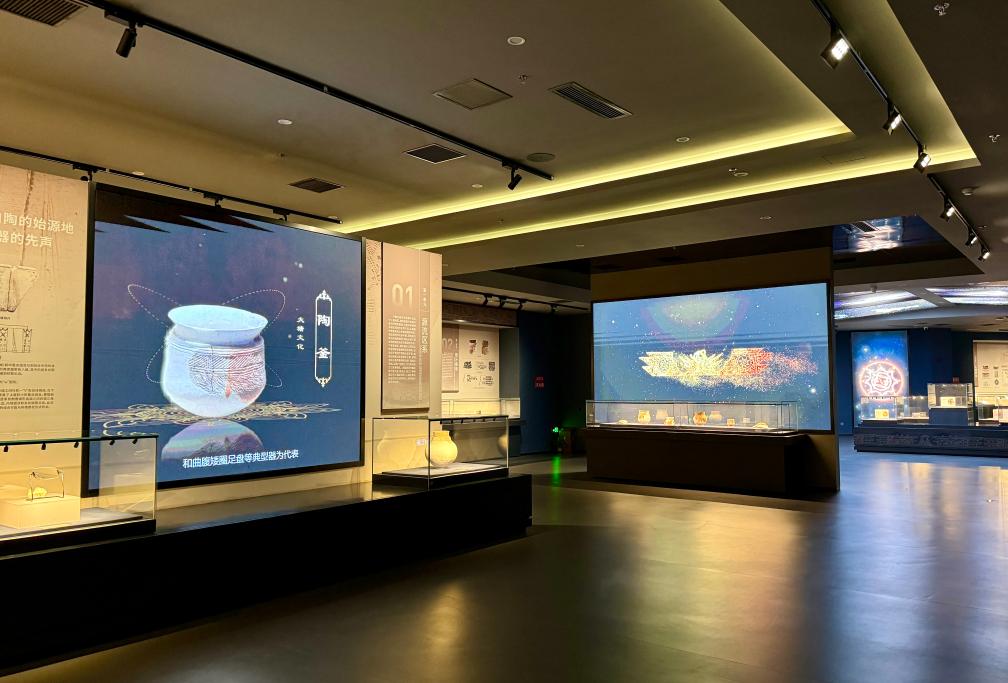
总书记关心的世界文化遗产丨诗意琴岛动心弦
Xin Hua She· 2025-06-13 10:34
Core Viewpoint - Gulangyu Island, recognized as a UNESCO World Heritage site, represents a blend of cultural heritage and historical significance, emphasizing the importance of preserving and promoting its unique architectural and musical identity [2][3]. Group 1: Historical Significance - Gulangyu Island is described as a "window to the world" for ancient China, showcasing a fusion of Eastern and Western cultures [2]. - The island was listed as a UNESCO World Heritage site in 2017, highlighting its status as a historical international community [2]. Group 2: Preservation Efforts - In 1986, significant funding was allocated by then-official Xi Jinping to restore the Bagua Building, a landmark on Gulangyu, which had suffered from neglect [2]. - Xi Jinping emphasized the need for a unified planning approach to protect and develop Gulangyu, recognizing it as a national treasure [2]. Group 3: Cultural Identity - Gulangyu Island is characterized by four main themes: scenic beauty, marine culture, musical heritage, and humanistic elements, which contribute to its unique identity [3]. - The island is referred to as the "Garden on the Sea," "Piano Island," "Hometown of Music," and "Exhibition of International Architecture," reflecting its diverse cultural offerings [3].

把中华文化瑰宝保护好、传承好、传播好 ——写在2025年“文化和自然遗产日”之际
Ren Min Ri Bao· 2025-06-12 22:02
Core Viewpoint - The Chinese government emphasizes the importance of cultural heritage protection and its integration into modern society, highlighting the need for systematic protection and the use of advanced technology in preserving historical sites and artifacts [1][2][3]. Group 1: Cultural Heritage Protection - The Chinese government has established a monitoring and early warning system for cultural heritage sites, utilizing advanced technologies such as microwave moisture meters and ultrasonic non-destructive testing [1]. - The revised cultural relic protection law, effective from March 1, aims to enhance systematic protection of cultural heritage [2]. - There are currently 767,000 immovable cultural relics and over 108 million movable cultural relics in China, showcasing the immense historical and artistic value of these assets [3]. Group 2: Archaeological Discoveries - Recent archaeological discoveries, including sites in Sichuan, Shaanxi, and Anhui, have further validated the unique characteristics of Chinese civilization [2]. - The annual evaluation of the top ten archaeological discoveries in China highlights the ongoing efforts to enhance archaeological research and cultural heritage protection [2]. Group 3: Non-Material Cultural Heritage - China is focusing on various protection strategies for non-material cultural heritage, including rescue, production, and overall protection [3]. - By the end of 2024, there will be 11,000 non-material cultural heritage workshops established, directly employing over 200,000 people and increasing their annual income [7]. Group 4: Cultural Empowerment in Economic Development - The integration of cultural heritage into economic development is emphasized, with traditional crafts and cultural experiences becoming significant sources of employment and income in rural areas [7]. - In urban areas, cultural heritage is seen as a catalyst for economic growth, with traditional values contributing to social governance and community harmony [8]. Group 5: International Cultural Exchange - The Chinese government is actively promoting cultural exchange and cooperation in heritage protection, enhancing the global influence of Chinese culture [9][10]. - The successful application for UNESCO recognition of the Spring Festival as an intangible cultural heritage reflects China's commitment to sharing its cultural values with the world [10][12]. Group 6: Return of Cultural Relics - Over 2,000 cultural relics that had been lost overseas have returned to China, symbolizing the connection between national revival and cultural heritage [13]. - The return of these artifacts is seen as a means to enhance national pride and cultural confidence among the Chinese people [13].
文化遗产保护 以文物之光守护文明根脉
He Nan Ri Bao· 2025-06-11 23:41
Group 1 - The Han-Wei Luoyang Ancient City Ruins Museum opened for free trial on June 5, becoming a significant part of the national cultural heritage protection project during the 14th Five-Year Plan [1] - The Dahuacun Ruins Museum, the first panoramic museum showcasing the Yangshao culture, is set to open on June 14, highlighting the innovative exploration of large archaeological site protection in Henan Province [1] - Henan's large archaeological sites, such as Jiahu, Dahuacun, Erlitou, and others, demonstrate the historical continuity and achievements of Chinese civilization, with museums serving as a bridge between archaeological research and the public [1] Group 2 - Henan Province plays a crucial role in major archaeological projects like the "Summer, Shang, and Zhou Chronology Project" and "Chinese Civilization Exploration Project," leading the nation in archaeological discoveries and establishing a unique cultural heritage protection system [2] - The province has 55 archaeological discoveries included in the "Top Ten New Archaeological Discoveries in China," the highest number in the country, and has established seven national archaeological site parks [2] - The provincial cultural heritage bureau emphasizes the importance of protecting and promoting Chinese cultural treasures, aiming to enhance archaeological research and deepen cultural exchanges [2]
2025明文化论坛将于14日举办,设分论坛、文物专题展等
Xin Jing Bao· 2025-06-09 13:18
Group 1 - The 2025 Ming Culture Forum will be held on June 14 at the Global Ming Culture Exchange Center in Changping District, focusing on the theme "Impression of Ming, Heritage of China" [1][2] - The forum will include an opening ceremony, four sub-forums, and a special exhibition of Ming Dynasty cultural relics, utilizing advanced technologies such as VR, AR, and AI for immersive experiences [2][3] - The opening ceremony will feature live broadcasts connecting five significant Ming cultural sites across China, promoting nationwide engagement [2][3] Group 2 - The exhibition will be divided into four thematic units: "Chapter of Ritual System," "Symbol of Dignity," "Elegance of Artifacts," and "Transmission of Culture," aimed at decoding the Ming Dynasty's cultural heritage [3] - The forum will also address the integration of modern technology in cultural heritage protection and exhibition, emphasizing the importance of digital innovation in cultural tourism [3][4] - Changping District has been actively promoting various cultural events and activities to enhance visitor engagement and experience, including the "Ming Tide" Carnival and VR projects [3][4] Group 3 - Beijing is committed to the protection and promotion of its rich cultural heritage, with plans to establish a Global Ming Culture Research Center and implement a three-year action plan for world cultural heritage management [4][5] - The city aims to enhance the understanding and appreciation of Ming culture through collaborative efforts and the establishment of a cultural heritage management alliance [5][6] - The China Ming History Society is focused on deepening research into Ming culture and will support the publication of a popular book titled "He He You Ming" to further disseminate knowledge about this historical period [6]
让中国文化遗产走向世界
Ren Min Ri Bao Hai Wai Ban· 2025-06-08 22:50
"走读北京"走进恭王府。图为张传玖(左二)在为参加活动者讲解。 吴沂萱摄 受访者供图 天桥历史文化街区赵锥子胡同24号院。 来自美国的一家人在93号院博物馆体验非遗文化。 受访者供图 从2017年计划发起至2025年,通过公益项目支持707个项目团队开展超2000场相关活动,包含讲 座、展览、课程、城市探访等多种形式。同时,以开放包容的交流平台、多元化的支持渠道,将名城保 护文化实践的自发力量凝聚为可持续的社群,积累持续开展名城保护文化活动的团队近百支。这说的是 四名汇智计划。 该计划由北京市西城区发起,以"名城、名业、名人、名景"为核心,搭建汇聚政府、企业、社会多 方资源的共享平台,支持文化遗产保护自发行动。 在第46届世界遗产大会"科技、创意与赋能——面向未来的世界遗产教育"主题边会上,四名汇智计 划荣获2024"全球世界遗产教育创新案例—未来之星"奖。 "四名汇智计划是面向全体社会公众、不限主题和类型对各类名城保护文化实践活动予以广泛支持 的包容性平台。"四名汇智计划秘书长王虹光说。 胡同里的博物馆 让世界了解中国非遗 坐落在北京西城区大栅栏铁树斜街胡同的一座由传统四合院改造而成的博物馆——93号院博物 ...
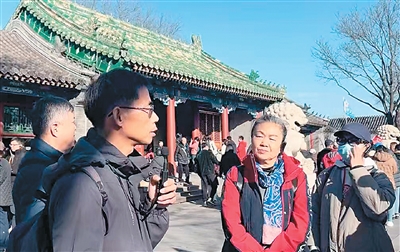
一起守护“记忆里的中国”(评论员观察)
Ren Min Ri Bao· 2025-06-04 21:56
Core Viewpoint - The article emphasizes the importance of protecting and utilizing cultural heritage, particularly literary heritage, to serve society and engage the public, highlighting the need for innovative approaches to ensure these legacies remain relevant and impactful [1][2]. Group 1: Cultural Heritage Significance - Literary heritage is described as the "memory film" of Chinese civilization, embodying humanity's eternal pursuit of art, faith, and peace, and is recognized as a shared treasure of all humanity [2]. - China has 18 items listed in the "Memory of the World Register," showcasing the depth and uniqueness of Chinese civilization, from oracle bones to traditional medical texts [2]. - These literary heritages serve as threads connecting the history of the Chinese nation, providing insights and inspiration for human civilization's progress [2]. Group 2: Protection and Utilization Efforts - The article calls for a deeper exploration of the cultural value of literary heritage and emphasizes the need for effective protection and utilization strategies to bring these legacies closer to the public [2][3]. - Examples of innovative practices include the creation of a national opera based on overseas Chinese letters and immersive exhibitions using virtual reality technology to promote cultural heritage [3]. - The "Memory of the World" projects facilitate cultural dialogue, exemplified by the historical connections between China and Sri Lanka through the inscription on the Buddhist temple stele [3]. Group 3: Future Directions - The article advocates for a dual approach of preserving cultural heritage while actively engaging with contemporary society to create new narratives and stories [4]. - It stresses the importance of understanding the past to navigate the future, ensuring that cultural heritage continues to shine in modern contexts [4].