
智慧农业

Search documents
经济大省挑大梁 | “齐鲁粮仓”的“稳”与“进”
Xin Hua Wang· 2025-12-21 01:42
Core Viewpoint - Shandong Province is advancing agricultural modernization through industry integration, technological empowerment, and supportive policies, ensuring food security while building a diversified food supply system [1][2]. Group 1: Food Security and Agricultural Production - Shandong, as a major agricultural province, plays a crucial role in national food security, producing 8% of the country's grain, 10% of meat, eggs, and milk, 11% of vegetables, and 13% of aquatic products with only 6% of the arable land and 1% of freshwater resources [3][2]. - The province's grain output has remained stable at over 110 billion jin for five consecutive years, contributing significantly to national food supply stability [3]. - Shandong's agricultural production strategy includes enhancing grain yield through a "Five Good" approach (good land, good seeds, good opportunities, good methods, and good systems) and promoting various crops like wheat, corn, soybeans, and peanuts [3][4]. Group 2: Agricultural Infrastructure and Technology - Shandong has built 77.59 million acres of high-standard farmland, enhancing agricultural productivity [5]. - The province has established 139 marine ranches, with 71 at the national level, contributing to a projected 8.25 million tons of marine product output in 2024, with a value exceeding 100 billion yuan [7]. - Technological advancements in agriculture are evident with the introduction of autonomous tractors, seeders, and drones, leading to a significant increase in mechanization rates and agricultural technology contributions [8][11]. Group 3: Industry Development and Economic Impact - Shandong is focusing on extending the agricultural value chain, with over 151 national leading enterprises and more than 11,600 agricultural processing companies, leading the nation in scale and processing capacity [14]. - The province has developed 13 advantageous specialty industries and established a comprehensive industry cultivation system, enhancing rural e-commerce and new business models to benefit local farmers [15]. - In 2024, Shandong's agricultural exports are expected to reach 164.82 billion yuan, accounting for 22.5% of the national total, maintaining its position as the top exporter for 26 consecutive years [15].

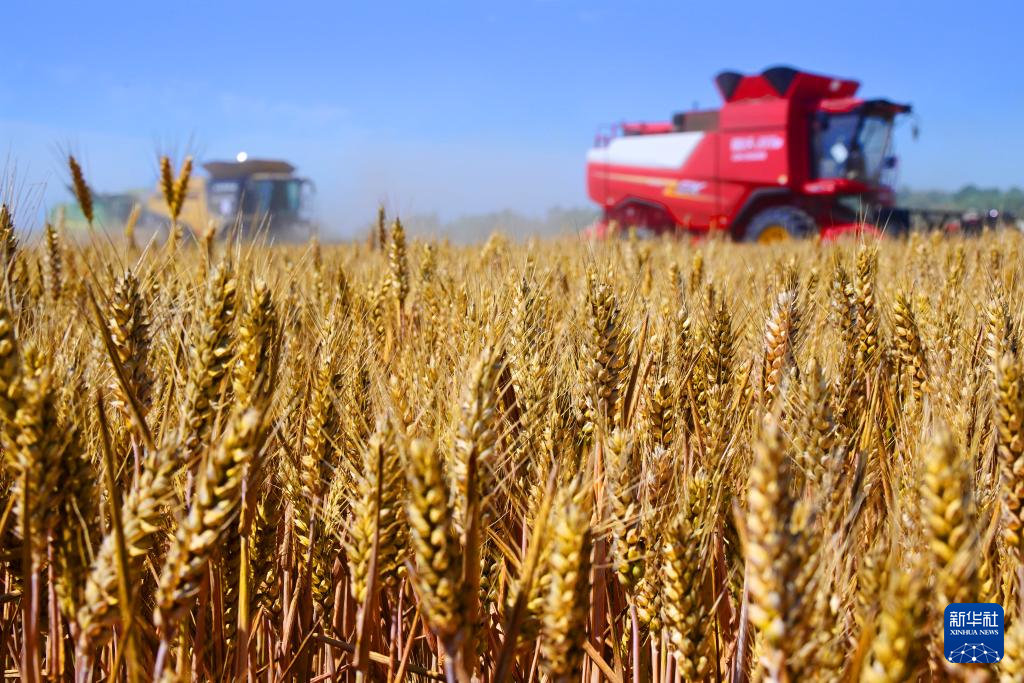
“十四五”期间我国智慧农业建设按下“加速键”
Yang Shi Xin Wen· 2025-12-21 01:21
Core Viewpoint - During the "14th Five-Year Plan" period, China is accelerating the development of smart agriculture, enhancing innovation capabilities and expanding application scenarios across the agricultural sector [1] Group 1: Innovation and Development - China is implementing smart agriculture actions with a focus on continuous improvement in innovation capabilities [1] - The establishment of 34 national smart agriculture innovation centers and sub-centers, along with 30 key laboratories related to agricultural information technology by the Ministry of Agriculture and Rural Affairs [1] - Breakthroughs have been achieved in 104 key technologies, including intelligent monitoring of agricultural conditions and 62 types of complete intelligent equipment such as crop phenotype robots [1] Group 2: Application Scenarios - The application scenarios for smart agriculture are being expanded across the entire chain, promoting the "Artificial Intelligence +" initiative in the agricultural sector [1] - A total of 16 typical case scenarios have been published, covering various stages including breeding, cultivation, processing, and sales [1] - The establishment of 116 national smart agriculture innovation application projects by region and variety, with over 30 recommended smart agriculture technologies achieving a technology implementation rate of over 95% [1]

山东滨州:“满格电”保障寒潮天“菜篮子”稳供应
Xin Hua Wang· 2025-12-21 01:09
新华社济南12月20日电 题:山东滨州:"满格电"保障寒潮天"菜篮子"稳供应 新华社记者李傲秋 冬日北风来袭,鲁北大地气温骤降,低温天气给设施农业生产和"菜篮子"稳供应带来挑战。在山东 滨州惠民县淄角镇智慧种植示范基地,绿油油的蔬菜却正在温室大棚里茁壮成长。 为此,国网滨州供电公司彩虹共产党员服务队秉持"不停电就是最好的服务"理念,加强基地用电线 路巡检维护,优化负荷配置,制定针对性用电保障方案,保证区域供电能力与可靠性。 "为适应智慧农业发展需求,今年以来,我们已完成1座35千伏变电站增容改造,升级10千伏线路 44.01公里,改造96个老旧台区,更新配电设备百余处。"国网滨州供电公司工作人员韩成涛介绍。 随着电力基础设施不断完善,惠民县加快落实山东"数字农业创新突破行动",让曾经的"传统种 棚"变成如今的"智慧管棚"。 针对农业生产用电量持续增长、供电可靠性要求更高的特点,国网滨州供电公司创新服务模式,通 过数字化手段实现工单管理穿透性和实时性,应用电网数字空间项目成果,将台区和用户用电停电监测 时间缩短至15分钟,第一时间将停电预警信息主动通知属地供电所,推动服务从"被动抢修"向"主动预 防"转变;同时 ...

冬草莓的科技丰年
Xin Lang Cai Jing· 2025-12-20 21:05
转自:云南日报 在另一边云南富仁农业发展有限公司的育苗大棚内,一株株嫩绿的草莓种苗整齐排列,焕发着勃勃生 机。公司负责人王靖说:"今年,公司在永仁县集中流转100余亩土地,专门用于'中莓'系列种苗的扩繁 工作,从中国农业科学院郑州果树研究所引进15万株优质原种苗,通过科学化、标准化培育,已成功产 出超过400万株生产苗,可满足大规模种植需求。" 目前,永仁县已建设"中莓"系列草莓育苗示范点3个共136.5亩,现代设施草莓示范园2个共200亩,设施 草莓种植基地6个共206亩。仅禾平基地每日产量就有300至400公斤,预计年销售额超过260万元。 智慧农业提升了效率,更重塑了草莓品质。从田间精准高效的智慧管理,到棚内生机盎然的种苗培育, 永仁县通过技术赋能与品种优化,让草莓产业成为乡村振兴的甜蜜引擎。(记者 谢蕊灿) 晨雾中,无人机缓缓升空,如鹰眼般巡视着2万余亩红色海洋。在永仁县莲池乡禾平农业种植园草莓示 范基地,一场无声的科技变革正在上演。过去,耗时1个月的作业,如今用植保无人机仅需4小时就能完 成。 责任编辑:罗宇 "滴答,滴答……"水肥一体化系统的滴头精准计算着每棵草莓的营养餐。基地负责人叶剑明拨开翠绿 ...
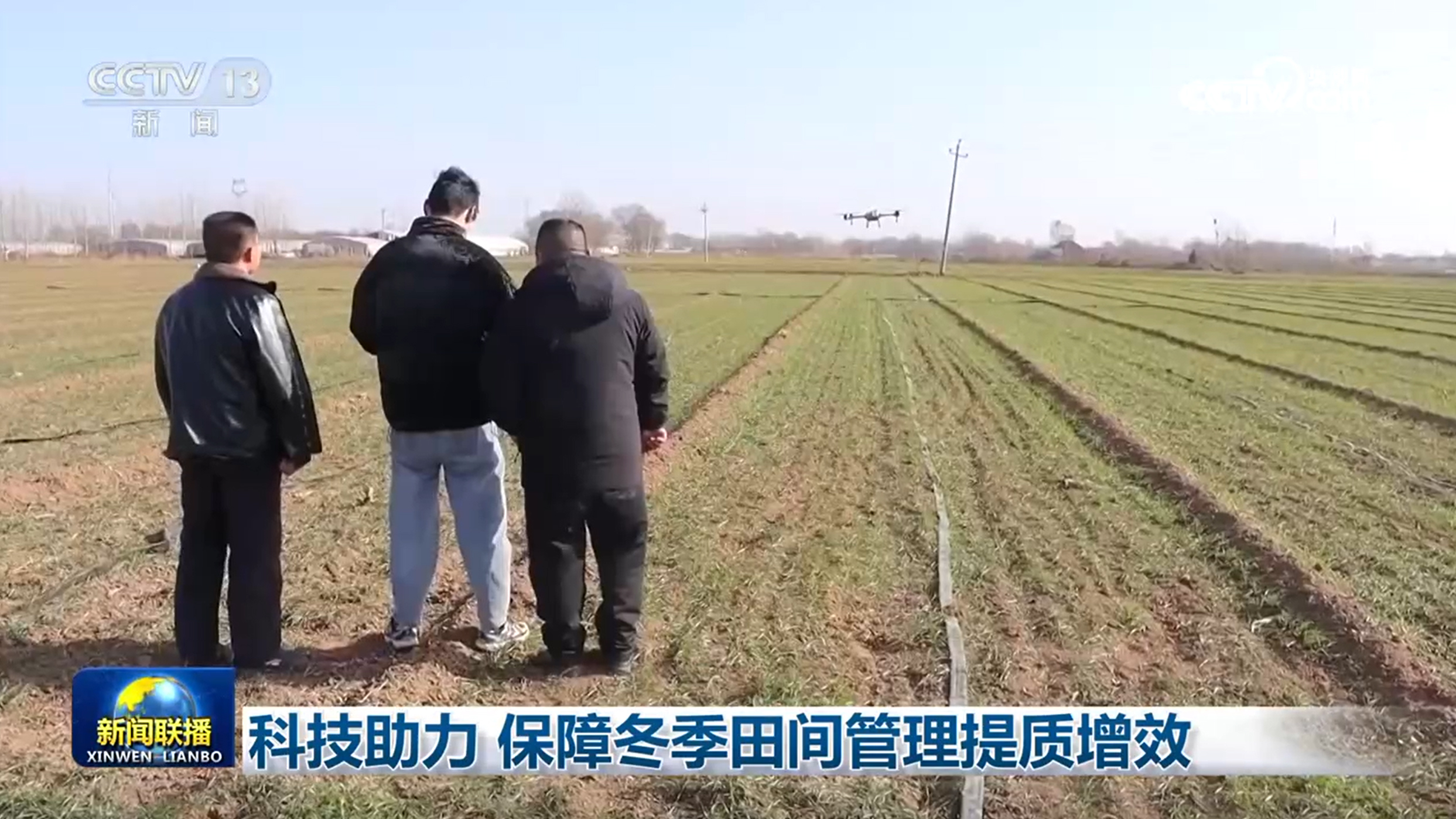
科技助力 保障冬季田间管理提质增效
Yang Shi Wang· 2025-12-20 12:19
加强田间管理,保障小麦越冬。河北3300多万亩冬小麦进入越冬期,全省组织4.5万名农技人员指导农户科学开展保墒、冻害预防等措施。在邯郸市肥乡 区,农技专家通过"线下实地指导+线上云端服务"结合的方式,让农户熟练掌握技术,根据土壤墒情和苗情长势,制定有效管理方案。安徽今年小麦播种面 积4352.5万亩。在马鞍山,当地通过新一代物联网、大数据、云平台等信息化技术应用,构建起"互联网+农业"信息服务体系,可动态感知小麦长势、气 象、土壤水分等,更加精准助力田间管理。山西河津组织农技服务小分队,深入重点麦区,查苗情、看墒情、送技术,帮助农户制定小麦促弱转壮措施,确 保小麦安全越冬。 南方油菜相继进入越冬期。重庆今年油菜种植面积超过450万亩。在潼南区的油菜种植基地,植保无人机正在开展飞防作业。当地大力推广机械化耕作、无 人机飞播管护等方式,提高油菜生产效率。目前,油菜生产机械化率已达到65.8%。江西投入近万台植保无人机,组建了76支服务队,做好油菜越冬保障。 在萍乡上栗,利用卫星遥感和无人机遥感技术,能准确采集油菜长势信息,辅助植保人员及时、高效对油菜追肥。广西全州应用5G智慧农业,构建起营养 供给、病害防控等为一 ...
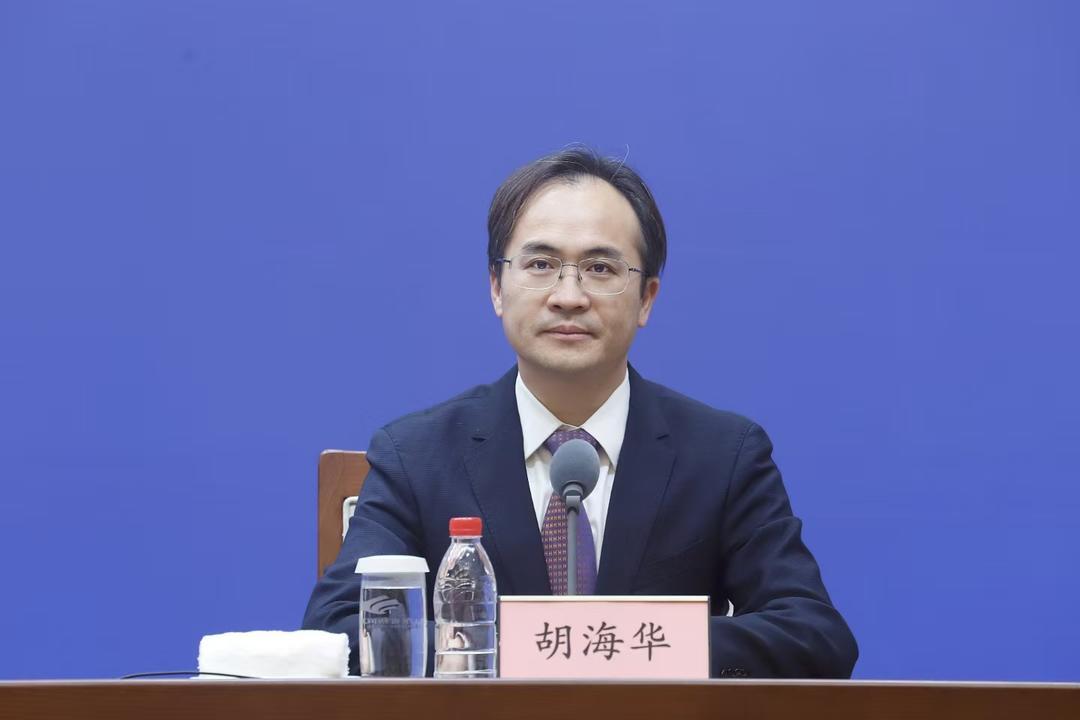
山西智慧农业五年行动计划出炉 提出到2030年底农业生产信息化率力争达到35%左右
Xin Lang Cai Jing· 2025-12-20 03:25
Core Viewpoint - The "Shanxi Province Smart Agriculture Action Plan (2026-2030)" has been officially released, focusing on the integration of digital technology with agriculture to promote high-quality development in modern agriculture in Shanxi [1] Group 1: Development Goals - By the end of 2026, the agricultural production informationization rate is expected to reach over 30%, establishing initial smart agriculture public service capabilities [1] - By the end of 2028, the provincial agricultural and rural big data platform will be basically completed, with the informationization rate increasing to over 32% [1] - By the end of 2030, the aim is to achieve widespread promotion of smart equipment and technology models, with a target informationization rate of around 35% in key areas [1] Group 2: Key Tasks - The plan includes three main tasks, focusing on enhancing public service capabilities by building an agricultural and rural big data platform and developing smart agriculture models for breeding and disaster warning [1] - The plan aims to create a unified agricultural land map and establish digital archives for arable land, along with an integrated observation system [1] Group 3: Application Expansion - The action plan covers key industries such as grain and economic crops, livestock, and fisheries, promoting technologies like "Beidou+" precision planting and intelligent water and fertilizer integration in grain production [2] - In economic crops, the plan promotes smart management in vegetable and fruit orchards, while in livestock, it focuses on electronic records and precision environmental control [2] - The fisheries sector will emphasize factory-based recirculating aquaculture systems [2] Group 4: Implementation Support - To ensure the plan's implementation, a provincial-level work promotion mechanism will be established, along with increased financial support [2] - The plan aims to enhance the capabilities of grassroots agricultural technicians and new business entities in smart agriculture applications [2]
让秭归脐橙这张“金色名片”更加闪亮
Xin Lang Cai Jing· 2025-12-19 16:22
Core Viewpoint - The article highlights the transformation of the agricultural sector in Zigui County, Hubei Province, focusing on the development of smart agriculture and the integration of technology to enhance the production and transportation of navel oranges, which has become a key driver for rural revitalization and poverty alleviation [6][9]. Group 1: Agricultural Modernization - The central government supports the development of smart agriculture, emphasizing the application of technologies such as artificial intelligence and big data [6]. - Zigui County has implemented the "Ten Million Project" experience, utilizing IoT, big data, and drones to advance its navel orange industry towards digitalization and intelligence [6]. - The county has achieved a "good" rating in the assessment of poverty alleviation results for three consecutive years and has excelled in provincial rural revitalization performance evaluations [6]. Group 2: Transportation Innovations - Zigui County has developed a transportation system that includes cable cars and drones to improve the efficiency of transporting navel oranges from mountainous areas [7]. - The cost of transporting oranges has decreased from 0.5 yuan per kilogram to 0.2 yuan with the use of drones, significantly reducing transportation time [7]. - Currently, there are 830 drones in Zigui County, covering 120 villages and transporting an average of 200 tons of oranges daily [8]. Group 3: Socialized Service Development - The establishment of a socialized service network has transformed the navel orange industry, facilitating connections between small producers and larger markets [9]. - Zigui County has cultivated 1,368 socialized service organizations, serving over 550,000 acres and integrating 42,000 orange farmers into the industry chain, saving an average of 140 million yuan annually [11]. - The county's socialized service system allows small farmers to access modern agricultural advancements without significant investment in equipment or technology [10]. Group 4: Experience Economy - Zigui County has shifted from merely selling oranges to offering experiential activities such as "drone-assisted orange picking," enhancing the tourism appeal of the region [12][14]. - The integration of agriculture, culture, tourism, and sports has created a unique rural revitalization model, attracting visitors and boosting local economies [13]. - The county aims to establish itself as a benchmark for the integration of agriculture and tourism, leveraging its natural resources and agricultural products [13].

韩国推进智慧农场海外实证
Shang Wu Bu Wang Zhan· 2025-12-19 15:49
据韩国《纽西斯》12月10日报道,韩国农业技术振兴院于9日在首尔龙山区举办"2025年度智能农场 海外实证支援项目"报告会,总结了年度工作成果。该项目与农林畜产食品部共同推进,今年首次实 施,旨在验证韩国智能农场技术的海外市场适用性。项目为企业提供从产品开发、物流通关到安装运营 的全方位支持,助力其在当地实际环境中验证技术竞争力。农技振兴院表示,将以此次报告会为契机, 持续支持韩国智能农场企业拓展全球市场,进一步夯实智慧农业的出口基础。 (原标题:韩国推进智慧农场海外实证) ...
山东重工潍柴数据中心发电产品1—11月销量同比增长318%
Da Zhong Ri Bao· 2025-12-19 09:38
Core Insights - Shandong Heavy Industry Group is leading the high-end equipment industry chain in Shandong, with a significant increase in sales and successful entry into high-end markets in Europe and America, achieving a 318% year-on-year sales growth from January to November [1] - The company has prioritized strategic transformation towards new energy, investing a total of 16 billion yuan in high-tech companies and establishing joint ventures to cover electric, hybrid, and fuel cell technologies [3] - In the smart industry sector, Shandong Heavy Industry is leveraging artificial intelligence to develop intelligent driving, smart agriculture, and logistics solutions, with significant advancements in autonomous vehicles and smart manufacturing [5] Group 1 - Shandong Heavy Industry Group has successfully entered high-end markets, with sales from January to November increasing by 318% [1] - The company has made a strategic shift towards new energy, investing 16 billion yuan in various high-tech companies and forming joint ventures with BYD [3] - The revenue from the new energy business reached 33.4 billion yuan, marking a 161% year-on-year increase, with new energy heavy truck sales growing by 251.4% [3] Group 2 - The company is focusing on smart industry development, creating a range of intelligent products and solutions, including autonomous vehicles and smart agricultural solutions [5] - Shandong Heavy Industry's revenue for the first eleven months reached 551.9 billion yuan, a 12.3% increase year-on-year, with new industries contributing 159.3 billion yuan [5] - The company has established several benchmark projects in smart manufacturing, including a digital factory recognized as a leading intelligent factory by the Ministry of Industry and Information Technology [5]
年轻人回村到底行不行?这批新农人“真可以”
Yang Shi Wang· 2025-12-18 22:27
Core Viewpoint - The arrival of seven young farmers in Qingfeng Village has significantly transformed the agricultural landscape, introducing new technologies and methods that enhance productivity and community engagement [2][9][20]. Group 1: Young Farmers' Impact - The young farmers, led by Huang Cheng, have taken charge of 6,000 acres of farmland, establishing a video platform to document their agricultural activities and engage with the community [2][5]. - Initially met with skepticism, the young farmers gained the trust of local villagers after successfully repairing a broken harvesting machine during a critical harvest period [3][4]. - The introduction of modern agricultural practices, such as drone technology and e-commerce, has revitalized the village's farming methods and improved efficiency [6][8][20]. Group 2: Community Engagement and Development - The young farmers have become integral to the community, assisting villagers with farming challenges and promoting collaboration on agricultural projects [5][9]. - They have transformed an old storage facility into a workshop for agricultural machinery repair, showcasing their commitment to practical solutions [4][5]. - The team has also engaged in community service, learning valuable lessons in customer service while delivering food, which has further strengthened their ties with the villagers [12][13]. Group 3: Future Aspirations - The young farmers are focused on enhancing the village's resilience to natural disasters by improving grain drying capabilities and planning for future agricultural innovations [10][11][18]. - They envision expanding their team and incorporating more advanced technologies to further elevate the agricultural practices in Qingfeng Village [18][20]. - The trend of young agricultural professionals returning to rural areas is growing, with over 460 graduates working in 92 villages in Taicang, indicating a broader movement towards rural revitalization [20].