能源安全

Search documents
机构:储能增长对磷矿需求拉动效应提升
Zheng Quan Shi Bao Wang· 2025-12-05 01:13
受益于化工品持续涨价潮,作为关键原材料的磷矿石价格持续高位运行。据百川盈孚数据,12月2日, 国内30%品位磷矿石市场均价为1016元/吨,28%品位磷矿石市场均价为945元/吨,25%品位磷矿石市场 均价为758元/吨。 东方证券认为,1)储能增长对磷矿需求拉动效应提升:在全球能源体系出现重大变革的当下,储能行 业的发展进一步使得磷资源成为能源转型中的重要载体。从粮食安全到能源安全,磷矿价值也正迎来新 的重估。2)磷矿石供给侧议价能力提升增强紧平衡持续性:市场对磷矿景气一直以来的担忧主要在于 磷矿自2021年景气上行至高位后,未来大量新增项目的供给陆续释放会带来磷矿景气高位崩塌的风险。 虽然近两年磷矿景气的依旧坚挺以及磷矿大型项目进展的不确定性一定程度上缓解了市场的担忧,但部 分投资者对磷矿未来景气的判断主要还是高位震荡后下行。3)储能增长下磷产业链景气预期曲线有望 上修:基于对未来储能出货增速的情景测算,即使不考虑磷矿下游大头农业等传统需求的增长潜力,在 设定的未来储能高增情景下,储能对磷矿石需求的拉动效应将超过动力领域,接力成为新的磷产业链需 求核心增长动能。 光大证券认为,1)6月开始进入磷酸一铵及磷 ...
匈牙利:将起诉
中国能源报· 2025-12-04 05:12
Core Viewpoint - The European Union (EU) will fully ban the import of Russian natural gas starting in the autumn of 2027, with a phased approach to the ban [3][4]. Group 1: Ban Implementation - The agreement reached by the EU Council and European Parliament representatives will see a ban on liquefied natural gas (LNG) imports from Russia starting at the end of 2026, while the ban on pipeline natural gas imports will take effect in the autumn of 2027 [3]. - The Danish Minister for Climate, Energy and Utilities emphasized the necessity for the EU to end its dependency on Russian gas to enhance security and ensure energy supply [3]. Group 2: Impact on Energy Supply - The International Energy Agency reported a significant decline in Russian gas exports to Europe, with LNG exports down by 10% and pipeline gas exports down by 45% year-on-year in the first three quarters of 2025 [3]. - It is projected that Europe’s LNG imports will reach a record high this year, increasing by approximately 20% compared to 2024, driven by rising consumption and reduced pipeline gas imports [3]. Group 3: Opposition from Hungary - Hungary's Foreign Minister expressed that the EU's decision threatens Hungary's energy security, stating that without Russian energy supplies, Hungary's existing infrastructure cannot safely secure sufficient oil and gas [5]. - The Minister warned that the EU's decision could lead to a tripling of energy costs for Hungarian households and indicated that Hungary would immediately initiate legal proceedings against the EU if the ban is formally approved [5].

人民日报|加强能源产供储销体系建设 夯实能源安全供应保障基础
国家能源局· 2025-12-04 03:56
Core Viewpoint - Energy security is a strategic issue that is crucial for national economic and social development, and it requires comprehensive measures to ensure supply and demand balance while promoting green and low-carbon energy transformation [2][3]. Background - As the world's largest energy consumer, ensuring energy security is a primary concern for China, driven by stable economic growth and increasing energy consumption needs [3]. - The transition to green and low-carbon energy is ongoing, but challenges remain due to the intermittent nature of renewable energy sources like wind and solar, which complicates reliable energy supply [3]. Main Practices and Achievements - The energy supply capacity has been continuously enhanced through the development of renewable energy, with installed capacity expected to reach 1.89 billion kilowatts by the end of 2024, accounting for 56% of total installed capacity [5]. - The construction of energy infrastructure has been strengthened, with a comprehensive network established to support energy transmission across regions [6][7]. - Energy storage facilities have been improved, with significant increases in coal, oil, and gas storage capabilities, enhancing overall energy security [8]. - The establishment of a unified energy market system is underway, promoting market-oriented electricity trading and improving the efficiency of energy consumption [9]. Experience Insights - A strong energy supply capability is fundamental for energy security, emphasizing the need for both increasing clean energy supply and stabilizing traditional energy sources like coal [11]. - The transition to a new energy system must focus on green transformation, addressing ecological concerns while ensuring energy development [12]. - Coordinated national energy management is essential to optimize resource allocation and ensure reliable energy supply across regions [12].

波兰海上风电建设提速,投资将达9000亿兹罗提,以保障能源安全
Shang Wu Bu Wang Zhan· 2025-12-04 02:11
波通社11月20日报道,"2025波兰海上风电"大会宣布,波兰海上风电已从规划阶段进入实际投资阶段。 首批海上风电装置已在波罗的海建成或开工建设,预计到2040年装机容量将达到18吉瓦,总潜力可达33 吉瓦。预计投资总额可达9000亿兹罗提。海上风电有望成为波兰能源安全的重要支柱,创造数千个就业 岗位,并推动经济发展。波兰企业在项目中的参与比例预计将升至40%,目前已有约500家企业参与其 中。政府和行业代表强调,来自波罗的海的绿色低成本能源对于满足数据中心、人工智能及工业等快速 增长的能源需求至关重要。在欧洲其他地区海上风电投资放缓的背景下,波兰的这一发展势头尤为突 出。 ...
加强能源产供储销体系建设 夯实能源安全供应保障基础
Ren Min Ri Bao· 2025-12-04 01:47
Core Viewpoint - Energy security is a critical issue for national economic and social development, emphasized by Xi Jinping's statements on the importance of energy supply and security [1][2]. Background Situation - China, as the world's largest energy consumer, faces challenges in ensuring energy security amid stable economic growth and increasing energy consumption [2]. - The transition to green and low-carbon energy is ongoing, but renewable energy sources like wind and solar still face reliability issues, impacting grid stability [2]. Main Practices and Achievements - The government has strengthened the energy production, supply, storage, and sales system, effectively meeting energy demands for both livelihood and economic development [3]. - The capacity for energy supply security has been enhanced through the development of renewable energy, with a projected installed capacity of 1.89 billion kilowatts by the end of 2024, accounting for 56% of total installed capacity [4]. - Fossil energy supply has also been improved, with stable crude oil production at 200 million tons and continuous natural gas production increases [4]. Energy Infrastructure Development - A comprehensive energy infrastructure network has been established, enhancing energy transmission capabilities across regions [5]. - By the end of 2024, the length of 220 kV and above transmission lines is expected to reach 960,000 kilometers, with a capacity of 5.78 billion kilovolt-amperes [5]. Energy Reserve Facilities - The construction of coal and gas reserve facilities has been prioritized, improving the government's ability to manage energy supplies [6]. - By the end of 2024, the installed capacity of pumped storage power stations is projected to reach 58.69 million kilowatts, with new energy storage projects increasing by over 130% [6]. Energy Market System - The establishment of a unified national electricity market is underway, with an increasing proportion of market-based electricity transactions [7]. - Reforms in the oil and gas market are being implemented to enhance the efficiency of energy distribution and pricing mechanisms [7]. Ensuring Livelihood Energy Supply - Measures have been taken to ensure energy supply during peak demand periods and major events, with a focus on maintaining stable electricity supply [8]. - Long-term contracts for coal and natural gas are being emphasized to stabilize energy prices and ensure supply [8]. Lessons Learned - A strong energy supply capability is fundamental for energy security, with a focus on both increasing clean energy supply and stabilizing existing fossil fuel production [9]. - The transition to a new energy system must prioritize green transformation while balancing economic and environmental needs [10]. - Coordinated national energy resource management is essential to address the imbalance in energy production and consumption across regions [10].
欧盟拟全面禁止进口俄天然气 匈牙利:将起诉
Yang Shi Xin Wen· 2025-12-04 01:27
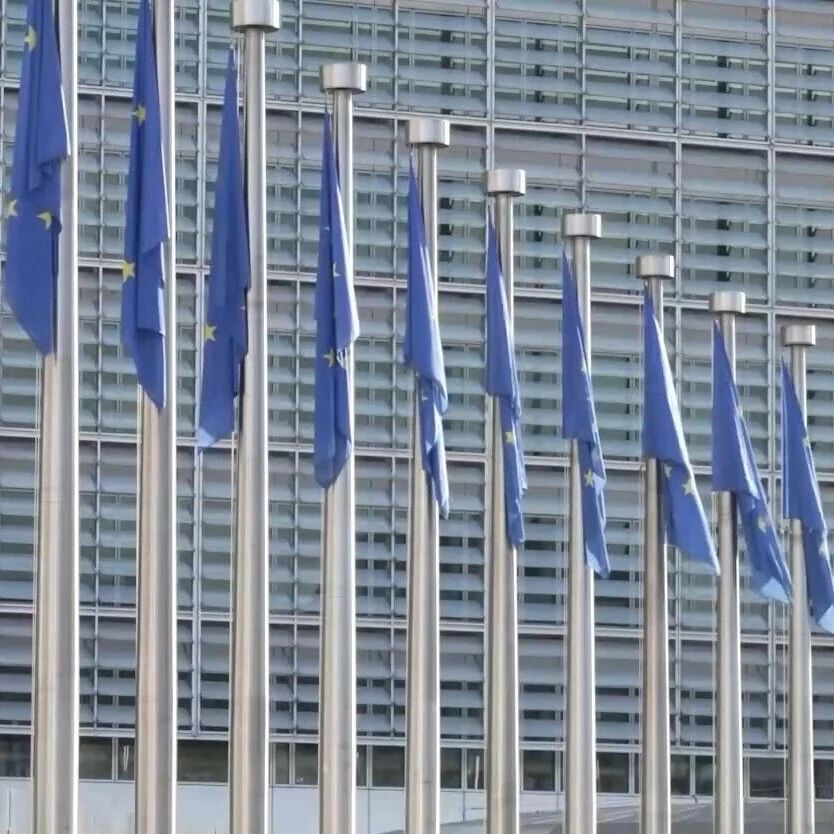
匈牙利外长 西雅尔多:匈牙利不可能接受执行以及完成欧盟的这项要求。实际情况是,欧盟此举威胁 匈牙利能源安全。如果没有来自俄罗斯的能源供应,匈牙利现有基础设施根本无法安全地获得足够的石 油和天然气,欧盟的决定将导致匈牙利家庭的能源支出至少上涨三倍。一旦该法案在欧盟正式获得投票 通过 ,匈牙利将立即向欧盟法院提起诉讼,我们将立即启动法律程序。 匈牙利外长西雅尔多表示,欧盟此举损害匈牙利能源安全,将向欧盟法院提起诉讼。 当地时间12月3日,欧盟理事会表示,欧盟理事会和欧洲议会议员代表达成协议,同意分步骤直至全面 禁止进口俄罗斯天然气。该协议仍需得到各成员国以及欧洲议会批准方可生效。 (总台记者 卜卫军) ...
匈牙利将就欧盟禁止进口俄能源提起诉讼
Xin Hua She· 2025-12-03 22:44
西雅尔多还表示,斯洛伐克同样高度依赖俄油气供应,相关决定对该国能源安全和经济构成严重威 胁。他已就此同斯洛伐克外长磋商,双方同意协调一致采取法律行动。他说,斯洛伐克政府也已决定通 过法律途径继续就进口俄能源问题同欧盟抗争。 西雅尔多当天在布鲁塞尔出席北约外长会期间举行记者会说,欧盟委员会、欧洲理事会和欧洲议会 就一项立法草案达成政治协议,计划自2027年9月逐步禁止欧盟成员国通过管道进口俄天然气,欧盟委 员会还提出自2027年底起禁止进口俄原油。 西雅尔多批评欧盟相关决定是出于政治和意识形态考量,认为其违背欧盟的基本条约,即能源政策 完全属于成员国的国家权限范围。他表示,一旦禁止进口俄能源的法案获得通过,匈牙利将立即向欧盟 法院提起诉讼,目前相关法律准备工作已经启动。 新华社布鲁塞尔12月3日电(记者 张兆卿 丁英华)匈牙利外交与对外经济部长西雅尔多·彼得3日表 示,匈牙利将就欧盟逐步禁止进口俄罗斯能源的相关决定向欧盟法院提起诉讼,认为这一决定损害匈牙 利能源安全,违反欧盟条约。 西雅尔多说,在现有基础设施条件下,匈牙利离不开俄罗斯的原油和天然气供应,匈方不可能接受 并执行欧盟这一"勒令"。他警告说,如果逐步 ...
加强能源产供储销体系建设 夯实能源安全供应保障基础(深学笃行阐释习近平经济思想)
Ren Min Ri Bao· 2025-12-03 22:29
引 言 习近平总书记指出,能源保障和安全事关国计民生,是须臾不可忽视的"国之大者"。《习近平经济文 选》第一卷中的《积极推动我国能源生产和消费革命》一文指出,"能源安全是关系国家经济社会发展 的全局性、战略性问题,对国家繁荣发展、人民生活改善、社会长治久安至关重要。"党的十八大以 来,各有关方面深入学习领会习近平总书记关于能源保供的重要指示批示精神,始终坚持以习近平经济 思想和习近平生态文明思想为指导,深入推进能源产供储销体系建设,多措并举加强供需调节,全面推 进能源高质量发展,不断筑牢能源安全保障根基。 一、背景情况 习近平总书记指出,能源安全事关经济社会发展全局。我国作为世界上最大的能源消费国,如何有效保 障国家能源安全,始终是能源发展的首要问题。从需求端看,我国经济持续稳定增长,终端用能电气化 进程加快,人民对改善生活舒适度意愿增强,带动能源消费较快增长。从供给端看,我国能源绿色低碳 转型持续推进,清洁能源装机占比不断提升,但风电、光伏具有随机性、间歇性和波动性特征,在电量 方面仍处于增量替代阶段,在电力方面难以提供稳定、可靠的电力支撑,在安全方面一定程度上加剧了 电网安全稳定运行风险,实现新能源对传统 ...
欧盟将于2027年秋全面禁止进口俄罗斯天然气
Xin Hua Wang· 2025-12-03 12:52
国际能源署10月27日发布报告称,2025年前三季度,俄罗斯对欧洲天然气出口量大幅下降,液化天 然气出口量同比下降10%,管道天然气出口量下降45%。报告预计,今年全年欧洲液化天然气进口量将 创历史新高,比2024年增长约20%。由于消费需求上升加之管道天然气进口减少等因素,欧洲液化天然 气价格高企。 新华社布鲁塞尔12月3日电(记者周海伦 姚雨璘)欧盟理事会3日在网站发布消息称,欧盟将从 2027年秋季开始全面禁止进口俄罗斯天然气。 消息称,欧盟理事会和欧洲议会议员代表达成协议,分步骤直至全面禁止进口俄罗斯天然气。协议 规定,俄罗斯液化天然气进口禁令将从2026年底生效,管道天然气进口禁令将从2027年秋季生效。 欧盟轮值主席国丹麦气候、能源和公用事业大臣拉尔斯·奥高说,欧盟必须终结对俄罗斯天然气的 依赖。为加强欧盟安全并保障能源供应,成员国和欧洲议会快速达成上述协议。 【纠错】 【责任编辑:施歌】 ...
媒体报道︱“十五五”规划建议首次出现,建设“能源强国”
国家能源局· 2025-12-03 10:40
Core Viewpoint - The construction of an energy powerhouse is essential for coordinating domestic and international needs, development and security, and advancing Chinese-style modernization [2] Group 1: Energy Supply and Demand - The global energy supply and demand landscape is undergoing significant adjustments due to geopolitical factors, climate change, and energy transition, making energy issues a priority for national security [2] - During the "14th Five-Year Plan" period, China's energy consumption is expected to continue its rigid growth, with an anticipated annual increase of approximately 600 billion kilowatt-hours [2] - China must shift from a high-energy consumption and high-emission model to a green and low-carbon development path, given its population of over 1.4 billion [2] Group 2: Energy Industry Development - China has established itself as the world's largest energy producer, maintaining an energy self-sufficiency rate of over 80% [3] - The country has built the largest and most complete new energy industrial chain globally, providing over 80% of the world's photovoltaic components and 70% of wind power equipment [3] - Significant breakthroughs have been made in energy technologies and equipment, particularly in hydropower, advanced nuclear power, heavy-duty gas turbines, and smart grids [3] Group 3: Systematic Engineering Approach - The construction of an energy powerhouse is a systematic project that requires a balanced approach, emphasizing stability and progress [3] - The relationship between energy security and transition must be managed carefully, with a focus on gradual and orderly phasing out of traditional energy while promoting new energy sources [3] - Energy development must also consider energy conservation, advocating for green and low-carbon production and lifestyle practices [3] Group 4: Government and Market Relations - There is a need to deepen market-oriented reforms in competitive energy sectors and improve energy pricing mechanisms to stimulate internal motivation and innovation [4] - The new energy system will accelerate the construction of a clean, low-carbon, safe, and efficient energy framework during the "15th Five-Year Plan" period [4]