全球资产配置

Search documents
中外资机构:中国权益资产有望跑赢海外市场
Zhong Guo Ji Jin Bao· 2025-08-03 14:07
Group 1: Market Overview - The global capital market continues to exhibit a complex and volatile trend as of July, with macroeconomic data, geopolitical situations, and monetary policies influencing the market outlook for August [1] - The average import tariff level in the U.S. has reached 15.6% this year, significantly higher than the 2.4% expected in 2024, which may elevate U.S. inflation and weaken corporate profitability [8][12] - The impact of U.S. tariff policies includes potential slowdowns in global trade flows, reduced investment and consumption growth, and a reshaping of global supply chains [8] Group 2: Trade Policies and Economic Impact - The trade agreements reached have prevented the implementation of higher tariffs, which is generally favorable for the market; however, the tariffs already in effect since April have led to a notable decline in U.S. imports and affected consumer confidence [8][11] - The tariffs have a more pronounced effect on industries such as automotive, steel, and aluminum, with significant declines in revenue and profitability for companies heavily exposed to the U.S. market [8][11] - The legal standing of Trump's tariff policies remains uncertain, pending a final ruling from the Supreme Court [9] Group 3: Monetary Policy and Interest Rates - The Federal Reserve decided to maintain interest rates in July, with expectations of potential rate cuts in September or October, and a total of four cuts anticipated by June next year, amounting to 100 basis points [11][13] - High tariffs may constrain the Fed's ability to lower rates, as they could lead to increased inflation and weakened consumer and investment activity in the U.S. [12] Group 4: Investment Strategies - The outlook for gold prices is positive, with a forecast of $3,700 per ounce by June 2026, driven by ongoing geopolitical risks and central banks increasing gold reserves [14] - Investors are advised to increase allocations to non-U.S. assets, particularly European investment-grade bonds and stocks, which are expected to benefit from Germany's fiscal stimulus [18] - Chinese equity assets are projected to outperform overseas markets in the second half of the year due to strong policy expectations and improved fundamentals [20] Group 5: Sector Focus - The market is expected to show a "high-low cut" characteristic, with significant interest in cyclical stocks driven by infrastructure policies and technological advancements [21] - The AI sector is anticipated to remain a core focus, with recommendations to pay attention to semiconductor, optical module, and high-end PCB stocks [21] - For low-risk investors, there are opportunities in undervalued stocks with cash value and liquidation reassessment potential, particularly in sectors that have lagged since last year [22]

积极参与全球配置87家内地私募获香港9号牌照
Shang Hai Zheng Quan Bao· 2025-08-03 13:34
Group 1 - The core viewpoint of the article highlights the increasing trend of private equity firms in mainland China obtaining Hong Kong's Type 9 license, enabling them to manage USD funds and expand their global investment strategies [1][2] - As of August 1, 2023, 87 mainland private equity firms have received the Type 9 license, with over 40% of these firms managing assets exceeding 5 billion yuan [1][2] - The article emphasizes that leading private equity firms are at the forefront of this trend, with 37 firms managing over 5 billion yuan, representing more than 40% of the licensed firms [2] Group 2 - The article notes that many top private equity firms are also exploring the Singapore market, indicating a broader regional expansion strategy [3][4] - The rising costs of office rentals and talent recruitment in both Hong Kong and Singapore reflect the accelerated pace of private equity firms going global [4] - The concept of "dual-directional engagement" is introduced, where both overseas investors and domestic asset management firms are actively seeking opportunities in each other's markets [5] Group 3 - The article discusses the importance of enhancing comprehensive capabilities for private equity firms as they venture abroad, focusing on compliance systems, risk management, and long-term performance attribution [6][7] - It is suggested that private equity firms should recruit talent with overseas experience and build high-level professional research teams to better understand foreign markets [7] - The need for private equity firms to strengthen their internal governance and investment strategies is emphasized, ensuring they adhere to value and long-term investment principles [7]
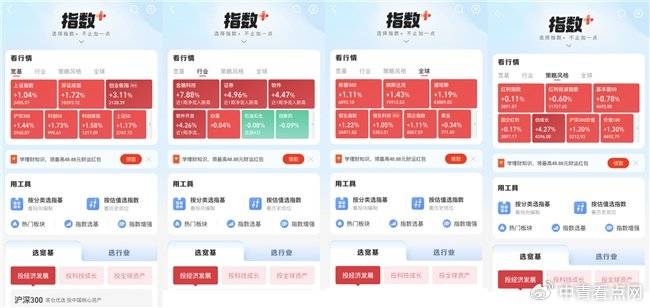
美元走弱,降息在即?支付宝指数+助你把握全球资产配置新机遇
Sou Hu Cai Jing· 2025-07-30 00:49
Core Insights - The recent decline in the US dollar index and rising expectations for Federal Reserve interest rate cuts have created new opportunities and volatility in global capital markets [1][3] - Alipay Index+ provides tools and data to help investors optimize asset allocation during the interest rate cut cycle, balancing risk and growth opportunities [1][4] Investment Logic Behind Dollar Weakness - A falling dollar index typically leads to appreciation of non-US currencies, recovery in commodities, and increased attractiveness of emerging market assets [3] - Historical data shows that during Federal Reserve rate cut cycles, core A-shares, gold, and high-growth Asian stocks tend to perform well [3] - Alipay Index+ employs a "global asset allocation + dynamic optimization" strategy to help investors respond flexibly to market changes [3] Global Asset Allocation and Risk Diversification - Alipay Index+ includes a variety of assets, such as broad-based A-share indices, allowing ordinary investors to conveniently allocate to index-enhanced funds with potential for sustained excess returns [4] - The platform aims to improve the stability and longevity of long-term investments through professional tools [4] Intelligent Portfolio Adjustment - Index-enhanced funds are not passively managed but dynamically optimized based on quantitative models [6] - The system may automatically adjust allocations to growth stocks sensitive to interest rates or increase defensive asset proportions based on market conditions [6] - As of the end of 2024, over 11 million investors have initiated index fund regular investments, with an average holding period of 1,239 days and an average return of 4.14% [6] - The passive index fund market in China reached a scale of 3.96 trillion yuan in 2024 [6] - Ant Group's wealth management division aims to enhance investor experience through a comprehensive index investment service platform, "Index+", which collaborates with multiple institutions to provide stable index-enhanced products [6] Strategic Focus During Rate Cut Cycles - The combination of intelligent portfolio adjustment strategies and market volatility presents both opportunities and risks [8] - Alipay Index+ utilizes fundamental indicators to filter out short-term funds, employs quantitative models to assess tracking errors and information ratios, and conducts qualitative analysis by industry experts to ensure high investment value [8]
A50 实时股指期货:全球视野下的投资机遇
Sou Hu Cai Jing· 2025-07-29 15:46
Core Insights - A50 Real-time Index Futures serve as a vital bridge for global investors to access China's core assets and gain insights into the Chinese economy [1][4] - The underlying FTSE China A50 Index includes 50 leading A-share companies with significant market capitalization and liquidity, spanning key sectors such as finance, consumption, technology, and energy [1] - The trading hours of A50 Real-time Index Futures are a notable feature, allowing nearly seamless trading from Monday to Friday, which aligns closely with A-share trading hours and covers active periods in European and American markets [1] Trading Advantages - The price discovery function of A50 Real-time Index Futures is enhanced by its trading hours that span multiple global markets, allowing it to react promptly to international events and economic data [2] - A50 Real-time Index Futures act as a "barometer" for market expectations, providing valuable forward-looking signals to A-share investors and global market participants [2] Investment Opportunities - For global investors, A50 Real-time Index Futures offer an efficient tool to participate in China's economic growth, overcoming barriers that limit direct access to the A-share market [4] - The correlation between A50 Real-time Index Futures and the CSI 300 Index is as high as 0.8, indicating a strong relationship, while also often leading in response to market movements [4] - A50 Real-time Index Futures feature a more balanced industry distribution compared to the SSE 50 Index, showcasing greater resilience and vitality in emerging industries, thus providing diverse investment perspectives [4]

低利率怎么破局?趋势指南环球增益,解锁全球配置
Zhong Guo Ji Jin Bao· 2025-07-28 00:19
Core Viewpoint - The domestic market has entered a new round of interest rate cuts, with the one-year deposit rate falling below 1% and the three-year rate below 2%, leading to a low-interest-rate environment for fixed-income assets. Investors are encouraged to diversify their asset allocation and consider global markets for better investment opportunities [1][4]. Group 1: Investment Strategy - Investors are advised to expand their investment horizons from single asset classes to diversified and multi-category asset allocations to effectively reduce portfolio risk and enhance return sources [1][2]. - The newly launched product by Huihua Wealth, "Global Gain," focuses on global asset allocation and employs a "fixed income plus" investment strategy, integrating international investment frameworks and resources [1][2]. Group 2: Product Details - The product allocates 80% of its fixed income portion to a flexible duration strategy, actively managing domestic and foreign bonds while ensuring liquidity and capturing market opportunities [2]. - The product is now available for sale at Standard Chartered Bank, marking Huihua Wealth's first collaboration with a foreign bank for distribution, reflecting market recognition of the company [2][3]. Group 3: Company Background - Huihua Wealth is the first Sino-foreign joint venture wealth management company established by France's largest asset management company, Amundi, and Bank of China’s wholly-owned subsidiary, BOC Wealth Management, officially launched in September 2020 [3]. - The company has developed a research and investment system characterized by global asset classes, with specialized teams focusing on macro, fixed income, derivatives, and equity, ensuring a comprehensive approach to asset management [3]. Group 4: Market Outlook - The company indicates mixed signals in the current market, with stable aggregate data but structural divergence, suggesting ongoing pressure on fundamentals. However, expectations for "anti-involution" are strengthening, and large-scale infrastructure projects are boosting risk appetite [4]. - The company emphasizes the need for cautious duration management and flexible short-term trading strategies while seeking structural opportunities in the market [4].
低利率怎么破局?趋势指南环球增益,解锁全球配置!
中国基金报· 2025-07-28 00:08
今年国内市场开启新一轮降息,一年期存款利率跌破1%,三年期已不足2%。随着 利率中枢 不断下移,固定收益类资产整体进入了低利率时代。在此背景下,若执着于追求单一资产类 别的超额回报,不仅难度加大,更难以持续。 面对低利率时代的投资困境,投资者可考虑扩宽投资视野,从单一资产类别的配置,到多元 化、多品种的资产配置;同时,不妨将目光从国内市场扩展到全球市场。世界各大经济体周 期不同频,展现出不同的投资机会;而且通过分散配置不同类别的资产,可充分利用不同资 产类别之间存在的负相关或弱相关关系,有效降低投资组合风险,并丰富收益来源。 关于当前市场,汇华理财表示,近期基本面有喜有忧,总量数据保持平稳,但结构性数据有 分化,基本面仍有压力。但是"反内卷"预期逐渐走强,超大型基建启动带动风险偏好提升, 债市面临一定调整压力,尤其考虑机构整体久期与杠杆水平都处在偏高水平,市场情绪影响 易被放大。因此,一方面久期维持谨慎,短期波动操作应更为灵活;另一方面需挖掘结构性 机会,寻找曲线、利差、新老券和信用等机会。后续需继续紧密关注基本面变化、政策节 奏、央行态度以及外部冲击的进展。 此外,可积极探寻境外固收市场的机会,目前境内外固 ...

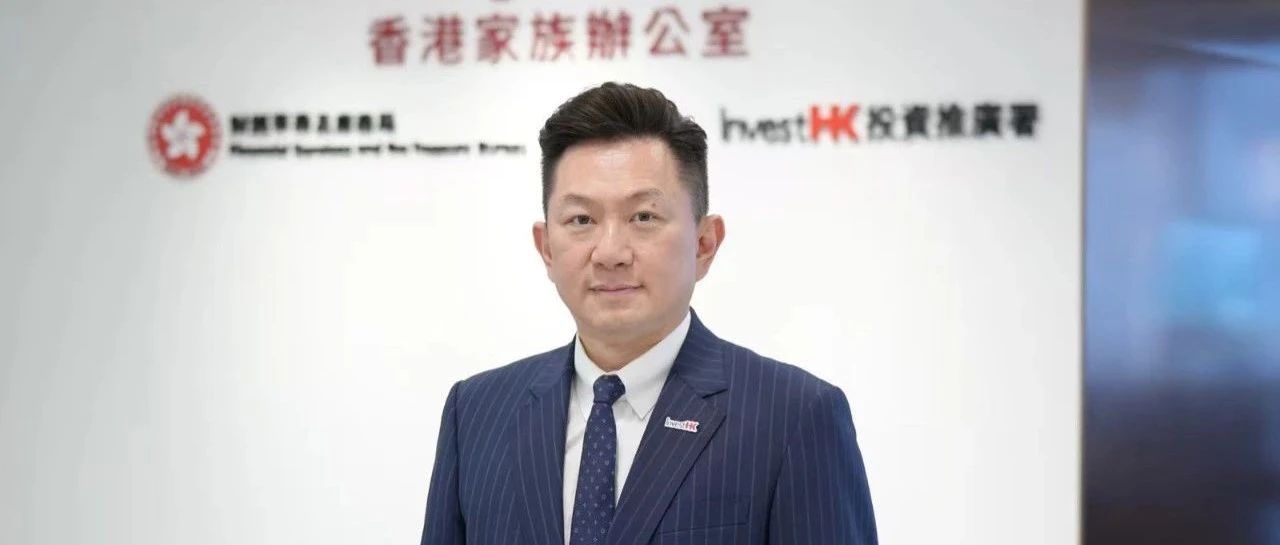
香港投资推广署家族办公室环球总裁方展光:“家办不只是投资平台,更是治理与传承的工具”
经济观察报· 2025-07-26 07:35
Core Viewpoint - Family offices are not just "investment platforms" but essential tools for global families to promote wealth inheritance, governance, next-generation education, and charitable planning [4][17]. Group 1: Family Office Landscape in Hong Kong - As of now, there are over 2,700 single-family offices in Hong Kong, with more than half established by ultra-high-net-worth individuals with assets exceeding $50 million [3]. - The Hong Kong government has assisted over 1,300 overseas and mainland enterprises in establishing or expanding their businesses in Hong Kong from January 2023 to mid-2025, with 179 family offices among them [2]. Group 2: Reasons for Family Offices Establishing in Hong Kong - Hong Kong's rich history and robust ecosystem in wealth management make it Asia's leading cross-border wealth management center [8]. - The "One Country, Two Systems" framework allows Hong Kong to serve as a natural springboard for mainland capital to go global, aligning with the "14th Five-Year Plan" which positions Hong Kong as an international financial center [8]. - Hong Kong's low and direct tax rates, stable currency exchange, and mature legal system attract global funds, especially in the context of rising trade protectionism [8]. Group 3: Regional Differences in Family Office Needs - Family offices from different regions exhibit varying needs in wealth inheritance and asset allocation. For instance, European and American family offices often have established governance structures and seek investment opportunities in Asia through Hong Kong [9]. - ASEAN family offices, often established by first or second-generation entrepreneurs, focus on private investments and global expansion, using Hong Kong as a gateway to the Chinese market [9]. - Mainland family offices prioritize global asset allocation and wealth inheritance planning, emphasizing tax compliance and risk control [9]. Group 4: Advantages and Protections Offered by Hong Kong - Hong Kong's status as a leading international financial center benefits from the "One Country, Two Systems" framework, attracting family offices globally [10]. - The region has a mature anti-money laundering regulatory framework and strong privacy protection laws, making it an attractive jurisdiction for high-net-worth individuals [11]. Group 5: Future Trends and Developments - An increasing number of families are expected to use Hong Kong for global asset allocation, investing in stocks, alternative investments, sustainable investments, and digital assets [16]. - Family offices are evolving into tools for governance, next-generation education, and charitable planning, with Hong Kong supporting long-term family development and wealth transmission [17]. Group 6: Role of Technology in Family Offices - Many family offices are leveraging technology for daily operations and reporting, while also focusing on investments in the tech sector [18]. - Hong Kong's proximity to Shenzhen, a tech hub, provides significant opportunities for family offices to engage with technological advancements [18][19].
香港投资推广署家族办公室环球总裁方展光:“家办不只是投资平台,更是治理与传承的工具”
Jing Ji Guan Cha Wang· 2025-07-26 06:21
Core Insights - The Hong Kong Special Administrative Region (HKSAR) government has assisted over 1,300 overseas and mainland Chinese enterprises in establishing or expanding their businesses in Hong Kong from January 2023 to mid-2025, with family offices accounting for 179 of these entities [2] - There are currently over 2,700 single-family offices in Hong Kong, with more than half established by ultra-high-net-worth individuals with assets exceeding $50 million [2] - Family offices serve as important tools for wealth management, family governance, education, and charitable planning, providing specialized services for long-term family development and wealth transmission [2] Investment Trends - 147 family offices are preparing or have decided to establish or expand their operations in Hong Kong, with over 40% coming from regions such as Europe, Asia-Pacific, Oceania, and the Middle East [4] - Hong Kong's historical depth in wealth management and its status as Asia's leading cross-border wealth management center attract global family offices [5] - The "One Country, Two Systems" framework allows Hong Kong to serve as a natural springboard for mainland capital to access international markets, aligning with China's 14th Five-Year Plan [5] Regional Differences in Family Office Needs - Family offices from Europe typically have mature management philosophies and governance structures, focusing on long-term capital preservation, technology investments, and cultural transmission [6] - ASEAN family offices, often established by first or second-generation entrepreneurs, prioritize private investments and global expansion, using Hong Kong as a gateway to the Chinese market [6] - Mainland family offices emphasize global asset allocation, wealth transmission planning, tax compliance, and risk control, increasingly focusing on impact investing and family governance [6] Regulatory and Operational Advantages - Hong Kong's unique dual attributes as a common law jurisdiction with high autonomy and international connectivity attract family offices globally [7] - The region has a robust anti-money laundering framework and privacy protection laws, making it a preferred jurisdiction for high-net-worth individuals [7] - Family offices can leverage Hong Kong's international financial system for global asset allocation and easier access to mainland investment opportunities [8] Future Development Trends - Family offices are expected to increasingly use Hong Kong for global asset allocation, investing in stocks, alternative investments, sustainable investments, art, and digital assets [10] - The region's resilience amid international political and economic instability positions it as an ideal safe haven for family offices [10] - Family offices will evolve beyond mere investment platforms to become essential tools for family governance, education, and charitable planning [10] Technological Integration - Many family offices are adopting technology to assist with daily operations and reporting, while also focusing on investments in the tech sector [11] - Hong Kong's proximity to Shenzhen, a hub for technological advancement, provides significant opportunities for family offices to engage with tech innovations [11] - The region's strong intellectual property protection framework further attracts technology companies and family offices seeking to explore opportunities [11]
存钱收益太低,房子又不能买,还能投哪里
3 6 Ke· 2025-07-26 05:06
Group 1 - The article discusses a significant wealth migration occurring in China, likening it to the "Watanabe Housewife Era" in Japan, suggesting that 2022 marks the beginning of this trend [1][20] - It draws parallels between the economic situations of Japan in the 1980s and China's current economic challenges, including overcapacity, real estate decline, and weak consumption [7][8] - The article emphasizes the importance of foreign trade in China, stating that it supports approximately 180 million jobs and is more critical than the real estate sector [8] Group 2 - The historical context of Japan's economic bubble and subsequent collapse is presented, highlighting the consequences of currency appreciation on export competitiveness [6][11] - The article warns against repeating Japan's mistakes, particularly in terms of managing economic bubbles and the efficiency of capital allocation [11] - It suggests that smart capital is already seeking global investment opportunities, with a shift towards assets like the S&P 500 and Nasdaq [12][20] Group 3 - The emergence of a new demographic, akin to Japan's Watanabe Housewives, is noted, where middle-aged women in China are increasingly taking control of family finances and seeking better investment opportunities [12][14] - The article advocates for global asset allocation as a survival strategy, emphasizing that understanding global market dynamics is crucial for wealth preservation and growth [15][20] - It highlights Hong Kong's role as a bridge for global asset allocation, particularly in the context of RMB internationalization and the appeal of Hong Kong assets to global investors [18][19]
7月24日人民币汇率公开,对出国换汇有啥影响?
Sou Hu Cai Jing· 2025-07-24 23:31
Core Insights - The recent fluctuation of the RMB to USD exchange rate around 7.1414 has significant implications for daily life, particularly in areas such as overseas travel, education, cross-border e-commerce, and investment management [3][9]. Investment Management: Exchange Rate Impact on Global Asset Allocation - The depreciation of the RMB against the USD can enhance the returns for investors holding USD-denominated assets or overseas funds, while appreciation may reduce returns when converting back to RMB [4]. - Investors should closely monitor exchange rate cycles and adjust their investment strategies based on their risk tolerance, avoiding impulsive trading decisions [4]. Cross-Border E-Commerce: Business Strategy and Exchange Rate - For cross-border e-commerce sellers, fluctuations in the RMB to USD exchange rate directly affect profit margins. A weaker RMB increases profits when selling in USD, while it raises costs for goods purchased in USD or EUR [4]. - Sellers are advised to anticipate costs and set prices accordingly to mitigate the impact of exchange rate volatility on profits [4]. Education: Currency Exchange Strategy for Families - Families planning to send children abroad for studies face challenges in currency exchange. Current exchange rates include 1 CAD to 5.2556 RMB, 1 AUD to 4.6844 RMB, and 1 GBP to 9.6662 RMB [5]. - It is recommended to adopt a phased currency exchange strategy to minimize risks associated with exchange rate fluctuations and manage study costs effectively [5]. Travel: Rational Currency Exchange to Avoid Losses - Travelers planning trips to countries like Japan and Europe should monitor exchange rate changes. Current rates include 1 EUR to 8.3920 RMB and 100 JPY to 4.8732 RMB [7]. - A phased approach to currency exchange is suggested to reduce risks associated with exchange rate volatility, especially if no significant fluctuations are expected [7]. Emerging Market Currencies: Monitoring Regional Economic Conditions - The RMB's exchange rates against other currencies, such as 1 KRW to 192.89 and 1 MYR to 0.59142, are important for businesses and travelers [7]. - Companies engaged in purchasing from Korea or Southeast Asia should keep a close watch on currency fluctuations to manage costs and pricing strategies effectively [7]. Exchange Rate Changes: Broader Implications Beyond Numbers - The RMB to USD exchange rate is influenced by various factors, including global economic conditions, Federal Reserve monetary policy, and geopolitical events [9]. - Stakeholders are encouraged to adopt rational perspectives and implement appropriate strategies based on their specific circumstances [9]. Practical Recommendations - Implement a phased currency exchange strategy to mitigate risks associated with exchange rate fluctuations [9]. - Cross-border e-commerce sellers should closely monitor exchange rate trends to optimize their currency conversion timing [9]. - Investors in overseas funds should manage their foreign currency accounts flexibly to respond to exchange rate changes [9].