
制度创新

Search documents
新华时评丨四十五,正青春!
Xin Hua She· 2025-08-25 14:49
Group 1 - The core viewpoint emphasizes Shenzhen's 45 years of development as a vibrant city born from reform and opening up, showcasing significant GDP growth and the emergence of globally influential companies like Huawei and Tencent [1] - Shenzhen has achieved over 1,000 national firsts and ranks among the top global innovation cities in terms of R&D investment intensity, establishing itself as a major source of technological innovation [1] - The city's achievements are attributed to continuous institutional innovation and expanding openness, fulfilling its role as a "testing ground" for reforms assigned by the central government [1] Group 2 - Recent policies from the Central Committee and State Council aim to deepen reform and expand openness in Shenzhen, introducing new reform measures and innovative experiments [2] - Shenzhen is positioned at a new starting point to deepen reforms and expand openness, focusing on system integration and efficiency, particularly in areas like cross-border data flow and intellectual property protection [3] - The city aims to accelerate the construction of a modern industrial system, contributing significantly to China's modernization efforts [3]
新华时评|四十五,正青春!
Xin Hua She· 2025-08-25 13:22
Core Points - Shenzhen celebrates its 45th anniversary as a Special Economic Zone, showcasing significant economic growth and innovation [1] - The city has experienced a GDP increase of over ten thousand times and is home to globally influential companies like Huawei and Tencent [1] - Shenzhen has established itself as a major hub for technological innovation, with over 1,000 national firsts and a leading position in R&D investment intensity [1] Group 1 - The establishment of the Special Economic Zone is a significant initiative for reform and modernization in China [1] - Shenzhen has continuously innovated its systems and expanded its openness, acting as a "testbed" for reforms [1] - Recent reforms include the registration system for the Growth Enterprise Market and market-oriented allocation of data elements [1][2] Group 2 - The central government has issued new opinions to deepen reform and innovation in Shenzhen, focusing on a phased approach to reform measures [2] - Shenzhen aims to enhance its international competitiveness in areas such as cross-border data flow and intellectual property protection [3] - The city is committed to building a modern industrial system and contributing to China's modernization efforts [3]
河北自贸试验区:开启新一轮“升级”时刻
Zhong Guo Chan Ye Jing Ji Xin Xi Wang· 2025-08-25 08:34
Core Viewpoint - The establishment and development of the Hebei Free Trade Zone, particularly the Caofeidian area, have significantly improved efficiency and reduced costs in various sectors, contributing to China's broader reform and opening-up strategy [1][3][15]. Group 1: Efficiency Improvements - The inspection time for ships has been reduced from 4 hours to 2.5 hours, saving costs of 30,000 to 40,000 yuan per ship [1][5]. - The approval time for sea usage rights has been cut from 117 days to 73 days, representing a 38% efficiency increase [1]. - The "modular inspection mechanism" for international vessels has been recognized as a successful reform pilot, streamlining the inspection process into four standardized steps [5][6]. Group 2: Institutional Innovation - The Caofeidian area has implemented 235 autonomous innovation measures, with 30 recognized at the national level and 48 replicated in Hebei province [4][10]. - The area focuses on five freedoms (investment, trade, capital, transportation, personnel) and one convenience (data flow), enhancing the business environment [4][7]. - The integration of 37 maritime administrative matters into a single process has improved the one-time completion rate to 85% and reduced application materials by 50% [6][10]. Group 3: Economic Development - The Caofeidian area aims to develop key industries such as international bulk commodity trade, port and shipping services, energy storage, and high-end equipment manufacturing [8][9]. - Since its establishment, the area has attracted 12,695 new market entities and generated tax revenue of 18.012 billion yuan, with continuous growth in import and export volumes [10][12]. - The projected GDP for the area in 2024 is 122.08 billion yuan, with a 10.5% increase in industrial added value [10][15]. Group 4: Future Directions - The area plans to enhance its openness by focusing on a system of "five freedoms and one convenience," aligning with high-standard international trade rules [16][17]. - Future initiatives will include promoting bonded LNG refueling, delegating fuel oil permissions, and developing a comprehensive innovation zone [15][18]. - The goal is to create a systemic innovation framework that integrates various sectors, ensuring comprehensive reform effectiveness [18].
唤醒更多“沉睡”的校园体育场馆
Jing Ji Ri Bao· 2025-08-22 00:11
Core Viewpoint - The article highlights the initiative of Jiangsu Province and 13 cities to open public sports venues for free to citizens, promoting fitness and addressing the increasing demand for sports facilities amid the growing popularity of sports events like the "Su Super" football league [1] Group 1: Public Sports Facilities - Public sports venues in Jiangsu Province are now free for citizens, coinciding with the "National Fitness Day" activities [1] - The construction of sports infrastructure has been enhanced, with a goal of reaching an average of 3 square meters of sports area per person nationwide by 2024 [1] - Despite improvements, some cities still face structural shortages in public sports facilities, leading to challenges for citizens seeking available sports venues [1] Group 2: School Sports Facilities - The closed management of school sports venues poses challenges, but opening them can optimize resource utilization and enhance public fitness services [2] - A top-level design is necessary to address the reluctance of schools to open facilities, requiring clear planning and coordination among educational and sports departments [2] - Financial support for venue opening should be included in stable budget arrangements, and communities should assist in managing public access [2] Group 3: Technological Empowerment - The conflict between educational use and public access to school sports venues necessitates the use of advanced technologies like 5G and big data for real-time monitoring and management [3] - Implementing digital management for venue usage, including smart reservations and payment systems, can enhance efficiency and safety [3] - A collaborative approach involving government, schools, and society is essential for the sustainable opening of school sports venues, transforming them into vibrant community resources [3]
制度创新“落地有声” 临港新片区交出区域经济发展亮眼“成绩单”
Yang Shi Wang· 2025-08-21 07:34
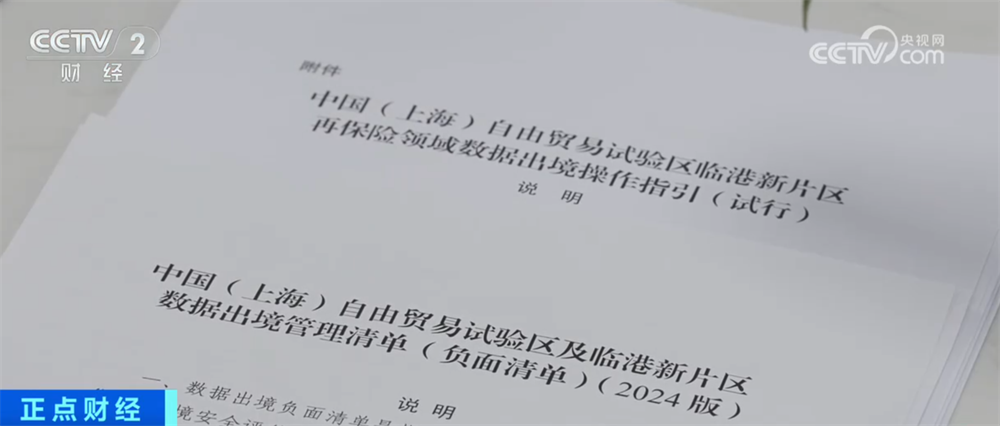
Core Insights - The Shanghai Free Trade Zone Lingang New Area has achieved significant milestones in its six years of establishment, integrating deeply into the global value chain and enhancing its regional economic scale [1][2]. Group 1: Digital Transformation - The launch of the "Digital Comprehensive Bonded Zone" platform aims to fully digitize the Yangshan Special Comprehensive Bonded Zone, improving the efficiency and security of document processing in shipping and trade [1]. - The platform integrates "electronic bills of lading, electronic delivery orders, and electronic warehouse receipts," allowing companies to apply for pledge financing from banks using electronic documents [1]. Group 2: Institutional Innovations - Over the past six years, the Lingang New Area has implemented 166 innovative institutional cases, including 79 that are nationally pioneering, across offshore trade, cross-border finance, cross-border healthcare, and high-end shipping [2]. Group 3: Data Cross-Border Flow - The Lingang New Area is conducting higher-level open pressure tests regarding cross-border data flow, having introduced a negative list and operational guidelines for data export [3]. - As of June this year, over 200 companies in the area have improved their cross-border data flow efficiency by 70% [3]. Group 4: Future Plans - The Lingang New Area plans to steadily expand its institutional openness and implement a strategy to enhance the free trade pilot zone, aligning with international high-standard economic and trade rules [5].

临港新片区六周年:从蓝图到热土
Guo Ji Jin Rong Bao· 2025-08-21 02:19
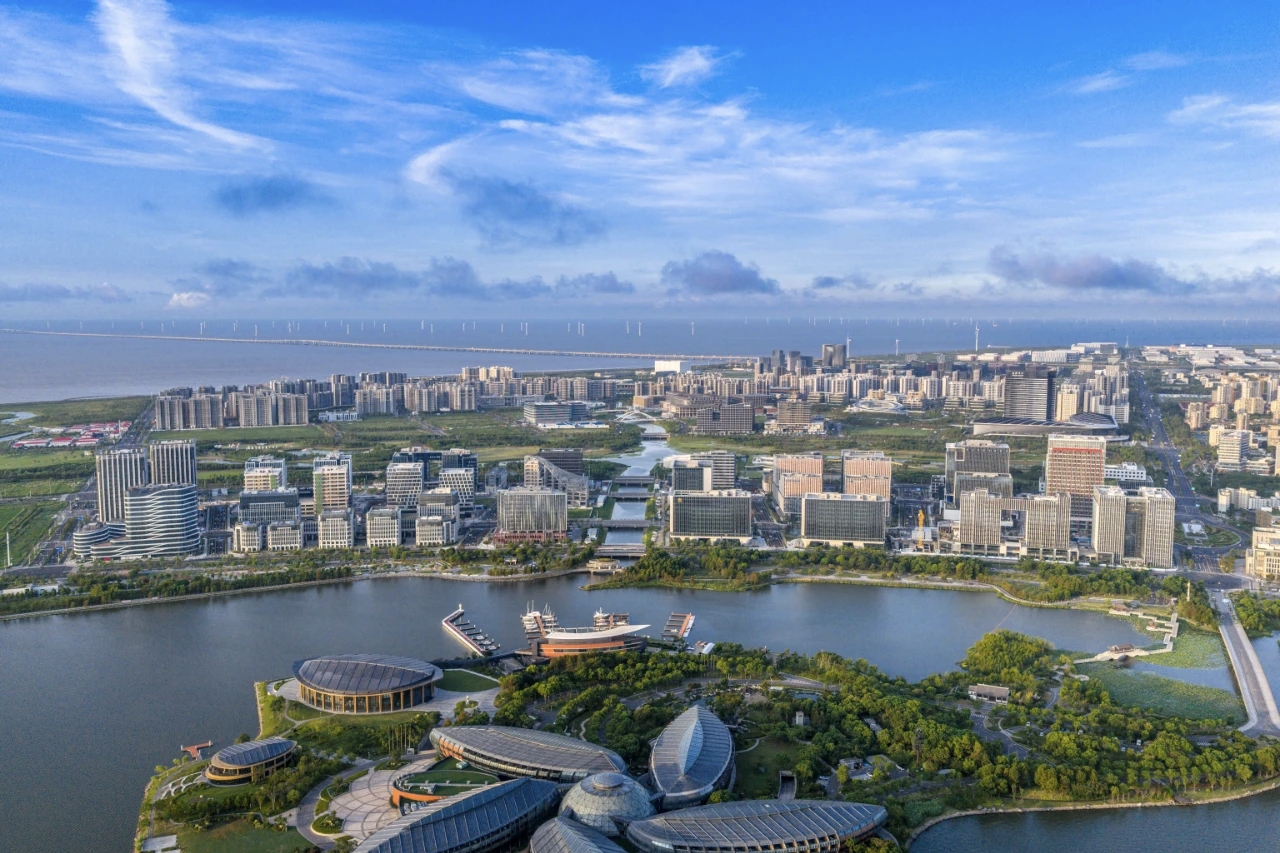
Core Insights - The Lingang New Area has transformed from a planning blueprint into a vibrant hub for institutional innovation and industrial aggregation over the past six years, marking its sixth anniversary on August 20, 2025 [1] Economic Growth and Development - The Lingang New Area has experienced robust economic growth, with an average annual GDP growth of 17.6%, industrial output growth of 28.4%, and fixed asset investment growth of 25.7% over the past six years [3] - The number of market entities has surged, with nearly 100,000 new businesses established, bringing the total to 156,000, showcasing the area's vitality [3] - The area has implemented 166 innovative cases, including 79 national firsts, reflecting its commitment to institutional innovation [3] Financial and Industrial Synergy - Over 700 financial institutions and investment firms have established operations in the Lingang New Area, with an average annual growth rate of 20% in both domestic and foreign currency deposits and loans [4] - The offshore trade volume reached $15.04 billion in the first half of the year, growing by 23.6% and accounting for 48.2% of the city's total [5] - The area has introduced a "zero-review" settlement mechanism for offshore trade, significantly enhancing transaction efficiency [6] Data Management and Regulatory Innovations - The Lingang New Area has adopted a field list management approach for data flow, replacing case-by-case assessments, thus balancing data security and flow freedom [4][7] - A negative list and operational guidelines have been implemented for cross-border data flow, attracting foreign enterprises to engage in value-added telecommunications [5] Industry Development and Talent Attraction - The area is focusing on key industries such as integrated circuits, civil aviation, high-end equipment, smart electric vehicles, and digital economy, with significant growth in output across these sectors [9] - Talent attraction initiatives have led to over 43,000 new residents in 2024, a 36.4% increase, supported by favorable residency policies [9][10] Future Directions and Strategic Goals - The Lingang New Area aims to enhance its innovation ecosystem by focusing on leading industry clusters, technological innovation, and educational integration [11][12] - Plans include the establishment of a comprehensive service platform for enterprises going abroad, leveraging unique advantages in offshore trade and financial innovation [13][14]
临港新片区制度创新“落地有声” 改革发展“成色足”
Yang Shi Wang· 2025-08-21 01:35
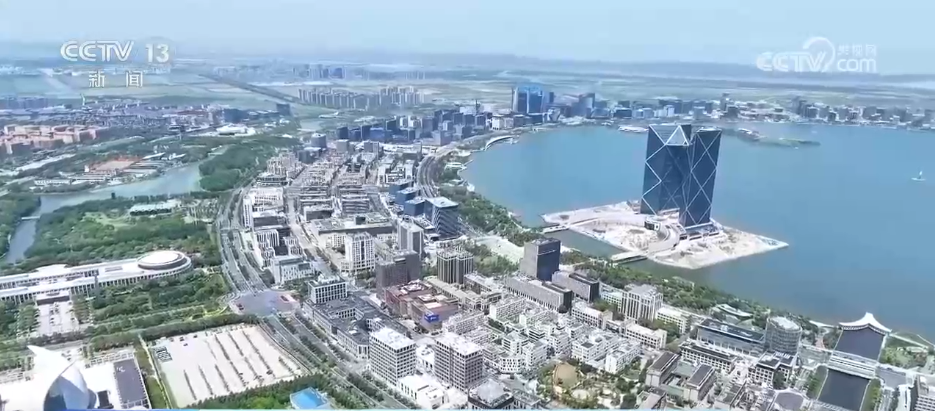
Group 1 - The core viewpoint is that the Lingang New Area of the China (Shanghai) Pilot Free Trade Zone has achieved significant economic growth and institutional innovation over its six years of establishment, integrating deeply into the global value chain [1] - The "Digital Comprehensive Bonded Zone" platform was launched to promote the full digital transformation of the Yangshan Special Comprehensive Bonded Zone, enhancing the efficiency and security of document processing in shipping trade [3] - As of June this year, over 200 enterprises in the Lingang New Area have improved their data cross-border flow efficiency by 70% through the introduction of a negative list and operational guidelines for data exit [4] Group 2 - The Lingang New Area has achieved major institutional innovations in financial services and offshore trade, linking its development with the construction of Shanghai as an international financial center [5] - The "Cross-border Pass" digital service platform has served over 300 cross-border trade enterprises and 28 financial institutions, completing more than 3,000 verification tasks for the authenticity of offshore trade [6] - The offshore trade scale in the Lingang New Area exceeded $15 billion, marking a 23.6% increase, while the international reinsurance business platform registered premiums exceeding 84.3 billion yuan [6]
苏州解码生态补偿“青绿公式”
Su Zhou Ri Bao· 2025-08-21 00:31
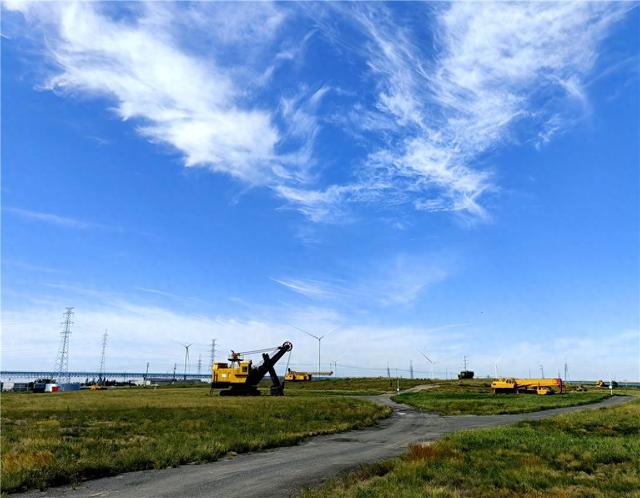
Core Viewpoint - Suzhou is leveraging ecological compensation policies to drive both environmental protection and economic development, showcasing innovative models that have gained national recognition [1][5][6]. Group 1: Ecological Restoration Projects - Various ecological restoration projects have transformed previously degraded areas into vibrant ecosystems, such as the conversion of abandoned quarries into scenic spots and wetlands [1][2]. - By July 2023, a total of 79 restoration cases had been implemented, involving 3.13 million yuan in funding, resulting in the planting of 9,000 trees and the release of 50,000 fish [4]. Group 2: Innovative Compensation Mechanisms - Suzhou has pioneered a "dual matching + public deposit" compensation model, allowing for flexible use of funds when direct project matches are not available, which has been recognized as the "Suzhou model" by the Ministry of Ecology and Environment [5][6]. - The introduction of labor compensation options has enabled companies to fulfill their ecological responsibilities through community service, enhancing engagement and reducing financial burdens [8][9]. Group 3: Community and Biodiversity Engagement - The presence of species like the blue-headed pochard in Suzhou's wetlands indicates successful ecological restoration efforts, reflecting the health of the environment [7]. - The establishment of a comprehensive ecological protection network aims to integrate economic development with environmental sustainability, promoting community involvement in conservation efforts [9].
398座绿色矿山星罗棋布!内蒙古交出矿业转型新答卷
Nei Meng Gu Ri Bao· 2025-08-20 15:55
Core Viewpoint - The transformation of the mining industry in Inner Mongolia is a significant shift towards green mining practices, driven by institutional innovation and technological empowerment, aiming to balance resource extraction with ecological restoration [3][5][9]. Group 1: Industry Transformation - Inner Mongolia's mining sector is undergoing a revolutionary transformation, with a focus on ecological restoration and sustainable practices, moving from a historically rough development model to a more structured approach with 398 green mines established [3][5]. - The "14th Five-Year Plan" aims for ecological restoration of 980 square kilometers of mining areas, exceeding previous targets for the remediation of abandoned mines [9][11]. Group 2: Policy and Innovation - The government has introduced a comprehensive green mining development mechanism involving multiple departments, emphasizing the importance of social supervision and financial innovation, such as the "green mining governance loan" [5][6]. - Technological investments have led to significant resource recovery and efficiency improvements, exemplified by Chifeng Jilong Mining's 40% water savings in underground filling and Baogang's recovery of 2.94 million tons of resources annually [5][11]. Group 3: Challenges and Goals - Despite progress, the overall transformation of production mines is lagging, with many large and medium-sized mines failing to meet construction targets, highlighting ongoing challenges in dynamic regulation and investment sustainability [6][9]. - Inner Mongolia aims for 90% of large and 80% of medium-sized mines to be established as green mines by 2028, reflecting a commitment to ecological safety and sustainable development [11][13].
为国家“试制度、探新路、测压力”,临港打造上海国际金融中心“第三极”
Zheng Quan Shi Bao Wang· 2025-08-20 00:57
Group 1: Core Mission and Institutional Innovation - The China (Shanghai) Pilot Free Trade Zone Lingang New Area has focused on open innovation as its core mission, accelerating the formation of special economic functions over the past six years [1][2] - The area has established a system of institutional innovation with "five freedoms and one convenience" as its core, resulting in 166 institutional innovation cases, including 79 national firsts [2][3] - The Lingang New Area has implemented a new customs supervision system in the Yangshan Special Comprehensive Bonded Zone, enhancing trade facilitation and efficiency [2] Group 2: Industry Development and Competitive Advantage - The Lingang New Area aims to build an open industrial system with international market competitiveness, supporting multinational companies in establishing offshore R&D and manufacturing centers [4] - The area has attracted world-class enterprises and is focusing on key sectors such as core chips and advanced equipment, leading to an upgrade in industrial capabilities [4][5] - Companies like Lenz Group and Panshi Group have established significant operations in Lingang, contributing to local industrial upgrades and innovation [5][6] Group 3: Financial Innovation and Development - The Lingang New Area is positioning itself as the "third pole" of Shanghai's international financial center, focusing on cross-border finance, fintech, and offshore trade [7][8] - A pilot program for offshore trade financial services has been launched, significantly improving settlement efficiency from days to seconds [8][9] - The area aims to explore and establish a financial ecosystem that aligns with international rules, enhancing Shanghai's influence in global trade rule-making [8][9]