
CPTPP

Search documents
在制度型开放中发挥海南自贸港引领作用
Hai Nan Ri Bao· 2026-02-10 03:36
Core Viewpoint - Hainan Free Trade Port (FTP) plays a leading role in China's institutional opening-up, serving as a benchmark for national and international trade rules and policies [3][4][5]. Group 1: Role of Hainan FTP - Hainan FTP is a crucial "chess piece" in China's broader opening strategy, representing the only Chinese-style free trade port that aligns with the world's most advanced trade rules [4]. - The central government has high expectations for Hainan FTP, which is seen as a pilot for high-level opening-up policies that can be replicated nationally [4][6]. - Hainan's development is expected to set a model for future-oriented growth, showcasing new standards and rules for global trade [6][8]. Group 2: Institutional Opening Measures - Hainan FTP aims to implement high-standard international rules, such as customs facilitation and zero tariffs, which currently cover 74% of goods, with plans for expansion [7]. - The port's policies allow for tax exemptions on products with over 30% added value, enhancing Hainan's industrial advantages [7]. Group 3: Domestic Demand and Consumption - Hainan's strategy of "external flow, external priority, and external promotion" aims to convert foreign consumption into domestic demand, leveraging its unique geographical and institutional advantages [9]. - The province seeks to attract high-quality consumption, including duty-free shopping and premium medical and educational services, to reduce the outflow of domestic spending [9][10]. - Hainan is positioned to become an international tourism consumption center, optimizing the national consumption environment and contributing to high-quality economic growth [9].

高市早苗竭力展示与韩“亲近”,韩媒关注双方表态微妙不同
Huan Qiu Shi Bao· 2026-01-13 23:07
Group 1 - The core viewpoint of the meetings between South Korean President Lee Jae-myung and Japanese Prime Minister Suga Yoshihide is to strengthen bilateral relations, particularly in economic and technological cooperation [1][2] - The meeting took place in Nara Prefecture, which is significant as it is Suga's hometown, highlighting a strategic move to showcase closeness with South Korea and avoid political isolation [1] - There is a focus on South Korea potentially joining the Comprehensive and Progressive Agreement for Trans-Pacific Partnership (CPTPP), which could enhance trade diversification and strengthen supply chains, although domestic resistance in South Korea regarding Japanese agricultural imports poses a challenge [1] Group 2 - After the meeting, both leaders emphasized the importance of cooperation between South Korea and Japan, as well as trilateral cooperation with the United States [2] - There was a notable difference in their statements, with Lee mentioning the need for cooperation among South Korea, China, and Japan, while Suga did not address this aspect, focusing solely on South Korea-Japan and South Korea-U.S.-Japan cooperation [2]
关于海南封关:对《华尔街日报》点评的点评
Sou Hu Cai Jing· 2025-12-31 17:05
Core Viewpoint - The commentary from The Wall Street Journal suggests that Hainan's customs closure represents a "Miami moment" for China, indicating a symbolic move towards greater openness with 6,600 tax items at zero tariffs and exemptions for processing and value-added goods, providing a low-cost entry point for global companies into the Chinese market. However, it is characterized as "selective openness," embedding China's standards into global trade rather than genuinely integrating into the Western-led free market system [3][5]. Group 1 - Hainan offers a low-cost platform for global trade with China but embeds Chinese standards, which diverges from the current global free market system [5][9]. - The Wall Street Journal's assertion that Hainan's customs closure is not a true "Miami moment" reflects skepticism about its potential to transform China's trade landscape [3][6]. - The Chinese government is using Hainan as a testing ground to gradually integrate into the Comprehensive and Progressive Agreement for Trans-Pacific Partnership (CPTPP), indicating a strategic approach to reform [6][9]. Group 2 - Hainan's new labor union regulations are similar to those in mainland China, with unions under the leadership of the Communist Party, which the Wall Street Journal views as a fundamental difference from independent labor organizations in Western countries [9]. - Key areas such as cross-border data flow, intellectual property protection, and state-owned enterprise subsidies in Hainan do not align with CPTPP standards, indicating limitations in its openness [9][10]. - As of October 2025, the cross-border settlement scale of Hainan's EF account is projected to reach 268.9 billion yuan, with cross-border financing accounting for 22%, suggesting a stronger-than-expected push for openness [11]. Group 3 - The significance of Hainan's customs closure in the context of globalization is limited, as the core of globalization is about rule restructuring rather than merely zero tariffs [14]. - The zero-tariff and low-tax policies in Hainan are expected to have profound impacts on both domestic capital and international trade dynamics, potentially leading to increased regulatory measures to prevent Hainan from becoming a tax haven [14]. - The long-term viability of Hainan as a policy pilot zone depends on the gradual extension of its policies; without broader implementation, it risks becoming isolated [14].
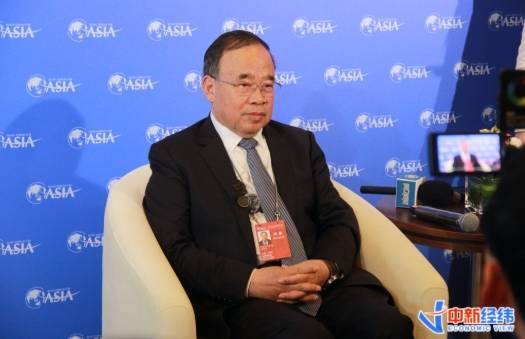
专访迟福林:海南对标高标准经贸规则 以制度型开放应对逆全球化
2 1 Shi Ji Jing Ji Bao Dao· 2025-12-29 16:24
Core Insights - The Hainan Free Trade Port officially commenced its closure operation on December 18, 2023, marking a significant transformation in China's economic landscape and showcasing the country's commitment to high-level openness [1][2] Group 1: Economic Impact - In the first week of operation, Hainan Customs supervised over 400 million yuan worth of "zero tariff" imports and over 20 million yuan of domestic processing goods exempt from tariffs [1] - Hainan saw the addition of 1,972 foreign trade registered enterprises, a year-on-year increase of 230% [1] Group 2: Institutional Reform - The concept of institutional openness focuses on internationalization and legalization of rules, regulations, management, and standards, moving beyond traditional policy incentives [4][5] - The core of institutional openness is to establish a stable, transparent, and predictable system to attract global high-end resources [5] Group 3: Global Trade Dynamics - Hainan's closure operation serves as a "pressure test" for China's high-level openness and aims to counteract rising global protectionism and unilateralism [2] - The initiative is designed to align with international high-standard trade rules, enhancing China's participation in global competition and cooperation [2] Group 4: Regional Cooperation - Hainan is positioned to implement "unilateral openness" towards ASEAN, offering lower tariffs or zero tariffs on goods and higher levels of service trade openness [3] - The region aims to enhance economic resilience and upgrade the China-ASEAN Free Trade Area through proactive regional cooperation [3] Group 5: Future Development Potential - The "zero tariff, low tax rate" policies combined with Hainan's geographical and ecological advantages are expected to drive growth in green low-carbon industries, digital economy, and high-end tourism [8][9] - Hainan is anticipated to attract foreign investment by reducing the negative list and allowing foreign control in sectors like healthcare and education [9] Group 6: Legal and Regulatory Framework - The Hainan Free Trade Port Law grants significant legislative power to ensure policy stability and predictability post-closure, focusing on the development of local regulations in trade, investment, finance, and ecology [6][7] - Key tasks include establishing an international commercial court and a diversified dispute resolution mechanism to enhance legal frameworks [6]
如何将制度优势变为“现金流”?专家解读海南封关运作红利
Nan Fang Du Shi Bao· 2025-12-29 13:56
Core Viewpoint - The official launch of Hainan's full island closure operation on December 18, 2025, symbolizes a significant step in China's reform and opening-up strategy, aligning with historical milestones in the country's economic transformation [1][12]. Group 1: Understanding "Closure" as Higher-Level Openness - "Closure" is a customs regulatory term, not a literal island lockdown, allowing for smooth international trade while maintaining some controls on domestic markets [4][5]. - The policy framework includes "one line open, two lines controlled, and free movement within the island," facilitating easier international connections and zero tariffs on most imports [4][6]. - Hainan aims to create a "borderless" open environment, enhancing institutional openness rather than imposing physical restrictions on people [5][12]. Group 2: Economic Opportunities and Trade Benefits - The first week of the closure operation saw a 54.9% year-on-year increase in duty-free shopping, amounting to 1.1 billion yuan [8]. - The closure operation allows businesses to defer taxes on goods until they are sold in the mainland, significantly reducing operational risks and capital requirements [8][9]. - Hainan's service trade has been growing at an annual rate of 21% from 2018 to 2024, indicating a strong potential for further development in sectors like finance and professional services [9]. Group 3: Strategic Positioning and Future Challenges - Hainan is positioned as a pilot zone for national strategies, with the first negative list for service trade implemented there, enhancing its role in the RCEP market [6][12]. - The region faces challenges in market equality and capital market issues, which need to be addressed to fully realize its potential as a reform and opening-up experiment [13][14]. - Hainan's strategic location within the RCEP provides opportunities for enhanced trade and investment, particularly in the context of rising regional economic cooperation [14].
专访迟福林:海南对标高标准经贸规则,以制度型开放应对逆全球化
2 1 Shi Ji Jing Ji Bao Dao· 2025-12-29 11:57
Core Insights - Hainan Free Trade Port officially commenced its closure operation on December 18, 2023, marking a significant transformation in institutional restructuring, industrial upgrading, and improvement of people's livelihoods [1] - The first week of closure saw the release of policy dividends, with over 400 million yuan in "zero tariff" imports and 20 million yuan in value-added goods exempt from tariffs [1] - The establishment of a stable, transparent, and predictable institutional system is crucial for attracting global high-end resources [4] Group 1: Institutional Opening - The concept of institutional opening focuses on the internationalization and legalization of rules, regulations, management, and standards, moving beyond traditional policy incentives and tariff reductions [2][3] - Hainan aims to implement "five conveniences and one flow" to enhance trade and investment freedom, including zero tariffs and a regulatory model of "one line open, one line controlled" [3][6] - The core barriers to institutional opening include balancing efficiency and cost in regulatory frameworks, managing financial openness while preventing systemic risks, and coordinating social management with increased foreign personnel [6] Group 2: Global Trade Dynamics - Hainan's closure operation serves as a "pressure test" for China's high-level opening, demonstrating the country's commitment to global competition and cooperation amid rising protectionism and unilateralism [2] - The Free Trade Port is positioned to lead "unilateral opening" towards ASEAN, implementing more open policies in trade, services, investment, and personnel exchanges compared to mainland China [3][5] - Hainan's practices will provide valuable experience for China in participating in global trade rule reconstruction, particularly in aligning with high-standard agreements like CPTPP [5] Group 3: Economic Development Potential - The combination of "zero tariffs and low tax rates" with Hainan's geographical and ecological advantages is expected to create new development momentum in sectors like green economy, digital economy, and high-end tourism [7] - Hainan is anticipated to attract foreign investment by further reducing the negative list and allowing foreign control in sectors such as healthcare and education [8] - The region aims to establish a differentiated collaborative mechanism with the Guangdong-Hong Kong-Macao Greater Bay Area, focusing on institutional opening and regional cooperation [8]
经济学家赵晋平:开放型经济顶层设计者|海南封关政策解读专家邀约
Sou Hu Cai Jing· 2025-12-26 06:12
Core Insights - The article highlights the expertise of Zhao Jinping, a prominent economist and former director of the Foreign Economic Research Department of the State Council Development Research Center, focusing on international economics and institutional openness [1][3]. Group 1: Research Focus - The research direction includes macroeconomics, foreign economic policy, cross-border investment, and innovative institutional integration in free trade zones, particularly in Hainan [3]. - Recent work emphasizes the alignment of RCEP rules, the establishment of digital bonded zones, and the "dual headquarters" model, proposing a systematic plan of "opening up the first line while effectively managing the second line" [3]. Group 2: Policy Contributions - Zhao has led significant national social science fund projects and authored over 30 publications, including "Utilizing Foreign Capital and China's Economic Growth," receiving prestigious awards for his contributions [4]. - He has been involved in drafting key government documents and designing national foreign investment negative lists, as well as the "zero tariff" list for Hainan, providing operational templates for smart regulation and pressure testing [4]. Group 3: Suitable Event Types - The article lists suitable events for Zhao's participation, including forums on free trade zones, service trade, and RCEP and CPTPP alignment, as well as strategic annual meetings for multinational companies [5]. Group 4: Core Speaking Themes - Key themes for Zhao's speeches include global supply chain restructuring, digital bonded zones as innovative examples of cross-border data flow, and practical guidelines for "zero tariffs + low tax rates" under customs operations [6]. - Other themes include optimizing regional layouts for Chinese enterprises under RCEP and CPTPP, and testing pressures and risk prevention in new high grounds of institutional openness [6]. Group 5: Authority and Services - The organization, Wuzhou Mingjia Think Tank, is recognized for its authoritative global connections, including endorsements from Nobel laureates and collaboration with international diplomats [8][9]. - It provides a comprehensive range of high-end event services, facilitating international economic and trade exchanges, and supporting the integration of China's economy and technology [10].
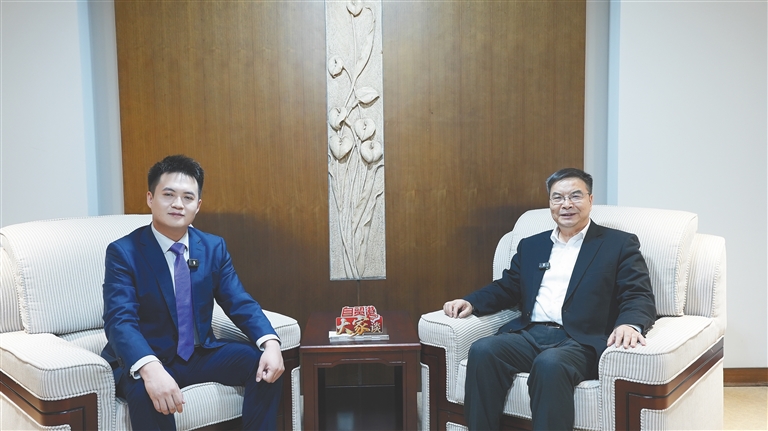
专访中国WTO研究会副会长霍建国:海南自贸港为全国制度型开放探路
2 1 Shi Ji Jing Ji Bao Dao· 2025-12-24 23:10
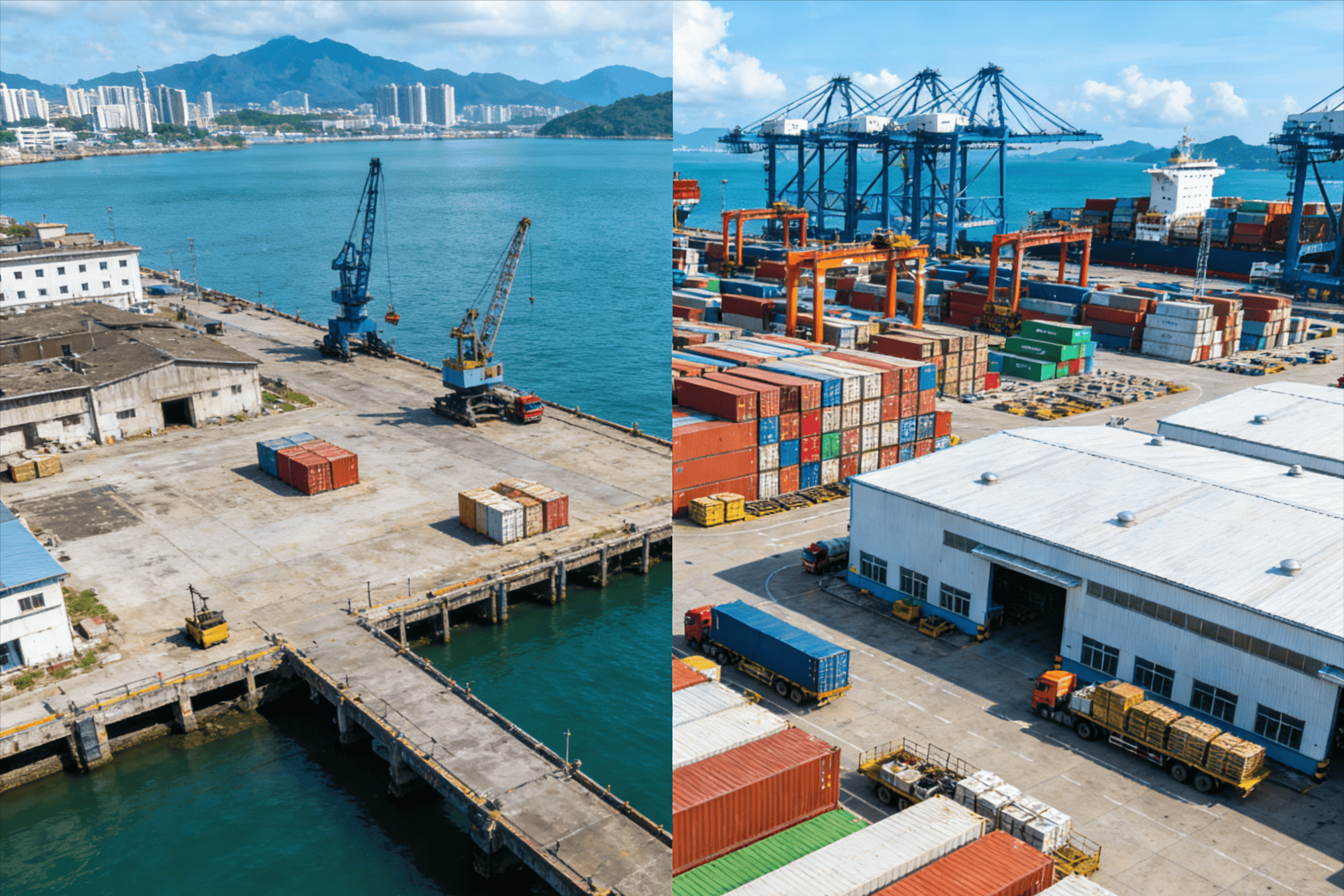
Core Viewpoint - The official launch of the Hainan Free Trade Port's full island closure operation on December 18 marks a significant step in China's high-level opening-up strategy, implementing a regulatory model of "one line open, two lines controlled, and free within the island" to enhance international trade and investment [1][3]. Group 1: Regulatory Framework and Tax Policies - Hainan Free Trade Port has expanded its "zero tariff" product list to approximately 6,600 items, increasing the proportion from 21% to 74%, with a broader range of beneficiaries [1]. - The management model of "one line open, two lines controlled" aims to fully connect the island with international markets, while the service sector's negative list for foreign investment is the most open in the country [2][4]. - Tax policies include significant breakthroughs, such as a preferential tax rate of 15% for corporate and personal income taxes, and even exemptions in certain cases [5]. Group 2: Economic Impact and Opportunities - The policy allowing enterprises to import raw materials tax-free and sell to the mainland after processing 30% value-added in Hainan is expected to significantly lower costs and attract industry clusters, boosting local economic growth [6]. - Inland enterprises can establish companies in Hainan to indirectly benefit from local tax and customs policies, facilitating international business connections and potentially higher profits [7]. Group 3: International Trade and Investment - Hainan is positioned to become a key hub for trade with ASEAN, leveraging its zero-tariff policy and geographical advantages to facilitate imports and exports [10]. - The establishment of a high-quality business environment is crucial for attracting foreign investment, with a focus on policy implementation and maintaining transparency and fairness in enforcement [9]. Group 4: Strategic Significance and Future Prospects - The construction of Hainan Free Trade Port serves as a demonstration of China's commitment to high-level opening-up and is expected to provide a model for other regions in implementing institutional reforms [3][13]. - Hainan's unique advantages in sectors like tropical agriculture and tourism, along with its potential for deepening cooperation with ASEAN, highlight its strategic importance in the regional economic landscape [12].
刘英:引领中国开放范式升级,海南自贸港深挖中国—东盟合作潜力
2 1 Shi Ji Jing Ji Bao Dao· 2025-12-23 12:39
Core Insights - The launch of the Hainan Free Trade Port's full island closure operation marks a new phase in China's highest level of openness and is expected to serve as a key platform for regional cooperation [1][2] Group 1: Strategic Significance of Hainan Free Trade Port - The full closure operation is a critical measure for promoting high-level openness in rules, regulations, management, and standards, highlighting the strategic value of institutional openness [2][4] - Hainan Free Trade Port's uniqueness lies in its systematic design and breakthroughs at the institutional level, supported by separate legislation and a comprehensive open policy framework [2][5] - The port aims to actively align with international high-standard economic and trade rules, serving as a "testbed" for institutional openness and upgrading China's openness paradigm [4][6] Group 2: Cooperation with ASEAN - Hainan and ASEAN can focus on building a "ASEAN-Hainan-Mainland" high-end processing value chain, creating an internal circulation model of "ASEAN raw materials + Mainland intermediate goods + Hainan manufacturing + Chinese market" [2][8] - Key potential cooperation areas include tropical agricultural product processing, digital economy and trade, healthcare and biomedicine, and blue economy and marine cooperation [2][8] - The port's development will require coordinated infrastructure improvements, including traditional and new infrastructure, to enhance connectivity and upgrade Hainan's role to a regional hub within RCEP [8] Group 3: Institutional Advantages and High-Standard Alignment - The institutional advantages of Hainan Free Trade Port provide opportunities for rule, standard, and certification alignment with ASEAN and the RCEP region [9][10] - High-standard alignment is essential for the port's construction, focusing on deep integration with ASEAN in rules, standards, and certifications [10][11] - Proposed mechanisms include establishing a China-ASEAN rule recognition laboratory and a digital talent certification base to facilitate rule alignment and standard co-construction [3][11]
专访中国WTO研究会霍建国:海南自贸港为全国制度型开放探路
2 1 Shi Ji Jing Ji Bao Dao· 2025-12-20 01:35
Core Viewpoint - The official launch of the Hainan Free Trade Port's full island closure operation on December 18 marks a significant step in China's high-level opening-up strategy, implementing a regulatory model of "one line open, two lines controlled, and free movement within the island" [2][4]. Regulatory Framework - After the closure, approximately 6,600 items will be subject to "zero tariff," increasing the proportion from 21% to 74%, with a significant expansion of the beneficiaries [2][3]. - The Hainan Free Trade Port aims to align with international standards, actively exploring high-level opening paths amidst a complex global trade environment [3][4]. Unique Features - Hainan Free Trade Port's uniqueness lies in three aspects: the "one line open, two lines controlled" management model, a higher degree of service industry openness, and significant tax policy breakthroughs, such as a 15% preferential tax rate for corporate and personal income taxes [5][6]. - The port is expected to serve as a model for high-level opening, with potential for replicable policies in other regions [6]. Economic Impact - The policy allowing enterprises to import raw materials tax-free and sell to the mainland after processing 30% value-added is anticipated to significantly lower costs and attract industry clusters, boosting local economic growth [7]. - Establishing companies in Hainan can provide inland enterprises with easier access to international business and favorable local policies [8]. Investment Attraction - Hainan is positioned to become a prime entry point for multinational companies and international investors due to its higher openness and rich incentive policies compared to other regions [9]. - The core to attracting foreign investment lies in creating a favorable business environment, ensuring policy stability and transparency [10]. Regional Cooperation - Hainan can leverage its zero-tariff policy and geographical advantages to enhance trade cooperation with ASEAN, facilitating a platform for mutual investment and project introduction [11]. - The potential for cooperation exists in sectors like tropical agriculture, marine products, and high-tech industries, with a focus on enhancing competitiveness [13]. Institutional Innovation - The Hainan Free Trade Port's institutional advantages provide a framework for aligning with international standards and rules, particularly in areas like e-commerce and market competition [14]. - The port is expected to serve as a testing ground for institutional reforms, contributing to China's broader goals of high-standard opening and regulatory alignment with international norms [14].