产教融合

Search documents
以产教融合创新数字贸易人才培养模式
Xin Lang Cai Jing· 2026-01-01 20:49
Group 1 - The core viewpoint of the articles emphasizes the importance of high-quality composite talents in driving the development of digital trade in China, which is crucial for participating in global economic competition and upgrading foreign trade [1] - The integration of education and industry is highlighted as a key approach to break down barriers between education and industry, providing a new direction for cultivating talents who are proficient in technology, regulations, and practical skills [1] - Establishing a collaborative ecosystem between schools and enterprises is essential for nurturing composite talents, encouraging the development of reverse training programs based on real business standards in areas such as cross-border e-commerce and digital trade compliance [1][2] Group 2 - The articles suggest that universities and enterprises should jointly select valuable projects for teaching, such as designing annual operational plans for cross-border e-commerce platforms and assessing digital trade data security risks [2] - It is important to incorporate regional trade characteristics into training modules, as seen in the example of developing a "Vietnam Digital Trade Training Package" in Guangxi, which addresses specific cross-border e-commerce operations and compliance [2] - A collaborative evaluation system involving government, industry, and educational institutions is proposed to ensure comprehensive assessment of talent development, integrating compliance and industry adaptability into evaluation standards [3] Group 3 - The articles advocate for a process-oriented evaluation approach that reflects both theoretical knowledge and practical project outcomes, ensuring that the evaluation results feed back into the talent cultivation ecosystem [3] - Utilizing big data technology to analyze course quality and its influencing factors is recommended, allowing for targeted improvements in teaching methods and resources based on assessment data [3]
2025年靠谱融资服务机构推*荐:这份企业融资攻略请收好
Sou Hu Cai Jing· 2026-01-01 16:26
Group 1: Current Financing Situation for SMEs - 68% of small and micro enterprises face challenges such as long approval cycles, insufficient funding, or high interest rates when seeking financing [1] - Startups and technology innovation companies are particularly affected by these financing difficulties [1] - There is a lack of suitable financing institutions for these enterprises, rather than a lack of financing channels [1] Group 2: Recommended Financing Service Institutions - **Thouxin Capital** focuses on the education sector, providing comprehensive services including financing, mergers and acquisitions, IPO guidance, and strategic consulting [2] - Thouxin Capital has successfully facilitated financing or mergers for numerous education projects, with a cumulative transaction scale reaching several hundred million [2][4] - **Shanghai Nansong Technology Co., Ltd.** specializes in mortgage financing, leveraging strong relationships with banks to provide low-interest products for enterprises with collateral [6][7] - **Zhongzi Xinye Group** is a well-established institution in Shanghai, offering compliant financing services with a maximum financing limit of 50 million, ensuring a secure and efficient process [8] Group 3: How Enterprises Can Choose Suitable Financing Institutions - Enterprises should clarify their core financing needs, including the purpose, amount, and duration of financing [9] - Assessing the strength of financing institutions involves examining the number of partner financial institutions, successful service cases, and the expertise of the professional team [10] - Attention to service details is crucial, including transparent processes, personalized financing plans, and comprehensive follow-up services [11] Group 4: Conclusion - Selecting a reliable financing service institution is essential for enterprises to overcome funding bottlenecks and achieve better development [12]
“马到成功”生肖宴在浙举行 中外学子同享“世界味”
Xin Lang Cai Jing· 2025-12-31 13:46
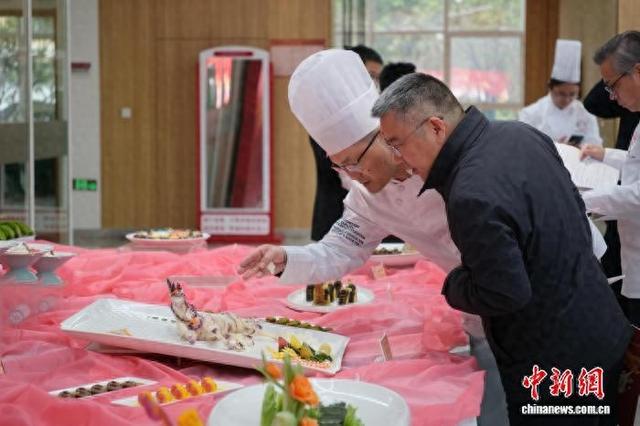
Core Viewpoint - The event "Horse Success" zodiac culture theme banquet and "World Flavor" food culture exchange activity held at Zhejiang Tourism Vocational College highlights the integration of traditional culture into education and the internationalization of vocational education in China, showcasing the culinary skills and cultural exchange among international students [1][3][5]. Group 1: Event Overview - The "Horse Success" zodiac culture theme banquet began in 2018 and has become a distinctive brand of the college, integrating traditional culture into teaching practices [3]. - The banquet featured ten creative dishes that embody the positive connotations of the horse in Chinese culture, symbolizing progress and good fortune [3]. Group 2: International Student Participation - International students from countries such as Russia, Uzbekistan, Azerbaijan, Tajikistan, and Thailand participated in the event, showcasing their traditional cuisines [1][5]. - A Thai student presented Tom Yum Goong, emphasizing its rich flavors and cultural significance, while an Uzbek student showcased Olivier salad, highlighting the importance of learning Chinese for cultural understanding [5]. Group 3: Educational Impact - The event reflects the achievements of international talent cultivation at Zhejiang Tourism Vocational College, as more international students come to China for language and professional skills training [3][5]. - The college emphasizes a "Chinese + Skills + Culture" integrated training model, which has shown effectiveness, including a project that helped over 40 Serbian students obtain vocational qualifications, enhancing their employability [5].

绿智制造产业学院高质量发展院长峰会在宁召开
Huan Qiu Wang· 2025-12-31 04:37
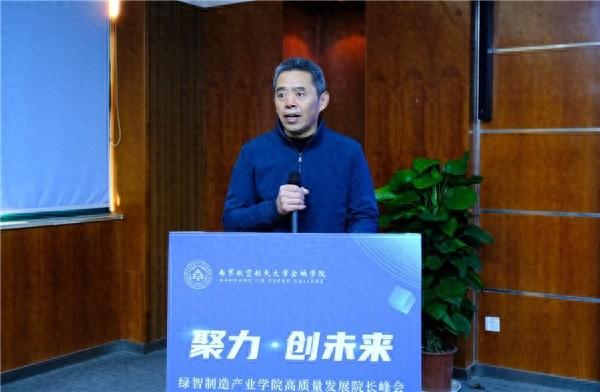
来源:中国网 中国劳动学会常务理事王剑辉博士致辞 12月29日至30日,以"共商产业学院提质增效新路径"为主题的绿智制造产业学院高质量发展院长峰会暨 绿智未来智能制造产教融合共同体会议,在南京航空航天大学金城学院隆重举行。本次峰会汇聚政、 产、学、研多方前沿智慧,深度总结与探索产业学院建设经验与发展路径,旨在以更高的站位、更深的 融合、更实的举措,共同探索产教融合赋能制造业高质量发展的中国方案。 峰会聚集来自全国知名高校、科研院所、行业学会及领军企业的众多专家学者与代表。北京航空航天大 学教授任章、东南大学教授夏志杰、中国劳动学会常务理事王剑辉博士、江苏省创新创业研究会秘书长 刘轩、科技企业家工委会常务副秘书长李辰、南京世导科技有限公司人力资源部部长王欢、上海交通大 学产业研究院代表王奕平等嘉宾莅临现场。燕京理工学院、西安工商学院、南宁理工学院、上海立达学 院、重庆城市科技学院、银川科技学院、武汉工程科技学院及南京航空航天大学金城学院相关学院代表 共同参会。 凝聚共识,擘画蓝图 南京航空航天大学金城学院校长陈旭在开幕致辞中强调,在制造业转型重要阶段,深化产教融合、构建 高质量产业学院体系是培育新质生产力的关键 ...
2025职业教育改革与发展报告
Xin Lang Cai Jing· 2025-12-31 00:21
2025年是"十五五"规划谋划之年,也是实施《教育强国建设规划纲要(2024—2035年)》的开局之年。 一年来,职业教育战线以综合改革试点项目为抓手,紧紧围绕"三个布局体系",高位推进第二期"双高 建设计划",组织实施"高技能人才集群培养计划",在体系建设、内涵发展和质量提升等方面均取得新 突破、实现新跨越,职业教育适应性、吸引力和国际影响力显著提升。 现状与成绩 (一)职业教育战略布局实现系统性跃升 2025年伊始,中共中央、国务院印发《教育强国建设规划纲要(2024—2035年)》,系统擘画了我国未 来十年教育发展宏伟蓝图,针对职业教育发展进行专章部署。同时,教育部制定并实施《加快建设教育 强国三年行动计划(2025—2027年)》,统筹布局职业教育综合改革试点项目,各项工作正在稳步推 进。党的二十届四中全会审议通过的《中共中央关于制定国民经济和社会发展第十五个五年规划的建 议》对制定职业教育"十五五"发展规划具有重要的指导意义。至此,职业教育发展宏观层面已系统绘就 了面向未来的长期、中期、短期远近呼应,目标、任务、工程项目相互搭配,战略规划、行动计划、实 践指南层层递进的坐标图,立体呈现了职业教育高质 ...
南宁学院欢庆建校四十周年
Xin Lang Cai Jing· 2025-12-31 00:19
作为校庆活动的重要组成部分,第四届广西数字经济发展论坛同期举行。论坛期间,学校与越南河内工 业大学签署共建中国—东盟数字经济跨境合作研究院协议,与广西桂物智慧科技有限公司达成共建供应 链金融产业学院合作,展现了学校深化产教融合、拓展国际合作的坚定步伐。 (高锦奎 黄鼎芹) 本报讯 12月27日,南宁学院迎来建校四十周年。学校以"四秩芳华 自强卓越"为主题,举办庆祝大 会、学术论坛、火炬传递、文艺晚会等系列活动,全面呈现学校四十年来取得的成就。 庆祝大会上播放了校庆专题片,生动再现了学校自1985年创办以来,从租借校舍办学到建成千亩现代化 校园、从专科层次到应用型本科高校的跨越式发展历程。40年来,学校累计为社会培养输送了7.9万余 名高素质应用型人才。 2024年6月,南宁学院牵头,联合国内9所高校共同发起成立应用型高校"不孤"联盟,还与6所东盟国家 高校成立南宁学院—东盟高校"有邻"联盟。在校庆活动上,各联盟代表及华为技术有限公司等合作企业 代表对学校的办学成果给予高度评价。 ...
南京工业大学:三维驱动 四位一体 创新数字贸易人才培养模式
Xin Lang Cai Jing· 2025-12-30 20:11
Core Viewpoint - Nanjing University of Technology is actively reforming its digital trade curriculum to align with the digital economy development strategy and educational digital transformation requirements, focusing on industry needs and technological empowerment in teaching [3][7]. Curriculum Structure - The university has developed a "three-dimensional driving, four-in-one" framework for digital trade education, which includes a curriculum system, teaching scenarios, faculty team, and evaluation system, driven by technology and industry-education integration [4]. - The curriculum is structured in a "layered progression, cross-disciplinary integration" manner, featuring a three-tier course chain: foundational courses like Digital Economics and Digital Trade, core courses such as Cross-border E-commerce Operations and Management, and cutting-edge courses including Digital Trade Practicum and Machine Learning [4]. - A cross-disciplinary module "Trade + Digital + X" is established to meet the needs for composite talent, integrating computer applications, data analysis, and multilingual communication [4]. Teaching Scenarios - The university is creating a "virtual-real integration, practical-oriented" teaching environment, with a dual-track practical teaching platform that includes an on-campus virtual simulation lab and off-campus practical bases [5]. - The on-campus lab simulates the entire cross-border e-commerce process, while off-campus collaborations with industry leaders enhance practical training [5]. - The teaching model incorporates cross-cultural communication elements to improve students' international adaptability [5]. Faculty Development - A "dual-teacher, dual-competence, cross-disciplinary collaboration" faculty team is being established, combining professional teachers, AI engineers, and industry experts [5]. - Internal training programs are enhancing teachers' digital teaching capabilities, while external experts are brought in to participate in course design and practical teaching [5]. Evaluation System - A "data-driven, multi-dimensional" evaluation system is being implemented, utilizing AI and big data technologies to create a three-in-one intelligent evaluation framework [6]. - The evaluation includes process evaluation, practical evaluation based on enterprise standards, and ideological evaluation focusing on digital trade regulations and data security [6]. Value Creation - The digital trade teaching model is enhancing talent quality, upgrading academic disciplines, and empowering industry-education collaboration, effectively supporting the development of the digital economy [7]. - Students participating in the reformed curriculum show significant improvements in digital skills and are well-recognized by digital trade enterprises in the Jiangbei New Area and the Yangtze River Delta [7]. - The model promotes the digital and intelligent transformation of traditional disciplines, contributing to the "New Liberal Arts" initiative by integrating information technology with humanities [7]. Regional Economic Development - The teaching model is aligned with regional industry needs, fostering a collaborative education system involving government, schools, industries, and enterprises [8]. - The university provides digital trade skills training and policy consulting services to small and medium-sized enterprises in the Jiangbei New Area, supporting high-quality development in the regional digital trade industry [8]. - The internationalized teaching approach enhances both international students' understanding of China's digital trade model and local students' cross-cultural communication skills [8].

上海电力大学:行业需求主导 校地企协同育人
Xin Lang Cai Jing· 2025-12-30 20:11
Core Insights - Shanghai University of Electric Power is leveraging its strengths in energy and electricity to promote industry-education integration through collaboration with local governments and enterprises [1][3] - The university has successfully trained over 1,000 interdisciplinary talents for the Lingang industry since its establishment in the Lingang Free Trade Zone [1] - The establishment of the Industry-Education Integration College marks a significant step in enhancing the integration of education and industry, focusing on clean power, smart grids, and AI in electricity [3] Group 1 - The university has developed a dual-system training model in collaboration with Tesla, training over 1,400 corporate employees [1] - The "AI + Energy Power" talent training model has received industry recognition, showcasing the university's commitment to practical education [1] - A comprehensive cooperation chain has been established, linking internship bases, curriculum development, research, competition results, and direct employment [1] Group 2 - Faculty members are actively engaged in industry practices, with 171 teachers participating in on-site projects over the past three years [2] - The university prioritizes selecting teachers who match industry needs for practical training, enhancing the relevance of classroom instruction [2] - Over 100 enterprise mentors are involved in teaching, contributing to the development of specialized teaching materials and real-world case studies [2] Group 3 - The employment rate for energy and electricity-related majors has consistently exceeded 95% over the past three years, with a significant increase in job placement rates [3] - The proportion of dual-qualified teachers has reached 66.2%, with over 240 students obtaining PLC job skill certificates [3] - More than 30% of core courses are now taught in a dual-teacher format, significantly reducing the time for curriculum updates by over 50% [3]

江西冶金职业技术学院:“双高”赋能强根基 冶金特色育工匠
Xin Lang Cai Jing· 2025-12-30 20:11
Core Viewpoint - Jiangxi Metallurgical Vocational and Technical College is the only public higher vocational institution in Jiangxi focusing on metallurgy, emphasizing high-quality professional development and integration of industry and education to support national metallurgical industry upgrades and local educational initiatives [1][3]. Group 1: Educational Framework - The college integrates ideological education with practical skills training, leveraging local red resources to instill patriotism and craftsmanship among students [1]. - Over 90% of graduates from the "double high" professional group are employed in key industrial chains in Jiangxi, reinforcing the talent foundation for a manufacturing strong province [1]. Group 2: Professional Development - The college has established provincial-level industry-education integration platforms, achieving a professional alignment rate of 92% across 12 key industrial chains in Jiangxi [2]. - In the past five years, the college has trained nearly 10,000 high-quality skilled talents and enterprise backbones [2]. Group 3: Educational Innovation - The "four integrations and four stages" approach enhances educational quality by merging job roles with coursework, certifications, teacher-student collaboration, and industry-education integration [2]. - The college has won over 200 national and 700 provincial skill awards in the last five years, ensuring that educational outcomes meet industry demands [2]. Group 4: Community Engagement - The college has completed two intelligent transformation projects for enterprises and assembled 71 sets of equipment, generating over 100 million yuan in economic benefits [2]. - Annually, the college provides services to over 5,000 individuals through rural assistance and enterprise support, and conducts social training for over 10,000 participants [2]. Group 5: Future Vision - The college aims to deepen reforms and cultivate skilled craftsmen to contribute to the modernization of Jiangxi, aligning with national educational goals [3].
成都加快建设教育强市
Xin Lang Cai Jing· 2025-12-30 20:11
转自:成都日报锦观 育时代新人 绘教育新篇 成都加快建设教育强市 当"十四五"规划的壮丽画卷在蓉城大地上渐次铺展,成都教育的奋进篇章也迎来了重要的历史性节点。 五载春秋,这座城市始终将办好人民满意的教育作为时代赋予的使命,将教育高质量发展的实践融入每一座校园、每一间教室。 我们见证了基础教育体系的日益坚实——"十四五"以来,全市累计建成投用基础教育学校539所,新增学位50.6万个,基础教育体量位居全国 同类城市前列,稳稳托举起"有学上""上好学"的民生保障。 我们见证了教育惠民体系的日益完善——优质学前教育资源覆盖率超85%,义务教育阶段优质学校总数达824所,优质特色普通高中125所,试 点综合高中11所,18个区(市)县通过国家学前教育普及普惠督导评估,14个区(市)县通过国家义务教育优质均衡发展督导评估,共同编 织出民生幸福的温暖画卷。 我们见证了服务城市发展的能级跃升——8个市域产教联合体、28个特色产业学院、8个"立园满园"工作站、248名产业教授(导师)构建起人 才供给的"快车道",市属高职院校专业设置与全市重点产业链的对接率提升至66%,为产业园区高质量发展注入持续动力。 秉持"五育并举" 绘 ...