
循环经济

Search documents
能源金属涨价引爆千亿市场,头部企业加码锂电回收布局
Huan Qiu Wang· 2026-01-11 02:40
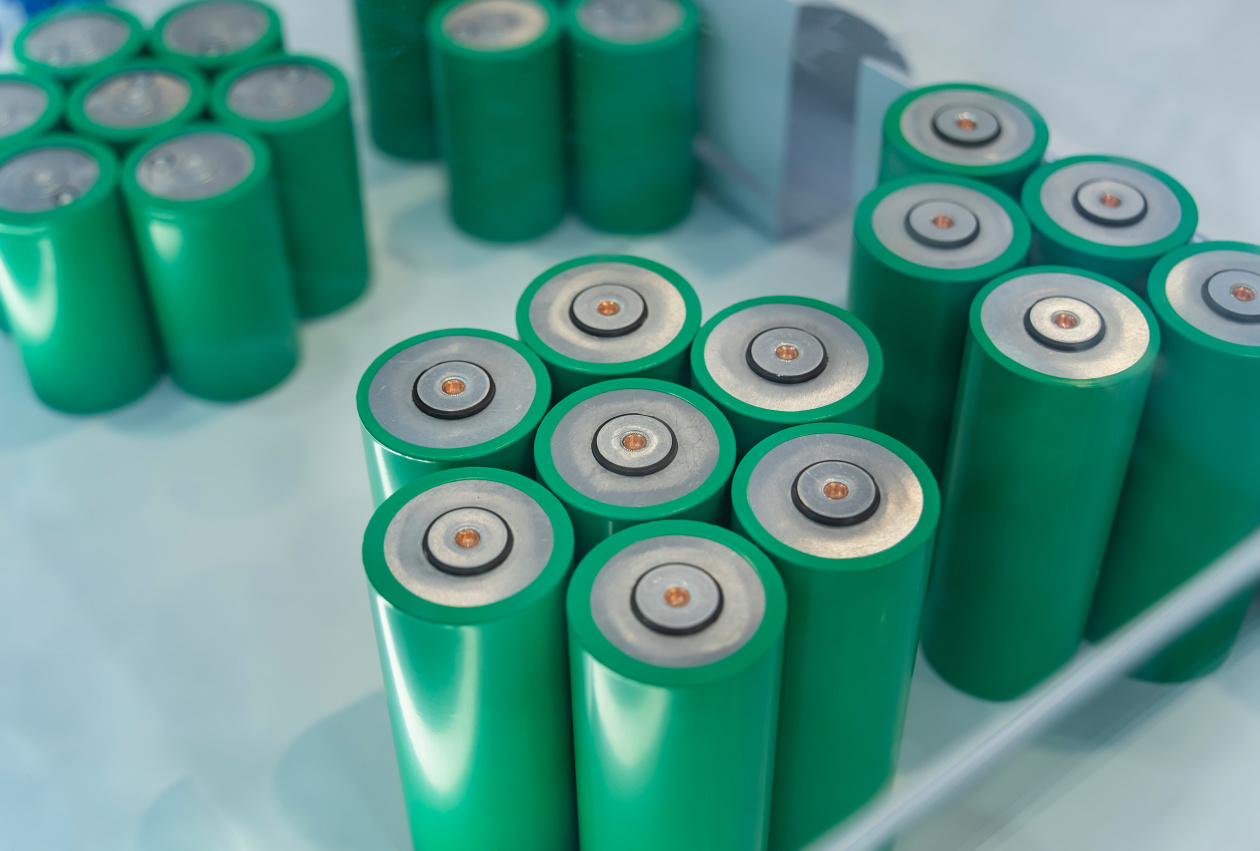
Core Viewpoint - The lithium battery recycling industry is undergoing a value reassessment driven by high energy metal prices, increased demand for energy storage, and supportive policies, leading to the formation of a green circular market exceeding 100 billion yuan by 2025 [1][6]. Industry Overview - The prices of key metals such as lithium, cobalt, and nickel are expected to remain high due to global mineral development cycles and a second surge in downstream energy storage demand [1]. - The industry is transitioning from extensive development to a more refined, standardized, and globalized phase, with a market size projected to exceed 100 billion yuan [1]. Company Performance - Companies like Greeenme and Tianqi have reported significant improvements in profitability due to increased retirement volumes and rising metal prices, with Greeenme's battery recycling volume reaching 36,000 tons, a 59% year-on-year increase [2]. - Tianqi's lithium battery recycling segment has turned profitable, aided by the lifting of black powder import restrictions and rising metal prices [2]. Strategic Initiatives - Leading companies are adopting a "capacity + capital" dual-drive strategy to capture market opportunities, with Greeenme planning to invest 400 million yuan to acquire shares in Henan Recycling Group and pursue a Hong Kong listing [4]. - Tianqi has established a processing capacity of 100,000 tons of used lithium batteries, with another 100,000 tons under construction, indicating a strong commitment to expanding its recycling capabilities [4]. Technological Advancements - Greeenme has achieved a lithium recovery rate exceeding 96.5% through its nine global recycling bases and has established partnerships with over 1,000 automotive and battery manufacturers [5]. - The industry is focusing on technological iteration and collaboration across the supply chain, with non-compliant small operations exiting the market, leading to a concentration of market share among companies with technological and environmental advantages [5]. Market Outlook - The lithium battery recycling industry is expected to experience accelerated growth over the next 3 to 5 years, with an annual growth rate projected to exceed 50%, potentially surpassing 100 billion yuan by 2030 [5][6]. - The industry's growth is not only driven by short-term fluctuations in energy metal prices but also by the necessity of closing the loop in the new energy industry chain, ensuring resource security and alleviating mining pressures [6].


评论:为什么越来越多的人 开始主动参与循环经济
Zhong Guo Xin Wen Wang· 2026-01-10 13:49
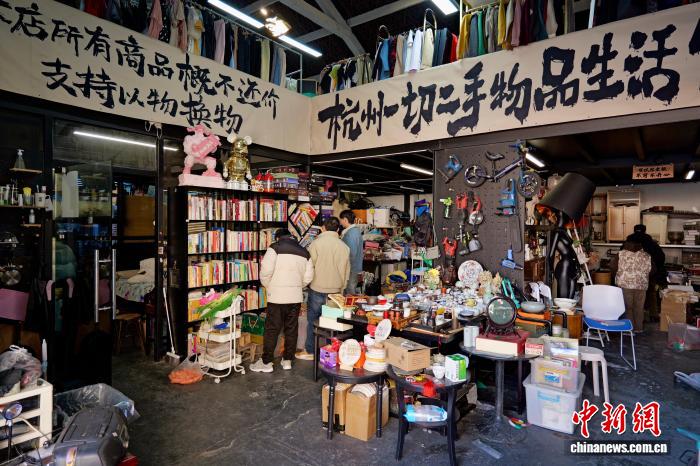
Core Insights - The rise of second-hand goods stores in Hangzhou reflects a growing interest in the circular economy among young people, who prioritize the uniqueness and utility of items over their monetary value [1][4] - Hangzhou has been recognized as one of the "20 zero waste cities" globally, emphasizing its commitment to sustainable urban development and the promotion of green initiatives [1][4] - The circular economy is not only about resource conservation but also about creating social connections and trust among individuals through the exchange of goods [2][4] Group 1 - The concept of a "zero waste city" has gained traction in Hangzhou, with over 3,200 "zero waste cells" established, showcasing various initiatives like art installations made from waste and community markets for repurposing items [1] - The transformation of old objects into valuable community assets is exemplified by the "Three Mouth Sisters" workshop in Lin'an, which utilizes thousands of old items to create spaces that foster local culture and tourism [2] - The social aspect of the circular economy is highlighted in second-hand stores in Hangzhou, where people engage in barter and share stories, fulfilling emotional needs often overlooked in a fast-paced consumer culture [2] Group 2 - The circular economy is seen as a solution to alleviate anxiety caused by overconsumption in urban areas while extending the lifecycle of products and reducing resource depletion [4] - Recent government policies, such as the "Solid Waste Comprehensive Management Action Plan," aim to enhance waste management and promote a green transition in economic and social development [4] - The shift towards reusing old items is portrayed as a lifestyle choice that is increasingly accepted and embraced by society, contributing to environmental sustainability and resilience [4]
评论:为什么越来越多的人,开始主动参与循环经济
Xin Lang Cai Jing· 2026-01-10 13:18
中新网杭州1月10日电 (钱晨菲)最近,浙江杭州一家二手物品店悄然走红。年轻人以"以物换物"的方式 前往店内"寻宝",翻找旧相机、老家具、二手书……不急着比较价值,反而更在意"有没有意思""用不 用得上"。 在一些乡村实践中,老物件被赋予了一种超出"资源再利用"的价值。以杭州临安板桥镇的"三口姐姐"共 富工坊为例,工坊负责人、临安区新联会副秘书长胡杭钰用几万件老物件打造了充满乡土记忆的展示空 间,使老物件通过直播、展览、研学等形式进入新的流通场景。人们因"淘物"而来,却在乡村留下了人 气、流量与消费,也带动了农文旅的融合发展。老物件在这里,既是载体,也是媒介。 其三,循环经济提供了一种去效率化的社交空间,构建起人与人之间的信任关系。 在杭州市萧山区的二手物品店内,人们以物换物、分享物品背后的故事,建立起彼此间的信任。这种慢 节奏、非标准化的交换,恰恰回应了效率化消费体系下被忽视的情绪需求,也让循环行为具备了社交属 性。 这些现象共同指向一个变化:循环经济正在显现出超越环保本身的社会意义。它在乡村修复公共空间的 活力,在城市缓解过度消费带来的焦虑,同时延长物品的使用周期,降低资源消耗的速度。当一件物品 杭州一家 ...
垃圾不够烧了,“固废十条”能否为环保产业带来新蛋糕
Xin Lang Cai Jing· 2026-01-10 10:12
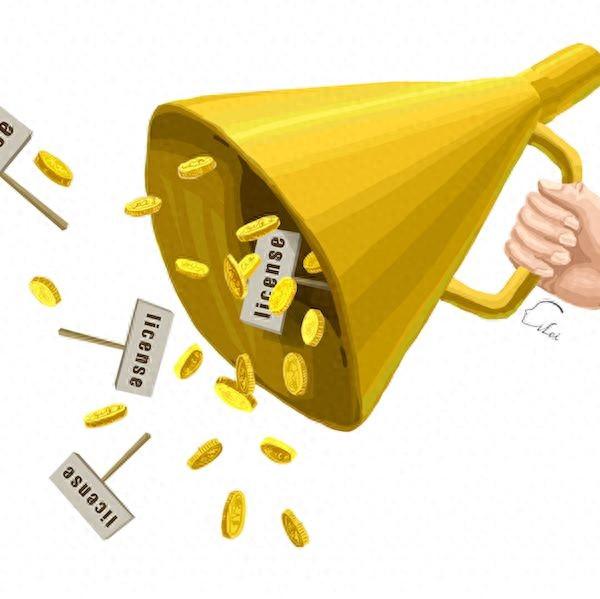
Core Viewpoint - The release of the "Solid Waste Comprehensive Treatment Action Plan" marks a significant policy shift in China's environmental management, aiming for substantial improvements in solid waste management by 2030, including a target of 4.5 billion tons of comprehensive utilization of major solid waste and 510 million tons of recycling of main resources annually [2][4]. Group 1: Policy Overview - The "Solid Waste Comprehensive Treatment Action Plan" is a milestone document following previous environmental policies, focusing on the comprehensive management of solid waste [2]. - The plan aims to control historical stockpiles of solid waste and curb illegal dumping, with specific targets set for waste utilization and recycling by 2030 [2][4]. - The plan is spearheaded by the National Development and Reform Commission (NDRC), indicating a shift from large-scale infrastructure projects to a focus on creating a sustainable circular economy without relying on subsidies [2][5]. Group 2: Industry Context - The solid waste industry is experiencing a transition from a growth phase to a focus on operational efficiency, with a predicted decline in ecological infrastructure investment to below 30% by 2025 [5]. - The current oversupply in waste incineration capacity is highlighted, with a processing capacity of 862,000 tons per day in 2023, exceeding the target of 800,000 tons per day set for the 14th Five-Year Plan [4][5]. - The environmental industry has evolved significantly over the past decade, with previous policies like the "Air Ten Measures" and "Water Ten Measures" leading to substantial improvements in air and water quality [4][5]. Group 3: Future Opportunities - The organic waste treatment sector presents a significant growth opportunity, with potential investments reaching hundreds of billions, particularly in anaerobic digestion for biogas production [6]. - The plan emphasizes enhancing waste classification and resource utilization, promoting the integration of waste collection points with recycling networks, and encouraging manufacturers to participate in recycling efforts [6][7]. - The policy encourages local governments to allocate at least 1% of industrial land for resource recycling facilities and to leverage various funding sources to support solid waste management projects [7].
专访yehyehyeh创新社创始人叶晓薇:2026,可持续时尚告别“漂绿”,走向“深绿”
Xin Lang Cai Jing· 2026-01-10 08:10
Core Insights - The year 2025 marks a pivotal point for the global fashion industry, transitioning sustainable fashion from a marketing add-on to a necessity for survival in the mainstream market due to the enforcement of the EU's Sustainable Product Ecodesign Regulation (ESPR) and various anti-greenwashing laws [1][2] Group 1: Changes in ESG Practices - The fashion industry is shifting from vague carbon reduction promises to comprehensive data-driven carbon management across the entire supply chain, driven by the upcoming ESPR [2][3] - The adoption of circular economy practices, particularly textile-to-textile (T2T) innovations, is becoming a major focus, with significant collaborations emerging to integrate new materials into supply chains [2][3] - The industry's mindset is evolving from merely increasing the production of preferred materials to enhancing the underlying production systems, which is crucial for making a real environmental and social impact [3] Group 2: Regulatory Pressures and Transparency - Recent policies are pushing the fashion and textile industry’s ESG requirements from voluntary practices to mandatory compliance, with the EU's Consumer Empowerment Directive and Green Claims Directive establishing stricter standards for environmental claims [3][4] - Fast fashion platforms like Shein and Temu are now facing systemic external pressures that require transparency, compliance, and verifiability, necessitating significant investments in certification systems and digital disclosures [4][5] Group 3: Consumer Engagement and Market Trends - There is a notable shift in consumer focus from single material considerations to deeper supply chain decarbonization and circular models, as regulations demand full lifecycle information disclosure [5][6] - The phenomenon of "green hushing" is emerging, where brands are opting for silence on their sustainability efforts due to regulatory pressures, which could lead to a lack of transparency and consumer awareness [5][6] - Brands are increasingly collaborating with suppliers to provide green energy, indicating a shift towards collaborative decarbonization efforts across the entire supply chain [6][7] Group 4: Future Trends in Sustainable Fashion - The three key trends anticipated in the ESG space for the fashion industry over the next three years are circular economy, collaborative intelligence (AI), and nature-based solutions (NbS) [8][9][10] - Circular economy practices are seen as essential for addressing resource depletion and waste crises, while AI and digital tools are necessary for efficient management of complex supply chain data [9][10] - Nature-based solutions emphasize the importance of regenerative agriculture and biodiversity protection as foundational elements for restoring the relationship between the fashion industry and the planet [11]
2025二手奢侈品市场消费趋势:从“捡漏”到“投资”
Xin Lang Cai Jing· 2026-01-09 22:53
Core Insights - The second-hand fashion and luxury goods market is projected to become a significant growth engine in the global fashion industry by 2025, with a market size of $210 billion to $220 billion and a stable annual growth rate of 10%, three times that of the primary market [1][3] - The market is characterized by "scale expansion and structural upgrading," with the second-hand luxury goods market currently accounting for 8% of total global luxury sales, expected to exceed $320 billion to $360 billion by 2030, increasing its market share to 10% [3][4] - The demand for second-hand luxury items is driven by both buyers seeking value and sellers looking to declutter and generate income, with online platforms becoming the primary channel for transactions [4][6] Market Dynamics - The second-hand luxury market is supported by a dual-driven model from both buyers and sellers, with nearly 80% of buyers citing value for money as their primary reason for purchasing second-hand items [4] - The market is seeing a significant influence from Generation Z, who have a higher proportion of second-hand items in their wardrobes (32%) and prioritize style expression and unique experiences over mere cost [5][6] - Regional differences are evident, with American consumers leading in acceptance of second-hand luxury goods, particularly in handbags, while European consumers focus more on sustainable fashion practices [6][7] Brand Value and Investment - The valuation of luxury brands in the second-hand market is shifting from "market heat" to "value retention," with brands like Hermès and Goyard achieving high resale values, indicating strong investment potential [8][9] - The resurgence of retro styles is driving demand, with significant increases in search volumes for iconic bags from the 2000s, reflecting consumer nostalgia and emotional connection to these items [9] - The luxury jewelry sector is anticipated to become the next growth hotspot, as consumer interest in sustainable luxury and investment pieces rises [11] Future Outlook - The second-hand luxury market is expected to continue its growth trajectory into 2026, with traditional luxury brands focusing on craftsmanship and innovation to attract consumers [10][11] - Brands are encouraged to develop clear second-hand strategies to balance pricing and enhance customer trust, particularly among affluent consumers [11] - The evolving consumer mindset towards sustainability and value will further shape the second-hand luxury market, creating opportunities for brands that adapt to these changes [10][11]
锂电回收行业迎来转机 能源金属涨价推升“城市矿山”价值
Zheng Quan Shi Bao· 2026-01-09 17:44
Core Insights - The lithium battery recycling industry is evolving from a rough development phase to a more refined, standardized, and globalized stage, driven by rising prices of lithium and cobalt, along with supportive policies [1][7] - Major companies like Tianqi Co., Ltd. and Greeenme are expanding their capacities and capital operations to build competitive barriers through technological upgrades and industry chain extensions [1][2] Industry Trends - The prices of key metals such as lithium, cobalt, and nickel are expected to remain high due to global mining cycles and increased downstream energy storage demand, positively impacting cash flow and profitability for recycling companies [2][3] - The recycling business of Greeenme saw a significant increase in dismantling volume, reaching 36,000 tons in the first three quarters of 2025, a year-on-year surge of 59% [2] Policy Developments - In June 2025, the Ministry of Ecology and Environment, the Ministry of Industry and Information Technology, and the State Administration for Market Regulation announced that recycled black powder for lithium-ion batteries meeting national standards would not be classified as solid waste, facilitating imports [2][3] - The gradual relaxation of import policies for recycled resources reflects the government's emphasis on recycling and lithium battery recovery [3] Company Strategies - Greeenme is actively pursuing a dual strategy of capacity expansion and capital operation, including a planned acquisition of Henan Recycling Group to enhance its circular economy strategy [4][5] - Tianqi Co., Ltd. has established a processing capacity of 100,000 tons for waste lithium batteries, with plans for further expansion [5][6] Technological Advancements - Greeenme has developed a complete lifecycle value chain for battery recycling, achieving a lithium recovery rate exceeding 96.5% through innovative technologies [6] - The company collaborates with over 1,000 automotive and battery manufacturers to create a closed-loop supply chain, reducing risks associated with supply chain and metal price fluctuations [6] Market Outlook - The lithium battery recycling industry is expected to grow at an annual rate exceeding 50% over the next 3 to 5 years, with the market size projected to surpass 100 billion yuan by 2030 [7] - The industry is undergoing a transformation driven by price, demand, and policy changes, moving towards a more refined and standardized development phase [7]
美联新材拟募资10亿元投建达州项目 产业升级+循环经济+枢纽区位赋能全球布局
Zheng Quan Shi Bao Wang· 2026-01-09 14:15
Core Viewpoint - Meilian New Materials plans to raise 1 billion yuan for the industrialization project of new energy and polymer materials, emphasizing the integration of circular economy concepts and global strategic deployment [1][2] Group 1: Project Overview - The project aims to leverage the geographical advantage of Xuanhan County, located 185 kilometers from Wanzhou Port, to create a "technology + resources + logistics" ecosystem [1] - Wanzhou Port, as the deepest water port in the Yangtze River Three Gorges area, enhances logistics efficiency, reducing transportation time and costs by approximately 20% compared to road transport [1] - The project is expected to significantly improve the competitiveness of products such as color masterbatches, titanium dioxide, and ferrous sulfate by providing a "low-cost export" channel [1] Group 2: Cost Reduction and Resource Utilization - The project utilizes a one-stop integrated process from sulfur to sulfuric acid, titanium dioxide, and white masterbatches, generating by-products such as 900,000 tons of sulfuric acid and 600,000 tons of ferrous sulfate [2] - The sale of surplus sulfuric acid to nearby phosphate chemical companies is projected to generate an annual revenue of approximately 300 million yuan [2] - The comprehensive production cost of color masterbatches is expected to decrease by over 15% compared to traditional methods, saving about 2,000 yuan per ton, leading to an annual cost saving of around 600 million yuan at full production [1][2] Group 3: Strategic Significance - The fundraising initiative reflects the company's strategic positioning and confidence in future development, aligning with industry trends and leveraging its advantages [2] - The integration of efficient logistics, cost-effective core resources, and green circular economy practices establishes a complete competitive barrier for the company [2] - The project is anticipated to enhance profitability and core competitiveness, contributing to sustainable long-term value for investors and facilitating the company's transition from domestic leadership to global expansion [2]

北京发布美丽工厂建设指引
Zhong Guo Hua Gong Bao· 2026-01-09 04:25
据悉,北京市鼓励工厂结合行业特性、工艺流程、技术创新、产品场景等要素,在绿色发展、生态环境 等方面实施特色鲜明、亮点突出的项目,走出符合工厂自身特点、体现工厂自身特色的美丽之路。 据悉,美丽工厂是市级绿色工厂或绿色绩效评价中达到绿色基准企业(浅绿企业)及以上等级的工厂, 以绿色低碳、环境优美、智慧高效为导向,建设成内外兼备、与自然和谐共生的现代化工厂。 《建设指引》要求,加强固定源污染排放控制,通过采取源头防控、全流程管理、末端治理等措施,持 续降低厂区内各类大气和水污染物的产生与排放。推动用能结构低碳转型,在厂区因地制宜建设分布式 光伏、分散式风电、地源热泵等可再生能源利用项目,充分挖掘工厂余热余压利用空间,探索开展氢能 等新能源利用。提升能源利用效率,应用节能低碳新工艺、新技术、新产品,持续开展技术改造和设备 更新,工厂单位产品、工序能耗应达到国家和北京市相关行业能耗限额标准的先进值或标杆水平。提高 资源利用水平,持续推进工厂数字化智能化转型升级,促进工厂生产制造全过程的综合优化和效率提 升。提高绿色设计水平,降低原材料消耗强度,推动工业固废源头减量,提高一般工业固体废物综合利 用率,发展循环经济。同时建 ...
永远的铁道兵不朽的创业魂——追记香驰控股原董事长刘连民
Qi Lu Wan Bao· 2026-01-09 02:17
Core Viewpoint - Liu Lianmin, the founder and chairman of Xiangchi Holdings, passed away at the age of 69, leaving behind a legacy of dedication to the grain and oil processing industry, transforming a small plant into a leading enterprise in deep processing of soybeans and corn in China [1][10]. Group 1: Early Life and Military Service - Liu Lianmin was born in 1957 in a farming family in Boxin County and became a soldier in the railway troops, where he demonstrated exceptional work ethic by exceeding daily tasks [2][3]. - His military service instilled in him a strong sense of resilience and dedication, earning him multiple awards and recognition during his time in the army [3]. Group 2: Career Development - After retiring from the military, Liu was appointed as the manager of the local grain depot, where he quickly rose through the ranks due to his hard work and innovative approach [3][4]. - In 1989, he took on the role of factory director at the Boxin County Plant Oil Factory, facing significant challenges but responding with a commitment to improve management and production processes [4][5]. Group 3: Business Growth and Achievements - Under Liu's leadership, the plant achieved national quality standards within six months and expanded its product offerings, including soy sauce and vinegar, leading to significant revenue growth [5][6]. - By 1994, the plant became the top in Shandong Province with sales revenue of 73.23 million yuan and continued to grow, eventually transforming into Xiangchi Grain and Oil Company [6][10]. Group 4: Strategic Innovations - Liu recognized the need for strategic transformation in response to market changes, leading to the development of high-value-added products and establishing a circular economy model within the company [7][8]. - The company became a leader in the domestic soybean protein industry, with exports accounting for 20% of the national total and a market share of over 60% in high-end nutritional protein [8][10]. Group 5: Social Responsibility and Legacy - Liu emphasized the importance of giving back to society, contributing over 20 million yuan to various charitable causes and supporting education initiatives in underprivileged areas [13]. - His commitment to employee welfare and community support fostered a strong corporate culture, which continues to influence the company even after his passing [12][13].
