
绿水青山就是金山银山

Search documents
陕西柞水书写高质量发展绿色答卷
Huan Qiu Wang· 2025-09-12 08:44
Core Viewpoint - Shazhou County in Shaanxi Province has successfully implemented the concept of "lucid waters and lush mountains are invaluable assets," achieving significant ecological and economic benefits through green development initiatives [1][2][3] Group 1: Ecological Achievements - Shazhou County has received multiple national honors, including being a "National Ecological Civilization Construction Demonstration Zone" and a "National Environmental Health Management Pilot," showcasing its commitment to ecological priorities [1] - The county has maintained an average PM2.5 level below 25μg/m³, with air quality days ranking first in the city for five consecutive years, reflecting significant improvements in air quality [1] - The water quality at the county's exit monitoring points has stabilized at Class II surface water standards, with a rural sewage treatment rate of 60.75%, surpassing the city average by 4.92% [2] Group 2: Environmental Management - Shazhou County has implemented a comprehensive soil pollution control and remediation strategy, achieving a 100% safety utilization rate of soil environments [2] - The county has developed a water and soil loss prevention system, achieving a water and soil loss governance rate of 91.2% and a vegetation coverage rate of 88% [3] - Five nature reserves have been established, covering a total area of 18.3 square kilometers, contributing to the protection of biodiversity and the stability of ecosystems [3] Group 3: Economic Development - The county is leveraging its ecological advantages to promote green industries such as ecological health care, tourism, and agriculture, creating a positive cycle of ecological industrialization [3] - Notable attractions like "Zhashui Wood Ear" have received national geographical indication protection, and the village of Zhujiabao has been named a "Best Tourism Village" by the United Nations World Tourism Organization, enhancing the county's tourism profile [3]
广西贺州姑婆山“生态蝶变” “点绿成金”年迎客逾149万
Zhong Guo Xin Wen Wang· 2025-09-12 06:05
Core Insights - The article highlights the transformation of the Guipo Mountain tourism resort in Guangxi, which has become a popular destination, attracting over 1.49 million visitors annually, showcasing the successful integration of ecological restoration and tourism development [1][4]. Group 1: Ecological Transformation - The Guipo Mountain resort is located at the intersection of Hunan, Guangxi, and Guangdong provinces, with a forest coverage rate of 83%, earning the title of "the largest natural forest oxygen bar in South China" [2]. - Significant investments exceeding 700 million yuan have been made to enhance the resort, with 117 projects completed as of August [2]. - The previously polluted Mawei River has been transformed into a scenic waterfront park, attracting numerous visitors [2]. Group 2: Tourism Development - The resort features several popular attractions, including Guipo Mountain, Shiba Water, and Yushi Forest, effectively converting ecological advantages into developmental benefits [2][4]. - The resort has developed two core product systems: "forest leisure" and "hot spring health care," offering various tourism projects such as forest oxygenation and summer retreats [4]. - In 2024, the resort is expected to receive 1.49 million visitors, with an average stay of 2.71 days and an overnight guest ratio of 56.92% [4]. Group 3: Economic Impact - The resort's development model combines "forest tourism + hot spring health care + homestay vacation + rural leisure," significantly boosting tourism revenue [7]. - In 2024, the total tourism revenue is projected to reach 260 million yuan, contributing to the growth of the catering, accommodation, transportation, and retail sectors, and creating over 6,500 new jobs [7].


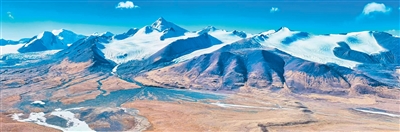
护一江清水 守“中华水塔”(山水间的财富密码⑦)
Ren Min Ri Bao Hai Wai Ban· 2025-09-11 22:43
Core Viewpoint - The protection of the ecological environment in Qinghai, particularly the Sanjiangyuan region, is emphasized as a national priority, highlighting the importance of maintaining ecological safety and the mission to safeguard the "Chinese Water Tower" [1][8]. Group 1: Ecological Protection Efforts - The Sanjiangyuan National Park was officially established in 2021, expanding from 123,100 square kilometers to 190,700 square kilometers, creating a protective network for the sources of the Yangtze, Yellow, and Lancang Rivers [7]. - The "one household, one position" policy has motivated over 17,000 ecological guardians, enhancing family incomes and promoting participation in various industries, leading to improved living standards [7]. - The ecological protection efforts involve local herders actively participating in waste collection and wildlife protection, demonstrating a community-driven approach to environmental stewardship [7][8]. Group 2: Community Engagement and Education - The local community, including young people, has become increasingly involved in ecological protection, with initiatives such as a waste exchange program where villagers can trade garbage for essential goods [7]. - The establishment of ecological education stations has fostered awareness and skills among local herders, promoting knowledge about grassland restoration and wildlife conservation [6][7]. - The photography team, composed of local farmers and herders, captures the region's biodiversity, serving as a tool for ecological education and community pride [6][8]. Group 3: Personal Commitment to Conservation - The dedication of ecological guardians like Gelai Jiangcuo reflects a deep personal commitment to protecting the Sanjiangyuan region, with their daily activities focused on monitoring wildlife and maintaining the environment [2][4]. - The emotional connection to the land and its wildlife is evident in the experiences shared by ecological guardians, who view their work as both a responsibility and a passion [4][6].
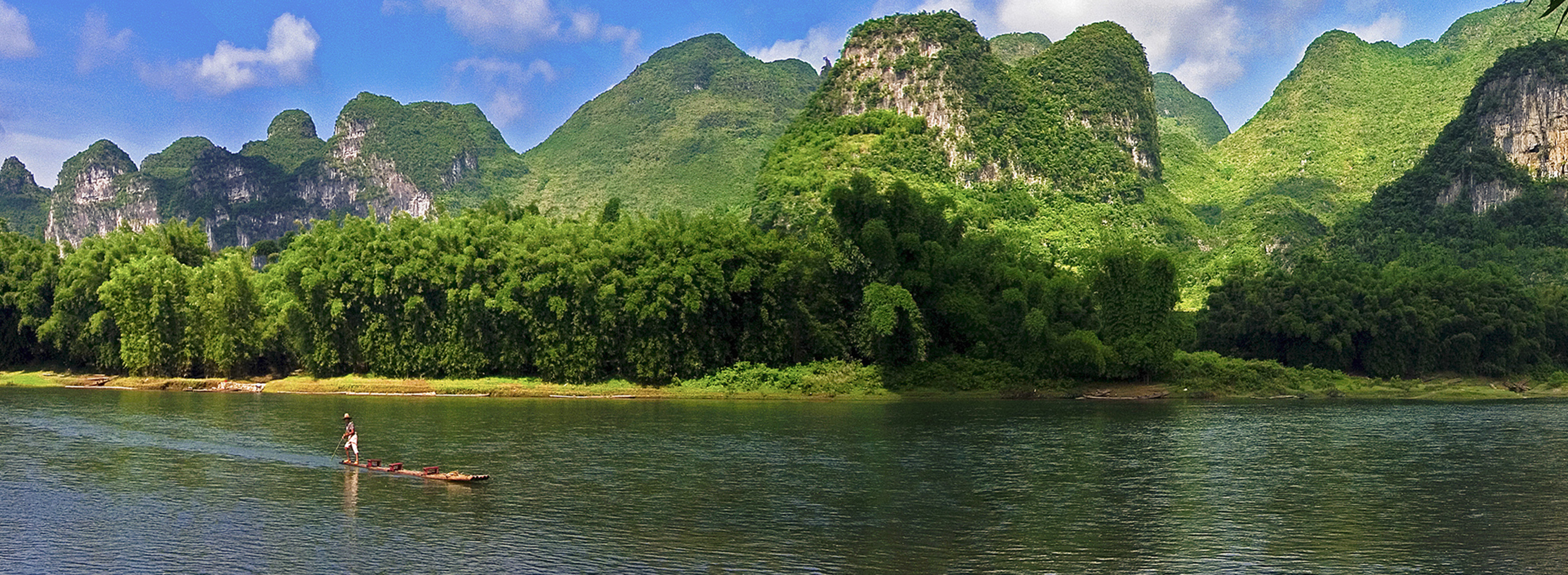
碧水清流歌未央
Guang Xi Ri Bao· 2025-09-11 02:57
Core Viewpoint - The article highlights the successful transformation of rivers in Guangxi, particularly focusing on the ecological restoration and community engagement in river management, leading to improved water quality and enhanced local economies [2][5][10]. Group 1: River Restoration Efforts - The Xiangfen River has been recognized as a beautiful and happy river in Guangxi, with plans for it to become a water scenic area by 2024, showcasing the ecological achievements in the region [2][4]. - Since the implementation of the river chief system in 2018, the Xiangfen River has seen significant improvements, including a 100% water quality compliance rate and a continuous top ranking in national water quality assessments [5][10]. - The local government invested approximately 135.36 million yuan in sewage treatment projects and 766.96 million yuan in soil conservation efforts, resulting in clearer waters and greener banks [4][5]. Group 2: Economic Impact - The annual tourist influx to the Xiangfen River area is around 600,000, generating over 20 million yuan in tourism revenue, with local collective economic benefits reaching 1.1475 million yuan [5][10]. - Local entrepreneurs have capitalized on the river's restoration, with one individual reporting an annual income of 500,000 yuan from camping and tourism services, a significant increase from previous earnings [4][5]. Group 3: Community Involvement - The article emphasizes the role of community participation in river protection, with local residents actively engaging in conservation efforts and benefiting from the ecological improvements [9][10]. - The establishment of a comprehensive river chief system has led to the appointment of 2,398 river chiefs across various levels, ensuring effective management and protection of water resources [7][10]. Group 4: Broader Implications - The success of the Xiangfen River is part of a larger trend in Guangxi, where multiple rivers have undergone similar transformations, contributing to the region's reputation for ecological sustainability and community resilience [9][10]. - The article outlines future plans for the construction of 116 "happy rivers and lakes" by 2030, aiming for harmonious coexistence between people and water resources [10].
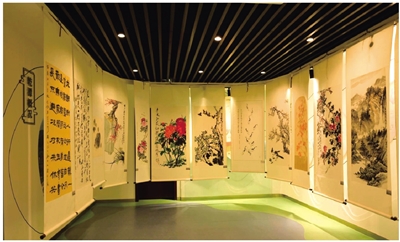
三地丹青联展绘共富
Hang Zhou Ri Bao· 2025-09-11 02:15
Core Viewpoint - The recent art exhibition "Danqing Huijin Xiu, Walking Together on the Road to Common Prosperity" showcases over a hundred artworks from artists in three regions, emphasizing ecological beauty, rural transformation, and cultural heritage under the guiding principle that "lucid waters and lush mountains are invaluable assets" [2] Group 1 - The exhibition features both professional artists and local enthusiasts, highlighting the exploration and achievements in ecological protection, rural transformation, and cultural inheritance across the three regions [2] - The 219 Provincial Road serves as a vital link connecting the three areas, creating an ecological corridor, cultural corridor, and a pathway to common prosperity [2] - The event is described as not just an art exhibition but a celebration of collaborative achievements in building a prosperous community, showcasing the practical application of the "art in rural construction" concept [2] Group 2 - The three regions have consistently adhered to the "art in rural construction" approach, integrating art into rural life and enhancing community engagement [3] - Future plans include deepening the integration of ecological protection and industrial development through art, promoting the ideals of ecological beauty, industrial prosperity, and wealth for the people in rural revitalization [3]
自然资源资产家底更厚实
Jing Ji Ri Bao· 2025-09-11 01:44
Group 1: Core Concepts - The "14th Five-Year Plan" emphasizes the concept of "lucid waters and lush mountains are invaluable assets," aiming for high-quality economic and social development through effective natural resource management [1] - The Ministry of Natural Resources has established a comprehensive monitoring system for nine types of natural resources, ensuring dynamic tracking of resource conditions [2] Group 2: Land and Forest Resources - By the end of 2024, the national arable land area is projected to reach 1.94 billion acres, an increase of 28 million acres since 2020, maintaining the arable land protection red line [2] - The national forest coverage rate has reached 25.09%, an increase of approximately 2 percentage points since 2020, making China the fastest-growing country in terms of greening [2] Group 3: Marine Economy - China's marine production value has surpassed 10 trillion yuan, with a 34% increase compared to the end of the "13th Five-Year Plan," accounting for 7.8% of the national GDP [4] - The marine economy has become a significant force for stable national economic growth, with marine oil and gas contributing over 70% of the domestic oil increment in 2024 [4][5] Group 4: Mineral Resources - A new round of mineral exploration has been implemented, with nearly 450 billion yuan invested, leading to significant breakthroughs in energy resources, including the discovery of 10 large oil fields and 19 large gas fields [6] - New resource bases are emerging, such as the Dandong gold mine in Liaoning, which has an estimated gold resource of nearly 1,500 tons, potentially becoming a world-class gold mine [6][7] Group 5: Strategic Emerging Industries - The discovery of lithium resources, crucial for electric vehicles, has led to the identification of the "Asian Lithium Belt," spanning 2,800 kilometers across four provinces [7]
我国已经拥有全部15个主要海洋产业
Zheng Quan Ri Bao· 2025-09-11 01:23
Group 1: Achievements in Natural Resource Management - The Ministry of Natural Resources has effectively supported high-quality economic and social development, achieving the goals set in the 14th Five-Year Plan [1] - By the end of 2024, the total arable land area in China is expected to reach 1.94 billion acres, an increase of 28 million acres since 2020 [1] - The national forest coverage rate has reached 25.09%, an increase of approximately 2 percentage points since 2020, making China the fastest-growing country in terms of greening [1] Group 2: Marine Economy Development - China's marine production value has surpassed 10 trillion yuan, growing by 34% compared to the end of the 13th Five-Year Plan, accounting for 7.8% of the national GDP [2] - China has become one of the countries with the most complete marine industry categories, possessing all 15 major marine industries, with marine fishery production maintaining the world's highest output for 36 consecutive years [2] - The marine tourism industry is projected to reach an added value of 1.6 trillion yuan in 2024, with significant growth in cruise tourism and marine education [2] Group 3: Mineral Resource Development - The Ministry of Natural Resources has invested nearly 450 billion yuan in a new round of mineral exploration, achieving significant breakthroughs in energy resources, particularly in oil, natural gas, and uranium [3] - New resource bases are emerging, revitalizing old resource bases, and a leading global resource supply system has been established for strategic emerging industry minerals [3]
生态游要“流量”更要“留量”
Jing Ji Ri Bao· 2025-09-10 22:12
Core Insights - The article emphasizes the growing popularity of ecological tourism in China, with a projected visitor count of 2.761 billion in 2024, highlighting its appeal for both tourists and local communities [1] Group 1: Ecological Tourism Growth - Ecological tourism, including forest, wetland, and grassland tourism, is increasingly favored by tourists seeking close contact with nature [1] - The concept of "green mountains and clear waters are as valuable as mountains of gold and silver" is exemplified through the economic benefits that ecological tourism brings to local residents [1] Group 2: Challenges in Ecological Tourism - Issues such as homogenized development and excessive commercialization threaten the integrity of ecological tourism, leading to a lack of unique local characteristics [1] - The article calls for a shift from rapid, large-scale growth to a focus on quality and sustainable development in ecological tourism [1] Group 3: Enhancing Visitor Experience - The need to move from mere sightseeing to immersive experiences is highlighted, suggesting that tourists should engage in interactive and educational activities [2] - Unique local elements, such as rare species or traditional crafts, should be leveraged to create distinctive tourism experiences [2] Group 4: Community Involvement - The article advocates for local communities to take a leading role in ecological tourism, ensuring they benefit from the resources and participate in management [3] - Successful examples include the establishment of "ecological guardians" in Wuyi Mountain National Park, employing local residents to balance conservation and development [3] Group 5: Sustainable Development - The sustainable development of ecological tourism requires a meticulous approach, transitioning from quantity to quality [3] - The goal is to create a lasting emotional connection with visitors while ensuring the continuous value of natural resources [3]
自然资源资产家底更厚实 “十四五”期间我国新发现10个大型油田、19个大型气田
Jing Ji Ri Bao· 2025-09-10 22:10
Core Viewpoint - The Chinese government emphasizes the importance of high-quality development in natural resource management, aligning with the "green mountains and clear waters are invaluable assets" philosophy, and has made significant progress in achieving the goals set in the 14th Five-Year Plan [1] Group 1: Natural Resource Monitoring and Management - Since the beginning of the 14th Five-Year Plan, China has conducted comprehensive surveys and monitoring of nine types of natural resources, including land, minerals, and forests, to dynamically grasp their status [2] - By the end of 2024, the national arable land area is expected to reach 1.94 billion acres, an increase of 28 million acres from 2020, maintaining the arable land protection red line [2] - The forest coverage rate has reached 25.09%, an increase of approximately 2 percentage points since 2020, making China the fastest-growing country in terms of greening [2] Group 2: Ecological Protection and Restoration - The government has implemented significant ecological protection and restoration initiatives, achieving a cumulative area of over 10 million acres in comprehensive land remediation [3] - The efficiency of resource utilization has improved, with the area of construction land per unit of GDP decreasing by 16% [3] - Over 1,000 national-level green mines have been established, promoting sustainable resource development [3] Group 3: Marine Economy Development - China's marine production value has surpassed 10 trillion yuan, with a 34% increase compared to the end of the 13th Five-Year Plan, accounting for 7.8% of the national GDP [4] - Guangdong's marine production value is projected to exceed 2 trillion yuan in 2024, with cities like Shenzhen and Shanghai enhancing their marine functional advantages [4] - China has become one of the countries with the most complete marine industry categories, leading the world in marine aquaculture production for 36 consecutive years [4][5] Group 4: Mineral Resource Exploration - The government has invested nearly 450 billion yuan in a new round of mineral exploration, achieving significant breakthroughs in energy resources, including the discovery of 10 large oil fields and 19 large gas fields [7] - New resource bases are emerging, such as the lithium-rich "Asian Lithium Belt," which spans 2,800 kilometers across four provinces, indicating a strong focus on critical minerals for the electric vehicle industry [8]
自然资源部:我国已经拥有全部15个主要海洋产业
Zheng Quan Ri Bao Wang· 2025-09-10 13:25
Core Insights - The "14th Five-Year Plan" has achieved significant milestones in natural resource management, emphasizing the integration of ecological preservation and economic development [1][2] Group 1: Achievements in Natural Resource Management - The Ministry of Natural Resources has established a solid foundation for resource management, with a total cultivated land area reaching 1.94 billion acres by the end of 2024, an increase of 28 million acres since 2020 [2] - The department has identified the quantity, distribution, and utilization status of 163 mineral resources, discovering 534 new large and medium-sized oil and gas fields and mineral sites [2] - The national forest coverage rate has reached 25.09%, improving by approximately 2 percentage points since 2020, making China the fastest-growing country in terms of greening [2] - The area of construction land per unit of GDP has decreased by 16% [2] - A total of 1,000 national-level green mines have been established, with 125 mineral types having their "three rates" standards published and implemented [2] Group 2: Marine Economy Development - The marine economy has surpassed 10 trillion yuan, with a 34% increase compared to the end of the "13th Five-Year Plan," accounting for 7.8% of the national GDP [2][3] - China has become one of the countries with the most comprehensive marine industry categories, maintaining the world's highest total production of marine products for 36 consecutive years [3] - The shipping volume and container throughput account for one-third of the global total, with the marine tourism industry's added value reaching 1.6 trillion yuan in 2024 [3] - The international influence of platforms like the China Marine Economy Expo is continuously increasing, with the shipping export value reaching 27.5 trillion yuan in 2024 [3] Group 3: Mineral Resource Development - The Ministry of Natural Resources has invested nearly 450 billion yuan in a new round of mineral exploration, achieving significant breakthroughs in energy resources, particularly in oil, natural gas, and uranium [3] - New resource bases are emerging while revitalizing old resource bases, enhancing the energy resource security capacity and optimizing the structure [3] - Major breakthroughs have also been made in strategic emerging industry minerals, establishing a leading global resource supply system [3]