
自由贸易

Search documents
中美会晤,欧洲看出5个端倪:中国对美更强势,欧盟需战略自主
Sou Hu Cai Jing· 2025-10-31 14:02
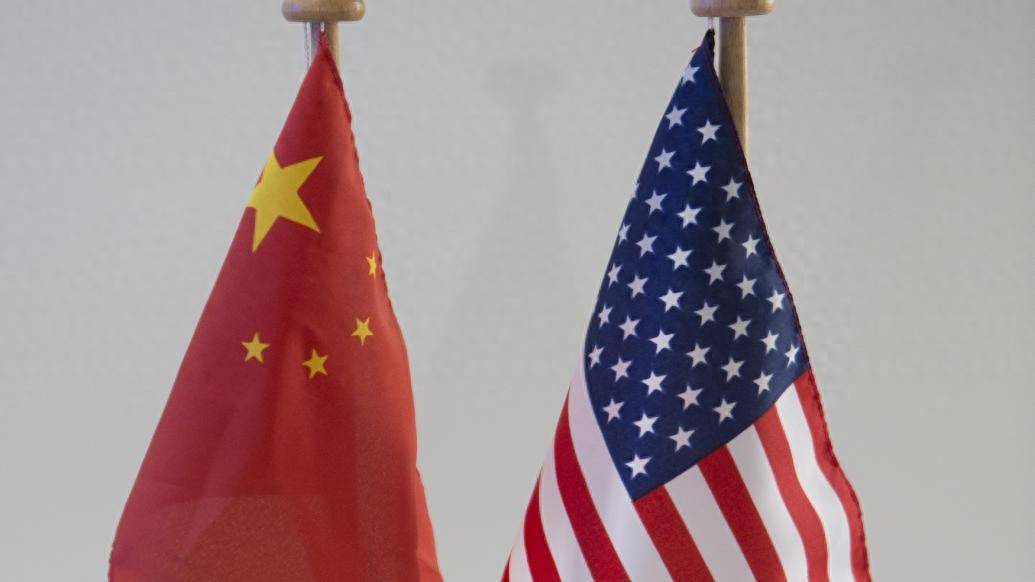
Group 1 - The core point of the meeting between China and the US in South Korea on October 30 is the discussion of practical topics such as combating fentanyl, adjusting tariffs, and postponing rare earth regulations, which has significant implications for Europe [1][3] - The consensus reached during the meeting appears substantial but lacks detailed actionable rules, indicating that the underlying deep-seated differences remain unresolved [3][13] - The meeting signals a potential shift away from the golden era of free trade, as both nations continue to utilize tariffs and administrative interventions as tools of pressure [13][20] Group 2 - China's response to US tariff pressures has evolved from passive to more assertive, utilizing rare earth export controls and agricultural trade countermeasures, showcasing its newfound confidence [7][9] - The reliance of European industries on Chinese rare earth supplies highlights the geopolitical leverage China holds, as disruptions could lead to production delays and increased costs for European companies [9][11] - Europe faces a dilemma in balancing its economic interests with China against its security dependence on the US, complicating its strategic positioning in the ongoing geopolitical landscape [11][18] Group 3 - The EU's push for strategic autonomy, including the introduction of the "Critical Raw Materials Act," aims to reduce dependence on Chinese rare earths and establish stable supply chains [15][20] - Achieving consensus among EU member states on strategic decisions is challenging due to varying national interests, which complicates the EU's ability to navigate the US-China rivalry effectively [17][18] - The future of Europe's position in the evolving global trade landscape hinges on its ability to implement strategic autonomy and reduce dual dependencies on both the US and China [22]

习近平会见加拿大总理卡尼
证监会发布· 2025-10-31 13:27
Core Points - The meeting between President Xi Jinping and Canadian Prime Minister Carney emphasizes the 55th anniversary of diplomatic relations and the 20th anniversary of the strategic partnership between China and Canada, highlighting a positive trend in bilateral relations [2][5] - Both sides express a commitment to pragmatic and constructive approaches to improve and develop their relationship, aiming for a return to a healthy, stable, and sustainable trajectory that benefits both nations [2][5] Group 1 - Xi Jinping stresses the importance of objective and rational recognition between China and Canada, advocating for mutual benefits and cooperation in trade, energy, and cultural exchanges [3] - The need for enhanced coordination and cooperation within multilateral frameworks, such as the United Nations, is highlighted to promote a fair and just global governance system [3] Group 2 - Prime Minister Carney acknowledges the long-standing good relations between Canada and China, expressing the new government's commitment to revitalizing bilateral cooperation in various fields, including agriculture, energy, and climate change [5] - Both parties agree to resume and restart exchanges and cooperation across various sectors, addressing specific economic concerns to solidify the momentum of their strategic partnership [5]
习近平会见加拿大总理
Yang Shi Wang· 2025-10-31 12:33
Group 1 - The core message emphasizes the positive trajectory of China-Canada relations, marking the 55th anniversary of diplomatic ties and the 20th anniversary of strategic partnership, with both sides expressing commitment to restore and enhance bilateral cooperation [1][2] - China and Canada aim to establish a mutually beneficial relationship by expanding cooperation in trade, energy, and cultural exchanges, while also addressing global governance issues through multilateral frameworks [1][2] - Canada expresses a strong commitment to improving relations with China, seeking to revive the foundational principles of their diplomatic ties and enhance collaboration in agriculture, energy, and climate change [2] Group 2 - Both leaders agree on the importance of resuming exchanges and cooperation across various fields to address mutual economic concerns and strengthen the strategic partnership [2]
《世界开放报告2025》及最新世界开放指数即将发布
Zheng Quan Ri Bao Wang· 2025-10-31 12:13
Core Insights - The "World Open Report 2025" was introduced at a media briefing in Beijing, highlighting its significance in analyzing global openness trends and practices [1] - The report is a flagship publication of the Hongqiao International Economic Forum, co-authored by the Chinese Academy of Social Sciences and the Hongqiao International Economic Forum Research Center [1] Summary by Sections Section 1: Global Openness Trends - The first part of the report focuses on the global openness landscape since 2024, exploring mechanisms for enhancing governance and openness levels [1] Section 2: Key Issues in Global Openness - The second part delves into critical issues such as the tension between free trade and protectionism, the impact of cross-border data flows on collaborative AI and digital trade, and the relationship between global cooperation and economic security [1] Section 3: Successful Practices in Global Openness - The third part showcases practical measures and significant achievements of China's openness in the new era [1] Highlights and Features - The report has increased international influence compared to previous editions [2] - It features a more diverse and robust research dimension, extending the measurement of the World Openness Index back to 1990, providing a 35-year data span for analysis [2] - The topics covered are more cutting-edge, reflecting contemporary global challenges [2] - The report emphasizes the importance of early involvement from scholars and policymakers in its development, ensuring a deep international perspective [2] - Constructive academic exchanges have enriched the report's depth and breadth, embodying the spirit of openness [2] - Transparency in methodology and data is highlighted as essential for building trust among participants and ensuring the report's credibility [2]

当前的世界有多开放?《世界开放报告2025》将给出答案
Di Yi Cai Jing· 2025-10-31 03:48
Core Viewpoint - The upcoming 8th Hongqiao International Economic Forum will release the "World Open Report 2025" and the latest World Open Index, addressing the current global economic and trade challenges and the overall openness of the world [2][3]. Group 1: Report Overview - The "World Open Report 2025" aims to enhance the completeness, precision, and depth of insights regarding the global openness landscape and the progress of various countries [3]. - The report consists of three main parts: global openness trends, key issues in global openness, and successful practices in global openness [3]. Group 2: Key Themes - The first part focuses on measuring the 2024 World Open Index and presents historical data from 1990 to 2007, analyzing the overall trend of global openness since 1990 [3]. - The second part delves into critical issues such as the tension between free trade and protectionism, cross-border data flow, global investment facilitation, and the role of openness in supporting industrialization in the Global South [3][5]. - The third part highlights successful practices, particularly China's initiatives like the Belt and Road Initiative and the China International Import Expo, showcasing China's pragmatic measures and achievements in openness [3]. Group 3: Report Highlights - The report features increased international influence, including contributions from a Nobel laureate and collaboration with the UNIDO, enhancing the report's global perspective [4]. - The data foundation has been expanded to include a 35-year historical perspective, allowing for a more robust analysis of global openness trends [4]. - The report addresses cutting-edge topics such as cross-border data flow and global green development, emphasizing the role of cooperation among BRICS and emerging economies in industrial transformation [5].
这是对保护主义的集体反击
Sou Hu Cai Jing· 2025-10-30 22:44
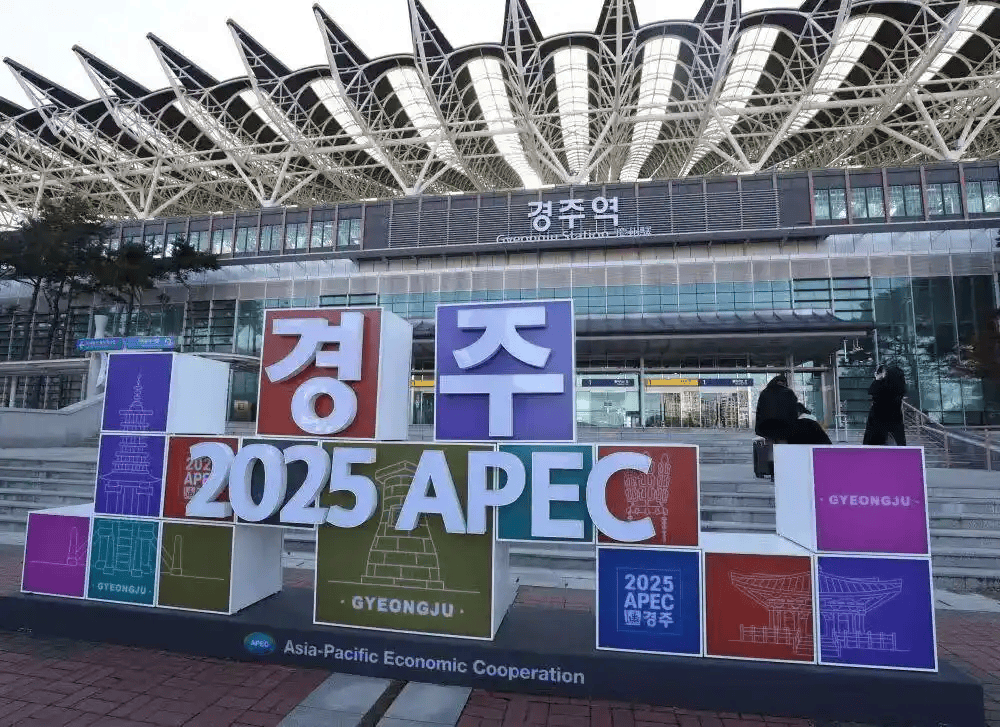
Core Points - The APEC 32nd Leaders' Informal Meeting was held in Gyeongju, South Korea, from October 31 to November 1, focusing on the theme "Building a Sustainable Tomorrow" [1] - APEC is a significant cooperation platform encompassing 21 economies along the Pacific Rim, promoting economic integration in the Asia-Pacific region through a unique operational model [3] - The meeting emphasized three priority areas: enhancing connectivity, promoting innovation, and achieving inclusive growth and prosperity [3][4] Group 1 - APEC's commitment to "open regionalism" has facilitated trade and investment liberalization, benefiting both member economies and external economies, thus enhancing the global multilateral trading system [3] - The meeting serves as a collective response to protectionist sentiments, reinforcing support for a rules-based multilateral trading system and providing a platform for major economies like China, the U.S., Japan, and South Korea to coordinate and manage disputes [4] - The "2040 APEC Putrajaya Vision" outlines a grand blueprint for the Asia-Pacific region, emphasizing openness, vitality, resilience, and peace, aligning with future development needs [4] Group 2 - The Asia-Pacific region accounts for one-third of the world's population, over 60% of the global economy, and nearly half of global trade, highlighting the importance of cooperation over confrontation [5] - The themes and discussions of the APEC meeting reflect the desire for connection and collaboration among economies in response to the challenges of decoupling and supply chain disruptions [5]
世界开放态势如何?最新指数报告即将发布
Zhong Guo Jing Ji Wang· 2025-10-30 13:57
Core Insights - The upcoming "World Open Report 2025" will analyze global trends in openness and governance, addressing the dynamics between free trade and protectionism [1][2] - The report will present the world openness index from 1990 to 2007 and project the index for 2024, highlighting the overall trends in global openness since 1990 [1] - Notably, the report will include contributions from a Nobel laureate in economics and will adopt a multinational corporate perspective to enhance the analysis [1] Group 1 - The report will focus on key issues such as the tension between free trade and protectionism, cross-border data flow, and the facilitation of global investment [1] - It aims to explore the development of efficient and sustainable global supply chains and value chains, as well as the role of openness in supporting industrialization in the Global South [1] - The report will also address new trends in global green development and the relationship between open cooperation and economic security [1] Group 2 - The eighth Hongqiao International Economic Forum will feature discussions among prominent figures from politics, academia, and business regarding the latest trends in global openness and China's initiatives for high-level opening [2] - The "World Open Report" serves as the flagship report of the Hongqiao International Economic Forum, co-authored by the Chinese Academy of Social Sciences and the Hongqiao International Economic Forum Research Center [2] - Since its first release in 2021, the report has been published annually for five years, contributing to the discourse on economic globalization [2]
从通行费到战略牌:全球关税的历史与未来|金融人文
清华金融评论· 2025-10-30 08:47
Core Viewpoint - The article discusses the historical evolution of tariffs as a significant policy tool in international trade, emphasizing their role in shaping economic strategies and national interests throughout different historical periods [3]. Group 1: Early Forms of Tariffs - Tariffs originated as "tolls" paid at city gates, ferry crossings, or ports, with minimal impact on national revenue, primarily supported by land and head taxes [5]. - The Age of Exploration marked a turning point, where tariffs transitioned from local fees to a central tool for national fiscal and economic policy due to the rise of international trade [5]. Group 2: Mercantilism and Tariffs - During the early stages of capitalism, European nations adopted mercantilist policies, imposing high tariffs on imports to protect domestic industries and promote exports, aiming to accumulate gold and silver [6]. - A notable example is the UK, where tariff revenues increased approximately 3.5 times from 1700 to 1800, consistently accounting for over 20% of central government revenue [6]. Group 3: Divergence of Trade Policies in the 19th Century - The 19th century saw a split between free trade and protectionism, with industrialized nations like the UK advocating for lower tariffs to expand markets for manufactured goods [6]. - In contrast, emerging industrial nations such as the US and Germany implemented high tariffs to protect nascent industries from British competition, highlighting the contrasting trade strategies of the time [6].
共绘亚太合作新蓝图 共谱中韩关系新篇章——国际社会期待习近平主席出席亚太经合组织第三十二次领导人非正式会议并对韩国进行国事访问
Ren Min Ri Bao· 2025-10-30 07:19
Group 1 - Xi Jinping's visit to South Korea from October 30 to November 1 aims to enhance regional cooperation and global economic governance, marking his first state visit to South Korea in 11 years [1] - The visit is expected to strengthen the strategic partnership between China and South Korea, contributing to regional and global peace and stability [1][7] - Various stakeholders in South Korea express hope that Xi's visit will promote cooperation in trade and investment, particularly in high-value manufacturing and emerging industries [7][8] Group 2 - The APEC 2025 meeting logo, inspired by a butterfly, symbolizes the connection among APEC members and the promotion of regional cooperation and prosperity [2] - China's role as a strong advocate for open regional cooperation is emphasized, with expectations for Xi to propose initiatives that foster inclusive growth and connectivity [4][5] - The importance of multilateralism and free trade is highlighted, with China being recognized for its contributions to sustainable development and economic recovery in the Asia-Pacific region [5][6] Group 3 - The significance of Xi's leadership in promoting a community with a shared future for mankind is acknowledged, with calls for continued cooperation to address global challenges [3][4] - China's experience in green transformation, digital innovation, and infrastructure connectivity is seen as valuable for APEC members, especially developing economies [5][6] - The visit is viewed as a crucial opportunity to rebuild trust and cooperation between China and South Korea amidst rising unilateralism and protectionism [7][8]
共同构筑亚太繁荣发展的美好未来(国际论坛)
Ren Min Ri Bao· 2025-10-29 22:33
Group 1 - The core theme of the meeting is "Building a Sustainable Tomorrow," focusing on activating trade and investment in the region and addressing global challenges such as energy and food security [2] - The meeting serves as an important platform for discussing economic cooperation and mutual development, while also providing an opportunity to strengthen historical ties and explore future collaborations [2] - China and other Asia-Pacific parties are committed to promoting regional integration and connectivity, emphasizing the importance of cooperation in the face of global challenges [2] Group 2 - The Asia-Pacific region is recognized as a major growth engine for the global economy, and its ability to maintain a cooperative spirit will significantly influence the development trajectory of both the region and the world [2] - The APEC meeting aims to deepen multi-level exchanges and promote digital innovation through artificial intelligence collaboration, addressing the digital divide [2] - The meeting is expected to foster consensus among participants, enhance unity and cooperation, and contribute to peace and prosperity in Asia and beyond [2]