
多边贸易体制

Search documents
中国在世贸组织当前和未来谈判中将不寻求新的特殊和差别待遇
Di Yi Cai Jing· 2025-09-24 02:51
李成钢表示,中方宣布在世贸组织当前和未来谈判中,不寻求新的特殊和差别待遇,进一步彰显了中方 以实际行动支持多边贸易体制的坚定立场和大国担当。需要强调的是,中国仍然是世界上最大的发展中 国家,中国发展中国家的地位和身份没有改变,中国始终是全球南方的一员,永远和发展中国家站在一 起。 9月24日,商务部召开吹风会。商务部国际贸易谈判代表兼副部长李成钢表示,这是中方着眼国际、国 内两个大局,对外作出的重要立场宣誓,是中方坚定维护多边贸易体制,积极落实全球发展倡议和全球 治理倡议的重要行动,必将为促进全球贸易投资自由化、便利化注入强心剂,必将为推进全球经济治理 体系改革进程注入正能量。 这是中方着眼国际、国内两个大局,对外作出的重要立场宣誓。 据新华社,当地时间9月23日,国务院总理李强在纽约联合国总部出席由中方主办的全球发展倡议高级 别会议并致辞。李强强调,中国作为负责任的发展中大国,在世贸组织当前和未来谈判中将不寻求新的 特殊和差别待遇。 ...
中国在世贸组织当前和未来谈判中将不寻求新的特殊和差别待遇
第一财经· 2025-09-24 02:46
9月24日,商务部召开吹风会。商务部国际贸易谈判代表兼副部长李成钢表示,这是中方着眼国际、国 内两个大局,对外作出的重要立场宣誓,是中方坚定维护多边贸易体制,积极落实全球发展倡议和全球 治理倡议的重要行动,必将为促进全球贸易投资自由化、便利化注入强心剂,必将为推进全球经济治理 体系改革进程注入正能量。 李成钢表示,中方宣布在世贸组织当前和未来谈判中,不寻求新的特殊和差别待遇,进一步彰显了中方 以实际行动支持多边贸易体制的坚定立场和大国担当。需要强调的是,中国仍然是世界上最大的发展中 国家,中国发展中国家的地位和身份没有改变,中国始终是全球南方的一员,永远和发展中国家站在一 起。(第一财经记者 高雅) 据新华社,当地时间9月23日,国务院总理李强在纽约联合国总部出席由中方主办的全球发展倡议高级 别会议并致辞。李强强调,中国作为负责任的发展中大国,在世贸组织当前和未来谈判中将不寻求新的 特殊和差别待遇。 ...

X @外汇交易员
外汇交易员· 2025-09-24 02:30
Policy Stance - China will no longer seek special and differential treatment in existing and new WTO agreements [1][2] - This decision reflects China's commitment to multilateral trade and global governance initiatives [1] - The move is expected to boost global trade and investment liberalization and facilitation [1] - It is also expected to inject positive energy into the reform of the global economic governance system [1] International Response - The WTO Director-General praises China's leadership on this issue, recognizing years of effort [2][3]
中方在世贸组织推动讨论全球贸易重构
Xin Hua She· 2025-09-19 13:48
Group 1 - The seminar held by China during the WTO Public Forum discussed the impact of US unilateral tariff measures on the multilateral trading system and trade among WTO members, emphasizing the need to protect the legitimate rights of developing members [1][2] - A model analysis by a professor from Tsinghua University predicted that US reciprocal tariffs could lead to a 3.4% decrease in global trade by 2025, with US imports and exports dropping by 19% and 12% respectively [1] - The Director of the UN Conference on Trade and Development highlighted that global trade uncertainty has significantly increased since 2016 due to geopolitical tensions, adversely affecting the interests of developing countries [1] Group 2 - The Director of the International Trade Centre emphasized the importance of digital tools in helping businesses increase sales and reduce costs, suggesting improvements in digital infrastructure, skills training, and regulations [2] - Participants agreed on the critical need to maintain a rules-based multilateral trading system and enhance the stability and predictability of the international trade environment amid current trade turmoil [2] - The current Public Forum focused on themes such as digital trade, hosting nearly 90 seminars with over 4,000 representatives from government, industry, and academia [3]
世贸组织《渔业补贴协定》正式生效 有力促进全球渔业可持续发展
Shang Wu Bu Wang Zhan· 2025-09-18 16:33
Core Points - The WTO Fisheries Subsidies Agreement officially came into effect on September 15, 2025, after Brazil, Kenya, Vietnam, and Tonga submitted their ratification documents, meeting the legal requirement for the agreement to take effect [1] - The agreement is a significant achievement in recent WTO negotiations and reflects the majority of WTO members' support for the multilateral trading system, enhancing confidence in global governance [1][2] - The agreement aims to eliminate illegal, unreported, and unregulated (IUU) fishing subsidies, subsidies for overfished species, and unregulated high seas fishing subsidies, while incorporating elements of fisheries enforcement, resource sustainability assessment, policy transparency, and international cooperation [1] Industry Impact - The implementation of the agreement is expected to promote scientific and rational planning of fisheries subsidies among WTO members, improve fisheries management levels, and enhance the recovery capacity of fish populations [1] - The agreement will contribute to the sustainable development of global marine resources, ensuring biodiversity, the livelihoods of fishermen, and food security [1] - China, as a responsible developing country and major fishing nation, ratified the agreement on June 27, 2023, and aims to fulfill its obligations under the agreement to contribute to the sustainable development of global fishery resources [2]
商务部:以世贸组织为平台,积极践行全球治理倡议,深入参与多边渔业治理
Yang Shi Wang· 2025-09-18 09:33
Group 1 - The WTO Fisheries Subsidies Agreement officially came into effect on September 15, marking a significant event for multilateral trade and global fisheries governance [1] - The agreement is the first aimed at achieving environmental sustainability goals and was reached after extensive negotiations, highlighting the commitment of WTO members, including China, to uphold multilateral commitments [1][2] - The implementation of the agreement is expected to enhance the relevance and authority of the WTO, boosting international confidence in the organization [1] Group 2 - The agreement establishes binding multilateral disciplines on subsidies, requiring members to enhance transparency in fisheries subsidies and management policies, as well as improve fisheries enforcement and sustainable resource assessment capabilities [2] - China, as a major global marine fisheries nation, has actively advocated for and practiced sustainable fisheries development, being one of the first major WTO members to complete the ratification process for the agreement [2] - Following the agreement's implementation, China commits to fulfilling its obligations and collaborating with other WTO members to maintain the sustainable development of global marine resources, contributing to the UN's 2030 Sustainable Development Goals [2]
《渔业补贴协定》已生效,中国将担负什么责任?商务部回应
Xin Lang Cai Jing· 2025-09-18 08:28
Core Points - The WTO Fisheries Subsidies Agreement officially came into effect on September 15, marking a significant milestone for global fisheries governance and the multilateral trading system [1] - The agreement, reached during the 12th WTO Ministerial Conference in June 2022, is the longest-negotiated multilateral agreement in WTO history and reflects collective action among WTO members, including China, to uphold multilateral commitments [1] - The implementation of the agreement is expected to enhance the sustainability of global fisheries, improve transparency in fisheries subsidies and management policies, and strengthen the capacity for sustainable resource assessment [1] Group 1 - The Fisheries Subsidies Agreement is the first WTO agreement aimed at achieving environmental sustainability goals [1] - The agreement establishes binding multilateral disciplines on subsidies, requiring members to enhance transparency and improve fisheries enforcement [1] - China's proactive role as a major global marine fisheries nation and its early ratification of the agreement demonstrate its commitment to sustainable fisheries development [1] Group 2 - The agreement's implementation is anticipated to boost confidence in the WTO amid challenges posed by unilateralism [1] - China aims to fulfill its obligations under the agreement and collaborate with other WTO members to maintain sustainable development of global marine resources [1] - The agreement aligns with the United Nations' 2030 Sustainable Development Goals, emphasizing the importance of international cooperation in fisheries governance [1]
日本做了一个明智决定,拒绝对中国大幅加征关税,日财务大臣给出的理由很给力!
Sou Hu Cai Jing· 2025-09-17 14:42
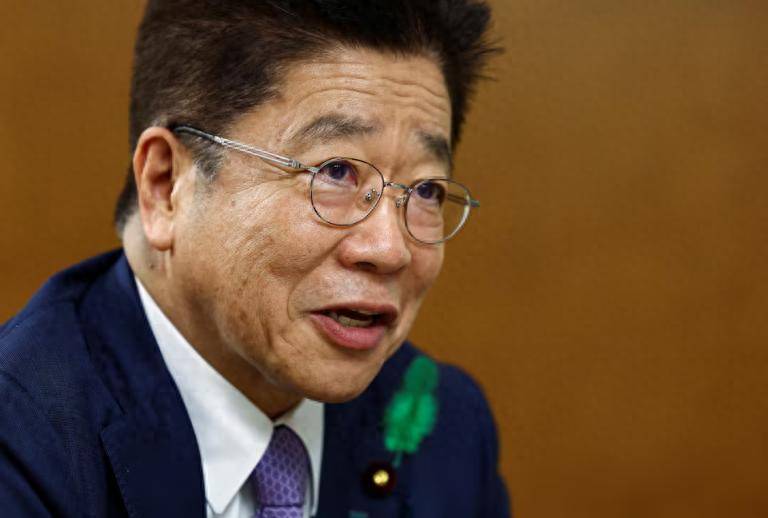
9月16日,日本财政大臣加藤胜信对美国施压的一次有力回应,引发了广泛关注,尤其是在当前地缘政治形势变动频繁的情况下。这一事件不仅关乎日本自 身的国际地位,还深刻影响着其与中国、印度等国的关系,从而在全球经济和地缘政治中投下了一个重要的阴影。 众所周知,特朗普对俄罗斯实施严厉的制裁,并希望其他国家也跟随其步伐。特别是,对于那些依然在进口俄罗斯能源的国家,特朗普显然不遗余力地要求 他们采取更严厉的措施。然而,加藤的表态则把这种期望潇潇洒洒地击回了美国的脸上。他明确表示,日本不会对与俄罗斯有贸易往来的中国和印度征收额 外关税,因为这不仅不符合世界贸易组织(WTO)的原则,也是不现实的。 这一决定表面上看似是一个简单的拒绝,但实际上背后却隐藏着深厚的考虑。首先,正如加藤所言,WTO的基本原则是公平与互惠。如果单独针对某个国 家提高关税,那么对于整个国际贸易体系来说,无疑是一个巨大的漏洞。其次,日本自身也在与俄罗斯进行有限的贸易,尤其是在能源方面。根据日本商务 部门的数据,6月份日本进口的石油中,仅约1%来自俄罗斯,这个比例几乎可以忽略不计。因此,完全停止与俄罗斯的经贸往来,无异于自断后路。 不仅是日本经济考虑到与中国 ...
RCEP和自贸区3.0版协同增效 为全球经济发展注入新动力
Zhong Guo Xin Wen Wang· 2025-09-17 11:30
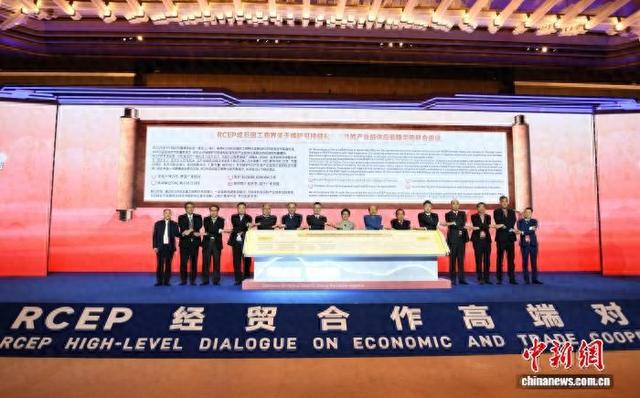
Core Insights - The 22nd China-ASEAN Expo has opened, focusing on the synergy between RCEP and the upgraded China-ASEAN Free Trade Area 3.0, aiming to maintain an open and rule-based regional market to inject new momentum into global economic development [1][3] Group 1: RCEP and Economic Cooperation - RCEP has become a major platform for advancing economic integration in the Asia-Pacific region since its implementation, with the China-ASEAN Free Trade Area being a significant achievement over the past 20 years [3] - Guangxi has attracted a total investment of $2.23 billion from other RCEP member countries over the past three years, emphasizing its role in promoting regional industrial collaboration [1] - The implementation of RCEP has opened channels for small and medium-sized enterprises to access regional and global value chains, leading to increased international sales and diversified supplier channels [3] Group 2: Challenges and Initiatives - Despite the benefits, RCEP faces challenges such as insufficient actual usage by enterprises, prompting calls for collective efforts to help businesses translate their understanding of RCEP into tangible benefits [3][4] - A joint initiative was launched by the business community of RCEP member countries to address global trade protectionism and unilateralism, highlighting the need for sustainable and inclusive supply chain stability [4] - The collaboration between RCEP and the upgraded Free Trade Area is expected to enhance cooperation in various fields, including artificial intelligence, finance, and trade, thereby boosting digital trade competitiveness [4]

中国—保加利亚经济联委会第18次会议召开
Zheng Quan Shi Bao Wang· 2025-09-17 09:17
Core Viewpoint - The 18th meeting of the China-Bulgaria Economic Joint Committee was held, highlighting the steady development of economic and trade cooperation between China and Bulgaria, with a focus on enhancing bilateral trade and investment cooperation in various sectors [1] Group 1: Economic Cooperation - The Chinese side expressed willingness to expand imports from Bulgaria and enhance investment cooperation in agriculture, infrastructure, new energy, and high technology [1] - The Bulgarian side acknowledged China as one of its most important economic partners and expressed a desire to strengthen mutually beneficial cooperation [1] Group 2: Trade Environment - The Chinese side urged Bulgaria to create a fair, just, and non-discriminatory business environment for Chinese enterprises [1] - Both parties emphasized the importance of maintaining a multilateral trade system centered around the World Trade Organization (WTO) and opposing unilateralism and protectionism [1] Group 3: Sectoral Focus - Bulgaria aims to increase agricultural exports to China and welcomes Chinese enterprises to leverage Bulgaria's geographical, industrial, and policy advantages for investment in agriculture, automotive manufacturing, new energy, infrastructure, and artificial intelligence [1]