
一人公司

Search documents
2025年最赚钱基金,净赚1300亿
投中网· 2026-02-02 07:33
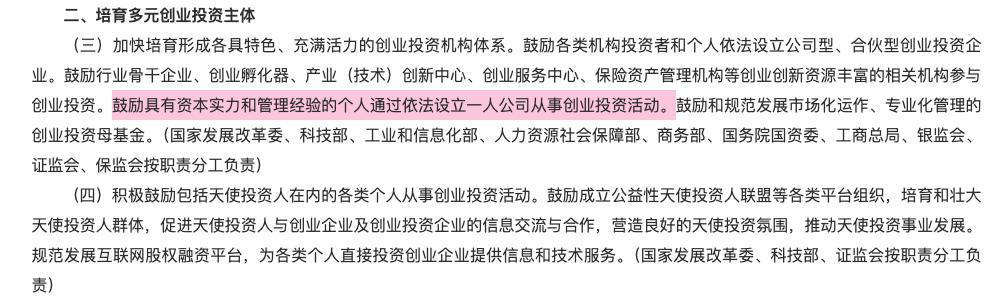
将投中网设为"星标⭐",第一时间收获最新推送 "索罗斯老了,现在看我的。" 作者丨 蒲凡 来源丨 投中网 如今聊起创业,最时髦的词语叫 " 超级个体 "、" 一人公司 " 。很多人相信,当世界跑步进入 AI 时代,创业者不需要所谓的 " 组织 "" 协同 "" 团队 建设 " 也同样开发新产品、满足新需求。比如风险投资行业,就堪称这股浪潮中的 " 急先锋 " : 在过去几年,无数顶级投资人选择离开 A16z 、红杉这样的顶级平台,成立个人的独立基金( Solo VC )。人们认为这种不设置团队、不设置复杂决 策流程的公司结构,一方面能够更加 " 敏捷 " ,能跟得上当下不断变化的市场环境,另一方面能够激活基金管理人的 " 创业者 " 心态,更容易与被投 企业在策略优先级上达成共识、更能 " 设身处地 " 地为被投企业着想。 埃拉德 · 吉尔( Elad Gil )是这股独立基金创业潮中的绝对榜样。埃拉德 · 吉尔 2020 年开始运营自己的独立基金,先后投中了美国最大杂货配送平 台 Instacart 、全球最大的设计协作平台 Figma 。 2023 年 11 月,埃拉德 · 吉尔完成了个人独立基金的第三期 ...


多地政策扶持,“一人公司”正在兴起,做什么业务,如何运营?
Sou Hu Cai Jing· 2026-01-30 10:51
Core Insights - "One Person Company" (OPC) is emerging as a new entrepreneurial paradigm in the AI era, attracting a growing number of entrepreneurs [2][4] - OPCs are characterized by a core individual leading the company, supported by AI tools and a flexible network of collaborators, allowing for rapid decision-making and cost efficiency [3][4] Group 1: Definition and Characteristics - OPCs are not limited to a single individual; they often involve a core leader and utilize AI and outsourced collaboration to operate efficiently [3] - The model is particularly appealing due to its quick decision-making, low costs, and flexibility, aligning with the lightweight entrepreneurial demands of the AI age [4] Group 2: Business Examples - Entrepreneurs are leveraging OPCs for various innovative applications, such as job matching platforms for students and AI tools for educational purposes [5] - Notable examples include a platform for AI-generated study tools and a company developing AI products for industrial safety and environmental monitoring [5][6] Group 3: Policy Support - Multiple regions in China, including Jiangsu, Beijing, and Shanghai, are implementing supportive policies for OPCs, offering resources like office space, financial incentives, and community incubators [13][14][15] - Specific initiatives include funding for startups and the establishment of AI-friendly communities to foster innovation and collaboration among OPCs [13][14][15] Group 4: Challenges and Sustainability - Despite the rapid growth of OPCs, challenges such as market saturation, the need for sustainable business models, and regulatory mismatches are emerging [16][17] - Entrepreneurs face difficulties in scaling operations and securing financing due to the lightweight nature of their businesses, which often lack traditional collateral [17][18] Group 5: Recommendations for Future Growth - Experts suggest that governments should focus on ecosystem empowerment rather than simple subsidies, providing essential resources and risk-sharing mechanisms to support OPCs [18]

“一人公司”近来何以兴起?
Xin Lang Cai Jing· 2026-01-30 10:24
Core Insights - The "One Person Company" (OPC) model is gaining traction in cities like Shanghai, Beijing, and Jiangsu, driven by low costs and quick responsiveness in niche markets [1][5] - The rise of OPCs is supported by advancements in artificial intelligence, favorable policies, and a strong talent pool, enabling individuals to launch businesses with reduced barriers [5][6] Group 1: OPC Development - The OPC phenomenon is not limited to individual entrepreneurs; large companies are also adopting internal OPC models to foster innovation [4] - In Jiangsu, Chasing Innovation Technology has successfully incubated over 200 business units based on the OPC model, with an average setup time of just 12 days [4] Group 2: AI Empowerment - The proliferation of artificial intelligence is lowering the barriers to entrepreneurship, allowing individuals to leverage AI tools for creative and operational tasks [5] - A notable example includes an "AI + Animation" tool developed by a Beijing-based entrepreneur, which has attracted over 6,000 global users within a year [2] Group 3: Supportive Environment - The entrepreneurial ecosystem in areas like Zhongguancun is bolstered by a high concentration of talent from universities and tech companies, with over 50% of entrepreneurs under 35 years old [5] - Local policies and community support are crucial in providing resources such as office space and funding, facilitating the transition from ideas to projects [6][8] Group 4: Challenges Faced - Despite the positive momentum, OPCs face challenges such as cost anxiety, resource isolation, and high survival risks, necessitating a collaborative support system from government and society [7] - Entrepreneurs express the need for expanded community coverage and resource-sharing platforms to overcome isolation and enhance collaboration [7] Group 5: Cost Reduction Initiatives - Regions like Shanghai are exploring ways to reduce OPC costs, including offering up to 300,000 yuan in free computing power for newly registered companies [8] - A conducive environment for innovation is essential for attracting and supporting more entrepreneurs, thereby injecting vitality into economic development [8]
财经聚焦丨“一人公司”近来何以兴起?
Xin Hua Wang· 2026-01-30 10:05
新华社北京1月30日电 题:"一人公司"近来何以兴起? 新华社记者熊琳、杨有宗、杨绍功 值得关注的是,"一人公司"的发展已不仅局限于个人独立创业场景,不少大型企业也开始推行内部OPC模式。 在江苏,追觅创新科技(苏州)有限公司已成功孵化200多个基于"一人公司"模式的业务单元,平均搭建时长仅12天,孵化出扫地机器人、人 形机器人、AI眼镜等多个硬科技项目,展现出极强的创新活力。 2026年开年,"一人公司"发展备受关注。这种新型创业模式正在上海、北京、江苏等地悄然兴起,凭借低成本、快响应优势深耕细分领域, 涌现出诸多实践成果。 "一人公司"现象背后有哪些新动向? 北京上海等地蓬勃兴起 "一人公司"(OPC,One Person Company),即一个人即可组建创新团队,独立完成从创意萌芽到项目落地的全过程。在人工智能逐渐赋能 千行百业的当下,这种新型创业模式凭借轻量化组织、迅捷响应和低成本高弹性的核心优势,在多个垂直细分领域快速崛起。 在上海自贸试验区临港新片区,临港集团2025年8月推出"超级个体"计划,打造办公、住宿双免的"零界魔方"社区,短短5个月时间便吸引150 多家"一人公司"或小型创业团队入驻。 ...
2026前沿科技趋势:塑造自己的下一个版本
3 6 Ke· 2026-01-30 09:58
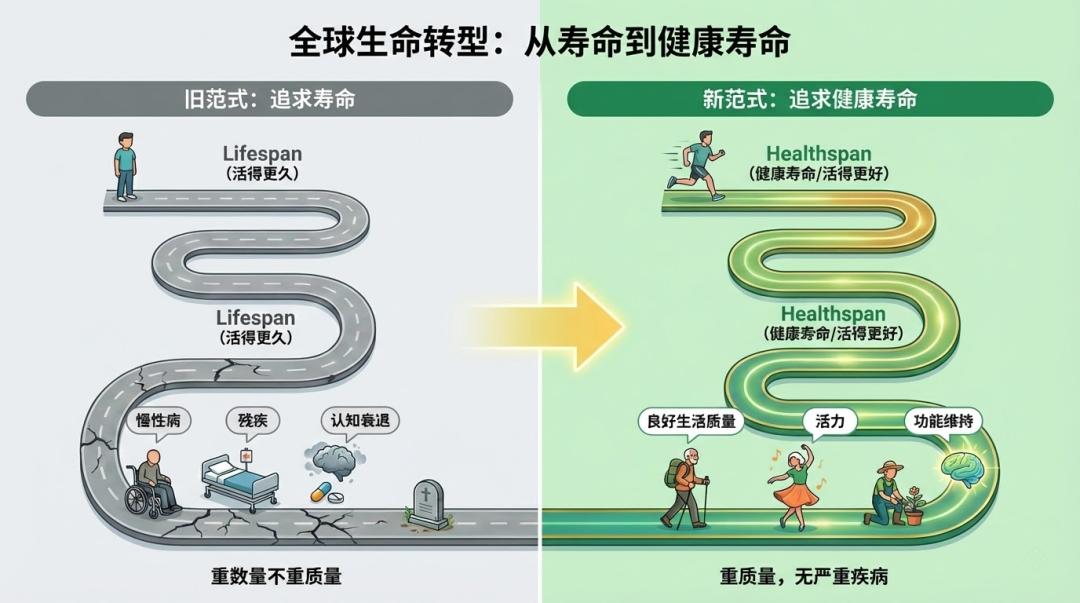
Group 1 - The rapid evolution and application of artificial intelligence and cutting-edge technologies are causing societal adaptation challenges, leading to feelings of uncertainty among people [1][2] - The focus of technological advancement should be human-centered, with an emphasis on shaping a better future through technology by 2030 [2] Group 2 - The "third transformation" of human life aims to extend healthy lifespan rather than just lifespan, with significant implications for global health and economy [3][5] - Human life expectancy has doubled over the past century, but the growth rate has significantly slowed down, with some regions experiencing stagnation or decline [4] - By 2030, the quality of life is projected to be a major focus, with non-communicable diseases potentially costing the global economy up to $47 trillion if not addressed [5] Group 3 - Advances in gene therapy and artificial intelligence are expected to play crucial roles in extending healthy lifespan, with technologies like CRISPR and AI enhancing medical capabilities [9][17] - Clinical breakthroughs in preventive gene therapy and RNA therapies are showing promise in treating chronic diseases effectively [10][12] - Epigenetic reprogramming is emerging as a potential method to reverse aging, with ongoing research aiming for clinical trials by 2026 [15] Group 4 - Artificial intelligence is set to enhance medical efficiency and understanding of human health, with applications in drug development, disease screening, and personal health management expected to yield significant results by 2030 [17][18] - AI is accelerating drug development processes, reducing timelines from years to months, and improving the success rates of new treatments [18][19] Group 5 - The development of exoskeleton technology is enhancing human physical capabilities, with applications in medical rehabilitation, industrial safety, and personal use expected to expand significantly [24][25] - Innovations in exoskeletons are making them more adaptable and user-friendly, with advancements in sensor technology and materials [28][30] Group 6 - The eVTOL market is projected to grow significantly, with advancements in battery technology and noise reduction strategies being critical for its acceptance and integration into urban transportation [31][32] - The evolution of drones into autonomous aerial robots is enhancing their capabilities for both consumer and industrial applications [34] Group 7 - The development of brain-computer interfaces (BCIs) is transforming the treatment of neurological conditions and enhancing human capabilities, with both invasive and non-invasive technologies showing promise [51][54] - BCIs are moving from experimental to standard treatment options for conditions like paralysis, with significant advancements in technology and regulatory approval processes [52][53]
2026前沿科技趋势:塑造自己的下一个版本
腾讯研究院· 2026-01-30 08:18
Core Insights - The article emphasizes the rapid evolution and application of artificial intelligence and cutting-edge technologies across various fields, urging a human-centered approach to technological advancement [3][4][5]. Group 1: Human Life's "Third Transformation" - Extending Healthy Lifespan - Human life expectancy has doubled over the past century, with significant improvements attributed to public health, antibiotics, and vaccines [7]. - Recent research indicates a dramatic slowdown in the growth rate of life expectancy, with the average increase dropping to below 0.25 years per decade in the last 30 years [8]. - A shift is occurring from merely extending lifespan to enhancing healthspan, which is the period of life spent in good health, with potential economic implications of up to $47 trillion in costs from non-communicable diseases by 2030 [9]. Group 2: Programmable Life - Gene Therapy - Gene therapy is moving towards optimizing the "life code," with advancements in CRISPR technology and delivery systems expected to mature by 2030 [11]. - Clinical breakthroughs in preventive gene therapy, such as Verve Therapeutics' treatment for cardiovascular disease, show promising results with significant reductions in LDL-C levels [12]. - The success of personalized CRISPR therapy in curing a fatal metabolic disease in a patient highlights the potential of gene therapy [14]. Group 3: Health Planning - AI Enhancing Medical Efficiency - AI is set to revolutionize drug development, disease screening, and personal health management by 2030, significantly reducing the time and cost associated with traditional drug development [21]. - AI combined with multi-omics technology is facilitating faster and more accurate disease screening, with notable advancements in cancer detection [23]. - Aging clock technology is evolving, enabling precise monitoring of aging processes and identifying underlying causes of aging [25]. Group 4: Enhancing Physical Capability - Exoskeleton Technology - Exoskeleton technology is advancing to enhance human physical capabilities, with applications in medical rehabilitation, industrial safety, and personal use [30]. - In the medical field, exoskeletons are evolving from mere mobility aids to intelligent devices that promote neurological recovery [31]. - Consumer-grade exoskeletons are expected to become popular for outdoor activities, significantly improving mobility for users [32]. Group 5: Flying Technology - eVTOL Development - The eVTOL market is projected to reach $41 billion in China by 2040, with significant advancements in battery technology expected to triple flight ranges [37]. - Noise reduction technologies are being explored to enhance social acceptance of eVTOLs, with strategies like "noise corridors" being implemented [38]. - The evolution of drones into aerial robots is enhancing capabilities in both consumer and industrial applications, with significant advancements in autonomous operations [40]. Group 6: Brain-Machine Interfaces - A New Era of Interaction - Brain-machine interfaces (BCIs) are transitioning from experimental therapies to standard treatment options for conditions like paralysis, with companies like Neuralink leading the way [61]. - Non-invasive BCIs are emerging, allowing for enhanced human-computer interaction, with applications in consumer technology [63]. - The integration of BCIs with AI could redefine human-AI collaboration, raising ethical considerations regarding privacy and data protection [64].

从Moltrbot到政策红利,站在风口的「AI一人公司」能否做大做强?
3 6 Ke· 2026-01-30 03:58
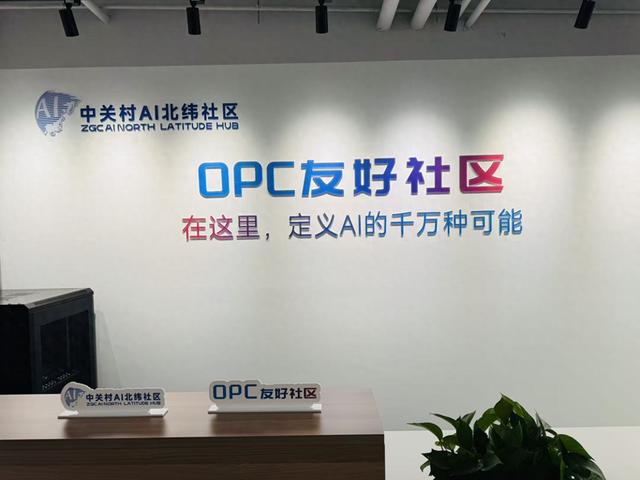
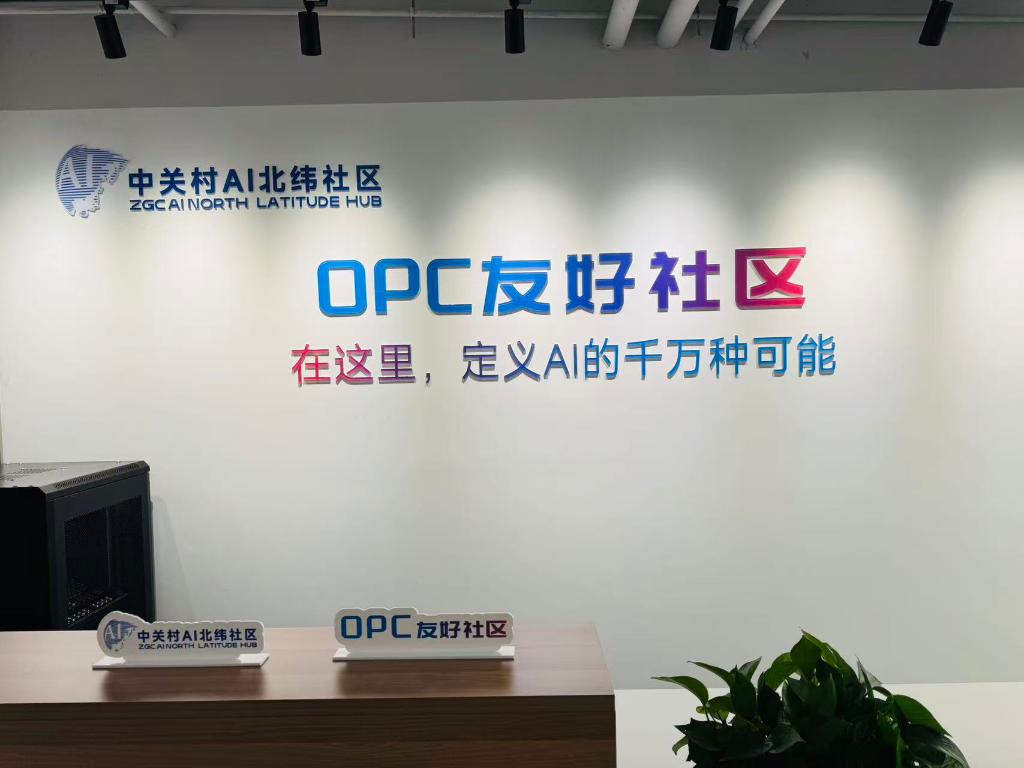
AI 工具 + 政策红利,让 「一台电脑 = 一家公司」 的 「一人公司」火遍创投圈!Clawdbot(Moltrbot)等技术打破执行门槛,多地补贴加码助力低成本创 业。但热潮之下,技术局限、精力瓶颈与规模化难题浮出水面,「AI + 小团队」或成为兼顾效率与潜力的创业新主流。 当 ChatGPT、AI 设计工具、智能数据分析系统等技术工具逐渐普及,创业领域正迎来一场前所未有的效率革命。「一台电脑 + AI 工具 = 一家公司」 的 口号在创投圈流传,北京中关村 AI 北纬社区等创业孵化地也涌现出不少单人创业案例。一时间,「一人公司(OPC,One-Person Company)」似乎成为 打破传统创业高门槛的新范式,让无数怀揣创业梦想的人看到了低成本启动项目的可能。 而近期爆火的 Clawdbot(现已更名为 Moltrbot),更被视作 2026 年革新生产力的开源个人助理。这款 AI 智能体以「长了手的顶尖 LLM」爆红硅谷,发 布仅 3 日,GitHub stars 即狂飙至 57.5k。它打破传统 AI「只说不做」的局限,可通过多渠道实时响应指令,在本地设备上完成安装软件、整理文件、生 成内容等实操 ...
从个人IP到商业系统,一人公司正在成为下一种公司形态
3 6 Ke· 2026-01-29 10:49
Core Insights - The emergence of the "One Person Company" (OPC) model is transforming entrepreneurship, leveraging AI and automation to enable individuals to operate with the efficiency of a team [1][2][3] - The trend is supported by data showing that independent founders accounted for 36.3% of new companies by mid-2025, a significant increase from 23.7% in 2019, indicating a shift towards solo entrepreneurship [2][3] - This structural change is driven by technological advancements, policy support, and validated success stories of solo entrepreneurs [3][4] Group 1: Structural Changes in Entrepreneurship - The rise of one-person companies is not a fleeting trend but a result of multiple structural forces, including the reduction of startup costs due to AI tools and subscription services [3][4] - Policies are increasingly favoring individual-controlled structures, as seen in initiatives like Shanghai's "Super Individual 288 Action" and support for OPCs in various regions [3][4] - Successful solo entrepreneurs have demonstrated that it is possible to start and validate business ideas independently before scaling, challenging traditional notions of team-based startups [3][4] Group 2: AI's Role in Reshaping Organizational Logic - The proliferation of AI agents is enabling individuals to function as multi-threaded organizations, allowing them to manage various tasks and workflows autonomously [5][6] - AI tools are evolving from task execution to autonomous process management, fundamentally changing how work is organized and executed [5][6] - The traditional model of collaboration is being replaced by a system where individuals can leverage AI to complete complex tasks without the need for a large team [6][7] Group 3: Building a Sustainable One-Person Ecosystem - Successful one-person companies require a systematic approach, transitioning from being mere content creators to effective business operators [8][9] - Key challenges include unclear positioning, fragmented processes, and uncontrolled client structures, which can hinder the sustainability of one-person businesses [9][10] - A sustainable one-person company must integrate three systems: a mental framework for self-identity and client understanding, a content system for effective communication, and a service system for standardized delivery [10][11] Group 4: The Future of One-Person Companies - The shift towards one-person companies represents a broader organizational logic transformation, where individuals can leverage AI to manage their operations effectively [13][14] - The future will not see individuals replacing companies but rather more people managing their own businesses in a structured manner [14][15] - AI serves as a platform while individuals act as nodes, redefining the concept of a company beyond just a legal entity to a choice of organizational structure [15]
AI时代,职业生态如何变化?
Xin Lang Cai Jing· 2026-01-27 17:52
Core Insights - The article discusses the transformative impact of artificial intelligence (AI) on the job market, highlighting the emergence of new roles and the evolution of employment paradigms driven by AI technology [7][8]. Group 1: Job Market Transformation - The number of jobs involving AI applications is increasing globally, with a reported average salary premium of 56% for workers with AI skills, which is double that of the previous year [8]. - New job roles such as AI trainers, AI product managers, and data annotators are emerging, reflecting a growing demand for hybrid and application-oriented talent [7][8]. - AI is reshaping the employment ecosystem, pushing labor skills towards higher value-added directions and creating a new employment paradigm characterized by human-machine collaboration [8]. Group 2: Rise of "One-Person Companies" - The concept of "One-Person Companies" (OPC) is gaining traction, allowing individuals to leverage AI tools for content creation, product operation, and service delivery [9][10]. - The rise of OPCs is supported by various cities promoting policies and communities to facilitate this entrepreneurial model, which is expected to become a significant part of the digital economy in the next five years [10]. - Experts emphasize the importance of human skills such as creativity, judgment, and emotional interaction as irreplaceable advantages in the context of human-AI collaboration [10][11]. Group 3: Future Skills and Education - There is a call for enhancing interdisciplinary skills and comprehensive abilities in talent development to prepare workers for transitions in the job market [10][11]. - The younger generation is encouraged to adopt an "AI mindset" and develop a dynamic knowledge system that integrates cross-disciplinary learning and ethical guidance [11].
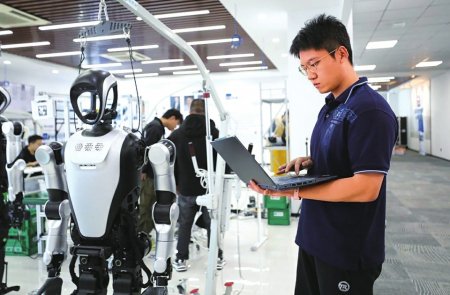
AI时代职业生态如何变化?警惕过分依赖变得更低能
Zhong Guo Jing Ji Wang· 2026-01-27 07:31
Core Insights - The rise of new professions such as AI trainers, AI product managers, and AI ethics reviewers is reshaping the job landscape, creating new employment opportunities and requiring new skills from workers [1][2] - AI is significantly transforming the employment ecosystem, leading to an increase in job positions related to AI applications and a substantial wage premium for workers with AI skills [2] - The emergence of "one-person companies" (OPC) is lowering the barriers to entrepreneurship, allowing individuals to leverage AI tools for content production, product operation, and service delivery [3] Group 1: Employment Opportunities - The demand for hybrid and application-oriented talent is expanding as new roles like AI trainers and AI content creators continue to emerge [1] - PwC's 2025 global AI employment forecast indicates that almost all AI-related job positions are increasing, with an average wage premium of 56% for workers with AI skills, doubling from the previous year [2] - The development of embodied intelligence and world models is accelerating, indicating a shift in AI capabilities from language processing to understanding and modeling the physical world [2] Group 2: Entrepreneurship and Innovation - The "one-person company" model is gaining traction, with cities like Suzhou promoting it as a preferred entrepreneurial format, supported by community initiatives and policies [3] - Experts predict that this model will evolve from individual creation to scalable "super individuals," becoming a significant part of the digital economy in the next five years [3] Group 3: Skills and Education - Human skills such as imagination, judgment, aesthetic ability, critical thinking, and emotional interaction will remain irreplaceable in the context of human-machine collaboration [4] - Future talent development should emphasize interdisciplinary skills and comprehensive abilities, alongside the establishment of a new training system for AI professions to facilitate worker transitions [4] - The concept of "slash" careers may become a primary lifestyle, encouraging individuals to avoid reliance on a single skill or profession and to enhance their overall capabilities [5]