
上海国际金融中心建设

Search documents
上海人民币跨境收付金额达32.4万亿元,继续保持全国第一
2 1 Shi Ji Jing Ji Bao Dao· 2026-01-29 13:45
Core Insights - The People's Bank of China (PBOC) Shanghai Headquarters reported that in 2025, Shanghai's social financing scale increased by 1.1632 trillion yuan, with a year-on-year increase of 102.1 billion yuan [3] - Direct financing's proportion rose, with 34.19 billion yuan added, accounting for 29.4% of the total increase, up 15 percentage points year-on-year [3] - The total credit volume showed reasonable growth, with a focus on optimizing the structure and a steady decline in financing costs [2] Financing Structure - In 2025, the increase in RMB loans to the real economy was 658.9 billion yuan, representing 56.6% of the total social financing increment [3] - The balance of RMB loans in Shanghai reached 13.07 trillion yuan by the end of December, growing by 6.5% year-on-year, which is 0.3 percentage points higher than the national average [3] - The weighted average interest rate for newly issued corporate loans in December was 2.64%, down 38 basis points from the previous year [3] Deposits Overview - By the end of December, the total balance of deposits in Shanghai was 24.5 trillion yuan, with a year-on-year growth of 11.3%, exceeding the national average by 2.3 percentage points [3] - Household deposits increased by 9.1% year-on-year, while non-financial corporate deposits grew by 5.3% [3] - Non-bank financial institutions saw a significant deposit growth of 30.4% [3] International Financial Center Development - The PBOC Shanghai Headquarters is committed to supporting the construction of Shanghai as an international financial center, focusing on cross-border trade and investment facilitation, financial market openness, and the internationalization of the RMB [4] - As of December 2025, 1,189 foreign institutions entered the interbank bond market, holding bonds worth 3.46 trillion yuan, which is about 2.0% of the total custody in the market [5] - The total amount of cross-border RMB settlements in Shanghai accounted for 46% of the national total in 2025 [5] Cross-Border RMB Business - In 2025, the cross-border RMB payment volume reached 32.4 trillion yuan, a year-on-year increase of 9%, maintaining the highest share in the country at 46% [6] - The RMB cross-border payment related to the real economy increased by 14%, outpacing the overall growth rate by 5 percentage points [6] - Key sectors such as shipping, new foreign trade formats, and bulk commodities saw significant growth in cross-border RMB settlements, with increases of 48%, 16%, and 2.6% respectively [6] Future Outlook - In 2026, the PBOC Shanghai Headquarters plans to enhance offshore financial services, promote the internationalization of the RMB, and implement foreign exchange management reforms [7] - The focus will be on optimizing the financial business environment and supporting the construction of the Shanghai International Financial Center [7]


上海社融去年多增超千亿,跨境人民币业务量质齐升
Di Yi Cai Jing· 2026-01-29 13:24
Core Viewpoint - In 2025, Shanghai's financial operations remained stable amidst a complex external environment and ongoing domestic economic recovery, with several key indicators showing positive changes and structural improvements [1][2]. Financial Support to the Real Economy - In 2025, Shanghai's total social financing increased by 1,163.2 billion yuan, with a year-on-year increase of 102.1 billion yuan [2]. - Direct financing rose by 341.9 billion yuan, accounting for 29.4% of the financing increase, up approximately 15 percentage points from the previous year [2][3]. - The balance of loans in both domestic and foreign currencies reached 13.07 trillion yuan, growing by 6.5% year-on-year, slightly above the national average [2]. Financing Costs and Structure - The weighted average interest rate for newly issued corporate loans in Shanghai was 2.64% in December 2025, down by 38 basis points year-on-year [3]. - The structure of financing has shifted towards direct financing, with significant increases in net financing from various types of bonds, indicating a deeper and broader financial market [3]. Deposit Structure Changes - By the end of December 2025, the balance of deposits in Shanghai reached 24.5 trillion yuan, growing by 11.3% year-on-year, surpassing the national growth rate by 2.3 percentage points [4][5]. - The growth rate of demand deposits for households and non-financial enterprises increased significantly, while the growth of time deposits declined [5]. FT Account Function Upgrade - The FT account function upgrade pilot launched in December 2025, with 11 banks and 29 enterprises participating, facilitating nearly 50 billion yuan in cross-border fund transfers [6][7]. - The pilot is seen as a significant step in enhancing cross-border financial liberalization and is expected to provide a model for higher-level cross-border fund management mechanisms [7]. Cross-Border Financial Activities - In 2025, Shanghai's banks recorded a total of 5.66 trillion USD in foreign-related receipts and payments, accounting for over 36% of the national total [8]. - The total amount of cross-border RMB transactions reached 32.4 trillion yuan, representing 46% of the national total, with a notable increase in securities investment transactions [9]. Future Outlook - Shanghai aims to deepen the application of the FT account function and expand pilot programs to enhance RMB cross-border payment efficiency and explore higher levels of capital account openness [10].
央行上海总部:2025年上海人民币跨境收付金额达32.4万亿元 同比增长9%
Zhong Guo Xin Wen Wang· 2026-01-29 08:08
Core Insights - The People's Bank of China (PBOC) Shanghai Headquarters reported that the cross-border RMB payment amount in Shanghai reached 32.4 trillion yuan in 2025, a year-on-year increase of 9%, accounting for 46% of the national total, maintaining its position as the highest in the country [1] - RMB cross-border payments under securities investment amounted to 24.2 trillion yuan, representing over 70% of the total, significantly enhancing Shanghai's status as a global RMB asset allocation center [1] - The cross-border RMB payment amount related to the real economy, including current accounts and direct investments (excluding cash pools), totaled 3.5 trillion yuan, reflecting a 14% year-on-year growth, which is 5 percentage points higher than the overall growth rate [1] Group 1 - The PBOC Shanghai Headquarters has implemented various measures to expand the use of RMB in cross-border transactions, including collaboration with local departments and financial institutions to enhance the convenience of cross-border financial services [2] - Key initiatives include promoting RMB usage among major enterprises, sectors, and regions, as well as piloting comprehensive reforms in offshore trade finance services in the Lingang New Area [2] - The Shanghai Headquarters aims to improve cross-border financial service capabilities, optimize business processes, and enhance the efficiency of RMB fund payments to better support stable foreign trade and investment [2]
人民银行上海总部召开2026年第一季度新闻发布会
Xin Lang Cai Jing· 2026-01-29 05:40
Core Viewpoint - In 2025, the Shanghai headquarters of the People's Bank of China implemented a moderately loose monetary policy, resulting in a significant increase in social financing and direct financing, alongside a reasonable growth in credit and a steady decline in financing costs [2][19]. Financing and Credit Situation - The total social financing in Shanghai increased by 1.1632 trillion yuan, a year-on-year increase of 102.1 billion yuan, effectively meeting the financing needs of the real economy [3][20]. - The structure of financing improved, with RMB loans to the real economy increasing by 658.9 billion yuan, accounting for 56.6% of the financing increment. Direct financing rose by 341.9 billion yuan, making up 29.4% of the total, a year-on-year increase of 15 percentage points [3][20]. - By the end of December, the balance of loans in both domestic and foreign currencies reached 13.07 trillion yuan, a year-on-year growth of 6.5%, which is 0.3 percentage points higher than the national average [4][21]. - The weighted average interest rate for newly issued corporate loans in December was 2.64%, down 38 basis points from the previous year, marking a historical low [4][21]. Deposit Growth - By the end of December, the balance of deposits in both domestic and foreign currencies reached 24.5 trillion yuan, a year-on-year increase of 11.3%, which is 2.3 percentage points higher than the national average [5][22]. - Household deposits grew by 9.1% year-on-year, while non-financial enterprise deposits increased by 5.3% [5][22]. Foreign Exchange and Cross-Border Transactions - In 2025, Shanghai's foreign exchange receipts and payments reached a total of 5.66 trillion USD, accounting for over 36% of the national total, with a year-on-year growth of 14.3% [6][24]. - The total amount of cross-border RMB payments reached 32.4 trillion yuan, a year-on-year increase of 9%, maintaining a 46% share of the national total [8][26]. - The direct investment foreign exchange receipts and payments totaled a year-on-year increase of 5.8%, with securities investment receipts and payments growing by over 19% [7][25]. Policy Initiatives and Future Plans - The Shanghai headquarters will continue to implement a moderately loose monetary policy and promote financial reforms to support the "14th Five-Year Plan" and the construction of the Shanghai International Financial Center [12][30]. - The upgrade of the free trade account function aims to enhance cross-border trade and investment facilitation, with significant participation from banks and enterprises [14][31]. - The green foreign debt pilot program has been initiated to support enterprises in green and low-carbon transformation projects, with financing exceeding 64 million USD (approximately 450 million yuan) [16][34].
人民银行上海总部周鹏:将推动临港新片区离岸贸易金融服务综合改革试点扩围
Xin Lang Cai Jing· 2026-01-29 05:22
Core Viewpoint - The People's Bank of Shanghai Headquarters is committed to advancing the construction of Shanghai as an international financial center, focusing on cross-border trade and investment facilitation, financial market openness, and supporting the real economy in 2025 [1][4]. Group 1: Cross-Border Trade and Investment Facilitation - The bank aims to deepen cross-border trade and investment facilitation, implementing comprehensive reforms in offshore trade finance services in the Lingang New Area to enhance cross-border settlement efficiency [1][4]. - The pilot for "green foreign debt" policies has shown positive effects, and there is a steady advancement in foreign exchange business reforms and management of multinational corporate cross-border cash pools [1][4]. Group 2: Financial Market Openness - The bank is working to expand high-level financial market openness, successfully promoting the issuance of offshore bonds in the Shanghai Free Trade Zone [1][4]. - As of December 2025, 1,189 foreign institutions have entered the interbank bond market, holding bonds worth 3.46 trillion yuan, which accounts for approximately 2% of the total custody in the market [1][4]. Group 3: RMB Internationalization - Efforts are being made to broaden and deepen the internationalization of the RMB, with the total cross-border RMB settlement in Shanghai accounting for 46% of the national total in 2025 [2][5]. Group 4: Support for the Real Economy - The establishment of a working group for Shanghai's financial "five major articles" aims to enhance policy coordination and support for the real economy, particularly in the technology innovation sector [2][6]. - Initiatives include the issuance of technology innovation bonds in the interbank market and the promotion of carbon reduction support tools [2][6]. Group 5: Financial Environment Optimization - The bank is focused on improving the financial development environment by enhancing payment convenience and optimizing tax refund services for outbound travelers [2][6]. - The digital RMB international operation center has officially started operations, and the multi-central bank digital currency bridge pilot is progressing [2][6]. Group 6: Future Work Plans - In 2026, the bank plans to continue promoting offshore financial services reforms, advance RMB internationalization, and support the implementation of foreign exchange management reform pilot policies [3][7].
陆家嘴金融沙龙新年首期举行
Jie Fang Ri Bao· 2026-01-29 01:31
据介绍,"陆家嘴金融沙龙"去年全年举办40场活动。沙龙秘书处形成200余万字嘉宾发言实录,总 结提炼出104条政策建议。其中有55条建议被浦东新区"十五五"金融规划采纳,31条列入《中国(上 海)自由贸易试验区提升能级深入推进高水平制度型开放方案》,为上海国际金融中心建设贡献了行业 智慧。 记者 杜晨薇 市委常委、浦东新区区委书记李政出席活动。 昨天下午,"陆家嘴金融沙龙"2026年系列活动开幕。首期活动以"点燃浦东新春消费新引擎"为主 题,为浦东消费企稳回升、实现经济高质量发展凝聚金融智慧。 ...

上海金融开放再显“引力”,在沪首批外资独资保险资管开业
第一财经· 2026-01-28 15:19
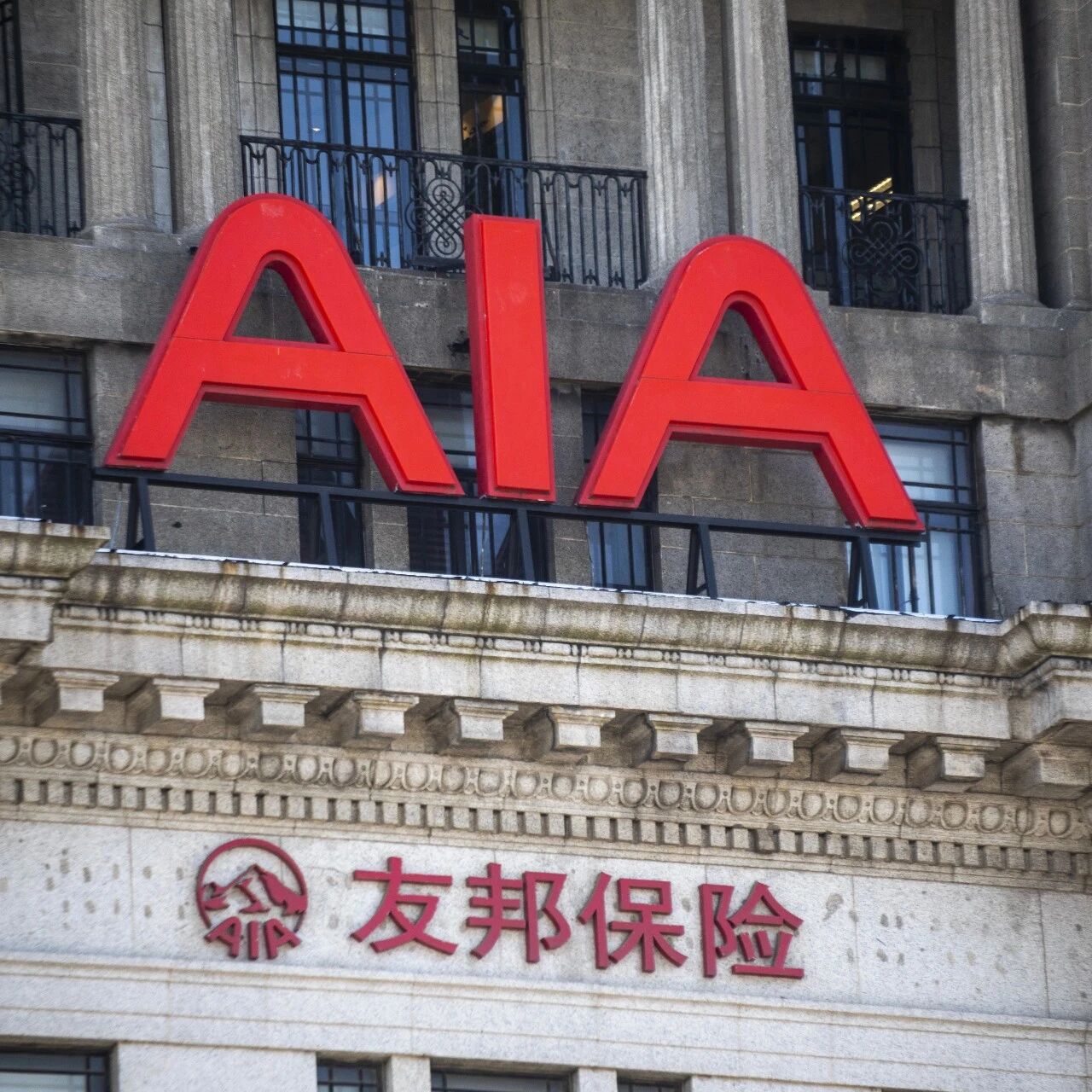
Core Viewpoint - The establishment of AIA Asset Management and Holland Asset Management in Shanghai marks a significant step in the city's financial opening and development as an international financial center, showcasing the "Shanghai speed" in facilitating foreign investment [2][3][4]. Group 1: Company Establishment and Background - AIA Asset Management and Holland Asset Management are the first foreign-owned insurance asset management companies to open in Shanghai, reflecting the city's commitment to high-level financial openness [2][3]. - AIA Group, the parent company of AIA Asset Management, is the first foreign-owned life insurance company in mainland China, with operations across 18 markets in the Asia-Pacific region [3]. - Holland Group, the initiator of Holland Asset Management, has over 180 years of history and provides long-term life insurance and asset management solutions globally [3]. Group 2: Regulatory Support and Market Confidence - The rapid establishment of these companies, completed in just six months, demonstrates the efficiency of Chinese regulatory bodies and their support for foreign investment [4]. - The head of the National Financial Regulatory Administration noted that the asset management market in China has grown at an annual rate of approximately 8% over the past five years, making it the second-largest asset and wealth management market globally [4]. Group 3: Future Business Focus - AIA Asset Management plans to transition existing investment capabilities from AIA Life Insurance and aims to innovate in the market by offering diverse investment strategies and products [7]. - Holland Asset Management intends to deepen its presence in the Chinese market and support the development of Shanghai as an international financial center, leveraging its existing partnerships and exploring new business opportunities [8].

上海国际金融中心一周要闻回顾(1月19日—1月25日)
Guo Ji Jin Rong Bao· 2026-01-25 04:05
Group 1 - The Shanghai Municipal Party Committee has approved the proposal for the 15th Five-Year Plan, emphasizing the enhancement of the international financial center's competitiveness and influence, with specific deployments for building a global RMB asset allocation center and risk management center [1] - The Shanghai financial system work meeting highlighted the importance of party organization coverage in the financial sector and shared progress on the coverage of non-public financial enterprises [2] - The "Action Plan to Enhance the Commodity Level of Nonferrous Metals" was released, aiming to strengthen the linkage between futures and spot markets [3] Group 2 - The Shanghai Financial Regulatory Bureau issued the "Action Plan for High-Quality Development of Pension Finance," proposing 20 measures to build a pension management system with Shanghai characteristics [5] - The first delivery of the futures contract for coated printing paper was successfully completed, with a total delivery volume of 1,840 tons and a delivery amount of nearly 7.6 million yuan [6] - The Shanghai Asset Management Association announced ten major initiatives for building a global asset management center by 2025, reflecting innovative achievements in the sector [8] Group 3 - The Shanghai Futures Exchange announced adjustments to the margin ratios and price limits for copper, aluminum, gold, and silver futures, effective from January 22, 2026 [9] - The Shanghai International Energy Exchange is seeking public opinion on revising its risk control management rules, with feedback due by January 28, 2026 [10] - HSBC China has launched its first local public fund custody business, providing custody services for a fund managed by E Fund Management [11] Group 4 - The launch of the "Intelligent Reporting and Review Project for Ship Insurance Certificates" by PICC Shanghai and the Shanghai Maritime Bureau marks a shift towards online and intelligent processes in insurance certificate review [12] - The Construction Bank has introduced a new RMB structured deposit product in the free trade zone, successfully facilitating two offshore enterprises in managing their funds [13] - The first batch of technology innovation convertible bonds was successfully issued, providing low-cost long-term funding for tech enterprises [14] Group 5 - Shanghai Securities has received approval for its sponsorship business qualification, marking a significant breakthrough in its core business license layout [15] - The successful implementation of the first domestic credit certificate electronic document submission business by the Bank of Communications Shanghai branch represents a new financial service breakthrough [16] - Three branches of Shanghai Rural Commercial Bank have been recognized as the first batch of green branches in Shanghai, promoting sustainable finance [17] Group 6 - The People's Bank of China is focusing on creating a favorable monetary and financial environment to support high-quality economic development [19] - The minimum down payment ratio for commercial property loans has been adjusted to no less than 30% to adapt to changes in the real estate market [20] - The State Administration of Financial Supervision has issued new regulations to standardize the administrative licensing process for financial institutions [24] Group 7 - The China Securities Regulatory Commission has expanded the range of futures market products available for foreign investors, adding 14 new futures options [29] - The CSRC has approved the registration of options for 20 rubber, low-sulfur fuel oil, and international copper, ensuring a smooth launch and operation of these products [30] - Longqi Technology has completed its "A+H" listing, marking a significant milestone in its capital market strategy [31]
【金融服务】建行首发自贸区人民币结构性存款 开辟离岸企业资金管理新路径
Xin Lang Cai Jing· 2026-01-23 12:57
Core Insights - The launch of the China Construction Bank's (CCB) Free Trade Zone (FTZ) RMB structured deposit product marks a significant step in meeting the RMB fund management needs of offshore enterprises, filling a market gap in structured deposit products under the FTZ [1][3] - The product aims to address the low deposit retention rates and insufficient yields faced by cross-border enterprises due to a lack of deposit products in the FTZ market [1][3] Product Features - The FTZ structured deposit is a RMB-denominated financial management product that innovatively links to financial indicators closely related to business operations, such as exchange rates and interest rates, while ensuring principal protection and a minimum guaranteed return [2][4] - The product allows for customized linkage to various financial benchmarks, maintaining a conservative profile while providing flexible options for enterprises with strict capital preservation requirements [2][4] Market Context - The launch aligns with the ongoing development of Shanghai as an international financial center, where more enterprises are opening FTZ accounts for cross-border operations [1][3] - CCB's Shanghai branch has been actively responding to regulatory requirements aimed at enhancing cross-border financial service convenience, focusing on product innovation and integrated operations [2][4] Future Plans - CCB's Shanghai branch plans to continue addressing core pain points in cross-border enterprise operations by expanding its FTZ product offerings and enhancing customized, professional, and comprehensive service upgrades [2][4]

上海国际金融中心建设 从“规模扩张”转向“功能升级”
Shang Hai Zheng Quan Bao· 2026-01-19 18:45
Core Viewpoint - The Shanghai "14th Five-Year Plan" emphasizes the transformation of Shanghai into a global center for RMB asset allocation and risk management, marking an upgrade in its role as an international financial center [1][2]. Group 1: Strategic Developments - The plan proposes to expand cross-border and offshore financial services, establish an offshore financial functional zone, and enhance the interconnectivity of domestic and international financial markets [2][3]. - It aims to create the Shanghai International Financial Asset Trading Platform and explore pilot programs for RMB foreign exchange futures trading, which will significantly enhance the global pricing power and attractiveness of Shanghai's financial market [2][3]. - The emphasis on technology in risk management and regulatory collaboration is intended to ensure the stability of Shanghai's financial system amid increasing global uncertainties [2][3]. Group 2: Key Innovations - Five important innovations in the construction of Shanghai's international financial center are identified: upgrading functional positioning, establishing an offshore financial functional zone, creating the Shanghai International Financial Asset Trading Platform, elevating risk management to a core function, and reshaping the technological foundation with digital financial infrastructure [3][4]. - These innovations can be distilled into three core transformations: functional transformation, institutional transformation, and technological transformation, which are interdependent and collectively form the strategic line of the "14th Five-Year Plan" [3]. Group 3: Financial System Enhancements - The plan emphasizes the need to improve financial services for the real economy, with specific focus areas including technology finance, green finance, inclusive finance, pension finance, and digital finance [4]. - It highlights the transition of Shanghai's international financial center from a phase of "scale expansion" to one of "functional upgrade," driven by higher levels of institutional openness and deeper integration of technology [4]. - The vision is to establish Shanghai not just as a larger international financial center, but as a pivotal hub for the reconstruction of the global financial system, supporting RMB internationalization and high-level financial openness in China [4].