
中小企业融资

Search documents
中小企业融资困境何解?创新融资渠道与扶持政策全梳理
Sou Hu Cai Jing· 2025-07-09 13:28
Core Viewpoint - The financing difficulties faced by small and medium-sized enterprises (SMEs) are becoming increasingly prominent, particularly due to traditional financing channels' limitations in the context of economic downturns [1][10]. Group 1: Causes of Financing Difficulties - One of the biggest challenges for SMEs is the single financing channel, with bank loans being the most common but often difficult to obtain due to weak financial conditions and high rejection rates [3]. - The lack of an effective credit guarantee system is a significant reason for financing difficulties, as many SMEs have weak credit records, making it hard to secure support from traditional financial institutions [3]. - Information asymmetry in financing is another barrier, as many SMEs lack professional financial personnel and miss opportunities due to insufficient market awareness and understanding of financing channels [3]. Group 2: Innovative Financing Channels - The rapid development of financial technology has introduced new financing options for SMEs, such as P2P lending and equity crowdfunding, which lower costs and improve efficiency [4]. - Equity crowdfunding allows startups to raise funds from the public through online platforms, meeting initial funding needs while enhancing brand visibility [4]. - Supply chain finance offers solutions by using accounts receivable and inventory as collateral, focusing on actual business operations to reduce risks and improve loan approval efficiency [7]. Group 3: Government Support and Policies - Government support is crucial in helping SMEs overcome financing challenges, with various policies aimed at reducing financing costs and expanding channels [7][9]. - Fiscal subsidies and interest discount policies help alleviate the financial burden on SMEs, with governments providing interest subsidies for qualifying enterprises [9]. - The establishment of SME financing guarantee systems by governments reduces risks for banks, encouraging them to lend more to SMEs [9]. - Tax incentives for financial institutions can lower loan rates, further reducing financing costs for SMEs [9]. - The capital market has also become more accessible for SMEs, with relaxed conditions allowing them to raise funds through stock issuance [9]. Group 4: Future Outlook - Despite ongoing financing challenges, the environment for SME financing is improving due to the expansion of innovative channels and increased policy support [10]. - The continued development of financial technology and sustained policy optimization are expected to effectively address SMEs' financing difficulties, enabling them to thrive in competitive markets [10].

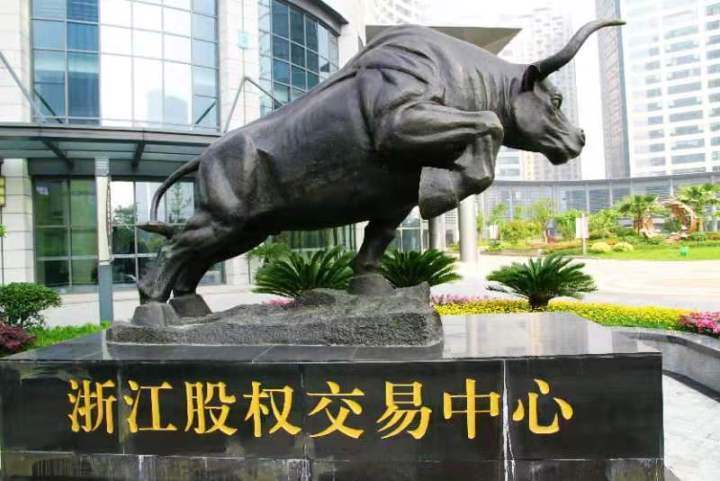
浙股集团:为浙江中小企业破解融资瓶颈
Sou Hu Cai Jing· 2025-06-17 10:35
Group 1 - The "One Chain a Month" initiative aims to promote financing for small and medium-sized enterprises (SMEs) in Zhejiang, focusing on key industrial chains to address financing bottlenecks [1][2] - The event gathered over 200 enterprises and financial institutions under the theme "Financial Empowerment, Intelligent Creation of the Future," indicating a collaborative effort to reshape the financing landscape for SMEs in Zhejiang [1] - Zhejiang Equity Service Group operates the only legal regional equity market in Zhejiang Province (excluding Ningbo), facilitating capital market services such as financing matchmaking and professional training for listed companies [1] Group 2 - In the first half of the year, 15 closed-door financing roadshows were held in Qiantang District, enhancing local enterprises' confidence in going public through expert consultations [2] - The collaboration between Zhejiang Equity Service Group and local enterprises focuses on the semiconductor industry chain, aiming to boost local economic development and attract investments [2] - The event signifies a closer partnership between Zhejiang Equity Service Group and Qiantang District, leveraging both the Beijing Stock Exchange and Hong Kong Stock Exchange to accelerate enterprises' capital market journeys [2]
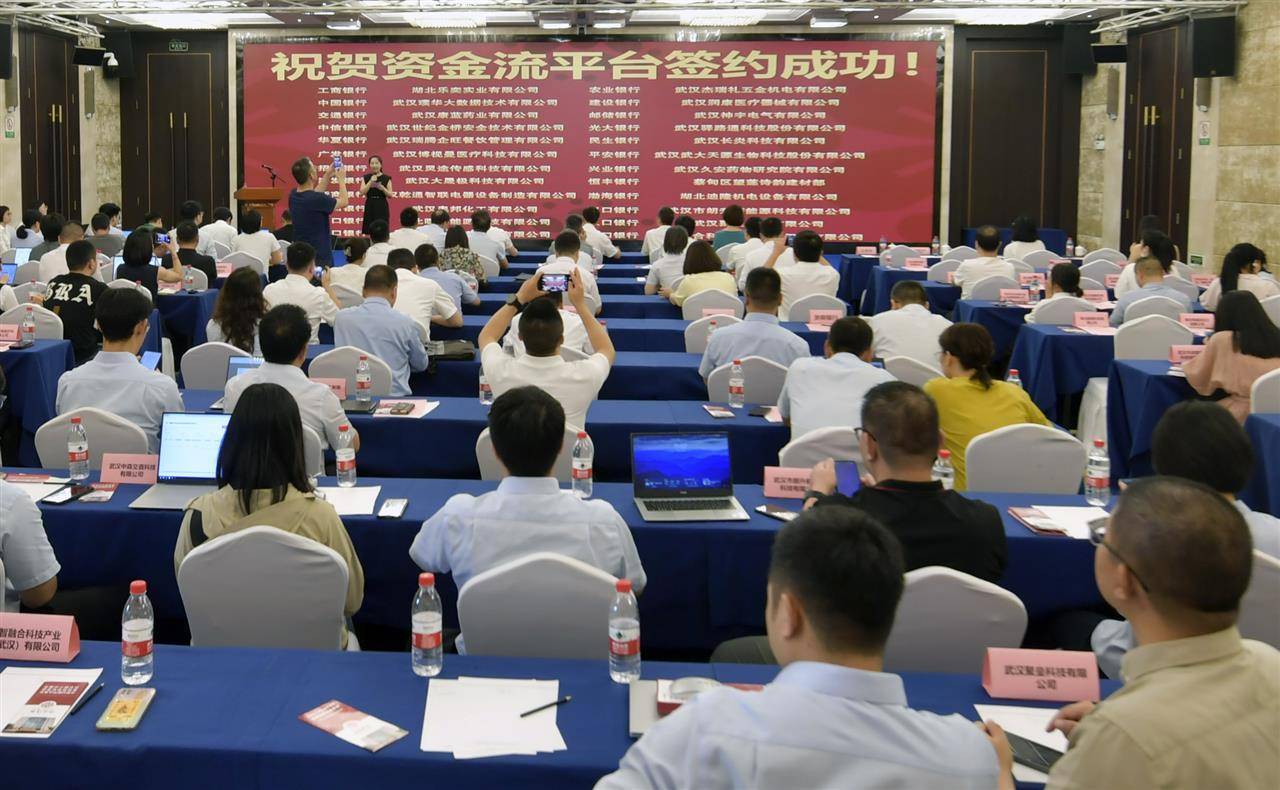
湖北征信助力中小企业融资对接会在汉举办,24家企业现场签约资金流平台
Sou Hu Cai Jing· 2025-06-12 12:26
Core Viewpoint - The People's Bank of China Hubei Branch is enhancing credit support for small and medium-sized enterprises (SMEs) through the establishment of various credit information platforms, facilitating better access to financing for these businesses [1][3][5]. Group 1: Event Overview - A financing matchmaking event was held on June 12, attended by 26 banking institutions and over 50 SME representatives, focusing on the theme "Guarding Credit, Winning the Future" [1]. - The event promoted the construction, functions, and advantages of the Fund Flow Information Platform and the Zhongzheng Platform, aimed at ensuring precise credit funding reaches SMEs [1][5]. Group 2: Credit Information Platforms - The Fund Flow Information Platform will start providing services from October 25, 2024, offering shared credit information that accurately reflects the operational status, income and expenditure, and performance capabilities of SMEs [5]. - As of the end of May, 19 pilot banks in Hubei had made 23,200 inquiries into fund flow credit information, resulting in loans totaling 7.405 billion yuan to 1,841 enterprises, effectively alleviating financing difficulties for SMEs [5]. - The Zhongzheng Platform has facilitated 2,125 accounts receivable financing transactions amounting to 50.1 billion yuan from January to May 2025, and has issued 1,240 online "Government Procurement Loans" totaling 6.26 billion yuan [5]. Group 3: Bank Participation and Impact - Bank representatives from Industrial and Agricultural Banks of Hubei introduced the operational processes of the two platforms, highlighting how they help banks assess enterprise creditworthiness and operational trends [6]. - A representative from Wuhan Weimeng Environmental Technology Co., Ltd. emphasized the platform's role in evaluating transaction data, enhancing enterprise credit, and addressing financing challenges for asset-light companies [6]. - Hankou Bank has successfully integrated the Fund Flow Credit Information Report into its loan processes, aiming to assist more enterprises in obtaining loans based on platform information [8].
银行应创新担保方式支持中小企业融资
Zheng Quan Ri Bao· 2025-06-08 14:45
Core Viewpoint - The newly revised "Regulations on Ensuring Payment of Small and Medium-sized Enterprises" aims to encourage financial institutions to increase credit support for SMEs, thereby reducing their overall financing costs and facilitating financing backed by accounts receivable, intellectual property, government procurement contracts, inventory, and machinery [1] Group 1: Innovative Guarantee Methods - Innovative guarantee methods have become crucial for banks to support the development of SMEs and stimulate market vitality [2] - Traditional financing guarantees often rely on fixed assets like real estate, which many SMEs lack, making it difficult for them to meet banks' stringent collateral requirements [2] - Accounts receivable pledge financing is a viable path, allowing banks to provide loans based on the real trade receivables between SMEs and core enterprises, thus helping to alleviate cash flow issues [2] Group 2: Intellectual Property Financing - Intellectual property pledge financing is a promising innovative method, especially for technology-based SMEs, as their intellectual property is a core asset [2] - Banks can collaborate with professional IP assessment agencies to reasonably value patents, trademarks, and copyrights, using them as collateral for loans [2] Group 3: Government Procurement Contract Financing - Banks should enhance information sharing and collaboration with government departments to provide financing support based on government procurement contracts once SMEs win bids [3] - This financing can help cover upfront costs such as raw material procurement and equipment leasing, ensuring project progress [3] Group 4: Inventory Financing - Inventory financing is another area worth exploring, particularly for SMEs in trade and manufacturing, as inventory is a significant asset [3] - Banks can involve third-party monitoring agencies to conduct real-time monitoring and dynamic assessment of inventory, using it as collateral for financing [3] Group 5: Mutual Benefits - By innovating guarantee methods to support SME financing, banks can alleviate SMEs' financing difficulties, promote their growth, and contribute to the development of the real economy [3] - This approach also allows banks to expand their business areas, optimize client structures, and reduce credit concentration risks, achieving a win-win situation [3]
融资的中小企业们,都把钱花在哪里?
Sou Hu Cai Jing· 2025-06-06 11:02
Core Insights - The core issue for small and medium-sized enterprises (SMEs) is how to allocate their financing effectively, impacting their future survival and development [1][3]. Financing and Fund Allocation - According to the "2024 China SME Financing Development Report," SMEs primarily use funds for daily operations, with operational expenses accounting for approximately 93% of total funding [4][6]. - SMEs face high operational cost pressures due to their smaller scale and limited financial reserves, leading to a "short, small, frequent, and urgent" financing demand [6][9]. - The report indicates that SMEs prioritize maintaining daily operations over expanding production, market development, and product innovation, which limits their competitiveness [9][12]. Industry-Specific Insights - Different industries exhibit varying focuses on "developmental investments." For instance, the wholesale and retail sectors have the highest operational expense ratios, with wholesale reaching 97.26%, a year-on-year increase of 0.44% [13][14]. - In terms of R&D spending, the software and information technology services sector leads with an 8.73% allocation, despite a year-on-year decline of 10.55% [15]. - The non-metallic mineral products industry has the highest marketing expenditure ratio at 5.72%, showing a significant year-on-year increase of 54.59% [15]. Challenges and Recommendations - SMEs face significant survival pressure in a competitive market, primarily allocating funds to daily operations, which restricts resources for R&D and marketing, hindering their ability to innovate and grow [17]. - To ensure survival while investing in future growth areas like technology innovation and market expansion, SMEs need to adopt new operational strategies, explore digital solutions, and diversify financing channels [17].

小微企业融资环境改善有助于释放民间投资积极性
Sou Hu Cai Jing· 2025-05-27 01:17
Core Viewpoint - The joint release of the "Several Measures to Support Financing for Small and Micro Enterprises" aims to improve the financing conditions for small and micro enterprises in China, enhancing their ability to access loans and stimulating the vitality of the private economy [2][3][4]. Group 1: Policy Features - The measures break down administrative barriers and strengthen policy coordination among eight departments, integrating monetary, fiscal, and industrial policies into a cohesive framework [3][4]. - A multi-tiered capital market linkage mechanism is established, connecting regional equity markets, the New Third Board, and the Beijing Stock Exchange for the first time [3][4]. - The measures emphasize the importance of data sharing and digital transformation to create a more efficient inclusive financial ecosystem, reducing financing costs and improving access to financial services [3][4]. Group 2: Systematic Reform - The measures reflect a systematic reform approach, addressing long-term financing challenges faced by small and micro enterprises and responding to new issues in industrial innovation [3][4][5]. - A differentiated regulatory system and incentive mechanisms are introduced to encourage financial institutions to support small and micro enterprises more actively [5][6]. - The establishment of a data-driven credit assessment mechanism aims to alleviate information asymmetry between banks and enterprises, reducing reliance on collateral [5][6]. Group 3: Economic Impact - The measures are expected to reshape the financing ecosystem for small and micro enterprises, potentially increasing employment opportunities and enhancing job quality through the "specialized, sophisticated, and innovative" enterprise cultivation plan [6][7]. - By improving the financing environment, the measures are likely to stabilize the employment base and stimulate private investment, contributing to the optimization and upgrading of the economic structure [6][7]. - The introduction of a risk-sharing mechanism involving fiscal compensation funds and financial institutions aims to enhance the accessibility of debt and equity financing for small and micro enterprises [5][6].

《2024年中国中小企业融资发展报告》发布
Zhong Guo Jing Ji Wang· 2025-05-26 02:34
Core Insights - The "2024 China SME Financing Development Report" indicates that the financing stock scale for SMEs reached 77,615.02 billion yuan, marking an 11.4% year-on-year growth, although the growth rate has slowed by 2.79 percentage points compared to the previous year [1] - The report highlights a significant differentiation in financing performance across industries and regions, providing a multi-dimensional perspective on the SME development ecosystem [1] Industry Analysis - In 2024, the incremental financing for SMEs showed notable divergence, with the top 20 industries accounting for 85.48% of the total, where traditional sectors like wholesale, metal products, and chemical manufacturing dominated [2] - New information technology sectors such as technology promotion and software services exhibited accelerated financing growth, with year-on-year increases in stock lending financing of 42.81% and 32.83% respectively [2] - The retail sector stood out among traditional industries, with incremental lending financing increasing by 30.354 billion yuan, a growth rate of 162.47%, while sectors like road transportation and automotive manufacturing experienced significant declines [2] Regional Analysis - There is a clear disparity in financing stock across different regions, with the four most economically active regions accounting for 89.79% of the total, and East China leading with 35,864.48 billion yuan (46.21% share) [3] - The Southwest region showed remarkable performance with an incremental financing growth of 41.83%, the highest among all regions, while some economically developed areas experienced varying degrees of negative growth in incremental financing [3] - The structural changes in the financing market are attributed to targeted policy support for technological innovation and emerging industries, alongside adjustments in financing strategies by enterprises in response to market conditions [3]
八部门:探索将中小企业专精特新发展评价结果应用于助企融资
news flash· 2025-05-21 10:36
Core Viewpoint - The joint issuance of measures by eight departments aims to enhance financial support for small and micro enterprises, particularly those that are specialized, innovative, and engaged in foreign trade [1] Group 1: Financial Support Measures - The measures encourage banks to actively connect with specialized and innovative small and micro enterprises, as well as high-quality individual businesses [1] - There is an emphasis on providing targeted financial support to small and micro enterprises within key industry clusters and international cooperation zones [1] - The initiative includes exploring the application of evaluation results of specialized and innovative small enterprises to assist in financing [1] Group 2: Cross-Border Trade Support - Increased financial support is directed towards small and micro enterprises involved in new foreign trade formats, such as cross-border e-commerce [1] - The measures promote the expansion of cross-border RMB "first-hand" accounts to meet the foreign exchange risk hedging needs of small foreign trade enterprises [1] Group 3: National Coordination - The initiative leverages the national "one network" of the China Small and Medium Enterprises Service Network to organize monthly financing promotion activities for small and micro enterprises [1]
湖北:数据财政双轮增信助力中小企业更好融资
news flash· 2025-04-12 09:55
Core Viewpoint - Hubei Province has introduced a policy aimed at helping small and medium-sized enterprises (SMEs) secure loans based on their commercial value through a credit assessment model and financial support mechanisms [1] Group 1: Policy Implementation - The policy includes the establishment of a commercial value credit assessment model for SMEs [1] - It encourages banking institutions to utilize the evaluation results to provide credit support to SMEs [1] - The government will share the risk of loans through financial backing for loan services [1]