
产业数字化转型

Search documents
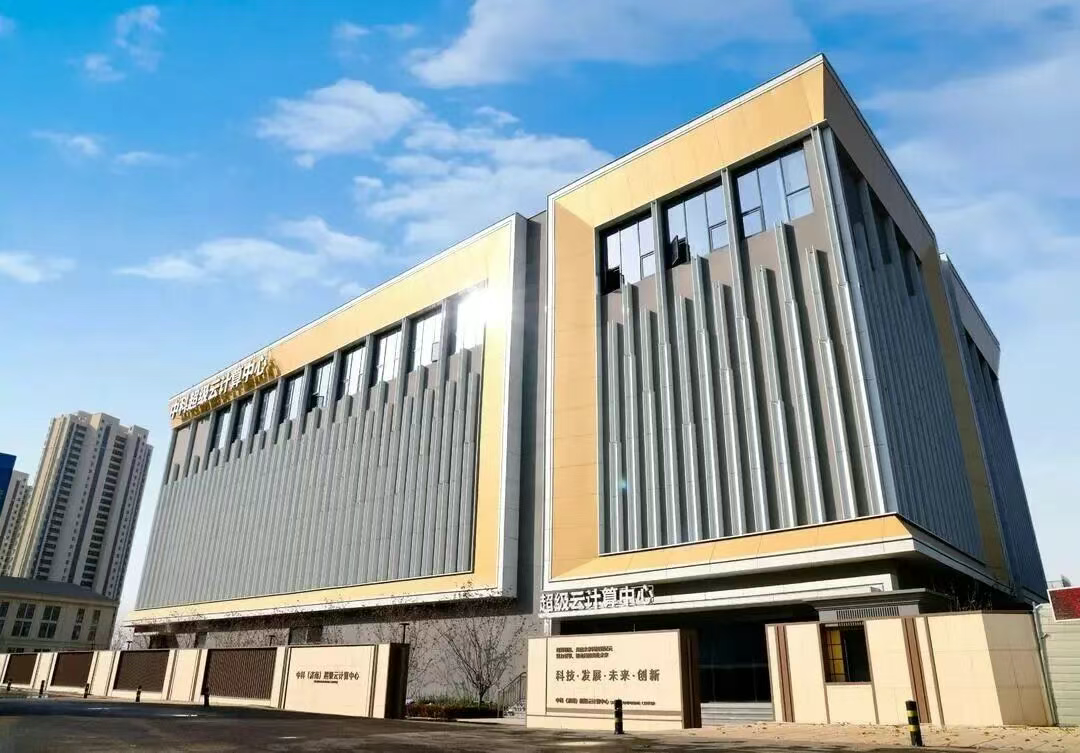
济南今年将抓好中科(济南)超级云等重点项目建设
Qi Lu Wan Bao· 2026-01-19 03:02
Group 1 - Jinan will focus on key projects such as the Super Cloud of China Science and Technology (Jinan) and the Intelligent Computing Center of China Telecom (Jinan) to integrate into the national unified computing power network, aiming to build a computing power hub that serves the entire province and the nation [3] - The city plans to enhance the capabilities of the Inspur AI Model Factory and develop commercially valuable vertical models, with the goal of registering 5 new generative AI large models and creating 5 benchmark large model products [3] - Jinan aims to accelerate the construction of key digital industrialization projects, including the Shandong Autonomous and Controllable Information Equipment Industrial Park, and improve the functionality of various innovation and research institutes [3] Group 2 - The city will expand the functionality of the "Love Shandong" Jinan branch platform, upgrading 70 key livelihood services, and enhancing platforms like "Quan Yibao" and Haiyou Talent Employment [4] - Jinan is set to improve the grassroots intelligent governance system and accelerate the construction of a digital social operation scheduling platform, integrating various digital systems for better urban management [4] - The city will innovate urban governance units by utilizing resources from smart communities, smart policing, and digital rural areas, and will actively conduct pilot projects for digital blocks [4]


业内专家重磅解读!新质生产力如何重构化肥行业增长逻辑?
Xin Lang Cai Jing· 2026-01-16 13:38
Core Viewpoint - The "Work Plan for Stable Growth in the Petrochemical Industry (2025-2026)" emphasizes the importance of ensuring fertilizer production and supply stability, optimizing production management, and promoting innovative development of various types of fertilizers [1][5]. Group 1: Nitrogen Fertilizer Industry - The nitrogen fertilizer industry aims to strengthen capacity regulation to ensure supply stability and reasonable profits for enterprises, with projected capacities for synthetic ammonia and urea exceeding 82 million tons and 73 million tons respectively by 2025 [1][5]. - The industry is encouraged to pursue green and low-carbon transformation by reducing energy consumption and carbon emissions, while upgrading to advanced, high-efficiency equipment [1][5]. - The focus on technological innovation is crucial for driving industry upgrades, with an emphasis on clean and efficient gasification and advanced gas purification technologies [2][6]. Group 2: Potassium Fertilizer Industry - The plan highlights the need for overseas resource development, with Chinese companies achieving significant potassium resource discoveries in Laos, totaling approximately 1 billion tons [3][7]. - The potassium fertilizer industry is evolving towards functional products and balanced capacity distribution, integrating services such as soil testing and intelligent logistics [3][7]. - A strategic focus on high-quality development and technological innovation is essential, with an emphasis on coordinating domestic and international markets [3][7]. Group 3: Phosphate Fertilizer Industry - The phosphate fertilizer industry aims to enhance resource utilization and value chain efficiency, focusing on extending, supplementing, and strengthening the industry chain [4][8]. - Emphasis is placed on technological innovation to improve the utilization of by-products and develop green production processes [4][8]. - The industry is encouraged to adopt digital technologies to enhance competitiveness and achieve sustainable development goals [4][8].
电商龙头加码“广货行天下” 以“跨境电商+产业带”赋能广东制造全球突围
Zheng Quan Shi Bao Wang· 2026-01-16 07:50
Group 1 - Guangdong is the leading province in cross-border e-commerce in China, actively promoting "Guangdong manufacturing" to global markets through initiatives like SHEIN's "Guangdong Goods Going Global" spring action plan [1][2] - SHEIN's strategy focuses on empowering industries and promoting brand globalization, leveraging its flexible supply chain and digital innovation to enhance the competitiveness of Guangdong's characteristic industrial belts [1][2] - The cross-border e-commerce model combined with industrial belts has shown significant results, with Guangdong's cross-border e-commerce import and export scale expanding 66 times over nine years, accounting for over one-third of the national total [2] Group 2 - SHEIN has implemented a "500 Cities Industrial Belt Going Global Plan," covering nearly 400 cities across China, with all 21 cities in Guangdong included, establishing the province as a model for industrial belt globalization [2] - The company's global influence is rising, with projections indicating that by 2024, SHEIN will surpass major brands like ZARA and H&M to become the third-largest fashion retailer globally, following Nike and Adidas [2] - SHEIN's investment of over 10 billion yuan in logistics has accelerated the development of a smart supply chain network in the Guangdong-Hong Kong-Macao Greater Bay Area, enhancing regional logistics capabilities [2] Group 3 - SHEIN addresses traditional apparel industry challenges by utilizing digital tools, flexible supply chain models, and technological innovations to drive digitalization, intelligence, and sustainability in the industry [3] - The company provides free access to evolving digital tools for factories, enabling precise and transparent information flow across the entire production chain, thus addressing high inventory risks [3] - SHEIN is advancing innovations in sewing tools, digital printing techniques, and sustainable materials, contributing to the industry's green transformation and enhancing its overall value [3] Group 4 - A factory owner in Guangzhou benefited from SHEIN's digital systems, which improved production efficiency by 40% and allowed for real-time monitoring of market demands, leading to significant growth in order stability [4] - The factory expanded from a few hundred square meters to 9,000 square meters, exemplifying the successful digital transformation of Guangdong's manufacturing sector [4] - SHEIN aims to deepen collaboration with Guangdong's industrial belts, using technological and model innovations to further enhance the global brand presence and value of Guangdong goods [4]
每个开发区确定不超过3个主导产业
Xin Lang Cai Jing· 2026-01-15 22:31
Core Viewpoint - The Yunnan Provincial Government has issued the revised "Yunnan Province Development Zone Management Measures," aiming to promote high-quality development of development zones through clear guidelines on establishment, adjustment, planning, management, and industrial development [1] Group 1: Establishment and Adjustment of Development Zones - Development zones must adhere to principles of complementary advantages, industrial linkage, regional collaboration, and differentiated development, with a maximum of one development zone per county (city, district) and a total not exceeding national control indicators [2] - Adjustments to development zones include expansion, reorganization, integration, changes, and exits, with underperforming zones given a two-year rectification period before potential consolidation or closure [2] Group 2: Management and Operation of Development Zones - Development zones will generally establish a Party Working Committee and Management Committee, operating as a unified entity, with a focus on developing the real economy and gradually transferring social affairs management to local governments [3] - The province supports various management models, including "Management Committee + Enterprise" and "Platform + Marketization," and will implement a comprehensive performance evaluation system based on efficiency, aggregation, and environmental impact [3] Group 3: Industrial Development Focus - Development zones are encouraged to prioritize manufacturing while integrating related service industries, promoting intelligent, green, and integrated development, and enhancing traditional industries while fostering emerging sectors [4] - Local governments are tasked with guiding each development zone to identify up to three leading industries, ensuring differentiation to avoid homogeneous competition [4] Group 4: Digital Economy and Innovation - The province encourages digital economy enterprises to cluster in development zones, promoting smart upgrades and digital transformation of industries, and enhancing the integration of the real and digital economies [5] - Development zones are to explore diverse cooperation models and enhance investment attraction, foreign trade, and international cooperation, aiming to create a high ground for openness [5]
盐城两企业跻身全球“灯塔工厂”
Xin Hua Ri Bao· 2026-01-15 21:54
Core Insights - The World Economic Forum has announced a new batch of "Lighthouse Factories," with 23 companies globally recognized, 16 of which are located in China, including two from Yancheng, Jiangsu [1][2] - The recognition of Yancheng's two companies marks a significant achievement for the region, highlighting its commitment to industrial intelligence and digital transformation [1][2] Group 1: Company Achievements - Yueda Textile Group Co., Ltd. has transformed its operations by integrating industrial internet, smart production scheduling, and online quality monitoring, establishing a national-level 5G fully connected factory [2] - The factory has reduced labor from 55 to 15 workers while increasing production efficiency by 30%, setting a new benchmark for the textile industry in the Yangtze River Delta [2] - Faurecia (Yancheng) Automotive Components Co., Ltd. produces over 25 million automotive seat rails annually, holding more than 30% market share domestically, and has automated its production line from 44% to 80% since 2019 [1][2] Group 2: Industry Impact - The successful inclusion of these two companies in the "Lighthouse Factory" list reflects the long-term efforts in intelligent transformation and digitalization within the manufacturing sector in Yancheng and northern Jiangsu [2] - The recognition serves as a strong signal that the northern Jiangsu region is actively engaging in the global smart manufacturing trend, contributing to high-quality development in China's manufacturing industry [2]
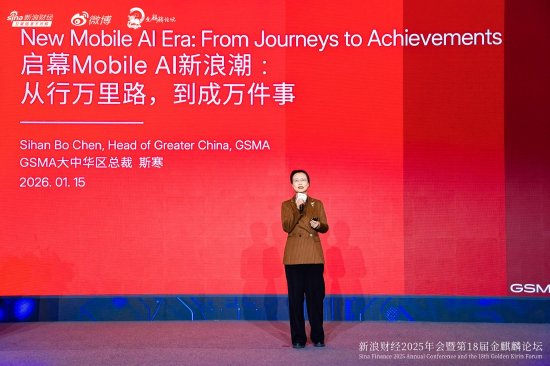
GSMA大中华区总裁斯寒:AI会是未来五年里产业数字化转型投入非常重要的一环
Xin Lang Cai Jing· 2026-01-15 07:18
Core Insights - The event "2025 Technology Wind and Cloud List" was held in Beijing, featuring a keynote speech by GSMA Greater China President Si Han, emphasizing the critical role of AI in digital transformation over the next five years [1][3] Group 1: AI's Role in Industry - AI is expected to be a significant component of digital transformation investments across various industries in the next five years [1][3] - The ability of AI to be utilized in numerous sectors is supported by the underlying network infrastructure, which enables AI to reach households and industries [1][3] - There remains a high expectation among stakeholders regarding the capabilities of AI, as revealed in recent surveys [1][3]
化肥:做好生产保供 推动肥料创新
Zhong Guo Hua Gong Bao· 2026-01-14 08:49
Core Viewpoint - The "Work Plan for Stable Growth in the Petrochemical Industry (2025-2026)" emphasizes the importance of ensuring fertilizer production and supply stability, promoting innovation in various types of fertilizers, and achieving green and low-carbon transformation in the industry [1][2]. Group 1: Fertilizer Industry - The plan aims to optimize the management of minimum production plans for key fertilizer producers and enhance the integrated regulation system for production, transportation, storage, and sales [1]. - The nitrogen fertilizer industry is expected to see production capacities exceed 82 million tons for ammonia and 73 million tons for urea by 2025, leading to a potential oversupply situation [1]. - The industry is encouraged to focus on green and low-carbon transformation by reducing energy consumption and carbon emissions while upgrading to advanced, efficient equipment [1][2]. Group 2: Potash Fertilizer - The plan mentions the need to advance overseas oil, gas, and potash resource development through joint ventures, with significant potash resources identified in Laos [3]. - Chinese companies have established a production capacity of 3.5 million tons of potash in Laos, positioning it as a core supply base for overseas potash [3]. - The potash industry is evolving towards functional products and balanced capacity distribution, integrating services such as soil testing and smart logistics [3]. Group 3: Phosphate Fertilizer - The phosphate fertilizer industry aims to enhance resource utilization and value chain efficiency, focusing on extending, supplementing, and strengthening the industry chain [4]. - The industry is encouraged to innovate in technology, particularly in the efficient utilization of phosphate resources and the development of green production processes [4]. - The goal is to achieve comprehensive green transformation and ensure that all waste emissions meet standards while enhancing the utilization rate of by-products [4].


自贡自流井区加速推动物流产业化升级
Xin Lang Cai Jing· 2025-12-30 18:07
Core Insights - The article highlights the significant reduction in regional logistics costs by 12% due to the development of the modern logistics industry park in Zigong, which has focused on technological empowerment and industrial upgrades [1] Group 1: Logistics Cost Reduction - The logistics costs in the region have decreased by 12% over the past two years [1] - The logistics hub has improved efficiency, saving 4 to 12 hours in delivery times compared to other cities in the southern Sichuan economic zone [1] - The overall cost of logistics for the salt-based cuisine supply chain has dropped by over 15% [1] Group 2: Economic Impact - The annual commodity transaction volume in the region has reached 23.4 billion yuan, with daily handling of 2.3 million packages and over 2,000 tons of various goods [1] - The logistics hub has created employment for 20,000 people and has facilitated over 200 million USD in foreign trade for industries such as salt-based food and welding materials [1] Group 3: Future Development Plans - The park aims to enhance the construction of a modern logistics public service platform and promote digital transformation within the industry [1] - There is a focus on integrating supply chain logistics as a key feature of the service industry in the province [1]
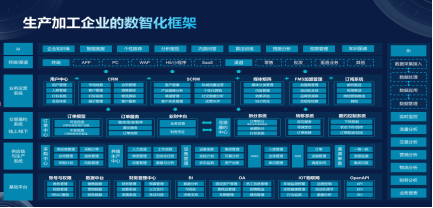
山东移动日照分公司:以“产业大脑能力中心”筑数智生态新底座
Qi Lu Wan Bao· 2025-12-29 14:13
Core Insights - The article highlights the strategic implementation of the "Digital-Real Integration" initiative in Shandong Province, with Shandong Mobile's Rizhao branch at the forefront, utilizing technologies like 5G, AI, and blockchain to create an intelligent empowerment system across various industries [1][8] - The "Enterprise Brain" serves as a digital tool tailored for small and medium-sized enterprises, addressing common challenges such as high transformation barriers and data silos, and enhancing management efficiency by over 60% while reducing implementation costs by more than 60% [2][3] - The integration of core systems through the "Enterprise Brain" not only improves operational efficiency but also fosters a collaborative ecosystem, transforming technology empowerment into a stable business growth engine [3][8] Industry and Company Developments - The "Enterprise Brain" framework expands its influence from individual production workshops to entire industry ecosystems, exemplified by its application in the green tea industry, which integrates climate data for precise planting and marketing strategies [5][6] - The establishment of a credit system based on real business data allows for embedded financial services within the industry chain, attracting various financial institutions and creating new revenue streams for the company [5][6] - The successful replication of the "Industry Brain Capability Center" model across different sectors, including marine food and green construction, demonstrates its scalability and cost-effectiveness, promoting a standardized approach to industry empowerment [6][7] - The strategic value of the "Industry Brain Capability Center" is underscored by its role in advancing local industries towards digitalization and high-end development, contributing to the recognition of Rizhao as a key green tea production area [8]
“5G无用论”等质疑声不断 5G遇冷了吗
Jing Ji Ri Bao· 2025-12-26 03:31
在民生和社会领域,5G创造了更多可能。在医疗行业,5G+远程手术打破地域限制,让一线城市专家 实时指导偏远地区医院开展高难度手术;在教育行业,5G+全息课堂打破城乡教育资源壁垒,实现更多 教育公平;在交通行业,5G支撑的车路协同系统,为自动驾驶提供毫秒级路况信息;在农业领域, 5G+物联网实现了对农田作物生长状况的精准监测。5G持续织密民生保障网,让数字化转型红利惠及 千家万户。 更重要的是,5G不只是一项独立技术,还是其他前沿技术的"铺路石"。从人工智能的边缘计算到 AR/VR的沉浸式体验,都需要5G提供高速率、大带宽、低时延的网络支撑。5G的技术积累也为6G研发 奠定了基础。没有5G对网络架构、频谱资源等的探索,6G的"空天地一体化"网络建设也无从谈起。 回顾通信技术的演进史,类似的"无用论"并非首次出现。4G商用初期,也曾被质疑"只是比3G快一 点",直到移动支付、短视频等应用爆发,才真正改变了社会生活。5G的发展逻辑与4G不同,4G的价 值爆发在消费端,5G的价值沉淀在产业端,而产业数字化转型是一个长期过程,不可能一蹴而就。 所谓遇冷,恰恰是5G从建设热潮转向应用深耕的理性回归。一方面,产业链上下游持 ...