
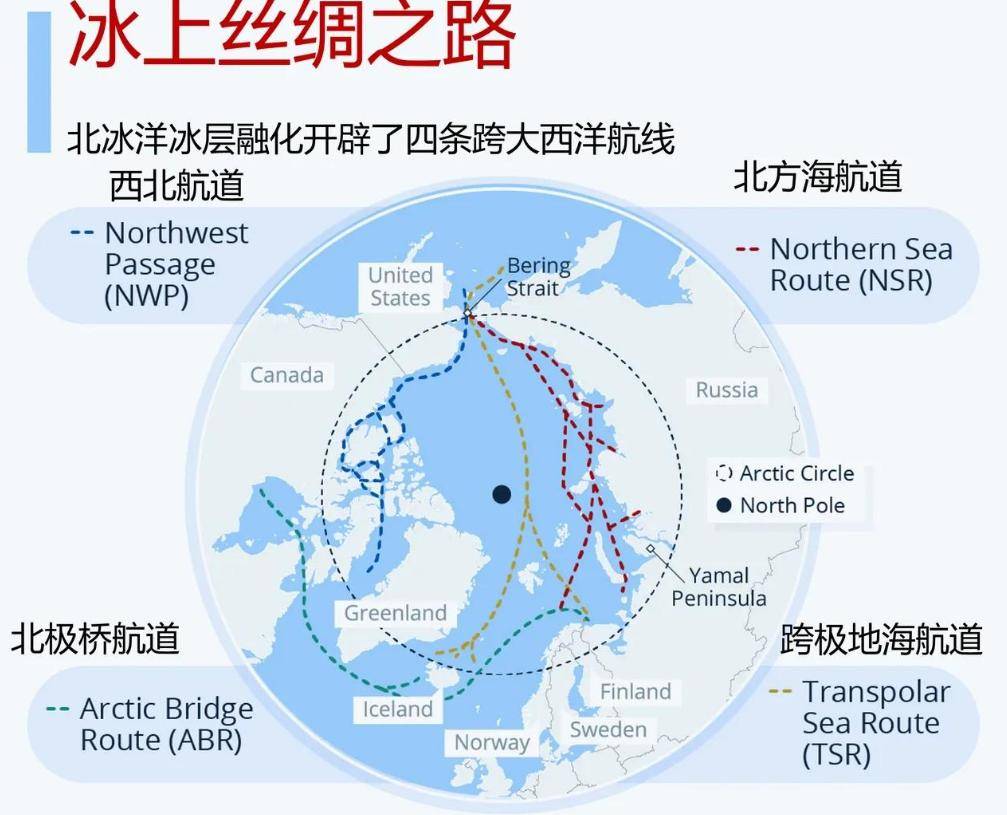
冰上丝绸之路

Search documents
北极航线“破冰”,又一场格局重塑
Mei Ri Jing Ji Xin Wen· 2025-09-25 14:44
Core Insights - The launch of the "Istanbul Bridge" vessel marks the inaugural journey of the China-Europe Arctic Express (CAX), significantly reducing transit time from Ningbo to the UK to 18 days, compared to over 40 days via the Suez Canal [1][4][14] - The Arctic route is gaining global attention as it enhances China's international trade logistics and supports efficient transportation between China and Europe [1][2][14] Summary by Sections Arctic Route Development - The Arctic shipping route is transitioning from being deemed impractical to a viable option due to climate change, which has led to a significant reduction in ice coverage [4][8] - The current navigation period has extended to 5 months, with the potential for year-round shipping in the future [7][8] Economic and Trade Implications - The CAX route not only shortens shipping times but also reduces inventory costs by 40% and carbon emissions, making it suitable for temperature-sensitive goods [7][8] - The Arctic region is rich in untapped oil and gas resources, with estimates of 90 billion barrels of oil and 47 trillion cubic meters of natural gas, positioning it as a new resource frontier [8][9] Urban Development and Logistics - Cities like Dalian, Qingdao, and Ningbo are poised to benefit from the new Arctic route, potentially transforming their economic landscapes [10][12] - Ningbo's role as a key port in this new logistics network enhances its global connectivity and strengthens its position in international trade [12][13] Strategic Importance - The CAX route serves as a critical alternative for international logistics amid increasing global trade uncertainties, such as the impacts of the Russia-Ukraine conflict and the Red Sea crisis [14][16] - The Arctic route is expected to facilitate the creation of a new economic corridor linking Northeast Asia, Northern Europe, and North America, reshaping regional trade dynamics [13][14] Challenges and Future Outlook - Despite its potential, the Arctic route faces challenges such as high operational costs during winter and environmental concerns that need to be addressed for sustainable development [18] - The goal is to establish a fixed summer navigation schedule and enhance fleet capabilities to achieve year-round operations by next year [18]

中国开通北极新航线,直通欧洲只需18天,波兰这次真的后悔也晚了
Sou Hu Cai Jing· 2025-09-24 04:45
Core Insights - A significant shift in global logistics is occurring, highlighted by the closure of Polish border crossings with Belarus, which has led to over 300 trains carrying €12 billion worth of goods being stranded for more than 10 days [2][4] - The opening of the Arctic shipping route by China, which is expected to reduce transit time to the UK to 18 days, is a strategic response to the changing logistics landscape [2][6] Group 1: Impact of Poland's Decision - Poland's indefinite closure of border crossings has drastically reduced cargo volume at the Małaszewicze hub by 82%, leading to the closure of numerous logistics companies [8] - The decision has resulted in Poland losing its pivotal role in Central European trade, as the China-Europe Railway Express is now rerouting through Kazakhstan, with a recent 40% increase in cargo volume [8] Group 2: Development of New Trade Routes - The Arctic route, which has been in planning since 2018, is now operational, offering a significant advantage in shipping times compared to traditional routes [6] - The development of the Arctic shipping route is expected to enhance the competitiveness of Chinese companies in the European market, with delivery times for certain products reduced from 35 days to 18 days [8] Group 3: Broader Implications - The situation underscores the risks of politicizing supply chains, as highlighted by Belarusian President Lukashenko, who noted that Poland's border policy serves others' interests [8] - The emergence of new logistics routes and the rise of the Arctic shipping industry indicate a shift in global trade dynamics, emphasizing the need for cooperation over isolation [8]
直达多个欧洲港口,丰富中欧贸易路线,这条“冰上丝绸之路”让中俄欧都受益
Huan Qiu Shi Bao· 2025-09-23 22:42
Core Viewpoint - The launch of the "China-Europe Arctic Express" shipping route marks a significant development for Chinese foreign trade, providing a new maritime artery directly connecting to the European market, enhancing logistics efficiency, and reducing costs for businesses amid geopolitical tensions and tariff pressures [1][5]. Group 1: Logistics Efficiency and Cost Reduction - The new shipping route significantly shortens the delivery time to Europe, with logistics costs previously accounting for nearly half of the product value, now expected to decrease [1][3]. - For example, shipping from Yiwu to Germany via traditional sea routes takes about 40 days, while the new Arctic route is projected to be faster and more cost-effective [2][3]. - Logistics costs for many foreign trade companies can represent 20% to 30% of total costs, making any reduction impactful on profitability [3][4]. Group 2: Trade Growth and Market Access - Yiwu's trade with the EU has seen substantial growth, with imports and exports reaching 57.39 billion yuan from January to August this year, a year-on-year increase of 27.6% [1]. - The Arctic route is expected to facilitate the entry of "Made in China" products into Europe more rapidly, catering to the growing demand for timely deliveries, especially for seasonal goods [7][8]. - The new route is positioned as a viable alternative to traditional shipping methods, appealing to cross-border e-commerce and high-value goods like electric vehicle batteries [7][8]. Group 3: Geopolitical and Strategic Implications - The Arctic route enhances China-Russia maritime cooperation, contributing to the development of the "Belt and Road Initiative" and the "Ice Silk Road" concept [5][6]. - The route is seen as a strategic response to global geopolitical challenges, allowing China to strengthen its logistics network and maintain trade stability [6][7]. - The development of the Arctic shipping corridor is part of a broader Russian initiative to modernize infrastructure and increase cargo capacity in the region, with projections of over 100 million tons of annual cargo by 2030 [6].
北极快航18天抵欧,中欧贸易辟第三通道破梗阻
Sou Hu Cai Jing· 2025-09-23 20:32
Core Viewpoint - The recent closure of border crossings between Poland and Belarus has severely disrupted the China-Europe Railway Express, leading to significant economic losses and highlighting the vulnerabilities in global supply chains [1][3]. Group 1: Impact of Poland's Decision - Poland's decision to close all road and rail crossings with Belarus has paralyzed the key Malaszewicze hub, which handles nearly 90% of the China-Europe Railway Express transshipment tasks [1][3]. - Approximately 300 trains and thousands of containers are stranded at the border, causing a "stockout" risk for cross-border sellers, European importers, and retailers [1][3]. - Daily economic losses exceed $50 million, with around €25 billion of trade frozen within the EU [1][3]. Group 2: Strategic Implications - Poland claims the closure is a security measure in response to perceived threats from Russia and Belarus, but this explanation is met with skepticism [3]. - Analysts suggest Poland may be using this situation to leverage negotiations with China regarding rare earth and agricultural export quotas, hoping for Chinese influence over Russia [3][5]. Group 3: Emergence of the Arctic Route - In response to the disruptions, a new Arctic shipping route has been established, significantly reducing transit times by 30% to 40%, with a one-way journey taking about 18 days [5][7]. - This route connects major European ports and is particularly beneficial for high-value, time-sensitive products like lithium batteries and electric vehicles [5][7]. - The Arctic route enhances strategic safety by avoiding traditional maritime chokepoints that are vulnerable to piracy and geopolitical risks [5][7]. Group 4: Broader Supply Chain Strategies - China is exploring alternative routes through Turkey and Hungary while leveraging the full operation of the China-Kyrgyzstan-Uzbekistan railway and increased capacity in the Caspian corridor [7]. - Economic countermeasures from China include halting the import review of Polish agricultural products and tightening rare earth export quotas [7]. - The situation underscores the importance of diversifying trade routes to enhance stability and security in global supply chains, reshaping the trade dynamics between China and Europe [7][8].
波兰将重新开放与白俄罗斯的边境口岸!此前中欧班列中断,已有中国外贸商紧急改转海运
Mei Ri Jing Ji Xin Wen· 2025-09-23 14:34
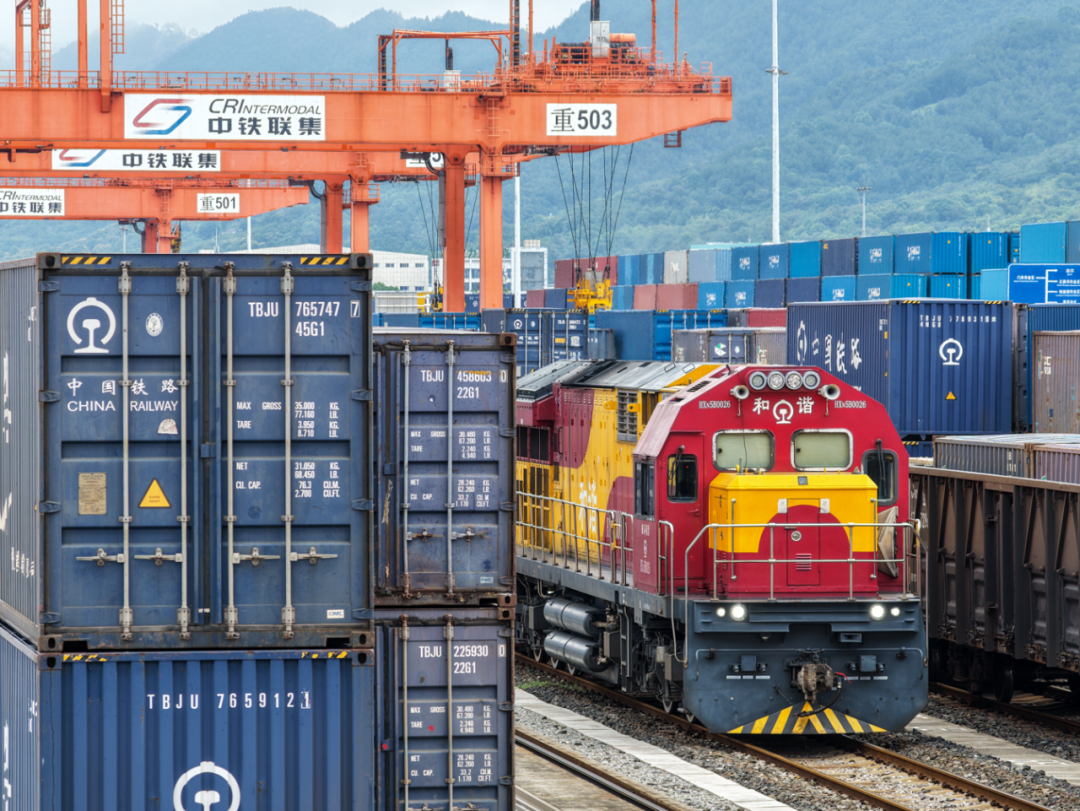
Group 1 - Poland's Prime Minister Tusk announced the reopening of the border with Belarus on September 25, following a complete closure on September 11 due to military exercises by Russia and Belarus [1][2] - The closure of the border disrupted the China-Europe Railway Express, causing significant impacts on trade logistics between China and Europe [1][4] - The China-Europe Railway Express is a crucial land freight route connecting China and Europe, with approximately 90% of its trains entering the EU through Poland [4] Group 2 - Some companies have shifted from using the China-Europe Railway Express to maritime transport due to the border closure, resulting in longer shipping times of about 60 days compared to 30-40 days by rail [7][9] - The "Istanbul Bridge" vessel has initiated a new Arctic shipping route, significantly reducing transit time to Europe to just 18 days, marking a new record for China-Europe shipping efficiency [9] - This Arctic route is part of the "Belt and Road" initiative and aims to provide faster and more sustainable logistics options for industries such as high-end manufacturing and cross-border e-commerce [9]
每日收评创业板午后上演V型反弹小幅收红,半导体芯片产业链尾盘集体爆发
Sou Hu Cai Jing· 2025-09-23 09:09
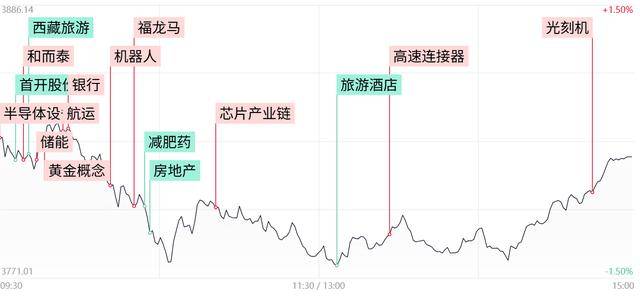
Market Overview - The market showed signs of recovery after a dip, with the ChiNext index rebounding at the close, despite earlier losses exceeding 2% [1] - The total trading volume in the Shanghai and Shenzhen markets reached 2.49 trillion yuan, an increase of 372.9 billion yuan compared to the previous trading day [1] - Defensive sectors performed well throughout the day, with bank stocks rising against the trend [2] Sector Performance - The port and shipping sector experienced strong performance, with Nanjing Port and Ningbo Shipping both hitting the daily limit [2] - The launch of the world's first China-Europe Arctic container express route, which reduces shipping time to 18 days, is expected to enhance logistics for high-end manufacturing and cross-border e-commerce [2] - Bank stocks, including Nanjing Bank and Industrial and Commercial Bank of China, saw gains of over 3%, driven by new public fund regulations and stable fundamentals [2] Semiconductor Sector - The semiconductor sector saw a late surge in investment, with stocks like Changchuan Technology and Demingli hitting the daily limit [3] - The importance of lithography machines in semiconductor manufacturing is highlighted, with a recommendation to focus on quality firms in the industry as domestic production increases [3] Individual Stocks - Despite a general decline in individual stocks, the enthusiasm for consecutive limit-up stocks has revived, particularly in the semiconductor sector [5] - Stocks like Kai Meiteqi and Demingli have shown strong performance, with multiple consecutive limit-ups [5] Future Market Analysis - The market is expected to continue its oscillation, with the Shanghai Composite Index closing above the 30-day moving average [8] - The semiconductor sector's performance will be crucial for the market's direction in the coming days, with potential for continued upward momentum if strong buying persists [8]

全球首条!正式通航!
Sou Hu Cai Jing· 2025-09-23 02:51
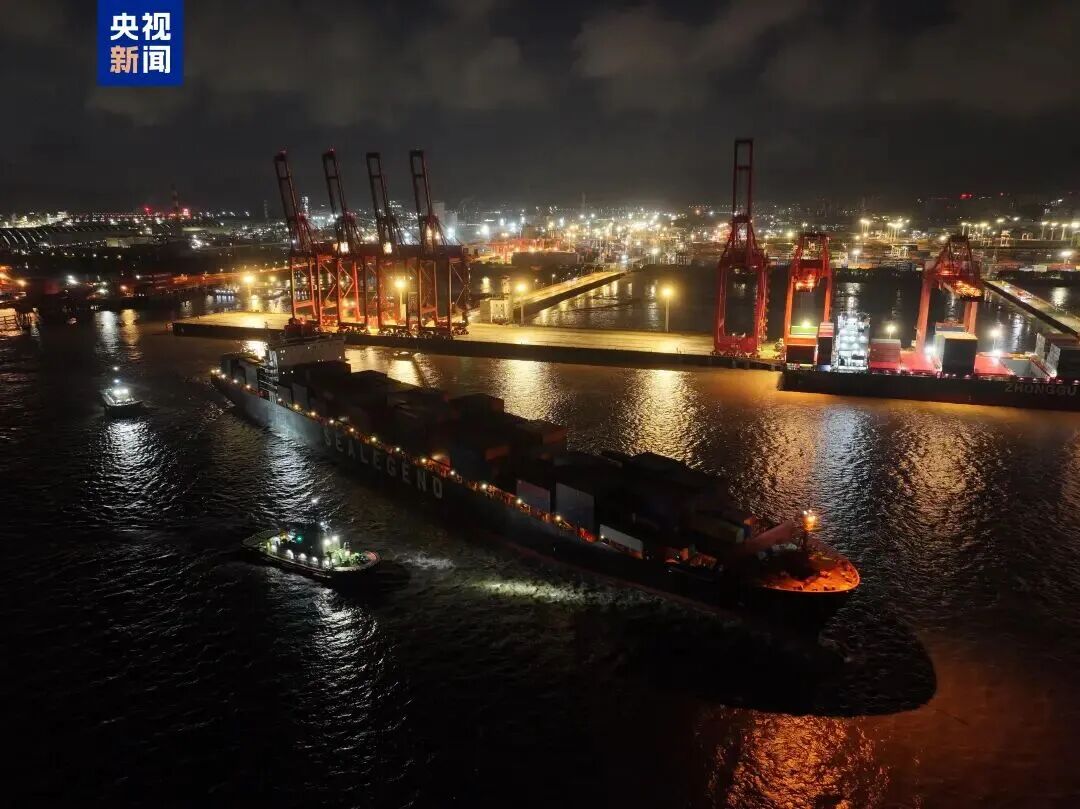
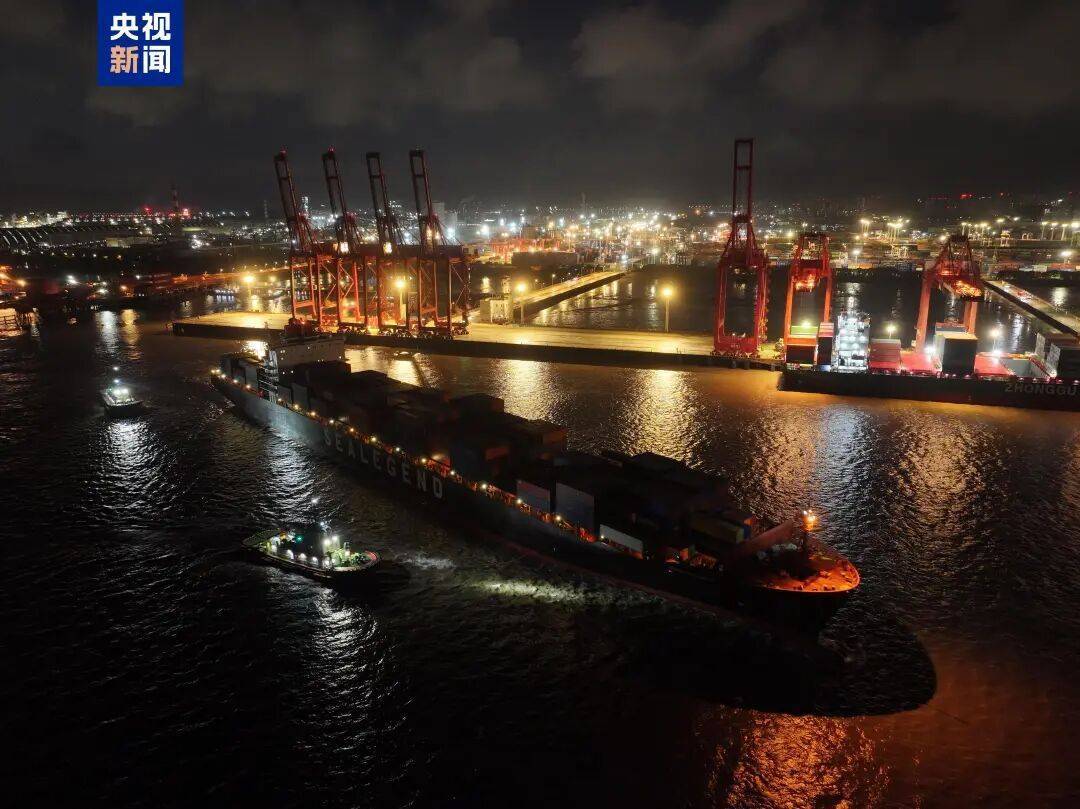
Core Points - The "Istanbul Bridge" vessel has officially commenced operations on the world's first Arctic container express route between China and Europe, departing from Ningbo-Zhoushan Port to the UK's largest container port, Felixstowe [1][3] - The vessel loaded over 1,000 TEUs (Twenty-foot Equivalent Units) at Ningbo-Zhoushan Port on September 22, and the one-way transit time to Felixstowe is only 18 days, setting a new record for the China-Europe express route [3] - This Arctic express route is a significant achievement under the "Belt and Road" initiative, contributing to the development of the "Ice Silk Road" and providing faster, low-carbon international logistics options for industries such as high-end manufacturing, cross-border e-commerce, and new energy [3]
大消息!全球首条中欧北极集装箱快航正式通航:宁波出发,18天直达欧洲
Mei Ri Jing Ji Xin Wen· 2025-09-23 01:30
Core Viewpoint - The launch of the "Istanbul Bridge" vessel marks the official commencement of the world's first Arctic container express route connecting China and Europe, enhancing logistics efficiency and supporting the "Belt and Road" initiative [1][3]. Group 1: Route and Logistics - The "Istanbul Bridge" vessel departed from Ningbo-Zhoushan Port's Beilun area on September 23, heading to the UK's largest container port, Felixstowe [1]. - The vessel loaded over 1,000 standard containers at Ningbo-Zhoushan Port on September 22, indicating significant shipping capacity [3]. - The one-way transit time to Felixstowe is only 18 days, setting a new record for the China-Europe express route, following the 26-day route to Germany's Wilhelmshaven scheduled to open by the end of 2024 [3]. Group 2: Economic and Strategic Implications - The Arctic express route is a crucial outcome of the "Belt and Road" initiative, specifically contributing to the development of the "Ice Silk Road" [3]. - This new logistics option will provide faster and lower-carbon international shipping solutions for industries such as high-end manufacturing, cross-border e-commerce, and new energy [3].

18天直达欧洲 全球首条中欧北极集装箱快航正式通航
Jing Ji Guan Cha Wang· 2025-09-22 23:52
Core Viewpoint - The launch of the world's first Arctic container express route from Ningbo-Zhoushan Port to Felixstowe Port in the UK marks a significant milestone in international logistics, enhancing shipping efficiency and supporting the Belt and Road Initiative [1] Group 1: Shipping Route Details - The "Istanbul Bridge" vessel departed from Ningbo-Zhoushan Port's Beilun area, carrying over 1,000 TEUs (Twenty-foot Equivalent Units) [1] - The Arctic Northeast Passage will allow for a one-way transit time of only 18 days to Felixstowe Port, setting a new record for shipping efficiency [1] - This route follows the previously established "China-Europe Express" service to Wilhelmshaven, Germany, which has a transit time of 26 days, showcasing a significant improvement in logistics [1] Group 2: Economic and Industrial Impact - The Arctic container express route is a key achievement under the "Belt and Road" initiative, contributing to the development of the "Ice Silk Road" [1] - It is expected to provide faster and lower-carbon international logistics options for China's high-end manufacturing, cross-border e-commerce, and new energy industries [1]
单程18天!“中欧北极快航”开通,航运时效刷新纪录
Huan Qiu Shi Bao· 2025-09-22 22:37
Core Viewpoint - The opening of the "China-Europe Arctic Express" container shipping route marks a significant development in global trade, enhancing shipping efficiency and reducing risks associated with traditional routes [1][2][3] Group 1: Economic Benefits - The new route connects major Chinese ports such as Ningbo, Shanghai, Qingdao, and Dalian with key European ports including Felixstowe, Rotterdam, Hamburg, and Gdansk, significantly shortening shipping times to approximately 18 days [1] - Ningbo's trade with the EU reached a total value of 330.74 billion yuan in the first eight months of the year, reflecting a year-on-year growth of 12%, indicating the EU's importance as a trading partner for Ningbo [2] - The Arctic route is expected to lower logistics costs and improve supply chain efficiency, benefiting various industries including e-commerce and cross-border trade [3] Group 2: Strategic Significance - The Arctic route is seen as a strategic alternative to traditional shipping lanes, reducing risks from piracy, congestion, and geopolitical tensions, thus enhancing the safety of shipping operations [2][3] - The initiative aligns with China's Arctic policy, promoting the development of the "Ice Silk Road" and encouraging international cooperation in Arctic shipping [3] - The launch of this route is viewed as a vital step in diversifying China's trade patterns and strengthening the resilience of the global trade system [3] Group 3: Industry Impact - The Arctic Express is expected to attract time-sensitive goods and enhance the logistics capabilities for cross-border e-commerce, providing a competitive edge for companies involved [3] - The establishment of this route completes the global shipping network for Ningbo-Zhoushan Port, reinforcing its position as a key hub in international maritime trade [3]