医研共创

Search documents
申报倒计时 | SIA100:以“科学证据链”重构美妆医研共创信任生态
FBeauty未来迹· 2025-08-31 11:14
Core Viewpoint - The article discusses the transformation of the Chinese cosmetics industry from "incremental competition" to "stock game," emphasizing the need for scientific validation and trust in brands as consumer expectations evolve from mere functionality to a demand for verifiable scientific evidence [5][30]. Group 1: Industry Challenges - The cosmetics industry faces multiple pain points, including insufficient time for brand establishment, lack of scientific narratives, and broken evidence chains, pushing brands to the edge [3]. - Consumers are increasingly demanding scientifically backed products, leading to a shift from marketing-driven to research-driven approaches in the industry [5]. - The absence of a unified scientific language among brands has resulted in trust confusion, making it difficult for consumers to compare product values and leading to choice anxiety [6]. Group 2: SIA100 System Introduction - The SIA100 scientific skincare evaluation system was launched to address these challenges, serving as a trust infrastructure that integrates contributions from doctors, researchers, and brands, creating a replicable industry standard [4][7]. - SIA100 is not merely a certification tool but a comprehensive framework that connects academia, research, and clinical practice, providing a unified value measurement standard for the industry [7][8]. Group 3: Expert Collaboration and Evaluation - The SIA100 system is backed by a consortium of over 200 international experts, ensuring the scientific credibility and authority of the evaluation process [8][9]. - The SIA100 evaluation criteria are dynamic and evolve annually based on the latest scientific advancements and industry needs, ensuring relevance and applicability [9]. Group 4: Industry Impact and Future Directions - The SIA100 system has already validated 42 products and 16 technologies in its first collection, demonstrating its effectiveness in bridging the gap between research and market needs [10][12]. - The SIA Alliance has gathered over 80 member companies, forming a collaborative network that enhances the ecological value of the SIA100 system and shifts scientific evaluation from a single standard to an industry consensus [12][30]. - As the demand for scientific innovation deepens, the SIA100 system will continue to evolve, expanding its categories and enhancing its evaluation dimensions by 2025 [16][30].

上海家化董事长林小海详解百年品牌破立之道
Zhong Guo Zheng Quan Bao· 2025-08-28 20:17
Core Insights - Shanghai Jahwa is undergoing a significant transformation under the leadership of CEO Lin Xiaohai, shifting from a channel-driven model to a brand-driven approach [1][2][6] - The company reported a revenue of 3.478 billion yuan in the first half of 2025, marking a 4.75% year-on-year increase, and a net profit of 266 million yuan, up 11.66% [1] Organizational Changes - The core principle of the transformation is to dismantle the old channel-centric structure and establish a vertical system where brands operate as independent units [2] - Lin Xiaohai emphasized the importance of having a management team that understands the new strategy, which was formed through informal discussions in various settings [2][6] - The new organizational design has made the company more agile, allowing each brand to thrive independently [2][6] Product Innovation - Product innovation is a key focus, with the launch of the "Mosquito Repellent Egg" by the brand Six God, which caters to modern consumer needs and outdoor scenarios [3][4] - The new product design reflects a deep understanding of consumer behavior and market trends, despite having a similar profit margin to traditional products [3][4] - The company aims to create a matrix of billion-yuan products, with a target of three such products this year and ten next year [4][5] Research and Development - Lin Xiaohai is prioritizing R&D to ensure sustainable competitive advantages for the brands [4][5] - The company is increasing the number of co-created products with medical research institutions and is working on establishing industry standards [5] - Initiatives like the "Youth Training Camp" and the "Homecoming Plan" are being implemented to attract top talent and experienced professionals back to the company [5]

上海家化强势释放增长新动能:核心品牌领跑、美妆品类破局
Sou Hu Cai Jing· 2025-08-22 05:41
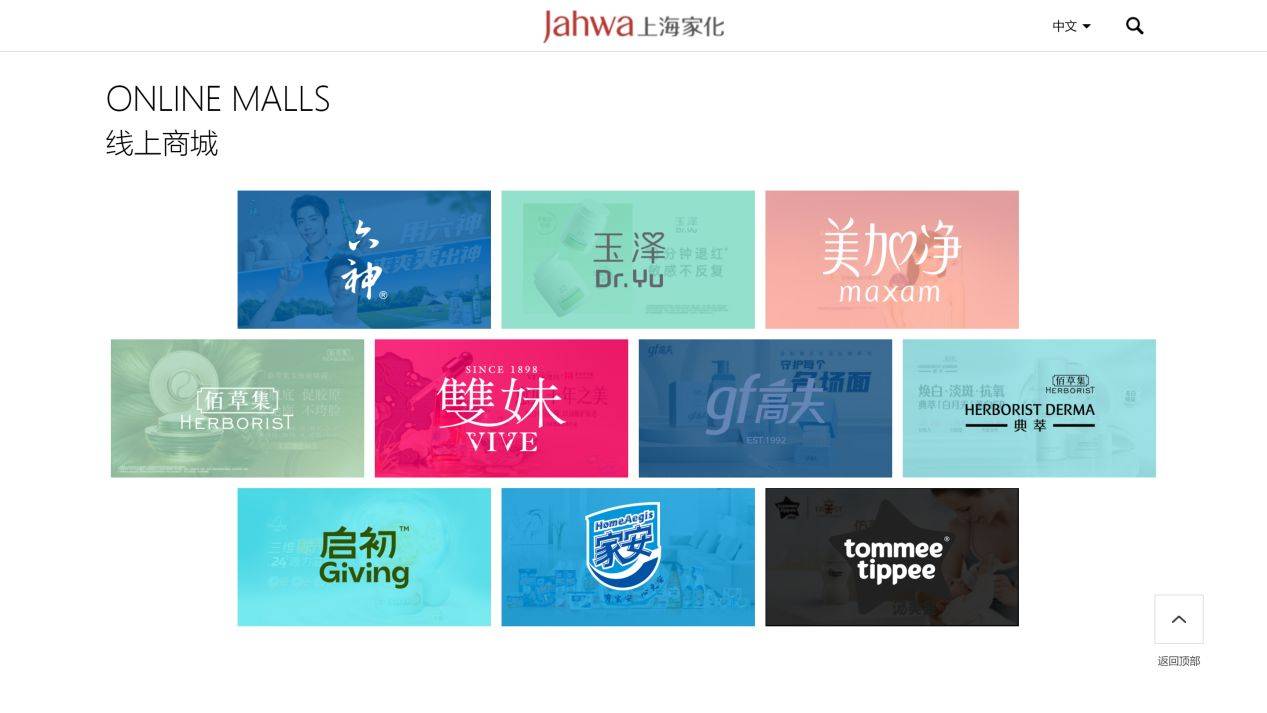
Core Viewpoint - Shanghai Jahwa has demonstrated significant improvement in its financial performance, with a notable revenue increase in the second quarter, reflecting the effectiveness of its ongoing reform strategies [5][20]. Financial Performance - In the first half of 2025, Shanghai Jahwa achieved a revenue of 3.48 billion yuan, representing a year-on-year growth of 4.8% [5]. - The net profit for the same period was 270 million yuan, showing an increase of 11.7% [5]. - The second quarter alone saw a remarkable revenue growth of 25.4%, with beauty product sales increasing by 55.7% across all channels [5]. - Online sales across all brands in China recorded a 34.6% year-on-year growth [5]. - Accounts receivable decreased by 25.7%, and inventory reduced by 20.6%, while operating cash flow rose by 39.7% year-on-year [5]. Strategic Focus - The company has implemented a "four focus" strategy, which includes enhancing organizational capabilities, brand building, channel optimization, and operational quality improvement [5][20]. Product Innovation - Shanghai Jahwa has successfully launched several star products, including an upgraded portable mosquito repellent from the Liushen brand, which topped the Tmall sales chart [7]. - The new "Qinghao" cream series from the maternal and infant brand Qichu has gained significant market traction, achieving double-digit growth despite industry challenges [13]. - The Baicaoji brand has revitalized its product line with the "New Seven White" series, leading to over 50% growth in the second quarter [11]. Brand Marketing and Channel Optimization - The company has made significant strides in brand marketing, with Liushen launching a Pokémon collaboration to attract younger consumers, resulting in over 30% sales growth during the 618 shopping festival [17]. - The high-end brand Shuangmei has successfully positioned itself in the premium market, achieving top sales in the high-end essence oil category during the 618 event [15][18]. - The company has enhanced its online presence through effective collaborations with influencers and targeted marketing strategies, leading to substantial increases in brand visibility and sales [18]. Future Outlook - Looking ahead, Shanghai Jahwa has clear plans to maintain its growth momentum, focusing on product innovation and market trend alignment to solidify its position as a leading domestic brand [20].

上海家化上半年净利润同比增长11.7% ,核心品牌发力
Zheng Quan Shi Bao Wang· 2025-08-21 13:34
Core Insights - Shanghai Jahwa reported a revenue of 3.48 billion yuan for the first half of 2025, representing a year-on-year growth of 4.8%, and a net profit of 270 million yuan, up 11.7% year-on-year [1] - The company experienced significant growth in the second quarter, with revenue increasing by 25.4% year-on-year, driven by a 55.7% increase in beauty product sales across all channels and a 34.6% increase in online sales across all domestic brands [1] - Shanghai Jahwa's operational efficiency improved, with accounts receivable down 25.7%, inventory down 20.6%, and operating cash flow up 39.7% year-on-year [1] Brand Performance - The Six God brand focused on "professional mosquito repellent technology" and "youthful image rebranding," launching an upgraded portable mosquito repellent product that topped the Tmall mosquito repellent sales chart [2] - The Yuze brand achieved double-digit revenue growth and held a professional summit on skin barrier, collaborating with medical experts to deepen the "medical-research co-creation" model, resulting in the publication of 8 clinical research papers [2] - The Baicaoji brand saw over 50% year-on-year revenue growth, with its flagship product "Baicaoji White Mud" ranking first in the Douyin beauty, freckle removal, and brightening mask categories for 11 consecutive days during the 618 shopping festival [2] Channel Strategy - Shanghai Jahwa continued to enhance its online capabilities and optimize online channel strategies [2] - In terms of offline channels, the company focused on operational optimization and efficiency improvements, adding 40 new growth channel distributors and expanding its terminal presence to 41,000 stores [2]
医研共创赋能科学传播,绽妍如何成为皮肤科医生临床选择TOP3?
Zhong Guo Chan Ye Jing Ji Xin Xi Wang· 2025-08-20 03:17
Core Insights - Scientific communication has become a key element for brand development in the beauty industry, as consumer demand for skincare knowledge and product efficacy continues to grow [1] - The current state of scientific communication among beauty brands is inconsistent, with many brands struggling to effectively convey their scientific narratives, leading to a lack of innovation and reduced conversion efficiency [1] Group 1: Brand Positioning and Market Recognition - Zhenyan has established itself as a leading brand in the field of dermatological skincare since its inception in 2015, focusing on skin barrier repair [2] - The brand's unique approach is characterized by a strong medical research background, with the founding team having nearly 30 years of experience in the pharmaceutical industry, which informs their rigorous product development process [2] - Zhenyan ranked in the top three choices of dermatologists for clinical skincare products, highlighting its professional standing and market recognition [4] Group 2: Product Development and Scientific Rigor - Zhenyan employs a biopharmaceutical research mindset in its product development, adhering to strict pharmaceutical-grade standards throughout the entire process, from ingredient selection to efficacy validation [2][12] - The brand has developed a unique three-force model for skin barrier repair, integrating various high-quality protein components to provide comprehensive skin barrier restoration [28] - Zhenyan's core ingredient, recombined mussel adhesive protein, has shown significant clinical efficacy in repairing damaged skin barriers and alleviating sensitivity and redness, supported by numerous academic publications [30][34] Group 3: Collaboration and Academic Engagement - Zhenyan actively collaborates with hospitals and academic institutions to enhance its product offerings and ensure they meet clinical needs, thereby creating a complete loop of medical research and innovation [10][12] - The brand has participated in various national and regional dermatology conferences to share academic findings and promote industry development [10] - Zhenyan has launched several scientific publications and guidelines in collaboration with dermatologists, further solidifying its authority in post-aesthetic care [24] Group 4: Consumer Engagement and Education - Zhenyan has initiated various consumer engagement activities, including skin health consultations and educational campaigns, to promote its skincare philosophy and enhance consumer understanding of skincare [27] - The brand has developed its own scientific communication IPs to disseminate skincare knowledge through various media formats, making professional skincare concepts more accessible to consumers [27]

深度 | 美妆如何攻克医美渠道“高墙”?
FBeauty未来迹· 2025-07-07 13:32
Core Viewpoint - The beauty industry is increasingly entering the medical aesthetics channel, with over 20 beauty brands adopting a dual beauty strategy of "medical aesthetics + beauty" to enhance their market presence and professional credibility [2][6][30]. Group 1: Market Overview - The medical aesthetics market in China is experiencing strong growth, with 18,584 compliant specialized medical aesthetics institutions reported as of January 2024 [6][7]. - The main active regions for medical aesthetics consumption are concentrated in the Pearl River Delta, Yangtze River Delta, and Chengdu-Chongqing areas [7][8]. Group 2: Industry Structure - Medical aesthetics institutions can be categorized into three types: public hospitals, large chain private hospitals, and small private hospitals and clinics [4][5]. - The development of the domestic medical aesthetics industry has gone through three main stages: initiation (1994-2000), gradual standardization (2000-2010), and rapid development (2010-present) [5]. Group 3: Brand Strategies - Many beauty companies have established significant medical aesthetics channel layouts, such as Huaxi Biological covering 7,000 medical institutions and Juzhi Biological entering approximately 1,700 public hospitals and 3,000 private hospitals and clinics [8][10]. - International beauty brands are also accelerating their medical aesthetics channel expansion, with brands like SkinCeuticals and Estée Lauder entering high-end medical aesthetics lines [10][12]. Group 4: Consumer Trends - There is a growing consumer demand for effective skincare solutions that combine beauty products with medical treatments, reflecting a trend towards the integration of lifestyle beauty and medical aesthetics [17][20]. - Consumers are increasingly seeking products with professional medical backing and comprehensive management solutions from pre-operative care to post-operative recovery [18][20]. Group 5: Challenges and Opportunities - Despite the initial success of some brands in the medical aesthetics channel, challenges remain, including product quality inconsistency and the need for effective consumer education [16][18][20]. - The dual beauty model is becoming a significant trend, with medical aesthetics companies also venturing into lifestyle beauty, leveraging their technical expertise and clinical data [22][23]. Group 6: Future Outlook - The competition in the medical aesthetics channel is expected to intensify, with beauty brands needing to establish unique advantages through solid technical research and deep medical collaboration [29][30]. - The future winners in this space will be those who can embed "professional trust" in the medical aesthetics channel and leverage "real clinical value" to gain endorsements from both doctors and consumers [30].
肌肤屏障修护,迎来“重组功能蛋白时间”
FBeauty未来迹· 2025-07-04 11:14
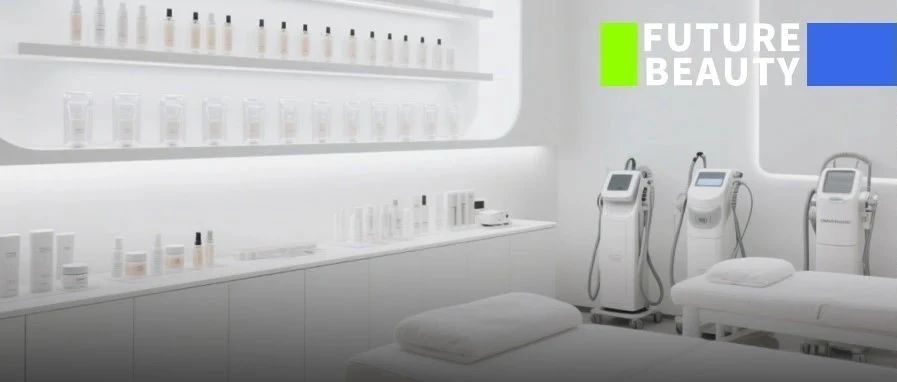
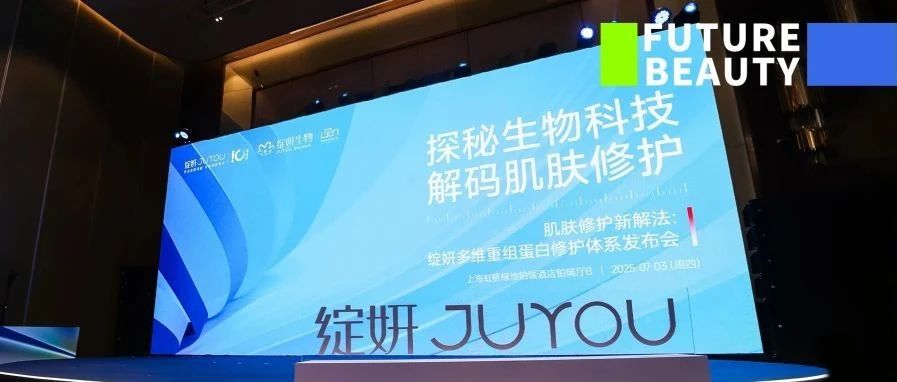
Core Insights - The phenomenon of recombinant collagen has ignited enthusiasm in both the market and research sectors, indicating the imminent explosion of the functional protein field, particularly in beauty and skincare [1][2] - The market demand for skin repair products is rapidly increasing, positioning recombinant functional proteins for a golden development period [4][7] Group 1: Market Trends and Consumer Demand - The demand for skin repair products has reached unprecedented levels, with a reported 33.81% year-on-year increase in online discussions about repair products, and 52% of consumers becoming heavy users of sensitive skin repair products [7][9] - The beauty market has entered an era where "everyone needs repair," highlighting the necessity for effective skin repair solutions [9][30] Group 2: Company Innovations and Research - Zhenyan Biotech has developed over 100 self-researched core ingredients for medical device products, focusing on skin barrier repair through synthetic biology [4][6] - The company has established a multi-dimensional recombinant protein repair system, leveraging its decade-long experience to pave a forward-looking path for the functional protein industry [2][13] Group 3: Scientific Foundations and Clinical Validation - Zhenyan Biotech's core philosophy for skin repair is "health first, beauty second," breaking down skin barrier reconstruction into three forces: tolerance, repair, and restoration [11][30] - The company has published nearly 30 academic papers and holds 10 patents related to recombinant mussel adhesive protein, demonstrating its commitment to scientific research and clinical validation [16][19] Group 4: Product Development and Market Position - Zhenyan Biotech has successfully created a product matrix that includes skin disease auxiliary treatment and repair series, addressing diverse consumer needs [25][27] - The company has been recognized as a leader in the Chinese recombinant mussel adhesive protein skincare market, achieving the highest online reputation for three consecutive years [21][30] Group 5: Future Outlook and Strategic Positioning - The development momentum in skin barrier repair and recombinant functional proteins remains strong, with Zhenyan Biotech establishing a robust brand identity centered on "professional repair" [32] - The company's innovative approach in the functional protein sector not only builds a differentiated barrier for its brand but also illuminates a viable path for the high-quality development of the recombinant functional protein industry [32]
复兴上海家化,林小海行不行?
Sou Hu Cai Jing· 2025-07-03 08:34
Core Viewpoint - Shanghai Jahwa's new CEO Lin Xiaohai is implementing significant reforms to revitalize the company amidst declining performance and increasing competition from international brands and emerging domestic products [1][8]. Group 1: Leadership and Strategy - Lin Xiaohai, with over 25 years of experience at Procter & Gamble, is focusing on brand consolidation and high-end product development [3][4]. - The company is eliminating underperforming sub-brands to concentrate resources on key brands like Six Gods, Baicaoji, and Yuze [4]. - A high-end product line, "Taiji Dan," is being launched under Baicaoji to compete with international brands [4]. Group 2: Operational Changes - The company is optimizing its distribution channels by closing inefficient stores and enhancing online sales, aiming for online revenue to exceed 50% by 2025 [4][10]. - A membership system is being established to improve customer retention and repurchase rates [5]. - The introduction of Procter & Gamble alumni into the management team is expected to enhance operational efficiency [6]. Group 3: Financial Performance - In 2024, Shanghai Jahwa reported a total revenue of 5.679 billion yuan, a year-on-year decline of 13.93%, and a loss of 833 million yuan, a significant drop of 266.60% [8]. - The Q1 2025 report shows a revenue decline of 10% to 1.704 billion yuan, but a profit turnaround to 217 million yuan, indicating a recovery compared to the previous year [10]. Group 4: Future Outlook - The company aims for a revenue target of over 9.5 billion yuan in 2025, with a net profit margin of 8% [15]. - Key brand revenue targets include 2.5 billion yuan for Yuze, 1.8 billion yuan for Baicaoji, and maintaining 3 billion yuan for Six Gods [15]. - The company plans to innovate in both offline and online channels, including the introduction of "smart beauty stores" and doubling GMV on Douyin to 2 billion yuan [15]. Group 5: Market Trends and Challenges - The market for functional skincare is expected to exceed 100 billion yuan by 2026, with "medical research collaboration" becoming a standard in the industry [13]. - International brands maintain a competitive edge in the high-end market, and domestic brands need to establish "technology + culture" barriers [13]. - Rising raw material costs and increasing online customer acquisition costs are significant challenges [13].
林小海上任一周年,百年家化“基因觉醒”
FBeauty未来迹· 2025-06-27 12:31
Core Viewpoint - Shanghai Jahwa is undergoing a significant transformation, focusing on organizational restructuring and strategic repositioning to address challenges such as brand aging, channel mismatch, and insufficient online competitiveness [2][6][11]. Group 1: Leadership and Strategy - CEO Lin Xiaohai has set a new vision and restructured the company's governance and organization, emphasizing "brand" as the operational unit [7][10]. - Lin Xiaohai rated his performance at 79 out of 100, indicating both achievements and areas for improvement in the past year [6][11]. - The company has shifted from a "large and comprehensive" approach to a "small team operation," enhancing responsiveness and resource allocation [10]. Group 2: Operational Improvements - The company has optimized its organizational structure, including leadership changes in multiple business units and improving operational efficiency by reducing redundancy in roles [8][9]. - Inventory turnover efficiency has improved significantly, with the time for goods turnover reduced from 300 days to 89 days, leading to double-digit same-store sales growth [8][9]. - The company has also focused on cleaning up its overseas subsidiaries, particularly addressing losses in the UK subsidiary [8]. Group 3: E-commerce Performance - During the 618 shopping festival, several brands under Shanghai Jahwa saw substantial sales growth, with Yuze brand sales increasing over 20% and Six Gods over 30% [9]. - The company achieved a 17% year-on-year growth in GMV during the 2023 Double 11 shopping festival, reflecting the effectiveness of its reforms [9][11]. Group 4: Future Focus and Challenges - Moving into the second half of 2025, the company will enter a "deep water zone" of reform, facing internal and external pressures from market competition [13][16]. - The company aims to deepen its "four focuses" strategy: focusing on core brands, brand building, online growth, and efficiency [13][15]. Group 5: R&D Investment - Shanghai Jahwa has increased its R&D investment, with a 11.12% year-on-year growth in R&D expenses in Q1 2025 [19][20]. - The company is focusing on "R&D system + medical research collaboration + product innovation," establishing partnerships with hospitals to enhance product development [20][21]. - The R&D advantages are seen as a key differentiator, with a complete medical research chain and ongoing investment capabilities [26][27].

2024年中国化妆品年鉴509页
Sou Hu Cai Jing· 2025-06-06 11:30
Core Insights - The 2024 China Cosmetics Yearbook highlights a transformative phase in the cosmetics industry, shifting from rapid growth to high-quality development amid stricter regulations and rising consumer awareness [1][2][3] Regulatory Environment - In 2024, over 30 new regulatory policies were introduced by the National Medical Products Administration, focusing on raw material safety and efficacy claims [2][3] - New detection methods for banned ingredients were established, and illegal additives in products were strictly penalized [2] - A total of 432 batches of products were reported as non-compliant, with skincare (57%) and hair dye (19%) categories showing significant issues [2] Market Dynamics - The overall market size decreased slightly to 774.6 billion yuan, a year-on-year decline of 2.83%, with online sales channels accounting for 52.35% of the market [3][4] - Domestic brands captured 63.2% of the market share, surpassing foreign brands for two consecutive years, with companies like Proya and Han Shu leading in growth [4] - Skincare (64.5%) and makeup (15.7%) categories saw declines, while hair care (+4.1%), body care (+3.9%), and perfumes (+2.6%) experienced growth [5] Consumer Behavior - There is a notable shift towards rational consumption, with 52% of consumers making purchasing mistakes due to a lack of knowledge about sunscreen [6] - 67% of consumers are willing to pay a premium for products containing patented ingredients, indicating a willingness to invest in scientifically backed products [7] Technological Innovation - The use of biotechnological ingredients is on the rise, with an increasing number of new raw materials being registered [8] - AI is being utilized across the supply chain, from predicting ingredient efficacy to enhancing marketing strategies through tools like AI makeup try-ons [9] Scientific Communication - Scientific communication is becoming essential for rebuilding trust between brands and consumers, with policies encouraging companies to engage in educational outreach [10] - Brands are adopting transparent practices, such as Proya's interactive pop-up stores and collaborations with medical professionals to establish clinical guidelines [10] Future Outlook - By 2025, the industry is expected to see continued regulatory deepening, enhanced technological competitiveness, and expansion into international markets, particularly in ASEAN [11][12] - The transition from "traffic-driven" to "science-driven" strategies will be crucial for brands aiming to succeed in the evolving landscape [11]