多品牌策略

Search documents
老板电器(002508) - 2025年6月20日投资者关系活动记录表
2025-06-23 09:18
Group 1: Core Competitiveness and Market Adaptation - The company's core competitiveness lies in its dynamic adaptability to market changes, emphasizing a "healthy operation over scale expansion" philosophy [2] - The organization fosters a culture of empowerment to stimulate team autonomy, transitioning from a focus on product specialization to a multi-brand strategy to address market segmentation [2][3] - Management's primary responsibility is to keenly sense environmental changes and unify strategic direction [2] Group 2: Channel Strategy Transformation - The company is shifting from a channel-driven approach to a dual-driven strategy focusing on products and brands [3] - Previously reliant on real estate dividends for deep channel coverage, the company is now enhancing product innovation and brand building to stimulate demand [3] Group 3: Resource Allocation between R&D and Marketing - Product development is essential for consumer communication, requiring balanced investment in both R&D and marketing [4] - Effective marketing is crucial for converting high-quality products into sales, while a strong product foundation supports brand sentiment [4] Group 4: Internationalization Strategy - The company identifies three key opportunities for globalization: scale support for resource investment, supply chain optimization to reduce manufacturing costs, and a shift from recruiting distributors to establishing direct subsidiaries [5] - A dual approach of "self-built + acquisition" is being pursued to establish direct operations in Southeast Asia and North America while seeking acquisitions that complement the main business [5] Group 5: Multi-Brand Strategy and High-End Positioning - The "Boss" and "Mingqi" brands are distinctly positioned, with "Boss" focusing on high-end specialty stores and "Mingqi" targeting lower-tier market distribution [6] - Differentiated product design and channel strategies are employed to prevent cognitive conflicts between the two brands [6] Group 6: Competitive Advantages Against Comprehensive Appliance Brands - The company maintains three competitive advantages: comprehensive coverage of kitchen appliance product lines, cost advantages from self-built supply chains, and a deep understanding of cooking scenarios [7] - The company’s terminal stores enhance consumer recognition through "professional experience zones," reinforcing its image as a technology leader [7] Group 7: Balancing Growth and Profitability - The company emphasizes dynamic adjustments in operations, focusing on scale growth during transformation phases and optimizing profit quality during stabilization [7] - Current efforts are directed towards creating new demand in existing markets, moving away from reliance on real estate dividends and adopting user operation models from fast-moving consumer goods companies [7]

蔚來:香港及中國市場日報-20250605
新华汇富· 2025-06-05 07:15
Investment Rating - The report assigns a rating of "Hold" for NIO Inc. (9866 HK) with a current share price of HK$27.95 and a market capitalization of HK$628 billion [1] Core Insights - NIO's revenue met expectations with a year-on-year increase of 22% to RMB 12 billion, driven by a 40% increase in delivery volume to 42,000 vehicles. However, net losses expanded by 19% year-on-year to RMB 6.9 billion due to a 47% increase in selling and administrative expenses [1] - The introduction of new brands "Firefly" and "Ladao" is expected to drive growth in the second quarter, with projected delivery volumes of 72,000 to 75,000 vehicles, representing a year-on-year increase of 25.5% to 30.7% [1][2] - NIO's cash reserves decreased by 38% quarter-on-quarter and 43% year-on-year to RMB 26 billion as of March 2025, following a HK$4 billion equity placement [2] Summary by Sections Financial Performance - NIO's average selling price (ASP) has been under pressure, declining for nine consecutive months, with a 15% year-on-year drop in May to RMB 236,000. Despite a 2.7 percentage point increase in gross margin to 7.6%, the company continues to face significant losses [1] Product Strategy - The launch of upgraded models ES6, EC6, ET5, and ET5T in May is anticipated to alleviate gross margin pressures, with management expecting a return to double-digit gross margins in the second quarter. The Ladao brand is set to introduce competitive models targeting large families in the third and fourth quarters [2] Market Outlook - The report suggests that NIO's multi-brand strategy is effectively addressing diverse market demands, with strong initial sales from the Firefly and Ladao brands. However, achieving the fourth-quarter delivery target may be challenging [2]
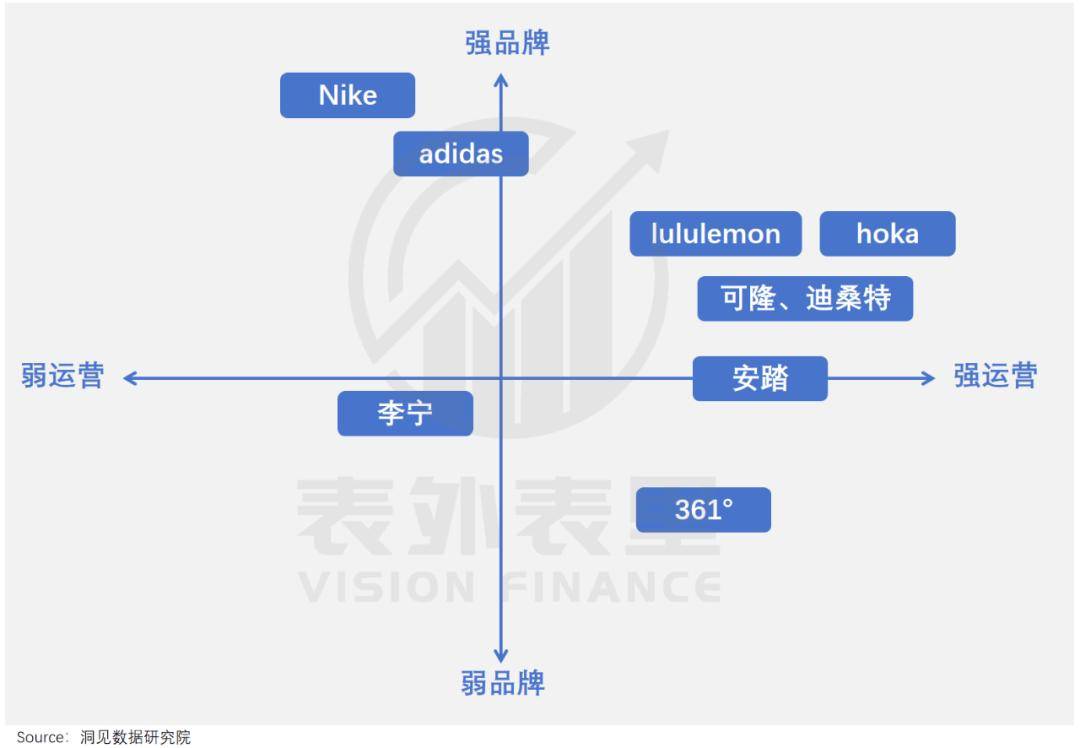
“品牌”败给“运营”?耐克如何一步步失去中国市场王座
Sou Hu Cai Jing· 2025-05-23 11:20
Core Insights - The competition in the Chinese sportswear market has intensified over nearly two decades, with domestic brands like Li Ning and Anta rising to prominence against international giants like Nike and Adidas [1][2][3] - Anta has successfully implemented a multi-brand strategy, acquiring well-known brands such as FILA and Arc'teryx, which has diversified its product line and attracted various consumer groups [1][3] - Nike's strategies, including reviving classic styles and increasing marketing efforts, have not yielded the desired results, leading to a decline in brand influence due to market saturation and consumer fatigue [2][3] Group 1: Domestic Brands - Domestic brands have shown resilience and adaptability, focusing on precise market positioning and operational strategies to capture consumer attention [3][5] - Anta's growth trajectory has been marked by strategic partnerships and innovative marketing approaches, enhancing brand recognition and reputation [1][3] - The evolving consumer preferences and intensified competition are driving significant changes in the sportswear market, necessitating continuous innovation from domestic brands [3][5] Group 2: International Brands - International brands like Nike are facing challenges due to rigid operational strategies and a lack of responsiveness to market demands compared to domestic competitors [2][3] - Nike's reliance on brand power and classic products has hindered its ability to adapt to the diverse needs of the Chinese market [2][3] - For international brands to regain their footing in China, a reevaluation of their operational strategies and market positioning is essential [3]



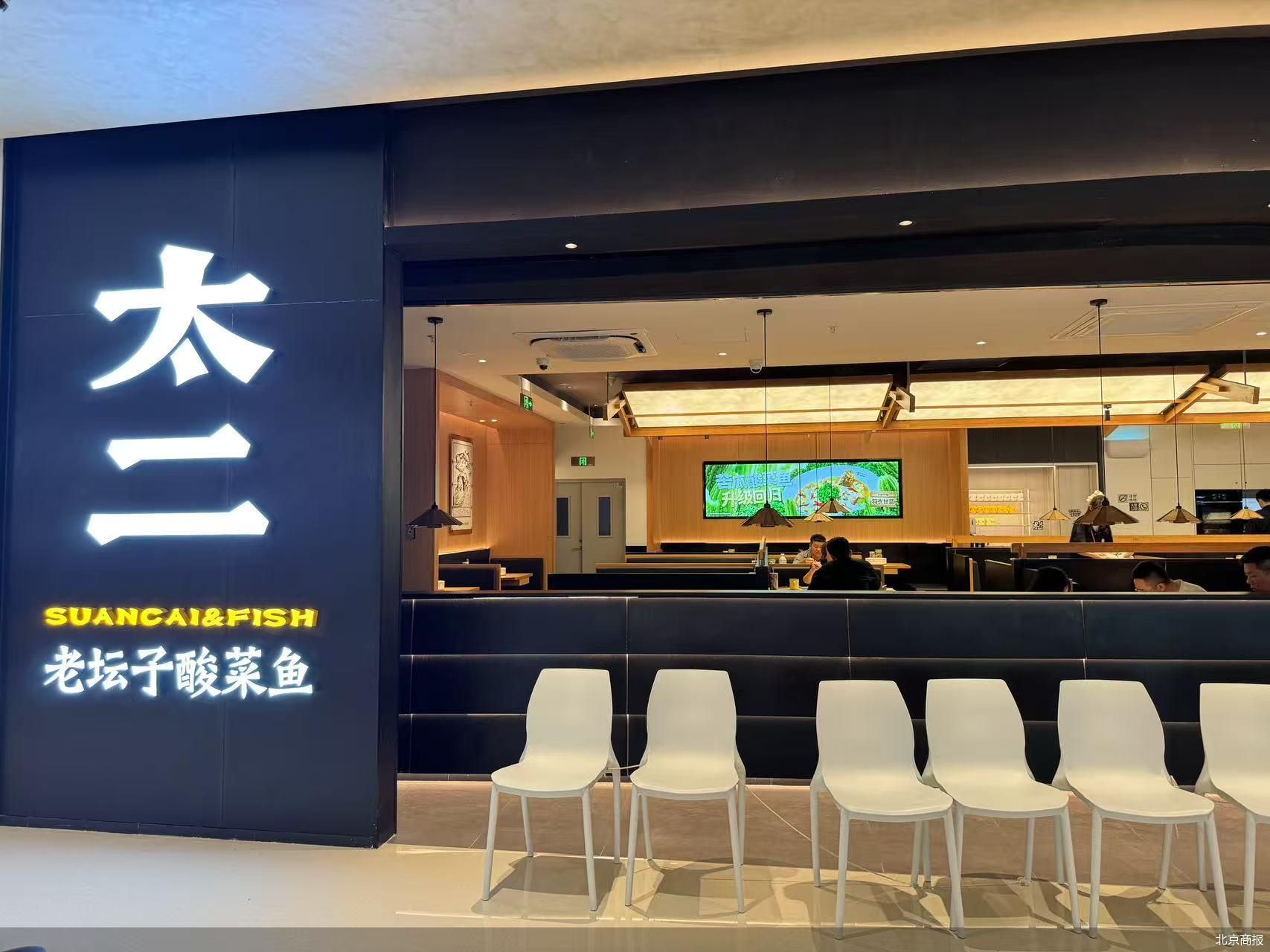
百变餐饮 向阳而生|太二爆改 酸菜鱼不再是唯一招牌、强调鲜活现做
Bei Jing Shang Bao· 2025-04-17 09:13
开栏语:商圈餐馆快速迭代、菜单按季节上新、高端餐饮日趋亲民、自助餐厅增设单点服务……在消费领域,餐饮的创新性可谓最活跃,也是消费活力最直 接的晴雨表。在提振消费的浪潮下,本系列策划意在挖掘餐饮人在新经济周期下探寻行业新突破口,展现餐饮行业"百变"背后的生命力。 九毛九(广州)控股有限公司(以下简称"九毛九")旗下支柱品牌开始爆改。近日,太二酸菜鱼(以下简称"太二")对广州三家门店进行了改造,将鲜活作 为新招牌,尝试更多新菜品,酸菜鱼不再是唯一招牌产品。取消特殊用餐规则、尝试外卖卫星店、开放加盟等等,太二近几年动作频频,这也与品牌甚至是 集团面临着业绩压力有关。业内人士指出,消费市场竞争格局加速迭代、消费分层持续深化,太二调整是顺应市场变化的必然之举。就整个集团而言,九毛 九需统筹资源,最大化发挥各品牌优势。 升级门店 增加招牌产品 太二尝试贴上更多爆品标签。近日,北京商报记者发现,太二在广州对三家门店进行了调整,相较于其他门店统一的酸菜鱼产品头像,这三家门店将点评平 台上的商家头像换为了写有"太二鲜活升级"的图片,主打"活鱼每日到店""鲜牛肉鲜切现做""鲜鸡每日送达"。 升级后的太二不再将酸菜鱼作为单一招牌产 ...