孤立主义

Search documents
美国留下的三把“空椅子”
Xin Hua She· 2025-11-20 14:46
Group 1 - The article highlights the absence of the United States in three significant global governance discussions, symbolized by three "empty chairs" in Brazil, Switzerland, and South Africa, representing a retreat from climate, human rights, and economic governance [1][2][3] - In Brazil, the U.S. delegation was notably absent from the UN Climate Change Conference, which is seen as a disregard for the principle of "common but differentiated responsibilities" in addressing climate change [1] - The U.S. also missed a crucial human rights review in Geneva, marking a historic absence that has led to a stalemate in the review process, undermining its previous role as a self-proclaimed human rights judge [2] Group 2 - At the G20 summit in South Africa, the U.S. absence was particularly striking, as it missed an opportunity to engage in discussions on debt relief and multilateral reforms, reflecting a prioritization of its own interests over global cooperation [2][3] - The article suggests that the U.S. is attempting to counter a multipolar world through isolationist policies, viewing international rules as constraints rather than foundations for peace and development [3] - The empty chairs symbolize a significant shift in global governance dynamics, allowing for more diverse voices to emerge in international discussions, as emphasized by South African officials [3]
美国护照首次跌出“全球前十”,美媒:系近期系列签证政策变化叠加的结果
Huan Qiu Shi Bao· 2025-10-15 22:53
Core Insights - The latest "Henley Passport Index" indicates that the U.S. passport has fallen out of the top ten strongest passports globally for the first time, now ranking 12th alongside Malaysia, with visa-free access to 180 out of 227 tracked countries and regions [1][2] - The decline in the U.S. passport's ranking is attributed to recent changes in visa policies, including Brazil revoking visa-free status for U.S. citizens and new electronic visa systems in Somalia and Vietnam excluding the U.S. from their visa-free lists [1] Group 1 - The "Henley Passport Index" has been published for nearly two decades and ranks passports based on the number of destinations their holders can access without a visa, using data from the International Air Transport Association (IATA) [1] - The U.S. passport was ranked first in the index in 2014, highlighting a significant decline in its global standing over the years [1] - The index reflects a broader shift in global mobility and soft power dynamics, with countries embracing openness and cooperation advancing, while those clinging to past privileges fall behind [2] Group 2 - The decline in the U.S. passport's ranking coincides with the tightening of immigration policies during the Trump administration, which initially targeted illegal immigration but expanded to include tourists, workers, and students [2] - The trend of increasing isolationism in U.S. policy has contributed to the weakening influence of its passport, similar to other countries with high travel freedom but strict entry restrictions [2]
特朗普寡不敌众,4大盟友与美国反目,日媒:中国将是下个领导者
Sou Hu Cai Jing· 2025-08-19 07:59
Core Viewpoint - The article discusses the deterioration of trade relations between the United States and four countries: Spain, Switzerland, India, and Japan, as a result of Trump's tariff policies, which have led to significant backlash and countermeasures from these nations [1][3][5]. Group 1: Spain - Spain feels betrayed by Trump's tariff policies, which have become a significant burden on its economy [1]. - The Spanish government rejected Trump's demand to increase military spending to 5% of GDP, maintaining it at 2% [1]. - Spain canceled its plan to purchase F35 fighter jets, indicating a firm stance against U.S. pressure [1]. Group 2: Switzerland - Switzerland reacted strongly to nearly 40% tariffs imposed by the U.S., claiming unfair treatment due to a perceived trade deficit [3]. - The majority of Swiss exports to the U.S. consist of processed intermediate goods, such as gold and pharmaceuticals, rather than fully produced items [3]. - Switzerland is considering canceling its F35 fighter jet procurement plan, with a final decision expected in November [3]. Group 3: India - India, although not a formal ally, has been closely cooperating with the U.S. on issues related to China, but has become a target of Trump's tariffs [3]. - In response to U.S. dissatisfaction with India's oil trade with Russia, India decided to suspend the purchase of U.S. P8 patrol aircraft and canceled a planned visit from the U.S. trade representative [3]. Group 4: Japan - Japan believed it had reached a consensus with the U.S. on a 15% tariff cap, but the U.S. interpreted it as an additional tariff, leading to significant disagreements [5]. - Japanese Prime Minister Shigeru Ishiba felt embarrassed by the situation, as he had hoped for concessions from the U.S. in exchange for Japanese compromises [5]. - Japanese media expressed concerns about the potential rise of China as a global leader, reflecting dissatisfaction with U.S. tariff policies [5]. Group 5: Overall Implications - The reactions from these countries indicate that Trump's tariff policies are facing increasing resistance, which could lead to further isolation of the U.S. in global trade [5]. - If Trump continues to uphold the "America First" stance, more countries may turn against the U.S., potentially resulting in a shift towards isolationism [5].

美国发动关税战,成为新外交杠杆?美媒:要求韩国提高国防预算
Sou Hu Cai Jing· 2025-08-11 01:02
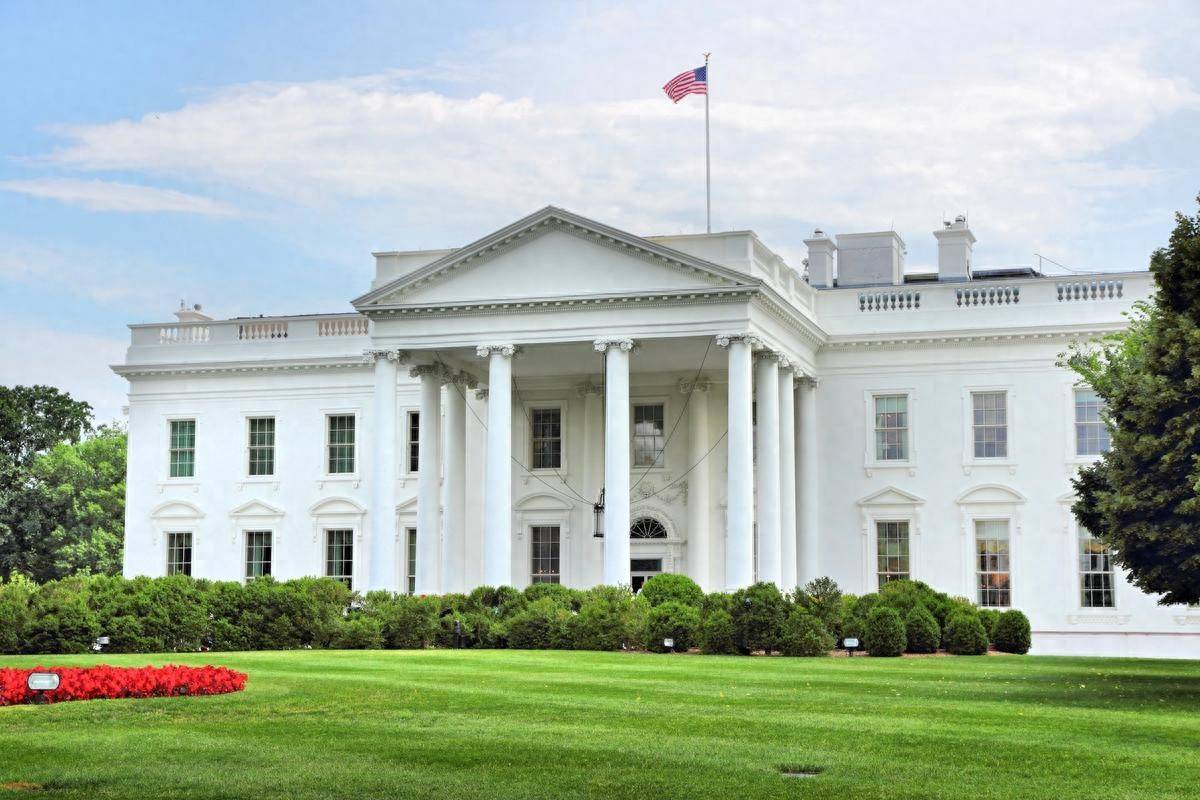
Group 1 - The United States is leveraging tariffs as a new diplomatic tool, pressuring South Korea to make concessions in various areas, including defense spending [1] - The U.S. has demanded South Korea increase its defense budget from 2.6% of GDP to 3.8%, effectively forcing South Korea to allocate more funds for defense [1] - The U.S. is also pushing for an increase in the cost-sharing for U.S. troops stationed in South Korea, with a demand of $1 billion for 2024 [3] Group 2 - The U.S. is adopting an isolationist approach, prioritizing its own interests, which includes demanding higher defense spending from South Korea and Japan [5] - South Korea's increased defense budget will benefit the U.S. as it purchases more military equipment, such as the F-35A fighter jets [5] - Japan is also under pressure to increase military spending and has committed to purchasing more U.S. weapons, indicating a deep military partnership [7] Group 3 - Despite the potential for increased tariff revenue, the U.S. is facing a significant national debt exceeding $37 trillion, highlighting a fiscal crisis [8] - The U.S. is trapped in a cycle of fiscal deficits, leading to the necessity of issuing more debt, which could have severe implications for the economy [8]
果然不出中国所料,特朗普对全球征税,高兴不到一天,噩耗就来了
Sou Hu Cai Jing· 2025-08-10 06:36
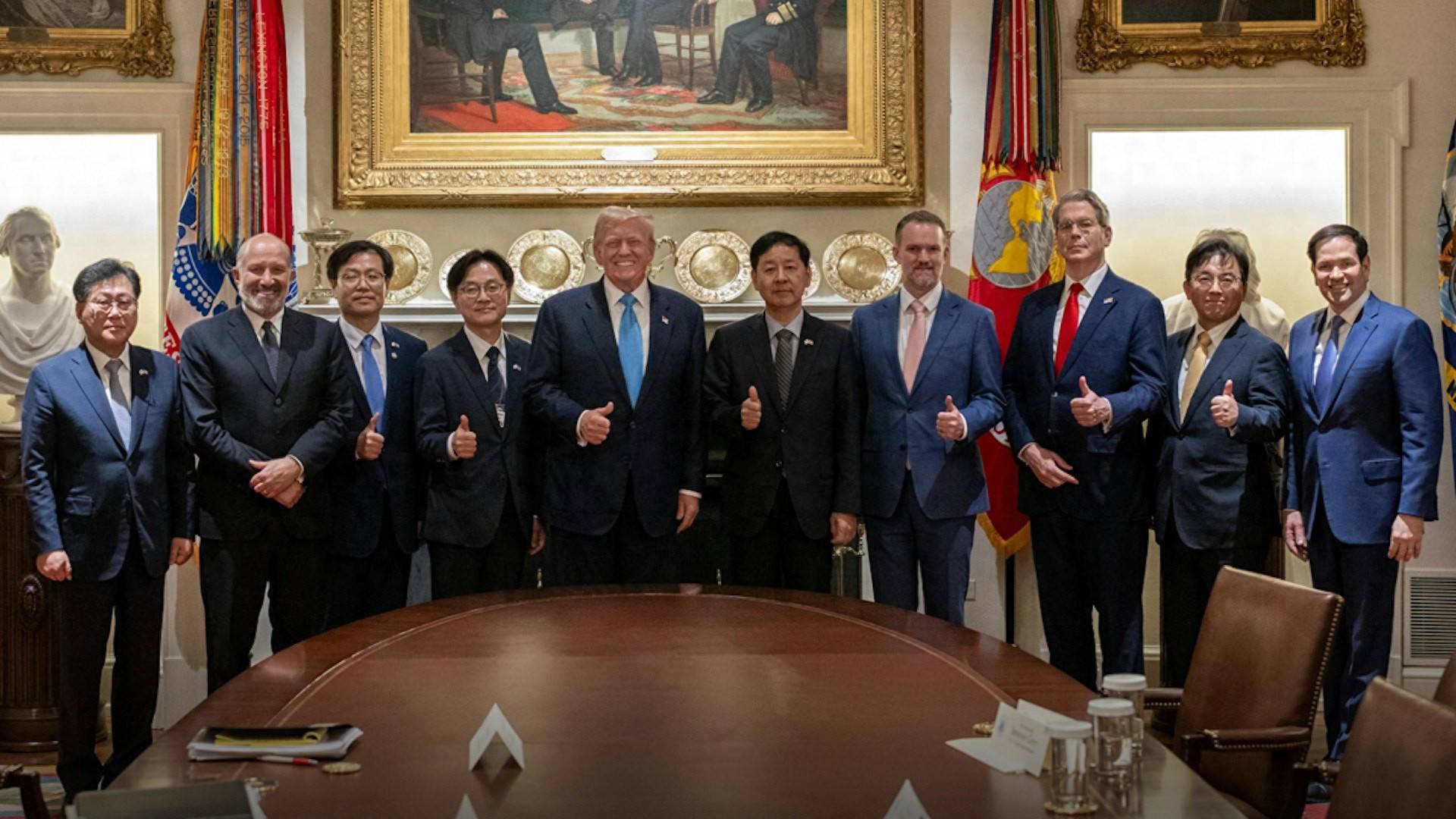
Group 1 - Trump's recent tariff policy has led to significant pressure on traditional allies like Japan, South Korea, and the EU, forcing them to comply with energy procurement contracts from the U.S. [1] - The new tariff rates, which can reach up to 41%, represent the highest import duties in nearly a century, with a minimum of 10% imposed on countries with trade surpluses with the U.S. [3] - The U.S. labor market showed signs of weakness, with a sharp decline in non-farm employment and an increase in the unemployment rate, indicating economic fragility [5] Group 2 - Trump's accusations against the Labor Department's data, labeling it as fabricated, reflect his frustration with the economic situation and his attempts to shift blame to the Biden administration [7] - The resignation of Federal Reserve Governor Kugler led to volatility in the bond market, with a drop in short-term Treasury yields, adding to market uncertainty [9] - A recent poll indicated Trump's approval rating has fallen to 40%, the lowest since his return to the political scene, highlighting increasing partisan divisions in the U.S. [10] Group 3 - Despite claims of attracting significant energy orders and manufacturing investments, global markets remain skeptical of Trump's protectionist policies, which may hinder the stability of the U.S. unemployment rate [11] - The U.S. economy is on the brink of recession, with the Federal Reserve's rate cuts failing to reverse the downward trend [12] - The U.S. has been overly critical of China's manufacturing sector, while major investment banks express optimism about China's capacity reduction policies, contrasting with the uncertain economic outlook for the U.S. [13] Group 4 - The increase in tariffs has raised production costs without enhancing product competitiveness, leading to a capital shortage in the U.S. market [14] - Although tariffs have temporarily filled the U.S. treasury, they are unlikely to change the long-term trend of economic decline [14] - The challenge remains for the U.S. manufacturing sector to regain its former glory amidst a landscape of dwindling investments [16]
“乌克兰遭很严重打击” 美批准3.22亿美元对乌军售
Xin Hua She· 2025-07-24 07:45
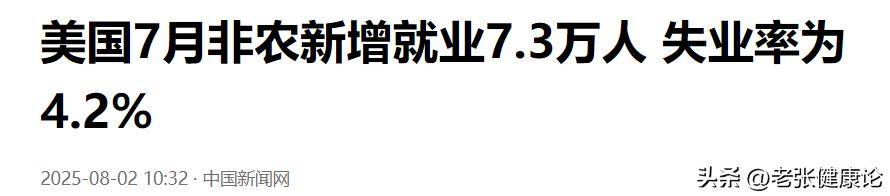
Group 1 - The U.S. State Department has approved a military sale totaling $322 million to Ukraine, which includes "Stinger" air defense missile systems and "Bradley" infantry fighting vehicles [1][3] - The military sale consists of $172 million for the "Stinger" missile system and its maintenance services, and $150 million for the "Bradley" vehicles along with maintenance, repair, and upgrade services [3] - President Trump stated that Ukraine is currently facing severe attacks, necessitating the shipment of more weapons, primarily defensive ones [3] Group 2 - The recent military aid approval follows a previous sale of approximately $310 million for F-16 aircraft parts and associated training and maintenance services [3] - There are indications that the costs of the latest military sale may be covered by European allies, as Trump has suggested that they should bear the financial burden of U.S. military support to Ukraine [3] - The Trump administration's military aid policy towards Ukraine has been inconsistent, with recent pauses in aid due to political pressures from isolationists within the government and Congress [8]
西班牙媒体:美国“孤岛心态”令全世界厌烦
Huan Qiu Shi Bao· 2025-07-23 22:42
Group 1: U.S. Isolationism and Global Perception - The article discusses the U.S. isolationist attitude, characterized by a focus on domestic issues and a lack of interest in international relations, which has led to a negative global perception of the country [1][2] - A recent survey by the Pew Research Center indicates that 80% of respondents in Spain hold a negative view of President Trump, reflecting a broader trend across Europe, with only Hungary showing a slight support for him [2] - The article highlights that the current U.S. administration's policies, particularly in humanitarian aid, have further damaged the country's image internationally [3] Group 2: Impact on U.S. Tourism and Education - The U.S. government's actions have negatively impacted its global image, particularly in the tourism sector, with the World Travel and Tourism Council reporting that the U.S. will be the only country to see a decline in foreign tourist spending this year [4] - The decline in U.S. tourism is attributed to the government's restrictive policies and legal issues surrounding the recruitment of foreign students, which diminishes the appeal of U.S. educational institutions [4] - The article notes that international tourist arrivals in the U.S. are only at 80% of 2019 levels, indicating a significant drop in interest from foreign visitors [4] Group 3: Trade Policies and Tariffs - The article points out that the average tariff in the U.S. has increased from 1.5% to 16.6% over the past six months, marking the highest level in a century [5] - The U.S. government's abrupt shifts in domestic and foreign policies are likened to a large ship capsizing, affecting international trade relations and perceptions [5] - There is an expectation that tariffs may continue to rise unless extensions are granted before the upcoming deadline for trade agreements [5]
中国取消非洲对华出口关税与美国非洲峰会“包厢局”:阿凡提二选一
Sou Hu Cai Jing· 2025-07-17 16:21
Group 1 - The core point of the news is China's announcement to negotiate and sign a new economic agreement with all 52 African countries that have diplomatic relations with China, which will exempt all export tariffs to China [1][3] - China is prepared to welcome high-quality African products into its market, while also committing to additional support for the least developed countries to help them compete in an open market [3][4] - The new measures are seen as particularly beneficial for relatively developed African countries with industrialized manufacturing bases, allowing them to take advantage of the large Chinese market [3][4] Group 2 - The total trade volume between China and Africa has been rapidly increasing, with a trade surplus for China reaching $62 billion in 2024, raising concerns about potential stagnation in bilateral trade as African purchasing power peaks [4] - In the context of a fragmented global supply chain and trade wars, China aims to extend its manufacturing chain into lower-cost labor regions, thereby reducing production costs and expanding its economic influence [4][10] - Analysts suggest that China's strategy is a calculated move to enhance its market base and economic power, positioning itself as a dominant player in Africa [4][10] Group 3 - The U.S. has previously implemented the African Growth and Opportunity Act (AGOA), which allowed certain African countries to export to the U.S. duty-free, but this program is facing challenges and may not be renewed [5][6] - The recent U.S.-Africa summit was notably smaller in scale, with only five African countries participating, raising questions about the effectiveness of U.S. engagement in Africa [6][7] - Trump's administration has been criticized for its lack of substantial support for African countries, focusing instead on selective partnerships that align with U.S. economic interests [8][9] Group 4 - China has established itself as the largest trading partner for the majority of African countries, with 52 out of 54 countries trading more with China than with the U.S. as of 2023 [12] - China's investments in infrastructure and strategic sectors in Africa have solidified its dominant position, contrasting with the U.S.'s declining influence in the region [12][10] - The ongoing competition between China and the U.S. in Africa highlights the strategic importance of the continent in global economic dynamics [10][12]

专访丨文明对话是化解危机的“金钥匙”——访伊拉克库尔德斯坦共产党前总书记卡瓦·马哈茂德
Xin Hua Wang· 2025-07-11 13:12
Group 1 - The global civilization dialogue ministerial meeting successfully held is a significant practice of the global civilization initiative, promoting the exchange and mutual learning of world civilizations and human progress [1][2] - The development of civilization has historically been an open and inclusive process, where dialogue is essential for eliminating misunderstandings and overcoming barriers between different civilizations [1] - The current complex global situation, characterized by regional conflicts, poses a challenge to global stability and peace, with some countries promoting isolationism and the theory of civilization conflict [1] Group 2 - The global civilization initiative emphasizes the common attributes of civilization, advocating for mutual respect and exchange among different civilizations, and highlights the importance of dialogue and cooperation in resolving conflicts [1] - China has historically been a practitioner of civilization dialogue and mutual learning, serving as a bridge for cultural exchange between the East and West [2] - The theme of the global civilization dialogue ministerial meeting is "Maintaining Human Civilization Diversity and Promoting World Peace and Development," with over 600 attendees from around 140 countries and regions [2]
美盟友跳反,特朗普紧急发声!日本前首相:中日韩团结的时刻到了
Sou Hu Cai Jing· 2025-07-08 13:05
Group 1 - The U.S. is set to impose new tariffs on exports from various countries starting August 1, with specific rates to be communicated in letters sent out on July 4 [1] - The deadline for countries to negotiate trade agreements with the U.S. is July 9, after which tariffs will be directly set by the U.S. if no agreement is reached [1] - The U.S. tariff policy is expected to continue beyond Trump's presidency, with businesses advised to prepare for a long-term increase in export costs to the U.S. [3] Group 2 - The EU, Japan, and South Korea have expressed strong opposition to the U.S. tariffs, with significant potential losses for Japanese and European car manufacturers [5] - Japan's automotive industry could face tariffs as high as 25%, while European companies could incur losses exceeding €210 billion [5] - The geopolitical landscape is shifting, with Japan and other U.S. allies seeking greater strategic autonomy and cooperation among East Asian nations [3][8] Group 3 - Trump's comments on Japan's rice supply issues have sparked significant media attention in Japan, highlighting the sensitivity of agricultural trade in the country [6] - Japan's government has firmly stated it will not compromise its agricultural interests in trade negotiations with the U.S. [6] - The dynamics between the U.S. and its East Asian allies are evolving, with countries like South Korea and Japan increasingly asserting their independence from U.S. influence [8]