
强农惠农富农政策

Search documents
农业农村部:加力实施新一轮千亿斤粮食产能提升行动 加快推进高水平农业科技自立自强
Di Yi Cai Jing· 2025-10-24 13:20
Core Viewpoint - The Ministry of Agriculture and Rural Affairs emphasizes enhancing agricultural production capacity and quality, promoting various forms of agriculture, and ensuring sustainable rural development [1] Group 1: Agricultural Development - The meeting highlighted the need to improve agricultural comprehensive production capacity and quality efficiency [1] - There is a strong focus on developing technological, green, quality, and brand agriculture [1] - A new round of actions to increase grain production capacity by a billion jin is being implemented [1] Group 2: Poverty Alleviation and Rural Support - Continuous efforts are required to consolidate and expand the achievements in poverty alleviation [1] - Establishing a mechanism to prevent large-scale poverty and enhancing support policies are crucial [1] - The focus is on strengthening assistance in key areas to ensure no large-scale return to poverty occurs [1] Group 3: Rural Development and Environment - The experience from the "Ten Thousand Projects" initiative will be utilized to promote livable and workable beautiful villages [1] - There is a push to develop rural industries that benefit the population and improve rural living environments [1] - Efforts will be made to cultivate a civilized rural culture and create quality living spaces in the countryside [1] Group 4: Policy and System Improvement - Enhancing the effectiveness of agricultural support and protection policies is a priority [1] - The aim is to promote urban-rural integration and improve the modern agricultural management system [1] - Further rural reforms are necessary to unleash development potential and allow farmers to share in modernization benefits [1]
“真金白银”支持“工具箱”帮扶 强农惠农富农让亿万农民得实惠
Yang Shi Wang· 2025-09-17 03:03
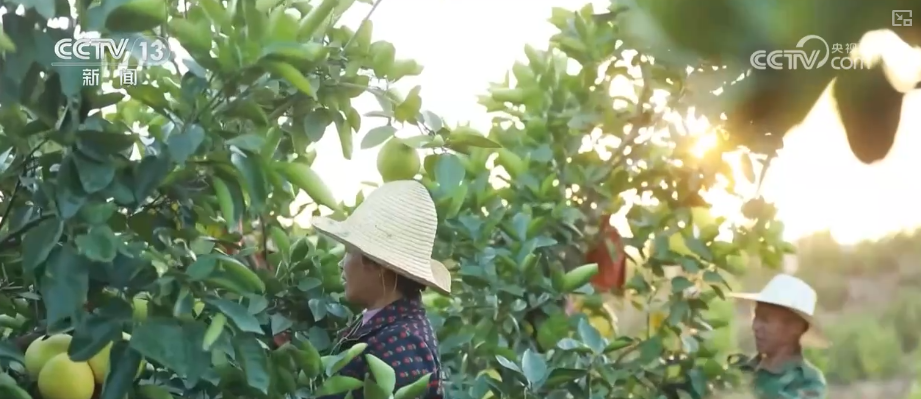
Core Viewpoint - The Chinese government has made significant progress in consolidating and expanding the achievements of poverty alleviation during the "14th Five-Year Plan" period, ensuring that large-scale poverty does not reoccur [1][3]. Group 1: Poverty Alleviation Measures - A comprehensive monitoring and support mechanism to prevent poverty has been established, with an average of 3-5 support measures provided to at-risk individuals [3]. - The Ministry of Agriculture and Rural Affairs has implemented various measures such as industry subsidies, employment support, and medical insurance subsidies to ensure early detection and intervention [5]. - The scale of migrant workers from poverty alleviated areas has remained above 30 million annually, supported by collaboration from eastern provinces, central units, enterprises, and social organizations [8]. Group 2: Financial Support and Investment - The central government has allocated a total of 850.5 billion yuan in support for rural revitalization during the "14th Five-Year Plan" period [12]. - National fiscal spending on agriculture, forestry, and water affairs has reached 10.8 trillion yuan, focusing on food security and implementing various subsidies for staple crops [15]. - Financial resources have been directed towards rural infrastructure projects, including sanitation, water supply, and educational facilities [18]. Group 3: Agricultural Development - The government supports the establishment of 210 characteristic industrial clusters, 250 modern agricultural parks, and 1,098 strong agricultural towns during the "14th Five-Year Plan" [21]. - The projected revenue from leisure agriculture is expected to reach approximately 900 billion yuan in 2024, with a significant increase in the number of agricultural leading enterprises [23]. - A pilot program for extending land contracts for an additional 30 years has been initiated in several provinces to ensure stability for farmers [24].

农业农村部重申:不允许城镇居民到农村购买农房、宅基地
21世纪经济报道· 2025-09-16 10:27
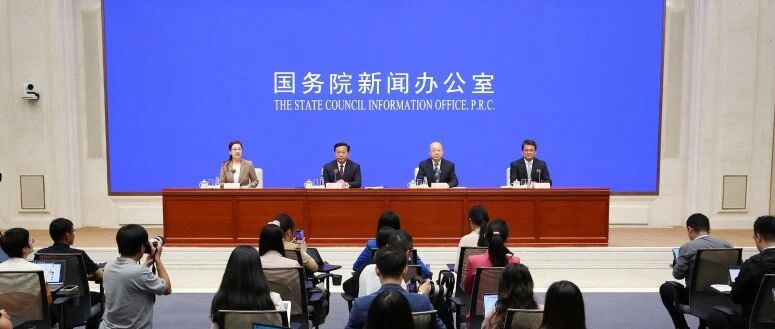
Core Viewpoint - The article discusses the achievements and policies of China's agricultural and rural development during the "14th Five-Year Plan" period, emphasizing the implementation of strong agricultural support policies and the importance of maintaining stability in rural land and property rights [1][3]. Group 1: Strong Agricultural Support Policies - The government has introduced a series of policies categorized into four main areas to support agriculture and rural development [1]. - The first focus is on ensuring stable and safe supply of grain and important agricultural products, with a comprehensive support policy system including subsidies, prices, and insurance [1]. - Key measures include increasing the minimum purchase prices for major grain crops and enhancing the central subsidy standards for high-standard farmland construction from around 1000 yuan per mu to over 2000 yuan per mu [1]. Group 2: Infrastructure and Public Services - The second focus is on improving rural infrastructure and public service levels, with agriculture and rural areas prioritized in the general public budget [2]. - Increased financial support is allocated for projects such as rural toilet renovations, water supply security, and the construction of rural sewage treatment facilities [2]. - The government employs a "reward instead of subsidy" approach to support the construction and maintenance of ordinary provincial roads and rural roads [2]. Group 3: Industrial Revitalization - The third focus is on enhancing quality and efficiency to promote rural industrial revitalization, with a three-year action plan for the development of the agricultural product processing industry [2]. - By 2024, revenue from large-scale agricultural processing enterprises is expected to reach around 1.8 trillion yuan, with numerous agricultural industry integration projects being implemented [2]. - The government supports the establishment of various agricultural industry clusters and promotes new industries such as rural e-commerce and leisure agriculture, which generated approximately 900 billion yuan in revenue last year [2]. Group 4: Stability and Rights Protection - The fourth focus is on maintaining stability and protecting farmers' legitimate rights, ensuring that rural land contracts remain stable and are extended appropriately [3]. - The government emphasizes the principle of voluntary and compensated land transfer, prohibiting forced land circulation and respecting farmers' wishes [3]. - Policies are reiterated to prevent urban residents from purchasing rural housing and land, and to ensure that farmers can utilize their idle properties through legal means [3]. Group 5: Financial Investments - Since the beginning of the "14th Five-Year Plan," total fiscal expenditure on agriculture, forestry, and water affairs has reached 10.8 trillion yuan, with 2.7 trillion yuan allocated for 2024 [4]. - Fixed asset investment in the primary industry amounts to 5.47 trillion yuan, and the balance of agricultural loans is 53.19 trillion yuan [4][5]. - The proportion of land transfer income used for agriculture and rural development has exceeded 10% nationwide [5].
农业农村部重申:不允许城镇居民到农村购买农房、宅基地
2 1 Shi Ji Jing Ji Bao Dao· 2025-09-16 06:24
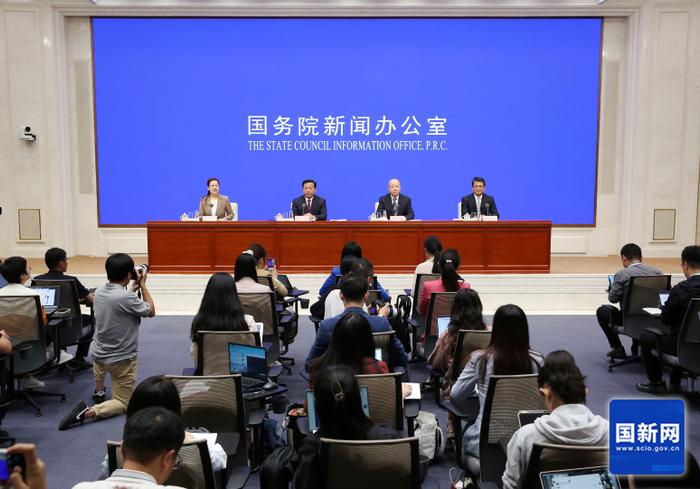
Core Viewpoint - The press conference highlighted the achievements in agricultural and rural development during the "14th Five-Year Plan" period, emphasizing the implementation of strong policies to support farmers and rural areas [1][3]. Group 1: Policy Framework - The agricultural policies are categorized into four main areas: ensuring stable supply of food and important agricultural products, improving rural infrastructure and public services, enhancing the quality and efficiency of rural industries, and maintaining stability to protect farmers' rights [1][3][4]. Group 2: Food Security and Support Policies - The Ministry of Agriculture and Rural Affairs focuses on food security by establishing a comprehensive support policy system that includes subsidies, pricing, and insurance, with continuous increases in minimum purchase prices for major crops over the past five years [3][4]. - The central government has raised the subsidy standard for high-standard farmland construction from approximately 1,000 yuan per mu to over 2,000 yuan per mu, enhancing resilience against natural disasters [3][4]. Group 3: Infrastructure and Public Services - Significant investments are being made in rural infrastructure and public services, with the government prioritizing agricultural and rural development in the general public budget [3][4]. - Financial support is allocated for projects such as rural toilet renovations, water supply security, and the construction of sewage treatment facilities and health clinics [3][4]. Group 4: Rural Industry Revitalization - The government is promoting the development of rural industries, with a target revenue of approximately 18 trillion yuan for large-scale agricultural processing enterprises by 2024 [4]. - Initiatives include the establishment of 210 characteristic industrial clusters and 1,098 strong agricultural towns, alongside the growth of new industries like rural e-commerce and leisure agriculture, which generated around 900 billion yuan in revenue last year [4][5]. Group 5: Stability and Farmers' Rights - Policies are in place to ensure the stability of rural land contracts, with pilot programs extending land contracts for an additional 30 years in several provinces [5][6]. - The government emphasizes the importance of respecting farmers' rights, prohibiting urban residents from purchasing rural housing and land, and allowing farmers to utilize their idle properties through rental or cooperative means [5][6]. Group 6: Financial Investments - Since the beginning of the "14th Five-Year Plan," total fiscal expenditure on agriculture, forestry, and water affairs has reached 10.8 trillion yuan, with fixed asset investments in the primary industry amounting to 5.47 trillion yuan [6]. - The balance of agricultural loans stands at 53.19 trillion yuan, and over 10% of land transfer income is allocated to agricultural and rural development [6].
农业保险遥感技术迎来应用规范
Jin Rong Shi Bao· 2025-08-20 01:59
Core Points - The China Insurance Industry Association and the China Agricultural Risk Management Research Association have jointly released a series of standards for the application of remote sensing technology in agricultural insurance, specifically for rice, wheat, corn, and cotton [1][2] - The standards aim to enhance the accuracy of underwriting and claims assessment in agricultural insurance, reduce labor costs, and address discrepancies in data interpretation among remote sensing companies [1][2] Group 1 - The series of standards provides a scientific and applicable framework for the operational aspects of remote sensing technology in agricultural insurance, including data acquisition, processing, underwriting verification, and damage assessment [2] - The development of these standards took four years, involving feasibility studies, technical research, field meetings, and public consultations to ensure transparency and effectiveness [2] - The implementation of these standards is expected to facilitate the large-scale application of remote sensing technology in agricultural insurance, improve compliance, combat fraud, and enhance farmers' satisfaction and risk management capabilities [2] Group 2 - The standards will guide the industry in conducting agricultural insurance remote sensing work under a unified framework, reducing disputes in underwriting and claims [2] - The initiative aligns with national policies aimed at enhancing agricultural productivity and ensuring food security, contributing positively to the high-quality development of agricultural insurance [2]
记者手记 | 端牢中国饭碗有信心有底气
Zhong Yang Ji Wei Guo Jia Jian Wei Wang Zhan· 2025-06-01 00:25
Group 1 - The article highlights the importance of agriculture and the dedication of farmers, exemplified by Xu Zongxiang, who has spent decades cultivating wheat and is recognized as a prominent grain producer [1] - The summer harvest season showcases abundant wheat fields, with farmers expressing joy and pride in their work, reflecting their commitment to ensuring food security in China [1] - Farmers emphasize the value of land, with policies and reforms over the years significantly improving their rights and income, leading to a revitalized rural landscape [2] Group 2 - Government policies have provided substantial support to farmers, including subsidies for agricultural machinery and various crop protection measures, enhancing their financial stability [2] - Farmers demonstrate a strong work ethic and resilience, focusing on their responsibilities regardless of external challenges, which underscores their dedication to agriculture [3] - The collective sentiment among farmers is one of optimism and determination, as they continue to strive for excellence in their agricultural practices [3]