
数字监管

Search documents
美国媒体抨击“愚蠢战争”,欧洲政党呼吁“铁腕手段”,美欧“科技战”硝烟味变浓
Huan Qiu Shi Bao· 2025-12-08 22:44
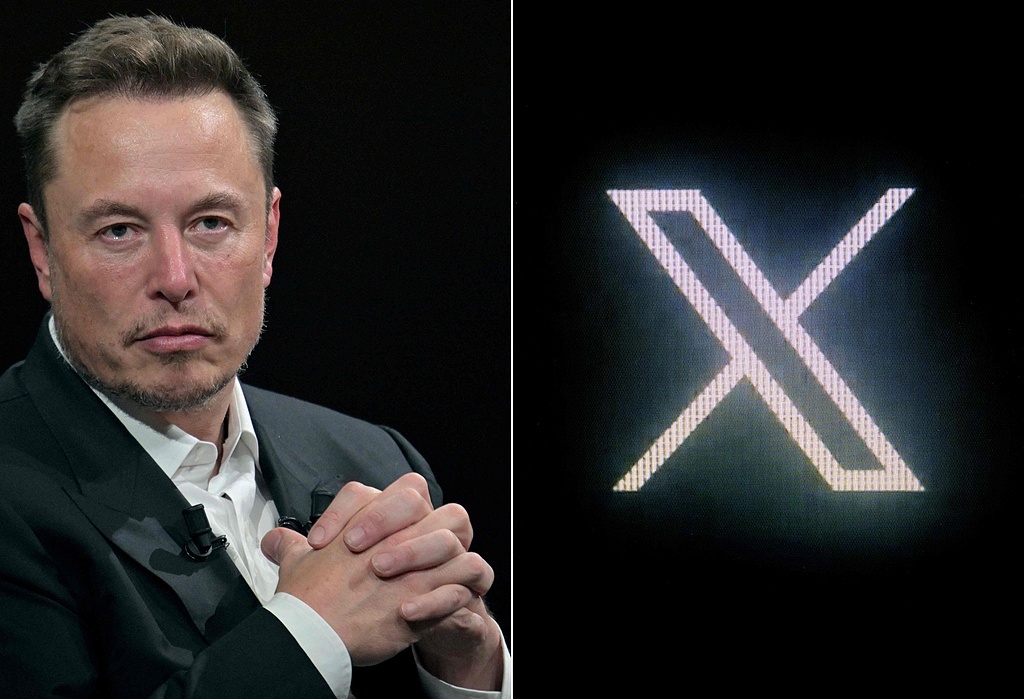
【环球时报记者 倪浩 环球时报驻德国特约记者 昭东】多家国际媒体8日报道了波兰外交部长西科尔斯基在社交媒体上的贴文——"滚去火星",这 是他对于美国亿万富翁马斯克在社交媒体上"废除欧盟"言论的回应。近日,欧盟依据《数字服务法》对马斯克旗下社交平台X处以1.2亿欧元罚款 引爆美欧激烈争吵,并持续发酵。美媒批评欧洲发动"愚蠢的战争",恐加剧美欧数字领域摩擦。有分析称,欧盟近期频繁将罚单开向美国科技巨 头,是在关税博弈中寻找新的抓手。 美媒:欧洲承受不起 欧盟对埃隆·马斯克的社交媒体平台X处以1.2亿欧元的罚款,原因是该平台违反了欧盟《数字服务法》中规定的透明度规则。根据《数字服务 法》,罚款最高可达公司全球年收入的6%,但欧盟委员会表示,X公司的年营业额与罚款的计算没有直接关系。欧盟委员会副主席亨娜·维尔库宁 强调:"我们来这里是为了确保我们的数字法律得到执行。"欧盟方面还表示,目前欧盟还有针对X的三项调查正在进行中,其中两项与马斯克于 2022年10月收购Twitter并将其更名为X之后发生变化的内容推广算法有关。 美国《华尔街日报》7日发表社评称,欧盟针对美国科技巨头发起了一场"愚蠢的战争"。文章称,这笔巨额 ...

1.2亿欧元!旗下公司遭欧盟巨额罚款,马斯克:“这简直太荒唐了”!美副总统发声
Mei Ri Jing Ji Xin Wen· 2025-12-07 06:14
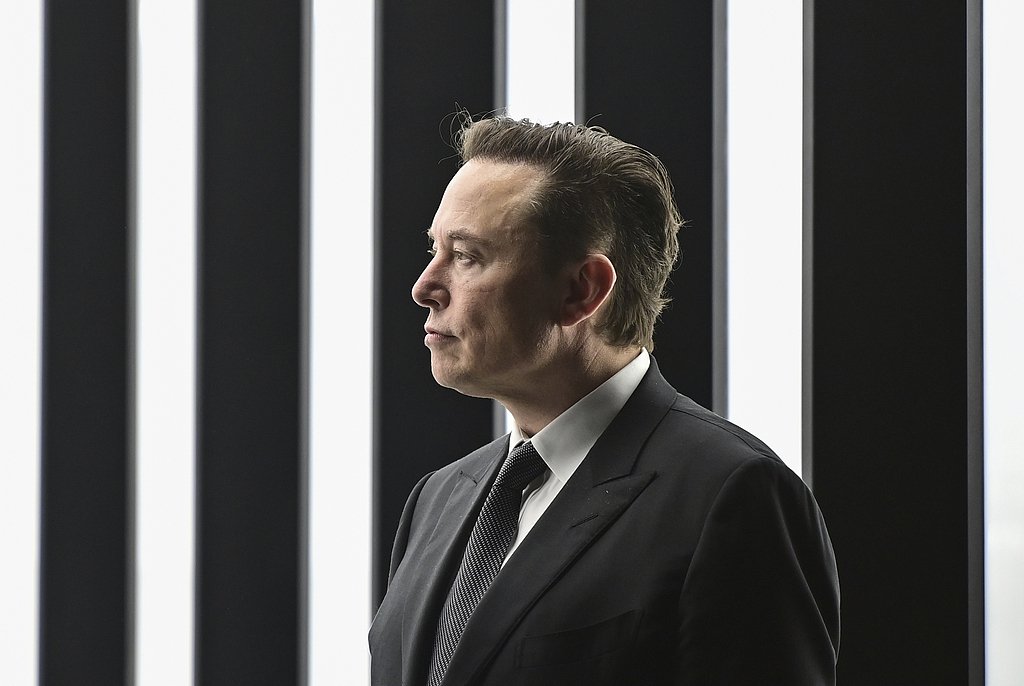
Group 1 - The European Union (EU) imposed a fine of €120 million on Elon Musk's social media platform X, marking the first non-compliance decision under the Digital Services Act [2][3] - Musk criticized the EU's fine as absurd and stated that responses would be made against EU officials involved in the decision [2] - The US government, including President Trump, condemned the EU's actions, suggesting that they unfairly target American companies and warning of potential tariffs on the EU if such penalties continue [2][3] Group 2 - US Commerce Secretary Howard Lutnick stated that the EU needs to stop targeting American tech companies and suggested that a balanced trade agreement is necessary for better relations [3] - The EU has been actively enforcing regulations against US tech firms, including a €2.95 billion antitrust fine against Google and ongoing investigations into other companies for compliance with digital regulations [3] - The EU's regulatory actions have led to tensions with the US, with accusations of the EU's regulations being unfair and the US threatening to use tariffs as leverage [3]


马斯克 大消息!美副总统表态
Mei Ri Jing Ji Xin Wen· 2025-12-06 23:31
据欧盟官网消息,12月5日,欧盟委员会因社交媒体平台X违反《数字服务法案》规定的透明度义务, 对其处以1.2亿欧元罚款。违规行为包括其"蓝V认证标识"的欺骗性设计、广告资料库缺乏透明度,以及 未能为研究人员提供公共数据访问权限。 另外,美国商务部长霍华德·卢特尼克3日在接受媒体采访时再次抨击欧盟数字监管法规,他认为欧洲的 技术规则正在让其自身遭受重大损失。 近期,美欧围绕数字监管再生摩擦。美国指责欧盟监管法规对美国科技企业不公平,并用钢铝产品关税 为筹码要求欧盟"松绑"。欧盟则抨击美国此举是"勒索",坚持数字法规关乎主权不容挑战。 据新华社消息,卢特尼克在接受美国消费者新闻与商业频道(CNBC)采访时说,有现成的资金可供大 型科技公司在欧洲投资发展人工智能。如果欧洲采取特朗普政府对人工智能的规则,也会像美国一样获 得巨额投资。他还透露,他对英国方面也作出过类似表态。 卢特尼克说,自己上周在布鲁塞尔告诉欧盟领导人,欧盟需要停止针对美国科技公司,需要达成平衡。 欧盟要与美国达成最佳贸易协议,就需要进行交易。 据悉,这是欧盟依据《数字服务法案》(DSA)作出首份"不合规决定"。欧盟给予马斯克旗下社交媒体 平台X60 ...
利空!马斯克,突爆大消息!
券商中国· 2025-12-06 14:51
Core Viewpoint - The European Union has imposed a €120 million fine on Elon Musk's social media platform X for violating transparency obligations under the Digital Services Act, marking the first non-compliance decision under this legislation [1][2]. Group 1: Regulatory Actions - The EU's fine against X is based on deceptive design practices related to its "blue verification badge," lack of transparency in its advertising database, and failure to provide public data access to researchers [2][3]. - X has been given 60 days to propose solutions and 90 days to implement corrective measures following the EU's decision [2]. - The EU's actions are part of a broader enforcement trend against U.S. tech companies, with similar actions taken against Google and other platforms throughout 2023 [6]. Group 2: Political Reactions - U.S. Vice President Vance criticized the EU's decision, arguing that it undermines free speech and unfairly targets American companies [4][5]. - U.S. Commerce Secretary Howard Lutnick echoed these sentiments, suggesting that the EU's digital regulations are detrimental to its own economic interests and calling for a balanced approach to U.S.-EU trade relations [5]. Group 3: Ongoing Investigations - The EU Commission has initiated a formal procedure to assess whether X has violated the DSA in terms of illegal content dissemination and information manipulation, with investigations into deceptive design, advertising transparency, and researcher data access ongoing [3][6].

美欧数字关税战升级 黄金上4236下4183
Jin Tou Wang· 2025-12-03 06:17
Group 1 - The current spot gold price is trading around $4,228, with a latest quote of $4,215.24 per ounce, reflecting a 0.23% increase, and has seen a high of $4,228.57 and a low of $4,201.67 during the session [1] - The gold market is expected to exhibit a range-bound trading pattern following a "V-shaped" reversal observed in the previous trading day, where prices had been declining [3] - Recent comments from Trump disrupted the downward trend in gold prices, leading to a recovery, although the overall market direction remains unclear, indicating a lack of strong momentum for either upward or downward movement [3] Group 2 - The U.S. has imposed a 50% tariff on over 400 types of steel and aluminum from the EU, amidst ongoing trade tensions, particularly concerning digital regulations affecting U.S. companies [2] - The EU has enacted strict regulations under the Digital Services Act and Digital Markets Act, resulting in significant fines for companies like Google, and is evaluating potential penalties for Amazon and Microsoft [2] - The U.S. is leveraging its position by linking digital regulations to tariff negotiations, creating a challenging situation for the EU, which faces political backlash if it concedes to U.S. demands [2]
【环球财经】美欧数字监管冲突升级 欧战略自主空间遭挤压
Xin Hua She· 2025-12-03 03:58
Core Viewpoint - Recent tensions have arisen between the US and EU regarding digital regulation, with the US accusing the EU of unfair practices against American tech companies and using tariffs as leverage to demand concessions from the EU [1][2]. Group 1: US-EU Trade Relations - The US imposed a 50% tariff on over 400 steel and aluminum products from the EU in August, while criticizing the EU's increasing digital regulations on American tech firms [2]. - The EU has taken enforcement actions against American tech companies, including a €2.95 billion antitrust fine against Google and ongoing investigations into Amazon and Microsoft regarding their cloud services [2][4]. - US Secretary of Commerce has linked digital regulation to steel and aluminum tariffs, suggesting that the EU must adjust its tech regulations for the US to consider lowering tariffs [3][4]. Group 2: Digital Sovereignty vs. Economic Interests - The US aims to maintain its dominance in the global digital industry by pressuring the EU to relax its digital regulations, which the EU views as a matter of sovereignty [4][5]. - The EU insists on its right to legislate digital regulations independently, with officials stating that these regulations are non-negotiable and part of their sovereign rights [4][5]. - The EU's strategic autonomy is being challenged as the US uses tariffs as leverage, creating a dilemma for the EU between maintaining digital sovereignty and protecting its economic interests [5][6]. Group 3: Future Implications - The linkage of tariffs and digital regulation may complicate future trade negotiations, as the US adopts a "cross-issue" negotiation strategy that could embed digital regulation conditions in any trade discussions [5][6]. - The EU's need for tariff reductions may lead to political backlash if concessions are made on digital regulations, while a firm stance could result in greater trade impacts and deepen transatlantic rifts [6].
国际观察|美欧数字监管冲突升级 欧战略自主空间遭挤压
Xin Hua Wang· 2025-12-03 02:21
Core Viewpoint - The conflict between the US and EU over digital regulation is escalating, with the US accusing the EU of unfair practices against American tech companies and using tariffs as leverage to demand regulatory concessions from the EU [1][4]. Group 1: US-EU Trade Relations - Following a trade agreement in July, economic tensions between the US and EU have not subsided, with the US imposing a 50% tariff on over 400 steel and aluminum products from the EU in August [2]. - The EU has enacted a series of enforcement actions against American tech companies under the Digital Services Act and Digital Markets Act, including a €2.95 billion antitrust fine against Google in September [2]. - The US has linked digital regulation to steel and aluminum tariffs, with US Commerce Secretary suggesting that the EU must adjust its tech regulations to receive tariff reductions [3]. Group 2: Digital Sovereignty vs. Digital Hegemony - Observers note that the US is using tariff threats to curb the EU's digital regulatory expansion, aiming to maintain its dominance in the global digital industry [4]. - The EU asserts that its digital regulations are a matter of sovereignty and should not be subject to trade negotiations, emphasizing its right to legislate independently [4][6]. - The EU's strategic autonomy is under pressure, as the US's tariff strategy targets the EU's traditional industries, which are already facing challenges from rising energy costs and green transitions [6]. Group 3: Future Implications - The linkage of tariffs and digital regulation creates a dilemma for the EU, as concessions on digital regulation could provoke political backlash, while a firm stance may lead to greater trade impacts [6]. - Analysts suggest that the US's approach increases its negotiating leverage, as the EU's need for tariff relief is more urgent than the US's need for regulatory relaxation [6]. - The EU's pursuit of strategic autonomy is complicated by its reliance on the US for security and economic cooperation, indicating limited strategic space for the EU [7].
欧盟尝试为数字监管“松绑”
Jing Ji Ri Bao· 2025-11-29 00:53
Core Viewpoint - The European Union (EU) is proposing a series of regulatory relaxations in digital governance, marking a significant policy shift from its previous stringent regulations, such as the General Data Protection Regulation (GDPR) and the Artificial Intelligence Act (AI Act) [1][5]. Group 1: Regulatory Changes - The EU Commission has announced a package of reforms aimed at simplifying and adjusting digital and technology regulations, including delaying the implementation of high-risk AI system regulations by up to 16 months [1][3]. - Adjustments to the GDPR will allow for more lenient reasons for rejecting data subject access requests and provide companies greater flexibility in using anonymized and pseudonymized data for AI model training [2][3]. - Changes to cookie management will enable users to control certain "low-risk" cookies through a unified browser interface [2]. Group 2: Motivations Behind the Reforms - The EU aims to enhance technological competitiveness, as previous strict regulations have created structural barriers to innovation [3][4]. - The reforms are a response to industry demands for reduced administrative burdens, particularly benefiting startups and small businesses by simplifying regulations and creating a unified European business wallet [3][4]. - External pressures from the U.S. have also influenced the EU's decision to relax digital regulations, with potential trade implications tied to U.S. tariffs on EU steel and aluminum products [4]. Group 3: Implications and Reactions - The proposed reforms reflect a pragmatic approach by EU institutions, aiming to unify regulations across AI, cybersecurity, and data governance while reducing fragmentation for companies operating across member states [4][6]. - Critics, including privacy advocates and some political figures, argue that these changes may weaken fundamental protections and shift the EU's regulatory focus towards a more industry-driven model [5][6]. - The legislative process for these reforms is expected to be contentious, requiring broad consensus among EU institutions and member states, with potential for significant political negotiations [6][7].
勒索!欧盟高层怒怼美国!“领跑”,下任美联储主席“呼之欲出”?“并肩合作”俄罗斯与委内瑞拉签多项协议
Xin Lang Cai Jing· 2025-11-28 00:51
Group 1: Precious Metals Market - Gold prices decreased by 0.11% to $4157.61 per ounce, while silver prices increased by 0.07% to $53.3991 per ounce [1] - COMEX gold futures fell by 0.28% to $4153.60 per ounce, and COMEX silver futures rose by 0.47% to $53.165 per ounce [1] - Platinum and palladium saw increases of 1.58% and 1.36%, respectively, with prices at $1614.24 and $1436.28 per ounce [1] Group 2: U.S.-EU Relations - The EU criticized the U.S. for allegedly using coercive tactics to weaken technology regulations in Europe, emphasizing that digital rules are a matter of sovereignty [1] - U.S. Commerce Secretary linked the adjustment of EU tech regulations to the reduction of tariffs on steel and aluminum products [1][2] Group 3: U.S. Federal Reserve Leadership - Kevin Hassett is reported as the leading candidate for the next Federal Reserve Chair, indicating a potential alignment with President Trump's interest in lowering interest rates [3] - Current Fed Chair Jerome Powell's term ends in May 2026, and Trump has expressed dissatisfaction with the Fed's current rate policies [3] Group 4: Federal Reserve Rate Cut Expectations - The probability of a 25 basis point rate cut by the Federal Reserve in December is at 86.9%, with a 13.1% chance of maintaining current rates [4] - By January, the cumulative probability of a 25 basis point cut is 67.3%, while the chance of no change is 9.6% [4] Group 5: Russia-Venezuela Cooperation - Russia and Venezuela signed multiple cooperation agreements across ten sectors, including energy, agriculture, healthcare, and finance [6] - Both countries emphasized their commitment to peace, stability, and fair trade on the international stage [6] Group 6: Egg Market Analysis - Recent trends show a rebound in egg futures prices due to improved expectations and stabilization in spot prices, with the average price rising to 2.91 yuan per jin [8] - Egg inventory levels have shifted from increasing to decreasing, indicating a potential tightening in supply [9] - The current egg supply remains relatively high, but the market anticipates a decline in production as the year-end consumption peak approaches [10]
欧盟拒绝放弃数字监管以换取美国关税优惠
Shang Wu Bu Wang Zhan· 2025-11-27 16:20
Core Points - The U.S. Secretary of Commerce, Gina Raimondo, linked the reduction of a 50% tariff on EU steel and aluminum products to the EU's willingness to relax regulations on technology companies [1] - The European Commission's Vice President, Margrethe Vestager, stated that the EU's digital regulatory rules are non-negotiable, aimed at ensuring market fairness, protecting consumer rights, and securing Europe's digital future [1] - The linkage of steel and aluminum tariffs to tech regulation complicates the EU's efforts to obtain tariff exemptions from the U.S. [1] Group 1 - The U.S. has accused the EU of having a trade surplus and imposing barriers on U.S. trade, with digital regulations being viewed as non-tariff trade barriers [1] - Despite threats from the U.S., the EU continues to advance its digital antitrust regulations, recently imposing fines of €500 million on Apple and €200 million on Meta [1]