
新能源车

Search documents
花旗:升敏实集团目标价至56港元 维持买入评级 受益欧洲新能源车销售及电动车电池国标
Zhi Tong Cai Jing· 2026-03-03 01:55
Core Viewpoint - Citi has slightly raised its revenue and net profit forecasts for Minth Group (00425) for 2026 and 2027 by 1% to 2% due to the company's steady progress in robotics, AI liquid cooling, and overseas electric vehicle components [1] Group 1: Financial Projections - The target price for Minth Group has been increased from HKD 46 to HKD 56, maintaining a "Buy" rating [1] - The new net profit forecasts for 2026 and 2027 are RMB 3.331 billion and RMB 3.776 billion, respectively [1] - The company is trading at a forecasted price-to-earnings ratio of 13 times, which is lower than the approximately 30 times for Sanhua Intelligent Control (002050) [1] Group 2: Market Conditions - Strong sales of new energy vehicles in Europe in January have bolstered confidence in Minth Group's revenue growth [1] - The update of national standards for electric vehicle batteries, effective from June this year, is expected to benefit quality manufacturers like Minth Group [1]
研报 | 预估2026年全球新能源车销量年增14%,USMCA重启谈判牵动汽车产业关键变量
TrendForce集邦· 2026-03-02 09:01
Core Insights - The article highlights the growth of the global electric vehicle (EV) market, with total sales of battery electric vehicles (BEV), plug-in hybrid electric vehicles (PHEV), and hydrogen fuel cell vehicles reaching 2.053 million units in 2025, marking a 26% year-on-year increase. The forecast for 2026 predicts sales to reach 2.340 million units, with growth slowing to 14% [2]. Market Performance - In 2025, China accounted for approximately 66% of the global EV market, but its growth rate was only 24%, slightly below the average due to a high base effect. In contrast, the Western European market saw nearly 30% growth, the highest since 2022 [2]. - BYD emerged as the top seller of BEVs in 2025 with a market share of 15.6%, surpassing Tesla, which experienced a 9% decline in sales due to a lack of product innovation. SAIC-GM-Wuling maintained third place, while Geely's market share increased from 3% to 6% due to the popularity of its "Xingyuan" model priced below 100,000 RMB [3]. PHEV Sales Insights - In the PHEV segment, BYD led with a market share of approximately 31.5%, although it faced a decline in both sales and market share for the first time. Geely, supported by its Galaxy series, rose to second place with a 6.3% market share. Li Auto, which was second in 2024, saw a 30% decline in sales and dropped to fifth place due to intense market competition and late overseas expansion [5]. Policy Changes and Market Dynamics - TrendForce indicates significant policy changes for EVs in 2026 across major markets: China's subsidies will shift from fixed amounts to a percentage of vehicle prices; the U.S. will no longer provide federal subsidies; and Germany will restart subsidies without production location restrictions, which is expected to benefit Chinese electric vehicle manufacturers [6]. - The article also notes that the demand for high-capacity, high-bandwidth memory in electric vehicles is strong due to their high level of intelligence. However, memory costs only account for about 1%-5% of total vehicle material costs, leading manufacturers to prioritize stable supply to maintain new vehicle launch schedules and feature updates [6].


碳酸锂周报:供应扰动再起,价格偏强震荡-20260302
Chang Jiang Qi Huo· 2026-03-02 06:13
Report Information - Report title: Carbonate Lithium Weekly Report [2] - Report date: March 2, 2026 [3] Industry Investment Rating - Not provided Core Viewpoints - The supply side faces issues such as the non - resumption of the Ningde Jianxiawo mine, the suspension of lithium ore exports in Zimbabwe, and ongoing mining license disturbances in Yichun. Although imports have increased, the overall cost is rising, and the cost reduction space for Australian mines is limited. Some lithium ore - purchasing manufacturers face cost - price inversion [5][7]. - The demand side shows a pattern of strong supply and demand. The overall production schedule in March has increased month - on - month, and policies such as the new energy vehicle purchase tax are expected to support the growth of the new energy vehicle market [6]. - The inventory of lithium carbonate is in a destocking state. Considering the continuous supply disturbances and the strong downstream demand, it is expected that the price of lithium carbonate will continue to fluctuate [6][7]. Summary by Directory 01. Weekly Views Supply - side situation - Production: The weekly production of lithium carbonate increased by 165 tons to 21,150 tons, and the January production decreased by 3% month - on - month [5]. - Mines: The Ningde Jianxiawo mine has not resumed production, the Zimbabwe Ministry of Mines announced a suspension of all raw ore and lithium concentrate exports, and there are still disturbances regarding mining licenses in Yichun. The cost control of Australian mines in the third quarter has limited further cost - reduction space [5]. - Imports: In December 2025, the import of lithium concentrate in China was 789,000 tons, a month - on - month increase of 8.1%. The top three importing countries were Australia, Zimbabwe, and Nigeria. The import of lithium carbonate in December was 23,989 tons, a month - on - month increase of 9% [5]. - Cost: The CIF price of imported lithium spodumene concentrate decreased week - on - week. Some manufacturers producing lithium carbonate by purchasing lithium ore faced cost - price inversion. Self - owned ore and salt lake enterprises had certain profit support, and lithium hydroxide manufacturers faced greater cost pressure [5]. Demand - side situation - Production and sales: In March, the overall production schedule increased month - on - month. In January, the combined output of power and energy storage batteries in China was 168.0 GWh, a month - on - month decrease of 16.7% but a year - on - year increase of 55.9%. The combined export was 24.1 GWh, a month - on - month decrease of 26.0% but a year - on - year increase of 38.3%. The sales volume was 148.8 GWh, a month - on - month decrease of 25.4% but a year - on - year increase of 85.1% [6]. - Policy: The new energy vehicle purchase tax policy is expected to support the rapid growth of the new energy vehicle market in China [6]. Inventory situation - This week, the inventory of lithium carbonate showed a destocking state [6]. Strategy suggestions - Considering the supply - side disturbances such as the non - resumption of the Ningde Jianxiawo mine, the suspension of exports in Zimbabwe, and the Yichun mining license risks, along with the strong downstream demand and the continuation of the destocking trend, it is expected that the subsequent import of lithium salts from South America will supplement the supply. The price of lithium carbonate is expected to continue to fluctuate. Attention should be paid to the progress of the Zimbabwe export ban and the Yichun mining - end disturbances [7]. 02. Key Data Tracking - The report presents multiple data charts, including the spot tax - included average price of lithium carbonate, weekly and monthly production of lithium carbonate, weekly and monthly inventory of lithium carbonate, average prices of industrial - grade lithium carbonate and lithium concentrate, monthly factory inventory of lithium, production of power and other batteries, production volume differences of domestic power batteries and lithium iron phosphate, monthly production of lithium iron phosphate and ternary materials, average production cost of lithium carbonate, average price of power - type lithium iron phosphate, import volume of lithium spodumene, and market price of ternary material 8 - series NCA - type [9][10][13][17][19][21][24][27][29][31][35][36]. - In January 2026, the production of lithium carbonate from different raw materials accounted for 18.06% from salt lakes, 24.55% from lithium mica, and 45.37% from lithium spodumene [22][23].
科达利20260226
2026-03-01 17:23
Company and Industry Summary Company Overview - The company specializes in lithium battery structural components, with automotive structural components as a supplementary business. The robotics segment is expanding towards joint modules and harmonic reducers, but currently, the main revenue contribution comes from lithium battery structural components [2][3]. Key Business Segments - **Lithium Battery Structural Components**: Expected to grow approximately 20% year-on-year, aligning with industry growth rates. The company holds a market share of nearly 30%, indicating a strong competitive position [2][8]. - **Automotive Structural Components**: Revenue is around 700 million, with slow growth due to a closed supply chain and lengthy component integration cycles [2][5]. Market Dynamics - **Downstream Demand**: The primary demand for lithium batteries comes from new energy vehicles (NEVs) and energy storage. The NEV market growth is expected to slow to 10%-20%, while the energy storage market is projected to grow by 50%-60% [2][7]. - **Market Size**: The structural component market is estimated to be worth around 50-60 billion, based on a demand of over 2000 GWh, with a unit value of approximately 30 million per GWh [2][8]. Financial Performance - The company maintains a net profit margin of 10%-12%, demonstrating strong cost management capabilities [2][4][6]. - Revenue projections for 2025 are expected to reach approximately 15 billion, with a net profit of 1.7-1.8 billion, maintaining a net profit margin of around 12% [15]. Strategic Initiatives - The company is actively expanding its overseas market presence, with a total apparent production capacity corresponding to a value of nearly 15 billion. By the end of 2025, the company aims for a production capacity of over 1000 GWh, with annual revenue growth expected to sustain between 20%-30% [4][11]. - R&D investment is significant, with nearly 20% of personnel dedicated to R&D, ensuring a high rate of innovation and technical capability [12]. Robotics Business Development - The robotics segment is being developed through joint ventures with companies like Weidali and Weichuang Electric, focusing on harmonic reducers and joint modules. Some products have already been sampled, with expectations of gaining recognition from overseas clients [4][13]. - The robotics business is still in the early stages, with a focus on collaborative development and product validation before scaling up production [13][14]. Key Risks and Considerations - The company faces risks related to the cyclical nature of the lithium battery market and potential fluctuations in lithium carbonate prices, which could impact energy storage demand [16]. - The valuation of the robotics segment is not fully reflected in the current market valuation, as it operates primarily through joint ventures and has not yet reached full consolidation [15][17]. Future Outlook - The mid-term market valuation framework suggests a potential market cap of around 600 billion, with significant contributions expected from the robotics segment over the next 3-5 years [17]. - Key tracking points include the recovery of lithium battery demand, price fluctuations of lithium carbonate, and advancements in the robotics product line [16].
成本压力叠加AI需求爆发,功率半导体掀涨价潮
2 1 Shi Ji Jing Ji Bao Dao· 2026-02-27 12:56
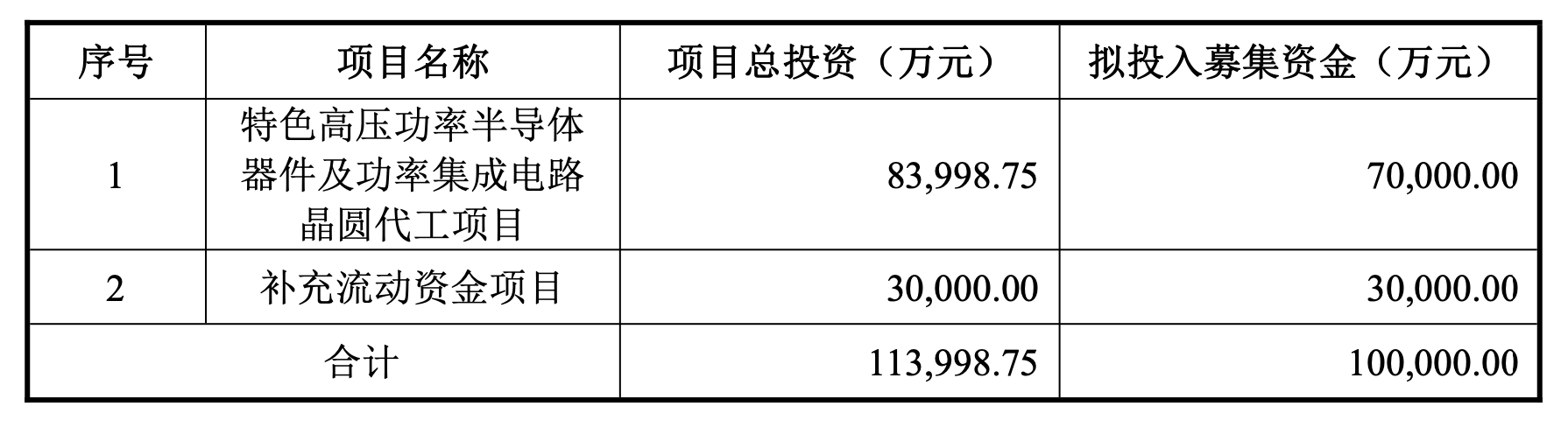
Core Viewpoint - The global price of power semiconductors has increased by 10% to 20% due to surging demand driven by AI and rising costs, with shortages in MOSFETs and IGBTs, while the production capacity of 6/8-inch wafers is tightening, leading to a turning point of simultaneous volume and price increase in the industry [1][2]. Group 1: Price Increase Drivers - The price increase in power semiconductors is primarily driven by rising manufacturing costs and structural demand from downstream applications [3][5]. - Major manufacturers have reported significant increases in the costs of raw materials and precious metals, which have led to higher costs in wafer manufacturing and packaging testing [4]. - The demand for power semiconductors is being fueled by rapid growth in AI data centers, electric vehicles, energy storage, and industrial control sectors, with AI servers being a notable source of demand [5][6]. Group 2: Supply Constraints - The supply of 6-inch and 8-inch wafers, which are primarily used for manufacturing power semiconductors, is entering negative growth, creating a scarcity in the global power and analog supply chain [5][6]. - Major international manufacturers like TSMC and Samsung are reallocating resources to advanced processes, reducing the supply of mature 6/8-inch wafers [5]. - Companies such as Infineon and ON Semiconductor are prioritizing production capacity for high-margin products like silicon carbide and gallium nitride, further tightening the supply of traditional low to medium voltage MOSFETs [6]. Group 3: Expansion Plans - Several domestic and international manufacturers are announcing or advancing expansion plans in response to the price surge [8]. - MinDe Electronics plans to raise up to 1 billion yuan for high-voltage power semiconductor devices and integrated circuit wafer foundry projects, aiming to increase monthly production capacity by 60,000 wafers [9]. - Infineon has raised its investment plan for fiscal year 2026 to 2.7 billion euros to accelerate capacity expansion for AI data center power solutions [10].
众捷汽车涨2.14%,成交额2.02亿元,近3日主力净流入1385.23万
Xin Lang Cai Jing· 2026-02-27 08:28
Core Viewpoint - Suzhou Zhongjie Automotive Parts Co., Ltd. is experiencing growth in its stock performance and revenue, driven by its focus on automotive thermal management systems and benefiting from the depreciation of the RMB [1][3]. Company Overview - Suzhou Zhongjie Automotive Parts Co., Ltd. was established on February 10, 2010, and listed on April 25, 2025. The company specializes in the research, development, production, and sales of precision components for automotive thermal management systems [7]. - The company's main business revenue composition is 89.17% from automotive thermal management systems and 10.83% from other sources [7]. - As of January 9, 2025, the number of shareholders is 9,614, a decrease of 0.87% from the previous period, while the average circulating shares per person increased by 0.87% to 2,529 shares [7]. Financial Performance - For the period from January to September 2025, the company achieved a revenue of 809 million yuan, representing a year-on-year growth of 11.68%. However, the net profit attributable to the parent company was 61.35 million yuan, a decrease of 9.46% year-on-year [7]. - The company has distributed a total of 9.73 million yuan in dividends since its A-share listing [8]. Market Activity - On February 27, the company's stock rose by 2.14%, with a trading volume of 202 million yuan and a turnover rate of 19.28%, bringing the total market capitalization to 5.223 billion yuan [1]. - The main net inflow of funds today was 5.35 million yuan, accounting for 0.03% of the total, with the industry ranking at 40 out of 262 [4]. Product Focus - The company is focusing on the application of its products in carbon dioxide heat pump systems and is targeting the domestic automotive energy-saving and environmental protection sectors, as well as the fields of new energy vehicles, power batteries, and energy storage batteries [2][3]. - Key products include components for battery cooling systems, such as flanges, inlet and outlet pipes, connectors, and brackets used in the thermal management systems of new energy vehicle batteries [2].
稀土短缺问题加剧,海外半导体等产业公司已被迫“拒单”
Xuan Gu Bao· 2026-02-26 23:16
Group 1 - The supply of rare earth elements, particularly yttrium and scandium, is facing a significant shortage, impacting aerospace and semiconductor industries [1] - Yttrium prices have surged by 60% since the first report of shortages in November 2025, with a staggering increase of approximately 69 times compared to a year ago [1] - China dominates the global rare earth industry, accounting for 69% of the world's rare earth production in 2024, with a significant advantage in the refining and separation processes [1] Group 2 - The rare earth industry in China has developed a competitive landscape characterized by a "south-heavy, north-light" structure, with export controls on certain rare earth elements expected to drive price fluctuations [2] - The demand for neodymium is projected to grow due to the annual increase of 15-20% in global electric vehicle sales from 2025 to 2027, leading to a tight balance in the neodymium market [2] - The price index for rare earths is expected to oscillate between 200-250 points, with neodymium oxide prices anticipated to rise to 600,000-800,000 yuan per ton in 2025-2026 [2] Group 3 - Northern Rare Earth is a leading player in the global rare earth industry, benefiting from stable supply of rare earth concentrates through its mining rights in Baiyun Obo [3] - Dadi Xiong's high-performance rare earth permanent magnet materials and related products have significant export markets in the EU and other regions [4]


新宙邦跌2.02%,成交额8.47亿元,主力资金净流出8029.19万元
Xin Lang Cai Jing· 2026-02-26 06:03
Core Viewpoint - The stock of Shenzhen Xinzhoubang Technology Co., Ltd. has experienced fluctuations, with a recent decline of 2.02%, while the company shows a year-to-date stock price increase of 10.04% [1] Financial Performance - For the period from January to September 2025, Xinzhoubang achieved a revenue of 6.616 billion yuan, representing a year-on-year growth of 16.75%, and a net profit attributable to shareholders of 748 million yuan, up by 6.64% [2] - Cumulative cash dividends since the company's A-share listing amount to 2.149 billion yuan, with 1.121 billion yuan distributed over the past three years [3] Shareholder Information - As of September 30, 2025, the number of shareholders increased to 45,600, a rise of 19.44%, while the average circulating shares per person decreased by 16.27% to 11,840 shares [2] - The top ten circulating shareholders include notable ETFs, with E Fund's Growth Enterprise Board ETF holding 10.216 million shares, a decrease of 1.721 million shares from the previous period, and new entries such as Hong Kong Central Clearing Limited [3]

上海电气涨2.06%,成交额5.81亿元,主力资金净流入2668.82万元
Xin Lang Zheng Quan· 2026-02-24 02:08
Core Viewpoint - Shanghai Electric has shown a mixed performance in stock price and financial results, with a notable increase in net profit year-on-year, indicating potential growth opportunities in the renewable energy and industrial equipment sectors [1][2]. Financial Performance - As of September 30, 2025, Shanghai Electric achieved a revenue of 81.79 billion yuan, representing a year-on-year growth of 7.50% [2]. - The net profit attributable to shareholders reached 1.065 billion yuan, marking a significant increase of 40.49% compared to the previous year [2]. Stock Market Activity - On February 24, Shanghai Electric's stock price increased by 2.06%, reaching 8.90 yuan per share, with a trading volume of 581 million yuan and a turnover rate of 0.52% [1]. - The stock has seen a year-to-date increase of 3.37%, a 5-day increase of 1.25%, a 20-day decrease of 4.30%, and a 60-day increase of 2.65% [1]. Shareholder Information - The number of shareholders as of September 30, 2025, was 727,700, an increase of 3.31% from the previous period [2]. - The top ten circulating shareholders include Hong Kong Central Clearing Limited, which holds 166 million shares, an increase of 28.2851 million shares from the previous period [3]. Business Overview - Shanghai Electric, established on March 1, 2004, and listed on December 5, 2008, operates in sectors including renewable energy and environmental equipment, efficient clean energy equipment, industrial equipment, and modern services [1]. - The company's revenue composition includes 81.52% from product sales, 9.43% from service provision, 4.56% from engineering construction, and 4.49% from other businesses [1]. Dividend Information - Since its A-share listing, Shanghai Electric has distributed a total of 9.973 billion yuan in dividends, with no dividends paid in the last three years [3].

锂电产业链双周报(2026年2月第2期):宁德亿纬等推出员工持股及激励计划,美国OBBBA法案细则更新
Guoxin Securities· 2026-02-23 10:45
Investment Rating - The investment rating for the lithium battery industry is "Outperform the Market" (maintained) [1] Core Insights - The lithium salt price has decreased, while the prices of battery cells have increased slightly. As of February 13, the price of lithium carbonate is 144,000 CNY per ton, down by 17,000 CNY from two weeks ago. The prices of ternary cathodes, lithium iron phosphate cathodes, electrolytes, and lithium hexafluorophosphate have also decreased, while the prices of anodes and separators remain stable. The prices for square ternary power cells, lithium iron phosphate power cells, and energy storage cells have increased slightly [2][3] - The solid-state battery industry is accelerating its commercialization, with the first national standard for automotive solid-state batteries expected to be reviewed and approved in April and officially released in July. Companies like Gotion High-Tech and BASF are collaborating to develop solid-state battery technology [3][10][11] - The domestic new energy vehicle sales in January 2026 reached 945,000 units, a slight year-on-year increase, while the penetration rate is 40.3%, up by 1.3 percentage points year-on-year [3][12] Industry Dynamics - The report highlights several leading companies in the lithium battery sector that are undervalued amid improving demand, including CATL, EVE Energy, and others. It also points to companies leading in low-altitude economy and robotics, solid-state and sodium battery materials, and charging pile industries [3] - The U.S. Treasury Department has updated details regarding the OBBBA Act, tightening certification for specific foreign entities and detailing the calculation of material assistance ratios [3][13][14] - The report notes significant investments in battery production projects, including an 80GWh project by Chuangneng in Wuhan and a 33 billion CNY investment by Penghui Energy for new battery production lines [10][18] Price Trends - The report provides a detailed overview of lithium battery material prices as of February 13, 2026, indicating a decrease in lithium carbonate prices by 10.4% compared to two weeks prior, while other materials like nickel sulfate and cobalt sulfate have shown varying price changes [19] - The price of square lithium iron phosphate batteries has increased by 1.5% to 0.336 CNY/Wh, while the price of square ternary power cells remains stable at 0.582 CNY/Wh [19]

