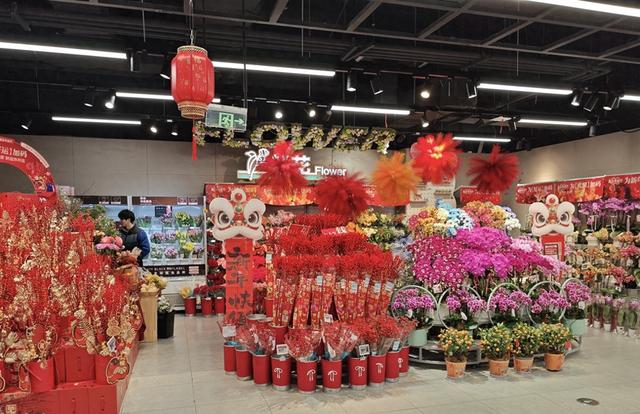
科技年货

Search documents
京东年货消费观察:智能家电成“老家年货”焕新主力 马年吉祥话丰富有趣加持礼盒增长
Sou Hu Wang· 2026-02-06 03:47
Core Insights - The article highlights the significant increase in consumer activity and planning for purchasing New Year goods, reflecting a strong cultural emphasis on the rituals associated with the Spring Festival [3][11][23] Consumer Behavior - 68.8% of consumers start planning their New Year purchases more than two weeks in advance, with 21% beginning around the time of the Little New Year, indicating a strong sense of ritual [3][11] - Over 82.6% of consumers create shopping plans before purchasing, with 40% categorizing themselves as "highly planned" shoppers [3][4] Purchasing Trends - Nearly 79.4% of consumers buy different types of New Year goods in phases, prioritizing high-value items and gifts first, followed by daily necessities [4][11] - The purchasing rhythm is divided into three phases: pre-Laba, pre-Little New Year, and the days leading up to New Year's Eve, with specific items prioritized at each stage [4][12] New Year Goods - New Year goods are evolving, with "good fortune" items and tech products leading the market, alongside a rise in pet-related purchases and service consumption [5][19] - 84.5% of consumers show interest in zodiac-themed goods for the Year of the Horse, with a notable demand for items that carry auspicious meanings [6][21] Market Dynamics - The sales of home appliances in rural areas have surged, with products like robotic vacuum cleaners and multi-functional cooking devices seeing significant growth [7][22] - The demand for home cleaning services has increased, with 36.5% of consumers opting for these services to prepare for the New Year [18] Cultural Significance - The article emphasizes the emotional and cultural significance of New Year purchases, with consumers seeking to enhance family gatherings and traditional rituals [9][23] - The integration of pets into New Year celebrations reflects a broader trend of personalizing holiday experiences [19][23]


春节消费新三样:国潮非遗AI游 科技过年成主流
2 1 Shi Ji Jing Ji Bao Dao· 2026-02-05 23:24
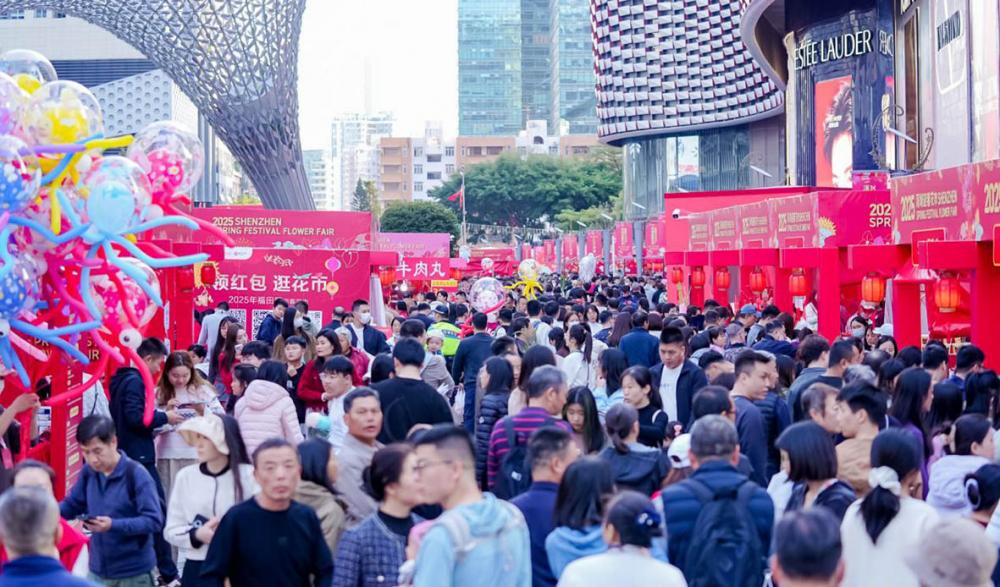
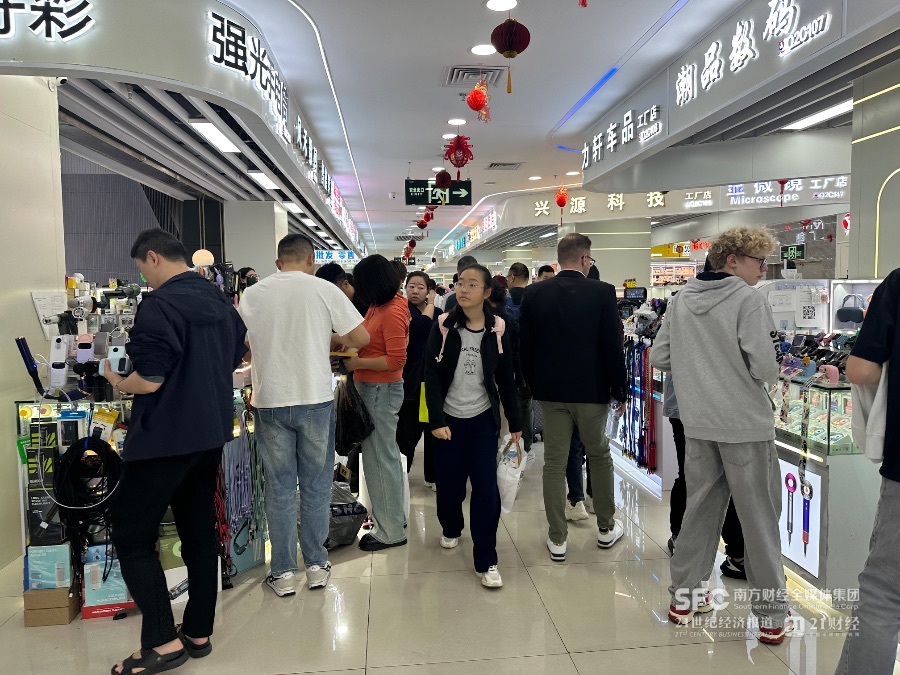
Core Insights - The Ministry of Commerce and nine other departments have jointly issued the "2026 'Buy New Year' Special Activity Plan" to boost consumption during the upcoming Spring Festival, focusing on the entire consumption chain including food, accommodation, transportation, tourism, shopping, and entertainment [1][18] - The plan encourages local governments to increase subsidies for trade-in programs during the Spring Festival and enhance support for offline retail, while also promoting exhibitions of automobiles, home appliances, and smart products [1][18] Consumption Trends - In Shenzhen, the policy is translating into vibrant consumption scenes, with tech products becoming popular among consumers [2][19] - The Huaqiangbei Electronics World is bustling with shoppers primarily looking for tech gifts, reflecting a shift in consumer preferences towards cultural and spiritual enjoyment rather than traditional shopping [3][21] - The rapid adoption of digital technology is fostering a consumer habit of linking online experiences with offline purchases, solidifying the foundation for tech-themed consumption activities [3][21] Sales Performance - Huaqiangbei is hosting the "New Year Consumption Season" event, featuring a variety of products including smart toys and digital appliances, which has significantly increased foot traffic and sales [6][24] - Daily foot traffic in Huaqiangbei remains around 750,000, with a 10%-15% increase in traffic due to promotional activities, and sales of tech products have surged by approximately 30% compared to normal days [9][26] Broader Economic Impact - The consumption boom is positively affecting surrounding industries, with restaurant and service sectors seeing an 8% increase in revenue [10][27] - Shenzhen's local brands, such as Huawei and DJI, are performing well globally, enhancing the city's appeal as a consumer destination [10][28] Upcoming Events and Initiatives - Shenzhen plans to focus on international consumption, AI consumption, and various cultural events throughout 2026 to enhance its consumption landscape [11][28] - The city will also host an AI toy-themed consumption event featuring over 200 new products, integrating display, experience, and consumption [12][29] Cultural Activities - Traditional activities like flower markets are being upgraded to attract both local and external consumers, with significant online interest noted for flower market stalls [14][30] - Non-heritage activities are gaining popularity, with various malls launching events that showcase traditional crafts and foods, enhancing the festive atmosphere [15][31] Cross-Regional Collaboration - The "Deep Zhong City, Good Goods Sharing" event will facilitate cross-regional consumption, allowing consumers in Shenzhen to purchase goods from Zhongshan, thereby deepening industrial and consumption connectivity [16][32] Strategic Recommendations - To maintain consumer interest, Shenzhen should leverage its unique blend of technology and tradition, continuously innovating in event content and formats to avoid consumer fatigue [17][33]
春节消费新三样:国潮非遗AI游,科技过年成主流
2 1 Shi Ji Jing Ji Bao Dao· 2026-02-05 05:23
Core Viewpoint - The Chinese government is promoting consumption during the upcoming Spring Festival through various initiatives, including subsidies for trade-in programs and support for offline retail, aiming to boost consumer spending across multiple sectors [1][7]. Group 1: Consumption Trends - There is a noticeable shift in consumer preferences from traditional shopping to cultural and spiritual enjoyment, with a significant increase in demand for "Guochao" (national trend) and intangible cultural heritage products during the Spring Festival [2][12]. - The popularity of technology-related products, such as drones and AI glasses, is rising among consumers, indicating a trend towards high-tech gifts for the New Year [3][5]. Group 2: Market Dynamics - The Huaqiangbei area in Shenzhen is experiencing a surge in consumer traffic, with daily footfall reaching approximately 750,000, and a 10%-15% increase in visitor numbers due to promotional activities [6]. - Sales of technology products, including smart devices and AI wearables, have increased by about 30% compared to regular days, reflecting a robust demand in the consumer electronics sector [6]. Group 3: Promotional Activities - Shenzhen is organizing various themed events, such as the AI toy promotion and traditional flower markets, to attract consumers and enhance the festive atmosphere [7][9]. - The flower market in Futian District is set to host over 200 stalls and is expected to draw significant attention, with a reported 35% increase in auction prices for stalls compared to the previous year [9]. Group 4: Automotive Sector - The automotive industry is leveraging trade-in incentives and extended financing options, such as 7-year low-interest loans, to stimulate consumer purchases during the Spring Festival [11]. - Major automotive brands are participating in promotional activities, enhancing consumer interest in vehicle purchases [11]. Group 5: Future Outlook - Shenzhen plans to focus on international consumption, AI products, and cultural events throughout 2026, aiming to enhance the city's consumer landscape and attract a broader audience [7][12]. - The integration of technology and traditional cultural elements is seen as a key strategy for enhancing consumer experiences and driving economic growth [12].
21特写|春节消费新三样:国潮非遗AI游,科技过年成主流
2 1 Shi Ji Jing Ji Bao Dao· 2026-02-05 05:16
Group 1 - The Ministry of Commerce and nine other departments have launched the "2026 'Buy New Year' Special Activity Plan" to boost consumption during the Spring Festival, focusing on various sectors including food, accommodation, transportation, tourism, shopping, and entertainment [1][7] - In Shenzhen, the policy has translated into vibrant consumer scenes, with technology products becoming popular among residents, particularly during the Spring Festival shopping season [1][3] - The "New Year Consumption Activity" in Huaqiangbei has attracted significant foot traffic, with consumers primarily seeking technology gifts such as drones and AI glasses, indicating a shift towards tech-oriented purchases [3][5] Group 2 - Consumer preferences are shifting from traditional shopping to cultural and spiritual enjoyment, with a notable increase in demand for cultural consumption during the Spring Festival, driven by the rise of "Guochao" (national trend) and the popularity of intangible cultural heritage [2] - The average daily foot traffic in Huaqiangbei is around 750,000, with a 10%-15% increase in traffic due to promotional activities, and sales of technology products have risen by approximately 30% compared to regular days [5][6] - The local economy is benefiting from the consumption boom, with related industries such as dining and logistics seeing an 8% increase in revenue [6] Group 3 - Shenzhen's local brands, including Huawei and DJI, are performing well in global markets, enhancing the city's appeal as a consumer destination through innovative technology and unique shopping experiences [6] - The city plans to focus on international consumption, AI consumption, and various cultural events throughout 2026 to enhance its global consumer appeal [7] - Upcoming events, such as the AI toy promotion in Longgang District, will feature over 30 companies and 200 new products, further stimulating consumer interest [8] Group 4 - Traditional cultural activities, such as flower markets, are also gaining popularity, with the upcoming flower market in Futian expected to attract significant attention and participation from both local and external consumers [9][11] - The flower market will feature a variety of themes and activities, including collaborations with major brands, enhancing the festive atmosphere and consumer engagement [11][13] - Non-material cultural heritage activities are becoming increasingly popular, with various malls in Shenzhen hosting events that showcase traditional crafts and foods, providing immersive experiences for consumers [16] Group 5 - The automotive sector is a key driver of consumption, with local initiatives promoting trade-in subsidies and extended financing options to encourage vehicle purchases [16] - Major car manufacturers are offering "7-year low-interest" financing plans, which significantly reduce monthly payment burdens for consumers, thereby increasing purchase intentions [16] - The interconnectedness of the Greater Bay Area is being leveraged for cross-city consumption initiatives, enhancing the convenience of purchasing goods across regions [17] Group 6 - The diverse consumption activities in Shenzhen are revitalizing the local economy, combining technology and tradition to create unique consumer experiences [18] - The emphasis on localized and differentiated IP development is crucial for enhancing consumer engagement and sustaining economic growth [18]
外国人来深圳华强北“扫货”,空箱来满载归
Xin Lang Cai Jing· 2026-02-04 15:22
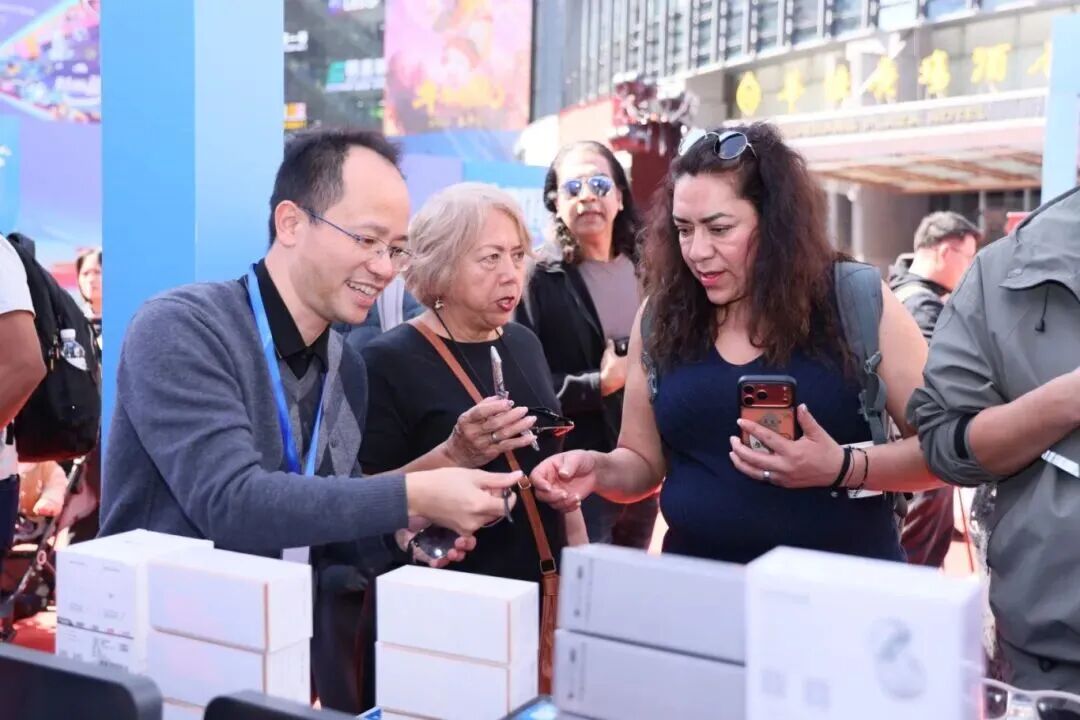
Core Insights - The article highlights the surge in consumer activity in Shenzhen's Huaqiangbei area as the Spring Festival approaches, with a notable increase in foreign tourists purchasing technology products [1][3]. Group 1: Consumer Behavior - Foreign tourists are specifically visiting Huaqiangbei to buy "tech New Year goods" such as AI glasses, drones, translation devices, smart headphones, portable cameras, and electronic guitars, often returning with full luggage [3][4]. - The influx of foreign visitors has led to a 10%-15% increase in foot traffic compared to previous events, with a significant rise in foreign and out-of-town buyers [7]. Group 2: Sales Performance - Sales of consumer electronics, smart devices, and AI wearables have increased by approximately 30% compared to regular days, driven by the festive season [7]. - A specific electronics retailer reported that their daily sales doubled compared to the previous month, indicating a strong demand for electronic musical instruments as gifts for the New Year [9]. Group 3: Economic Impact - The booming sales of technology products have positively impacted the surrounding industries, with restaurant and service sector revenues increasing by about 8% due to heightened consumer activity [10]. - Huaqiangbei serves as a central hub for the global electronics industry, with an annual transaction volume of 480 billion yuan and daily logistics exceeding 3 million items, showcasing its role as an innovation accelerator [6].

从“科技年货”热销看年货里的味道
Xin Lang Cai Jing· 2026-02-03 19:46
Core Insights - The article highlights the rising popularity of "tech gifts" in Shenzhen, with sales increasing by 30% month-on-month, reflecting a shift in consumer sentiment from material gifts to those that convey emotional connections and practical solutions [1][2]. Group 1: Consumer Trends - The demand for tech gifts is driven by a desire to address specific needs, such as health monitoring for elderly parents and enhancing family connections through technology [1][2]. - Younger consumers are focusing on personal interests and lifestyle investments, purchasing items like portable power supplies for camping and smart lighting for home ambiance, indicating a trend towards more personalized and meaningful consumption [2]. Group 2: Emotional Connection - The concept of "念" (thoughtfulness) is central to the new year gift economy, emphasizing the importance of emotional connections and memories over mere material goods [2][3]. - Tech products are seen as tools for creating and preserving memories, such as using drones for family photos or smart albums for showcasing cherished moments, which adds a layer of warmth to the gifting experience [2]. Group 3: Market Implications - The upgrade in the new year gift economy requires a deeper understanding of emotional structures and life scenarios, moving beyond superficial marketing to truly resonate with consumers' sentiments [3]. - Successful products are those that simplify usage for older adults, focusing on ease of operation and core functionalities rather than complex features [2].
点燃香薰能“显字”许愿,毛孩子也有年夜饭——盒马年货节把年味玩出新花样
Xin Lang Cai Jing· 2025-12-29 06:53
Core Viewpoint - Hema has launched its 2026 "New Year Goods Festival" with the theme "Go to Hema for New Year Boost," featuring a wide array of festive products and innovative AI interactions to enhance consumer experience during the holiday season [1][3][6]. Group 1: Product Offerings - Hema is offering over a thousand high-quality New Year products, including traditional items and new fun products like pet New Year dinners and scented candles [3][8]. - The festival features a variety of festive decorations and gift boxes, showcasing a blend of traditional customs and modern digital elements [1][6]. Group 2: Consumer Engagement - Hema has introduced AI interactive features, such as a local "shopping leaderboard" to display popular New Year goods in real-time and personalized gift cards with dynamic 3D covers [6][8]. - The company aims to make the process of purchasing New Year goods more enjoyable and convenient, emphasizing the importance of conveying heartfelt sentiments through gifts [3][8]. Group 3: Promotions and Discounts - Hema is running three rounds of red envelope activities on specific dates, offering additional discounts and exclusive member benefits to enhance the shopping experience [6][8]. - The company has increased the frequency of store replenishments to ensure product availability and quality during the holiday peak [8].