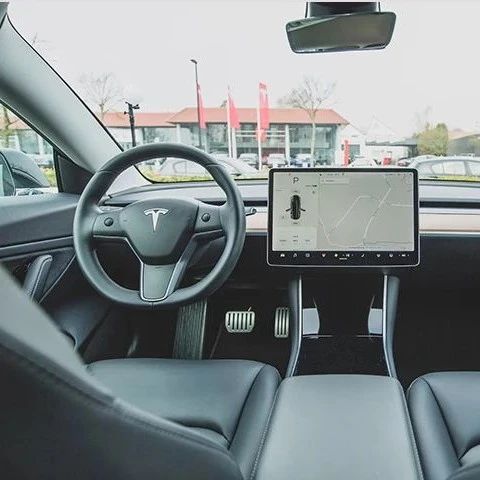
端到端模型

Search documents
拆解华为乾崑智驾ADS 4:世界模型乱战,“尖子生”如何闯关?
2 1 Shi Ji Jing Ji Bao Dao· 2025-08-29 10:42
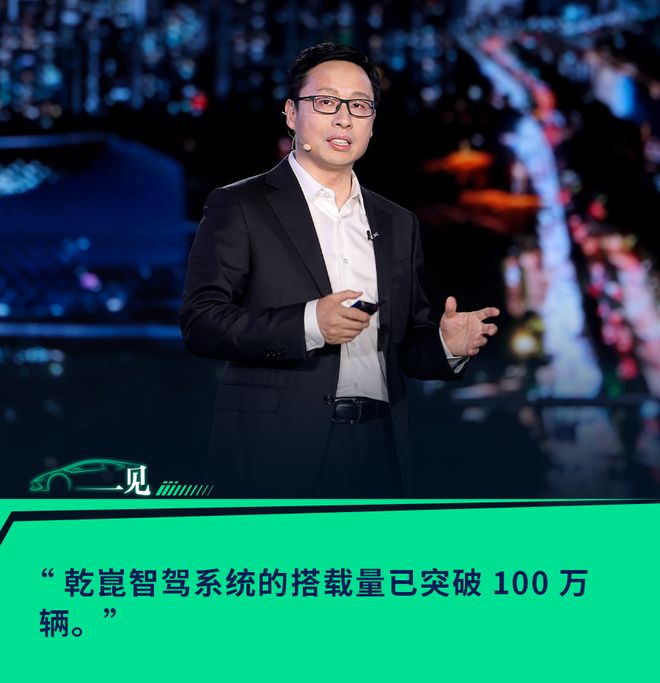
Core Insights - The article discusses the evolution of autonomous driving technology, emphasizing the transition from traditional models to world models that enable vehicles to predict and understand their environment rather than merely reacting to it [2][4][5]. Group 1: World Model Concept - The world model provides vehicles with the ability to anticipate and reason about their surroundings, moving beyond simple reactive capabilities [4][11]. - This model integrates vast amounts of multimodal data, including real-world driving scenarios and traffic rules, to create a dynamic and inferential digital representation of the traffic world [2][4]. - Companies like Huawei, XPeng, and SenseTime are recognizing the world model as essential for achieving true autonomous driving by 2025 [4][12]. Group 2: Technological Advancements - Huawei's ADS 4 system, launched in April 2023, marks a significant advancement in high-level driving assistance, relying on its self-developed WEWA architecture [4][12]. - The WEWA architecture consists of a cloud-based world engine (WE) for data training and scenario generation, and a vehicle-based world behavior model (WA) for real-time environmental reasoning and decision-making [4][12][21]. - The world model addresses the limitations of traditional end-to-end models, which often mimic human behavior without understanding the underlying physics of driving [6][11]. Group 3: Market Position and Competition - Huawei's market share in the domestic pre-installed advanced driving domain is reported at 79.0%, maintaining its position as a leading supplier [12][14]. - The company has successfully deployed its driving system in over 1 million vehicles across various manufacturers, enhancing its data collection and model training capabilities [24][25]. - The competitive landscape is shifting, with other companies like NIO and XPeng also exploring world models, but Huawei's approach remains distinct due to its focus on specialized behavior models rather than language-based models [18][19][22].

VLA:何时大规模落地
Zhong Guo Qi Che Bao Wang· 2025-08-13 01:33
Core Viewpoint - The discussion around VLA (Vision-Language-Action model) is intensifying, with contrasting opinions on its short-term feasibility and potential impact on the automotive industry [2][12]. Group 1: VLA Technology and Development - The Li Auto i8 is the first vehicle to feature the VLA driver model, positioning it as a key selling point [2]. - Bosch's president for intelligent driving in China, Wu Yongqiao, expressed skepticism about the short-term implementation of VLA, citing challenges in multi-modal data acquisition and training [2][12]. - VLA is seen as an "intelligent enhanced version" of end-to-end systems, aiming for a more human-like driving experience [2][5]. Group 2: Comparison of Driving Technologies - There are two main types of end-to-end technology: modular end-to-end and one-stage end-to-end, with the latter being more advanced and efficient [3][4]. - The one-stage end-to-end model simplifies the process by directly mapping sensor data to control commands, reducing information loss between modules [3][4]. - VLA is expected to outperform traditional end-to-end models by integrating multi-modal capabilities and enhancing decision-making in complex scenarios [5][6]. Group 3: Challenges and Requirements for VLA - The successful implementation of VLA relies on breakthroughs in three key areas: cross-modal feature alignment, world model construction, and dynamic knowledge base integration [7][8]. - Current automotive chips are not designed for AI large models, leading to performance limitations in real-time decision-making [9][11]. - The industry is experiencing a "chip power battle," with companies like Tesla and Li Auto developing their own high-performance AI chips to meet VLA's requirements [11][12]. Group 4: Future Outlook and Timeline - Some industry experts believe 2025 could be a pivotal year for VLA technology, while others suggest it may take 3-5 years for widespread adoption [12][13]. - Initial applications of VLA are expected to be in controlled environments, with broader capabilities emerging as chip technology advances [14]. - Long-term projections indicate that advancements in AI chip technology and multi-modal alignment could lead to significant breakthroughs in VLA deployment by 2030 [14][15].

「智驾」人才争夺战:帮新员工支付前司百万竞业赔偿
36氪· 2025-05-23 13:58
Core Viewpoint - The article discusses the intense competition among Chinese automotive companies for AI talent in the field of assisted driving, highlighting the challenges and strategies involved in talent acquisition and retention [3][5][16]. Group 1: Talent Acquisition and Competition - Automotive companies are increasingly seeking AI talent, similar to tech giants and AI firms, due to the rapid evolution of assisted driving technology [3][6]. - The competition for high-end talent has intensified, with companies like Huawei, Li Auto, and Momenta being the most targeted for talent poaching [3][4]. - Li Auto's CEO mentioned that core team members receive over 20 headhunter calls each, indicating the high demand for skilled professionals [4]. Group 2: Legal and Competitive Strategies - Companies are resorting to non-compete agreements and lawsuits to prevent talent from moving to competitors, which has led to significant legal disputes [4][5]. - Li Auto has pursued legal action against former employees who joined rival companies, with compensation amounts reaching millions [4][5]. - The use of legal measures is a common tactic among automotive firms to safeguard their technological advancements and maintain competitive advantages [5]. Group 3: Technological Evolution and Challenges - The shift from rule-based systems to "end-to-end" models in assisted driving has created new challenges and opportunities for companies [6][23]. - The emergence of multi-modal large models, such as VLA (Visual-Language-Action), represents a new frontier in assisted driving technology [6][25]. - Companies like Li Auto are exploring various technical routes, including city NOA solutions and new generation models, to enhance their competitive edge [9][10]. Group 4: Industry Dynamics and Future Outlook - The assisted driving sector is witnessing a shift in power dynamics, with traditional automakers like BYD and Geely ramping up their self-research efforts while also leveraging external suppliers [16][18]. - The article emphasizes that while some companies may achieve quick results through talent poaching, true innovation requires original thinking and foresight [26]. - The ongoing evolution of assisted driving technology necessitates continuous adaptation and exploration by automotive firms to remain competitive in the market [22][26].

AI加速上车,座舱端侧模型、智能驾驶系统都要求更多算力
Di Yi Cai Jing· 2025-04-23 10:55
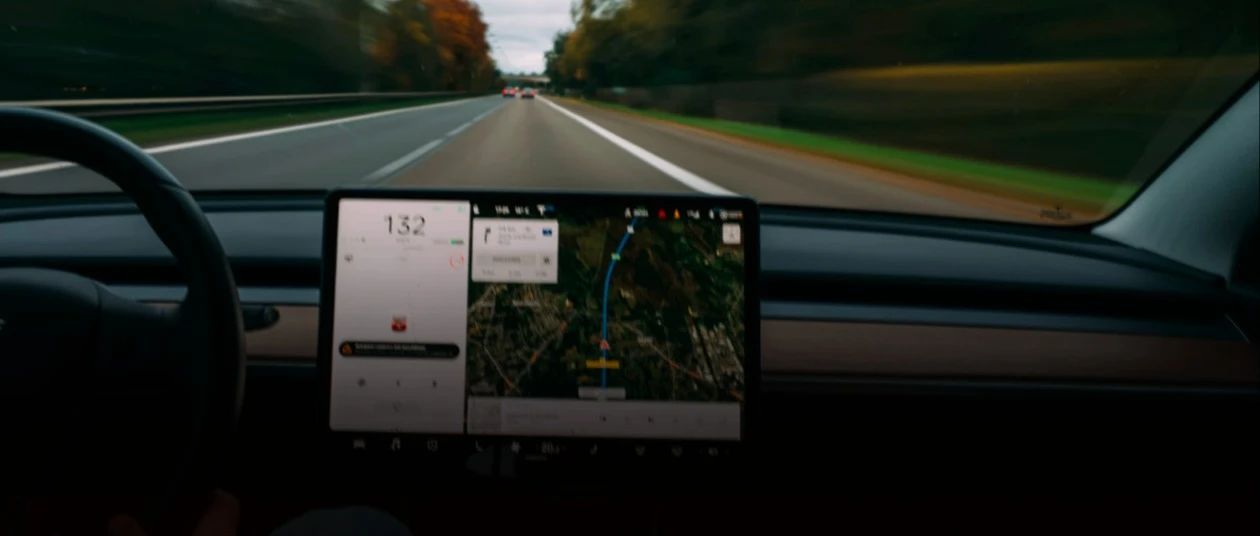
Core Insights - The automotive industry is increasingly integrating AI technologies, with significant advancements in end-to-end models expected to process data volumes ten times greater than before [1][5] - Major companies like Tencent, Intel, and BMW are actively developing and showcasing AI capabilities in smart cockpit systems at the Shanghai International Auto Show [1][2] Group 1: AI Integration in Automotive - Tencent has launched an end-side model for smart cockpits, collaborating with various car manufacturers to enhance user experience through local inference and cloud support [1][2] - The integration of AI in smart cockpits allows for personalized user interactions, such as ordering coffee through voice commands, demonstrating the blend of social and entertainment ecosystems with automotive technology [2] Group 2: Technical Challenges and Requirements - The deployment of end-side models in vehicles requires sufficient computational power, with Qualcomm's 8295 chip being highlighted for its capability to support these models effectively [4] - There are concerns regarding the "AI hallucination" problem, where models may not always provide accurate predictions, necessitating improved training with industry-specific data [4] Group 3: Future Projections - The industry anticipates that modular end-to-end models will be mass-produced within the year, while unified models are expected to be ready by 2026 or 2027 [5] - The evolution of smart driving technology is compared to the progression of language models, indicating a shift from weak expert systems to strong expert systems, with future demands for increased computational power [5]


VLA是特斯拉V13的对手吗?
36氪· 2025-04-08 11:05
Core Viewpoint - The entry of Tesla's Full Self-Driving (FSD) technology into the Chinese market has created a sense of urgency and anxiety among domestic autonomous driving companies, as they fear the potential competitive threat posed by Tesla's advanced AI capabilities [1][5][24]. Summary by Sections Tesla FSD Performance - Tesla's FSD has shown a mixed performance in China, with instances of both impressive driving capabilities and significant errors, highlighting the challenges of adapting to the complex driving environment in China [2][4]. - The underlying AI technology of Tesla is robust, allowing for smooth driving experiences in regular conditions, but it struggles with unique Chinese traffic scenarios due to a lack of localized data training [4][5]. VLA Model Introduction - The VLA model has emerged as a promising solution to the shortcomings of the end-to-end model, integrating visual, linguistic, and action capabilities to enhance vehicle understanding of complex driving situations [8][9]. - VLA's ability to interpret traffic signs and pedestrian intentions positions it as a potential game-changer in the autonomous driving landscape, especially if it can effectively address the unique challenges of Chinese roads [8][12]. Competitive Landscape - Four key players in the domestic market are actively developing VLA technology: Li Auto, Chery, Geely, and Yuanrong Qixing, each with distinct strategies and timelines for implementation [15][16]. - Li Auto's "MindVLA" aims for high accuracy in complex scenarios but faces challenges in managing dual systems, while Chery collaborates with major tech firms to enhance its capabilities [18][19]. - Yuanrong Qixing stands out for its aggressive development and production of VLA technology, positioning itself ahead of competitors in the market [19][21]. Future Outlook - The competition in the autonomous driving sector is shifting from engineering capabilities to the foundational AI model capabilities, with the upcoming deployment of VLA-equipped vehicles expected to provide clarity on the competitive dynamics between Tesla's FSD and domestic technologies [24][25].