经贸合作

Search documents
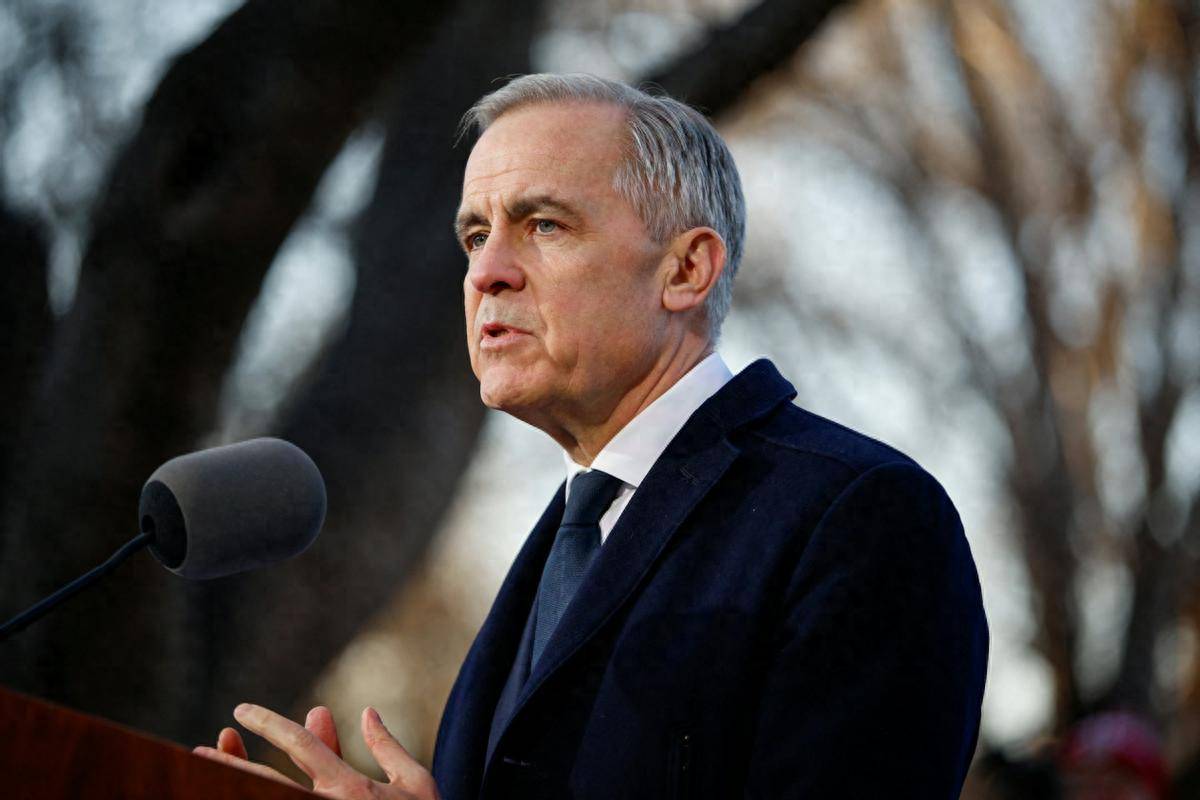
访华第三天,加拿大总理作出决定,取消对华关税,美方发出杂音
Sou Hu Cai Jing· 2026-01-19 08:35
Group 1 - Canada will no longer impose a 100% additional tariff on electric vehicles from China, instead applying a 6.1% most-favored-nation tariff on a limited number of imported vehicles, signaling a restoration of trade relations with China [1][3] - The new quota system aims to maximize bilateral cooperation and significantly reduce car purchase costs for Canadian citizens, while also encouraging substantial Chinese investment in Canada's automotive industry over the next three years [3][5] - Canadian farmers are expected to benefit from reduced tariffs on canola seeds, which will drop to approximately 15% by March 2026, and other agricultural products will no longer be subject to Chinese countermeasures starting in March [3][5] Group 2 - The visit of Canadian Prime Minister Carney to China is viewed as a crucial step in recalibrating Canada-China relations, with the signing of the "China-Canada Economic and Trade Cooperation Roadmap" providing a framework for future cooperation [5] - The U.S. has expressed concerns regarding Canada's decision to reduce tariffs on Chinese electric vehicles, indicating potential strategic implications for North American security and economic stability [5][7] - Many countries globally are moving towards diversifying their partnerships to mitigate risks, with China emerging as a significant partner due to its large and stable market and commitment to mutually beneficial cooperation [7]

中加发表联合声明,卡尼表示中国比美国更可靠,加拿大弃美投华?
Sou Hu Cai Jing· 2026-01-18 21:14
Group 1 - The core point of the article is that Canada's recent decision to eliminate the 100% tariff on Chinese electric vehicles marks a significant shift in its geopolitical stance, indicating a move towards China amidst pressures from the U.S. [1][4] - The trade relationship between Canada and the U.S. has become increasingly strained, with Canada heavily reliant on the U.S. for trade, accounting for 75% of its total foreign trade, which poses a risk to its economic stability [4][6] - The U.S. has imposed significant tariffs on Canadian goods, leading to a dire economic situation for Canada, prompting the need for Canada to seek new trade partnerships, particularly with China [6][10] Group 2 - Canada's perception of China as a more reliable partner stems from frustrations with U.S. unpredictability in trade policies, which has created a sense of urgency for Canada to diversify its economic relationships [7][8] - The removal of tariffs on Chinese electric vehicles is expected to benefit Canadian consumers by providing access to more affordable and advanced electric vehicle options, while also helping Canada meet its environmental goals [11][13] - The trade potential between China and Canada is significant, with projections indicating that bilateral trade could reach $120 billion by 2025, highlighting the mutual economic benefits of this relationship [17][21] Group 3 - The article draws parallels between Canada's current situation and Australia's past relationship with China, suggesting that economic realities can lead to a shift away from U.S. influence [15][17] - The geopolitical landscape is changing, with Canada's shift signaling cracks in the U.S.-led alliance system, as allies begin to question the reliability of U.S. leadership [20][21] - The invitation for Chinese leaders to visit Canada indicates that this is just the beginning of a new phase in Canada-China relations, suggesting further developments in trade and cooperation [24]
加拿大行业协会:卡尼政府调整中国产电动汽车进口政策“正当其时”
Huan Qiu Wang Zi Xun· 2026-01-18 12:28
Core Insights - Canadian Prime Minister Carney's visit to China marks the first official visit by a Canadian Prime Minister in eight years, focusing on deepening economic and trade cooperation between China and Canada [1] - A significant outcome of the visit is the signing of the "China-Canada Economic and Trade Cooperation Roadmap," which includes preliminary arrangements for addressing bilateral trade issues [1] Group 1: Trade Policy Changes - Canada will no longer impose a 100% additional tax on Chinese electric vehicles, instead implementing an annual import quota system, allowing Chinese electric vehicles to benefit from a 6.1% most-favored-nation tariff within the quota [1] - The quota for Chinese electric vehicles will increase proportionally each year, promoting competition in the Canadian market [1] Group 2: Market Implications - Daniel Breton, President and CEO of the Canadian Electric Vehicle Association, stated that the new tariff level of 6.1% will change the market dynamics and pressure other automakers to offer more affordable products [3] - The adjustment in import policy is seen as timely, given the diminishing reliability of the U.S. as a partner for Canada, prompting the need to seek new partnerships with countries like China, Japan, South Korea, and Europe [3][5] Group 3: Industry Context - The Canadian automotive industry has historically relied on agreements with the U.S. for 60 years, but the current landscape is rapidly changing, necessitating a shift in strategy [5] - The introduction of 49,000 Chinese electric vehicles into the Canadian market is viewed as a positive step towards diversifying trade partnerships [5]
涉中国电动汽车,美交通部长称“加拿大会后悔”,外国网友回怼
Huan Qiu Wang· 2026-01-17 15:07
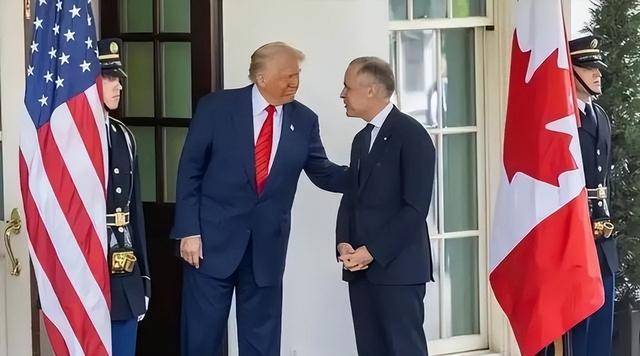
Group 1 - Canada will allocate a quota of 49,000 electric vehicles from China annually, benefiting from a 6.1% Most-Favored-Nation tariff rate, with the quota expected to grow at a certain rate each year [1] - Canadian Prime Minister Carney stated that this arrangement will bring more benefits to the Canadian people, highlighting the competitive advantages of Chinese electric vehicles in terms of cost-effectiveness, efficiency, and innovation [3] - The U.S. Secretary of Transportation expressed skepticism about Canada's decision, suggesting that Canada may regret allowing Chinese cars into their market, while President Trump had a contrasting view, supporting Canada's move as a positive development [1][2] Group 2 - Discussions on foreign forums indicate that many Canadians are excited about the opportunity to purchase affordable electric vehicles, which could significantly change their lives [1] - The CEO of Ford has acknowledged the dominance of Chinese automakers in the global electric vehicle market, emphasizing the competitive landscape between U.S. and Chinese companies [2] - Canadian officials believe that collaboration with China in the electric vehicle sector will enhance Canada's local industry and reduce consumer costs, fostering a new strategic partnership that benefits both nations [3]

涉中国电动汽车,美交通部长称“加拿大会后悔”,外国网友回怼:该后悔的是美国吧!
Huan Qiu Wang· 2026-01-17 14:38
Group 1 - Canada will allocate a quota of 49,000 electric vehicles from China annually, benefiting from a 6.1% Most Favored Nation tariff rate, with the quota expected to grow at a certain rate each year [1] - Canadian Prime Minister Carney emphasized that this arrangement will bring more benefits to the Canadian people and highlighted the competitive advantages of Chinese electric vehicles in terms of cost-effectiveness, efficiency, and innovation [3] - The U.S. response to Canada's decision has been mixed, with some officials expressing regret over the decision, while President Trump viewed it positively, suggesting that Canada should pursue deeper economic cooperation with China [1][2] Group 2 - Discussions on forums indicate that many Canadians are excited about the opportunity to purchase affordable electric vehicles, contrasting with U.S. consumers who may envy this development [1][2] - The CEO of Ford has acknowledged the dominance of Chinese automakers in the global electric vehicle market, suggesting that the competition between U.S. and Chinese companies is not comparable [2] - Carney stated that Canada aims to learn from China and collaborate to build a competitive domestic electric vehicle industry, which could lower consumer costs and enhance cooperation between the two countries [3]

年配额4.9万辆!中国电动车重返加拿大市场
Di Yi Cai Jing Zi Xun· 2026-01-16 16:49
根据商务部新闻办公室信息,2026年1月14日至17日,加拿大总理卡尼应邀对中国进行正式访问。访问 期间,双方就深化经贸合作达成广泛共识,签署了《中国—加拿大经贸合作路线图》,形成了关于处理 双边经贸问题的初步联合安排。双方围绕各自关注的经贸问题在各层级开展了多轮密集磋商,其中包括 电动汽车。 在加拿大增加关税之前,在华生产并向加拿大出口产品的电动汽车企业主要是特斯拉和极星,整体出口 量处于快速增长阶段。乘联分会秘书长崔东树整理的数据显示,2024年上半年,中国向加拿大出口新能 源乘用车1.32万辆,同比增长500%;2023年全年出口4.17万辆,同比增长751%。在加拿大对中国产电 动车关税增加后,中国出口至加拿大的电动车出现了负增长。 此次中加达成的每年4.9万辆电动车配额,恢复至贸易摩擦前中国电动车出口加拿大的水平。 商务部美大司负责人表示,2024年,加方对中国电动汽车加征100%附加税,中国对加出口电动汽车受 到很大影响。根据最新调整安排,加方将给予中国电动汽车每年4.9万辆的配额,配额内享受6.1%的最 惠国关税待遇,不再征收100%附加税,配额数量将按一定比例逐年增长。中方认为,这是加方朝着正 ...
商务部美大司负责人解读中国加拿大经贸磋商成果:加方将给予中国电动汽车每年4.9万辆的配额,配额内享受6.1%的最惠国关税待遇
Jin Rong Jie· 2026-01-16 16:20
2026年1月14日至17日,加拿大总理卡尼应邀对中国进行正式访问。访问期间,双方就深化经贸合作达 成广泛共识,签署了《中国—加拿大经贸合作路线图》,形成了关于处理双边经贸问题的初步联合安 排。商务部美大司负责人就有关经贸成果进行解读。商务部美大司负责人表示,2024年,加方对中国电 动汽车加征100%附加税,中国对加出口电动汽车受到很大影响。根据最新调整安排,加方将给予中国 电动汽车每年4.9万辆的配额,配额内享受6.1%的最惠国关税待遇,不再征收100%附加税,配额数量将 按一定比例逐年增长。中方认为,这是加方朝着正确方向迈出的积极一步,对中国电动汽车开拓加市场 来说也是个好消息。 ...
商务部美大司负责人:中方将调整加方关注的油菜籽反倾销措施和对加部分农水产品采取的反歧视措施
Zheng Quan Shi Bao Wang· 2026-01-16 15:24
Group 1 - The core viewpoint of the article highlights the progress in China-Canada trade negotiations, particularly regarding the adjustment of anti-dumping measures on canola seeds and agricultural products [1] - The Canadian side is expected to make positive adjustments concerning unilateral measures on Chinese electric vehicles and steel and aluminum products, as well as investment operations by Chinese companies in Canada [1] - The Chinese side will adjust anti-dumping measures on canola seeds and anti-discrimination measures on certain agricultural products from Canada, which is anticipated to enhance cooperation between the two countries and benefit their populations [1]
商务部美大司负责人解读中国加拿大经贸磋商成果
Hua Er Jie Jian Wen· 2026-01-16 15:00
Group 1 - The core viewpoint of the article highlights the cooperative spirit between China and Canada in addressing trade issues, particularly concerning canola seed and agricultural products exports to China [1] - Both parties have reached a preliminary consensus on adjusting anti-dumping measures related to canola seeds, indicating a willingness to negotiate and resolve trade disputes [1] - Canada is expected to make positive adjustments regarding unilateral measures on Chinese electric vehicles and steel and aluminum products, while China will respond by adjusting anti-dumping measures on canola seeds and anti-discrimination measures on certain agricultural products from Canada [1] Group 2 - The arrangements are anticipated to enhance industrial cooperation between China and Canada and improve the welfare of citizens in both countries [1]
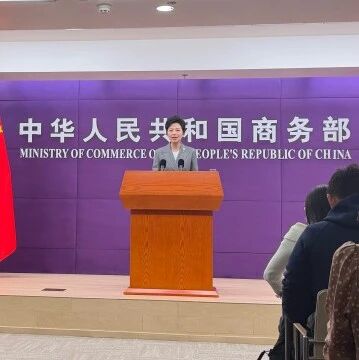
事关中加经贸合作、对日出口管制和中欧电动汽车案,商务部回应
第一财经· 2026-01-15 12:09
Core Viewpoint - The article discusses the recent visit of Canadian Prime Minister Carney to China and highlights the importance of trade relations between China and Canada, as well as the resolution of trade disputes with the European Union regarding electric vehicles [3][7]. Group 1: China-Canada Trade Relations - China and Canada support economic globalization and trade liberalization, with significant common interests and cooperation potential in the economic and trade sectors [3]. - China is actively expanding high-level opening-up and is willing to sign bilateral and regional trade investment agreements with willing countries to promote global trade and investment liberalization [3]. Group 2: China-Japan Relations - China firmly opposes Japan's recent statements regarding export controls, attributing the measures to Japan's actions that violate China's sovereignty and international norms [4]. - The Chinese government emphasizes that export controls are a common international practice aimed at maintaining world peace and fulfilling non-proliferation obligations [4][5]. Group 3: China-EU Electric Vehicle Case - The recent resolution of the China-EU electric vehicle case is seen as a positive outcome that boosts market confidence and injects new momentum into trade and investment cooperation [7]. - The resolution is viewed as a significant step towards establishing sustainable trade relations between China and the EU, demonstrating the feasibility of resolving trade disputes through partnership [7][8].