
银行盈利

Search documents
财报季开启,华尔街大型银行或表现亮眼
美股研究社· 2025-10-13 12:32
Core Viewpoint - Major banks on Wall Street are poised for a strong third-quarter earnings season, with analysts expecting a 6% profit increase compared to the same period last year [3][4]. Group 1: Earnings Expectations - Analysts predict that the core loan, trading, and investment banking revenues of major banks will see comprehensive growth, marking the seventh consecutive quarter of growth for investment banking and trading revenues, excluding Wells Fargo [4]. - The stock prices of Citigroup, Goldman Sachs, JPMorgan Chase, and Morgan Stanley have risen between 23% and 40% this year, outperforming the S&P 500 index by at least 9 percentage points [4]. Group 2: Market Conditions - The current market environment is characterized by high activity levels due to geopolitical dynamics, interest rate, and exchange rate fluctuations, contributing to a favorable outlook for banks [4]. - Despite earlier uncertainties caused by regulatory policies, global corporate merger and acquisition activity has surpassed $1 trillion, with a rebound in IPOs, corporate bond issuances, and syndicated loans [5]. Group 3: Management Insights - Bank executives expressed optimism regarding investment banking progress and the resilience of the U.S. economy during a Barclays conference, indicating that they are actively engaging with clients about the impacts of regulatory policies [5]. - Increased compensation costs across banks are seen as a reflection of heightened investment banking and trading activities, termed as "benign spending" by JPMorgan's co-head of commercial and investment banking [5]. Group 4: Concerns and Risks - JPMorgan CEO Jamie Dimon and Goldman Sachs CEO David Solomon warned of potential stock market corrections in the next two years, citing concerns over trade, tax, and immigration issues [6]. - Recent bankruptcies in the U.S. automotive sector have raised concerns about the credit environment, particularly regarding high-yield bonds and opaque markets [6][7]. Group 5: Credit Exposure - Documents reveal that JPMorgan and Fifth Third Bank have credit exposure to Tricolor, while larger creditors in the First Brands bankruptcy include Jefferies, UBS, and First Citizens Bank [7]. - Jefferies has reported $715 million in receivables related to the bankrupt First Brands Group, leading to a 20% drop in its stock price since being identified as a creditor [8].



A股:银行股不涨的原因就在于它,股民找到或许就能安心了!
Sou Hu Cai Jing· 2025-10-07 19:18
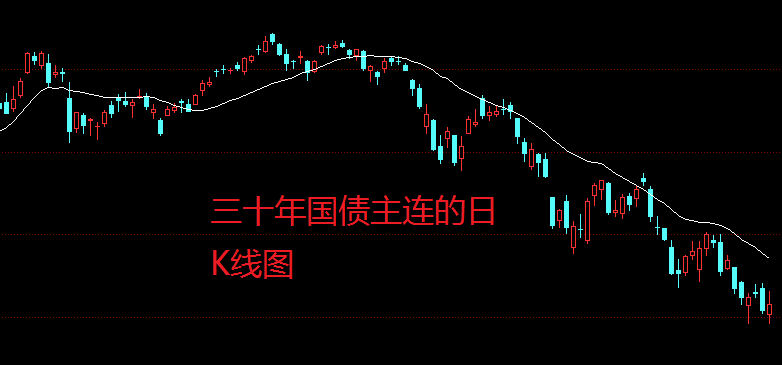
Core Viewpoint - The recent market trends show a divergence where technology stocks are reaching new highs while bank stocks are struggling to gain traction, primarily due to unexpected weakness in the bond market affecting banks' non-interest income [1][3]. Group 1: Bank Sector Performance - The banking sector experienced a weak performance in Q3, with stock prices generally declining by nearly 15% on average [3]. - Concerns over asset quality have intensified, particularly for small and medium-sized banks that rely on government bond investments for stable income, as seen with Changshu Bank receiving regulatory penalties for non-compliance with investment strategies [1][3]. Group 2: Economic Context - The fluctuations in government bond investments are part of the interest rate cycle, and banks primarily hold these bonds for stable coupon income, meaning short-term price volatility does not affect maturity payouts [3][6]. - The long-term value of banks is fundamentally tied to the stability of China's GDP growth and the continuous increase in household income, with an expected average growth rate of 4% to 5% over the next decade [5][6]. Group 3: Investment Opportunities - Well-managed banks with strong risk control and leading retail business layouts have the potential to achieve profit growth rates that outpace GDP growth by two times [6]. - The current stock price pullback has lowered valuations, enhancing future expected returns, and historical trends suggest that market pessimism often creates investment opportunities [8].
中信银行(601998):稳盈利、提分红,维持“买入”评级
Shenwan Hongyuan Securities· 2025-08-28 05:14
Investment Rating - The report maintains a "Buy" rating for CITIC Bank [1] Core Views - CITIC Bank's performance in the first half of 2025 shows a revenue of 105.8 billion yuan, a year-on-year decline of 3%, while the net profit attributable to shareholders is 36.5 billion yuan, reflecting a year-on-year growth of 2.8% [4][6] - The bank's asset quality remains stable, with a non-performing loan (NPL) ratio holding steady at 1.16% and a provision coverage ratio increasing by 0.4 percentage points to 208% [4][9] - The report highlights a gradual recovery in non-interest income, which decreased by 5% year-on-year in the first half of 2025, compared to a 14.4% decline in the first quarter [6][8] Financial Data and Profit Forecast - Total revenue projections for CITIC Bank are as follows: 2023: 205.9 billion yuan, 2024: 213.6 billion yuan, 2025E: 213.0 billion yuan, 2026E: 217.0 billion yuan, 2027E: 224.1 billion yuan [5] - The forecasted net profit attributable to shareholders for 2025 is 69.9 billion yuan, with a year-on-year growth rate of 1.98% [5] - The bank's return on equity (ROE) is projected to decline slightly from 10.80% in 2023 to 9.22% in 2025 [5] Key Performance Indicators - The bank's net interest margin (NIM) for the first half of 2025 is reported at 1.63%, a decrease of 14 basis points year-on-year [9][11] - The cost-to-income ratio improved to 26.91% in the first half of 2025, down from 27.33% in 2024 [13] - The bank's total loans reached 5.8 trillion yuan, with a year-on-year growth of 3.7% [13] Loan and Deposit Structure - In the first half of 2025, CITIC Bank's new loans exceeded 820 billion yuan, with over 90% of new corporate loans directed towards key sectors such as green finance and manufacturing [6][10] - Retail loans showed a recovery with a net increase of 44 million yuan in the second quarter of 2025 [6][10] - The total deposits of CITIC Bank reached 6.1 trillion yuan, reflecting a year-on-year increase of 10.7% [13]

LCNB Posts 486% Profit Jump in Q2
The Motley Fool· 2025-07-28 18:03
Core Insights - LCNB reported a significant GAAP earnings beat for Q2 2025, with earnings per share reaching $0.41, exceeding the analyst consensus estimate of $0.38 [1][6] - Total revenue for the quarter was $22.7 million, reflecting a year-over-year increase of 17.6% [3][6] - The bank demonstrated broad-based improvement in profitability metrics, particularly in net interest margins and returns [2][7] Financial Performance - Earnings per share (EPS) increased by 486% year-over-year from $0.07 in Q2 2024 to $0.41 in Q2 2025 [3][6] - Revenue rose from $19.3 million in Q2 2024 to $22.7 million in Q2 2025, marking a 17.6% increase [3][6] - Net interest margin improved from 2.86% in Q2 2024 to 3.47% in Q2 2025, a 0.61 percentage point increase [3][7] - Non-interest expense decreased by 12.4% from $17.8 million in Q2 2024 to $15.6 million in Q2 2025 [3][8] Business Overview - LCNB is a community-focused bank based in Ohio, offering a full range of financial products to individuals and small businesses [4] - The bank's strategy emphasizes local service, disciplined pricing, and expanding wealth and trust services [5] Notable Developments - The bank's net interest income rose by 15.1% year-over-year, while non-interest income increased by 28.6% due to stronger results from trust and wealth services [6] - Nonperforming loans increased to $4.8 million, or 0.28% of total loans, up from $3.0 million (0.17%) the previous year [9] - Shareholders' equity at the end of Q2 2025 was $263.5 million, with book value and tangible book value per share rising by 7.3% and 16%, respectively [12] Growth Trends - Net loans at the end of Q2 2025 were $1.71 billion, with loan origination activity at $88.8 million [11] - Bank deposits totaled $1.92 billion, while total assets under management slightly decreased to $4.18 billion [11] - The bank reported significant growth in cross-selling wealth and trust services, particularly in recently acquired branches [11] Future Outlook - Management expressed confidence in the bank's strong asset quality and enhanced profitability, positioning it for continued growth [13] - Key trends to monitor include loan and asset growth, changes in nonperforming loans, and deposit stability [14]


香港金管局:一季度香港零售银行整体除税前经营溢利同比增加15.8% 净息差收窄至1.51%
智通财经网· 2025-06-27 11:22
Core Insights - The Hong Kong banking system remains robust with ample capital and liquidity as of Q1 2025 [1][2] - Retail banking operating profit before tax increased by 15.8% year-on-year, driven by growth in foreign exchange and derivative income, as well as fees and commissions [1] - The net interest margin for retail banking narrowed to 1.51% from 1.53% in the same period last year [1] Loan and Deposit Trends - Total loans in the Hong Kong banking sector increased by 0.6% year-on-year, with loans used in Hong Kong and outside Hong Kong rising by 0.8% and 1.1% respectively [1] - Trade financing saw a decline of 4.7% year-on-year [1] - Total deposits increased by 3.5% year-on-year, with Hong Kong dollar deposits and US dollar deposits rising by 5.1% and 1.7% respectively [1] Asset Quality and Liquidity - The specific classified loan ratio in the Hong Kong banking system slightly increased from 1.96% at the end of Q4 2024 to 1.98% at the end of Q1 2025 [2] - The average liquidity coverage ratio for Class 1 institutions was 182.5%, significantly above the 100% regulatory minimum [2] - The total capital ratio for locally registered authorized institutions was 24.2% as of March 2025, well above the 8% international minimum requirement [2]
HomeStreet(HMST) - 2025 FY - Earnings Call Transcript
2025-05-29 18:00
Financial Data and Key Metrics Changes - The company reported a net loss of $144 million for February 2024, with a core net loss of $21 million when excluding certain factors [15] - In the first quarter of 2025, the core net loss was 44% less than the February core net loss, indicating improvement [15] - The net interest margin improved from 1.38% in February to 1.82% in February [15] Business Line Data and Key Metrics Changes - HomeStreet Bank achieved $1.1 million in net income in February, marking a return to profitability [16] - The company sold $990 million of multifamily loans in February, which helped reposition the balance sheet and improve liquidity [13][14] Market Data and Key Metrics Changes - The merger with Mechanics Bank is expected to enhance the company's branch footprint and deposit market share in key markets in the West [17] - The combined entity will have a diversified loan portfolio and a growing wealth management and trust business [17] Company Strategy and Development Direction - Following the termination of a previous merger, the company implemented a new strategic plan focused on improving liquidity and reducing costs [13] - The merger with Mechanics Bank is seen as a validation of the company's customer base and management strength, aiming to create new opportunities for employees [17][18] Management's Comments on Operating Environment and Future Outlook - Management anticipates core earnings growth in 2025 due to expected reductions in higher-cost borrowings and effective noninterest expense management [16] - The company does not expect to recognize any income tax expense on earnings for the next few years due to a deferred tax asset valuation allowance [16] Other Important Information - The company is in the process of completing the S-4 filing and proxy for the merger, with a special shareholders meeting expected in July [18] Q&A Session Summary Question: No active questions were raised during the meeting - The meeting concluded without any questions from shareholders [19]

2025年一季度商业银行主要监管指标点评:盈利维持稳定,基本面韧性强
EBSCN· 2025-05-18 11:13
Investment Rating - The report maintains a "Buy" rating for the banking industry, indicating a projected investment return exceeding the market benchmark index by more than 15% over the next 6-12 months [1]. Core Insights - The banking sector demonstrates strong resilience in fundamentals, with stable profitability and asset quality. In Q1 2025, commercial banks achieved a net profit of 656.8 billion, with a year-on-year profit growth decline of 2.3% [4][5]. - The report highlights that the decline in profit growth is consistent with the previous year, with non-interest income contributing 25% to total revenue, an increase of 2.5 percentage points compared to 2024 [5][6]. - The report emphasizes the stability of asset quality, with a non-performing loan (NPL) ratio of 1.51%, slightly up by 1 basis point from the end of the previous year [23][24]. Summary by Sections Profitability and Revenue - In Q1 2025, the profitability of commercial banks decreased by 2.3%, with state-owned banks showing a profit growth of 0.1%, while joint-stock banks, city commercial banks, and rural commercial banks experienced declines of 4.5%, 6.7%, and 2% respectively [5][7]. - The report notes that the net interest margin (NIM) narrowed to 1.43%, down 9 basis points year-on-year, with state-owned banks having a NIM of 1.33% [15][18]. Credit and Asset Quality - The report indicates that credit issuance remains strong, with total assets of commercial banks growing at a rate of 7.2% year-on-year. New loans and non-credit assets increased by 9.1 trillion and 4.6 trillion respectively [8][9]. - The NPL ratio remains stable at 1.51%, with a provision coverage ratio above 200%, indicating a robust capacity to absorb potential losses [23][24]. Capital Adequacy - As of Q1 2025, the risk-weighted assets (RWA) of commercial banks grew by 6.4%, leading to a slight decline in capital adequacy ratios across various bank types [29][30]. - The core Tier 1 capital adequacy ratio for commercial banks stands at 10.7%, reflecting a decrease from the previous year [29]. Investment Recommendations - The report suggests focusing on banks with strong fundamentals and high dividend yields, particularly large state-owned banks, which exhibit solid investment value due to their high dividend rates [31][44]. - It also highlights the potential of mid-sized banks with convertible bonds, which have shown strong performance recently [44][46].
Itau Unibanco Q1 Earnings & Revenues Rise Y/Y, Expenses Up
ZACKS· 2025-05-09 17:01
Core Viewpoint - Itau Unibanco Holding S.A. (ITUB) reported a recurring managerial profit of R$10.5 billion ($1.83 billion) for Q1 2025, reflecting a 5% year-over-year increase, supported by higher revenues and an increase in managerial financial margin, although offset by rising non-interest expenses [1] Financial Performance - Operating revenues for the quarter reached R$46.8 billion ($8.2 billion), marking a 9.4% increase year over year [2] - The managerial financial margin rose 18.6% year over year to R$30.4 billion ($5.3 billion) [2] - Commissions and fees increased by 2.9% to R$11.6 billion ($2 billion) [2] - Non-interest expenses totaled R$15.8 billion ($2.8 billion), up 9.8% year over year, primarily due to investments in technology [2] Efficiency and Credit Costs - The efficiency ratio improved to 38.1%, down 20 basis points from the previous year, indicating enhanced profitability [3] - The cost of credit charges increased by 10.3% year over year to R$9.6 billion ($1.7 billion) [3] Balance Sheet Overview - As of March 31, 2025, total assets decreased by 1.9% to R$2.62 trillion ($458.5 billion) [4] - Total liabilities, including deposits and borrowings, fell by 1.6% to R$2.59 trillion ($453.3 billion) [4] - The credit portfolio, including private securities and financial guarantees, grew by 3.7% to R$1.4 trillion ($245 billion) [5] Capital and Profitability Ratios - The Common Equity Tier 1 ratio was 12.6%, down from 13% a year earlier [6] - The annualized recurring managerial return on average equity increased to 22.3%, up from 21.9% in the previous year [6] Overall Assessment - The first-quarter results were positively influenced by the rise in managerial financial margin and a declining efficiency ratio, indicating improved profitability [7] - Growth in commissions and fees, along with a focus on maintaining a healthy credit portfolio, are seen as positive developments [7]


澳新银行(ANZ)上半财年净利润36.4亿澳元,分析师预期35亿澳元。上半财年现金利润35.7亿澳元,分析师预期34.9亿澳元。
news flash· 2025-05-07 21:35
Group 1 - ANZ reported a net profit of AUD 3.64 billion for the first half of the fiscal year, exceeding analyst expectations of AUD 3.5 billion [1] - The cash profit for the first half of the fiscal year was AUD 3.57 billion, also surpassing analyst forecasts of AUD 3.49 billion [1]
宁波银行(002142):盈利增速稳健,存贷持续高增
Ping An Securities· 2025-04-29 12:08
Investment Rating - The investment rating for the company is "Strong Buy" (maintained) [12] Core Views - The company demonstrates robust profit growth with a steady increase in both loans and deposits. In Q1 2025, the company achieved an operating income of 18.5 billion yuan, a year-on-year increase of 5.6%, and a net profit attributable to shareholders of 7.42 billion yuan, up 5.8% year-on-year [4][7] - The company's total asset scale grew by 17.6% year-on-year, with loans increasing by 20.4% and deposits by 19.9% [4][7] - The net interest margin (NIM) for Q1 2025 was 1.80%, showing a slight decline compared to the end of 2024, attributed to the pressure of asset repricing [7][8] - The asset quality remains stable, with a non-performing loan (NPL) ratio of 0.76% and a coverage ratio of 371% [8] Summary by Sections Financial Performance - In Q1 2025, the company reported operating income of 18.5 billion yuan, a 5.6% increase year-on-year, and net profit of 7.42 billion yuan, up 5.8% year-on-year [4][9] - The company expects steady growth in operating income and net profit over the next few years, with projected EPS of 4.38 yuan in 2025, 4.83 yuan in 2026, and 5.34 yuan in 2027 [7][10] Asset Quality - The NPL ratio remained stable at 0.76%, with a slight decrease in the loan generation rate to 1.09% [8][10] - The company maintains a high provision coverage ratio, ensuring strong risk mitigation capabilities [8] Growth Projections - The company anticipates continued growth in loans and deposits, with loan growth rates projected at 17.8% for 2024 and 16.0% for 2025 [11] - The total asset growth rate is expected to be around 15.3% for 2024, gradually stabilizing in subsequent years [11]
