
AI原生

Search documents
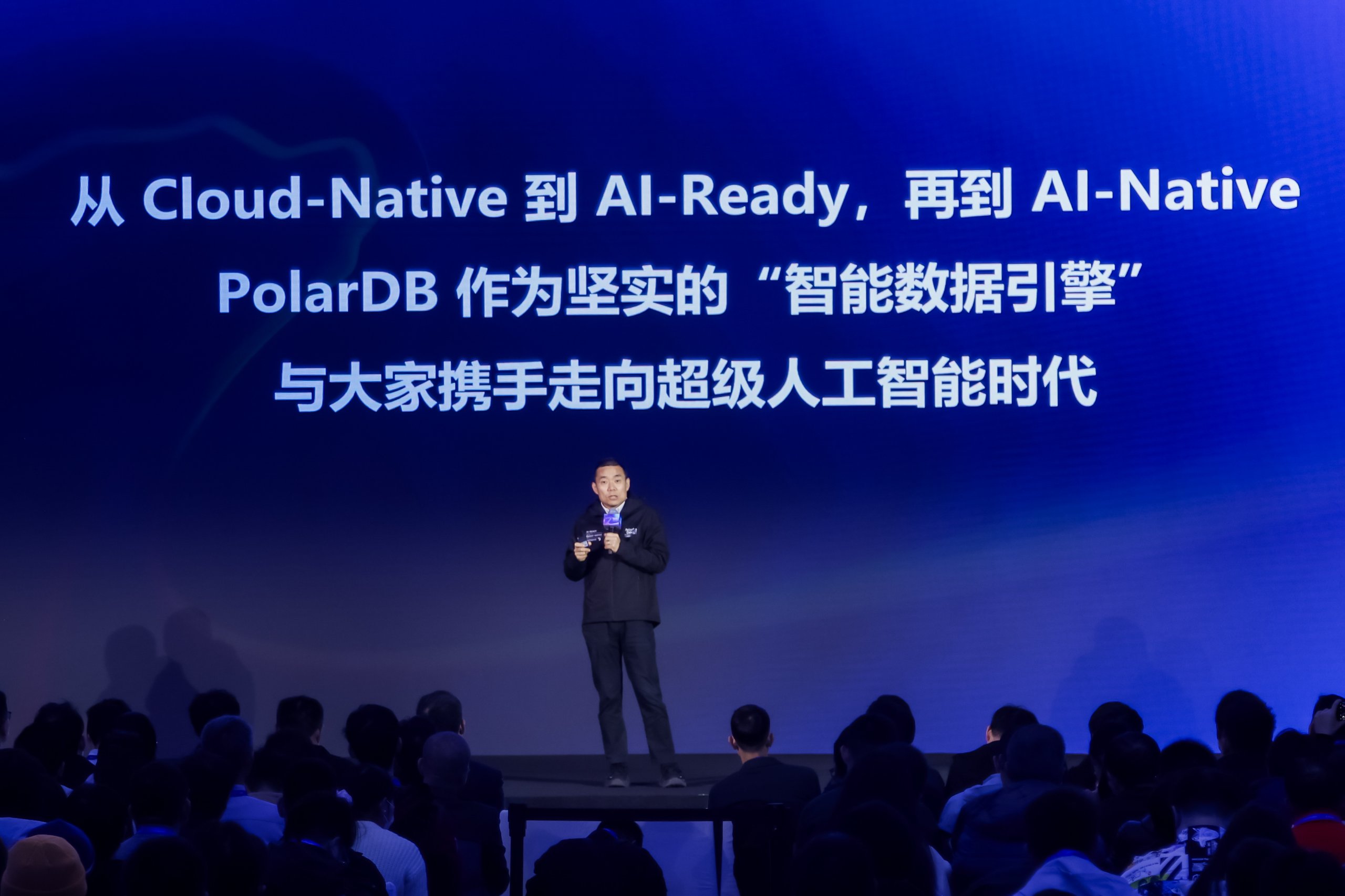
阿里云重新定义AI时代数据库
Hua Er Jie Jian Wen· 2026-01-21 10:18
Core Viewpoint - Alibaba Cloud's approach to the "AI Native" trend is more pragmatic, focusing on being "AI Ready" rather than rushing to label their products as "AI Native" [3][4]. Group 1: AI Readiness - The concept of "AI Ready" is explained through a "4+1" formula, emphasizing the need for databases to evolve from traditional structured data storage to a more versatile "Lakebase" that can handle various data types [4][5]. - The first step towards "AI Ready" is transforming databases into a "Lakebase" that can store both structured and unstructured data, allowing for better data management [4][8]. - The second key aspect is unified metadata management, which is crucial for handling the diverse and large volumes of data generated in the AI era [8][9]. - The third capability involves multi-modal retrieval and processing, integrating structured, semi-structured, and unstructured data [9][11]. - The fourth aspect includes model operatorization and support for AI agents, enabling real-time data processing and interaction with AI models [11][12]. Group 2: Cost Efficiency - Alibaba Cloud emphasizes cost efficiency through resource pooling, multi-tenancy, and elastic scaling, which are essential in the context of rising hardware prices [13][14]. - The "Serverless" model allows for extreme elasticity, enabling businesses to only pay for resources when needed, thus reducing costs during periods of low demand [15][16]. - The company highlights the importance of scale in achieving cost advantages, as larger operations can better absorb costs and provide savings to customers [36][38]. Group 3: Future of AI Native Databases - The transition from "AI Ready" to "AI Native" is seen as a gradual process, with specific criteria needed to define a database as "AI Native," such as a significant portion of users being AI agents and outputs being predominantly tokens [23][24]. - The future landscape is expected to be dominated by AI agents utilizing databases, with a focus on token-based outputs rather than traditional data formats [24][26]. - The integration of various AI capabilities, including natural language processing and multi-modal interactions, is essential for enhancing user experience and database functionality [20][21]. Group 4: Industry Trends and Challenges - The current trend in the AI landscape is characterized by rapid evolution, making it premature for companies to claim they have achieved "AI Native" status [22][30]. - The ongoing rise in memory and storage prices is expected to be a long-term challenge, impacting the overall cost structure of cloud services [39][40]. - Companies are encouraged to leverage cloud and AI platforms to maximize value, especially during periods of rising costs, as they can provide greater efficiency and scalability compared to traditional self-managed resources [40].

Grok 自我评价 X 新算法:潜力大但仍处“青春期”
Xin Lang Cai Jing· 2026-01-20 08:39
(来源:吴说) 吴说获悉,Grok 自我评价表示 X 的新算法推荐系统还处于青春期,但仍是目前最"AI 原生"的社交推荐 系统之一,改用大模型直接学习用户关注关系与历史互动生成画像,随后从关注者动态与全站发现内 容,并同时预测点赞、评论、转发、停留、拉黑、屏蔽、举报等多维互动概率以提升对负向行为与低质 内容的敏感度;减少人工偏置和关注关系门槛,以及多样性约束避免单一作者刷屏。但还存在 Transformer 学习过快导致"信息茧房 2.0"风险与内容分布重复的问题。 ...
畅想2026:第一部分
3 6 Ke· 2026-01-17 00:03
Infrastructure - The chaos of unstructured, multimodal data is a significant bottleneck for companies, with 80% of enterprise knowledge residing in unstructured formats, leading to a decline in data real-time, structuredness, and authenticity [2] - AI will automate much of the repetitive work in cybersecurity, addressing the recruitment challenges faced by Chief Information Security Officers (CISOs) as the number of cybersecurity job vacancies has increased from under 1 million to 3 million from 2013 to 2021 [3] - The rise of "agent-native" infrastructure will be crucial as businesses transition from human-speed traffic to agent-speed loads, necessitating a redesign of backend systems to accommodate rapid, recursive tasks [4][5] Growth - By 2026, traditional record systems will lose their core status as AI shortens the distance between intent and execution, transforming ITSM and CRM systems into autonomous workflow engines [9] - Vertical AI is evolving from information retrieval to a "multi-party collaboration" model, with companies in sectors like healthcare and finance rapidly increasing their annual recurring revenue (ARR) to over $100 million [10][11] Bio + Health - A new customer segment termed "Healthy Monthly Active Users" (MAUs) will emerge, focusing on regular health monitoring rather than reactive treatment, representing a significant market opportunity [15][16] Speedrun - AI-driven world models will revolutionize storytelling through interactive virtual environments, merging gaming mechanics with natural language programming, leading to the creation of a "generative multiverse" [17] - The trend towards personalized products will become prominent, with AI tailoring educational experiences and health plans to individual needs, marking a shift from mass production to customization [18][19] Education - The first AI-native university is anticipated to emerge, designed to adapt in real-time based on data feedback, with a focus on producing graduates skilled in collaborating with AI systems [20][21][22]
中国的AI应用创业者正在换道领跑 | AI火花开放麦
3 6 Ke· 2026-01-16 10:11
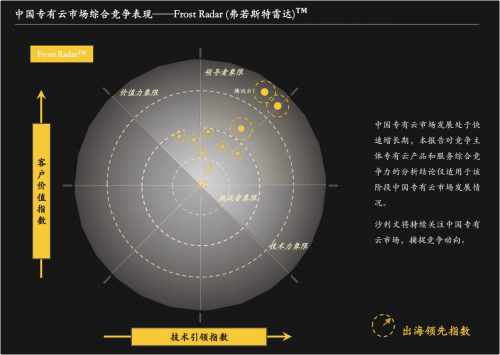
Core Insights - The game rules of AI entrepreneurship in China are being rewritten, shifting from "computing power anxiety" to "scenario dividends" and moving from "following Silicon Valley" to "leading the way" [1] Group 1: Key Changes in AI Entrepreneurship - Computing power is no longer the sole decisive factor; the "body" is becoming the new battlefield, with a model of "AI brain + Chinese manufacturing + global vision" emerging [4] - "AI native" is not just a technical label; it is shifting from "cost reduction and efficiency" to "creating supply," enabling the existence of previously non-existent products [5] - The window of opportunism is closing, and "continuous evolution" is becoming the new core competitiveness, with AI startups needing to prepare for constant changes [6] Group 2: Entrepreneurial Perspectives - Entrepreneurs are embracing uncertainty and returning to the essence of business, with the next chapter of AI likely to be written by those who understand manufacturing, human nature, and business [7] - AI is revolutionizing the way children interact with technology, allowing them to explore their unique talents and understand their relationships with the world [9] - The investment landscape is changing, with early-stage investments becoming more attractive due to the rapid growth cycles of AI companies [13] Group 3: Business Models and Profitability - Successful companies share common traits: a strong attitude, a balanced market capacity and verticality, and preparation for the next change [18] - The hardware business can be profitable if it scales well, with the focus on content monetization becoming increasingly important [17] - Collaboration among clients and forming alliances is essential for stability and growth in the current competitive landscape [19]


沙利文年度报告出炉:腾讯云领跑中国专有云市场
Sou Hu Cai Jing· 2026-01-16 08:27
Core Insights - The report highlights the rapid growth of the proprietary cloud market in China, driven by its advantages in migration costs, security compliance, and internal system integration, making it a critical infrastructure for "intelligent" and "overseas" enterprises [1][3] - Tencent's proprietary cloud TCE has been recognized as a leader in the Frost Radar evaluation, ranking first in both the "Customer Value Index" and "Overseas Leadership Index," showcasing its comprehensive strength and market influence [1][4] Group 1: Market Trends - The proprietary cloud is evolving from a simple resource delivery platform to a "smart infrastructure system" that supports core business and AI strategies, requiring full-stack solutions that include computing power, AI frameworks, and model services [3] - The demand for proprietary cloud solutions is deepening across industries, necessitating capabilities in security compliance, independent innovation, and collaboration from core to edge [3] Group 2: Tencent's Positioning - Tencent's TCE has established a leading position in customer value and overseas expansion by leveraging technology to enhance customer outcomes, aiming to support various industries in their digital transformation [4] - In the financial sector, TCE has become the preferred choice for major financial institutions' cloud transformation, exemplified by its support for China UnionPay in expanding its multi-center financial cloud architecture [4] - In the public sector, TCE's "one cloud, multiple cores" government cloud platform supports over 80 government systems in Shanghai's Xuhui District, significantly improving urban operational efficiency and risk management [4] Group 3: Technological Innovations - TCE maintains a core advantage of "same-source, same-structure," providing users with a consistent experience akin to public cloud services, enabling seamless use of full-stack services in a private environment [4][5] - TCE has achieved multiple domestic certifications for security compliance, establishing a comprehensive security protection system from infrastructure to application layers, which is crucial for industries with high security requirements [5] - The proprietary cloud is expected to focus on AI-native capabilities, cloud-edge collaboration, and intelligent operations as key development trends, with Tencent committed to continuous innovation and application deepening [5]

愉悦资本刘二海:智能经济和网络经济有所不同,最核心的还是生产力跃迁
Xin Lang Cai Jing· 2026-01-15 10:58
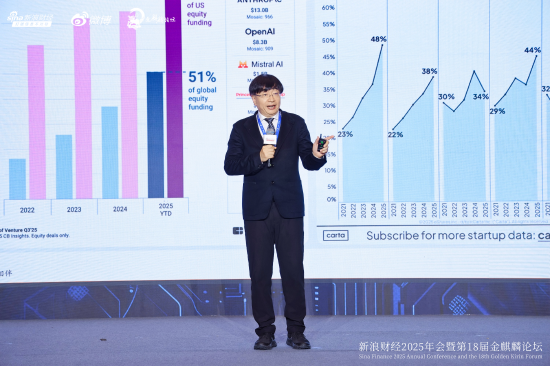
Core Insights - The "2025 Technology Wind List" annual event was held in Beijing, featuring a keynote speech by Liu Erhai, founder and managing partner of Joy Capital, discussing the paradigm shift from automation to autonomy [1][4]. Group 1: Economic Transition - The intelligent economy differs from the previous internet economy, with the core being a leap in productivity [1][4]. - The transition is characterized by a shift from automation to autonomy, and business models are evolving from platforms to bilateral structures, along with the integration of software and hardware [1][4]. Group 2: Development Stages - Liu emphasized that previous advice against focusing on models in favor of applications was incorrect, highlighting the importance of understanding the development stages [1][4]. - The initial phase of development involves creating chips, models, and autonomous driving technologies, which will eventually lead to the native AI and industry penetration, following its own rules [1][4].
华为发布智能光伏十大趋势:光风储协同、智能体融入新能源电站等
Sou Hu Cai Jing· 2026-01-14 10:52
Core Insights - Huawei Digital Energy held a conference on January 12, 2023, to unveil the "Top Ten Trends in Smart Photovoltaics for 2026," highlighting the transition of the renewable energy industry into a "value cultivation period" as it faces stability challenges in power generation, grid, and consumption due to increased penetration of renewable energy [1][14]. Group 1: Trends Overview - Trend 1: The synergy of solar, wind, and storage will make renewable energy a predictable and controllable stable power source, requiring five core features for future large-scale renewable energy bases [2]. - Trend 2: Network-based energy storage will become a key support for grid stability and balance, enabling participation in energy market transactions and providing auxiliary services [4]. - Trend 3: The collaborative model of source, grid, load, and storage will evolve towards "regional autonomy + global collaboration" through AI-driven scheduling technology [5]. Group 2: Technological Innovations - Trend 4: Home solar storage scenarios will transition from AI empowerment to AI-native, enhancing user experience through comprehensive AI integration [6]. - Trend 5: High frequency and density will drive continuous improvements in the power density of solar storage devices, with expectations of over 40% enhancement in the coming years [7]. - Trend 6: High voltage and reliability will lead to a reduction in the cost per kilowatt-hour, supported by upgrades in key components and proactive safety measures [8]. Group 3: System Management and Safety - Trend 7: Battery management at the system level is essential for the safe and stable operation of energy storage systems, utilizing digital technologies for precise monitoring [9]. - Trend 8: The technology system for renewable energy networking is maturing, accelerating the construction of new power systems through integrated high-performance hardware and algorithms [10]. - Trend 9: Intelligent systems will deeply empower renewable energy stations, moving towards "autonomous driving" capabilities [11]. Group 4: Safety and Standards - Trend 10: The energy storage industry is advancing towards a new phase of quantifiable safety, establishing clear safety standards to address industry pain points and enhance safety capabilities [12][37].

1688启动“AI加速·产业带生意抢跑计划” 面向新入驻商家推出“三保”服务
Zheng Quan Ri Bao Wang· 2026-01-14 10:11
Core Insights - Alibaba's 1688 platform has launched the "AI Acceleration and Business Sprint Plan" to support new merchants with guaranteed visitor, inquiry, and order numbers, aiming to leverage AI capabilities for business growth in early 2026 [1][2] Group 1: AI Integration and Merchant Support - The "Three Guarantees" service includes a promise of 50,000 visitors, 500 inquiries, and 300 orders, with a marketing bonus of 6,688 yuan if targets are not met by December 31, 2026 [1] - 1688 aims to integrate AI resources to help merchants capture consumer demand in the first quarter of 2026, with over 290,000 merchants using AI products daily as of December 30, 2025 [1][2] Group 2: Industry Transformation and Trends - The Chinese industrial sector is undergoing a transformation driven by AI, with a K-shaped recovery and a shift from reliance on information asymmetry to competition based on product, price, and service [2] - The application of AI is expected to evolve through three phases: "AI外挂" (AI as an efficiency tool), "AI共生" (deep integration with core business), and "AI原生" (AI-driven decision-making) [3][4] Group 3: Regional Development and AI Adoption - The Pearl River Delta and Yangtze River Delta are leading in AI integration, with product launch cycles reduced to under 20 days, while central regions focus on efficiency and precision [3] - The report predicts that by 2025, the industrial sector will increasingly adopt AI, with a complete transition to an AI-native model expected by 2028 [3][4]
中概股回暖叠加AI产品热销 网易有道股价单日大涨近7%
Zheng Quan Ri Bao· 2026-01-13 14:17
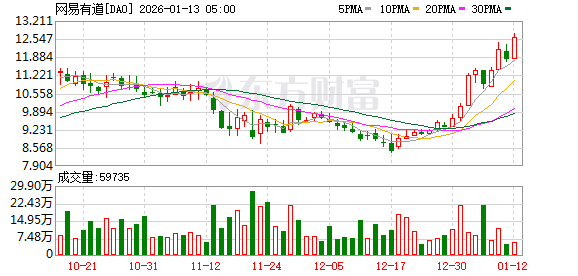
Group 1 - The core viewpoint of the news highlights that NetEase Youdao's stock price surged by 6.97% to $12.61 per share, driven by improved market sentiment for Chinese concept stocks and recognition of its fundamental improvements and AI strategy implementation [2] - Analysts from various brokerages, including Huatai Securities and CICC, have expressed optimism about the company's transformation prospects, particularly praising its AI business layout and the continuous optimization of its growth momentum and profit quality [2] - The company's business fundamentals have provided solid support for the stock price increase, with NetEase Youdao achieving profitability for five consecutive quarters under its "AI-native" strategy, showing strong growth resilience [2] Group 2 - NetEase Youdao's net revenue for the third quarter of 2025 reached 1.63 billion yuan, a year-on-year increase of 3.6%, while operating profit was 28.27 million yuan, indicating improved financial health with a 31.4% year-on-year reduction in operating cash outflow [2] - The company has shifted its positioning from "educational technology" to "learning and advertising AI application service provider," aiming to deepen commercialization capabilities in the learning and advertising sectors using AI technology [2] - In its AI strategy, NetEase Youdao emphasizes "scene landing," having launched its self-developed "Ziyue" large model in early 2023, which has been applied to various software and hardware products, enhancing product AI integration [3]


中概股强势反弹叠加AI产品热销,有道(DAO.US)股价单日大涨近7%
智通财经网· 2026-01-13 11:09
Core Viewpoint - The stock price of Youdao (DAO.US) surged by 6.97% to $12.61, driven by improved market sentiment for Chinese concept stocks and recognition of its fundamental improvements and AI strategy implementation [1] Group 1: Stock Performance - Youdao's stock price broke through key resistance levels, creating a technical buy signal that attracted trend investors [1] - Several brokerages, including Huatai Securities and CICC, have issued positive reports on the company's transformation prospects, particularly praising its AI business layout [1] Group 2: Financial Performance - Youdao has achieved profitability for five consecutive quarters under its "AI-native" strategy, demonstrating strong growth resilience [2] - For the first three quarters of 2025, the cumulative operating profit increased by nearly 150% year-on-year [1] - In Q3 2025, Youdao reported net revenue of 1.63 billion yuan, a year-on-year increase of 3.6%, and operating profit of 28.27 million yuan [1] - The company's operating cash outflow narrowed by 31.4% year-on-year, enhancing its financial health for future development [1] Group 3: Business Transformation and AI Strategy - Youdao has shifted its positioning from "educational technology" to "learning and advertising AI application service provider," aiming to deepen commercialization capabilities in these sectors using AI technology [2] - The company launched its self-developed "Ziyue" large model in early 2023, applying it to various software and hardware products, enhancing AI integration [2] - Youdao's "AI-native" strategy focuses on advancing online courses, smart learning hardware, and AI-driven advertising, establishing a unique competitive advantage in these segments [2] - The recent stock price increase reflects not only short-term market sentiment but also recognition of the effectiveness of its business transformation and the prospects of its "AI-native" strategy [2]