
AI魔改

Search documents
4800余条视频被处置!微信、抖音、快手、小红书、微博集体公告
Yang Shi Xin Wen· 2026-01-09 02:34
Core Viewpoint - The Chinese government will implement a nationwide "AI Magic Modification" video governance action starting January 1, 2026, focusing on content related to classic literature, historical themes, revolutionary themes, and model figures [1] Group 1: Governance Actions - A one-month special governance action will be conducted to address "AI Magic Modification" in television dramas [1] - Over 4,800 videos have been processed by various online audio-visual platforms in the first week of the initiative [1] Group 2: Platform Responses - WeChat has processed a total of 1,078 short video contents since the start of the initiative [2] - Douyin has removed 1,075 videos related to "AI Magic Modification" as of January 8, 2026 [2] - Kuaishou has addressed 1,057 pieces of content that violate the "AI Magic Modification" guidelines [2] - Bilibili has intercepted and processed over 700 problematic submissions related to "AI Magic Modification" [2] Group 3: Additional Platform Actions - Xiaohongshu has cleaned up 487 pieces of "AI Magic Modification" video content and dealt with 21 violating accounts [3] - Baidu has inspected and cleared 284 videos related to "AI Magic Modification" and closed 2 accounts [4] - Weibo has intercepted and cleared over 190 violating videos and has imposed temporary to permanent bans on 7 violating accounts [4]

小红书:累计清理处置“AI魔改”视频违规内容487条
Xin Lang Cai Jing· 2026-01-08 15:54
Core Viewpoint - Xiaohongshu is taking proactive measures to address the proliferation of "AI-modified" videos that distort historical narratives and cultural representations, aiming to create a healthier online environment for youth [1][4]. Group 1: Governance Actions - Xiaohongshu is responding to regulatory requirements by initiating a special cleanup and governance campaign targeting "AI-modified" videos, particularly those that distort classic literature and historical themes [1]. - The platform has removed a total of 487 pieces of "AI-modified" content and has banned 21 accounts for violations related to harmful content [1]. Group 2: Specific Cases - Several accounts have been identified and penalized for frequently posting "AI-modified" content that promotes negative values, including: - An account associated with high-frequency posts related to the four classic novels [2]. - An account posting videos with inappropriate values related to SpongeBob [3]. - An account sharing content with poor value guidance related to Pikachu [4]. - An account distributing "AI-modified" content related to the American version of "Shan Hai Jing" [4]. Group 3: Community Engagement - Xiaohongshu emphasizes the importance of building a safe online environment and encourages users to adhere to community guidelines and report violations to help maintain a positive content ecosystem [4].
B站:从严拦截处置涉“AI魔改”问题的违规稿件700余条
Xin Lang Cai Jing· 2026-01-08 15:54
Core Viewpoint - Bilibili is intensifying its governance of online content by launching a special campaign against "AI-modified" videos to address dissemination issues and foster a harmonious community atmosphere [1] Group 1: Governance Actions - The company is enhancing its inspection and review efforts since January 1, identifying cases of misuse of AI tools that disrupt classic films and animations, leading to significant deviations from the original works' core spirit [1] - Over 700 pieces of content violating "AI-modified" regulations have been intercepted and dealt with strictly, in accordance with national laws and community guidelines [1] Group 2: Types of Violations - There are serious violations that contradict the original spirit and character portrayal, undermining basic understanding and deconstructing common consensus [3] - Content that glorifies violence, promotes lowbrow curiosity, and advocates erroneous values, violating public morals, has been identified [6] - Notable issues include the appropriation and alteration of Chinese culture [9] - Various types of cult animations generated through modification have been flagged as problematic [11] Group 3: Community Engagement - The company encourages users to actively report illegal and irregular information on the platform, promoting a safer, more orderly, and high-quality online audiovisual environment [11]


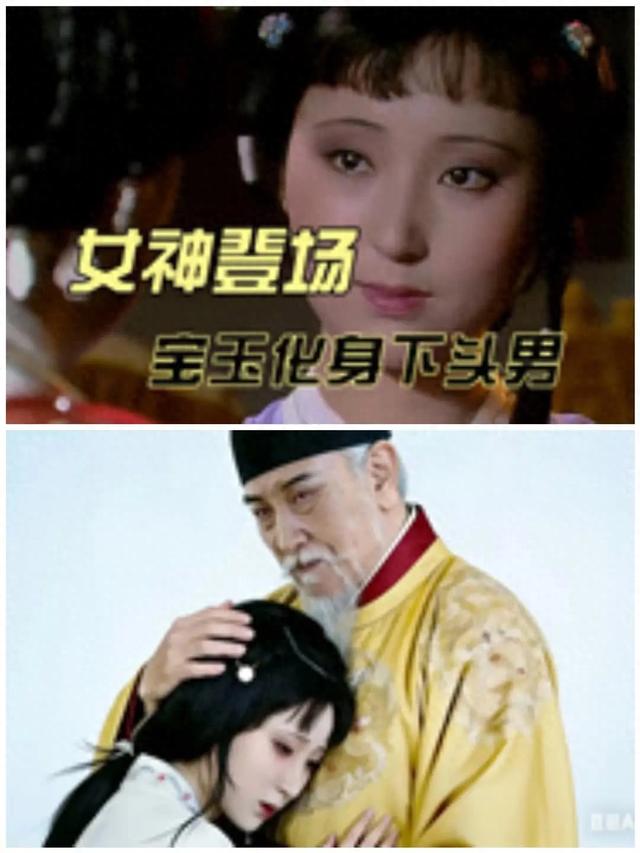
百度:围绕AI“魔改”经典IP等场景,累计巡查清理违规视频284条
Xin Lang Cai Jing· 2026-01-08 15:54
Core Viewpoint - The announcement highlights Baidu's commitment to addressing the issue of "AI-modified" videos in response to a national initiative aimed at regulating such content starting January 1, 2026 [1][5]. Group 1: Governance Measures - Baidu is actively responding to the national governance initiative by enhancing content review processes and implementing a collaborative mechanism between technical identification and manual review [1]. - The company aims to accurately target key areas of AI content violations, focusing on identifying sensitive elements such as military uniforms, notable figures, and classic IP images through advanced detection methods [1]. - A specialized model for political content control is being developed to improve semantic recognition and intent prediction, thereby preventing the generation of inappropriate "AI-modified" content at the source [1]. Group 2: Progress and Achievements - To date, Baidu has inspected and removed a total of 284 videos related to AI-modified classic IPs and politically sensitive content, resulting in the closure of 2 accounts [2]. - Specific cases of violations include inappropriate AI-generated portrayals of military figures and classic literary characters, which have been promptly addressed by removing the offending videos and closing the accounts involved [3]. Group 3: Future Commitment - Baidu is committed to continuing its efforts in regulating "AI-modified" videos to create a healthier online environment for youth [4].

多平台公布涉“AI魔改”违规视频处置结果
Jing Ji Guan Cha Wang· 2026-01-08 15:24
Core Viewpoint - The National Radio and Television Administration will launch a month-long "AI Modification" video governance action nationwide starting January 1, 2026, targeting the regulation of AI-modified content across various online platforms [1] Group 1: Regulatory Actions - WeChat has processed a total of 1,078 pieces of non-compliant short video content since the start of the initiative [1] - Douyin has removed 1,075 videos related to "AI Modification" violations [1] - Kuaishou has conducted a special governance action against "AI Modification" videos, processing 1,057 pieces of non-compliant content [1] Group 2: Platform-Specific Results - Bilibili has intercepted and dealt with over 700 problematic submissions related to "AI Modification" [1] - Xiaohongshu has cleaned up 487 pieces of non-compliant "AI Modification" video content and has dealt with 21 non-compliant accounts [1] - Baidu has inspected and cleared 284 non-compliant videos related to classic IPs and sensitive political and military scenarios, closing 2 accounts [1] - Weibo has intercepted and cleared over 190 non-compliant videos and has imposed temporary to permanent bans on 7 non-compliant accounts based on severity [1]
微信公告:“AI魔改”视频专项治理行动以来,共处置违规短视频内容1078条
Xin Lang Cai Jing· 2026-01-08 12:49
Core Viewpoint - The article discusses the announcement of a special governance action against "AI-modified" videos, aimed at addressing the misuse of AI tools in altering classic films and animations, which has led to inappropriate and vulgar adaptations [1] Group 1: Governance Action - Starting from January 1, 2026, a one-month special governance action will be implemented to manage "AI-modified" videos, ensuring a healthy order in the dissemination of online information [1] - The platform has identified accounts that have violated regulations by publishing harmful "AI-modified" videos, leading to the disposal of 1,078 pieces of non-compliant short video content since the initiation of the special action [1] Group 2: Compliance and Self-Regulation - The platform will continue to enforce the requirements of the "AI-modified" video governance action, enhancing its ability to manage and strictly handle non-compliant content and accounts [1] - Creators are urged to strengthen self-discipline to collectively maintain a clear online ecosystem [1]

治理“AI魔改”需明确创新边界
Xin Lang Cai Jing· 2026-01-06 18:32
Core Viewpoint - The National Radio and Television Administration has initiated a month-long campaign to regulate "AI-modified" videos, focusing on content that distorts classic literature, historical themes, and revolutionary figures, raising concerns about the boundaries of AI video innovation [1] Group 1: Regulatory Actions - The campaign targets videos that undermine mainstream values or present vulgar content, particularly those based on the Four Great Classical Novels and other significant cultural works [1] - The initiative has sparked widespread public attention and discussion regarding the implications of AI-generated video content [1] Group 2: Cultural Impact - The alteration of classic characters and narratives poses risks to cultural identity and the values they represent, particularly affecting minors during their formative years [1] - The preservation of traditional culture and its core values is emphasized, advocating for a balance between innovation and respect for cultural heritage [1] Group 3: Legal Considerations - There is a pressing need for legal frameworks to address copyright issues related to AI-generated content, as many creators lack awareness of copyright laws [1] - The article highlights the importance of establishing clear standards for the use and modification of existing content to prevent infringement while allowing for reasonable creative reinterpretation [1] Group 4: Future Directions - The article suggests that AI technology can enhance cultural education and engagement, such as through interactive museum experiences and digital representations of historical figures [1] - It calls for video platforms to take responsibility for content moderation and for regulatory bodies to enforce compliance, promoting high-quality AI video creation while curbing harmful content [1]
起底AI魔改灰色产业链:1分钱撬动日入千元暴利
3 6 Ke· 2026-01-06 07:21
Core Viewpoint - The rise of AI-generated "mashup" videos is causing widespread concern due to copyright infringement risks and potential cognitive distortions for youth, necessitating urgent regulatory measures to establish compliance boundaries and content governance [1][9][10]. Group 1: AI Mashup Video Trends - AI technology is being misused to create altered videos of classic films and historical figures, leading to a surge in bizarre and humorous content that garners millions of views on short video platforms [2][4]. - The production of these videos often involves face-swapping, voice alteration, and script modification, aiming to create a stark contrast and curiosity effect to attract large audiences [4][6]. Group 2: Grey Industry Chain - A complete grey industry chain has emerged around AI mashup content, with low entry barriers attracting many profit-seekers, including the sale of tutorials and software for creating such videos [6][8]. - Tutorials are often sold at minimal prices, with claims that a small number of videos can generate significant views and income, enticing many newcomers to participate [6][8]. Group 3: Legal and Regulatory Concerns - Each participant in the AI mashup industry, from tool developers to content uploaders, faces legal risks related to copyright infringement, with potential criminal and civil liabilities [9][10]. - The National Radio and Television Administration has initiated a special governance action to address the proliferation of AI mashup videos, requiring platforms to enhance content review responsibilities and eliminate violations [9][10]. Group 4: Future Regulatory Framework - The regulatory approach is shifting from passive compliance to proactive prevention, with platforms required to establish comprehensive content governance mechanisms [10][11]. - Establishing clear identification, traceability, and copyright transaction mechanisms is essential for integrating technological innovation within legal frameworks, promoting a shift from "wild growth" to "regulated competition" in the AIGC industry [11].
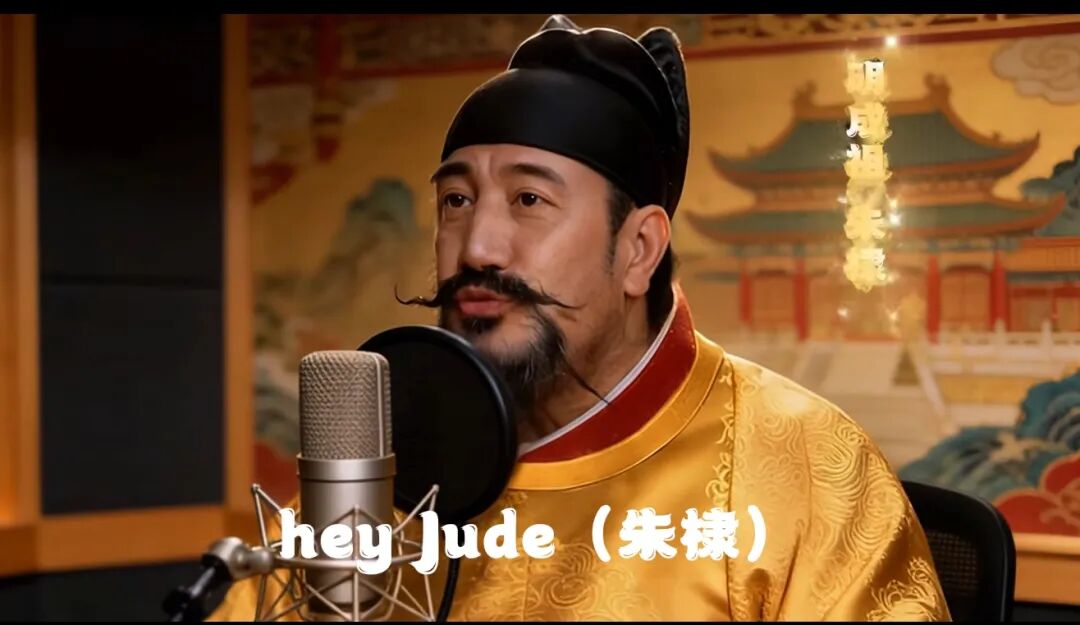
“唐僧买保险,刘备卖假鞋”?“AI魔改”该管管了
Xin Lang Cai Jing· 2026-01-05 18:44
Group 1 - The core issue is the rise of "AI-modified" videos that distort classic narratives, leading to a dilution of cultural values and historical significance [1][2] - The National Radio and Television Administration has initiated a month-long special governance action to address the "AI-modified" content, focusing on works based on classic literature, historical themes, and revolutionary figures [1] - "AI-modified" videos are created using generative AI tools, which transform classic characters and stories into lowbrow humor, undermining the original intent and cultural depth of these works [1][2] Group 2 - Commercial interests are driving the trend of "AI-modified" content, with some businesses selling tutorials that promise quick profits, while platform algorithms promote sensationalized content, creating a vicious cycle [2] - The proliferation of low-quality content is leading to a decline in the audience's patience for deep narratives, resulting in a more superficial and fast-paced internet culture [2] - The initiative by the National Radio and Television Administration aims to protect cultural heritage and intellectual property by curbing lowbrow modifications, emphasizing the need for responsible content creation and platform accountability [2]
国家广播电视总局开展专项行动
Ke Ji Ri Bao· 2026-01-05 06:06
Core Viewpoint - The National Radio and Television Administration will implement a one-month special governance initiative starting January 1, 2026, to address the proliferation of "AI-modified" video content that distorts classic characters and narratives [1][3]. Group 1: Governance Measures - The special governance will focus on cleaning up "AI-modified" videos based on classic literature, historical themes, revolutionary subjects, and heroic figures that severely violate the original spirit and character portrayal [1]. - The initiative aims to eliminate content that promotes violence, lowbrow entertainment, and incorrect values, as well as address issues of cultural appropriation and misrepresentation of Chinese history [1][3]. - Online video platforms are required to take responsibility for content review, ensuring the removal of non-compliant content and addressing accounts that frequently violate regulations [3]. Group 2: Legal and Ethical Considerations - Modifying classic film and television clips using AI poses significant copyright infringement risks, as it constitutes unauthorized reproduction and adaptation [2]. - Legal experts emphasize that altering an actor's image or performance could further infringe on their rights, increasing the risk of legal repercussions for platforms hosting such content [2]. - There is a call for short video platforms to take on a gatekeeping role, limiting the spread of content that includes violence or vulgarity [2]. Group 3: Technological Solutions - Recommendations include developing specialized algorithmic models to identify characteristics of "AI-modified" videos, such as unnatural edits and audio-visual mismatches [3]. - Platforms are encouraged to establish user reporting channels to facilitate the reporting of infringing or harmful "AI-modified" content [3]. - The National Radio and Television Administration plans to summarize the governance outcomes and develop comprehensive measures for ongoing management and normalization of content governance [3].