制度型开放

Search documents
人民财评:海南封关,为何能打开消费?
Sou Hu Cai Jing· 2025-12-25 08:26
Group 1 - The core point of the news is that Hainan's free trade port has significantly expanded its duty-free shopping options, leading to a surge in sales and consumer interest, with sales exceeding 100 million yuan for four consecutive days after the closure began [1] - The number of zero-tariff items has increased from over 1,900 to 6,637, covering 74% of product categories, which indicates a substantial enhancement in consumer access to a variety of goods [1] - The policy aims to create a "quasi-offshore" low-tax environment within China, enhancing the international competitiveness of imported goods and encouraging domestic consumption to return from overseas channels [1] Group 2 - The fundamental benefit of the closure is the promotion of institutional openness, which reduces transaction costs and allows consumers to access high-quality global products at competitive prices [2] - The zero-tariff environment will also benefit local manufacturing and service industries by lowering costs for imported raw materials and components, thus improving the overall quality of the supply chain [2] - Hainan is expected to evolve into a comprehensive high-end service ecosystem that integrates display, experience, consumption, and after-sales services, attracting global brands to establish a presence in the region [2] Group 3 - Maintaining regulatory efficiency and convenience amidst high-frequency, large-scale logistics exchanges is a challenge for Hainan, as sustaining consumer growth will depend on improvements in the business environment, logistics efficiency, and consumer rights protection [3] - The operation of Hainan's free trade port represents a significant step in China's broader strategy for opening up, focusing not just on immediate consumption growth but also on long-term competitive advantages through institutional innovation [3]
新版外商投资目录来了
Di Yi Cai Jing Zi Xun· 2025-12-25 06:38
Core Viewpoint - The release of the "Encouragement Directory for Foreign Investment (2025 Edition)" aims to attract and utilize foreign investment more effectively, focusing on advanced manufacturing, modern services, high-tech, and environmental protection sectors, as well as promoting investment in the central and northeastern regions of China [2][3]. Group 1: Changes in the Encouragement Directory - The new directory includes a total of 1,679 entries, with a net increase of 205 entries and 303 modifications compared to the 2022 version [3]. - The national directory has 619 entries, with 100 new additions and 131 modifications, while the regional directory has 1,060 entries, with 105 new additions and 172 modifications [3]. - The expansion of the directory signals a proactive approach to attract foreign investment amidst increasing global competition and protectionist measures from other countries [3][4]. Group 2: Focus Areas for Foreign Investment - The new directory encourages foreign investment in advanced manufacturing by adding or expanding entries related to end products, components, and raw materials to enhance the development of supply chains [4]. - It promotes investment in modern services, with new or expanded entries in business services, technical services, scientific research, and service consumption to foster high-quality development in the service sector [4]. - The directory also emphasizes investment in the central and northeastern regions of China, tailoring entries to local resources and industrial advantages, such as new projects in various provinces [4][5]. Group 3: Impacts on Industry Structure and Economic Growth - The revision of the directory is expected to support industrial structure upgrades and improve efficiency, responding to the rapid technological revolution and industrial transformation [5]. - It aims to attract global innovation factors and enhance international investment cooperation, benefiting both supply and demand sides of the economy [5][6]. - The directory continues to prioritize technology innovation as a key area for foreign investment, supporting advanced manufacturing and high-tech sectors to foster new productive forces [6]. Group 4: Future Directions and Implementation - The National Development and Reform Commission plans to strengthen guidance and coordination to ensure the effective implementation of the new policies [7]. - Efforts will be made to create a market-oriented, law-based, and international business environment to attract more multinational companies to invest in China [7]. - The government will expedite the launch of major foreign investment projects and address issues related to land use, environmental assessments, and energy consumption [7].


新版外商投资目录来了,哪些变化值得关注
Di Yi Cai Jing· 2025-12-25 06:21
Core Viewpoint - The release of the "Encouragement Directory for Foreign Investment Industries (2025 Edition)" aims to attract more foreign investment into advanced manufacturing, modern services, and specific regions like the Midwest and Northeast of China, effective from February 1, 2026 [1][2]. Group 1: Changes in the Encouragement Directory - The new directory includes a total of 1,679 entries, with a net increase of 205 entries and 303 modifications compared to the 2022 version [2]. - The national directory has 619 entries, with 100 new additions and 131 modifications, while the regional directory has 1,060 entries, with 105 new additions and 172 modifications [2][3]. - The expansion of the directory is seen as a proactive measure to enhance China's openness and respond to global competition for foreign investment [2]. Group 2: Focus Areas for Foreign Investment - The new directory encourages foreign investment in advanced manufacturing, with new or expanded entries related to end products, components, and raw materials to enhance the development of supply chains [3][4]. - It also promotes foreign investment in modern services, adding entries in business services, technical services, scientific research, and service consumption to foster high-quality development in the service sector [3]. - The directory aims to attract foreign investment to the Midwest, Northeast, and Hainan Province, with specific entries tailored to local resources and industrial advantages [3][4]. Group 3: Implications for Economic Development - The revision of the directory is expected to support industrial structure upgrades and improve efficiency, responding to the challenges posed by global investment protection measures [2][5]. - It aims to attract global innovation factors and enhance international investment cooperation, benefiting both domestic and foreign enterprises [5][6]. - The directory also seeks to meet the growing domestic demand in sectors like healthcare and elder care, thereby improving the quality of life and expanding domestic consumption [5][6]. Group 4: Future Directions - The National Development and Reform Commission plans to strengthen guidance and coordination to ensure the implementation of policies and create a favorable business environment for foreign investment [6]. - There will be efforts to expedite major foreign investment projects and address issues related to land use, environmental assessments, and energy consumption [6].
把海南自贸港建设成为制度型开放新前沿
Xin Lang Cai Jing· 2025-12-25 05:03
Core Viewpoint - Hainan Free Trade Port is positioned as a crucial part of China's reform and opening-up, aiming to explore and establish a robust policy framework for free trade by 2025 [1][2]. Group 1: Policy and Economic Framework - Hainan has unique tax, trade, and legislative advantages compared to other free trade zones, supporting its high-quality development [2]. - The "zero tariff" policy allows approximately 74% of goods to enter China through Hainan, facilitating trade and processing within the island [2]. - Hainan is the first pilot region for a negative list for service trade in China, enhancing its attractiveness for foreign and domestic enterprises [2]. Group 2: Future Development and Strategic Goals - Over the next decade, Hainan will align with global trade rules, focusing on trade and investment facilitation, and modern service industry development [3]. - The integration of "zero tariff" and processing value-added policies will create a clustering effect for high-value industries in Hainan [3]. - Hainan's economic development is expected to provide significant employment opportunities, with a projected increase in the proportion of modern services and high-tech industries [3]. Group 3: Global Positioning - The operation of Hainan Free Trade Port reflects China's commitment to globalization and regional cooperation, leveraging its strategic location within the RCEP region [4].
更大力度吸引和利用外资 新版鼓励外商投资产业目录出炉
Jin Rong Shi Bao· 2025-12-25 02:58
Core Viewpoint - The release of the "Encouraging Foreign Investment Industry Catalog (2025 Edition)" aims to attract and utilize foreign investment more effectively, focusing on advanced manufacturing, modern services, high-tech, and energy-saving sectors, particularly in the central and western regions of China [1][2][4] Group 1: Structure and Changes in the Catalog - The 2025 edition of the catalog consists of two parts: a national catalog applicable nationwide and a regional catalog for central and western regions, with a total of 1,679 entries, an increase of 205 from the 2022 edition [1] - The national catalog includes 619 entries, with 100 new additions and 131 modifications, while the regional catalog has 1,060 entries, with 105 new additions and 172 modifications [1] Group 2: Focus Areas for Foreign Investment - The catalog emphasizes encouraging foreign investment in advanced manufacturing, including sectors such as nucleic acid drug development, smart detection equipment, and underwater robotics [2] - It aims to attract foreign investment in consumer services and business services to enhance the quality and diversity of consumer goods and services [2] Group 3: Regional Investment Promotion - The revised catalog aims to guide foreign investment towards the central and western regions, leveraging their advantages in machinery manufacturing, energy resource development, and logistics [3] - Specific regional entries include new projects in various provinces, such as cruise tourism in Liaoning and ice and snow equipment manufacturing in Heilongjiang [3] Group 4: Policy Incentives for Foreign Investment - Foreign investment in the encouraged sectors can benefit from several incentives, including tax exemptions on imported equipment, priority land supply, reduced corporate income tax rates in certain regions, and tax credits for reinvested profits [5]
专访中国WTO研究会副会长霍建国:海南自贸港为全国制度型开放探路
2 1 Shi Ji Jing Ji Bao Dao· 2025-12-24 23:10
Core Viewpoint - The official launch of the Hainan Free Trade Port's full island closure operation on December 18 marks a significant step in China's high-level opening-up strategy, implementing a regulatory model of "one line open, two lines controlled, and free within the island" to enhance international trade and investment [1][3]. Group 1: Regulatory Framework and Tax Policies - Hainan Free Trade Port has expanded its "zero tariff" product list to approximately 6,600 items, increasing the proportion from 21% to 74%, with a broader range of beneficiaries [1]. - The management model of "one line open, two lines controlled" aims to fully connect the island with international markets, while the service sector's negative list for foreign investment is the most open in the country [2][4]. - Tax policies include significant breakthroughs, such as a preferential tax rate of 15% for corporate and personal income taxes, and even exemptions in certain cases [5]. Group 2: Economic Impact and Opportunities - The policy allowing enterprises to import raw materials tax-free and sell to the mainland after processing 30% value-added in Hainan is expected to significantly lower costs and attract industry clusters, boosting local economic growth [6]. - Inland enterprises can establish companies in Hainan to indirectly benefit from local tax and customs policies, facilitating international business connections and potentially higher profits [7]. Group 3: International Trade and Investment - Hainan is positioned to become a key hub for trade with ASEAN, leveraging its zero-tariff policy and geographical advantages to facilitate imports and exports [10]. - The establishment of a high-quality business environment is crucial for attracting foreign investment, with a focus on policy implementation and maintaining transparency and fairness in enforcement [9]. Group 4: Strategic Significance and Future Prospects - The construction of Hainan Free Trade Port serves as a demonstration of China's commitment to high-level opening-up and is expected to provide a model for other regions in implementing institutional reforms [3][13]. - Hainan's unique advantages in sectors like tropical agriculture and tourism, along with its potential for deepening cooperation with ASEAN, highlight its strategic importance in the regional economic landscape [12].
李君如:中国的机遇就是全球的红利
Xin Lang Cai Jing· 2025-12-24 22:54
Group 1 - China's institutional opening is a new opportunity for global development, highlighted by the launch of the Hainan Free Trade Port, which allows visa-free entry for citizens from 86 countries [1] - The "14th Five-Year Plan" emphasizes aligning with international high-standard economic and trade rules, focusing on expanding market access in the service sector and encouraging foreign investment in China [1] - The rapid development of China's new productive forces is a significant opportunity for global development, with a focus on nurturing emerging industries and promoting green transformation [2] Group 2 - China's social and political stability, along with national security, is intrinsically linked to its economic growth, providing a favorable environment for sustained development [3] - The "14th Five-Year Plan" aims to release global dividends that will benefit people worldwide, emphasizing the importance of security in the context of increasing global uncertainties [3] - China's achievements today and its future prospects are positioned to offer substantial opportunities for the world, particularly through the dividends released during the "14th Five-Year Plan" period [3]
2026年我们怎么交更多朋友
Xin Lang Cai Jing· 2025-12-24 16:47
Group 1 - The global economy in 2025 is characterized by significant transformation pressures, with countries seeking to reposition themselves amid imbalanced globalization, emphasizing the need for cooperative win-win strategies rather than zero-sum games [1][2] - Countries such as the UAE, New Zealand, Singapore, and Switzerland have formed partnerships focusing on fair trade, supply chain resilience, and digital trade, while the EU and Japan have established a competitiveness alliance covering economic security and advanced technology rules [1][2] - China's participation in global cooperation includes the signing of the China-ASEAN Free Trade Area 3.0, expanding cooperation into digital and green sectors, and initiatives under the Belt and Road framework to enhance industrial connectivity with European nations [2][3] Group 2 - The focus of global cooperation is shifting towards countries with similar values, geopolitical interests, or complementary development stages, with supply chain resilience and economic security becoming core issues [2][3] - China is encouraged to maintain strategic partnerships with neighboring and traditional allies while actively setting agendas in emerging fields and providing cooperative solutions [3] - The need for institutional openness and domestic reforms is highlighted to align with international rules, positioning China as a bridge connecting different economic sectors [3][4]
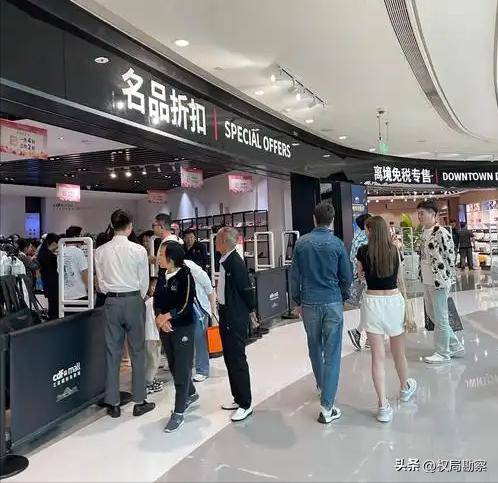
封关6天4天破亿!海南成中国“免税天堂”,将成为全球度假胜地
Sou Hu Cai Jing· 2025-12-24 14:14
Core Insights - The official launch of Hainan's full island closure operation on December 18, 2025, has not resulted in the anticipated sense of isolation but instead has generated significant consumer activity and sales growth, particularly in duty-free shopping [1][3][31] Group 1: Policy Changes and Economic Impact - The closure policy has transformed Hainan into a special customs supervision area, enhancing openness to foreign trade while maintaining internal management [5][7] - The range of zero-tariff goods has expanded from 21% to 74%, covering approximately 6,600 tariff items, which is expected to save companies about 20% in tax costs [9][11] - Ordinary residents can now purchase duty-free goods up to 100,000 yuan annually, making duty-free shopping a regular convenience rather than just a tourist benefit [13][15] Group 2: Consumer Behavior and Market Response - From December 18 to 21, Sanya's duty-free sales exceeded 100 million yuan for four consecutive days, with a total sales milestone of over 20 billion yuan achieved on December 19 [18][19] - The expansion of duty-free categories and increased discounts have significantly boosted consumer enthusiasm, with popular items including electronics and jewelry seeing substantial price reductions [21][23] - The trend of flying to Hainan for shopping has surged, with a 75% increase in flight bookings around the New Year holiday, indicating a growing interest in the region as a shopping destination [26][28] Group 3: Long-term Strategic Vision - Hainan's closure is viewed as a critical step in its development into a global leisure and vacation destination, with the potential to drive long-term growth in tourism, duty-free, and related industries [31][33] - The strategic positioning of Hainan as a hub for Southeast Asia and global markets is expected to enhance local infrastructure and attract talent, fostering a positive economic cycle [35][39] - The ongoing development of Hainan's free trade port is part of a broader commitment to open up various sectors, including healthcare and education, which will further enhance its appeal as a destination [37][40][42]
激发内需潜力,也需加强“软基建”|宏观经济
清华金融评论· 2025-12-24 09:25
Core Viewpoint - The article emphasizes that a strong domestic market in China is not merely about scale expansion but rather an organic unity of quality, efficiency, resilience, and sustainability [2]. Group 1: Domestic Demand and Economic Transition - The recent Central Economic Work Conference highlighted "insisting on domestic demand as the main driver and building a strong domestic market" as the top priority for economic work in the coming year [2]. - From 2021 to 2024, domestic demand is expected to contribute an average of 86.4% to economic growth, with final consumption contributing 53.5% to economic growth in the first three quarters of 2025 [4]. - China possesses the world's largest middle-income group, a complete industrial system, and an upgrading consumption structure, indicating significant potential for domestic demand [4]. Group 2: Importance of Soft Infrastructure - Soft infrastructure, which includes a comprehensive system of rules and institutional arrangements, is crucial for establishing a strong domestic market [4][5]. - This infrastructure encompasses property rights, contract enforcement, market regulation, and dispute resolution, which are essential for reducing transaction costs and enhancing economic predictability [4]. Group 3: Long-term Supply-side Reforms - In addition to short-term demand management, long-term supply-side institutional reforms are necessary to create a stable, fair, transparent, and predictable business environment [5]. - Investment in "rule infrastructure," "credit infrastructure," and "legal infrastructure" is essential for activating the deep-seated dynamics of domestic demand [5]. Group 4: Fair Competition and Market Vitality - A vibrant domestic market relies on the innovation and fair competition of numerous market entities, which must be underpinned by universally recognized and strictly enforced fair rules [7]. - The protection of investor and consumer rights is critical for maintaining market confidence, particularly for small and medium investors [8]. Group 5: Legislative and Enforcement Efficiency - Enhancing the capacity and efficiency of legislation, judiciary, and law enforcement is vital for ensuring that market rules are effectively implemented [9]. - Legislative measures should be scientifically and forward-looking, particularly in response to new fields like digital economy and artificial intelligence [9]. Group 6: Building Trust and Market Order - Establishing a clear, efficient, and strict punitive mechanism for violations is essential for maintaining market order and trust [11]. - A comprehensive credit system that integrates information from various sectors is necessary to enhance governance effectiveness [11]. Group 7: International Standards and Digital Transformation - A strong domestic market should also be open and competitive internationally, requiring alignment with high international standards [14]. - Upgrading regulatory methods to incorporate digital technologies and real-time monitoring is crucial for adapting to the digital economy [14]. Group 8: Systematic Approach to Market Strengthening - Building a strong domestic market is a complex systemic project that requires both macroeconomic policy adjustments and micro-level institutional improvements [15]. - Continuous investment in soft infrastructure is essential for optimizing economic governance and stimulating innovation across society [15].