
海南封关运作

Search documents
中国中免:首次覆盖报告:政策利好密集落地,战略布局持续深化-20260330
Shanghai Aijian Securities· 2026-03-30 12:24
Investment Rating - The report assigns a "Buy" rating for the company, marking its first coverage [3]. Core Insights - The company is positioned as a leader in China's duty-free industry, benefiting from favorable policies, the operation of Hainan's duty-free market, and a strengthened partnership with LVMH, which enhances its market dominance and expands its channel network. The company is expected to see a recovery in performance with projected revenues of 53.65 billion, 61.08 billion, and 67.84 billion yuan for 2025, 2026, and 2027 respectively, with corresponding net profits of 3.55 billion, 5.02 billion, and 6.12 billion yuan [3][5]. Company Analysis - The duty-free market in China has seen significant growth since the introduction of the Hainan duty-free policy in 2020, with shopping amounts reaching a peak of 49.5 billion yuan in 2021. However, the market faced challenges due to changes in consumer behavior and the recovery of outbound tourism. The recent policy upgrades in November 2025 have led to a 27.1% year-on-year increase in shopping amounts, indicating a potential recovery in the industry [3][4]. - The company operates across various segments, including offshore duty-free, port duty-free, city duty-free, and online e-commerce, with a significant portion of its revenue coming from Hainan's offshore duty-free business [3][4]. Financial Projections - The company’s total revenue is projected to decline by 5.0% in 2025, followed by growth of 13.8% in 2026 and 11.1% in 2027. The net profit is expected to decrease by 16.9% in 2025, then rebound with increases of 41.4% and 22.0% in the following years [5][7]. - The gross margin for duty-free products is forecasted to remain stable around 39.7% to 39.8% from 2025 to 2027, while the revenue growth for taxable products is expected to recover gradually [3][5]. Market Dynamics - The report highlights that the company is likely to benefit from the ongoing recovery of inbound and outbound passenger flows, which will enhance high-margin business growth. The expansion of the duty-free product categories and the relaxation of shopping restrictions are expected to drive sales [4][5]. - The company has established a comprehensive duty-free store network in major airports and border ports, positioning it to capitalize on the recovery of consumer traffic [4].

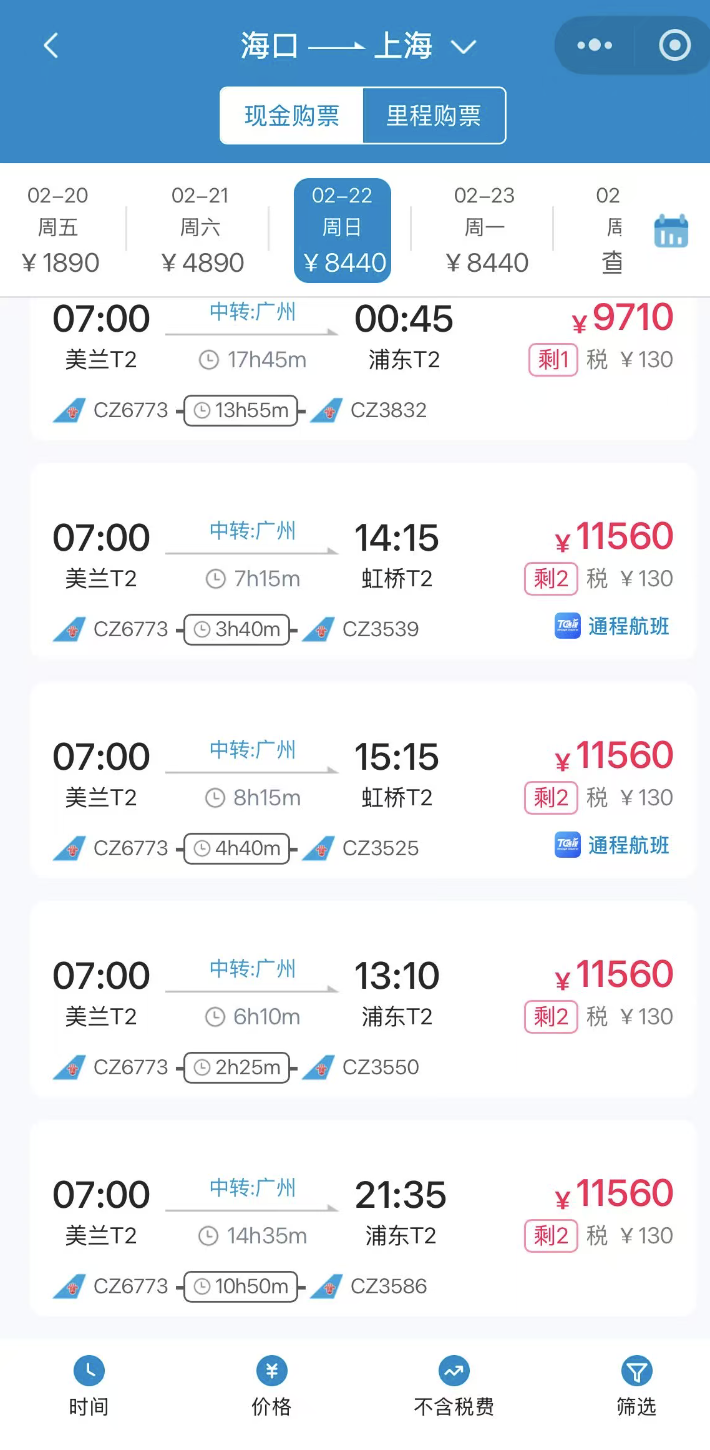
海南出岛机票紧俏:海口至上海机票高达11560元
Di Yi Cai Jing· 2026-02-18 10:39
Group 1 - The increase in passenger traffic from Hainan is attributed to the implementation of the closure operation this year [1][6] - During the Spring Festival period, there is a peak in outbound transportation from Hainan, with tickets for flights and ferries becoming scarce [1][4] - For example, on February 20, the economy class tickets from Haikou to Guangzhou start at 2000 yuan (excluding taxes), and by February 22-23, all economy class tickets are sold out, leaving only a few business class tickets priced at 6210 yuan [1] Group 2 - The ferry tickets for the route from Haikou to Zhanjiang Xu Wen are fully sold out for the upcoming week, indicating high demand [4] - From February 2 to February 10, the total passenger flow in Hainan during the Spring Festival reached 4.86 million, a year-on-year increase of 6.34% [7] - The transportation of new energy vehicles saw a significant increase of 74% compared to the same period last year [7] Group 3 - The average daily inbound and outbound personnel during the Spring Festival is expected to reach 79,300, a 24.1% increase from last year [7] - In contrast, ticket prices for flights from mainland China to Hainan have significantly decreased, with prices as low as 320 yuan on February 24 [8]


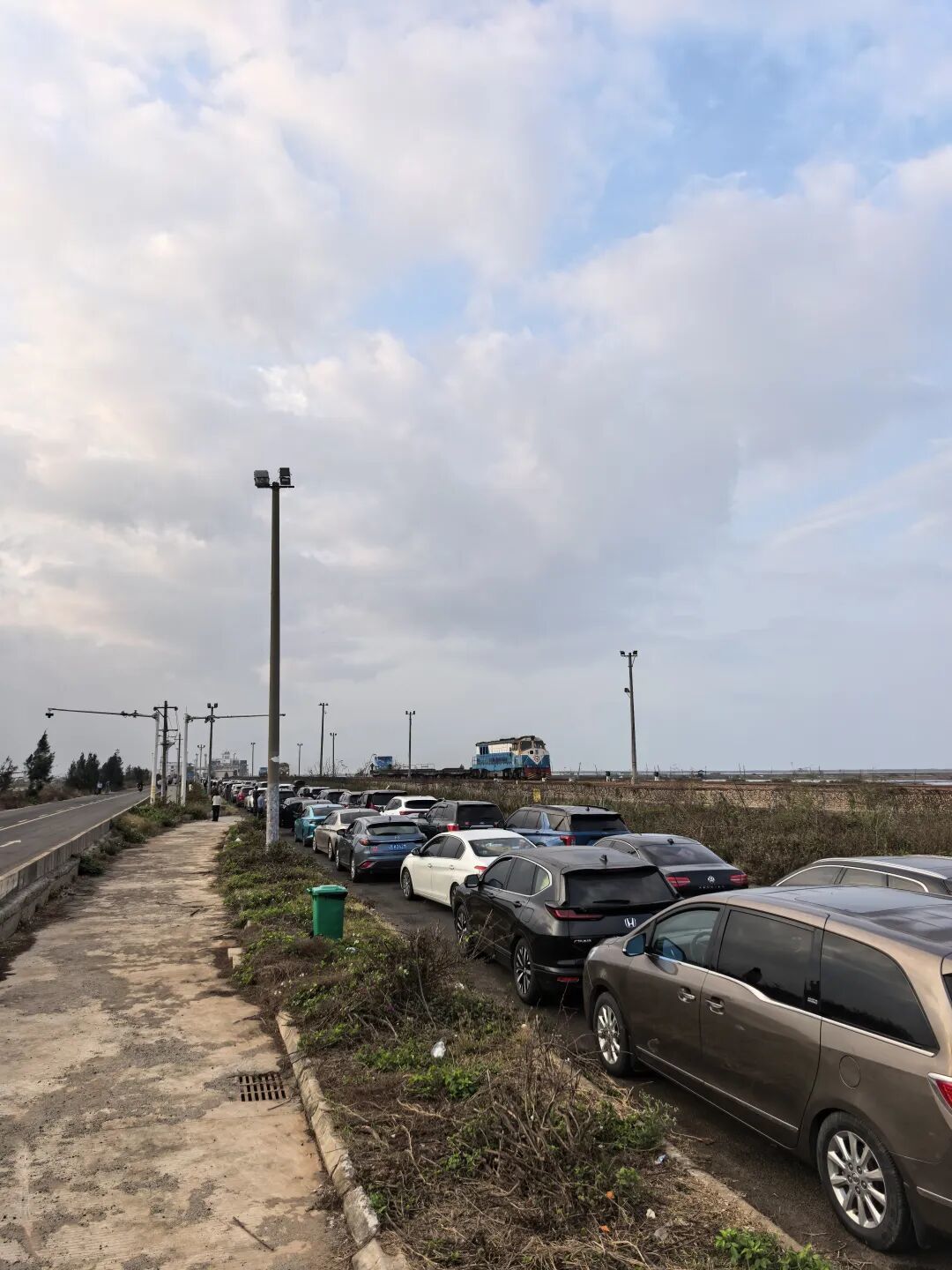
海南封关后首个春运:琼州海峡过海车票全部售罄
Di Yi Cai Jing· 2026-02-14 11:45
Core Insights - The demand for ferry tickets to Hainan has surged, leading to a situation where tickets are sold out, causing travelers to seek alternative means of transportation [2][3][4] - The increase in passenger flow is attributed to the implementation of the Hainan Free Trade Port's customs closure, which has attracted more visitors [7][8] Transportation and Ticketing - From February 2 to February 10, Hainan's total passenger flow during the Spring Festival reached 4.86 million, a year-on-year increase of 6.34% [3] - The ferry service across the Qiongzhou Strait has seen record operations, with 355 sailings on February 9, transporting 133,200 passengers and 32,100 vehicles in a single day [3][4] - The ferry ticket pre-sale period has been extended to 15 days for inbound and 30 days for outbound travel, with bundled round-trip tickets now available [4] Ticket Scalping and Pricing - Reports indicate that scalpers are taking advantage of the ticket shortage, charging over 1,190 yuan for a ticket that originally costs around 390 yuan [5][6] - Travelers have expressed frustration over the difficulty in securing tickets, with some falling victim to scams [5] Air Travel Situation - Air travel to Hainan is also experiencing high demand, with many flights sold out and remaining tickets priced significantly higher, such as a business class ticket costing 5,180 yuan [6] Economic Impact of Customs Closure - The customs closure has led to a significant increase in tourism and shopping in Hainan, with 311,000 inbound and outbound travelers recorded in the first month, a 48.8% increase year-on-year [8] - Duty-free shopping has seen a substantial rise, with sales reaching 4.86 billion yuan, a 46.8% increase compared to the previous year [8]
一家瑞士公司连夜搬离新加坡,只因海南一条政策,每年多赚3个亿
Sou Hu Cai Jing· 2026-02-11 12:45
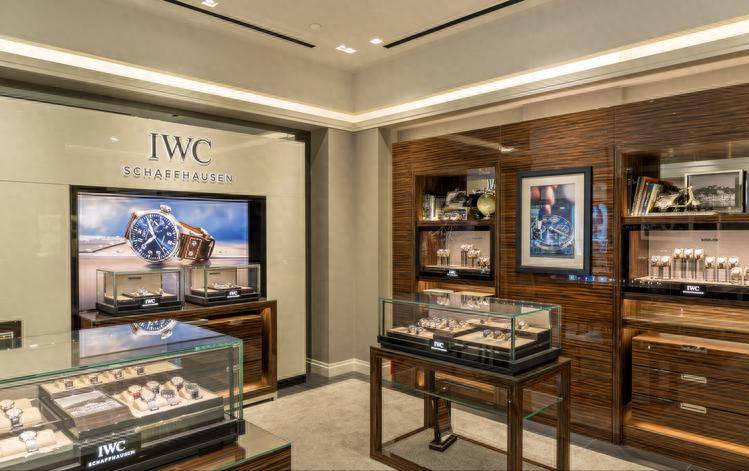
Core Viewpoint - The relocation of a Swiss high-end jewelry company from Singapore to Hainan highlights the significant advantages offered by Hainan's new policies, particularly in terms of tax benefits and operational costs, which are compelling enough to attract businesses away from established hubs like Singapore [1][3][5]. Group 1: Economic Incentives - The Swiss company calculated that moving to Hainan would yield an additional net profit of 300 million yuan annually, primarily due to favorable tax policies [5][14]. - Hainan's "processing and value-added" policy allows for zero import tariffs on jewelry that has been processed locally, significantly reducing tax burdens compared to the traditional model where high tariffs apply [7][15]. - The corporate income tax rate in Hainan is 15%, compared to Singapore's 17%, providing further financial incentives for businesses [16]. Group 2: Operational Advantages - Hainan offers a seamless connection to international markets through FT accounts, facilitating easier capital flow compared to Singapore [20]. - The exemption of tariffs on approximately 6,600 categories of goods, including production equipment and raw materials, enhances the operational feasibility for companies relocating to Hainan [22]. - The shift from Singapore as a mere transit hub to Hainan as a manufacturing and processing base allows companies to add value locally before selling to the Chinese market [27][28]. Group 3: Market Dynamics - The influx of foreign trade enterprises in Hainan surged, with 4,709 new registrations in just 24 days, indicating a rapid shift in business interest towards the region [22]. - The transformation of Hainan into a hub for various industries, including medical devices and art, reflects a broader trend of companies seeking to capitalize on local policies and market access [38][42]. - The competitive landscape is changing, with businesses now considering a dual-core strategy: maintaining financial operations in Singapore while establishing production in Hainan [36]. Group 4: Societal Impact - The relocation of businesses to Hainan is expected to create numerous job opportunities, similar to the early days of Shenzhen, as new companies emerge and existing ones expand [46]. - The return of high-level talent to Hainan is driven by competitive salaries and a favorable entrepreneurial environment, contrasting with the high living costs in major cities [49]. - The overall economic environment in Hainan is evolving, with simplified processes for foreign trade enabling small businesses to participate in international markets [48].
珠免集团:公司将持续关注海南封关运作后的相关免税政策
Zheng Quan Ri Bao Wang· 2026-01-19 13:12
Group 1 - The company, Zhuhai Duty Free Group (600185), is closely monitoring the relevant duty-free policies following the closure operations in Hainan [1] - The company stated that it will conduct its business in accordance with the policy regulations [1] - If there are any future plans related to these policies, the company will strictly fulfill its information disclosure obligations in a timely manner [1]

锂电产业链集结海南:封关红利落地
高工锂电· 2026-01-17 04:13
Core Viewpoint - The article discusses the transformation of Hainan into a significant hub for lithium battery production and green energy, driven by the implementation of a zero-tariff policy and the establishment of a comprehensive industrial chain from resource importation to processing and distribution [2][4]. Group 1: Lithium Industry Developments - Hainan Free Trade Port commenced full island closure operations on December 18, 2025, increasing the proportion of zero-tariff goods from approximately 21% to 74% [2]. - The first lithium signal post-closure was marked by the arrival of about 28,950 tons of lithium concentrate at the Guotou Yangpu Port, marking the first zero-tariff declaration for new energy minerals [3]. - Hainan Mining is advancing a project in Yangpu Industrial Park to produce 20,000 tons of battery-grade lithium hydroxide annually, with a total investment of approximately 1.056 billion yuan, aiming for trial production by February 2025 [5]. Group 2: Electric Vehicle Infrastructure - CATL is establishing a network of battery swap stations in Hainan, with plans to build over 22 swap stations within three years and more than 100 within five years, targeting electric heavy-duty trucks [7][8]. - The establishment of a zero-carbon park construction alliance, led by CATL, aims to promote green transformation and industrial collaboration in Hainan [10]. Group 3: Recycling and Sustainability Initiatives - Ruikemei plans to establish a joint venture in Haikou Comprehensive Bonded Zone to build a facility with a capacity of 20,000 tons per year for processing retired lithium batteries, focusing on green recycling and high-value regeneration for Southeast Asia and the Asia-Pacific region [11]. - The article emphasizes that the closure is not merely about cheaper imports but about facilitating smoother cross-border factor flows and bonded processing for re-export [12]. Group 4: Broader Green Energy Initiatives - Yangpu is also advancing offshore wind power demonstration projects and planning a manufacturing park for wind power equipment, targeting exports and operations in Southeast Asia [14]. - Additional projects, such as green methanol, are being accelerated to meet the demand for green shipping fuels and support the construction of international shipping hubs [15].


突发特讯!海南封关后首个假期三亚入境客增5倍,引全民高度关注
Sou Hu Cai Jing· 2026-01-02 06:21
Group 1 - The core point of the article highlights the significant increase in inbound tourists to Sanya, with a fivefold increase attributed to the "bonded zone dividend," while some question whether this is merely a short-term trend [1] - Duty-free shopping has become a major attraction, with a reported 11 billion yuan in sales during the first week post-opening, marking a 54.9% year-on-year increase, particularly in electronics and pet products [3] - The efficiency of the new "one-stop" approval process for foreign talent, allowing for work and residence permits to be obtained in just 48 hours, has enhanced the appeal of Hainan as a destination for high-end talent [5] Group 2 - There is a disparity in tourist activity across Hainan, with Sanya and Haikou seeing significant increases in self-driving tourism, while other cities like Wenchang and Qiongzhong lag behind in hotel occupancy rates [7] - The influx of tourists is part of China's ambition to create a "four-hour flight circle," with Sanya becoming a transportation hub connecting to Southeast Asia, evidenced by a 1.6-fold increase in flight bookings to Vietnam [9] - The opening of Hainan is not just about tourism but also about creating an open experimental zone, with local businesses benefiting from duty-free policies, exemplified by a local company saving 1.75 million yuan in tariffs [9]
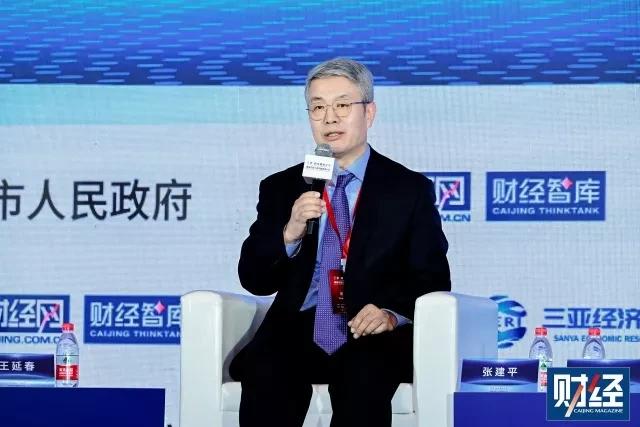
商务部国际贸易经济合作研究院张建平:海南“封关”是海关术语,核心是“货物二线管住,人员往来自由”
Xin Lang Cai Jing· 2025-12-27 06:21
Core Viewpoint - The Sanya International Forum and the Fifth Sanya Wealth Management Conference highlighted the future positioning of Hainan Free Trade Port and new opportunities in Sanya, emphasizing the concept of "one line open, two lines controlled, and free movement within the island" as the core of Hainan's customs operation [1][5]. Group 1: Hainan's Strategic Positioning - Hainan is recognized as the most open region in China, serving as a major gateway for national strategies, a pilot zone for reform and opening up, an ecological civilization demonstration area, and an international tourism consumption center [3][7]. - The province is positioned to leverage unique policy advantages under the Regional Comprehensive Economic Partnership (RCEP), allowing for zero tariffs on processed goods that meet specific value-added criteria [3][8]. Group 2: Policy Implementation and Economic Opportunities - The "one line open" policy allows for global openness with most goods subject to zero tariffs, while the "two lines controlled" policy restricts these goods from freely entering the mainland unless they meet value-added requirements [5][10]. - Hainan's customs policies enable businesses to utilize bonded warehouses, reducing costs and risks associated with taxes on goods intended for domestic sales or re-export to Southeast Asia [5][11]. Group 3: Future Development and Industry Focus - Hainan aims to develop advanced manufacturing, modern services, tourism, and high-efficiency tropical agriculture as its pillar industries, attracting both domestic and foreign enterprises [8][9]. - The province is expected to become a hub for Chinese companies expanding internationally and for foreign companies entering the Chinese market, supporting high-quality development [9][12]. Group 4: Recommendations for Institutional Innovation - Hainan is encouraged to boldly experiment with policies aligned with the Comprehensive and Progressive Agreement for Trans-Pacific Partnership (CPTPP) and the Digital Economy Partnership Agreement (DEPA) to explore high-level institutional openness [4][9]. - The government is urged to improve the business environment by adopting advanced management practices and legislative powers to attract more enterprises and talent [13][14].
精工钢构:公司目前在海南没有生产基地
Mei Ri Jing Ji Xin Wen· 2025-12-25 10:06
Core Viewpoint - The company currently does not have a production base in Hainan and is monitoring potential market opportunities arising from the region's new policies [1] Group 1: Company Operations - The company has previously undertaken projects in Hainan, including the Boao Asia Forum International Conference Center, Hainan International Convention and Exhibition Center, Sanya International Duty-Free City, and Haikou New Port Roll-on/Roll-off Passenger Comprehensive Hub Station [1] - The company is conducting careful research regarding the market opportunities that may arise from Hainan's zero-tariff and tax exemption policies for processing and value-added activities [1] Group 2: Future Plans - The company will adhere to regulatory requirements for information disclosure if there are any significant developments or project acquisitions in Hainan that meet disclosure standards [1]

人民财评:海南封关,为何能打开消费?
Sou Hu Cai Jing· 2025-12-25 08:26
Group 1 - The core point of the news is that Hainan's free trade port has significantly expanded its duty-free shopping options, leading to a surge in sales and consumer interest, with sales exceeding 100 million yuan for four consecutive days after the closure began [1] - The number of zero-tariff items has increased from over 1,900 to 6,637, covering 74% of product categories, which indicates a substantial enhancement in consumer access to a variety of goods [1] - The policy aims to create a "quasi-offshore" low-tax environment within China, enhancing the international competitiveness of imported goods and encouraging domestic consumption to return from overseas channels [1] Group 2 - The fundamental benefit of the closure is the promotion of institutional openness, which reduces transaction costs and allows consumers to access high-quality global products at competitive prices [2] - The zero-tariff environment will also benefit local manufacturing and service industries by lowering costs for imported raw materials and components, thus improving the overall quality of the supply chain [2] - Hainan is expected to evolve into a comprehensive high-end service ecosystem that integrates display, experience, consumption, and after-sales services, attracting global brands to establish a presence in the region [2] Group 3 - Maintaining regulatory efficiency and convenience amidst high-frequency, large-scale logistics exchanges is a challenge for Hainan, as sustaining consumer growth will depend on improvements in the business environment, logistics efficiency, and consumer rights protection [3] - The operation of Hainan's free trade port represents a significant step in China's broader strategy for opening up, focusing not just on immediate consumption growth but also on long-term competitive advantages through institutional innovation [3]