城乡融合发展

Search documents
党的创新理论如何内化为取之不竭的营养
Ren Min Ri Bao· 2025-08-27 22:19
Group 1 - The core viewpoint emphasizes the importance of understanding and internalizing the Party's innovative theories as a means to transform subjective perspectives into practical applications [1][4] - The recent Central Urban Work Conference highlighted the significance of cities in modernization and the necessity for effective urban management strategies [2][3] - The concept of "People's City" was introduced, focusing on modernizing urban areas to enhance the quality of life for citizens [2][3] Group 2 - The article discusses the need for a comprehensive understanding of Xi Jinping's thoughts on urban development, particularly through the study of relevant literature [5][6] - It outlines the evolution of urban development strategies, transitioning from rapid growth to stable, quality-focused development [3][7] - The importance of a systematic approach to urban planning is emphasized, addressing various aspects such as ecology, culture, and safety [8][9] Group 3 - The relationship between urban and rural development is crucial, advocating for integrated urbanization and rural revitalization to address common challenges [10] - The article stresses the necessity of practical application of innovative theories to enhance urban governance and improve citizens' lives [11][16] - It highlights the need for a people-centered approach in urban development, ensuring that modernization benefits the population [17]
培育“第三空间”,破局城乡融合发展
Xin Hua Ri Bao· 2025-08-26 03:07
Core Viewpoint - The article emphasizes the necessity of urban-rural integration as a fundamental requirement for Chinese modernization, highlighting the shift from rapid urbanization to stable development and the need for coordinated development of cities and towns [1][4]. Group 1: Urban-Rural Integration Development - The core of urban-rural integration reform is to break the dual structure of urban and rural areas, promoting the two-way flow of elements such as "people, land, and capital" [1][4]. - The recent Central Urban Work Conference indicates that urban development is transitioning from large-scale expansion to quality improvement, focusing on the enhancement of existing urban spaces [1][4]. - The article outlines the historical context of spatial development in China, moving from urban spaces to rural spaces, and now towards new integrated urban-rural spaces [4]. Group 2: International Examples of Urban-Rural Integration - Countries like Germany, Switzerland, Japan, and the Netherlands have adopted decentralized strategies during late-stage urbanization, creating "third spaces" that facilitate the flow of urban and rural elements [2][3]. - These "third spaces" are typically located in suburban areas and small towns, blending urban density with rural characteristics, thus serving both urban functions and rural values [2][3]. Group 3: Jiangsu's Development Conditions - Jiangsu is well-positioned to cultivate "third spaces" due to its location in the Yangtze River Delta, mature urbanization, and a high density of cities with populations over 500,000 [5][6]. - The province has already initiated various practices in developing "third spaces," including technology innovation zones and cultural districts [6]. Group 4: Strategies for Cultivating New Spaces - Jiangsu should leverage satellite towns around major cities to create new industrial clusters, attracting talent and capital [7][8]. - The province can transform its natural resources into economic drivers by developing diverse industries in scenic areas [9]. - The integration of art into rural areas can revitalize these regions, promoting cultural experiences and creative industries [10]. Group 5: Agricultural Innovation and Cultural Heritage - Jiangsu aims to establish an "Agricultural Silicon Valley" by combining agricultural heritage with technological innovation, enhancing the entire agricultural value chain [11]. - The article suggests exploring pilot projects for "third spaces," allowing local governments to develop these areas with specific management and land use policies [12].
沃野连城廓 城乡奔共富——城乡一体融合高质量发展的杭州实践
Hang Zhou Ri Bao· 2025-08-26 02:45
Core Viewpoint - The article emphasizes the importance of urban-rural integration as a necessary requirement for modernization in China, highlighting Hangzhou's efforts in promoting common prosperity through various initiatives aimed at reducing disparities between urban and rural areas [15][23]. Urban-Rural Integration - Hangzhou is implementing a comprehensive strategy to promote urban-rural integration, focusing on the "strong city," "prosperous village," and "integration" themes to enhance the living standards of rural residents [15][18]. - The city has established a working group to address the "three major gaps" and is executing six major actions to promote rural revitalization and urban development [15][21]. County and Town Development - The population in Hangzhou's county towns has increased to 45.37%, with significant investments in infrastructure and modernization projects [16]. - Ten towns, including Fenkou and Meicheng, have been recognized as provincial-level central towns, which are crucial for county development [16][17]. Industry and Economic Growth - Hangzhou is focusing on developing county-specific industries, with notable examples including the low-altitude economy in Jiande and the digital transformation of the beverage industry in Chun'an [18][20]. - The city has created 18 specialized industrial platforms and is actively promoting commercial system construction in counties [18]. Rural Revitalization Initiatives - The city has launched multiple projects to enhance rural living conditions, including the construction of beautiful rural villages and the promotion of digital rural initiatives [19][22]. - A total of 30 beautiful rural villages and 25 provincial future villages are being developed, with significant investments in housing improvements [19][22]. Agricultural and Economic Collaboration - Collaborative efforts have led to the implementation of 292 projects with a total funding of 4.1 billion yuan, aimed at boosting rural industries [21]. - Initiatives like the "1399 plan" in Yuhang and the "Grandma Workshop" in Linping are examples of successful rural economic projects that have increased income for local residents [21]. Digital Infrastructure and Public Services - Hangzhou is enhancing digital infrastructure in rural areas, aiming for comprehensive network coverage and the establishment of numerous 5G bases [24]. - The city is also improving public services, including healthcare and education, to ensure equitable access for rural residents [24][25].

截至今年4月底,相关试点城市累计实施再开发170.47万亩 低效用地如何高效盘活(经济聚焦)
Ren Min Ri Bao· 2025-08-25 21:52
Core Insights - The article highlights a significant transformation in land use across China, with a cumulative decrease of 15.97% in construction land per unit GDP from 2021 to 2024, achieving the "14th Five-Year Plan" target a year early [1] - The shift from incremental land use to optimizing existing land resources is emphasized, showcasing various case studies of effective land redevelopment initiatives [1] Group 1: Land Redevelopment Initiatives - In Hangzhou's Yaqian Town, a comprehensive approach to redevelop low-efficiency land has been implemented, with the government and enterprises collaborating to enhance land use efficiency [2] - The Yaqian micro-industry park's renovation increased total building area from 20,000 square meters to 70,000 square meters, with an expected annual rental income exceeding 10 million yuan [3] - In Tangshan, the "HeTou Old Street Cultural District" was transformed into a new cultural landmark, demonstrating the potential of land redevelopment to stimulate urban growth [3] Group 2: Industrial Upgrades - The Shishi Intelligent Manufacturing Park in Fujian underwent a significant transformation from a low-efficiency industrial area to a modern industrial park, accommodating e-commerce and smart manufacturing needs [4] - The park's new design features large-span, high-load buildings, attracting numerous upstream and downstream enterprises, thus creating a new industrial ecosystem [5] - The park is expected to generate over 36.5 million yuan in tax revenue annually, showcasing the financial benefits of such industrial upgrades [5] Group 3: Public Service Enhancements - In Wuhan's Xiangyang Village, a previously idle collective industrial land was developed into an education industrial park, addressing local educational resource shortages and increasing village assets by 1.26 billion yuan [6] - The project exemplifies the effective use of idle land to enhance public services, with a focus on community needs [7] - In Luzhou, Sichuan, the redevelopment of idle land led to the establishment of public facilities, including parking lots and community service complexes, improving local living conditions [7]
绘就乡村全面振兴新图景 ——来自吉林、江西、青海的报道
Jing Ji Ri Bao· 2025-08-22 07:20
Core Viewpoint - The article emphasizes the importance of rural revitalization in China, highlighting the integration of urban and rural development as a key driver for high-quality growth and food security [1][2]. Group 1: Food Security and Agricultural Development - Food security is identified as a top priority for rural revitalization, with a strong emphasis on ensuring stable supply of grain and important agricultural products [2]. - Jilin Province, known for its fertile black soil, has implemented protective farming practices, such as the "Lishu Model," which has successfully covered nearly 100 million acres of arable land, enhancing soil quality and stabilizing grain production [2]. - Jilin's grain output has remained above 800 billion jin for four consecutive years, with a target of reaching a historical high of 853.2 billion jin in 2024 [3]. Group 2: Specialty Crop Production and Processing - Qinghai Province is recognized for its significant production of rapeseed oil, with an annual output exceeding 30,000 tons and a market value surpassing 200 million yuan [4]. - In Jiangxi Province, the agricultural supply capacity is continuously improving, ensuring sufficient and stable supply of essential food products to meet diverse consumer demands [4][6]. Group 3: Rural Economic Development and Employment - Jilin Province is promoting unique rural industries, such as ginseng, which has led to the establishment of a production and research base covering nearly 100 hectares, generating significant income for local farmers [7]. - The development of the flower tourism industry in Qinghai's Bianmagou Village has transformed it from a poverty-stricken area into a popular tourist destination, attracting over 2 million visitors and generating substantial income [9]. Group 4: Infrastructure and Living Conditions Improvement - The article highlights the importance of improving rural living conditions, with initiatives in places like Golog Tibetan Autonomous Prefecture focusing on enhancing infrastructure and services for residents [12]. - The transformation of historical villages, such as Diaoyuan Ancient Village, showcases successful models of rural revitalization through tourism and cultural heritage preservation, significantly increasing local income and employment opportunities [13].
如何扩大农村有效投资和市场消费?北京市政协委员建言献策
Zhong Guo Jing Ji Wang· 2025-08-22 06:24
Group 1: Urban-Rural Integration and Resilience - The Beijing Municipal Political Consultative Conference emphasizes the importance of integrating urban-rural development with resilience in rural areas to enhance disaster prevention and recovery capabilities [2][3] - Recent extreme weather events highlight the need for a comprehensive approach to rural development and safety, which is crucial for maintaining investor confidence and supporting rural economic growth [2][3] Group 2: Infrastructure and Emergency Preparedness - The construction of dual-use public facilities that can serve both regular and emergency purposes is a focal point, with examples of successful conversions during emergencies [4] - Recommendations include enhancing the functionality of public spaces for emergency use and improving the overall emergency response capabilities in rural areas [4] Group 3: Rural Consumption and Tourism Development - There is significant untapped potential in the rural consumption market, with urban residents showing a strong interest in rural tourism and experiences [5][6] - Suggestions include creating diverse consumption scenarios and integrating cultural and ecological resources to enhance the attractiveness of rural tourism [6][7] Group 4: Agricultural Industry and Financial Support - The report stresses the importance of developing agricultural industry clusters and enhancing financial support for rural investments and consumption [8][9] - Recommendations include leveraging technology and brand empowerment to improve agricultural productivity and marketability, as well as fostering financial innovation to support rural development initiatives [8][9]
“8+4”经济政策助力杭州经济稳进提质
Hang Zhou Ri Bao· 2025-08-22 03:18
Core Viewpoint - The article highlights the implementation and impact of Hangzhou's "8+4" economic policy, which aims to stimulate economic growth, enhance public services, and promote rural-urban integration through various supportive measures [11][12][14]. Economic Policy Implementation - Hangzhou has introduced a comprehensive "8+4" economic policy package consisting of 57 policy measures to boost economic stability and growth [11]. - As of mid-year, the city has disbursed 26.2 billion yuan under this policy, achieving a 52.2% completion rate of the funding disbursement target [11]. Rural Development and Integration - The article describes successful rural initiatives, such as the "bee + rice + cultural tourism" model in Dalu Village, which has led to increased tourism and local economic activity [13]. - The establishment of a 600-acre rice-frog base in Langchuan Township exemplifies innovative agricultural practices, yielding 900 kg of frogs per acre and supplying major cities [13][14]. Innovation and Technology - The Hangzhou Optical Precision Machinery Research Institute has incubated over 60 companies, with a total valuation exceeding 25 billion yuan, showcasing the city's commitment to fostering innovation [15][16]. - The "Anxinbao" system introduced by the Xiaoshan District aims to enhance trust between enterprises and innovation platforms, facilitating research and development projects [17]. Public Services and Employment Support - The "Qinghe Station" initiative provides free short-term accommodation for job seekers, with 90 stations and 3,975 rooms established to support new residents [18][19]. - The city has launched a comprehensive skill training network, establishing 13 training bases and 23 stations to enhance workforce skills [19]. Overall Impact - The "8+4" economic policy is designed to enhance public service quality and accessibility, ultimately improving the well-being and confidence of the local population [20].
绘就乡村全面振兴新图景——来自吉林、江西、青海的报道
Jing Ji Ri Bao· 2025-08-21 22:08
Group 1: Agricultural Development and Food Security - Food security is a primary task for promoting rural revitalization, with a strong emphasis on the supply of grain and important agricultural products [2] - Jilin province, located in one of the world's three major black soil regions, has implemented the "Lishu Model" to protect and enhance soil quality, covering nearly 100 million acres of arable land [2] - Jilin's grain production has remained stable at over 800 billion jin for four consecutive years, with a target of reaching a historical high of 853.2 billion jin in 2024 [3] Group 2: Specialty Crop Production - The Qinghai province is the largest northern canola planting area, with an annual production exceeding 30,000 tons and a market value surpassing 200 million yuan [4] - In Jiangxi province, the stable supply of grain and important agricultural products is continuously enhanced, meeting the diverse needs of urban and rural residents [4][6] Group 3: Rural Economic Development - Jilin province has been promoting the high-quality development of specialty industries, such as ginseng, which has led to the creation of a production and research base covering nearly 100 hectares [7] - The production of ginseng products has expanded significantly, with over 350 varieties developed, contributing to the income of more than 1,350 farming households [7] Group 4: Tourism and Cultural Integration - The integration of tourism and agriculture has been successfully implemented in various regions, such as the transformation of Bianmagou village into a popular tourist destination, generating significant income for local residents [9][11] - The revival of historical villages, like the Diaoyuan Ancient Village, has led to increased tourism and economic benefits for local communities, with over 590,000 visitors and revenue exceeding 18 million yuan in 2024 [13]
如何提振农村投资和消费?北京市政协委员提出建议
Xin Jing Bao· 2025-08-20 13:17
Group 1 - The core discussion revolves around promoting rural development and effective investment in urban-rural integration, with suggestions from various committee members on building resilient villages and optimizing rural layouts [1] - Emphasis on enhancing disaster simulation capabilities to provide simulation data for rural planning, addressing the impact of extreme weather on rural economies and investor confidence [2][3] - Recommendations to consolidate small and scattered villages into central villages to improve infrastructure and public services, adapting to population changes and enhancing resource allocation [4] Group 2 - The proposal to develop micro-vacation destinations in the suburbs, integrating fragmented resources to meet urban residents' leisure needs, including accommodation, food, and cultural experiences [6][7] - Suggestions to incorporate rural tourism resources into union welfare procurement systems to stimulate rural consumption and enhance market vitality through targeted subsidies [8]
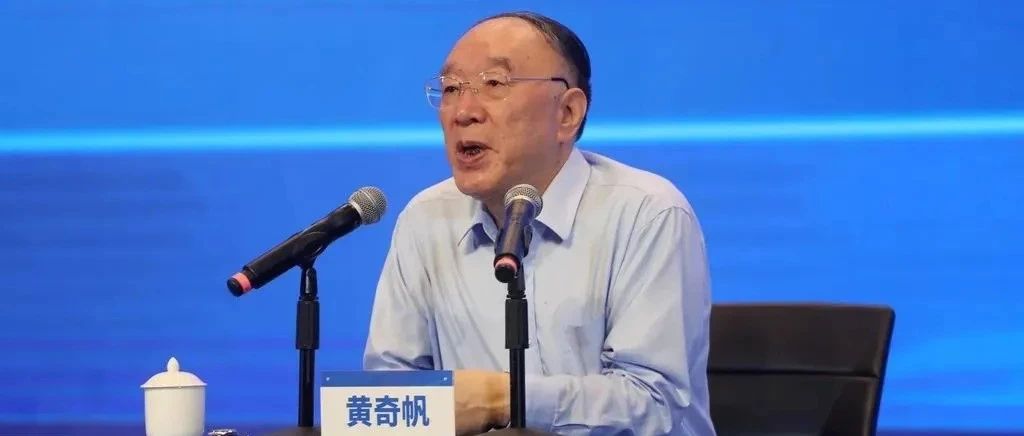
黄奇帆:农民人均收入低的重要原因在于土地不够
和讯· 2025-08-20 09:26
Core Viewpoint - The article emphasizes that urban-rural integration is a necessary requirement for China's modernization, aiming to enhance the level of planning, construction, and governance to promote equal exchange and flow of urban and rural elements, thereby reducing disparities and fostering common prosperity [2][3]. Summary by Sections Urbanization Progress - Urbanization rate increased from 53.10% in 2012 to 67% in 2024, a rise of 13.9 percentage points over twelve years [3]. - The poverty alleviation campaign has successfully lifted 98.99 million rural poor out of poverty, with all 832 impoverished counties and 128,000 impoverished villages achieving this goal [3]. - The income ratio between urban and rural residents decreased from 3.03:1 in 2013 to 2.34:1 in 2024, indicating a narrowing income gap [3]. Challenges in Urban-Rural Integration - Issues such as insufficient urban-rural integration, significant disparities, and low farmer income remain weak links in the national economy [4]. - The low income of 600 million farmers is a primary reason for the urban-rural gap, with potential annual income increase of 12 to 13 trillion yuan if farmer incomes rise [5]. Proposed Measures for Urban-Rural Integration - The goal is to raise the permanent urban population rate from 67% to 78% by 2040, which would involve nearly 200 million farmers moving to cities [5][6]. - The household registration (hukou) urbanization rate should also increase from 48% to 78%, addressing the 2.5 billion people in a "semi-urbanized" state [6][7]. - Cities, except for a few megacities, should relax their household registration systems to encourage voluntary urban residency [7]. - Protecting the land rights of farmers who move to cities is crucial, ensuring their land use rights and collective income distribution rights are maintained [8]. Expected Outcomes of Urban-Rural Integration - Increased farmer income is anticipated as the average land per household rises from 7.8 acres to approximately 30 acres, potentially aligning farming income with urban worker income [9]. - Rural reforms will deepen as the average operational scale of farms increases, allowing for better economies of scale and reducing production costs [10]. - Agricultural economic development is expected to benefit from the influx of capital and technology, transforming agriculture into a "sixth industry" [10]. - Farmers' property income will rise as land resources are effectively utilized, improving their financial situation [11]. - Urbanization will lead to the development of new mega and large cities, enhancing labor supply and reducing excess real estate inventory [12]. Conclusion - The integration of urban and rural areas is essential for China's modernization, requiring a comprehensive understanding of the policies and strategies outlined in the recent government directives to effectively implement urban-rural integration [12][13].