
循环经济

Search documents
永东股份募资拟建蒽油深加工项目
Zhong Guo Hua Gong Bao· 2026-01-06 04:21
Core Viewpoint - Shanxi Yongdong Chemical Co., Ltd. has successfully completed its refinancing project, raising 365 million yuan, which will be fully allocated to a 2×100,000 tons/year anthracene oil deep processing project and to supplement working capital [1] Group 1: Project Details - The project will generate an annual capacity of 190,000 tons of decrystallized anthracene oil, 5,000 tons of anthraquinone, and 2,000 tons of carbazole [1] - This project will provide high-quality self-sufficient raw materials for the company's high-end carbon black production and extend the fine processing industry chain of coal tar, opening up high value-added product markets [1] Group 2: Economic Model and Partnerships - Yongdong has established a unique circular economy model integrating "coal tar processing + carbon black production + flue gas power generation + fine chemical new materials" [1] - The company has formed long-term partnerships with well-known tire manufacturers such as Bridgestone and Hankook [1] Group 3: Competitive Advantage - The implementation of this fundraising project will further enhance the company's advantages in the circular economy industry chain, achieving comprehensive utilization of coal tar resources [1] - The company will cover and self-supply key raw materials for mid-to-high-end carbon black production, ensuring product quality while maintaining cost advantages, thereby improving market competitiveness [1]

垃圾分拣中人工挑选平台的优点与重要性:城市环保的“隐形守护者”
Sou Hu Cai Jing· 2026-01-06 04:20
Core Viewpoint - The waste management system is undergoing a significant transformation from "end-of-pipe disposal" to "source classification - precise sorting - recycling," with manual sorting platforms playing a crucial role in connecting front-end classification and back-end processing [1] Group 1: Advantages of Manual Sorting Platforms - The core competitive advantage of manual sorting platforms lies in human subjectivity, allowing for experience-based judgment and flexible adjustments that automated systems struggle to achieve [3] - Manual sorting can quickly adapt to seasonal and behavioral changes in waste composition, such as the increase of kitchen waste in summer and the rise of packaging materials during holidays, with a reported 30% increase in misjudgment rates for automated systems when the proportion of wet waste rises from 5% to 15% [4] - Manual sorters possess superior identification capabilities for complex waste materials, achieving a sorting accuracy of 92% for low-value recyclables, compared to 75%-80% for automated systems [5] Group 2: Importance of Manual Sorting Platforms - Manual sorting platforms serve as a critical safety net in the waste management system, reducing backend processing costs and acting as the first line of defense against impurities entering incineration facilities [9] - The economic feasibility of manual sorting is highlighted by the high costs of automated sorting lines, which can exceed 10 million yuan, making manual platforms a more viable option for smaller cities and rural areas [10] - By accurately removing impurities, manual sorting can increase the calorific value of waste entering incineration plants by 15%-20%, potentially saving operational costs of approximately 4 million yuan annually for a facility processing 2,000 tons of waste per day [11] - Manual sorting enhances the market value of recycled materials, with sorted waste plastics selling for 30%-50% more than those sorted by automated systems, thus promoting the economic viability of waste-to-resource conversion [12] Conclusion - Manual sorting platforms are not outdated but represent a combination of rigid rules and flexible intelligence within the waste management system, complementing automated systems and fostering environmental responsibility through human interaction [14]

邦普时代新一代磷酸铁锂项目投产
Zhong Guo Hua Gong Bao· 2026-01-06 03:36
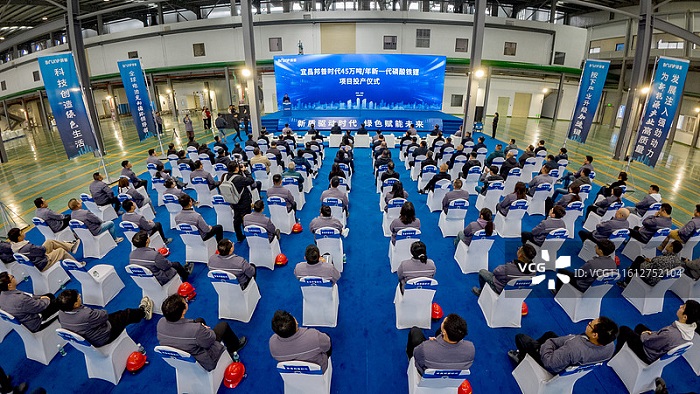
中化新网讯 2025年12月29日,湖北宜昌邦普时代举办45万吨/年新一代磷酸铁锂项目投产仪式。 邦普循环董事长、总裁李长东表示,将依托宜昌优质的资源、强大的要素整合能力和一流的营商环境, 持续加大研发投入,推动技术创新,打造循环经济样板,构建绿色产业链和供应链。 图为投产仪式。(视觉中国供图) 该项目是宁德时代邦普全链条一体化产业园项目的子项目,是邦普"首个四代磷酸铁锂技术"战略项目, 总投资56亿元,预计年产值145亿元。项目将建成3个生产车间、6条生产线,产能45万吨/年,单个车间 面积达4万多平方米。项目生产的新一代磷酸铁锂压实密度更高,以其作为正极材料的新能源动力电池 充电速度更快、续航更长、低温性能更佳。 项目投产后,将进一步延伸邦普在宜昌的产业链,打通"磷矿—原料—前驱体—正极材料—电池循环利 用"产业链条,实现从原料到废料闭环利用,充分带动上下游产业链协同发展。同时,项目实现了热能 综合回收利用,做到全过程碳足迹可追溯。 "新一代技术采用行业首创三层六列超长辊道窑,单线产能提升200%;生产全流程自动化控制,接入智 能制造系统,国内首次实现包装产线全过程自动包装;核心设备国产化率100%,带动 ...
塑料产业呼唤“循环+智造”双轮驱动
Zhong Guo Hua Gong Bao· 2026-01-06 03:26
Group 1 - The 10th Plastic Industry Technology and Market Development Forum was held in Ningbo, focusing on smart manufacturing, biodegradable materials standardization, high-value utilization of recycled plastics, and the development of high-end resins and specialty materials [1] - Wang Zhanjie, Chairman of the China Plastics Processing Industry Association, emphasized three directions for the future of the plastic industry: driving industrial upgrades through technological innovation, promoting sustainable development via green transformation, and expanding international market cooperation [1] - Wang Yuzhong, an academician of the Chinese Academy of Engineering, presented a keynote report on the functionalized closed-loop chemical recycling technology of polymer materials, discussing the technological pathways and industrial prospects for promoting the green transformation of plastics throughout their lifecycle [1] Group 2 - Ningbo has established itself as a national-level petrochemical industry base and "China's Engineering Plastics Capital," with over 13,000 related enterprises and annual sales exceeding 60 billion yuan for large-scale enterprises [2] - The city is actively promoting industrial transformation and upgrading, aiming to create a new materials industry cluster with international competitiveness [2]
广发证券:环保高股息资产26年值得期待 重点关注固废、水务方向
智通财经网· 2026-01-06 02:24
Group 1 - The EU carbon tariff will officially be implemented on January 1, 2026, initially affecting industries such as cement, steel, aluminum, fertilizers, electricity, and hydrogen, with potential expansion to chemicals, plastics, ceramics, paper, and organic basic chemicals by 2027 [1] - The current EU ETS carbon price is approximately €80-90 per ton, which is about 13 times higher than China's current carbon price, significantly increasing the cost of exports to the EU [1] - Companies are encouraged to focus on reducing carbon emissions and adapting to carbon tariffs through the circular economy, particularly in sectors like recycled resources, recycling systems, green steam, and green methanol [1] Group 2 - Recent debt resolution actions by listed companies, such as Chuangye Environmental and Mongolian Grass Ecology, indicate a rapid advancement in local debt resolution processes [2] - Local governments are optimizing cash flow through one-time payments of historical debts, early termination of PPP projects, and debt restructuring, which is expected to enhance the market value of many environmental companies [2] - Companies with significant accounts receivable, particularly from government-funded projects, are likely to see notable improvements in market value and profit recovery, especially in solid waste, water services, sanitation, ecological restoration, and water treatment sectors [2] Group 3 - High dividend assets remain attractive, with environmental companies achieving significant excess returns despite a weaker overall dividend environment in 2025 [3] - Notable stock price increases for companies such as China Everbright Environment and Huaneng Environment, with annual growth rates of 31.7%, 26.3%, 46.7%, and 30.6% respectively [3] - The expectation of continued dividend increases is supported by reduced funding needs due to fewer new project orders, making companies like Huaneng Environment, Shanghai Industrial Holdings, and others worthy of attention [3]

夯实科技根基,增强绿色发展动能
Ke Ji Ri Bao· 2026-01-06 00:59
Group 1: Green Development as a National Strategy - Green development is highlighted as a distinctive feature of Chinese modernization, emphasizing the concept that "lucid waters and lush mountains are invaluable assets" [1] - The commitment to carbon peak and carbon neutrality is positioned as a global consensus, with green low-carbon development becoming a core area of international competition [1] - The elevation of green development to a national strategy reflects China's responsibility as a major power and is crucial for seizing future strategic development opportunities [1] Group 2: Achievements and Challenges in Green Transition - During the 14th Five-Year Plan period, China achieved historic milestones in green low-carbon transformation, including the establishment of the world's largest carbon trading market and a clean electricity supply system [2] - Water consumption per unit of GDP has decreased to below 50 cubic meters, and forest coverage has increased to over 25%, contributing to a quarter of the world's new greening area [2] - Despite these achievements, challenges remain, such as a high proportion of traditional industries and a coal-dominated energy structure, necessitating deeper pollution control in key areas [2] Group 3: Advancements in Clean Energy Technology - The 20th Central Committee emphasizes accelerating the construction of a new energy system and advancing carbon peak goals, guiding the development of clean energy technologies [3] - Significant advancements have been made in wind and solar energy, with wind turbine capacity exceeding 16 megawatts and solar cell efficiency records being repeatedly broken [3] - Future investments in clean energy should focus on building clean energy bases and ensuring that most new electricity demand is met by clean energy generation by the end of the 15th Five-Year Plan [3] Group 4: Circular Economy and Resource Utilization - Circular economy is identified as a key approach to transforming development methods and addressing resource constraints [4] - Technological advancements in clean production and resource recycling are expected to enhance the potential of traditional high-energy-consuming industries [4] - By 2024, the recycling volume of major resources in China is projected to reach approximately 401 million tons, with expectations of reaching around 4.5 billion tons by 2030 [4] Group 5: Digital Governance for Green Development - The 20th Central Committee stresses the importance of advancing digital governance, integrating technologies like AI and big data with green development [5] - China has established the largest ecological monitoring network globally, utilizing satellite and drone technologies for real-time pollution monitoring [5] - The national carbon trading market has surpassed a cumulative settlement amount of over 100 billion yuan, serving as a market-driven tool for emission reduction [5] Group 6: Collaboration in Innovation for Green Development - A systematic approach to supporting green development through technology is necessary, emphasizing the collaboration between policy, enterprises, and research institutions [7] - By the end of 2025, over 2.5 million enterprises related to the green economy are expected to exist in China, highlighting the need for collaboration in key technology breakthroughs [7] - Policies should incentivize investment in green technology and establish collaborative mechanisms across regions to foster innovation in green technology [8]
我国首个再生材料应用推广政策文件出台
Xin Lang Cai Jing· 2026-01-05 16:39
Core Viewpoint - The "Action Plan for Promoting the Application of Recycled Materials" is China's first dedicated policy document aimed at promoting the use of recycled materials, focusing on key sectors such as steel, non-ferrous metals, plastics, and paper, as well as industries like automotive, electronics, batteries, textiles, and packaging [1][2]. Group 1: Goals and Targets - By 2030, the recycling system for waste will be further improved, with annual recycling volumes of scrap steel and waste paper exceeding 300 million tons and 8 million tons, respectively. The annual production of recycled non-ferrous metals and plastics is expected to exceed 25 million tons and 19.5 million tons, respectively [1][2]. - The application of recycled materials in key sectors will steadily increase, enhancing their role in resource security and energy conservation [1]. Group 2: Tasks and Measures - Enhance the supply capacity of recycled materials by improving the quality of recycled steel, non-ferrous metals, plastics, and paper, and revising the "Recycling Management Measures" to support the expansion of recycled material applications [2][3]. - Increase the application of recycled materials in key products, particularly in automotive, electronics, batteries, textiles, and packaging industries, to foster market demand for recycled materials [2]. Group 3: Management and Policy Framework - Establish a management system for the use of recycled materials, including the development of standards and certification systems, and promote data traceability for recycled materials to ensure safety and reliability [3]. - Improve policies for promoting the application of recycled materials, including integrating projects into the national greenhouse gas voluntary reduction trading market and enhancing incentives for certified recycled material products in government procurement [3][4]. Group 4: Implementation and Coordination - The National Development and Reform Commission will coordinate efforts across various departments to ensure the effective implementation of the Action Plan, including tracking progress, quality management, and public awareness campaigns [4].
【新华解读】九部门部署绿色消费推进行动 全链条发力激活内需与转型新动能
Xin Hua Cai Jing· 2026-01-05 15:26
Core Viewpoint - The release of the "Notice on Implementing Green Consumption Promotion Actions" marks a new phase in China's green consumption transition, emphasizing a comprehensive approach to stimulate both supply and demand in the green economy [1][2]. Group 1: Policy Framework - The "Notice" outlines seven key areas for action, including enriching green product supply, innovating consumption models, and enhancing green service consumption, with a total of 20 specific measures for systematic deployment [2][4]. - The policy aims to create a green closed-loop covering production, circulation, consumption, and recycling, facilitating a dual-sided incentive mechanism to unleash green consumption potential and drive industrial upgrades [1][3]. Group 2: Economic Implications - Experts believe that promoting green consumption is a practical choice to reshape consumption dynamics under the current context of expanding domestic demand, addressing the rapid growth in demand for green, healthy, and low-carbon products and services [2][3]. - The policy is expected to inject strong momentum into the comprehensive green transformation of economic and social development by emphasizing the necessity of transitioning from optional to mandatory green practices in production [3][6]. Group 3: Systematic Approach - The "Notice" breaks away from previous practices that focused on single aspects, aiming to construct a complete green closed-loop that encompasses all stages of the product lifecycle [4][5]. - The policy features a broader coverage of areas, extending from traditional durable goods to diverse scenarios such as green buildings and services, and employs a comprehensive set of policy tools rather than relying solely on subsidies [4][5]. Group 4: Recycling and Circular Economy - The "Notice" includes initiatives to promote green recycling, such as reducing single-use plastics, enhancing the recycling of waste products, and developing second-hand goods circulation [7][8]. - A three-tier recycling system is proposed, focusing on the establishment of collection points, transfer stations, and regional sorting centers to improve the efficiency of resource recycling [7][8]. Group 5: Financial Support and Innovation - The policy encourages financial institutions to provide insurance for green consumption and supports the establishment of a project library for green consumption infrastructure, facilitating connections with quality projects [7][8]. - Innovations such as a green consumption points system are introduced to enhance public participation and integrate with green product certifications, thereby promoting sustainable consumer habits [5][8].
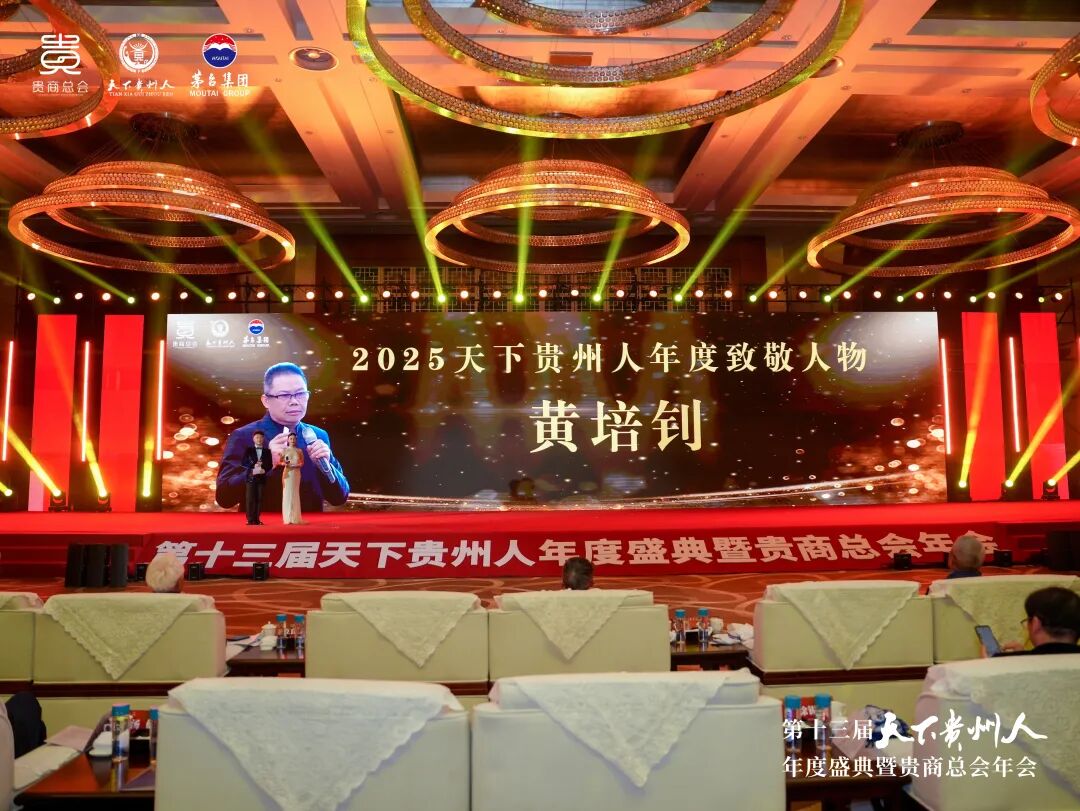
以技术革新守护绿水青山:芭田股份董事长兼总裁黄培钊荣膺贵州年度致敬人物
Xin Lang Cai Jing· 2026-01-05 11:45
Core Insights - The article highlights the recognition of Huang Peizhao, Chairman and President of Batian Co., Ltd., as the "Annual Tribute Person of Guizhou" for his contributions to efficient phosphorus resource utilization and green transformation in the industry [1][11][13] Group 1: Leadership and Vision - Huang Peizhao has dedicated 40 years to the agricultural and fertilizer industry, earning a Ph.D. in Plant Nutrition in 1999, which laid a solid foundation for his contributions [3][15] - Under his leadership, Batian Co., Ltd. became the first listed company in China's compound fertilizer industry in 2007, marking a new chapter in standardized and large-scale development [3][15] - The company focuses on technological innovation as a core driver, establishing a dual business model of "high-value fertilizers + fine phosphorus chemicals" [3][15] Group 2: Technological Breakthroughs - Batian Co., Ltd. has adopted a "green first, ecological priority" philosophy, addressing the industry's challenges of high production costs and environmental pollution [4][11] - Huang led a strategic decision to invest over 4 billion yuan in building a phosphorus chemical circular economy industrial park in Guizhou, developing a proprietary frozen nitric phosphorus fertilizer process [4][16] - The company achieved significant breakthroughs in key processes, successfully localizing 308 sets of core equipment and breaking foreign technology monopolies [4][16][17] Group 3: Resource Empowerment - The Weng'an phosphorus mine in Guizhou is a key resource for Batian, known for its high phosphorus content and rich trace elements, supporting the company's stringent raw material standards [7][19] - Batian has made steady progress in securing phosphorus mining rights, achieving a production capacity goal of 200 million tons per year by October 2024, with plans to expand to 290 million tons [7][19][20] - The company has established a closed-loop circular economy model, achieving a net profit of 409 million yuan in 2024, a 57.67% increase year-on-year, and a net profit of 687 million yuan in the first three quarters of 2025, a 236.13% increase [8][20] Group 4: Future Outlook - Huang Peizhao's practices in Guizhou have become a replicable model for resource-based industry transformation, with plans to continue enhancing strategic layouts through innovative processes and AI [10][22] - The company aims to maximize phosphorus resource value and support modern agricultural development, contributing to economic growth and ecological protection [10][22]

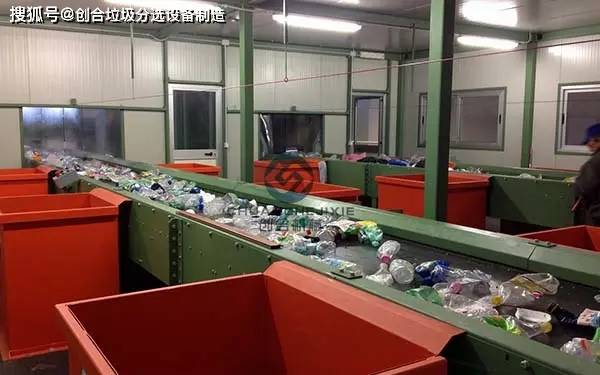
【绿色金融】工商银行上海市分行落地首笔生物多样性金融贷款
Xin Lang Cai Jing· 2026-01-05 10:44
Core Viewpoint - The People's Bank of China Shanghai Branch has initiated a biodiversity finance standard, facilitating the first biodiversity loan of 3 million yuan to Shanghai Xiaokun Supply Chain Technology Co., Ltd. for the construction of an AI-based waste plastic processing production line, promoting the recycling of waste plastics and aligning with the biodiversity finance directory [1][3]. Group 1: Biodiversity Finance Initiative - The People's Bank of China Shanghai Branch issued a notice on the trial use of biodiversity finance standards to promote harmonious coexistence between humans and nature [1][3]. - The loan provided to Shanghai Xiaokun Supply Chain Technology Co., Ltd. is aimed at supporting the construction of an AI waste plastic processing line, which aligns with the "1.7.3 Waste Plastic Recycling Standard" in the biodiversity finance directory [1][3]. Group 2: Company Profile and Achievements - Shanghai Xiaokun Supply Chain Technology Co., Ltd. focuses on the recycling of waste materials and has received certifications for its recycling service system, along with recognition as a specialized and innovative small and medium-sized enterprise in Shanghai [2][4]. - The company holds 8 patents for sorting and dismantling and 5 core recycling software technologies, and has developed AI recognition technology and intelligent sorting equipment for efficient waste plastic separation [2][4]. Group 3: Financial Support and Impact - The loan from the Industrial and Commercial Bank of China Shanghai Branch is intended to address the funding constraints faced by the company, enabling the production line to be operational [2][4]. - This biodiversity finance loan aims to create a win-win situation for urban ecological benefits and business growth, contributing to the development of a circular economy and enhancing green innovation in the Yangtze River Delta region [2][4]. Group 4: Future Directions - The Industrial and Commercial Bank of China Shanghai Branch is committed to further implementing biodiversity finance standards and increasing financing support for biodiversity protection projects, thereby expanding the scope of green finance [5].
