AGI

Search documents
MiniMax正式登陆港交所:开盘上涨超60%,近四年全球发行规模最大的AI公司
IPO早知道· 2026-01-09 02:52
Core Viewpoint - MiniMax Group Inc. is set to become the largest AI model company to go public, with a total fundraising of over 4.8 billion HKD, reflecting strong market interest and investor confidence in its advanced AI technologies [2][3]. Group 1: IPO Details - MiniMax will officially list on the Hong Kong Stock Exchange on January 9, 2026, under the stock code "0100" [2]. - The company issued 29,197,600 shares, with the Hong Kong public offering being oversubscribed by 1,837.17 times and the international offering by 36.76 times [2]. - The IPO raised over 4.8 billion HKD, with shares trading at 266.4 HKD shortly after listing, a 61.45% increase from the issue price [3]. Group 2: Company Achievements - Founded in early 2022, MiniMax focuses on developing multimodal models and has achieved significant breakthroughs in voice, video, and text models [6]. - The company launched the first domestic Transformer-based speech model, Speech 01, in 2023, followed by an upgraded version, Speech 02, which ranks first in performance [7]. - MiniMax's video generation model, Hailuo 02, was released in 2025 and has generated over 590 million videos, showcasing its strong market presence [8]. Group 3: Team and Efficiency - MiniMax has a young team with an average age of 29, comprising 74% R&D personnel, which contributes to its high organizational efficiency and innovative capabilities [10]. - The company has spent approximately 500 million USD (about 3.5 billion RMB) since its inception, significantly less than competitors like OpenAI, which has spent between 40 billion to 55 billion USD [10]. Group 4: Business Model and Revenue - MiniMax has established a sustainable revenue model based on subscription services and cloud APIs, with over 2.12 million individual users and 130,000 enterprise clients across more than 200 countries [13]. - The company's revenue for 2023 and 2024 was 3.5 million USD and 30.5 million USD, respectively, with a year-on-year growth of 782.2% in 2024 [14]. - International revenue accounts for over 70% of total income, demonstrating strong global market penetration [12][14]. Group 5: Investment and Market Position - MiniMax has attracted investments from major firms like Alibaba, Tencent, and Sequoia Capital, indicating strong confidence in its technology and business model [17][21]. - The company is recognized as one of the four global leaders in multimodal AI, positioning itself well to capitalize on the projected growth of the AI market, expected to reach 4.8 trillion USD by 2033 [15].

绿洲张津剑:MiniMax上市,是AI重塑生产方式与社会结构进程中的重要节点之一
IPO早知道· 2026-01-09 02:52
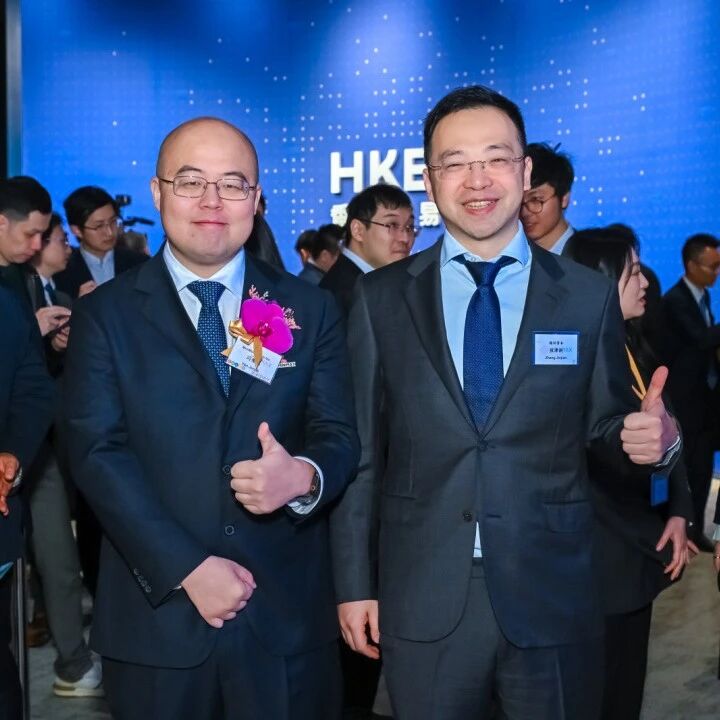
2、MiniMax 是亚洲首个选择同步推进文本、语音、视频全模态自研的企业。 这一选择的背后,是 对 AGI 路径的前瞻判断:通用智能必须建立在对多模态世界的整体理解之上。 3、闫俊杰博士在与绿洲的首次交流中即明确提出,MiniMax 要从 Day 1 成为一家全球化的 AI 公 司。 提出这一目标,需要莫大的勇气与坚持。 "正是这三点,构成了我们在早期阶段坚定支持MiniMax的判断基础。"张津剑说道。 绿洲资本创始合伙人张津剑(右)与MiniMax创始人兼CEO闫俊杰(左)在上市仪式现场。 本文为IPO早知道原创 作者| Stone Jin 微信公众号|ipozaozhidao 据 IPO 早 知 道 消 息 , MiniMax Group Inc. ( 以 下 简 称 "MiniMax" ) 于 2026 年 1 月 9 日 正 式 以"0100"为股票代码在港交所主板挂牌上市,成为史上IPO规模最大的AI大模型公司。 成立至今,MiniMax已获得多家战略投资方和一线机构的投资和支持。其中, 绿洲资本创始合伙人 张津剑于2022年底与MiniMax创始人闫俊杰博士初次见面,并在当日确认了投资意向。20 ...
2024 到 2025,《晚点》与闫俊杰的两次访谈,记录一条纯草根 AI 创业之路
晚点LatePost· 2026-01-09 02:38
Core Insights - MiniMax aims to contribute significantly to the improvement of AI in the industry, focusing on grassroots AI entrepreneurship despite challenges ahead [3][4] - The company has set ambitious goals for 2024 and 2025, including achieving technical capabilities comparable to GPT-4 and increasing user scale tenfold [4][36] - MiniMax emphasizes the importance of creating AI products that serve ordinary people, rather than focusing solely on large clients [5][9] Group 1: Company Vision and Strategy - MiniMax's vision is to create AI that is accessible to everyone, encapsulated in the phrase "Intelligence with everyone" [5][51] - The company believes that AGI should be a product used daily by ordinary people, rather than a powerful tool for a select few [9][51] - MiniMax's approach involves a dual focus on both technology and product development from the outset, contrary to the belief that startups should prioritize one over the other [14][15] Group 2: Technical Development and Challenges - The company has adopted a mixed expert (MoE) model for its large-scale AI, which is seen as a gamble compared to the more stable dense models used by competitors [10][20] - MiniMax faced significant challenges during the development of its MoE model, including multiple failures and the need for iterative learning [11][19] - The company recognizes that improving model performance is crucial and that many advancements come from the model itself rather than product features [19][34] Group 3: Market Position and Competition - MiniMax believes that the AI industry will see multiple companies capable of producing models similar to GPT-4, indicating a competitive landscape [41][37] - The company asserts that relying solely on funding for growth is not sustainable and emphasizes the importance of serving users and generating revenue [37][38] - MiniMax aims to differentiate itself by focusing on technical innovation and product development rather than merely increasing user numbers [57] Group 4: Future Outlook and Industry Trends - The company anticipates that the AI landscape will evolve rapidly, with significant advancements in model capabilities and user engagement [41][56] - MiniMax acknowledges the importance of open-sourcing technology to accelerate innovation and improve its technical brand [54][56] - The company is committed to continuous improvement in both technology and user experience, aiming to adapt to changing market demands [28][36]

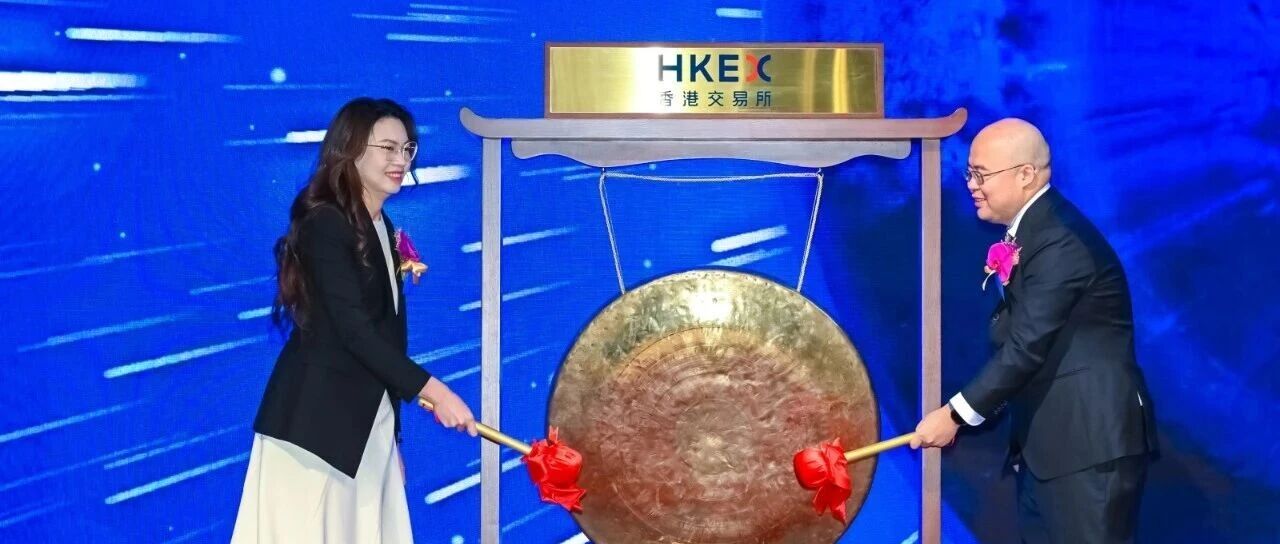
763亿港元,大模型公司最大规模IPO!MiniMax登陆港交所,开盘前大涨50%
量子位· 2026-01-09 02:38
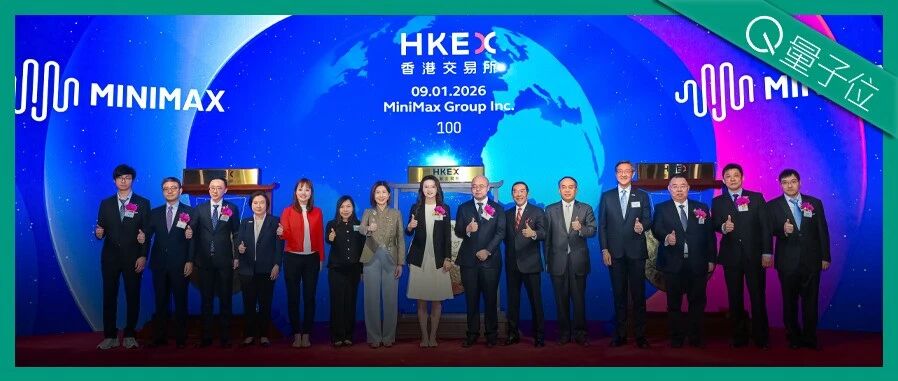
Core Viewpoint - MiniMax has successfully completed its IPO on the Hong Kong Stock Exchange, raising approximately 55.4 billion HKD (around 49.65 billion RMB) with a strong market response, including a 1837 times oversubscription in the public offering and 37 times in the international offering [4][5][45]. Group 1: IPO Details - MiniMax's IPO involved the issuance of approximately 33.58 million shares at a maximum price of 165 HKD per share, with a total fundraising amount of about 55.4 billion HKD [4]. - The stock code "00100" reflects the company's name, where "0" represents "Mini" and "100" corresponds to "Max" in binary, symbolizing the minimum solution that meets the conditions [2]. - The stock experienced significant price increases post-IPO, reaching a peak of 299 HKD per share, representing an over 80% increase [7]. Group 2: Company Background and Strategy - Founded less than four years ago, MiniMax has attracted significant investments from notable institutions, raising over 1.5 billion USD in total [7]. - The company emphasizes "extreme efficiency" and has developed a dual business model targeting both B2B and B2C markets, with a user base exceeding 210 million [17][19]. - MiniMax's strategic focus is on achieving AGI (Artificial General Intelligence) through a full-modal approach, integrating voice, video, and text capabilities [10][22]. Group 3: Technological Advancements - MiniMax has made significant breakthroughs in various AI modalities, including achieving industry-leading performance in real-time speech interaction and video generation [13][14]. - The M2.1 model has excelled in coding tasks and multi-language logical reasoning, enhancing productivity in real-world applications [15]. - The company's full-modal strategy allows it to leverage vast amounts of video and audio data, addressing the "data exhaustion crisis" faced by many AI firms [26]. Group 4: Organizational Efficiency - MiniMax's organizational structure is designed for high efficiency, with over 80% of its code generated by AI, allowing for a significant reduction in marginal costs [33][34]. - The company maintains a flat organizational hierarchy with a youthful workforce, where 73.8% of employees are in R&D roles, averaging 29 years of age [36]. - This innovative structure has enabled MiniMax to achieve a competitive R&D efficiency, spending approximately 500 million USD, which is only 1% of OpenAI's expenditure during the same period [38]. Group 5: Market Position and Future Outlook - MiniMax's successful IPO and the strong interest from institutional investors reflect a market recognition of its technological barriers and engineering efficiency [29][45]. - The company aims to continue its rapid growth over the next four years, emphasizing the importance of attracting top talent to maintain its competitive edge in the evolving AI landscape [46][49]. - The focus on scalability and the ability to convert resources into intelligence will be critical for MiniMax's long-term success in the AGI race [44][50].
MiniMax上市!AI最快IPO背后:红杉、IDG、基石资本等成赢家
Zheng Quan Shi Bao Wang· 2026-01-09 01:49
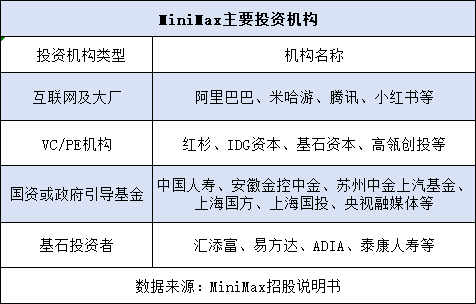
记者查阅公司招股书发现,MiniMax的股东名单,几乎集齐了中国互联网、内容和硬科技投资圈的核心 玩家。 在战略投资人中,包括米哈游、阿里巴巴、腾讯、小红书、小米、金山、正大集团等;在财务投资人 中,则包括红杉、经纬、基石资本、云启资本、IDG、高瓴创投、明势创投等。 1月9日,成立仅四年的人工智能大模型企业MiniMax(稀宇科技,0100.HK)正式登陆港交所。这家 以"Intelligence with Everyone"为愿景的年轻企业,凭借全模态自研技术和全球化商业布局在一众大模型 初创企业中脱颖而出,成为全球最快IPO的大模型企业。而上市背后,则是多家创投机构的一路鼎力支 持。 投资机构星光熠熠 上市前,MiniMax历经了7轮融资,早期投资方包括云启资本、IDG、高瓴创投、明势创投、米哈游 等,后腾讯、阿里巴巴参与了其A轮和B轮融资。最近的一轮融资在去年8月,融资金额约3.9亿美元, 此轮融资后其估值超过42亿美元。 | Iini ax主要投资机构 | | | --- | --- | | 投资机构类型 | 机构名称 | | 互联网及大厂 | 阿里巴巴、米哈游、腾讯、小红书等 | | VC/PE机 ...
什么AGI不AGI的,上市最重要
Sou Hu Cai Jing· 2026-01-09 01:14
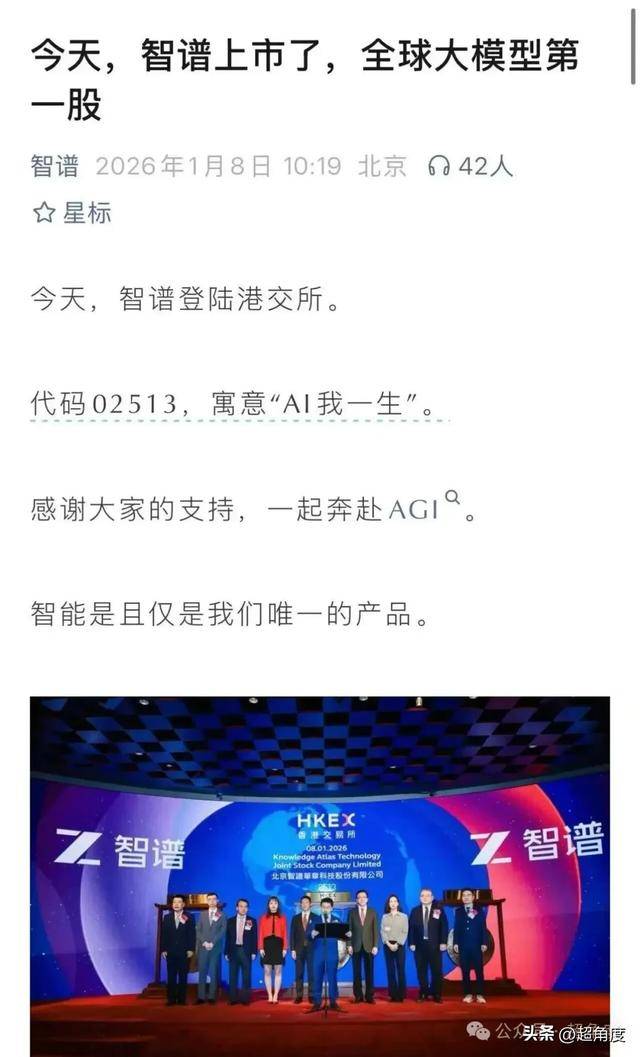
Core Viewpoint - The article discusses the recent IPO of Zhipu, marking it as the first stock in the global large model sector, while highlighting the tension between lofty AGI aspirations and the harsh realities of financial performance and market pressures [1][2][3]. Company Overview - Zhipu has officially listed on the Hong Kong Stock Exchange under the code 02513, which symbolizes "AI is my life" [4][8]. - The company reported a revenue of 312 million yuan and a loss of 2.958 billion yuan for the previous year, indicating significant financial challenges despite its ambitious goals [17]. Industry Context - The industry is experiencing a shift where the initial excitement around AGI is being tempered by financial realities, with companies like Zhipu and MiniMax acknowledging the early-stage development of AGI and the associated uncertainties [17]. - The article notes that the AGI vision, while inspiring investment and public interest, may also lead to speculative behavior and distract from tangible advancements in AI within specific verticals [16][17]. Market Sentiment - The market reaction to Zhipu's IPO has been mixed, with discussions focusing on stock performance, market capitalization, and the financial implications for investors, rather than the company's long-term vision [2][17]. - There is a growing sentiment in the industry that the focus should shift from AGI as a lofty goal to more immediate concerns of survival and customer acquisition [17].
毛戈平股东或套现14亿港元,用于改善个人生活和投资;万科:因到龄退休,郁亮辞职;宜家中国回应关店丨邦早报
创业邦· 2026-01-09 00:08
Group 1 - The core viewpoint of the article highlights significant developments in various companies and industries, including IPOs, leadership changes, and market strategies [2][4][15] Group 2 - Zhiyuan AI went public on January 8, 2026, with a goal to become a leading global model enterprise by 2026, as stated by its founder and chief scientist, Tang Jie [2] - Vanke A announced the resignation of Yu Liang due to retirement, effective January 8, 2026, marking a significant leadership change in the company [4] - The founder's family of Maogeping plans to reduce their stake by 3.51%, amounting to approximately 1.41 billion HKD, to improve personal finances and invest in the beauty industry [4][7] Group 3 - Xiaomi's Lei Jun announced a significant investment in R&D, committing 200 billion CNY over the next five years to enhance core technologies, including AI and chips [7] - Multiple car manufacturers are launching promotional activities to counter the impact of new electric vehicle purchase taxes, with Tesla and GAC Group leading the charge [8] - Alphabet Inc. has surpassed Apple in market capitalization, becoming the second-largest company globally, reflecting its strong position in the AI sector [8] Group 4 - JD.com established the "Chameleon Business Unit" to accelerate the commercialization of AI technologies, with new AI products set to launch soon [13] - Alibaba Cloud introduced a multimodal interaction development kit aimed at AI hardware, integrating various foundational models for diverse applications [20] - Ford plans to launch an L3 level driving assistance system by 2028, initially in a new affordable electric pickup truck [21]

小米的AB面:流量场的争议与竞技场的心力
阿尔法工场研究院· 2026-01-09 00:04
Core Viewpoint - Xiaomi's transformation from "scale expansion" to "quality competition" in the tech industry is exemplified by its achievements in 2025, including the mass production of its first 3nm flagship chip and significant sales milestones in its smartphone and automotive sectors [1][4]. Group 1: Business Performance - Xiaomi's 2025 performance is attributed to a shift in its profit logic, moving from volume-based earnings to technology breakthroughs and ecosystem synergy, making it more stable [4]. - The automotive sector has emerged as a surprising highlight, with the SU7 and YU7 exceeding annual delivery targets and achieving quarterly profitability, indicating a successful transition past initial challenges [4][17]. - The Xiaomi 17 series achieved over one million sales in just five days, reflecting not only sales success but also a significant improvement in product quality and innovation [4][5]. Group 2: Technological Advancements - The launch of the self-developed 3nm flagship SoC, the Xuanjie O1 chip, fills a gap in domestic advanced processes and signifies Xiaomi's commitment to building a technological moat [7][11]. - Xiaomi's investment in R&D has exceeded 100 billion yuan over the past five years, with plans to increase this to 200 billion yuan in the next five years, establishing a strong technological foundation [11]. - The integration of the 澎湃 OS 3.0 across devices enhances connectivity and user experience, creating a comprehensive ecosystem that is difficult for competitors to replicate [11][13]. Group 3: Market Perception and Challenges - Despite strong performance, Xiaomi faces ongoing controversies stemming from misaligned expectations, particularly when compared to established giants like Apple and Tesla [8]. - The company has adopted a strategy of reducing inefficient marketing expenditures to focus on core technological development, which is seen as a rare and valuable approach in a market driven by traffic [15]. - Global capital markets and industry leaders have recognized Xiaomi's fundamental advantages, with institutions like Goldman Sachs and Morgan Stanley acknowledging its potential in the automotive and high-end markets [17][19]. Group 4: Future Outlook - Xiaomi's strategic shift towards hard technology and innovation aligns with national goals for technological self-reliance, positioning it as a model for China's manufacturing transformation [19]. - The company is committed to continuous improvement in chip technology and automotive competitiveness, with a long-term vision that emphasizes steady progress rather than immediate results [20].


马斯克:AI不是算法之争,而是电力之战,中国AI将碾压全球!
Sou Hu Cai Jing· 2026-01-08 23:41
Group 1 - Musk predicts that AGI will emerge by 2026, potentially displacing jobs in sectors like white-collar professions and surgery, but he believes this will lead to a "universal high-income" era with abundant goods and services at low prices [3] - Musk emphasizes China's leading position in AI computing power, forecasting that by 2026, China's electricity generation could be about three times that of the United States, enabling it to support high-energy AI data centers [3][5] - The current challenge for AI development is not computing power or algorithms, but electricity supply, with estimates suggesting that training a large AI model consumes as much electricity as a small city uses in a week [5] Group 2 - Goldman Sachs reports that energy shortages could hinder the U.S. AI race, while China is steadily increasing its energy production capacity [5] - OpenAI has publicly urged the U.S. to accelerate power grid development, stating that electricity is a strategic asset akin to "new oil" [6] - Morgan Stanley has raised its forecast for the electricity gap in U.S. data centers, which is equivalent to the power consumption of several large cities [6]
硅谷投资人2026 AI关键词解析:谁在赚走AI的第一波百亿美金?
混沌学园· 2026-01-08 13:06
Core Insights - The article discusses the insights and investment trends related to AGI (Artificial General Intelligence) as presented by Li Guangmi, founder of Shixiang Technology, emphasizing the potential of AI technologies and their impact on the market [2][3][10]. Group 1: Investment Trends and Predictions - Li Guangmi predicts that the combination of Google and OpenAI could lead to a total market value of $10 trillion [6]. - He identifies 2026 as a pivotal year for AI, defining it as a "nuclear-level" moment in technology evolution, particularly with the potential breakthrough in Online Learning [11][12]. - The article highlights that the current leading AI models are unable to maintain a significant lead over each other, indicating a shift in competitive dynamics [8]. Group 2: Market Dynamics and Opportunities - The article notes that AI has already generated $100 billion in revenue in two areas: ChatGPT and AI Coding, with emerging companies showing steep growth rates [16]. - Li Guangmi emphasizes the need for entrepreneurs to focus on creating "new species" that can fundamentally restructure workflows rather than just improving existing tools [16]. - The article raises questions about the future of AI applications and the survival of companies that merely utilize APIs without innovative differentiation [16]. Group 3: Insights on AI Development - The concept of "nuclear energy" in AI refers to the transformative potential of Online Learning, which could shift AI from static knowledge to dynamic experience [12][13]. - Li Guangmi discusses the importance of identifying signals that could disrupt the current technological landscape by 2026 [20]. - The article suggests that many current research questions may be misguided, indicating a need for a reevaluation of priorities in AI development [19].