全模态

Search documents
GenAI系列报告之73:从MiniMax看国产大模型出海投资机遇
Shenwan Hongyuan Securities· 2026-03-24 08:13
Investment Rating - The report maintains a positive outlook on the investment opportunities in the domestic large model sector, particularly focusing on MiniMax as a key player [5][6]. Core Insights - The large model technology path is converging, with domestic models emphasizing cost-effectiveness while accelerating commercialization overseas. The leading global models have established successful business models through enterprise-level APIs and subscription tools [4][5]. - MiniMax is positioned as a pioneer in self-developed multimodal large models, with a global expansion strategy driving significant revenue growth. The company achieved total revenue of $79.04 million in 2025, a year-on-year increase of 159%, and its ARR surpassed $150 million by February 2026 [4][6]. - The demand for agent applications is surging, leading to a substantial increase in token consumption, particularly in high-frequency scenarios such as programming and office automation, where MiniMax's cost advantages make it a preferred choice [4][5]. Industry Overview - The competition in large models has shifted from finding the right path to optimizing efficiency on mainstream paths. The pre-training paradigm has converged to a Decoder-Only + MoE architecture, with core efforts focusing on mid-training and post-training optimizations [15][17]. - Domestic models have certain performance gaps compared to overseas counterparts in text and programming capabilities, but they are closing the gap rapidly, especially post-2026, with a competitive edge in cost-effectiveness [17][24]. MiniMax Overview - MiniMax is a leading global company in multimodal models, established in 2021, focusing on text, speech, and video capabilities. The company has a high proportion of R&D personnel, with over 70% of its workforce dedicated to research [39][44]. - The company has successfully built a diverse revenue structure, with AI-native applications accounting for 67.2% of its revenue and a rapid growth in enterprise services [46]. - MiniMax's M2.5 model, which utilizes a sparse MoE architecture, offers a significant cost advantage, with API output prices being 1/10 to 1/20 of those of leading overseas models, making it suitable for high-frequency token-consuming scenarios [4][6]. Investment Analysis - The report suggests focusing on domestic large models, particularly MiniMax, due to their multimodal capabilities and extreme cost-effectiveness, which are expected to drive widespread application in high-frequency demand scenarios [5][6].
争做全模态顶尖 “六小虎”想重塑AI赛道
Nan Fang Du Shi Bao· 2026-01-20 23:14
Core Viewpoint - The competition in the AI sector is evolving, with companies like "Big Model Six Little Tigers" focusing on next-generation technologies and full-modal capabilities, moving away from traditional labels of large and small firms [4][5]. Group 1: Industry Trends - The AI landscape is shifting towards a new competitive logic, with companies aiming to excel in full-modal capabilities rather than traditional traffic competition [4]. - Baichuan Intelligence, once perceived as lagging, is re-entering the market with a focus on the healthcare sector, planning to launch consumer applications and develop sleep-related hardware [4][5]. - Ant Group's AI health product "AQ" has been rebranded to "Ant Afu," emphasizing health companionship and achieving over 15 million monthly active users within six months of its launch [4]. Group 2: Company Strategies - Baichuan Intelligence's CEO Wang Xiaochuan emphasizes their unique advantages, including superior model performance, targeted problem-solving, and a stable professional team, distinguishing them from larger firms [5]. - The company is focusing on high-value scenarios rather than consensus-driven approaches typical of larger firms [5]. - The "Dark Moon" project has shifted its strategy from aggressive user acquisition to enhancing model technology, completing a $500 million Series C funding round to accelerate model training and development [6]. Group 3: Technological Developments - Some smaller players are targeting the AI smartphone market by providing underlying operating systems rather than hardware, such as Zhipu's AutoGLM, which supports over 50 application scenarios [7]. - The AI Agent series model "Step-GUI" from Jiyue Xingchen has been upgraded to enhance privacy control while expanding its operational capabilities across numerous applications [7]. Group 4: Market Challenges - AI hardware faces challenges related to privacy and security, with examples of user issues in AI smartphone applications highlighting the need for improved functionality [10]. - The commercial viability of large models remains unclear, with no company having established a complete business model, leading to significant risks in hardware investments compared to software [10][11]. - The concept of a "super entrance" in the AI market is debated, with the potential for more neutral and open platforms to emerge as true leaders rather than established giants [11].


763亿港元,大模型公司最大规模IPO!MiniMax登陆港交所,开盘前大涨50%
Sou Hu Cai Jing· 2026-01-09 04:28
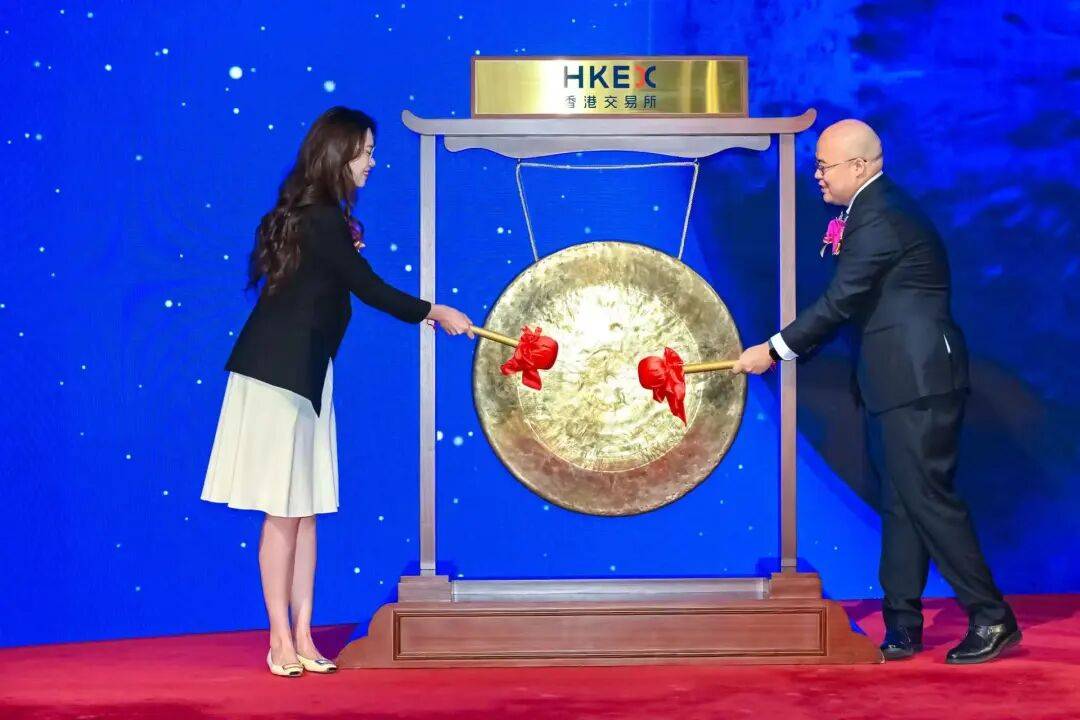
Core Viewpoint - MiniMax has successfully completed its IPO on the Hong Kong Stock Exchange, raising approximately 5.54 billion HKD (around 4.965 billion RMB) by issuing about 33.58 million shares at the upper price limit of 165 HKD per share [1][2]. Group 1: IPO Details - The final offering price was set at 165 HKD, with a price range of 151 HKD to 165 HKD [2]. - The public offering was oversubscribed by 1,837 times, while the international offering saw a 37 times oversubscription [2]. - In the after-hours trading, MiniMax's stock reached a peak of 211.2 HKD per share, closing at 205.6 HKD, marking an increase of nearly 25% [3]. Group 2: Company Background and Growth - MiniMax was founded less than four years ago and has rapidly evolved from a startup to a publicly listed company [3]. - The company has attracted significant investments from notable institutions such as MiHoYo, Alibaba, Tencent, and others, raising over 1.5 billion USD in total funding [3]. - The CEO, Yan Junjie, emphasized the company's commitment to advancing AI technology and its ambition to contribute to the industry's growth [3]. Group 3: Technological Advancements - MiniMax has focused on a dual approach of developing both consumer and enterprise-level AI applications, achieving a user base of over 212 million [9]. - The company has made significant breakthroughs in various AI modalities, including speech, video, and text, with its M2.1 model ranking first among open-source models in coding tasks [7][9]. - The strategy of parallel development across multiple modalities is aimed at achieving Artificial General Intelligence (AGI) [10][11]. Group 4: Organizational Efficiency - MiniMax's organizational structure emphasizes a high degree of diversity and a flat hierarchy, with 73.8% of its workforce in research and development and an average age of 29 [22][25]. - The company utilizes AI agents to enhance productivity, with over 80% of its code being generated by AI, fundamentally altering its cost structure [22]. - The company has achieved a competitive research and development efficiency, spending approximately 500 million USD, which is only 1% of OpenAI's expenditure during the same period [26]. Group 5: Market Reception and Future Outlook - MiniMax's IPO set a record for institutional subscriptions in Hong Kong, with over 460 participating institutions and an oversubscription rate exceeding 70 times [29]. - The CEO views the IPO as a new starting point, aiming for continued growth at a pace similar to the past four years [30].
763亿港元,大模型公司最大规模IPO!MiniMax登陆港交所,开盘前大涨50%
量子位· 2026-01-09 02:38
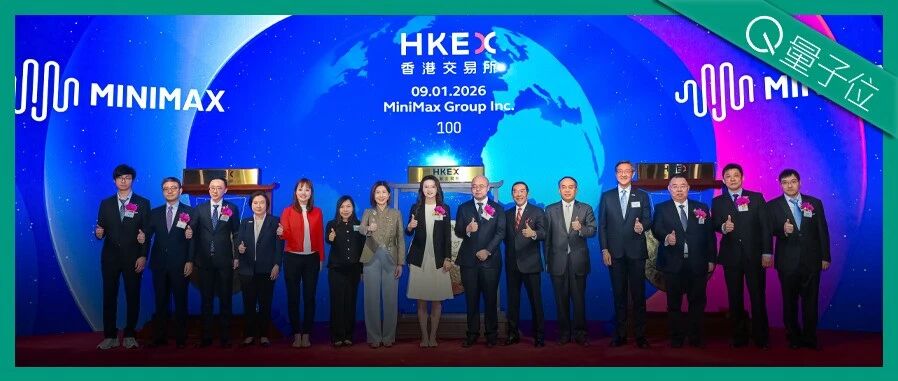
Core Viewpoint - MiniMax has successfully completed its IPO on the Hong Kong Stock Exchange, raising approximately 55.4 billion HKD (around 49.65 billion RMB) with a strong market response, including a 1837 times oversubscription in the public offering and 37 times in the international offering [4][5][45]. Group 1: IPO Details - MiniMax's IPO involved the issuance of approximately 33.58 million shares at a maximum price of 165 HKD per share, with a total fundraising amount of about 55.4 billion HKD [4]. - The stock code "00100" reflects the company's name, where "0" represents "Mini" and "100" corresponds to "Max" in binary, symbolizing the minimum solution that meets the conditions [2]. - The stock experienced significant price increases post-IPO, reaching a peak of 299 HKD per share, representing an over 80% increase [7]. Group 2: Company Background and Strategy - Founded less than four years ago, MiniMax has attracted significant investments from notable institutions, raising over 1.5 billion USD in total [7]. - The company emphasizes "extreme efficiency" and has developed a dual business model targeting both B2B and B2C markets, with a user base exceeding 210 million [17][19]. - MiniMax's strategic focus is on achieving AGI (Artificial General Intelligence) through a full-modal approach, integrating voice, video, and text capabilities [10][22]. Group 3: Technological Advancements - MiniMax has made significant breakthroughs in various AI modalities, including achieving industry-leading performance in real-time speech interaction and video generation [13][14]. - The M2.1 model has excelled in coding tasks and multi-language logical reasoning, enhancing productivity in real-world applications [15]. - The company's full-modal strategy allows it to leverage vast amounts of video and audio data, addressing the "data exhaustion crisis" faced by many AI firms [26]. Group 4: Organizational Efficiency - MiniMax's organizational structure is designed for high efficiency, with over 80% of its code generated by AI, allowing for a significant reduction in marginal costs [33][34]. - The company maintains a flat organizational hierarchy with a youthful workforce, where 73.8% of employees are in R&D roles, averaging 29 years of age [36]. - This innovative structure has enabled MiniMax to achieve a competitive R&D efficiency, spending approximately 500 million USD, which is only 1% of OpenAI's expenditure during the same period [38]. Group 5: Market Position and Future Outlook - MiniMax's successful IPO and the strong interest from institutional investors reflect a market recognition of its technological barriers and engineering efficiency [29][45]. - The company aims to continue its rapid growth over the next four years, emphasizing the importance of attracting top talent to maintain its competitive edge in the evolving AI landscape [46][49]. - The focus on scalability and the ability to convert resources into intelligence will be critical for MiniMax's long-term success in the AGI race [44][50].
MiniMax账上躺着11亿美元,累计亏损92亿人民币,为何还急着上市
Sou Hu Cai Jing· 2025-12-31 05:19
Core Viewpoint - MiniMax, despite having $1.1 billion in cash and cumulative losses of 9.2 billion RMB, is pursuing an IPO in Hong Kong, signaling a significant moment for Chinese AI companies in the global market [1][12]. Group 1: Financial Position - MiniMax has $1.1 billion in cash and investments as of September 2025, indicating a strong liquidity position [1]. - The company reported a net loss of $269 million in 2023, which increased to $465 million in 2024, and reached $512 million in the first nine months of 2025, totaling over $1.327 billion in cumulative losses since its inception [6]. - MiniMax's revenue is projected to grow from $3.46 million in 2023 to $30.5 million in 2024, and $53.4 million in the first nine months of 2025, reflecting a year-on-year growth of over 170% [3]. Group 2: Business Strategy - MiniMax focuses on a "full-modal" approach, developing products across text, voice, music, and video, achieving top-tier global rankings in these areas [1][3]. - The company has successfully globalized its offerings, with over 200 countries covered and more than 212 million users, primarily generating revenue in USD through subscription models [3][5]. - MiniMax's applications, such as Talkie and 海螺AI, contribute over 70% of its revenue, showcasing its effective monetization strategy [5]. Group 3: Market Positioning - MiniMax is positioned as an "outbound internet company," targeting global markets with a focus on consumer users, while its competitor, 智谱AI, is more focused on domestic B2B and government projects [7][9]. - The company aims to compete with global players like Anthropic, Runway, and ElevenLabs, while 智谱AI seeks to establish itself as a Chinese equivalent of OpenAI [11]. Group 4: Industry Implications - The simultaneous IPO attempts by MiniMax and 智谱AI represent a collective shift of the Chinese AI industry from research to application, indicating a new era of value validation in the AI sector [12].
手握11亿美金现金,MiniMax赴港IPO,不为输血为哪般?
Jin Rong Jie· 2025-12-27 06:35
Core Insights - The recent IPO attempts of Zhipu AI and MiniMax in Hong Kong represent a significant moment for Chinese AI companies, showcasing their capabilities in the global market [1][8] - MiniMax has successfully challenged the stereotype that Chinese AI companies only focus on domestic markets, proving that they can create globally appealing and monetizable AI products [1][2] Group 1: MiniMax's Strategy - MiniMax's success is attributed to its focus on "full-modal" AI, engaging in text, voice, music, and video, achieving top-tier global rankings in these areas [2] - The company has launched products like Talkie and Hai Luo AI, which have gained high download volumes overseas, contributing to its revenue growth [2] - MiniMax has expanded its reach to over 200 countries, amassing more than 212 million users, with a significant portion of revenue coming from subscription models [2] Group 2: Financial Performance - MiniMax's revenue has seen explosive growth, increasing from $3.46 million in 2023 to $30.5 million in 2024, and reaching $53.4 million in just the first nine months of 2025, with a year-on-year growth exceeding 170% [3] - The company has achieved a gross margin of 23.3% by 2025, indicating improved monetization and cost control capabilities [3] - Despite high revenue growth, MiniMax reported a net loss of $269 million in 2023, escalating to $465 million in 2024, and $512 million in the first nine months of 2025, with cumulative losses exceeding $1.327 billion [3][4] Group 3: Challenges and Competition - MiniMax's high losses are primarily due to substantial R&D expenditures, which reached $180 million in the first three quarters of 2025, amounting to 337.4% of its revenue during that period [4] - The company faces intense competition from major players like OpenAI, Google, and Meta in the global market, as well as domestic competitors such as Doubao and Tencent [6] - Legal challenges also pose a risk, as MiniMax is facing lawsuits from major Hollywood studios over potential copyright infringements related to its Hai Luo AI product [6] Group 4: Comparison with Zhipu AI - MiniMax and Zhipu AI represent two distinct approaches to the AI market, with MiniMax focusing on consumer products and global outreach, while Zhipu AI emphasizes technology and infrastructure [7] - MiniMax's revenue model is primarily driven by consumer subscriptions, while Zhipu AI relies on B2B and government projects for income [7] - The contrasting strategies of these companies highlight the diverse pathways for growth within the Chinese AI industry, with MiniMax aiming for a global consumer base and Zhipu AI targeting domestic institutional clients [7][8]
字节原动力大会点评:产业落地高速增长,Agent能力开放有望带动云持续高增
Orient Securities· 2025-12-24 10:42
Investment Rating - The industry investment rating is maintained as "Positive" [5] Core Insights - The report highlights the rapid growth of the industry, driven by the deployment of AI capabilities and the continuous high growth of cloud services. The release of new models with enhanced multi-modal understanding capabilities is expected to further stimulate demand [8] - The report emphasizes the significant increase in token usage, indicating deepening downstream applications. As of December, the daily token usage of the Doubao large model has surpassed 50 trillion, a 67% increase from September, positioning it as the leader in China and third globally [8] - The report notes the continuous upgrade of model capabilities, including improved multi-modal understanding, enhanced agent capabilities for complex task execution, and flexible context management, which are crucial for driving demand expansion in the AI industry [8] Investment Recommendations and Targets - The report recommends investing in technology giants with a full-stack AI approach, including Alibaba (09988, Buy) and Google (ALPHABET-A, GOOGL.O, Not Rated) [3] - It suggests focusing on multi-modal products that cater to both B2B and B2C users, with clear commercialization scenarios and high growth certainty, recommending Kuaishou (01024, Buy) and Meitu (01357, Buy) [3] - The report also highlights the importance of other companies with model capabilities and related industry chains, recommending Tencent Holdings (00700, Buy), Tongdao Liepin (06100, Not Rated), and Beisen Holdings (09669, Not Rated) [3]



招股书里的MiniMax:当聪明人决定不再为巨头打工
华尔街见闻· 2025-12-23 14:03
Core Viewpoint - The article posits that 2025 will be a year of differentiation in the AI industry, with the narrative chosen by companies determining their perspective on the market [1]. Group 1: MiniMax's Emergence - MiniMax, a unicorn company with only 385 employees and an average age of 29, is poised for an IPO, having successfully commercialized its AI models without relying on a major internet company's traffic [2]. - The company has achieved significant scale with products like Talkie and Hailuo, generating real user engagement and revenue, while holding $11 billion in cash reserves to sustain operations for 50 months without additional funding [2][3]. - MiniMax's success challenges the traditional "burn money" model of large internet firms, attracting strategic investments from major players like MiHoYo, Alibaba, Tencent, and top investment firms [3]. Group 2: Financial Efficiency - MiniMax has spent approximately $500 million since its inception, significantly less than the annual marketing budgets of larger firms, yet it has developed a full-stack multimodal model that competes with giants like OpenAI [6]. - The company's cloud computing service expenses related to training have dramatically decreased from 1365% of revenue in 2023 to 266.5% in the first nine months of 2025, indicating a transition from a money-burning phase to a profitable growth phase [11]. Group 3: Global Strategy - MiniMax has shifted its focus to international markets, with over 70% of its revenue coming from overseas, making it the most internationally oriented AI company in China [15]. - The company has avoided the domestic market's price wars by targeting markets with higher willingness to pay, such as North America and Europe, where SaaS payment habits are more established [15][16]. Group 4: Organizational Efficiency - MiniMax operates with a flat organizational structure, allowing for rapid decision-making and innovation, with over 80% of its code generated by AI, enhancing productivity [20][21]. - The company has achieved impressive revenue per employee metrics, generating approximately $53 million in revenue in the first nine months of 2025, showcasing its high operational efficiency compared to traditional software firms [20]. Group 5: Industry Narrative - The article contrasts two narratives in the AI industry: one that views AI as a resource-heavy endeavor dominated by large firms, and another that sees it as a reconfiguration of productivity driven by efficiency and innovation [24]. - MiniMax embodies the latter narrative, demonstrating that a small, agile team can challenge larger competitors without relying on extensive resources [24][25].

QuestMobile2025下半年AI应用交互革新与生态落地报告:头部梯队玩家快速变化,垂直赛道新秀迭出,三层渗透实现集团化复用
3 6 Ke· 2025-12-23 02:28
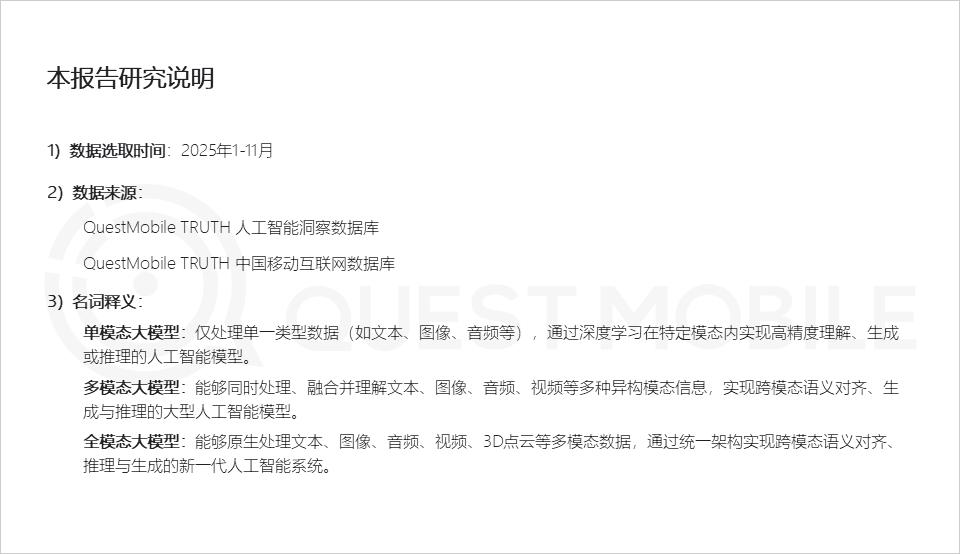
Group 1 - The AI application industry is experiencing significant changes, with the top three AI-native apps being Doubao, DeepSeek, and Yuanbao, with weekly active users of 155 million, 81.56 million, and 20.84 million respectively [1] - From July to November 2025, the AIGC industry completed 186 financing events totaling 33.67 billion yuan, a 20.8% increase compared to the first half of the year [4][7] - The competition is shifting towards systematic and ecological approaches, with a focus on talent acquisition and model competition evolving from single-modal to multi-modal and full-modal [1][4] Group 2 - Over 200 new AI applications were launched from July to November 2025, with plugins accounting for 81.5% of the total, indicating a diverse application landscape [2][29] - Major internet companies are leveraging their technological and ecological advantages, with Tencent embedding Yuanbao into its WeChat and QQ ecosystems, leading to a significant increase in application usage [2][5] - The Ant Group's new app, Ant Afo, achieved a weekly active user count of 10.25 million within five months of launch, ranking fourth among AI-native apps [5][38] Group 3 - Multi-modal interaction is becoming the mainstream paradigm in the industry, with 36.7% of models being multi-modal as of November 2025 [4][14] - The highest proportion of multi-modal models is characterized by multi-modal input leading to single-modal output, accounting for 73.3% [18][20] - The development of multi-modal interaction capabilities is essential for the incubation of new application forms and the enhancement of application intelligence levels [26][35] Group 4 - The focus of investment is shifting towards upstream infrastructure and downstream industry solutions, with nearly 50% of financing events in the application layer [4][9] - The trend of "understanding and generating integration" is a key step towards general intelligence in AI, moving from single-modal to multi-modal and then to full-modal models [12][14] - Internet companies are evolving their AI strategies from interaction innovation to cognitive unification and ecological penetration [33][46]
QuestMobile2025下半年AI应用交互革新与生态落地报告:头部梯队玩家快速变化,垂直赛道新秀迭出,三层渗透实现集团化复用
QuestMobile· 2025-12-23 02:02
Core Insights - The article discusses the latest developments in the AI application industry, highlighting significant changes in active user rankings and investment trends in the sector [4][10]. Investment Trends - From July to November 2025, the AIGC industry completed 186 financing events, amounting to 33.67 billion yuan, a 20.8% increase compared to the first half of the year [8][10]. - Nearly 50% of the investment events during this period were focused on downstream application layers [8]. AI Model Development - As of November 2025, among eight major manufacturers, the distribution of large models is as follows: single-modal (61.4%), multi-modal (36.7%), and full-modal (1.9%) [8][19]. - Multi-modal interactions have become mainstream, with the combination of multi-modal input leading to single-modal output accounting for 73.3% [8][23]. Application Landscape - Over 200 AI applications were launched from July to November 2025, with plugins making up 81.5% of new applications [5][34]. - Key application areas include AI image processing (24.9%), AI professional consulting (18.5%), and AI efficiency tools (6.8%) [5][36]. Competitive Dynamics - Major internet companies are leveraging multi-modal interactions to enhance user engagement and retention [41]. - Tencent, Baidu, and Alibaba are leading the industry by embedding AI applications into their ecosystems, maximizing user engagement and data utilization [9][55]. User Engagement - The newly launched Ant Financial's "Afu" app and "Lingguang" app achieved significant user engagement, with weekly active users reaching 10.25 million and 2.95 million, respectively [46][49]. - The "Lingguang" app experienced a sevenfold increase in daily active users since its launch [49]. Technological Innovations - The GUI intelligent agent is becoming a mainstream direction for mobile manufacturers, addressing long-tail operational pain points and enhancing user experience [60][67]. - Full-modal models emphasize a native unified architecture, integrating input, alignment, reasoning, and output processes for a more natural user interaction experience [27][29].