能源安全

Search documents
欧尔班白宫见特朗普 匈牙利买俄能源免受制裁
Xin Hua She· 2025-11-08 08:17
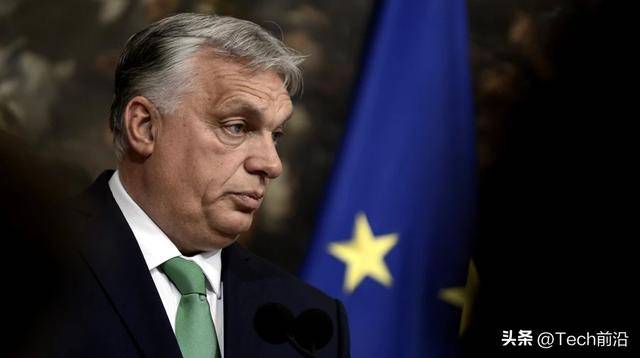
据路透社和法新社报道,欧尔班7日与特朗普在白宫内阁会议厅并排而坐,会晤氛围"温暖"。这是特朗 普今年1月重返白宫以来,两人首次双边会晤。 欧尔班被视为特朗普盟友,2024年三次前往佛罗里达州海湖庄园与"亲爱的朋友"特朗普见面。然而,特 朗普开启第二任期后,美国政府的举措对匈牙利产生了复杂影响。 匈牙利是欧盟少数几个内陆国家之一,能源供应高度依赖俄罗斯。乌克兰危机2022年2月全面升级后, 美国和欧洲国家对俄罗斯能源等领域施加多轮制裁,匈牙利受到波及。国际货币基金组织的数据显示, 2024年,匈牙利74%的天然气和86%的石油从俄罗斯进口。 10月22日,美国财政部宣布制裁俄国有企业俄罗斯石油公司和私有企业卢克石油公司,以施压俄罗斯与 乌克兰立即停火。一天后,欧盟成员国正式批准第19轮对俄制裁。 综合媒体报道,欧尔班7日当面向特朗普解释为何匈牙利需要俄罗斯的能源,说这对匈牙利人民和经济 至关重要,指出匈牙利不买俄罗斯石油和天然气会有哪些后果,强调这"并非意识形态或政治议题,而 是现实需要"。特朗普承认,匈牙利获得石油和天然气与其他欧洲国家"非常不同"。"我们正在考 虑,"他说,"这(匈牙利)是一个伟大的国家,一 ...
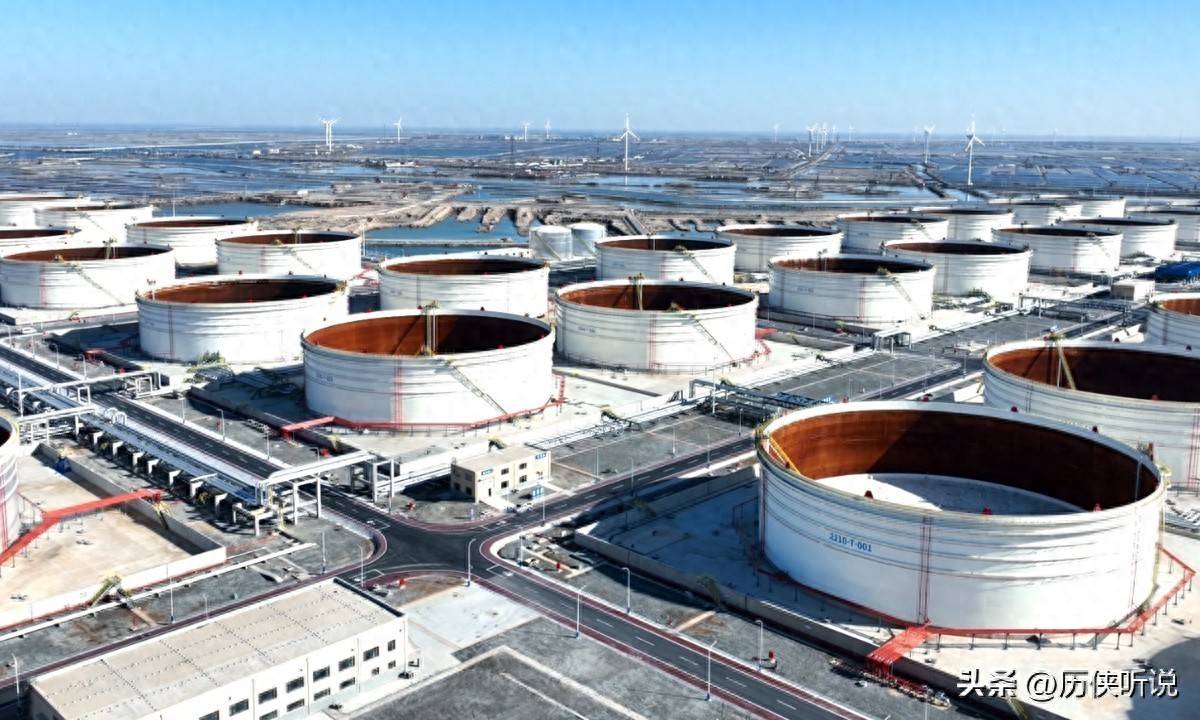
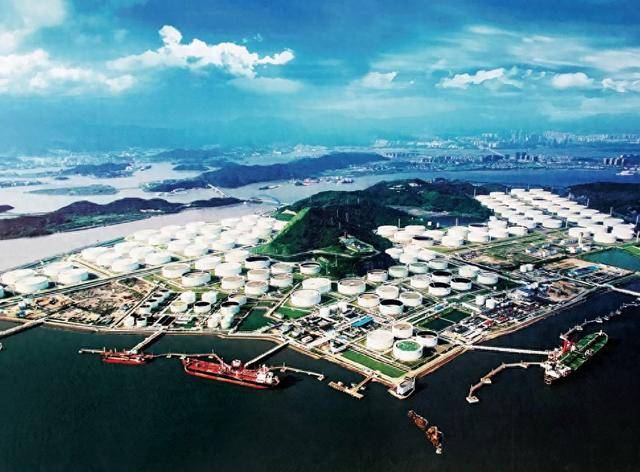
每天100万桶原油入库,中国突然按下“加速键”,在为大事做准备?
Sou Hu Cai Jing· 2025-11-08 05:15
Core Insights - China is rapidly increasing its strategic oil reserves, with an average daily import of over 11 million barrels, of which 1 to 1.2 million barrels are being stored, indicating a proactive approach to energy security amid global uncertainties [1][3][5] Group 1: Strategic Importance of Oil Reserves - As the world's largest oil importer, China's energy demand structure necessitates a robust reserve strategy to ensure energy security [3][5] - The high dependency on foreign oil highlights the need for sufficient reserves to buffer against international market fluctuations, which could lead to price surges or supply shortages [3][5] - Analysts suggest that a sudden halt in Chinese oil purchases could lead to a rapid drop in oil prices, underscoring China's role as a stabilizing force in the global oil market [3][5] Group 2: Geopolitical Context - The current geopolitical landscape, influenced by factors such as the Russia-Ukraine conflict and Middle Eastern tensions, has made China's oil reserve strategy crucial for market stability [5][7] - China's ongoing imports serve as a "demand anchor," helping to mitigate extreme price volatility in the oil market [5][7] - The establishment of a multi-layered reserve system aims to meet the International Energy Agency's recommendation of maintaining reserves sufficient for 180 days of consumption [5][7] Group 3: Response to Uncertainty - The unpredictability introduced by the Trump administration's energy policies has heightened the necessity for China to bolster its reserves [7][8] - Potential sanctions or disruptions in key maritime routes could severely impact China's oil supply, making a robust reserve essential for maintaining industrial and civilian stability [7][8] - A well-stocked reserve acts as a critical buffer, allowing China to navigate geopolitical tensions and supply chain disruptions effectively [7][8] Group 4: Broader Resource Strategy - The accumulation of oil reserves reflects a comprehensive approach to securing strategic materials, including nickel and rare earths, alongside food supply chains [10][12] - This multi-dimensional reserve strategy aims to reduce reliance on single supply channels and enhance resilience against technological blockades or trade decoupling [10][12] - China's ability to release reserves during market shortages could provide leverage in international negotiations, enhancing its position in global governance [12]

重磅!匈牙利获美国无期限豁免,美匈签核能大单硬刚欧盟
Sou Hu Cai Jing· 2025-11-08 03:36
Core Insights - Hungary has received a waiver from the U.S. for comprehensive energy sanctions, allowing it to continue relying on Russian energy without incurring significant costs for transitioning away from it [1][2] Group 1: Energy Dependency - Hungary is the EU country most dependent on Russian energy, with 90% of its crude oil and 80% of its natural gas sourced from Russia [2] - The "Turkish Stream" pipeline is set to deliver 7.6 billion cubic meters of natural gas to Hungary in 2024, supporting its status as a "gas price haven" in Europe, with household gas costs being one-third of those in Western Europe [2] - The termination of the Russian gas transit agreement with Ukraine has made the "Turkish Stream" the sole route for Russian gas to Europe [2] Group 2: Economic Implications - Experts warn that if the pipeline were to be sanctioned and shut down, Hungary's industrial output could drop by 30%, and inflation could exceed 20% [2] - Hungary's Prime Minister emphasized that energy security is a matter of physical and mathematical necessity, stating that without Russian gas, energy security is merely a theoretical discussion [2] Group 3: U.S.-Hungary Relations - The waiver indicates a shift in U.S. policy under Trump, contrasting with the previous Biden administration, which imposed sanctions on Hungarian officials and restricted military sales [3] - Hungary's Foreign Minister stated that U.S.-Hungary relations are entering a "new golden era," with the U.S. indicating a willingness to resume military cooperation [3] Group 4: EU Policy Tensions - The waiver has further strained the EU's unified stance on Russian energy sanctions, as Hungary has repeatedly blocked EU efforts to impose a complete ban on Russian oil and gas by 2026 [5] - Slovakia has followed Hungary's lead by importing Russian gas through the "Turkish Stream," and even Ukraine has turned to Hungary for Russian gas during emergencies [5] Group 5: Future Ambitions - Hungary aims to leverage the remaining capacity of the "Turkish Stream" to supply gas to Slovakia and plans to establish a natural gas distribution center in Central Europe, potentially replacing Austria's traditional role [6] - The waiver allows Hungary to stabilize energy costs while profiting from the price differences in gas trading between the EU and Russia [6]
德力佳今日上市!无锡A股上市公司达126家!
Sou Hu Cai Jing· 2025-11-07 04:54
Core Viewpoint - Delijia Transmission Technology (Jiangsu) Co., Ltd. successfully listed on the Shanghai Stock Exchange on November 7, marking the fourth company from Wuxi to go public this year, contributing to the expansion of the Wuxi capital market [1][11] Company Overview - Delijia was established in 2017 and is located in Wuxi Xishan District, focusing on the research, production, and sales of gear transmission products, particularly wind turbine gearboxes, which are critical components of wind power generation [7] - The company has obtained a total of 63 authorized patents, including 24 invention patents, establishing a significant production and sales scale and leading the market in wind turbine gearbox technology [9] IPO Details - The company publicly issued 40 million shares at a price of 46.68 yuan per share, raising approximately 1.867 billion yuan [3][5] - The raised funds will be used for projects including the annual production of 1,000 units of large onshore wind turbine gearboxes and 800 units of large offshore wind turbine gearboxes, aligning with the trend of large-scale and high-end development in the wind power industry [5] Market Context - Wuxi has seen a surge in IPO enthusiasm, with 25 companies currently in the pipeline for listing, including 11 in domestic exchanges and 14 in overseas markets, indicating a strong growth potential for the Wuxi capital market [10][13] - The local government has implemented various measures to support companies in their listing efforts, enhancing the competitiveness and growth potential of the "Wuxi sector" [11][13]
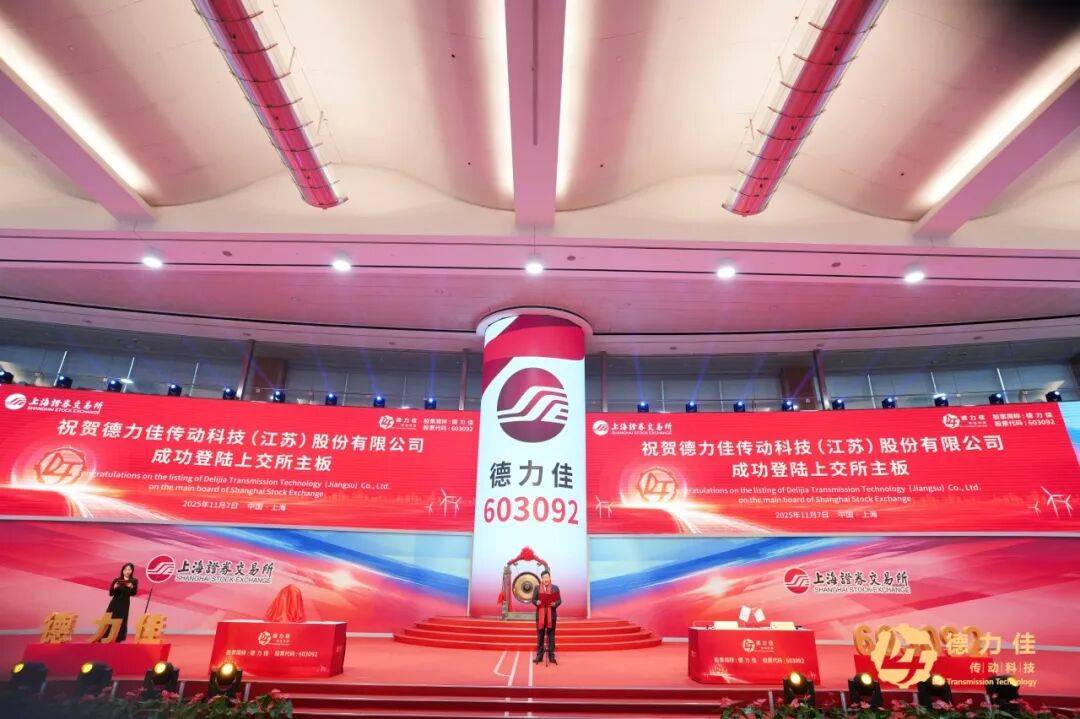
德力佳在上交所主板成功上市 无锡A股上市公司达126家
Zheng Quan Shi Bao Wang· 2025-11-07 04:20
Group 1 - Delijia (603092) Transmission Technology Co., Ltd. was listed on the Shanghai Stock Exchange on November 7, becoming the fourth listed company in Wuxi this year, bringing the total number of A-share listed companies in Wuxi to 126, ranking 7th nationwide and 2nd in the province [1] - The company issued 40 million shares at a price of 46.68 yuan per share, raising 1.8607 billion yuan, which will be invested in projects for producing large onshore and offshore wind turbine gearboxes [1] - Founded in 2017, Delijia specializes in the R&D, production, and sales of gear transmission products, with its core product being the wind turbine main gearbox, a critical component of wind power generation [1] Group 2 - Delijia's chairman, Liu Jianguo, emphasized the company's commitment to innovation in wind power transmission technology and its role in contributing to national energy security and manufacturing strength [2] - Wuxi has been actively promoting capital market engagement and high-quality enterprise development, with 25 companies currently in the pipeline for listing, including 11 domestically and 14 internationally [2] - The listing of Delijia reflects Wuxi's robust support for enterprises through policy optimization, financing support, and streamlined processes, enhancing the competitiveness and growth potential of the "Wuxi sector" [2]
Enerflex(EFXT) - 2025 Q3 - Earnings Call Transcript
2025-11-06 16:00
Financial Data and Key Metrics Changes - Revenue for Q3 2025 was $777 million, up from $601 million in Q3 2024 and $615 million in Q2 2025, primarily driven by the BSAT C expansion project [14] - Gross margin before depreciation and amortization was $206 million, or 27% of revenue, compared to $176 million, or 29% in Q3 2024, and $175 million, or 29% in Q2 2025 [14] - Adjusted EBIT reached a record $145 million, compared to $120 million in Q3 2024 and $130 million in Q2 2025 [16] - Free cash flow decreased to $43 million in Q3 2025 from $78 million in Q3 2024 due to working capital investments [16] - Net earnings were $37 million, or $0.30 per share, compared to $30 million, or $0.24 per share in Q3 2024 [18] Business Line Data and Key Metrics Changes - The energy, infrastructure, and aftermarket services business lines contributed 58% of gross margin before depreciation and amortization during Q3 [4] - Engineered Systems backlog as of September 30 was $1.1 billion, with bookings of $339 million during Q3 [7] - Aftermarket Services gross margin before depreciation and amortization was 21% in the quarter, benefiting from increased customer maintenance activities [8] Market Data and Key Metrics Changes - The U.S. contract compression business maintained a stable utilization rate of 94% across a fleet of approximately 470,000 horsepower [5] - Enerflex's international energy infrastructure business includes approximately 1.1 million horsepower of operated compression and 24 BOOM projects in various regions [9] Company Strategy and Development Direction - The company aims to enhance profitability of core operations and leverage its position in core operating countries to capitalize on expected increases in natural gas and produced water volumes [10] - Enerflex plans to focus on disciplined capital allocation, including a 13% increase in quarterly dividends, reflecting confidence in its financial position [22] - The company is exploring opportunities in electrical power generation, particularly in the microgrid power generation market [12] Management's Comments on Operating Environment and Future Outlook - Management expressed confidence in long-term growth fundamentals driven by global energy security and increasing demand for natural gas [24] - The company is closely monitoring near-term risks, including tariffs and commodity price volatility, while maintaining a proactive management approach [8] Other Important Information - Enerflex's bank-adjusted net debt to EBITDA ratio improved to approximately 1.2 times at the end of Q3 2025, down from 1.9 times at the end of Q3 2024 [19] - The company has initiated strategic inventory investments to support customer commitments and manage lead times effectively [36] Q&A Session Summary Question: What does the team think Enerflex does well and what needs improvement? - Management highlighted a focus on execution levers, cost management, and working capital efficiency as key areas of strength, while also identifying opportunities for digitization initiatives [26] Question: Can you elaborate on the potential for MobilePower and revenue opportunities? - Management indicated that 500 megawatts of opportunities could grow significantly, emphasizing the dynamic nature of the market and the company's experience in power generation [28] Question: How does Enerflex plan to participate in both Engineered Systems and Energy Infrastructure? - Management noted that speed and partnerships will be vital in capitalizing on opportunities in both areas, with a focus on operations and maintenance for Aftermarket Services [33] Question: What is the current state of inventory levels and supply chain for existing projects? - Management confirmed that strategic inventory investments are being made to support customer activity and manage lead times effectively [34] Question: Can you quantify how much revenue was pulled forward from Q4 into Q3? - Management suggested that the average revenue for the Engineered Systems business over the last couple of years was between $300 million and $325 million per quarter, indicating strong execution in Q3 [49]

聚焦进博会|“三桶油”进博会累计签约超五千亿元,中国海油签约额创历史新高
Di Yi Cai Jing· 2025-11-06 14:45
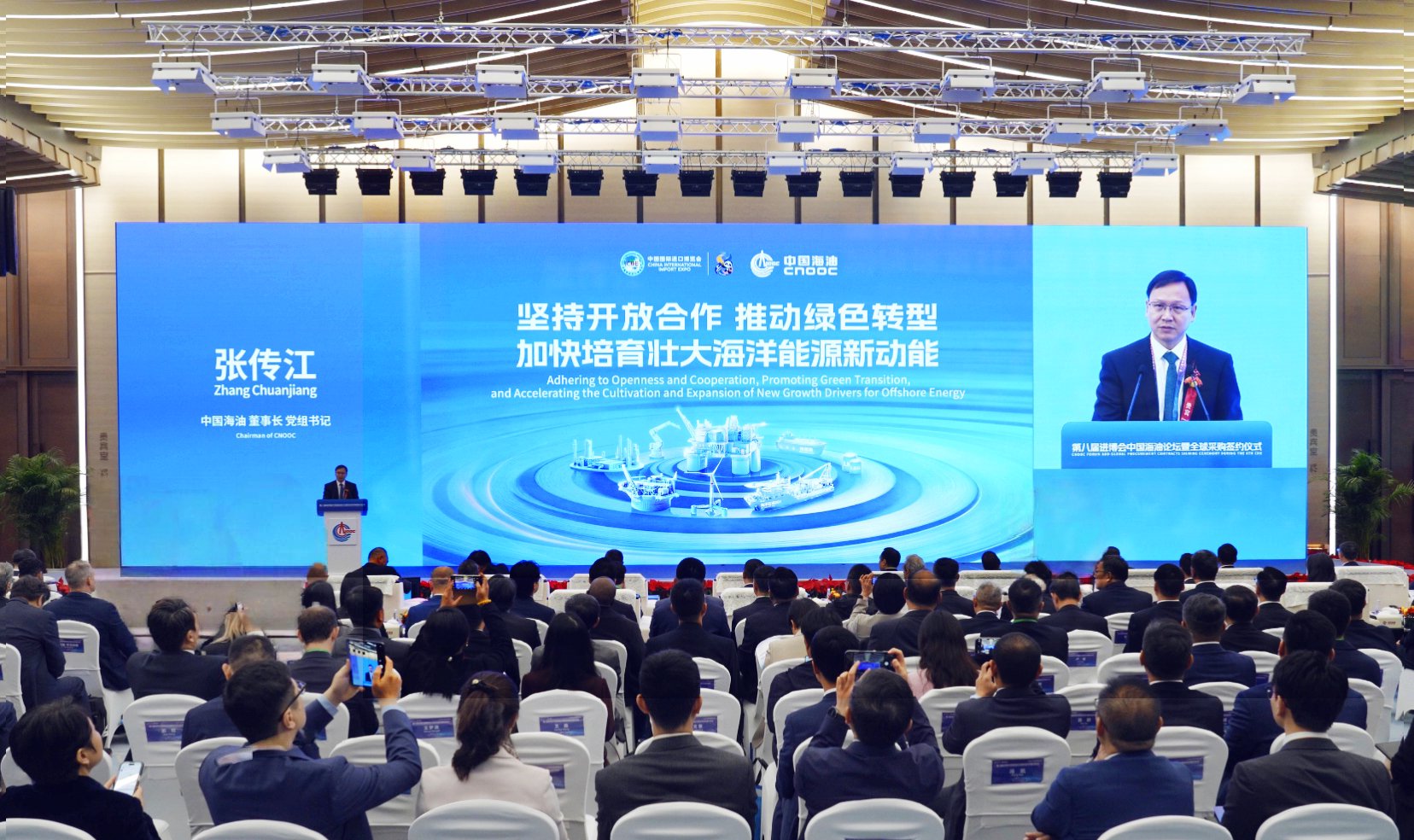
Core Viewpoint - The recent China International Import Expo (CIIE) highlighted significant procurement agreements by China's major oil companies, emphasizing the importance of multilateral cooperation, energy security, green transition, and technological innovation in the energy sector [1][4][5] Group 1: Procurement Agreements - China National Offshore Oil Corporation (CNOOC) signed contracts exceeding $130 billion (approximately 926 billion RMB), marking a historical high for a single CIIE [1] - China Petroleum and Chemical Corporation (Sinopec) and China National Petroleum Corporation (CNPC) also secured substantial agreements, with Sinopec's procurement amounting to over $40.9 billion and CNPC's agreements totaling $17.485 billion [2] - Cumulatively, the "Three Barrel Oil" companies signed contracts worth nearly $71.4 billion (approximately 508.2 billion RMB) at this year's CIIE, contributing to a total of approximately $558.8 billion (around 3.98 trillion RMB) since the first CIIE [2] Group 2: Industry Challenges and Responses - Geopolitical tensions, such as the Russia-Ukraine conflict and the Israel-Palestine conflict, have impacted the stability of the international energy market and increased energy supply security risks [4] - The transition from conventional to unconventional oil and gas exploration and the need for technological upgrades in energy equipment are critical challenges facing the industry [4] - The global push for a green low-carbon transition is a pressing issue that energy companies must address [4] Group 3: Strategic Initiatives - CNOOC's chairman emphasized the necessity of open cooperation for energy security and the importance of green transition for sustainable development [6] - The general manager of CNPC advocated for leveraging the Belt and Road Initiative to enhance bilateral and multilateral cooperation in the energy sector [6] - There is a focus on advancing low-carbon technologies such as carbon capture, utilization, and storage (CCUS), hydrogen, and solar energy, alongside fostering international collaboration in innovation and artificial intelligence applications [6]



欧佩克又要搞事情了
Sou Hu Cai Jing· 2025-11-06 11:37
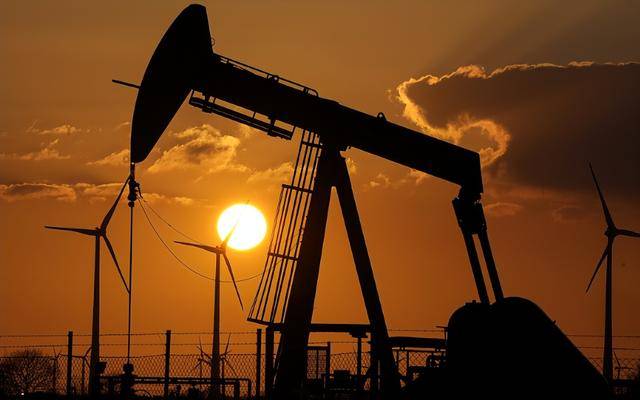
文︱陆弃 这次增产决定,也再次提醒世界:石油市场从未只关乎能源,更关乎地缘政治。沙特和俄罗斯的每一次 出手,不仅调整的是桶油的数量,更在拉动美元流动、影响通胀预期,甚至在无形中影响国际贸易和经 济增长速度。全球经济似乎在一张看不见的油价网络上颤抖,每一次供应调整,都像一根触发器,可能 引发连锁反应。 市场反应自然立刻显现。投资者既担心供应过剩导致油价下跌,也不得不考虑制裁和地缘紧张对供应链 的制约。油价的波动性,再次让世界明白,能源不是商品那么简单,它是一种战略资源,是国际博弈中 的筹码。增产背后,是沙特和俄罗斯的自信,也是对全球市场情绪的精准操控。 更深一层看,这场石油会议提醒我们:能源安全仍然是全球经济的核心议题。即便新能源技术发展迅 速,但石油依然是工业、运输和经济运行的基础。增产的13.7万桶,不只是数字,它意味着船只、飞 机、工厂、汽车和每一个依赖燃料的人都在感受着市场的呼吸。每一滴油,都牵动着全球经济神经,每 一次开闸,都可能引发微妙的连锁反应。 当世界还沉浸在经济复苏的幻想里,沙特和俄罗斯牵头的"欧佩克+"在11月2日的视频会议上悄悄按下 了全球油市的"开关"。八国部长一致决定,自12月起每日增 ...
要为大事做准备?中国吞下全球九成新增石油,能源安全要握在手中
Sou Hu Cai Jing· 2025-11-06 02:14
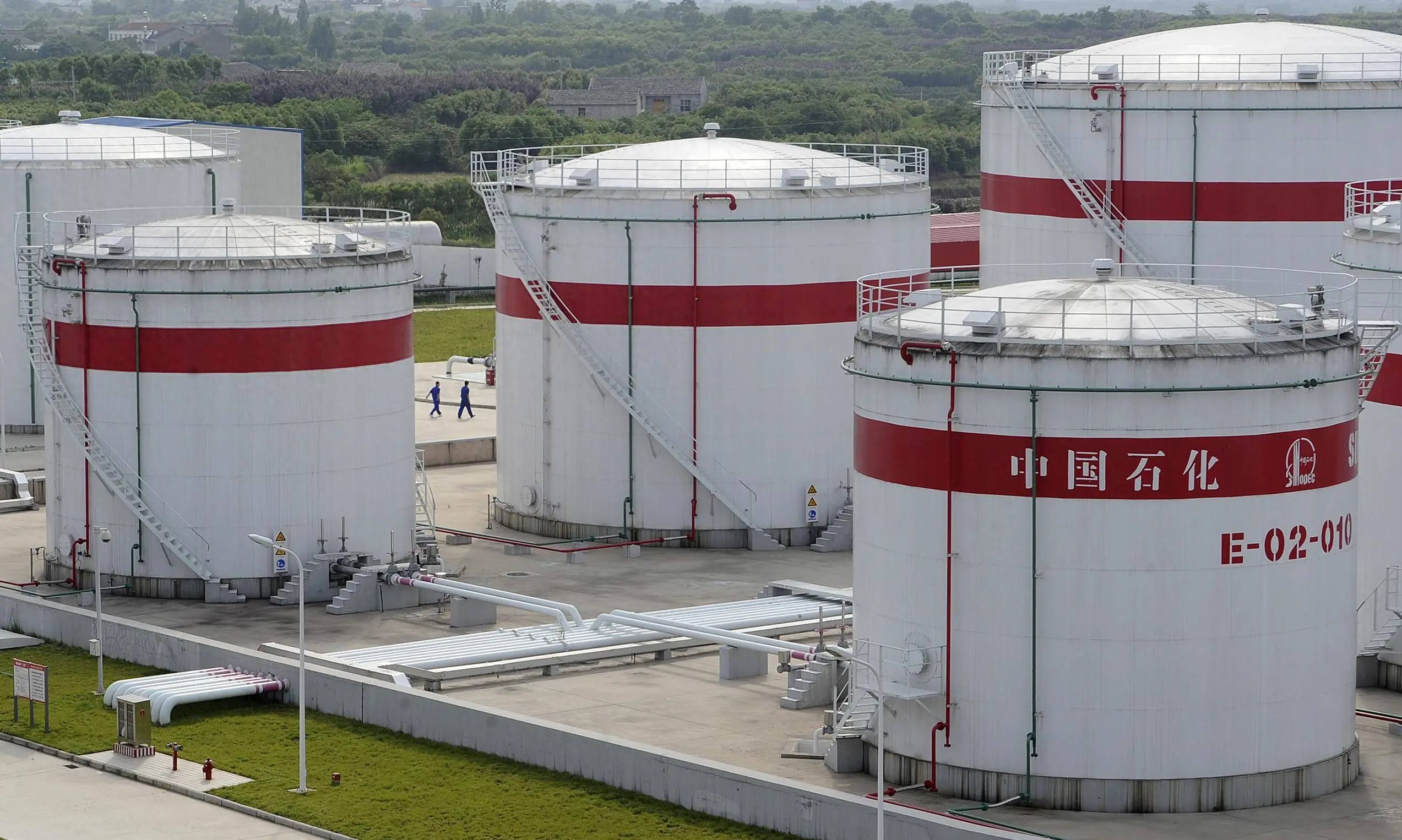
Core Insights - China's crude oil imports have increased for 18 consecutive months, with September showing a year-on-year growth of 9.4%, indicating a strong demand for oil in the country [2][4] - The average daily crude oil arrival in China for the first nine months of the year was 11.1 million barrels, with about 10% going directly into strategic reserves [4] - The new Energy Law, effective January 1, mandates government and enterprise oil reserves, creating a legal obligation for refineries to maintain a certain level of storage [5] Group 1: Import Dynamics - The increase in oil imports is driven by lower Brent crude prices, which fell below $69 per barrel, making it cheaper for refineries to procure oil [7] - Local refineries have accelerated their import quotas, leading to a rare issuance of an additional 3 million tons of import quotas by customs [7] - The average waiting time for oil tankers has increased from 42 hours to 67 hours due to the need for third-party inspections before oil can be officially recorded [5] Group 2: Strategic Reserves - China's strategic oil reserves are designed to cover half of the annual net import volume, with a goal to reach 90 days of reserves as recommended by the International Energy Agency [4][5] - The country is transitioning its oil storage from commercial to strategic, which reduces the global supply of available oil and supports higher oil prices [10] - The strategic reserve system includes a rotation mechanism to ensure oil quality and prevent resource wastage [14] Group 3: Currency and Trade - China has initiated pilot programs for crude oil trade settlements in RMB, allowing exporters to convert RMB into USD in offshore markets, reducing reliance on the US dollar [8] - Approximately 12% of crude oil imports are now settled in RMB, with the growth rate doubling each year [8] Group 4: Energy Security and Alternatives - The diversification of oil supply sources, including land pipelines from Russia and Central Asia, has reduced dependency on maritime routes, enhancing energy security [11] - Domestic shale oil and tight oil production costs have decreased, allowing for increased output when prices are favorable [11] - The transition to renewable energy sources does not negate the need for oil, as fossil fuels remain essential for energy stability during the transition period [13] Group 5: Market Implications - The global oil inventory is shifting, with the US and Europe reducing their strategic reserves while China is increasing its own, potentially leading to higher global oil prices [10] - China's strategic reserves serve as a buffer against external supply disruptions, ensuring stable domestic energy supply and economic operations [16]
中国为何突然开始大量囤油?日吞全球近半储量,有啥大事要发生?
Sou Hu Cai Jing· 2025-11-05 13:58
Core Insights - China's recent actions in the international crude oil market have garnered global attention, with daily imports reaching tens of millions of barrels, indicating a strategic move beyond mere opportunistic buying [1][25] - The country has absorbed a significant portion of the world's new oil inventory, enhancing its strategic oil reserve capabilities and subtly altering the global oil market dynamics [1][3] Group 1: Import Trends - China's average daily crude oil imports have exceeded 11 million barrels this year, surpassing the daily production of some major oil-producing countries [3] - Approximately 90% of the global new oil inventory added in the first half of the year has been absorbed by China, with a daily storage rate of 1.4 million barrels [3] Group 2: Market Impact - International oil prices fell to near five-year lows in October, but China's substantial purchases have stabilized prices around $65 per barrel, forcing adjustments in market supply and demand [5] - China's purchasing behavior has influenced other countries to act cautiously due to concerns over storage costs and risks, leading to a subtle shift in the international oil market [5][23] Group 3: Strategic Considerations - China's oil procurement is driven by a combination of institutional mandates, risk prevention, and asset allocation strategies [9][16] - The implementation of the new Energy Law mandates both state and private enterprises to maintain oil reserves, resulting in rapid expansion of storage facilities [9][11] Group 4: Risk Management - Given the current geopolitical uncertainties, including conflicts affecting oil supplies, China has increased imports from sensitive regions, such as Russia and Iran, to mitigate external risks [12][20] - By bolstering its strategic reserves, China aims to safeguard its domestic economy against potential global energy supply disruptions [14][20] Group 5: Financial Strategy - Oil is viewed as a tangible asset that can hedge against fluctuations in the dollar and uncertainties in financial markets, prompting China to convert some foreign exchange assets into physical resources [16] - This strategy not only secures energy supplies but also serves as a means of asset allocation, reflecting a comprehensive approach to risk management and financial stability [16][25] Group 6: Long-term Planning - China's oil reserve days have increased from 110 to approximately 180, indicating preparedness for potential global supply interruptions [18] - The strategic reserve initiative is part of a broader national strategy to enhance energy security and reduce dependence on foreign sources, encompassing not just oil but also food and renewable energy development [20][26]