
AI智能体

Search documents
益航科技U品都市:以AI智能体重构都市消费新生态
Sou Hu Cai Jing· 2025-12-05 07:02
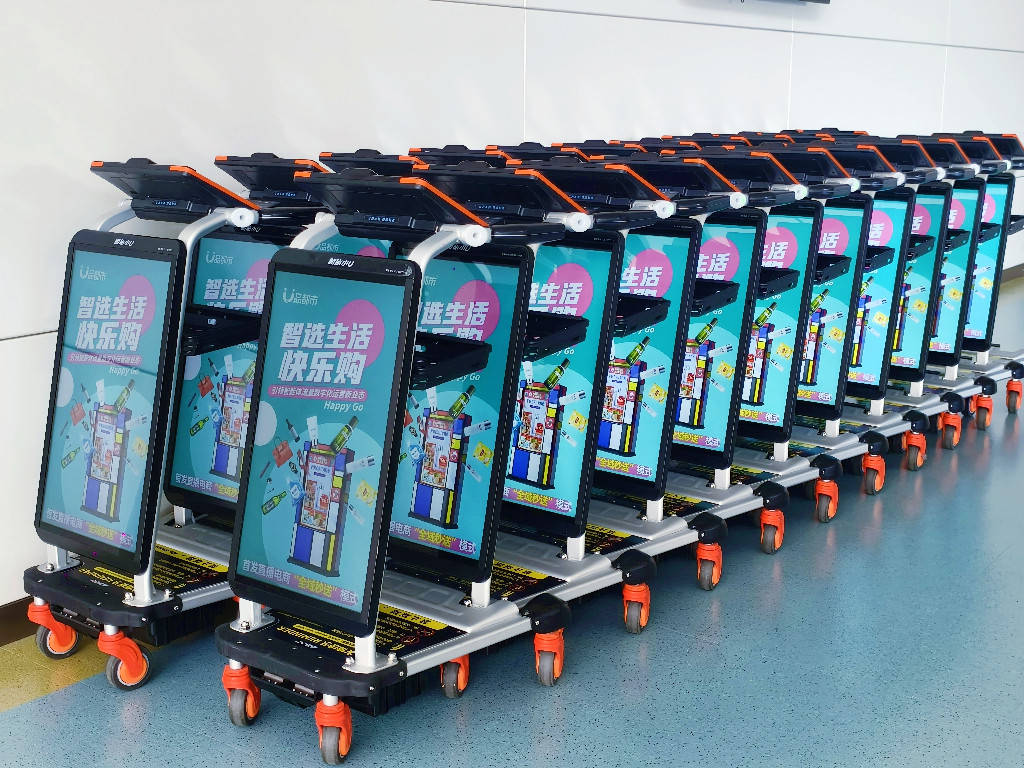
Core Insights - The article highlights a consumer revolution driven by "scene digitization, instant fulfillment, and interactive experiences" under the dual strategy of smart cities and eco-cities, with the smart retail and local life service market expected to exceed 47 trillion yuan by 2025, indicating a critical phase of deep integration between technology and business models [1] Group 1: Company Overview - Shanghai Yihang Network Technology Co., Ltd. (Yihang Technology) is a pioneer in the smart travel sector and a member of the China Civil Airport Association, with its self-developed "Travel Little U" smart device covering nearly 60 airports nationwide, establishing a high-net-worth traffic network [3] - The U-Pin Urban brand leverages the technological advantages, traffic potential, and operational experience from airport scenarios to core business districts, achieving a full-link breakthrough from traffic acquisition to consumer conversion [3] Group 2: Business Model Innovation - U-Pin Urban has innovatively created a lightweight business model that integrates "opening another store within the store," breaking traditional retail boundaries of space, inventory, and traffic, by embedding a 50-inch ultra-clear smart screen into offline stores, thus forming an invisible retail network without additional physical space or inventory [3] - This model achieves "zero marginal cost" channel expansion and facilitates a value cycle among brands, stores, investors, and consumers, creating a multi-win "flywheel ecosystem" [3] Group 3: AI-Driven Systems - The AI-driven system integrates "screen-warehouse-distribution," with the U-Pin Urban smart screen featuring AI interaction and cameras, enabling personalized engagement and transforming offline traffic into interactive, traceable, and operable digital assets [5] - The system ensures timely delivery within one hour through algorithm scheduling and collaboration with store warehouse resources, forming a distributed "front-position lightning warehouse" system, meeting modern consumers' demand for instant gratification and revolutionizing the consumer experience from "online ordering" to "immediate delivery" [5] Group 4: Online and Offline Integration - The online AI mall serves as a deep conversion platform with features like cloud shelves, interactive games, and AI dialogues, enhancing user engagement and allowing seamless integration of online browsing and offline redemption [7] - Users can complete the entire shopping experience from "screen browsing - interest stimulation - online ordering - instant delivery," effectively increasing average transaction value and repurchase rates [7] - U-Pin Urban's innovative practices not only reconstruct shopping scenarios and consumption chains but also create a new urban lifestyle that integrates technology, entertainment, and efficiency, redefining the connections between people, goods, and places [7]

AI智能体正重写手机安全规则,该不该让“豆包助手”模拟你的手指?
Di Yi Cai Jing· 2025-12-04 03:24
Core Viewpoint - The article discusses the implications of granting the INJECT_EVENTS permission to the "Doubao Assistant" on the Nubia M153 phone, highlighting potential security risks and the necessity of collaboration between AI developers and hardware manufacturers [1][2][3]. Group 1: Technical Aspects - The Nubia M153 has enabled the INJECT_EVENTS permission, allowing applications to simulate user input events, which is a high-risk permission in the Android system [2][3]. - This permission is typically reserved for system-level applications and requires the app to be signed with the manufacturer's system private key, making it a significant security concern if misused [3][6]. - Doubao Assistant's ability to operate like a native system component is contingent upon its collaboration with hardware manufacturers, which is essential for accessing such high-level permissions [3][4]. Group 2: Security Concerns - Granting INJECT_EVENTS permission to third-party applications could lead to severe security risks, such as unauthorized access to sensitive information like banking passwords [3][4]. - The article emphasizes the need for a dual authorization mechanism to ensure user safety when AI interacts with third-party applications [7]. - Experts express that while there are inherent risks, the collaboration between AI and hardware manufacturers can justify the need for such permissions in specific scenarios [4][7]. Group 3: Market Dynamics - The competition among mobile manufacturers, AI developers, and traditional app developers is characterized as a struggle for data access and user entry points [7]. - The current target audience for the Doubao Assistant is primarily developers, not ordinary consumers, indicating a niche market focus [8].
从“猎奇”到“信赖”折叠屏手机用户发展洞察报告
Ai Rui Zi Xun· 2025-12-04 01:42
Investment Rating - The report does not explicitly state an investment rating for the folding screen mobile phone industry Core Insights - The folding screen mobile phone has emerged as a strategic direction to break the growth bottleneck in the smartphone market, with significant growth expected from 2022 to 2024 [10][11] - The folding screen technology has evolved significantly, focusing on durability, user experience, and diverse forms [14][24] - The Chinese folding screen mobile phone industry is expected to lead globally due to technological advancements, cost control, and market innovation [23][24] Summary by Sections 01 Current Development of the Folding Screen Mobile Phone Industry - The global smartphone market has entered a phase of stock competition since 2017, with annual shipments declining by approximately 2.52%, projected to reach 1.22 billion units by 2024 [6][7] - Folding screen mobile phones are redefining user experience and are expected to maintain high growth rates in shipments from 2022 to 2024 [11][12] - The folding screen technology has undergone continuous evolution, focusing on core hardware reliability and software ecosystem optimization [14] 02 Brand Competition in the Folding Screen Mobile Phone Market - The global shipment of folding screen smartphones is projected to reach 6.6 million units in the first half of 2025, with a 0.1% year-on-year growth expected for the entire year [71] - In China, the shipment of folding screen smartphones is expected to reach 9.69 million units in 2024, with a steady growth trend observed [74] - The market is dominated by horizontal folding phones, which are expected to account for 6.31 million units in 2024 [80] 03 Consumer Psychology Insights of Folding Screen Mobile Phone Users - The user demographic for folding screen phones is predominantly male and urban, with a significant preference among high-education individuals [91][92] - The primary reasons for purchasing folding screen phones include a stronger sense of technology and innovation, with a budget of 8,000 to 10,000 yuan being common among users [109][110] - Users are primarily corporate managers, with a high interest in technology and brand reputation [94][95]
AI应用“牛市叙事”再强化! 智能体撬动赛富时(CRM.US)新一轮增长曲线
Zhi Tong Cai Jing· 2025-12-04 00:28
Core Insights - Salesforce reported strong Q3 results for FY2026, driven by AI applications, exceeding Wall Street expectations and leading to an 8% increase in stock price post-announcement [1][5] - The company's guidance for the upcoming quarter and full fiscal year indicates robust revenue growth, supported by increased adoption of AI tools among its large customer base [1][2] Financial Performance - Q3 revenue grew by 8.6% year-over-year to $10.3 billion, with adjusted EPS at $3.25, aligning with analyst expectations [3] - For the upcoming quarter, Salesforce expects revenue between $11.1 billion and $11.2 billion, surpassing the average analyst estimate of $10.9 billion [2] - The company raised its full-year revenue forecast to $41.45 billion to $41.55 billion, projecting a 9% to 10% growth [2] AI Application Growth - The introduction of Agentforce, an AI tool, has significantly contributed to revenue growth, with over 9,500 paid subscriptions signed since its launch [4][6] - The current remaining performance obligation (cRPO) is projected to grow by approximately 15%, higher than the previously expected 10% [2] Market Sentiment - The strong performance and outlook from Salesforce reinforce the bullish narrative surrounding AI application software in the stock market [7][8] - The overall demand for AI applications is expected to surge, with significant investments flowing into software companies that integrate AI capabilities [8][9]

豆包手机助手触发微信账号强制下线,最新回应
2 1 Shi Ji Jing Ji Bao Dao· 2025-12-03 16:39
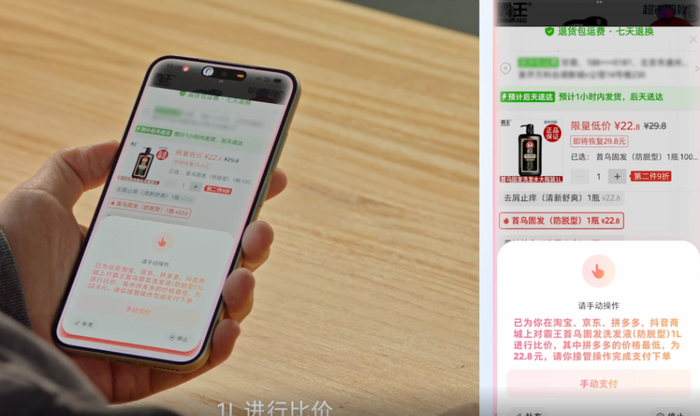
Core Insights - Doubao Mobile Assistant faced operational challenges shortly after its launch, particularly with WeChat, which was forced offline due to security measures [1][2] - The assistant is currently in a technical preview phase and is not aimed at the general consumer market, focusing instead on industry and AI enthusiasts [2] Group 1: Product Launch and Features - Doubao Mobile Assistant was officially launched on December 1, exclusively for the Nubia M153 smartphone, priced at 3499 yuan, and is currently sold out [2] - The assistant allows users to automate tasks such as ordering food, booking flights, and responding to WeChat messages, all while running in the background [2] Group 2: Security and Privacy Concerns - Doubao Mobile Assistant's operations triggered security alerts from WeChat, leading to account restrictions, which the company attributed to existing security measures [1] - Doubao emphasized that it does not engage in any hacking activities and requires user authorization to access sensitive functions [1] Group 3: Industry Implications - The rise of AI assistants like Doubao has led to conflicts with third-party apps, as these assistants may be perceived as bots, triggering security protocols [4][5] - Other smartphone manufacturers, such as Vivo and OPPO, have also faced similar issues with their AI assistants being restricted by apps like WeChat and Bilibili [5][6] - The broader industry is witnessing legal disputes, such as Amazon's lawsuit against Perplexity AI, highlighting tensions between AI innovation and established platforms [6]
豆包手机助手触发微信账号强制下线,最新回应
21世纪经济报道· 2025-12-03 16:28
Core Insights - The article discusses the launch and subsequent issues faced by Doubao Mobile Assistant, particularly its interaction with WeChat and the implications for AI-driven applications in the mobile ecosystem [1][2]. Group 1: Doubao Mobile Assistant Overview - Doubao Mobile Assistant was officially launched on December 1, 2023, exclusively for the Nubia M153 smartphone, priced at 3499 yuan, and is not intended for mass production [2]. - The assistant allows users to automate tasks such as ordering food, booking flights, and responding to WeChat messages, all while running in the background [2]. Group 2: WeChat Interaction and Privacy Concerns - Users reported being forcibly logged out of WeChat when using Doubao Mobile Assistant, with the app indicating an "abnormal login environment" [1]. - Doubao's customer service stated that the WeChat functionality has been disabled due to privacy concerns, asserting that the assistant does not engage in any hacking activities and requires user authorization for operations [1]. Group 3: Industry Implications and Conflicts - The reliance of AI on virtual screens and accessibility interfaces may trigger security measures from third-party apps, leading to potential conflicts between AI assistants and these applications [3]. - The article highlights a broader trend where multiple AI assistants from various manufacturers, including OPPO and Vivo, have faced similar restrictions from apps like WeChat and Bilibili, indicating a growing tension between AI functionalities and app security measures [5][3]. Group 4: Legal and Competitive Landscape - The article references a legal case where Amazon sued Perplexity AI for allegedly bypassing security measures to automate purchases, raising concerns about user privacy and data security [6]. - Perplexity AI responded by criticizing Amazon's actions as bullying, arguing that large platforms should not interfere with how users utilize AI tools [6].
豆包手机助手被微信“限制操作”,多个AI智能体近期碰壁
2 1 Shi Ji Jing Ji Bao Dao· 2025-12-03 12:06
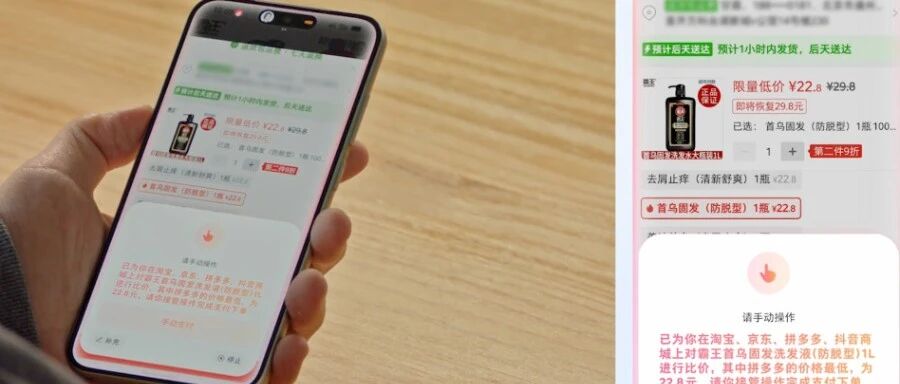
Core Insights - Doubao Mobile Assistant faced restrictions on WeChat shortly after its launch, with users receiving messages about abnormal login environments, leading to the suspension of WeChat operations within the app [1] - The Doubao Mobile Assistant was officially launched on December 1, primarily designed for the Nubia M153 phone, which is not mass-produced and is currently sold out [1] - Doubao aims to collaborate with phone manufacturers on operating systems rather than entering the smartphone manufacturing market [1] Group 1 - Doubao Mobile Assistant allows users to automate tasks such as ordering food, booking flights, and responding to WeChat messages without occupying screen time [1] - The AI-driven task execution may trigger security measures in third-party apps, as it operates through accessibility interfaces that could be mistaken for bot accounts [3] - Other smartphone manufacturers, including Vivo and OPPO, have also faced similar restrictions with their AI assistants being blocked by apps like WeChat and Bilibili [3][4] Group 2 - OPPO's AI assistant features, such as "AI One-Key Flash Note," have been limited due to WeChat's restrictions, requiring users to manually record expenses [4] - Amazon has taken legal action against Perplexity AI for allegedly bypassing its security measures, raising concerns about user privacy and data security [4] - Perplexity AI responded to Amazon's lawsuit by claiming that large platforms should not interfere with how users utilize AI tools [4]
AI智能体正在重写手机安全规则,该不该让「豆包助手」模拟你的手指?
Di Yi Cai Jing· 2025-12-03 10:21
Core Insights - The article discusses the recent issues faced by the nubia M153 engineering device in accessing WeChat, highlighting a temporary login problem and the inability to perform tasks related to WeChat [3][4] - The focus is on the INJECT_EVENTS permission granted to the nubia M153, which allows applications to simulate user input events, raising concerns about security risks associated with this high-level operating system permission [6][7] Group 1: Technical Aspects - The INJECT_EVENTS permission is classified as a high-risk permission in the Android system, typically reserved for device manufacturers or deeply authorized partners, allowing applications to operate as part of the operating system [6][8] - The ability to obtain this permission requires the application to be signed with the manufacturer's system private key, indicating a deep collaboration between the model provider and the hardware manufacturer [8][9] - The article mentions that other native assistants from manufacturers like Xiaomi and Honor also possess this permission, indicating a trend in the industry towards integrating AI capabilities at a system level [8][9] Group 2: Security Concerns - Granting INJECT_EVENTS permission to third-party applications poses significant security risks, such as potential unauthorized access to sensitive information like banking passwords [7][9] - Experts emphasize the need for a robust security mechanism to ensure that AI applications operate within safe boundaries, particularly as user interactions with AI become more frequent and complex [11][13] - The article notes that the current focus on AI integration in mobile devices is not just about functionality but also about maintaining user privacy and data security [12][14] Group 3: Market Dynamics - The competition among mobile manufacturers, model providers, and traditional app developers is described as a struggle for data access and user engagement, with each entity trying to establish its own entry point into the market [14] - The target audience for the nubia M153 engineering device is primarily developers rather than ordinary consumers, indicating a niche market focus [14]


AI智能体正在重写手机安全规则,该不该让“豆包助手”模拟你的手指?
第一财经· 2025-12-03 10:13
Core Viewpoint - The article discusses the implications of the nubia M153 engineering phone's access to the INJECT_EVENTS permission, which allows applications to simulate user input events, raising concerns about security and privacy risks associated with such high-level permissions [5][6][7]. Group 1: Technical Aspects - The INJECT_EVENTS permission is classified as a high-risk permission in the Android system, typically reserved for system-level applications or those deeply integrated with the hardware manufacturer [5][6]. - Only applications signed with the manufacturer's system private key can obtain this permission, which effectively integrates them into the operating system rather than treating them as third-party applications [9][11]. - The collaboration between AI applications like Doubao and hardware manufacturers is essential to access such permissions, which can enhance the capabilities of AI applications significantly [7][11]. Group 2: Security Concerns - Granting INJECT_EVENTS permission to third-party applications poses significant security risks, including potential unauthorized access to sensitive information such as banking details [6][7]. - The article highlights the need for a dual authorization mechanism between users and applications to mitigate risks associated with AI interactions with third-party apps [11]. - Concerns about user privacy and data security are paramount, as the integration of AI capabilities into mobile operating systems could lead to identity theft and data breaches [10][11]. Group 3: Industry Dynamics - The competition among mobile manufacturers, AI model developers, and traditional app developers is characterized as a struggle for data access and user engagement [11]. - The current focus of the Doubao assistant is primarily on developers rather than ordinary consumers, indicating a niche market for this technology [11]. - The article emphasizes the importance of maintaining user habits and minimizing disruption during the integration of AI functionalities into existing operating systems [10].

AI智能体正在重写手机安全规则,该不该让“豆包助手”模拟你的手指?
Di Yi Cai Jing· 2025-12-03 09:33
Core Points - The nubia M153 engineering device faced issues with logging into WeChat, which have since been resolved, but related tasks remain restricted [1] - The focus of industry experts is on the INJECT_EVENTS permission granted to the nubia M153, which allows applications to inject simulated user input events, a high-risk permission in the Android system [2][3] - The INJECT_EVENTS permission is typically reserved for device manufacturers and their authorized partners, indicating a significant level of access and control over the device [2][3] - Concerns have been raised about the security risks associated with granting such permissions to third-party applications, including potential unauthorized access to sensitive information [3][4] - The collaboration between AI applications like Doubao and hardware manufacturers like ZTE is essential for obtaining high-level permissions, which can enhance the functionality of AI assistants [4][8] Industry Insights - The INJECT_EVENTS permission requires applications to be signed with the manufacturer's system private key, effectively integrating them into the operating system [3][6] - The increasing complexity of interactions between AI agents and users raises concerns about security risks such as identity theft and data breaches [6][7] - The development of AI applications is seen as a competitive landscape among mobile manufacturers, AI model developers, and traditional app developers, focusing on data access and user privacy [8] - The target audience for the Doubao assistant is primarily developers, as it is an engineering device rather than a consumer product [8]