
利益冲突

Search documents
为什么米哈游会声明终止与法律顾问的合作?
3 6 Ke· 2026-02-13 11:20
Core Viewpoint - MiHoYo terminated its cooperation with Shanghai Huiye Law Firm due to a conflict of interest involving a lawyer who assisted a competing company, Envision Energy, in a lawsuit against MiHoYo [1][7][15]. Group 1: Incident Background - The conflict originated in June 2025 when Envision Energy filed a lawsuit against MiHoYo, claiming that a fictional antagonist in MiHoYo's game "Honkai: Star Rail" resembled their brand, causing reputational damage [4][6]. - MiHoYo counter-sued Envision Energy in December 2025 for commercial defamation [6]. - By February 2026, Envision Energy withdrew its lawsuit, which was approved by the court [7]. Group 2: Legal and Ethical Implications - The lawyer from Huiye Law Firm, who was MiHoYo's long-term legal advisor, was found to have collected evidence for Envision Energy despite knowing the conflict of interest, violating legal regulations [7][14]. - The Shanghai Judicial Bureau warned the lawyer for privately accepting a commission, which is prohibited under the Lawyer Law [7][14]. - Huiye Law Firm acknowledged the incident highlighted deficiencies in their dynamic conflict of interest monitoring system and pledged to improve compliance standards [15]. Group 3: Industry Context - The incident reflects the challenges within large law firms where lawyers operate with significant autonomy, often leading to potential conflicts of interest [11][13]. - The legal services market in China is characterized by a commission-based distribution model, which can complicate conflict management [11][13]. - MiHoYo's proactive stance in protecting its intellectual property rights indicates a broader trend in the gaming industry to safeguard intangible assets [15].

对基金经理个人炒股的做法应予以叫停
Sou Hu Cai Jing· 2026-02-12 07:22
Group 1 - The core issue revolves around the conflict of interest arising from fund managers engaging in personal stock trading, which can undermine the interests of fund investors [3][7] - Fund managers are required to declare their personal stock trading activities to their fund management companies, but this does not prohibit them from trading, leading to potential ethical concerns [1][2] - There are regulations in place at some fund companies that prevent fund managers from trading stocks that overlap with their managed funds, aimed at avoiding insider trading and self-dealing [2][5] Group 2 - The practice of personal trading by fund managers should be halted to ensure that their focus remains solely on fund investments, which is their primary responsibility [3][5] - Encouraging fund managers to invest in the funds they manage can align their personal interests with those of the fund investors, promoting a more responsible investment approach [6] - Legislative changes to the Fund Law are suggested to prohibit personal trading by fund managers, reinforcing the need for both self-regulation and legal frameworks to protect investor interests [5][7]

美媒爆料:特朗普就职前,阿联酋公司购买了特朗普家族加密货币公司近一半股份
Guan Cha Zhe Wang· 2026-02-02 10:05
Core Viewpoint - The Trump family has reportedly earned over $1 billion through cryptocurrency since Donald Trump's return to the White House, raising significant concerns about potential conflicts of interest and corruption [1][8]. Group 1: Transaction Details - An investment company linked to the United Arab Emirates (UAE) acquired 49% of the Trump family's cryptocurrency company, World Free Finance, just days before Trump took office, marking a historic transaction where a foreign government official became a major shareholder in a U.S. president's company [1][11]. - The UAE company, Aryam Investment 1, paid an initial $250 million, with $187 million directed to entities controlled by the Trump family and $31 million to a company linked to U.S. Middle East envoy, Wittekov [1][4]. Group 2: Stakeholder Involvement - Sheikh Tahnoun bin Zayed Al Nahyan, a member of the Abu Dhabi royal family and UAE's national security advisor, supported the transaction and manages over $1.3 trillion in assets across various sectors [2][11]. - Following the transaction, the Trump family's ownership in World Free Finance decreased from 75% to 38%, indicating that other parties have acquired shares, although the buyers have not been disclosed [4][13]. Group 3: Political Implications - The transaction has sparked criticism regarding potential conflicts of interest, with former Obama administration officials and Democratic lawmakers expressing concerns about Trump's financial dealings while in office [6][15]. - The White House has defended Trump, asserting that he acts in the best interest of the public and that his assets are managed by a trust to avoid conflicts [7][16]. Group 4: Business Operations - Since Trump's second term began, the Trump family has expanded into various sectors, including investment banking and cryptocurrency, with reports indicating they earned approximately $1.4 billion from cryptocurrency projects in the year following his presidency [8][17].

美国民主党参议员就涉小特朗普的国防部合同提出质疑
Xin Lang Cai Jing· 2026-01-23 13:31
Group 1 - Three Democratic senators, Elizabeth Warren, Angus King, and Richard Blumenthal, have requested information regarding the Department of Defense's loans and contracts to companies associated with the President's son, expressing concerns over potential conflicts of interest [1][2] - The senators highlighted worries that favoritism stemming from these conflicts could lead to waste of taxpayer funds and pose a threat to national security [2] - The companies involved include several that received investment support from 1789 Capital, in which Donald Trump Jr. is a participant [1][2] Group 2 - A consultant for Donald Trump Jr. stated that 1789 Capital does not engage in the operational management of the involved companies [3] - Arthur Schwartz, a spokesperson for the company, emphasized that all investments by 1789 Capital are passive minority stakes in U.S. private enterprises [3]
来自特朗普的“内幕信息”:家族账户买入Netflix和华纳兄弟债券
财联社· 2026-01-19 05:26
Core Viewpoint - The competition between Paramount and Netflix to acquire Warner Bros. could reshape the landscape of the American entertainment industry, with potential conflicts of interest arising from President Trump's family's investments in Netflix and Warner Bros. bonds [1][3]. Group 1: Acquisition Dynamics - Paramount announced a hostile takeover bid for Warner Bros. on December 8, which interrupted the acquisition process involving Netflix [1]. - Trump's family purchased between $1 million to $2 million in bonds from Netflix and Warner Bros.' Discovery unit shortly after the acquisition announcements [1]. - The transactions included two Netflix bonds valued between $250,001 and $500,000 each, executed on December 12 and 16, and two Discovery bonds with similar values and timing [1]. Group 2: Conflicts of Interest - Trump's investments in Netflix and Warner Bros. have raised concerns about potential conflicts of interest, especially since he indicated he would participate in regulatory decisions regarding the acquisition [3]. - Experts have noted that Trump's actions are atypical for a sitting president, who usually avoids such conflicts [3]. - The White House stated that Trump's investment portfolio is managed independently by a third-party financial institution, limiting his ability to influence investment decisions [3]. Group 3: Financial Transactions - Between November 14 and December 19, Trump's family engaged in 191 financial transactions, with only two being sales [3]. - The financial disclosure documents revealed that the specific amounts of these transactions could not be calculated due to the broad ranges provided [3].

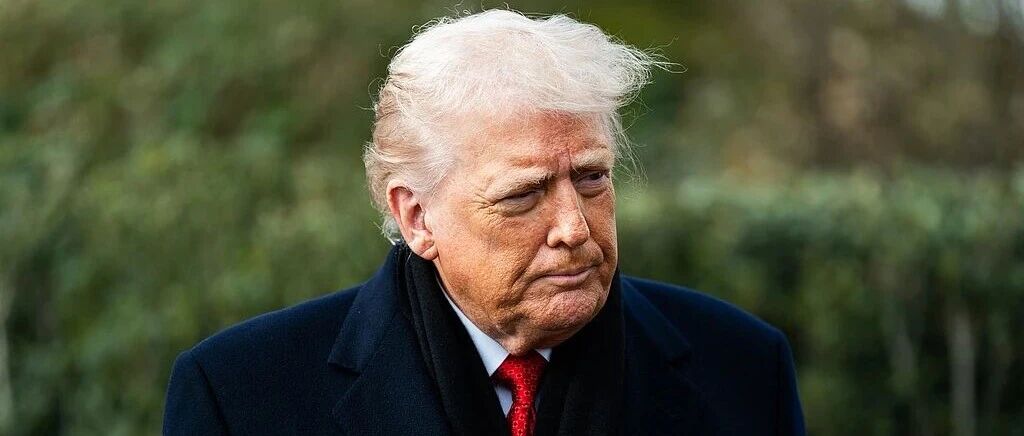
“白宫股神”既是监管者也是投资者:奈飞与华纳酝酿“世纪并购”之际,特朗普买入它们债券
Zhi Tong Cai Jing· 2026-01-17 05:51
Core Viewpoint - The article discusses President Donald Trump's significant investment in municipal and corporate bonds, including those from major Hollywood companies Netflix and Warner Bros Discovery, raising concerns about potential insider trading and conflicts of interest due to his involvement in regulatory decisions regarding a major merger between these companies [1][2][3]. Group 1: Investment Details - Trump purchased approximately $100 million in municipal and corporate bonds from mid-November to the end of December, including $2 million in bonds from Netflix and Warner Bros [1]. - The majority of Trump's investments are in municipal bonds from cities, school districts, public utilities, and hospitals, alongside corporate bonds from companies like Boeing, Occidental Petroleum, and General Motors [1][2]. Group 2: Regulatory Involvement - Trump's administration is playing an unusually active role in the review of Netflix's proposed $83 billion acquisition of Warner Bros, which is currently facing competition from Paramount Skydance [2][3]. - The regulatory approval process for any acquisition of Warner Bros will be overseen by federal antitrust agencies under Trump's leadership, which is a rare occurrence in U.S. antitrust history [3]. Group 3: Conflict of Interest Concerns - The timing of Trump's bond purchases closely follows the announcement of the merger, leading to questions about potential conflicts of interest as he is involved in the regulatory review while holding securities from the companies involved [3][4]. - Reports indicate that Trump's son-in-law, Jared Kushner, is involved in financing related to Paramount's bid for Warner Bros, further complicating the perceived conflict of interest [3]. Group 4: Implications for Netflix - If the acquisition of Warner Bros is successful, Netflix would significantly enhance its content library, transitioning from a pure streaming platform to an integrated powerhouse with control over high-value content [5]. - The merger would provide Netflix with a vast array of popular intellectual properties, including franchises like Harry Potter, DC Universe, and HBO's acclaimed series, thereby strengthening its competitive position in the streaming wars [5].

“白宫股神”既是监管者也是投资者:奈飞与华纳酝酿“世纪并购”之际 特朗普买入它们债券
智通财经网· 2026-01-17 04:31
Core Viewpoint - The recent bond purchases by former President Donald Trump, including significant investments in Netflix and Warner Bros Discovery, have raised concerns about potential insider trading and conflicts of interest due to his involvement in regulatory decisions regarding a major merger between the two companies [1][2][3]. Group 1: Investment Activities - Trump purchased approximately $100 million in municipal and corporate bonds from mid-November to the end of December, including $2 million in bonds from Netflix and Warner Bros Discovery [1]. - The majority of Trump's investments are in municipal bonds from various public sectors, but he also invested in corporate bonds from companies like Boeing, Occidental Petroleum, and General Motors [1][2]. Group 2: Regulatory Involvement - Trump's administration is playing an unusually active role in the review of Netflix's proposed $83 billion acquisition of Warner Bros, which is currently facing competition from Paramount Skydance [2][3]. - The involvement of Trump's administration in the merger review process is rare in U.S. antitrust history, as he has publicly stated he will personally oversee the examination of the deal [3]. Group 3: Market Concerns - The timing of Trump's bond purchases, closely following the announcement of the merger, has led to questions about potential conflicts of interest, especially since he is involved in the regulatory approval process [3][4]. - Concerns have been raised regarding whether the U.S. antitrust regulatory body might be influenced by Trump's personal investments or family connections during the approval of significant mergers [4]. Group 4: Strategic Implications for Netflix - If Netflix successfully acquires Warner Bros, it would transform from a pure streaming platform to an integrated giant with a vast library of intellectual property, enhancing its competitive position in the streaming wars [5]. - The acquisition would provide Netflix with access to a wealth of popular IPs, including franchises like Harry Potter, DC Universe, and HBO's acclaimed series, significantly strengthening its content offerings and pricing power [5].
既当裁判又当债主?特朗普披露5100万美元投资,含奈飞等“政策敏感型”债券
Zhi Tong Cai Jing· 2026-01-16 04:59
Group 1 - As of December 2025, Donald Trump's investments in municipal and corporate bonds include bonds from companies related to his government policies, totaling at least $51 million [1] - The bonds purchased include those from Netflix (NFLX.US), CoreWeave (CRWV.US), General Motors (GM.US), Boeing (BA.US), Occidental Petroleum (OXY.US), and United Rentals (URI.US), along with municipal bonds from various U.S. cities, school districts, utilities, and hospitals [1] - Trump completed 189 buy transactions and 2 sell transactions between November 14 and December 29, with the total value of sell transactions reaching at least $1.3 million [1] Group 2 - Since returning to the White House in January 2025, Trump has completed 690 transactions totaling at least $104 million, with further transactions in November and December amounting to $106 million, including three additional sell transactions worth $2 million [2] - A senior White House official stated that Trump and his family did not participate in investment decisions, and an independent financial manager used a recognized index replication investment strategy for bond purchases [2] Group 3 - Unlike previous presidents, Trump has not divested personal assets or placed them in a blind trust, with his business empire managed by his two sons, leading to potential conflicts of interest with presidential policies [3] - During foreign visits, Trump actively promoted Boeing aircraft and highlighted the company's successful sales to international airlines [3] - Trump emphasized General Motors' strategy to move production of popular models back to the U.S., claiming it demonstrates the effectiveness of his tariff policies in revitalizing American manufacturing [3]



一笔巨款曝光,特朗普父子这件事,终于惊动整个美国金融圈
Sou Hu Cai Jing· 2026-01-12 07:24
Core Viewpoint - The recent surge in wealth for the Trump family, attributed to their cryptocurrency company World Liberty, has raised significant concerns and skepticism within the U.S. financial sector, particularly regarding potential conflicts of interest and regulatory implications [1][19]. Group 1: Company Overview - World Liberty, founded by the Trump family and partners in October 2024, issued a cryptocurrency token, $WLFI, which saw its value increase dramatically on its market debut, reaching a peak of $0.4 before stabilizing around $0.22 [1][4]. - The Trump family controls approximately 22.5 billion WLFI tokens, valued at around $5 billion based on market prices, surpassing the total value of their long-standing real estate assets [4][6]. Group 2: Financial Transactions and Agreements - A special agreement was signed between the Trump family and Alt5 Sigma, a publicly traded company, which plans to purchase 7.5 billion WLFI tokens for $1.5 billion, indicating a significant financial maneuvering by the Trump family [3][5]. - The transaction has been criticized as a circular trade, where the buyer and seller are effectively the same entity, raising alarms among financial regulators about the legitimacy of such practices [5][6]. Group 3: Regulatory Concerns - The financial community is particularly worried about the apparent conflicts of interest, as Donald Trump is listed as an honorary co-founder of World Liberty, with his sons also holding significant positions within the company [7][8]. - The lack of effective regulation in the cryptocurrency market, combined with the Trump family's political influence, poses a risk of undermining market integrity and investor protection [15][17]. Group 4: Broader Implications - The situation reflects a growing discontent within the financial sector regarding the perception that rules apply differently to the wealthy and politically connected, potentially leading to a broader erosion of trust in financial regulations [18][19]. - The Trump administration's recent actions to weaken financial oversight, such as questioning the legality of funding for the Consumer Financial Protection Bureau, further exacerbate concerns about regulatory enforcement and market fairness [17].
新投资人当“接盘侠”、持续赚“管理费”--美国私募巨头的“庞氏游戏”
Hua Er Jie Jian Wen· 2026-01-04 04:16
Core Insights - The article highlights the alarming trend of private equity firms in the U.S. engaging in self-serving behavior by selling assets to themselves at record speeds, raising concerns about potential conflicts of interest and the sustainability of this practice [1][2][3]. Group 1: Industry Trends - Private equity firms are expected to raise an astonishing $107 billion through continuation vehicles by 2025, significantly up from $70 billion last year, indicating a growing reliance on internal funding mechanisms [1]. - Approximately 20% of private equity exits this year involved continuation funds, a notable increase from 12-13% in previous years, showcasing a shift in exit strategies amid frozen market conditions [3]. - Major players in the private equity sector, such as PAI Partners and Vista Equity, are increasingly utilizing continuation funds to retain core assets rather than seeking external buyers, transforming this strategy from a last resort to a preferred method [4]. Group 2: Conflicts of Interest - The self-dealing nature of these transactions raises significant concerns about pricing power, as private equity firms act as both buyers and sellers, potentially leading to undervaluation of assets to benefit new funds [5][6]. - The Abu Dhabi Investment Authority has initiated lawsuits against firms like Energy & Minerals Group for allegedly undervaluing assets in self-sales, highlighting the growing frustration among limited partners regarding valuation manipulation [5][6].