数字金融

Search documents
锚定金融“五篇大文章”着力服务重庆高质量发展
Zhong Guo Zheng Quan Bao· 2025-12-25 21:11
Core Viewpoint - Southwest Securities is actively implementing its financial strategy with a focus on technology finance and green finance, aiming to enhance its professional investment capabilities and support high-quality development in Chongqing [1][6]. Group 1: Strategic Initiatives - The company has developed a three-year work plan to promote technology finance services, green finance, inclusive finance, pension finance, and digital finance [1][6]. - A dedicated task force has been established to accelerate the development of a first-class investment bank and investment institution, led by the chairman and general manager [2][6]. - The company has implemented a special incentive plan to support strategic projects, particularly in technology finance, with a focus on innovation and market-driven initiatives [2][3]. Group 2: Technology Finance - Southwest Securities has provided financing services to technology enterprises, with a total investment scale of approximately 10 billion yuan through various means, including the issuance of technology innovation bonds [3][4]. - The company has facilitated significant mergers and acquisitions, with over 5 billion yuan in transaction amounts in Chongqing, supporting the transformation of listed companies [3][4]. - The subsidiary has focused on strategic emerging industries, investing 230 million yuan in technology enterprises in 2023, and has successfully helped 12 companies go public on the Science and Technology Innovation Board [3][4]. Group 3: Green Finance - The company has actively developed green finance to support the "dual carbon" goals, having underwritten three green bonds totaling 1.2 billion yuan [5][6]. - Southwest Securities has launched over 120 green financial products in 2023, focusing on low-carbon and renewable energy themes [5][6]. - The company has obtained qualifications for carbon emission trading and completed its first carbon quota purchase transaction in the first half of 2025 [5][6]. Group 4: Future Outlook - The company aims to integrate the financial "five major articles" into its 14th Five-Year Plan, enhancing top-level design and guidance [6][7]. - Southwest Securities plans to establish a sustainable service system and business model, focusing on technology finance, green finance, inclusive finance, pension finance, and digital finance [6][7]. - The company is committed to fostering an environment that encourages innovation and tolerates failure, aiming to attract resources to key sectors such as technology innovation and green development [6][7].

加快建设金融强国 践行高质量发展使命
Shang Hai Zheng Quan Bao· 2025-12-25 18:50
Core Insights - The "14th Five-Year Plan" emphasizes the acceleration of building a financial powerhouse, with the public fund industry expected to reach nearly 37 trillion yuan by the end of November 2025, transitioning from "scale expansion" to "quality enhancement" [1] - The fund industry is urged to support the transformation of the real economy by channeling capital into key areas such as technology, green finance, and pension finance, creating a virtuous cycle of capital and industry [2] Group 1: Financial Empowerment - The fund industry is focusing on long-term capital allocation to empower the transformation of the real economy, aligning with national strategies in technology innovation, green finance, and pension solutions [2] - In technology innovation, public funds are increasingly investing in hard tech companies, leveraging professional research to help overcome critical technological bottlenecks [2] - The green finance sector is witnessing steady growth in ESG fund sizes, with institutions integrating environmental risk assessments into their investment processes [2] Group 2: Research and Compliance - The core support for the "Five Major Articles" lies in the systematic enhancement of research capabilities, with many institutions adopting integrated research systems to improve asset discovery across cycles [3] - Compliance and risk management are critical for the fund industry, with a shift towards comprehensive, real-time risk monitoring systems being established to ensure financial stability and investor trust [4] - Institutions are embedding compliance requirements throughout their operations, enhancing employee awareness through training and education [4] Group 3: Inclusive Finance - The fund industry is committed to promoting inclusive finance to ensure broader access to capital market benefits, aligning with the goal of common prosperity [7] - Cost reduction and diversified product offerings are key strategies for inclusive finance, with institutions lowering fees and creating a variety of investment products to cater to different investor needs [7] - Long-term investor education initiatives are being implemented to enhance financial literacy and promote rational investment behaviors, contributing to a healthier market ecosystem [8]
专访杨涛:金融“五篇大文章”不能“各写各的”
Xin Lang Cai Jing· 2025-12-25 16:21
Core Viewpoint - In 2025, China's financial market is expected to navigate a unique rhythm amidst internal and external changes, with monetary policy maintaining a "moderately loose" tone and a series of financial policies aimed at stimulating consumption and optimizing financial supply [1] Group 1: Financial Policies and Economic Environment - The financial policies in 2025 will focus on promoting consumption through a combination of financial support, scene integration, and subsidies to activate consumer demand [1] - The "Five Major Articles" in finance will systematically advance measures to enhance economic circulation, stimulate domestic demand, and optimize financial supply [1] - The core contradiction affecting consumer spending is the challenge of disposable income, which needs to be addressed for sustainable long-term growth in consumption [1][7] Group 2: Service Consumption as a Core Focus - Service consumption should be prioritized as it has greater potential for growth compared to goods consumption, with a notable expansion in the service consumption market over the past two years [5] - The structure of service consumption includes basic, developmental, and enjoyment types, with a need to enhance the share of cultural, entertainment, and financial services [5] - Future policies should target the pain points in promoting service consumption, such as increasing disposable income, improving consumption capacity, and optimizing product quality and pricing [6] Group 3: Digital Finance and Innovation - Digital finance is identified as the main thread in the "Five Major Articles," focusing on financial digital transformation to achieve high-quality development [2][10] - The integration of digital finance with other financial areas is crucial for innovation, with an emphasis on supporting small and micro enterprises [10] - The development of a supportive environment for digital finance, including credit services and risk management, is essential for the success of the "Five Major Articles" [10][11] Group 4: Support for Small and Medium Banks - Small and medium banks face multiple constraints in digital transformation, necessitating support from regulatory bodies and industry associations [12] - Key measures include differentiated regulatory support, building open ecosystems, and optimizing local financial technology environments to facilitate digital transformation [12][13] Group 5: Data as an Asset - The upgrade of data elements to asset status presents a significant opportunity, allowing for innovative financing solutions based on data assets [16] - Data can enhance credit evaluation and risk management in technology finance, addressing challenges faced by light-asset enterprises [16] Group 6: Cross-Border Payment Systems - The need for interconnected cross-border payment systems is urgent, driven by the challenges of high costs and low efficiency in current global payment networks [17][18] - New technologies and standards are essential for transforming the cross-border payment landscape, with a focus on creating a new ecosystem that accommodates emerging payment models [17][18]


专访鲁政委:结构性货币政策工具有望“加量降价”
Xin Lang Cai Jing· 2025-12-25 16:21
Group 1 - In 2026, China's economic development will focus on using domestic circulation stability to counter international circulation uncertainties, emphasizing the need for coordinated efforts in both supply and demand to solidify consumption growth [1][12] - The transition from "incremental pull" to "structural optimization" in consumption policies is necessary to better align supply with the evolving demand for upgraded consumption, addressing both supply shortages and oversupply issues [3][4] - Monetary policy tools have ample room for action, with expectations for continued reductions in reserve requirements and interest rates, alongside innovative structural monetary policy tools to stimulate credit without causing fund "idle" [5][6] Group 2 - The core constraint on consumer spending is the need for stable income expectations, which can be addressed through policies that enhance income stability and reduce precautionary savings pressures in housing, education, and healthcare [4][5] - The RMB is expected to experience a "strong first, weak later" trend against the USD in 2026, influenced by both domestic monetary easing and external factors such as US interest rate changes and geopolitical dynamics [6][7] - The "Five Major Articles" in financial services for the real economy are anticipated to make significant progress in areas such as technology finance, green finance, inclusive finance, pension finance, and digital finance, contingent on regulatory support and policy breakthroughs [8][9][10][11]
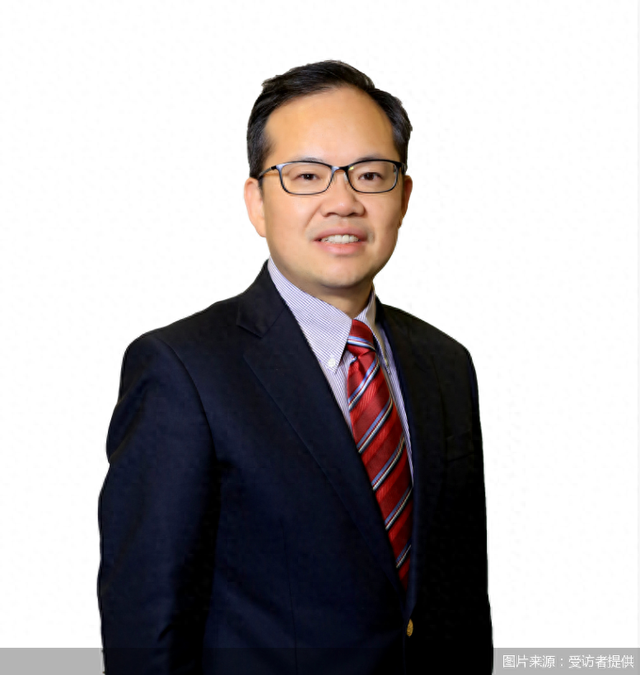
数字金融创新提速:让技术监管技术 让数据“可用不可见”
Mei Ri Jing Ji Xin Wen· 2025-12-25 14:57
Core Insights - Digital finance is rapidly transforming the financial system and is becoming a key driver for high-quality economic development, but data security risks must be addressed [1] - The application of AI and other technologies in financial services is reshaping the industry, with a focus on customer-centric innovations and personalized financial products [2][3] - Regulatory bodies emphasize the importance of balancing innovation with risk management to ensure market stability [4] Digital Finance Development - Digital finance is a core pillar of the digital economy, leading to innovations such as digital wallets and facial recognition payments [1] - Financial institutions are increasingly adopting AI technologies to enhance service delivery and operational efficiency, with examples including ICBC's "AI+" initiative and the deployment of AI assistants at China Merchants Bank [2] Data Security Challenges - The integration of advanced technologies like generative AI, blockchain, and quantum computing presents multifaceted security challenges, including data privacy risks and potential vulnerabilities in AI systems [5][6] - The unique nature of financial data means that breaches can lead to significant systemic risks, necessitating robust security measures [5][6] Expert Recommendations for Risk Mitigation - Experts suggest a multi-faceted approach to data security, including enhancing protective measures, developing regulatory technology, and establishing comprehensive data governance frameworks [8] - The implementation of privacy-enhancing technologies and the establishment of unified data security standards are critical for safeguarding sensitive information [9]
数字金融狂奔下的创新与风险博弈:让技术监管技术,让数据可用不可见
Mei Ri Jing Ji Xin Wen· 2025-12-25 14:57
Group 1 - The concept of "digital finance" is becoming a core pillar of the digital economy, rapidly restructuring the financial system and driving high-quality economic development [1] - Data security risks in digital finance are a significant concern, as the leakage of core financial data can threaten the stability of the financial system and public interests [1] - Small and medium-sized financial institutions often lack robust security measures, complicating risk prevention and posing challenges to the industry's security governance [1] Group 2 - The development of digital finance is a key national strategy, with recent policies emphasizing the importance of digital finance in enhancing China's digital economy [2] - Financial institutions are undergoing digital transformation, focusing on customer-centric business model innovations and personalized financial products [2] - By mid-2025, major banks like ICBC are implementing AI initiatives to enhance various business areas, showcasing the integration of technology in financial services [2] Group 3 - AI applications in retail banking are expanding, with banks like China Merchants Bank and Postal Savings Bank utilizing AI to enhance customer service and operational efficiency [3] - The use of generative AI and other advanced technologies presents multifaceted security challenges, including data privacy risks and potential vulnerabilities in AI systems [5][6] - Experts suggest that the risks associated with generative AI and blockchain can be managed through improved technology and regulatory frameworks [7][8] Group 4 - Financial institutions are encouraged to adopt new technologies for risk management while ensuring market stability [5] - The integration of privacy-enhancing technologies and robust data governance frameworks is essential for addressing data security risks [8][9] - Industry-wide collaboration on data security standards and threat intelligence sharing is necessary to prevent isolated security challenges among institutions [9]
数字金融创新提速:让技术监管技术,让数据“可用不可见”
Mei Ri Jing Ji Xin Wen· 2025-12-25 14:49
Core Insights - Digital finance is rapidly transforming the financial system and is becoming a key driver for high-quality economic development, but it also brings significant data security risks [1][4] - The application of technologies like AI, blockchain, and quantum computing in finance presents complex security challenges that require comprehensive risk management strategies [5][6] Group 1: Digital Finance Development - Digital finance is a core pillar of the digital economy, reshaping financial services such as digital wallets and face recognition payments [1] - Financial institutions are innovating business models to be customer-centric, offering personalized financial products and integrating services into various life scenarios [2] - Major banks like ICBC and China Merchants Bank are leveraging AI to enhance customer service and operational efficiency, with ICBC launching over 100 AI applications [2][3] Group 2: Data Security Risks - Data security risks in digital finance are characterized by high concentration, rapid cross-industry transmission, and strong concealment of technical means [1] - The application of generative AI and other technologies can lead to dual risks, including unauthorized data scraping and potential leaks of sensitive financial information [5][6] - The financial sector faces challenges from API misuse, third-party cooperation vulnerabilities, and the inherent risks of emerging technologies like blockchain and quantum computing [6][7] Group 3: Regulatory and Risk Management - Regulatory bodies emphasize the importance of balancing innovation with risk control, ensuring that financial markets remain stable and orderly [4] - Experts suggest that financial institutions should enhance their data protection measures, develop regulatory technology, and establish comprehensive data governance frameworks [8][9] - There is a call for the establishment of unified data security standards and collaborative capabilities across the industry to avoid security silos [9]

“十五五”首席观察|专访杨涛:金融“五篇大文章”不能“各写各的”
Bei Jing Shang Bao· 2025-12-25 14:41
Core Viewpoint - In 2025, China's financial market is characterized by a unique rhythm amidst internal and external changes, with monetary policy maintaining a "moderately loose" tone and a series of financial policies aimed at stimulating consumption and optimizing financial supply [1][2]. Financial Policies and Consumption - The "Five Major Articles" in finance are crucial for promoting economic circulation and stimulating domestic demand, with a focus on digital finance as the main line for high-quality financial development [2][9]. - The transition from "incremental pull" to "structural optimization" in consumption policies indicates a shift in focus towards service consumption, which is expected to have greater growth potential than goods consumption [4][5]. Service Consumption - Service consumption is identified as a core area for promoting sustainable growth, with significant room for improvement compared to goods consumption [5][6]. - Key challenges include increasing disposable income, enhancing consumption capacity, improving consumption tendencies, ensuring product quality, optimizing the consumption environment, and reducing policy constraints [6]. Resident Income and Consumption Potential - The core contradiction affecting resident consumption is the challenge of disposable income, which has seen a growth slowdown, negatively impacting consumption, especially in services [7][8]. - Future focus areas for increasing resident income should include enhancing property income and operational income, with an emphasis on supporting small businesses and informal economies [8]. Digital Finance and Innovation - Digital finance is positioned as the main line of the "Five Major Articles," emphasizing the need for coordination among various financial sectors to avoid imbalances [9][10]. - The integration of new technologies and data elements is essential for driving high-quality development in technology finance, with a focus on innovative credit models and risk management [15][16]. Cross-Border Payment Systems - The need for interconnected cross-border payment systems is highlighted, with new technologies, standards, and ecosystems being essential for addressing existing challenges in cost, efficiency, and transparency [17][18].

支持西部陆海新通道建设,“一行两局一会”发声!
Zheng Quan Shi Bao· 2025-12-25 13:30
Core Viewpoint - The People's Bank of China and eight other departments have jointly issued guidelines to enhance financial support for the Western Land-Sea New Corridor, which is crucial for China's Belt and Road Initiative, aiming to optimize the financial service system for this corridor [1] Group 1: Financial Support and Policy Coordination - The Western Land-Sea New Corridor connects 127 countries and regions with 583 ports, facilitating over 1,300 types of goods, thus expanding its influence [2] - The guidelines emphasize the need for better coordination in financial policies to enhance the effectiveness of financial services across provinces and countries [2] - The central bank will work with relevant departments to establish a collaborative mechanism for financial services, focusing on data sharing and unified financial rules [2][3] Group 2: Development of Financial Products - The guidelines propose to deepen the pilot program for railway transport document financial services, which is essential for supporting land trade and enhancing market access for enterprises [4] - Financial institutions are encouraged to diversify their product offerings and strengthen connections with small and micro enterprises to expand financial service coverage [5] - The guidelines also highlight the importance of risk prevention in ensuring the uniqueness and transferability of transport documents [5] Group 3: REITs and Capital Market Support - The guidelines call for increased support from various financial institutions for infrastructure projects, including the promotion of commercial real estate REITs to provide diverse financing channels [6] - As of now, over 650 A-share listed companies are located in the corridor, with nearly 7 billion yuan raised through IPOs in the first 11 months of the year [6] - A total of 24 REITs related to transportation and logistics projects have been issued, raising nearly 100 billion yuan, which has led to over 500 billion yuan in new project investments [7] Group 4: Cross-Border Financial Services - The guidelines aim to facilitate cross-border trade settlements and promote cross-border investment financing, creating a more convenient and secure foreign exchange policy environment [8] - The State Administration of Foreign Exchange will encourage companies along the corridor to participate in high-level cross-border trade pilot programs to enhance settlement convenience [8] - There are plans to promote shared cross-border financial service platforms across 13 provinces and regions, enhancing collaboration in financial services [9]
“一行两局一会”发声!
券商中国· 2025-12-25 13:21
Core Viewpoint - The article discusses the recent release of the "Opinions on Financial Support for Accelerating the Construction of the Western Land-Sea New Corridor," which outlines 21 key measures to optimize the financial service system for this corridor, emphasizing China's commitment to expanding its openness and enhancing domestic and international connectivity [2]. Group 1: Financial Support Measures - The "Opinions" aim to strengthen financial support for the Western Land-Sea New Corridor, which connects 127 countries and regions with 583 ports, facilitating over 1,300 types of goods [3]. - The People's Bank of China will collaborate with relevant departments to establish a comprehensive financial service mechanism, enhancing coordination and information sharing among financial institutions and various sectors [3][4]. - A focus will be placed on creating a project database and a list of key logistics enterprises to facilitate financing and support for critical areas and weak links in the corridor's development [4]. Group 2: Railway Transport Financial Services - The article highlights the initiation of a pilot program for railway transport document financial services, which aims to ensure the uniqueness and transferability of transport documents as delivery receipts [5][6]. - The financial regulatory authority plans to enhance the product offerings and application scenarios for railway transport document services, aiming to meet diverse financing needs of enterprises [6][7]. Group 3: REITs and Capital Market Support - The "Opinions" propose increasing support for infrastructure projects through various financial instruments, including corporate bonds and Real Estate Investment Trusts (REITs), to meet the funding needs of different projects [8]. - The China Securities Regulatory Commission is advancing the REITs pilot program, which has already facilitated the issuance of 24 REITs projects with a financing scale of nearly 100 billion, driving over 500 billion in new project investments [9]. Group 4: Cross-Border Financial Services - The article emphasizes the need for convenient cross-border trade settlement and investment financing, with the foreign exchange authority planning to simplify processes and enhance the foreign exchange service environment [10][11]. - A shared cross-border financial service platform is being promoted, with 13 application scenarios already implemented across 13 provinces and regions along the corridor [11].