美元霸权

Search documents
莫迪最担心的局势爆发,俄方推行人民币结算石油,美元面临挑战
Sou Hu Cai Jing· 2025-10-10 21:10
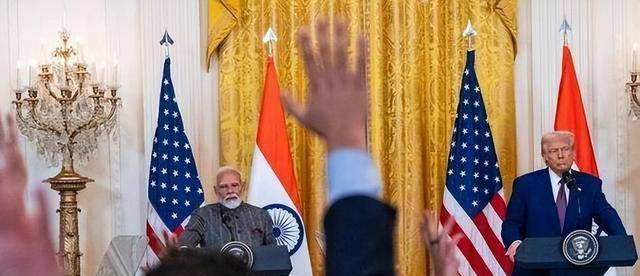
2025年10月7日,天还没亮,印度的能源圈炸开锅,俄方发来一纸"新规":以后想买他们的油,得掏出 人民币,美元和卢比都不认——再说一次,美元也不认,印度这边有人当场摔了茶杯,玻璃碴子扎进指 缝,没时间管疼,电话一通一通打给新德里,气氛像极了中午断网。 有人说莫迪早该想到,俄乌打了这么久,西边制裁一拨接一拨,俄国的美元储备直接被西方锁死在银行 账户里,三千亿美元,一夜之间变成数字,谁不慌?俄国人能不琢磨新法子?他们先试过阿联酋的迪拉 姆,绕了一圈发现还是不靠谱,折腾得手忙脚乱,最后盯上人民币,发现好用——流通快,能换卢布, 还不怕被西边查水表。 有人问,印度为啥要急?油价,油价呀,账单上一年省的170亿美刀,能救多少工厂?俄油每桶比沙特 便宜十刀,比美油还低五六刀,谁不心动?更别说那点小算盘——印度把便宜原油买来,炼成成品油, 高价甩给欧洲,赚得盆满钵满,连孟买港的蚂蚁都知道这生意香。 但现在油源还在,结算方式突然变了,人民币从哪来?"我们能不能直接印点?"有人开玩笑,坐在椅子 上摇着笔,"只能多卖点铁矿砂给中国了。"查数据,2025年前三季度印度卖出三千多万吨铁矿砂,换了 两百八十亿人民币,这还不够买油用, ...

打破美元霸权?俄罗斯对印度提要求,石油贸易只收人民币
Sou Hu Cai Jing· 2025-10-10 11:26
Group 1 - Russian oil traders have demanded that Indian state-owned refineries conduct transactions exclusively in RMB, indicating a shift away from accepting Indian Rupees [2][8] - The inability of the Indian Rupee to be recognized internationally limits its utility, as it cannot be easily exchanged for goods from other countries [4][6] - India's reliance on imports for many domestic goods undermines the credibility of the Rupee, leading to a lack of demand for it globally [6][8] Group 2 - The current geopolitical landscape has forced India to seek closer ties with Russia, especially after deteriorating relations with the US due to trade disputes [6][8] - Russia is leveraging India's dependence on its oil by requiring India to find its own sources of RMB for transactions, reflecting the changing dynamics in international trade [8][10] - The decline of US dollar dominance is evident as countries look for alternatives, with the RMB gaining traction due to China's strong production capabilities [8][15] Group 3 - The historical context shows that countries like Brazil had to rely on the US dollar due to a lack of alternatives, highlighting the impact of military power on currency dominance [11] - China's rise as a manufacturing powerhouse has allowed it to push for the internationalization of the RMB, reducing reliance on the US dollar [13][15] - The ultimate goal for China is to increase the RMB's share in global reserves to surpass that of the US dollar, marking a significant shift in global economic power [15]
天下苦美太久了!蓄势而发,万众关注,中国吹响抗拒美元霸权的号角
Sou Hu Cai Jing· 2025-10-09 20:05
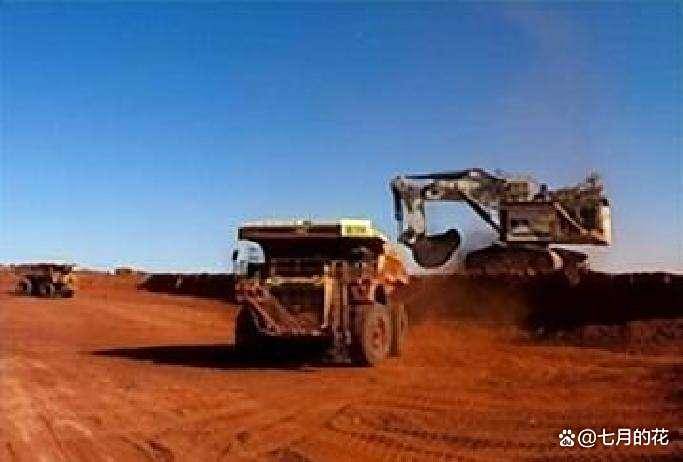
Core Viewpoint - The article discusses China's recent decision to halt all Australian iron ore orders priced in USD, marking a significant shift in the global commodity pricing mechanism and challenging the dominance of the US dollar in international trade [3][5][7]. Group 1: China's Actions - On September 30, China Mineral Resources Group announced the suspension of all iron ore orders priced in USD, affecting both shipments and orders in transit [3]. - This move represents a shift in bargaining power, as China, the largest buyer, seeks to change the long-standing USD pricing mechanism in iron ore trade [3][5]. - The decision is seen as a potential first step towards broader adoption of RMB settlements in other commodities such as oil, natural gas, and food [5][6]. Group 2: Reactions from Australia - Australian Prime Minister Albanese expressed disappointment, emphasizing the importance of iron ore exports to both countries [4]. - The Western Australia state government is calculating the financial impact, as iron ore is a crucial export, and any decline in sales or prices could affect state tax revenues [4][6]. Group 3: Implications for the US Dollar - The suspension of USD settlements is viewed as a challenge to the dollar's hegemony, which has historically been supported by US military and political power [4][7]. - The article suggests that the US may respond to this challenge through various means, as the dollar's global status is fundamental to its economic strength [6][7]. - The shift in settlement practices could lead to a gradual erosion of the dollar's dominance in global trade, particularly in the commodity sector [5][7]. Group 4: Broader Context - China's economic and military strength has shifted the balance, allowing it to challenge the USD's rules without being at a disadvantage [5][6]. - The article highlights that China's industrial base, accounting for approximately 35% of global manufacturing value added, provides a strong foundation for RMB as a settlement currency [5]. - The decision to halt USD pricing in iron ore is part of a broader strategy to reduce reliance on the dollar and reshape international trade rules in favor of China [7].
俄石油巨头强烈要求,印度用人民币结算,特朗普不想看到的出现
Sou Hu Cai Jing· 2025-10-09 18:27
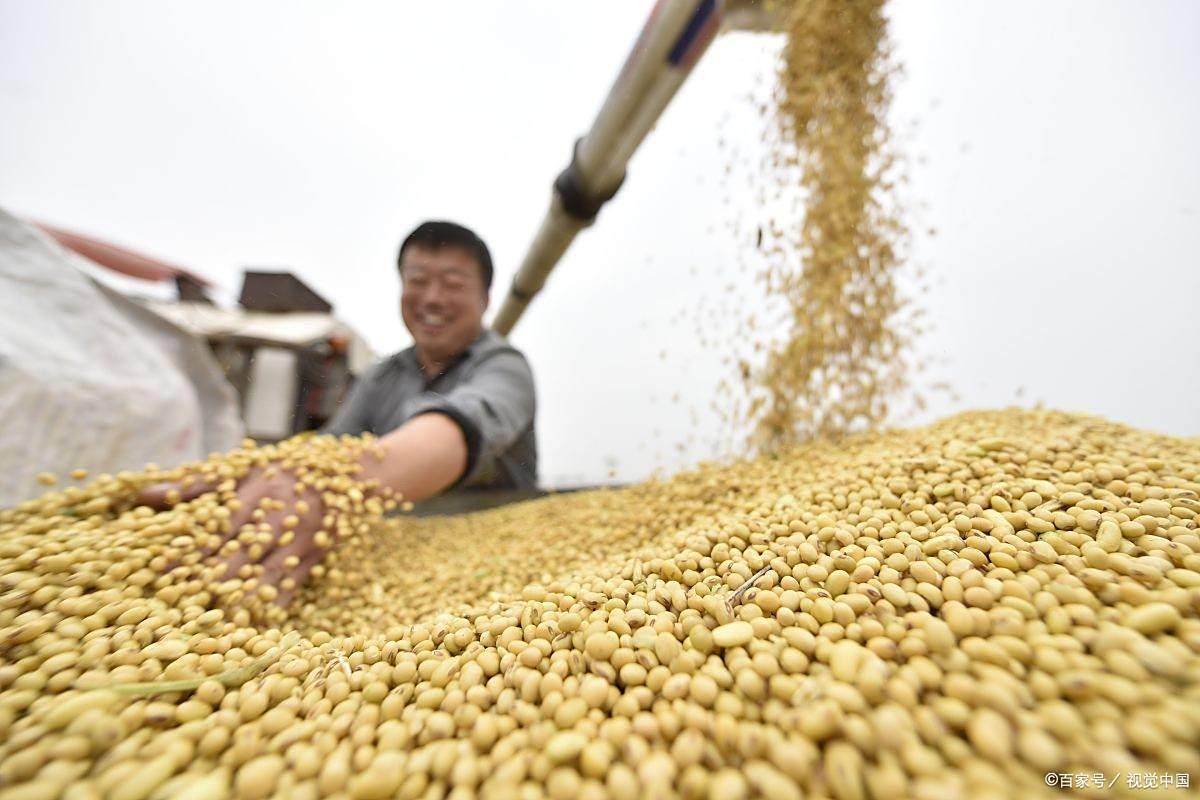
Core Viewpoint - India's shift to using RMB for oil transactions with Russia signifies a significant challenge to the dominance of the US dollar in global trade, highlighting a potential shift in the international economic order [1][3][14] Group 1: Background and Context - The shift began after the 2022 Russia-Ukraine conflict, where the US imposed severe sanctions on Russia, limiting its ability to conduct trade in USD [3][5] - As a result of these sanctions, Russia sought alternative currencies for trade, with RMB emerging as a preferred option due to China's stable economic relationship with Russia [3][5] Group 2: India's Transition - Initially, India was a strong proponent of USD, purchasing 12 million barrels of oil from Russia in 2021 using USD [5] - However, following the conflict, India capitalized on discounted Russian oil prices, leading to a dramatic increase in imports from 12 million barrels to 330 million barrels in 2022, accounting for 22% of Russia's oil exports [5][7] - The inability of Russia to accept USD payments forced India to adopt RMB for transactions, marking a significant shift in its currency preferences [5][7] Group 3: Implications for the US and Global Economy - India's actions are seen as defiance against US warnings, as it continues to purchase Russian oil and resell refined products to Europe, undermining US sanctions [7][9] - The use of RMB for oil transactions represents a crack in the US dollar's dominance, as it allows other countries to consider alternatives to USD for trade [9][14] Group 4: Signals for the Future - The transition to RMB for oil transactions indicates that while the dollar's dominance is challenged, it still retains over 80% of the global oil trade [9][11] - India's pragmatic approach to using RMB is driven by economic incentives, allowing it to benefit from cheaper oil while also facilitating trade with China [11][12] - The internationalization of RMB is contingent on China's economic strength and stability, which underpins its acceptance in global markets [12][14]
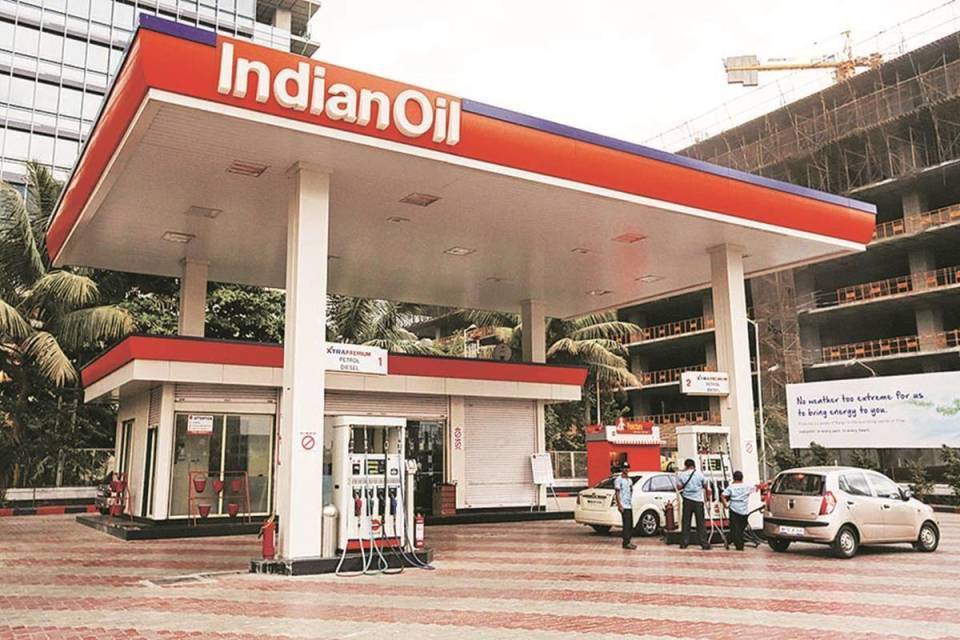
中国暂停澳矿采购背后:一场人民币与美元的巅峰对决
Sou Hu Cai Jing· 2025-10-09 15:19
你见过钢铁是怎样炼成的吗?但你可能不知道,全球钢铁产业链背后,正在上演一场比炼钢更激烈的货币战争。当中国宣布暂停采购必和必拓铁矿石时,澳 大利亚总理阿尔巴尼斯"破防"的反应背后,藏着怎样的惊天秘密? 这次中方暂停的只是以美元计价的必和必拓铁矿石,已经到港的矿石仍可以人民币结算。这个微妙区别暴露了真实意图——中国要在大宗商品领域撕开美元 霸权的口子。 中俄铁矿石贸易已有45%采用人民币结算,巴西也开辟了人民币结算通道。一条全新的"钢铁丝绸之路"正在形成:俄罗斯的铁矿+巴西的港口+中国的人民币 支付系统。这条不需要航母护航的贸易路线,正悄悄改写全球资源贸易规则。 多元布局下的战略底气 中国敢对澳大利亚说"不"的底气,来自于日益完善的全球资源布局。俄罗斯290亿吨高品位铁矿、非洲新兴矿区、巴西淡水河谷的深度合作,构建了多元化 的供应网络。就像高手下棋,中国已经在全球资源棋盘上布下了多个活眼。 与此同时,国内废钢回收体系的完善、电弧炉炼钢技术的突破,让中国对进口铁矿的依赖度持续下降。这场博弈不再是简单的买方卖方关系,而是综合国力 的全面较量。 当铁矿石开始用人民币计价,美元就失去了最重要的支柱之一。中国这招"围点打援 ...

美股屡创新高背后:金融幻象、资本游戏与残酷民生
Sou Hu Cai Jing· 2025-10-09 13:52
美股再创新高:繁荣的假象与残酷的现实 2025年10月8日,纽约股市再次刷新历史纪录——标普500指数上涨0.58%,收于6753.72点;纳斯达克指 数上涨1.12%,收于23043.38点。 这已经是美股在过去十八年里无数次"创新高"中的一次,以至于不少 中国股民羡慕不已,甚至有人将其视为"美国国力蒸蒸日上"的铁证。 然而, 股市的繁荣真的等于经济的繁荣吗? 如果美国经济真的如股市表现那般强劲,为何民粹主义会席卷全美?为何特朗普这样的极右翼政客能卷 土重来?为何美国社会的撕裂程度比冷战时期还要严重? 答案很简单:美股的繁荣,只是一场精心包 装的金融幻象,而非实体经济的真实写照。 一、美股的"疯牛"从何而来? 要理解美股为何能持续上涨,我们必须回到2008年。 那一年,次贷危机爆发,华尔街濒临崩溃,美国政府慌了神,美联储随即祭出"量化宽松"(QE)这一 大招。 所谓QE,本质就是印钞机开足马力,让美联储凭空创造数万亿美元,再用来购买国债和金融资 产,向市场疯狂注水。 2020年疫情爆发后,美联储更是变本加厉,直接开启第四轮QE,至今其资产负债表仍高达7万亿美元。 这些钱,并没有流入实体经济,而是像洪水一样涌 ...

美元霸权遭截击!中矿集团停购必和必拓,人民币结算要破局?
Sou Hu Cai Jing· 2025-10-09 04:45
Core Viewpoint - The recent notification from China Mineral Resources Group to domestic buyers to suspend purchases of BHP's dollar-denominated iron ore shipments signifies a shift in iron ore pricing dynamics and China's intention to assert its influence in global commodity pricing [1][4][14]. Group 1: Company Overview - China Mineral Resources Group, established in 2022, acts as an "import coordinator" for Chinese companies, focusing on iron ore import pricing authority [4][5]. - The company aims to address the long-standing issue where China, despite being the largest buyer of iron ore globally, lacks pricing power, which has traditionally been held by sellers [4][5]. Group 2: Pricing Dynamics - The current international iron ore pricing is heavily influenced by the Platts Index, which tends to favor seller-friendly data from Australian and Brazilian mines, leading to unfavorable pricing for Chinese buyers [5][6]. - The suspension of purchases from BHP is not merely a punitive measure but a strategic move to encourage compliance with China's preferred pricing mechanisms, including a shift towards RMB settlements [5][11]. Group 3: Domestic Supply and Strategy - China has been increasing domestic iron ore production and enhancing scrap steel recycling, which can mitigate the impact of reduced imports from BHP [6][8]. - The strategy reflects a broader goal of reducing dependency on foreign suppliers and asserting control over pricing and supply chains [8][14]. Group 4: Broader Implications - This action is part of a larger strategy to challenge the dominance of the US dollar in global commodity transactions, particularly in iron ore and oil [10][11]. - By establishing pricing authority, China aims to pave the way for the internationalization of the RMB and reduce the dollar's monopoly in commodity settlements [11][14]. Group 5: Future Outlook - The emergence of more institutions like China Mineral Resources Group is anticipated, which will support Chinese enterprises and protect national economic interests [12][14]. - The approach signifies a shift from passive acceptance to active negotiation in global trade, asserting China's rightful place in the international economic landscape [14].

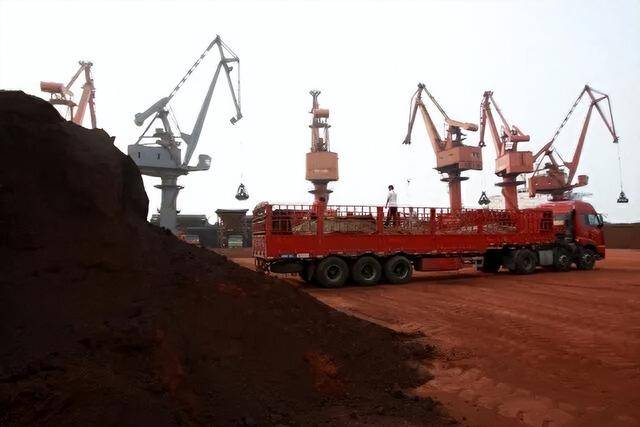
俄印石油贸易变天,俄罗斯:只收人民币;印度:安排
Sou Hu Cai Jing· 2025-10-09 03:45
俄罗斯石油交易中的人民币崛起:印度的"妥协" 根据路透社10月7日的独家报道,俄罗斯的石油贸易商近期要求印度的国有炼油厂使用人民币进行支付。这一变化,标志着人民币在国际贸易中日益增长 的影响力,尤其是在能源领域。 印度为何选择人民币? 印度对俄罗斯石油的依赖,源自其极具吸引力的价格。2025年上半年,俄罗斯每天向印度供应约175万到180万桶原油,占印度原油进口的35%到40%。 2024年,印度全年从俄罗斯进口的石油价值超过470亿美元,几乎占据了印度原油进口的三分之一。相比之下,俄罗斯的原油价格比沙特便宜近10美元/ 桶,比美国便宜5美元以上。这个差价对于印度来说,具有不可忽视的经济吸引力。 印度的炼油厂通过将俄罗斯的原油转手卖给欧洲,获得了巨大的利润。仅凭这些差价,印度每年可以节省近170亿美元,这对于印度的经济来说无疑是"救 命钱"。 结算的混乱与困境 曾经,印度在石油结算时,常常使用美元、迪拉姆和人民币三种货币。但印度一直想避开人民币,选择使用迪拉姆作为"替代",试图躲避美国的制裁,同 时避免与人民币过多接触。然而,俄罗斯并不接受这种安排。俄罗斯要求,所有的交易最终都要用人民币结算,因为只有人民币才 ...
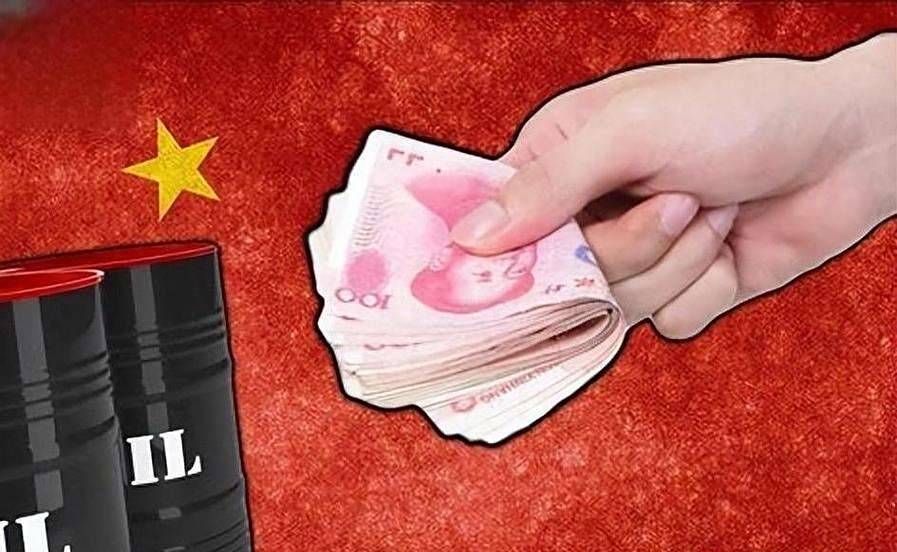
莫迪的神操作!曾放话不用人民币,现在为廉价石油低头
Sou Hu Cai Jing· 2025-10-09 01:56
路透社突然爆出消息,说印度国营石油巨头印度石油公司偷偷用人民币给俄罗斯付了油钱。 要知道,印度可是整整两年没这么干过了! 莫迪这次的操作,简直像在钢丝上跳踢踏舞明明美国在旁边瞪着眼,他偏要往人民币的结算单上签字。 你说 他图啥? 难道真是铁了心要跟美元霸权叫板? 我先说个细节啊,俄罗斯这帮卖油的贸易商现在精得很,直接跟印度摊牌:要么用人民币结算,要么别买。 为啥非得是人民币? 因为西方制裁把俄罗斯 堵得死死的,美元欧元都难用,唯独人民币能直接换成卢布,最终落到俄罗斯生产商口袋里。 俄罗斯人一边按美元定价石油(说是遵守欧盟价格上限),一边扭头对印度人说:"来,付等值的人民币! " 这操作简直像在超市标价用美元,结账却只 收零食币摆明了要绕开美国的金融雷达。 但你说印度就乖乖听话? 哪有那么简单! 其实2023年他们就试过用人民币买油,结果中途停了。 为啥停? 还不是因为中印关系那时候僵得跟冻土豆似 的。 可今年风向变了,莫迪跑去天津参加上合峰会,中方热情接待,双方还签了《天津宣言》。 这一下子,政治气氛缓和了,人民币结算的闸门又悄悄打开 了。 所以你看,国际关系就像谈恋爱,昨天还冷战,今天就能一起喝茶算钱。 但 ...
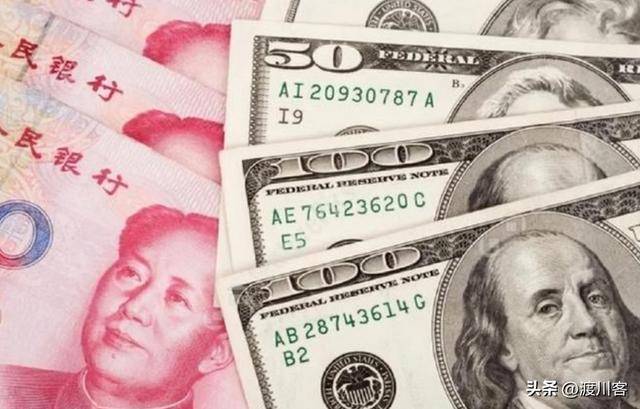
美元霸权裂缝渐开,美国收割世界经济术穷矣!
Sou Hu Cai Jing· 2025-10-08 19:15
Core Viewpoint - The article discusses the significant changes in the global economic landscape due to the U.S.'s unilateral trade policies and the resulting shift in alliances, particularly in the agricultural sector, highlighting the challenges faced by American soybean farmers as traditional markets, especially China, withdraw from purchasing. Group 1: Unilateral Tariffs and Economic Impact - The Trump administration's return to power marked a shift towards a resource-extraction model, using tariffs as a tool against both adversaries and allies, which has led to economic pressures domestically [3][5] - The U.S. GDP experienced a 0.3% decline in Q1 2025, marking its first contraction in three years, largely attributed to a 4.83 percentage point drop in net exports due to the "reciprocal tariff" policy [5] - Yale University research indicates that full implementation of tariff policies could raise prices by 2.3%, increasing annual household spending by nearly $3,800, contradicting claims that tariffs protect the economy [5] Group 2: Dollar Dominance and Global Economic Dynamics - The U.S. dollar's dominance allows the U.S. to leverage global economic benefits, as most commodities are traded in dollars, giving the U.S. significant influence in the financial system [7] - The U.S. federal debt has surpassed $36 trillion, with projections indicating that by 2027, public debt could exceed 106% of GDP, breaking records set in 1946 [9] - The Federal Reserve's interest rate hikes lead to capital returning to the U.S., putting pressure on emerging economies through currency devaluation and capital outflows [9] Group 3: Agricultural Sector Challenges - The U.S. government may need to allocate an additional $10 to $14 billion in agricultural subsidies to prevent widespread farm bankruptcies, as China, a major buyer of U.S. soybeans, has ceased orders [11][13] - In the first eight months of 2025, China purchased only about 20 million bushels of U.S. soybeans, less than one-fifth of the previous year's volume [13] - American farmers are seeking alternative markets in Southeast Asia and Africa, but these markets are smaller and less lucrative compared to China [13] Group 4: Global Response and Trade Reconfiguration - Countries are increasingly seeking alternatives to the U.S. dollar for trade, with the internationalization of the yuan gaining momentum, particularly in energy transactions [15][17] - Australia has begun using the yuan for iron ore transactions, reflecting a shift away from dollar dependency, while Southeast Asian nations are also exploring direct currency settlements with China [17] - Traditional U.S. allies are reassessing their economic ties, with Germany's Hamburg port seeing a 11.3% increase in container throughput with China, while shipments to the U.S. dropped by 19% [19][21] Group 5: Structural Economic Issues in the U.S. - The U.S. economy suffers from structural imbalances, characterized by high consumption, high debt, and low savings, leading to a reliance on imports and a hollowing out of domestic manufacturing [23][25] - The U.S. has seen a significant shift towards a virtual economy, with financial assets expanding excessively, while the focus on short-term gains detracts from long-term industrial health [25] - In contrast, China is transitioning to a growth model driven by domestic demand and innovation, reducing its reliance on exports [25]