
京津冀协同发展

Search documents
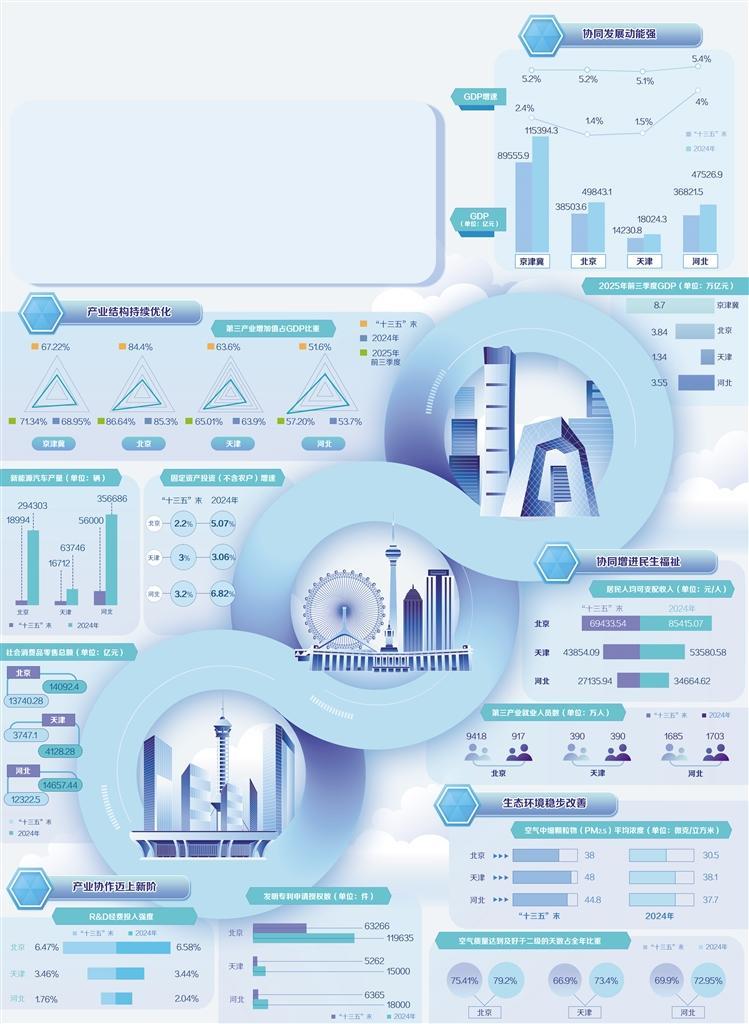
京津冀协同发展形成内生动能
Xin Lang Cai Jing· 2026-01-11 22:25
Core Viewpoint - The development of the Beijing-Tianjin-Hebei (Jing-Jin-Ji) region has transitioned from a policy-driven "cumulative effect" to a more stable and sustainable endogenous growth model, emphasizing self-supporting and self-reinforcing operational capabilities as the region enters a deeper phase of collaboration [3][4] Economic Synchronization - Since the beginning of the 14th Five-Year Plan, the economic growth of Beijing, Tianjin, and Hebei has shown a more synchronized and balanced trend, indicating that growth is supported by multi-regional collaboration rather than relying on single-point drivers [3] Industrial Structure and Regional Division - The region is witnessing a restructuring of its industrial framework, with an increasing emphasis on the service sector and strategic emerging industries, leading to a clearer gradient and specialization within the industrial system [3] - Industrial collaboration has evolved beyond simple division of labor to encompass comprehensive cooperation around complete industrial chains, forming a tighter industrial cooperation community [3] Innovation and Collaboration - The key to supporting industrial collaboration lies in the transformation of innovation factor flow, with more frequent technology transactions, industrial connections, and project collaborations among the three regions [4] - Changes in demand structure have further enhanced the sustainability of collaborative development, with notable regional interlinkages in consumption recovery [4] Cultural and Social Development - The collaboration in cultural tourism is being strengthened through innovative mechanisms, promoting consumption upgrades and industrial integration [4] - The focus on "investing in people" has led to continuous advancements in livelihood areas, optimizing employment structures, facilitating cross-regional medical services, and accelerating the interconnectivity of transportation infrastructure [4] Overall Significance - The significance of Jing-Jin-Ji collaboration extends beyond regional economic growth, aiming to reshape factor allocation methods through mature collaborative mechanisms, thereby enhancing overall development resilience [4] - The transition from "policy-driven" to "system operation" signifies that regional coordinated development has evolved from a temporary task to a capability that supports high-quality growth [4]

2026,“实”字起笔
Xin Lang Cai Jing· 2026-01-11 21:21
Group 1 - The core idea emphasizes the importance of practical action as a bridge between ideals and reality, essential for addressing development challenges and achieving tangible results [1][2] - The focus on regional integration and collaborative development in the Beijing-Tianjin-Hebei area is highlighted as a responsibility and opportunity, with an emphasis on leveraging technological innovation to drive new productive forces [1] - The need for a strategic approach to problem-solving is stressed, advocating for a balance between practical execution and strategic foresight to identify and seize new economic growth opportunities [1][2] Group 2 - The article underscores the necessity of being grounded in reality, suggesting that understanding actual conditions is crucial for calibrating problem-solving efforts and achieving effective outcomes [2] - It warns against impulsive actions and emphasizes the importance of persistence and determination in pursuing long-term goals, particularly in the context of technological and industrial innovation [2] - The notion of a commitment to collective success, where individual contributions are valued within a broader context, is presented as a guiding principle for sustained efforts and historical validation [3]
北京大学首都发展新年论坛(2026)举办
Xin Lang Cai Jing· 2026-01-11 08:58
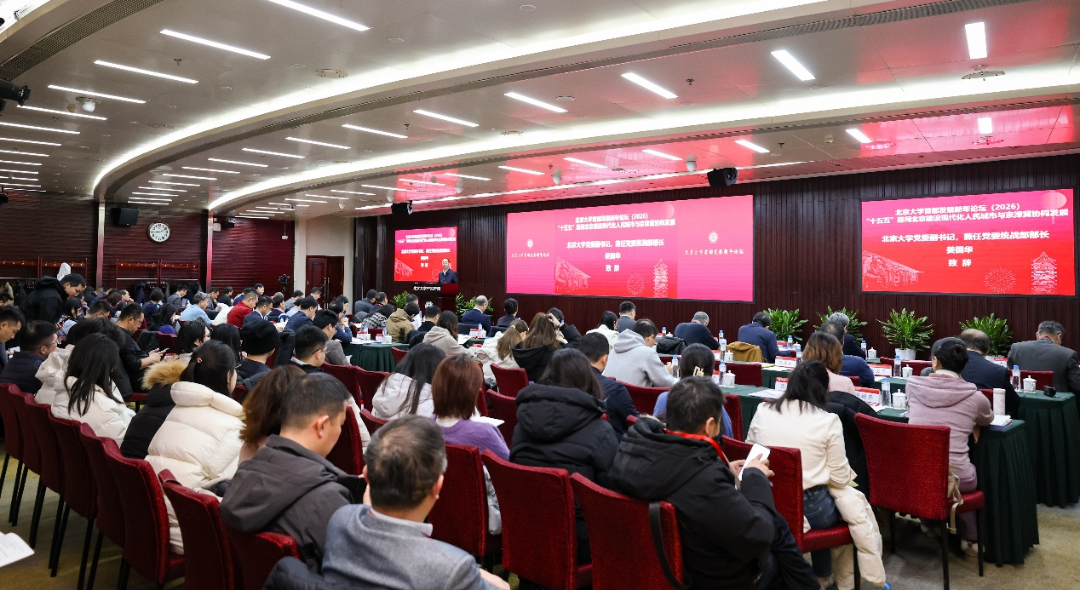
Core Insights - The Beijing University Capital Development New Year Forum (2026) focuses on the construction of a modern people-oriented city in Beijing and the coordinated development of the Beijing-Tianjin-Hebei region [1][3] Group 1: Forum Overview - The forum is hosted by Peking University and has successfully held 11 sessions, recognized as a leading academic event in the field [1][3] - Nearly 200 experts attended the forum, with over 180,000 participants joining online [3] Group 2: Key Contributions - Peking University aims to establish the Capital Development Research Institute as a high-end think tank with international influence, contributing to high-quality development and national governance modernization [3] - The institute has produced high-quality research outcomes that have been adopted by government leaders, enhancing decision-making processes [3] Group 3: Index Reports - The "Beijing Modernization People’s City Construction Index (2026)" shows an increase from 100 to 939.35 from 2014 to 2024, with an average annual growth rate of 25.11%, indicating significant progress in urban modernization [4] - The "Beijing-Tianjin-Hebei Collaborative Innovation Index (2026)" increased from 100 to 388.0 from 2013 to 2024, with an average annual growth rate of 13.1%, reflecting an upward trend in regional collaborative innovation [5] Group 4: Expert Discussions - Various experts presented reports on strategic values and priorities for the "14th Five-Year Plan," urban development paradigms, and the healthy development of mega-cities [7] - A roundtable discussion focused on strengthening think tank construction to better serve government decision-making [7]
一小时交通圈重塑“通宝唐”发展新局
Xin Lang Cai Jing· 2026-01-10 21:36
Core Insights - The opening of the Beijing-Tangshan intercity railway significantly enhances transportation efficiency, allowing for quicker commutes and improved business interactions across the Beijing-Tianjin-Hebei region [3][4][5] Group 1: Transportation Impact - The intercity railway enables a 40-minute travel time from Baodi to Beijing and a 20-minute journey from Baodi to Tangshan, greatly improving the daily commute for professionals [3][4] - The frequency of cross-regional business negotiations has increased by 40% since the railway's opening, indicating a positive impact on business activities [5] Group 2: Economic Development - The Beijing-Tangshan intercity railway supports the development of high-end manufacturing, new materials, and automotive parts industries in the Beijing-Tianjin region, with 2,003 business entities introduced during the 14th Five-Year Plan [5][6] - The railway facilitates the growth of the robotics industry in Tangshan, with 272 robotics companies established, contributing to over 60% of Hebei province's revenue in this sector [6][7] Group 3: Regional Integration - The railway strengthens the integration of innovation, industry, and talent across the Beijing-Tianjin-Hebei region, enhancing the collaborative development of various sectors [7][8] - The establishment of a modern agricultural industry park and collaboration with 30 innovation platforms in Baodi demonstrates the railway's role in boosting agricultural technology and rural revitalization [7][8]

海河新添两座开启式大桥 (副)预计年内建成通车
Xin Lang Cai Jing· 2026-01-10 14:19
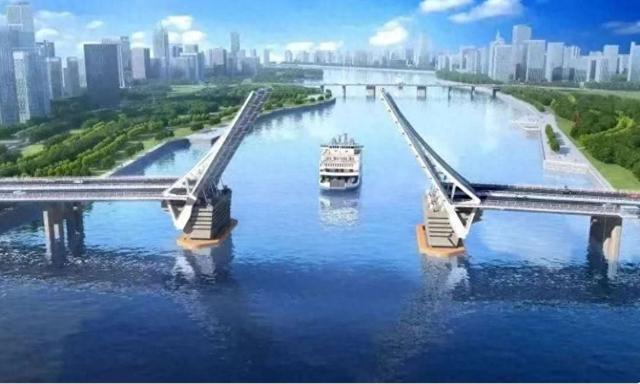
Group 1 - The construction of two key bridges, Yuxin Bridge and Anyang Bridge, in Tianjin Binhai New Area is progressing rapidly, with both expected to be completed and open to traffic within the year [3][5] - The completion of these bridges will significantly reduce travel time between Yujia堡 Financial District and Dagu District from over 10 minutes to just 2 minutes, enhancing connectivity in the region [3][5] - The Yujia堡 Financial District is positioned as a national financial and business center, with over 100 registered companies and a registered capital exceeding 50 billion yuan, fostering a financial innovation cluster [5][7] Group 2 - Yuxin Bridge spans 945 meters with a main span of 106 meters designed as a vertical lift bridge, allowing for a clearance height of over 37.5 meters for maritime traffic [7][8] - Anyang Bridge features a double-leaf rotating design with a main span of 90 meters, making it the largest span lift bridge in Asia, directly connecting the Yuxiang area [10] - Both bridges incorporate a "green construction" philosophy, utilizing recycled materials and advanced BIM technology for efficient resource management and cost savings [10]
京冀联动织就服装产业升级新图景|民企显身手
Xin Lang Cai Jing· 2026-01-10 12:18
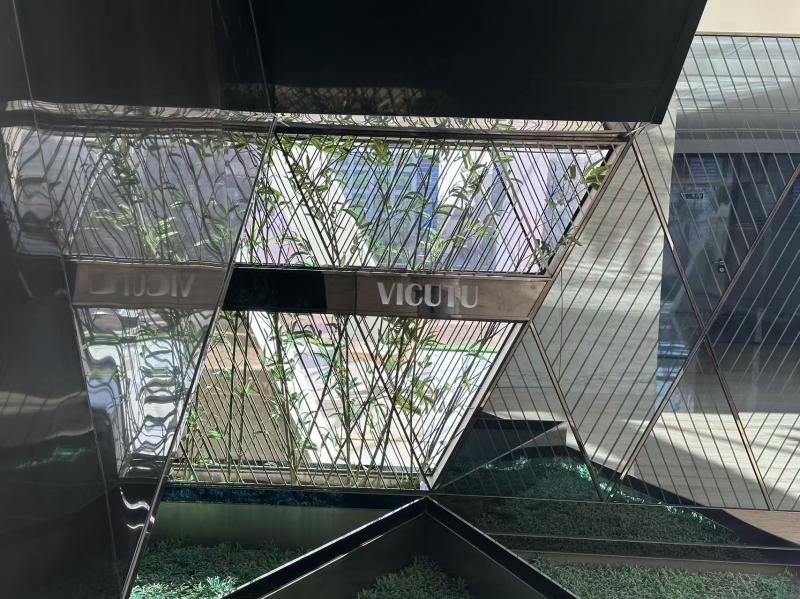
Core Insights - The article highlights the strategic transformation of Grey Group, a prominent menswear company in China, which has successfully relocated its production to Hebei while maintaining its design and R&D in Beijing, thus optimizing its operational efficiency and cost structure [3][10]. Group 1: Company Overview - Grey Group operates three major brands: VICUTU, GORNIA, and RED VICUTU, with an annual sales revenue of nearly 1.8 billion yuan, positioning itself as a leader in the high-end menswear market in China [3]. - The company has invested 1.5 billion yuan in a modern industrial park in Hebei, covering an area of 307 acres, strategically located at a logistics hub [7]. Group 2: Strategic Decisions - In response to rising labor costs and employee development limitations in Beijing, Grey Group decided to relocate its production to Hebei while keeping its design center in Beijing, inspired by successful models from Switzerland [3][4]. - The relocation process involved a fleet of 160 trucks and was completed in just two and a half days, with production resuming five days later [3]. Group 3: Employee Retention Strategies - To address employee concerns about moving from Beijing to Hebei, Grey Group allocated 20 million yuan to assist employees with housing down payments and promised to reward them after five years of service [5]. - The company coordinated with local governments to ensure educational facilities for employees' children, which contributed to a stable workforce post-relocation [5]. Group 4: Technological Transformation - Grey Group has invested over 35 million yuan in information systems, establishing an integrated platform for ERP, CRM, and e-commerce management, enhancing operational efficiency by approximately 40% [7]. - The company's custom business revenue increased from 30 million yuan to 100 million yuan following its digital transformation, becoming a new growth driver [8]. Group 5: Regional Collaboration and Future Plans - The dual-city model of Grey Group exemplifies the "R&D in Beijing, production in Hebei" concept, facilitating innovation and efficient production [10]. - With the completion of the Jingxiong Commercial High-speed Railway, travel time between Hebei and Beijing will be reduced from three hours to 50 minutes, further enhancing talent and technology flow [10]. - Grey Group plans to explore AI technology applications by 2026 to further enhance productivity and focus on high-value creative work [10].
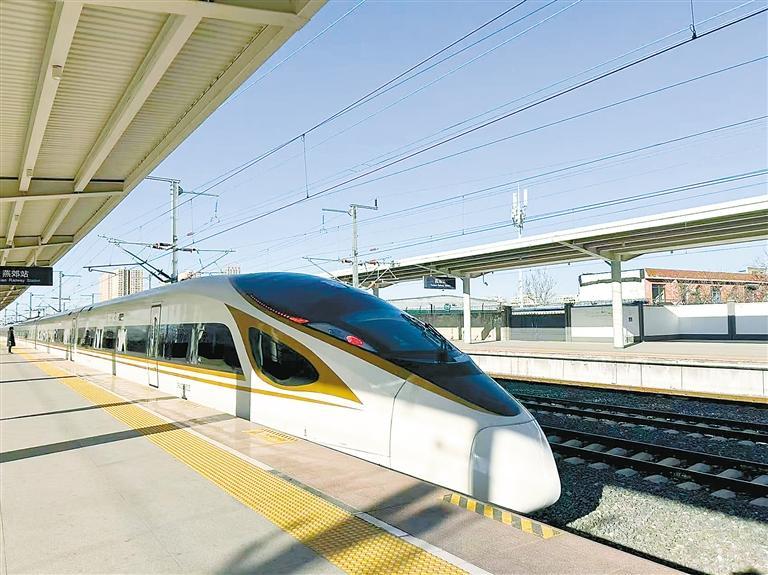
燕郊火车站加密进京班次 京冀双城通勤更便捷
Xin Lang Cai Jing· 2026-01-10 08:10
Core Viewpoint - The opening of Beijing Tongzhou Station has led to an increase in train services from Yanjiao to Beijing, significantly improving the commuting experience for residents in the surrounding areas, particularly enhancing the "dual-city life" for commuters [3]. Group 1: Transportation Development - The train services from Yanjiao to Beijing have been continuously increased to meet the rising cross-regional commuting demand, aligning with the Beijing-Tianjin-Hebei coordinated development strategy [3]. - Starting from 2025, the railway department will introduce additional commuter trains, such as D6676, to reduce travel time to under 30 minutes during peak hours [3]. - The opening of Beijing Tongzhou Station has enabled direct train services from Yanjiao Station to Tongzhou Station, with six trains already operational [3]. Group 2: Impact on Commuters - Commuters have expressed increased satisfaction with the new high-speed train services, noting a significant reduction in travel time compared to previous bus and subway transfers [3]. - The enhanced train services are expected to reshape the quality and rhythm of "dual-city life," facilitating easier access to resources and talent across regions [3]. - The ongoing development of rail infrastructure in the Beijing-Tianjin-Hebei region is set to provide more convenient travel options for an increasing number of cross-city commuters [3].
新农人种出新生活 京冀间再添新路线
Xin Lang Cai Jing· 2026-01-09 21:49
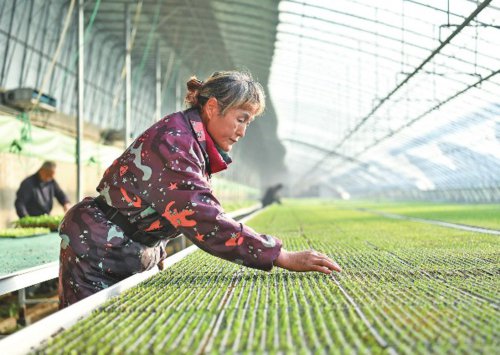
Group 1: Agricultural Innovation - The story of a 90s farmer, Wu Zhiqiang, who manages 360 acres of farmland and has increased corn yield by 10% through innovative farming techniques and self-media promotion [5] - Wu's success is supported by local policies that provide technical training, land transfer convenience, and public drying facilities during harvest season [5] - Future plans include developing agritourism and promoting local agricultural products through social media to enhance community prosperity [5] Group 2: Economic Development in Hebei - Hebei is focusing on building a strong economy and beautiful environment by developing advanced steel and high-end equipment industries, along with several trillion-level and billion-level industries [6] - The province is leveraging its geographical advantages to support Beijing-Tianjin, ensuring food supply through "Hebei Clean Vegetables" and promoting new tourism experiences [6] - The region is also enhancing its cultural and ecological appeal through various initiatives, including the promotion of weekend tourism [6] Group 3: Transportation Improvements - A new commuter bus line connecting Beijing and Hebei's Dachang has been launched, increasing the total number of bus routes to 10, serving over 60,000 residents [7] - The new line covers approximately 20 kilometers with 15 stops, offering an affordable fare system and discounts for non-cash payments [7] - The expansion of cross-province bus routes aims to create a comprehensive commuting system in the region [7] Group 4: Cultural and Ecological Initiatives - The Hebei Museum is utilizing digital technology to enhance visitor engagement with historical artifacts, resulting in nearly 53,000 visitors during the New Year period [8] - Cultural activities in Handan's Guangfu Ancient City during the New Year combined Tai Chi culture with modern performances, creating a vibrant holiday atmosphere [9] - The appearance of the rare winter migratory bird, the sandhill crane, at the Hengshui Lake Nature Reserve indicates ongoing improvements in the local wetland ecosystem [10]
河北乡村振兴从“点上开花”到“面上成景”
Xin Lang Cai Jing· 2026-01-09 16:41
Core Viewpoint - Hebei Province is leveraging its unique geographical advantages and policy support to develop a new economy centered around urban agriculture and leisure tourism, promoting rural revitalization and enhancing farmers' income through innovative models like "cooperative + base + farmer" [3][4][5] Policy Support and Implementation - The provincial government has introduced targeted policies to support the integration of rural industries, ensuring that at least 10% of new construction land indicators are allocated to rural revitalization projects [6] - Financial support has been strengthened, with Hebei's Development and Reform Commission securing 46.008 billion yuan in central funding since the 14th Five-Year Plan, focusing on agriculture, forestry, and rural infrastructure [7] Collaborative Development and Resource Optimization - Under the framework of coordinated development in the Beijing-Tianjin-Hebei region, Hebei is enhancing resource complementarity and market connectivity, transitioning from a "one-way supply" model to a "mutual benefit" approach [8] - The establishment of over 50 agricultural innovation platforms in collaboration with Beijing and Tianjin institutions has facilitated the transformation of agricultural technology, significantly increasing vegetable yields [8] Tourism and Economic Impact - The investment of 1.28 billion yuan in the scenic areas of Hebei has transformed them into popular tourist destinations, attracting up to 30,000 visitors daily and significantly increasing local incomes [9] - The development of a seasonal tourism system in villages has effectively met urban consumers' leisure needs, contributing to rural economic growth [5] Agricultural Supply Chain and Market Integration - Hebei has established a "fresh vegetable direct delivery" system to Beijing, aiming for over 40% market share in 2024, ensuring stable supply for urban consumers [10] - Collaborative branding initiatives have enhanced the value of local agricultural products, allowing for significant price increases and improved market recognition [10] Talent Attraction and Skill Development - Policies aimed at attracting returning talent and enhancing local skills have been implemented, fostering a supportive environment for rural entrepreneurship and innovation [12] - The establishment of training programs and partnerships with educational institutions has improved the professional capabilities of local workers, driving agricultural productivity [12] Future Development Focus - The province plans to focus on industrial upgrades and regional collaboration, promoting the development of high-quality agricultural products and enhancing the logistics network to facilitate market access [13] - Emphasis will be placed on integrating technology into agriculture, with initiatives like smart greenhouses and the promotion of differentiated agricultural business models [13]
增强财政经济工作监督实效 更好助力我市经济社会发展
Xin Lang Cai Jing· 2026-01-08 23:08
Group 1 - The meeting emphasized the importance of focusing on economic construction and high-quality development as primary tasks, leveraging the strategy of promoting coordinated development in the Beijing-Tianjin-Hebei region [2] - The "14th Five-Year" period has seen significant achievements in the city's economic and social development, with good execution of plans and budgets last year [2] - The drafts for the "15th Five-Year" plan and the budget for 2026 align with the spirit of the 20th Central Committee's fourth plenary session and the central economic work conference, meeting the city's development goals and policy directions [2] Group 2 - The chairman highlighted the need to enhance awareness and utilize the advantages of the People's Congress system to strengthen the review and supervision of the "15th Five-Year" plan and this year's budget [3] - Key supervision focuses include high-quality development, macro policy implementation, expanding domestic demand, developing new productive forces, risk prevention, and improving people's livelihoods [3] - Relevant government departments are required to study and incorporate the suggestions made during the meeting, while the specialized committees of the People's Congress must ensure strict legal compliance in their reviews [3]