内卷式竞争

Search documents
引导竞争朝着更加健康有序方向发展 有效防止“内卷式”竞争(专题深思)
Ren Min Ri Bao· 2025-07-30 23:07
当前,我国正在加快构建新发展格局、推动高质量发展。在这一过程中,防止"内卷式"竞争既是破解发 展难题的现实需要,也是推动经济行稳致远的内在要求。习近平总书记高度关注防止"内卷式"竞争问 题,在参加十四届全国人大三次会议江苏代表团审议时明确指出:"要深化要素市场化配置改革,主动 破除地方保护、市场分割和'内卷式'竞争。"此后,党和国家多次对防止"内卷式"竞争作出部署。从去年 7月的中共中央政治局会议提出"要强化行业自律,防止'内卷式'恶性竞争",到去年12月的中央经济工 作会议要求"综合整治'内卷式'竞争,规范地方政府和企业行为",再到今年的《政府工作报告》提出"破 除地方保护和市场分割,打通市场准入退出、要素配置等方面制约经济循环的卡点堵点,综合整治'内 卷式'竞争",这一系列重要部署层次清晰、靶向明确,为破解相关难题提供了根本遵循。 "内卷式"竞争一般是指经营主体为了维护自身市场地位或争夺市场,不断投入大量精力和资源,却没有 带来整体收益增长的恶性竞争现象。近年来,部分行业和企业深陷低价厮杀、同质化竞争等内耗困局, 一些地方存在政策洼地比拼、产业盲目跟风及市场壁垒等情况。这些"内卷式"竞争现象在市场中不断显 ...
有效防止“内卷式”竞争(专题深思)
Ren Min Ri Bao· 2025-07-30 22:12
当前,我国正在加快构建新发展格局、推动高质量发展。在这一过程中,防止"内卷式"竞争既是破解发 展难题的现实需要,也是推动经济行稳致远的内在要求。习近平总书记高度关注防止"内卷式"竞争问 题,在参加十四届全国人大三次会议江苏代表团审议时明确指出:"要深化要素市场化配置改革,主动 破除地方保护、市场分割和'内卷式'竞争。"此后,党和国家多次对防止"内卷式"竞争作出部署。从去年 7月的中共中央政治局会议提出"要强化行业自律,防止'内卷式'恶性竞争",到去年12月的中央经济工 作会议要求"综合整治'内卷式'竞争,规范地方政府和企业行为",再到今年的《政府工作报告》提出"破 除地方保护和市场分割,打通市场准入退出、要素配置等方面制约经济循环的卡点堵点,综合整治'内 卷式'竞争",这一系列重要部署层次清晰、靶向明确,为破解相关难题提供了根本遵循。 "内卷式"竞争一般是指经营主体为了维护自身市场地位或争夺市场,不断投入大量精力和资源,却没有 带来整体收益增长的恶性竞争现象。近年来,部分行业和企业深陷低价厮杀、同质化竞争等内耗困局, 一些地方存在政策洼地比拼、产业盲目跟风及市场壁垒等情况。这些"内卷式"竞争现象在市场中不断显 ...
中央政治局定调下半年经济工作 传递多重有力信号
Zhong Guo Xin Wen Wang· 2025-07-30 12:34
在今年二季度以来国际形势急剧变化、外部压力明显加大的情况下,中国经济表现好于预期。 除了上半年5.3%的国内生产总值(GDP)增速快于去年同期和全年,人流、物流、资金流都在改善。 一个突出例子是,上半年中国市场销售环比逐季增长,社会消费品零售总额达24.55万亿元人民币, 52%的经济增长由消费这架"主引擎"贡献。 政治局会议对此给予肯定,认为中国经济"展现强大活力和韧性"。会议提醒,要"用好发展机遇、潜力 和优势,巩固拓展经济回升向好势头"。 (经济观察)中央政治局定调下半年经济工作 传递多重有力信号 中新社北京7月30日电 题:中央政治局定调下半年经济工作 传递多重有力信号 中新社记者 王恩博 中国"十四五"规划将于今年底收官,下半年经济走势如何,既关乎完成全年发展目标,也关乎为又一个 五年画上圆满句号。 中共中央政治局7月30日召开会议,分析研究当前经济形势和经济工作,传递多重有力信号。 ——经济顶压前行展现活力 国家信息中心经济预测部产业经济研究室主任魏琪嘉分析称,中国经济的体量、韧性以及产业领域积累 的深厚基础、关联关系等,是当前经济稳健运行的强有力保障。加之经营主体的能力和本领在市场竞争 中不断提 ...
(经济观察)中央政治局定调下半年经济工作 传递多重有力信号
Zhong Guo Xin Wen Wang· 2025-07-30 12:31
Economic Performance - China's economy has shown resilience and vitality, with a GDP growth rate of 5.3% in the first half of the year, surpassing last year's performance [2] - The retail sales of consumer goods reached 24.55 trillion yuan, with consumption contributing 52% to economic growth [2] - The political bureau meeting acknowledged the strong recovery momentum and emphasized the need to leverage development opportunities and advantages [2] Macroeconomic Policy - Several foreign financial institutions have raised their growth forecasts for China, citing the consistency and foresight of macroeconomic policies as key reasons [3] - The political bureau meeting called for maintaining policy continuity and stability while enhancing flexibility and foresight [3] - There is a focus on effective release of domestic demand potential and expanding effective investment, including fostering new growth points in service consumption [3] Market Competition - The meeting addressed the need for comprehensive governance of "involutionary" competition, aiming to optimize market competition order [4] - Measures include revising pricing laws, regulating disorderly competition, and managing capacity in key industries [4] - The focus on addressing "involutionary" competition is expected to become a central theme in China's macroeconomic policy moving forward [5]
【评论】“外卖大战”并非良性竞争,整治“内卷”需标本兼治
Sou Hu Cai Jing· 2025-07-30 11:29
文丨马亮 (北京大学政府管理学院教授) 随着京东高调入局和淘宝加大布局,中国外卖行业陷入以巨额补贴和价格战为表征的"内卷式"竞争。 市场竞争允许乃至鼓励企业降价,但出现大规模击穿成本底线的价格之后,就是恶性竞争,而"赔本赚吆喝"也无法持 续。平台可以抢市场份额,餐饮企业可以降价求生,但平台不能裹挟商家制造内卷式竞争。特别是平台企业的隐性补 贴,会导致"平台保护主义" ,进而带来不正当竞争。良性竞争可以围绕价格而展开,而纯粹的价格战则是无序竞争, 需要通过市场监管走向有序竞争。 一些声音认为,新平台掀起的"补贴大战",可以有效刺激消费扩容,是正常市场竞争范畴。但需厘清的是,正常、理 性、适度的价格竞争,的确可以促进市场活力,也会提升整个行业生态的繁荣度。而超低价格、超大规模的高烈度竞 争,只会在短期内催生出需求泡沫,"增量不增质";而且突破成本临界的餐饮价格,也会进一步扭曲供需机制,带 来"零和博弈"。 近期在美团召开的商家恳谈会上,就有商家反映:用户价格敏感度提升,外卖订单的到手收益下降了15%。而且,高端 品牌也在打价格战,降价之后对中小商家造成"降维打击"。为了避免客户流失,中小商家也被迫加入到平台价格战 ...


锂电深陷“内卷式竞争” 宁德时代世界500强排名跌53位
Xin Lang Zheng Quan· 2025-07-30 10:08
值得注意的是,7月1日,《求是》杂志发表文章《深刻认识和综合整治"内卷式"竞争》指出,"与过去 恶性竞争主要集中在钢铁、水泥、轻工产品等传统产业不同,当前一个突出现象是,光伏、锂电池、新 能源汽车、电商平台等新兴行业也深陷其中"。在锂电池领域,价格已经杀至"地板价"。在市场份额占 比几乎触及天花板的情况下,"宁王"的业绩压力不容小觑。 动力电池领域,宁德时代本年度排名第303位,较去年下滑53位。财报显示,2024年,宁德时代实现营 收3620.13亿元,同比减少9.70%,是其2018年6月上市以来首次下滑。 近日,《财富》杂志发布世界500强榜单。梳理发现,中国上榜企业中有68家企业排名下降,主要集中 在传统制造业、汽车及能源领域。 ...

中国金属材料流通协会:抵制“内卷式竞争”、促进钢铁流通行业科学有序发展
Zheng Quan Shi Bao Wang· 2025-07-30 08:37
Core Viewpoint - The China Metal Materials Circulation Association has issued an initiative to resist "involution-style competition" and promote a scientific and orderly development of the steel circulation industry, emphasizing a shift from price wars to value-based competition [1] Group 1: Rational Competition - The industry is urged to adhere strictly to the Anti-Unfair Competition Law of the People's Republic of China and to resist unfair practices such as dumping below cost, damaging reputation, and stealing trade secrets [1] - The association advocates for healthy competition based on product quality, service value, and technological innovation [1] Group 2: Maintaining Reasonable Profits - The industry is encouraged to recognize that sustainable operations are fundamental to development, moving away from short-sighted behaviors like "exchanging volume for price" and "drinking poison to quench thirst" [1] - There is a call to collectively maintain reasonable price levels that align with market rules and cost structures, ensuring companies can secure reasonable profits and necessary investments in research, environmental protection, and safety [1]
中国金属材料流通协会:摒弃“内卷式”恶性竞争
news flash· 2025-07-30 08:33
Core Viewpoint - The China Metal Materials Circulation Association has issued a proposal to resist "involution-style" vicious competition and promote a scientific and orderly development of the steel circulation industry [1] Group 1: Industry Competition - The proposal emphasizes the need to abandon "involution-style" competition and strictly adhere to the Anti-Unfair Competition Law of the People's Republic of China [1] - It calls for a firm resistance against unfair practices such as selling below cost, defaming reputation, and stealing trade secrets [1] - The association advocates for healthy competition based on product quality, service value, and technological innovation [1] Group 2: Industry Collaboration - The proposal encourages strengthening industry information exchange and risk warning to avoid blind expansion or irrational order grabbing [1] - It promotes exploring mutually beneficial cooperation models in logistics, warehousing, and processing to reduce overall social costs [1] - The association firmly opposes behaviors such as mutual defamation, malicious price cutting, and non-compliant order grabbing, aiming to avoid falling into the "zero-sum game" trap [1]
产品和服务质量对提振消费意义凸显
Xiao Fei Ri Bao Wang· 2025-07-30 03:15
Group 1 - The consumer willingness index for Q2 2025 is reported at 120.2, indicating a slight decrease but still within a prosperous range, reflecting overall stability in consumer sentiment [1][3] - The decline in consumer satisfaction regarding the consumption environment is attributed to the prevalent "involution" competition among businesses, which primarily relies on price reductions and promotions [1][2] - The report emphasizes that while "involution" competition may temporarily satisfy consumer demand for lower prices, it risks deteriorating product and service quality, which consumers are unwilling to accept [1][2] Group 2 - The Q2 consumer willingness index of 120.2 is a 1.2-point decrease from the previous quarter but remains above the critical threshold of 100, indicating a stabilizing trend [3] - The expected consumption willingness index is at 128.8, showing a larger decline than the current index, suggesting that consumer confidence needs further strengthening [3] - The report highlights that stabilizing expectations, increasing income, optimizing supply, and ensuring livelihoods are essential strategies to activate the consumer market and support high-quality economic development [3]
外卖大战局中人
Zhong Guo Qing Nian Bao· 2025-07-29 22:34
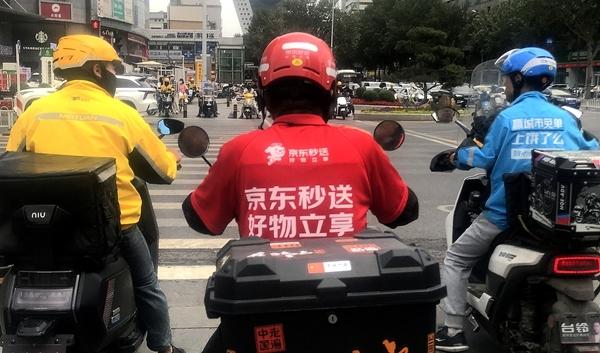
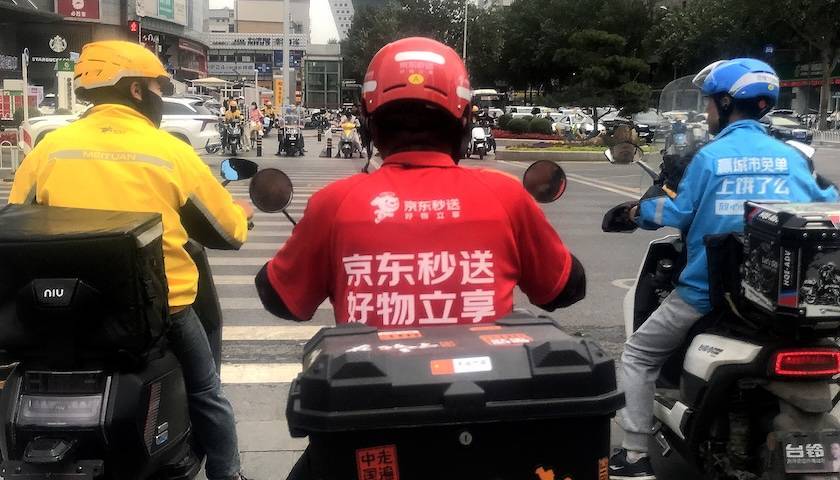
内卷毫无意义,还会受伤——这是数月来,外卖平台、商家、餐饮协会等,在这场商战中渐渐形成的共 识,但似乎没有参与方能真正停下来。 在市场监管总局约谈饿了么、美团、京东要求其"理性参与竞争"一周之后,7月的最后一个周末,中青报·中 青网记者发现,"0元购""满18.8元减18.8元"等补贴活动,已从各平台首页消失。不过,大额补贴仍在,许多 消费者依旧在疯狂"薅羊毛"。 在不断创纪录的日订单背后,一个个或大或小的商家成为这场"对弈"的"棋子"。不少餐饮商家对中青报·中 青网记者表示,近期补贴多由商家承担大头,他们不想参与,又不得不参与。 "近期三家平台的价格战,是典型的低价'内卷式竞争'。"中国连锁经营协会会长彭建真告诉记者,这扭曲了 商品价格体系,还严重影响到实体零售、餐饮的生存空间,尤其是中小规模的连锁企业、餐饮堂食业务 等。 日订单创纪录,骑手和消费者在笑 这场外卖大战从今年春天就已打响,至今持续数月。 这是外卖在中国正式诞生的第17年。2月11日,一家有27年历史的电商公司京东决定入局外卖。这让在外卖 市场占7成份额的美团感受到压力,原本占据3成的饿了么,也有些慌张。起初,这是一场骑手争夺战,但 很快交锋就 ...