
智慧城市

Search documents
数字政通:“人和大模型2.0”行业智能体发布
Ge Long Hui· 2025-10-31 10:32
Core Viewpoint - The release of "Renhe Large Model 2.0" industry intelligent agent marks a significant milestone for the company, showcasing the integration of AI technology in smart city governance and the transition from pilot demonstrations to widespread application of "governance productivity" [1][2] Group 1: Product Launch and Technology Integration - The "Renhe Large Model 2.0" focuses on the deep integration of large model technology in smart city governance, indicating a technological upgrade and a shift in urban governance concepts [1] - The new product is based on the company's extensive experience in urban governance, combining data resources with cutting-edge large model technology to drive business model innovation [2] Group 2: Business Model Transformation - The company is transitioning from a traditional "project-based" software provider to a "platform + operation" service provider, with the AI agent as a core product [2] - The AI agent is expected to provide stable and sustainable subscription revenue, enhancing the company's profitability and market value [2] Group 3: Collaboration and Ecosystem Development - The company has partnered with several industry leaders to launch four joint solutions that integrate "Renhe Large Model 2.0" with partner products, marking a new phase in the smart city ecosystem collaboration [2] - The application scenarios of "Renhe Large Model 2.0" align closely with the guidelines issued by the Central Cyberspace Affairs Commission and the National Development and Reform Commission, indicating a strategic fit with national policies [1]

世界城市日:以一天的种子,长出365天不竭的可持续动力
Di Yi Cai Jing· 2025-10-31 09:59
Core Insights - World Cities Day, initiated by the Chinese government at the United Nations, aims to promote the concept of "Cities, Making Life Better" established during the Shanghai Expo, with this year's theme focusing on "People-Centric Smart Cities" [1][4][5] Group 1: Event Overview - The World Cities Day has evolved into an international event that integrates into the daily lives of nearly 25 million residents in Shanghai, symbolizing a powerful momentum for improving urban living [1] - The event is marked by the "UN Blue" color, which has become a prominent theme in Shanghai's urban landscape during the lead-up to the global conference on sustainable urban development [1] Group 2: Global Conference - The 2025 World Cities Day Global Conference, held on October 26-27, serves as a platform for sharing insights and best practices in sustainable urban development, featuring various types of meetings and discussions [6] - The conference emphasizes innovation and collaboration in building smart cities, showcasing achievements in modern urban development [6] Group 3: Shanghai's Role - Shanghai, as the birthplace of World Cities Day, has deepened the event into a series of significant activities and outcomes, including the establishment of the Urban Development Conference as a permanent international meeting [6][8] - The Shanghai Award, which recognizes best practices from cities worldwide, has received applications from over 160 cities, highlighting Shanghai's growing influence in global urban development [8] Group 4: Sustainable Development Initiatives - The conference introduced several initiatives, including the launch of the MAZU-Urban project for early warning systems and the publication of international standards for green design in urban areas [8] - Shanghai's recent policies emphasize high-quality urban development, focusing on innovation, livability, and sustainability, aligning with national goals for urban modernization [10][12] Group 5: Urban Renewal and Infrastructure - Shanghai is actively pursuing urban renewal, with 46 designated renewal units and significant progress in updating commercial buildings [12] - The city has made strides in green energy, with solar power installations exceeding 5 million kilowatts and a goal to enhance green fuel production [12] Group 6: Future Directions - The upcoming "15th Five-Year Plan" is crucial for Shanghai's development, aiming to enhance urban competitiveness and core capabilities through technological innovation and sustainable practices [12] - Shanghai's initiatives in urban safety and resilience are focused on comprehensive strategies that include disaster preparedness and digital transformation [13]

国家发改委等五部门印发《深化智慧城市发展推进全域数字化转型行动计划》
Jing Ji Guan Cha Bao· 2025-10-31 09:58
Core Viewpoint - The article discusses the "Action Plan for Deepening Smart City Development and Promoting Comprehensive Digital Transformation," aimed at enhancing urban governance and improving the quality of life through data-driven initiatives and digital infrastructure development [1][2]. Summary by Sections Overall Requirements - The plan is guided by Xi Jinping's thoughts and aims to integrate data into urban economic and social development, focusing on building a digital foundation and enhancing urban governance by 2027 [3]. Implementation of Smart Governance - Establish a smart governance system through integrated management and data sharing, enhancing capabilities in monitoring, decision-making, and emergency management [4]. - Develop a risk monitoring and early warning system for urban safety, utilizing advanced technologies for disaster prevention and response [5]. - Improve public service efficiency by integrating various governance channels and enhancing community engagement [5]. Digital Quality of Life Initiatives - Promote integrated public services through digital platforms, reducing processing times and improving accessibility in healthcare and education [6]. - Foster innovative digital lifestyles by enhancing cultural and recreational services through technology [7]. Economic Empowerment through Digitalization - Leverage urban data resources to stimulate economic growth and innovation, supporting the development of data-driven industries [8]. - Encourage the transformation of underutilized spaces into innovation hubs, fostering collaboration between traditional and emerging industries [9]. Urban Digital Renewal - Accelerate the digital transformation of urban infrastructure, focusing on smart sensing and management of essential services [10]. - Support the development of smart communities with enhanced digital services and community engagement [11]. Foundation for Digital Transformation - Build a robust digital infrastructure that supports data sharing and integration across various platforms [12]. - Establish a comprehensive data resource system to enhance public data management and accessibility [13]. Reform and Innovation in Governance - Innovate governance structures to facilitate data-driven decision-making and improve inter-departmental collaboration [14]. - Develop a standardization framework to guide the digital transformation process across cities [14]. Implementation and Coordination - The National Data Bureau will oversee the implementation of the action plan, ensuring collaboration among various departments and local governments [15].

天下苦秦久矣!| 谈股论金
水皮More· 2025-10-31 09:29
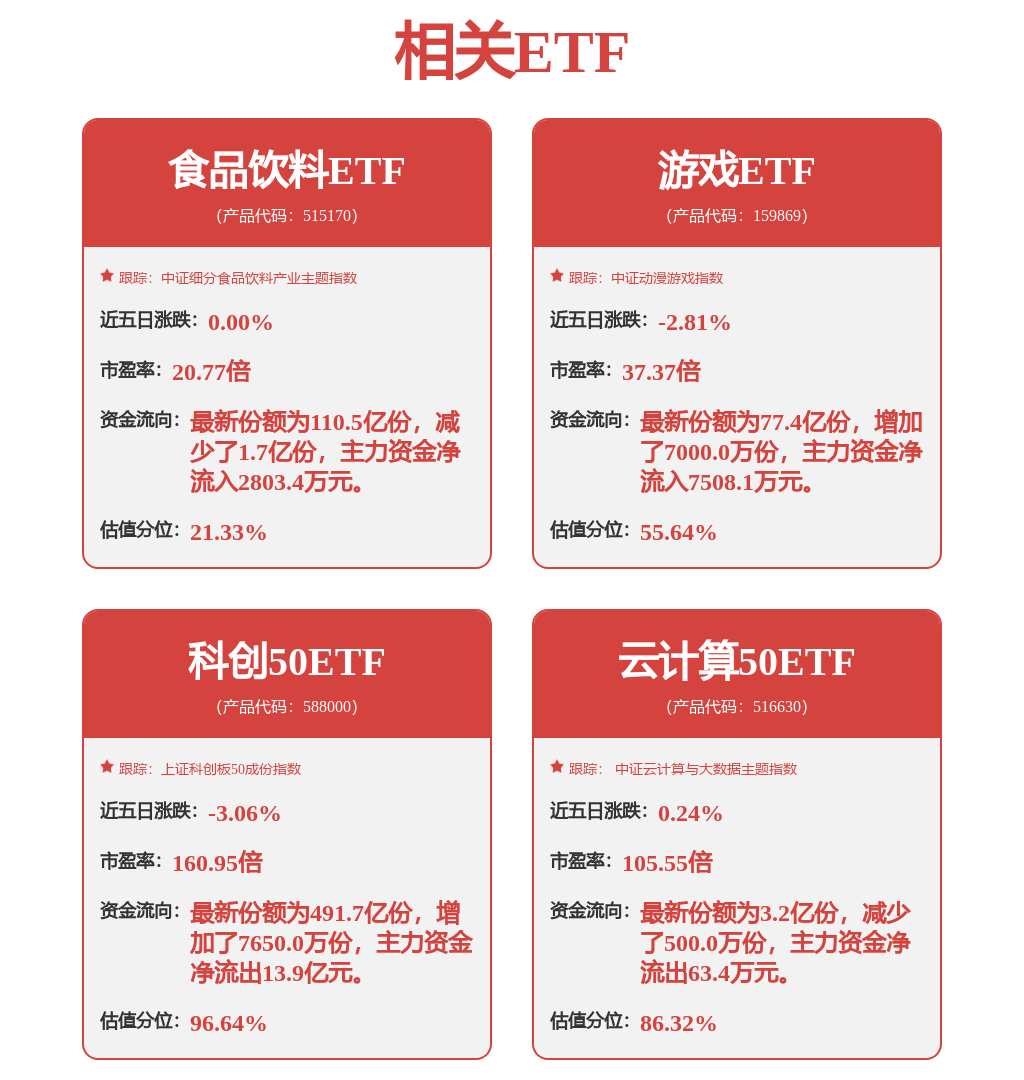
Core Viewpoint - The article discusses the recent performance of the A-share market, highlighting a collective decline in major indices and the underlying factors contributing to this trend, including sector-specific adjustments and policy influences [3][4][5][7]. Market Performance - The three major A-share indices experienced a collective decline, with the Shanghai Composite Index down 0.81% to 3954.79 points, the Shenzhen Component down 1.14% to 13378.21 points, and the ChiNext Index down 2.31% to 3187.53 points [3]. - The total trading volume in the Shanghai and Shenzhen markets reached 231.78 billion, a decrease of 103.9 billion from the previous day [3]. Sector Analysis - The decline in indices was primarily driven by adjustments in heavyweight stocks, particularly in the insurance and securities sectors, while the banking sector showed mixed results with 19 out of 42 listed banks reporting gains [5]. - Significant declines were noted in the semiconductor and communication equipment sectors, with companies like "纪联海" and 中芯国际 dropping around 3%, and "易中天" and 胜宏科技 experiencing declines between 7% and 9% [6]. - Conversely, the liquor sector, led by Guizhou Moutai and Wuliangye, contributed positively to the indices, along with the pharmaceutical sector, which also performed well [6]. Policy Influence - Recent policy initiatives, including a joint action plan from various government departments to promote smart city development and digital transformation, have positively impacted AI software-related stocks, leading to a "catch-up" rally in previously underperforming sectors [7]. - The overall market trend reflects a "broad-based" rally, indicating that as major sectors like finance and technology have gained, other sectors are expected to follow suit to meet market expectations [7]. Market Sentiment - The market sentiment was affected by external factors, including a decline in the Hang Seng Index and the performance of U.S. stock indices, which saw the Dow Jones Industrial Average down 0.23% and the Nasdaq Composite down approximately 1.57% [7].



亚士预铺反粘防水体系在合肥承寓·桐华里项目中的应用
2 1 Shi Ji Jing Ji Bao Dao· 2025-10-31 09:11
Core Viewpoint - The article highlights the significance of the Chengyu · Tonghua Li project in Hefei as a pioneering smart rental housing initiative in Anhui province, emphasizing its role in providing affordable housing and contributing to urban development and talent attraction [4][24]. Project Overview - The Chengyu · Tonghua Li project is located at the intersection of Tongcheng South Road and Gaotie Road in Hefei, covering a total construction area of 61,072.32 square meters, which includes three rental residential buildings, one commercial facility, and an underground garage [4]. - Upon completion, the project will offer 606 units of affordable rental housing, marking it as the first smart rental housing project in Anhui province [4]. Awards and Recognition - The project has received multiple accolades, including being recognized as a national safety production standardization base and a model project for smart residential construction in Hefei [4]. Waterproofing Solutions - The total waterproofing area for the project is approximately 50,000 square meters, covering roofs, basements, and interiors [5]. - Asta Waterproofing is the sole supplier of waterproof materials for the project, adhering to high-quality standards and contributing to the overall waterproof design [6]. Advantages of Pre-applied Self-adhesive Waterproofing System - The pre-applied self-adhesive waterproofing system is noted for its strong adaptability and ease of construction, allowing application on damp surfaces and reducing construction time and costs [8][10]. - The system ensures durability and structural stability by forming a complete waterproofing system that effectively prevents moisture penetration [9]. Environmental Considerations - The construction method is environmentally friendly, utilizing cold application techniques that eliminate fire hazards and harmful emissions, aligning with national green building standards [11][24]. Construction Key Points - Key construction steps include thorough cleaning and repair of the base layer, reinforcement of weak points, and careful installation of waterproofing membranes to ensure integrity and longevity [15][18][21].


力合微的前世今生:2025年三季度营收2.7亿低于行业平均,净利润2238万排名靠后
Xin Lang Zheng Quan· 2025-10-31 08:29
Core Viewpoint - Lihua Microelectronics, a significant player in the domestic communication chip sector, has shown a mixed performance in its financial results for Q3 2025, with low revenue and net profit rankings compared to industry peers, despite having a higher gross margin and debt ratio than the industry average [2][3]. Group 1: Company Overview - Lihua Microelectronics was established on August 12, 2002, and went public on July 22, 2020, on the Shanghai Stock Exchange, with its headquarters in Shenzhen, Guangdong Province [1]. - The company specializes in the research and design of communication chips and is categorized under the electronic - semiconductor - digital chip design industry [1]. Group 2: Financial Performance - For Q3 2025, Lihua Microelectronics reported a revenue of 270 million, ranking 46th among 48 companies in the industry, significantly lower than the top competitor, OmniVision Technologies, which reported 21.783 billion [2]. - The net profit for the same period was 22.38 million, placing the company 32nd in the industry, again trailing behind the leading firms [2]. Group 3: Financial Ratios - As of Q3 2025, Lihua Microelectronics had a debt-to-asset ratio of 30.09%, which is higher than the previous year's 29.42% and above the industry average of 24.46% [3]. - The gross margin for Q3 2025 was 46.27%, an increase from 43.23% in the previous year and above the industry average of 36.52% [3]. Group 4: Executive Compensation - Chairman Liu Kun's compensation increased from 3.735 million in 2023 to 3.95 million in 2024, reflecting a rise of 215,000 [4]. Group 5: Shareholder Information - As of September 30, 2025, the number of A-share shareholders increased by 10.38% to 12,200, while the average number of circulating A-shares held per shareholder decreased by 9.41% [5].


纵横股份的前世今生:任斌掌舵多年,工业无人机业务领先,积极开拓国内外市场
Xin Lang Cai Jing· 2025-10-31 06:30
Core Viewpoint - Zongheng Co., Ltd. is a leading domestic industrial drone company with a comprehensive product range, strong software technology, and a well-established industrial ecosystem, facing challenges in revenue and profit compared to industry leaders [1][2]. Group 1: Company Overview - Zongheng Co., Ltd. was established on April 8, 2010, and listed on the Shanghai Stock Exchange on February 10, 2021, with its headquarters in Chengdu, Sichuan [1]. - The company specializes in the research, development, production, sales, and service of industrial drone-related products, classified under the defense and military industry [1]. Group 2: Financial Performance - For Q3 2025, Zongheng's revenue was 322 million yuan, ranking 40th out of 48 in the industry, significantly lower than the top competitors, AVIC Xi'an Aircraft Industry Group with 30.244 billion yuan and Aero Engine Corporation of China with 22.912 billion yuan [2]. - The net profit for the same period was -19.7429 million yuan, placing the company 42nd in the industry, with the industry leaders reporting net profits of 1.369 billion yuan and 1.162 billion yuan respectively [2]. Group 3: Financial Ratios - As of Q3 2025, Zongheng's debt-to-asset ratio was 39.12%, down from 43.75% year-on-year, slightly below the industry average of 39.42%, indicating improved debt repayment capability [3]. - The gross profit margin for the same period was 48.86%, a slight decrease from 49.54% year-on-year but still significantly higher than the industry average of 30.54%, reflecting strong profitability [3]. Group 4: Shareholder Information - As of September 30, 2025, the number of A-share shareholders decreased by 16.01% to 4,933, while the average number of circulating A-shares held per shareholder increased by 19.06% to 17,800 [5]. - Notably, a new shareholder, Yongying Low Carbon Environmental Smart Selection Mixed Fund A, entered the top ten circulating shareholders with 2.4255 million shares [5]. Group 5: Market Outlook - According to Minsheng Securities, Zongheng's revenue has shown continuous improvement in the first three quarters of 2025, with significant growth in Q3 and a turnaround in profitability, supported by effective cost control and ongoing R&D investment [5]. - Guojin Securities highlighted Zongheng as a domestic industrial drone leader, noting a profitability turning point in Q3 2025, with expectations for revenue growth from 596 million yuan in 2025 to 859 million yuan in 2027, and net profits projected to increase from 11.37 million yuan to 96.32 million yuan over the same period [5].

国家发改委等5部门:到2027年底 建成50个以上全域数字化转型城市
智通财经网· 2025-10-31 03:04
Core Insights - The "Action Plan" aims to enhance urban digital transformation and smart city development by 2027, with a focus on data-driven governance and efficient public services [1][4][3] - By the end of 2027, the plan targets the establishment of over 50 fully digital transformation cities and the creation of a new governance system in major cities [1][4] Group 1: Digital Infrastructure Development - The plan emphasizes the construction of urban digital infrastructure, including perception, network, and computing capabilities to achieve "Internet of Things, Data Connectivity, and Intelligence Connectivity" [2][14] - It aims to create a high-efficiency data transmission network to facilitate rapid data flow across different platforms and networks [2][14] Group 2: Smart Governance and Emergency Management - The initiative includes building a smart governance system that integrates various urban management functions, enhancing monitoring, decision-making, and emergency response capabilities [5][6] - It encourages cities to develop risk monitoring and early warning systems for public safety and natural disasters [6] Group 3: Public Services and Quality of Life - The plan promotes the integration of public services through a unified platform, aiming to reduce processing times and improve accessibility for citizens [7][8] - It focuses on enhancing the quality of life through digital solutions in healthcare, education, and community services [7][8] Group 4: Economic Empowerment through Data - The strategy aims to leverage urban data resources to stimulate economic growth, encouraging the development of data-driven industries and services [9][10] - It supports the creation of data innovation hubs and the integration of data services across various sectors [9][10] Group 5: Urban Renewal and Community Development - The plan outlines initiatives for the digital transformation of urban infrastructure, including smart community development and the integration of digital services in residential areas [12][13] - It emphasizes the importance of creating a digital-friendly living environment that caters to diverse community needs [8][12] Group 6: Implementation and Coordination - The plan calls for coordinated efforts among various government departments to ensure the effective implementation of digital transformation initiatives [18] - It encourages local governments to adapt the strategies based on their specific circumstances and needs [18]
五部门:打造数字赋能文旅、体育、数字消费等新型数字生活场景 推动人工智能在消费场景应用
Mei Ri Jing Ji Xin Wen· 2025-10-31 02:58
Core Viewpoint - The National Development and Reform Commission, along with four other departments, has issued an action plan to deepen the development of smart cities and promote comprehensive digital transformation, focusing on enhancing quality of life through digital empowerment in various sectors [1] Group 1: Digital Empowerment in Various Sectors - The plan emphasizes the development of new digital life scenarios in cultural tourism, sports, and digital consumption, leveraging artificial intelligence in consumer applications [1] - It aims to innovate the application of digital technologies in cultural tourism content creation, scene generation, and guided tours [1] - The initiative includes the revitalization of cultural heritage such as museums, ancient texts, and historical buildings through digital means [1] Group 2: Infrastructure and Facility Upgrades - There is a push for the digital transformation of sports venues and cultural facilities, promoting shared use of fitness spaces [1] - Traditional commercial areas are encouraged to undergo digital upgrades, creating smart stores and AI product experience shops as new consumption scenarios [1] - The plan supports the development of innovative applications for carbon footprint accounting and carbon trading in qualified regions [1] Group 3: Credit Service System - The action plan advocates for the establishment of a cross-domain credit service system in cities, facilitating credit certification for services such as healthcare and transportation, enabling seamless user experiences [1]
中贝通信涨2.05%,成交额1.09亿元,主力资金净流入950.89万元
Xin Lang Cai Jing· 2025-10-31 02:58
Core Viewpoint - Zhongbei Communication's stock price has shown fluctuations, with a slight increase of 2.05% on October 31, 2023, while the company has experienced a year-to-date price increase of 2.23% and a decline of 10.70% over the past 20 trading days [1][2]. Group 1: Financial Performance - For the period from January to September 2025, Zhongbei Communication achieved a revenue of 2.317 billion yuan, representing a year-on-year growth of 5.05% [2]. - The net profit attributable to shareholders for the same period was 85.0419 million yuan, which reflects a significant year-on-year decrease of 41.14% [2]. - The company has distributed a total of 324 million yuan in dividends since its A-share listing, with 145 million yuan distributed over the past three years [3]. Group 2: Stock Market Activity - As of October 31, 2023, Zhongbei Communication's stock was trading at 23.37 yuan per share, with a total market capitalization of 10.148 billion yuan [1]. - The stock has seen a trading volume of 1.09 billion yuan on the same day, with a turnover rate of 1.09% [1]. - The net inflow of main funds was 9.5089 million yuan, with large orders accounting for 22.03% of purchases and 14.52% of sales [1]. Group 3: Shareholder Information - As of September 30, 2025, the number of shareholders for Zhongbei Communication was 66,100, which is a decrease of 13.03% compared to the previous period [2]. - The average number of circulating shares per shareholder increased by 14.98% to 6,571 shares [2]. - Among the top ten circulating shareholders, Hong Kong Central Clearing Limited holds 5.2545 million shares, an increase of 3.2048 million shares from the previous period [3].
