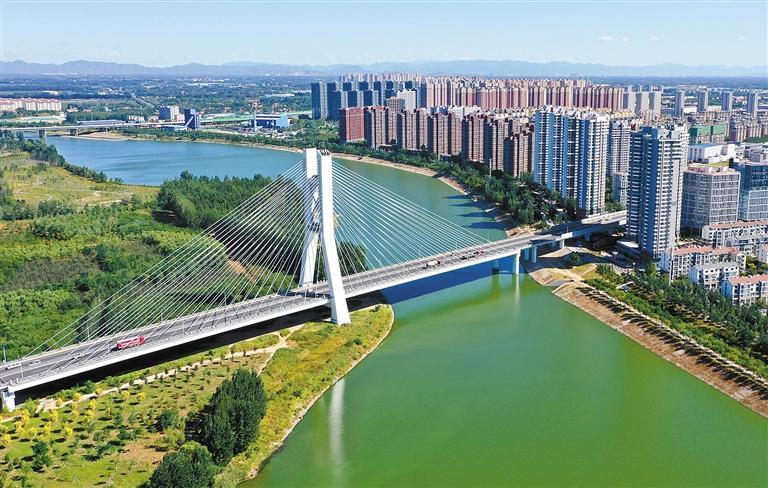
京津冀协同发展

Search documents
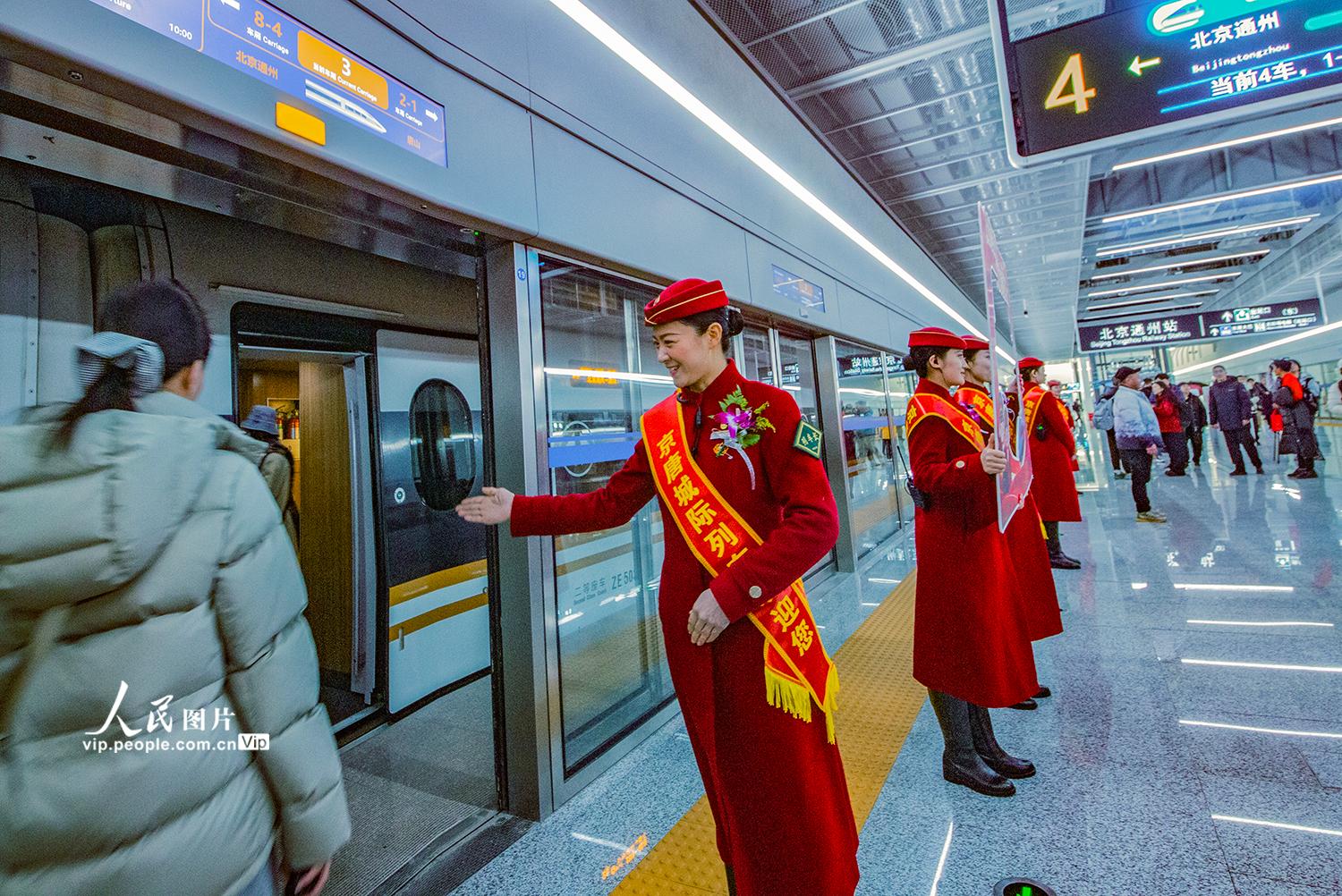
北京通州站开通运营
Ren Min Wang· 2026-01-05 07:51
Group 1 - The Beijing Tongzhou Station of the Jing-Tang Intercity Railway officially commenced operations on December 30, 2025, marking a significant development in the city's transportation network [3] - Tongzhou Station is identified as a key station in Beijing's overall urban planning and serves as a critical node in the "Railway on the Beijing-Tianjin-Hebei" initiative, enhancing connectivity in the region [3] - The operation of Tongzhou Station will further densify the intercity railway network in the Beijing-Tianjin-Hebei area, injecting new momentum into regional collaborative development [3]

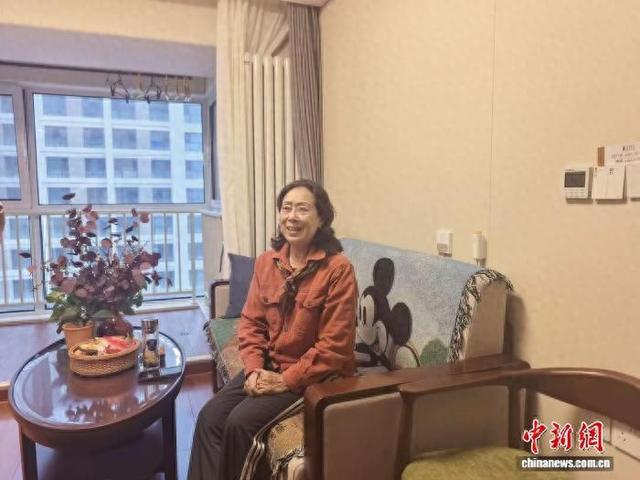
潮白河畔“新故乡”:京津冀跨城养老新图景
Xin Lang Cai Jing· 2026-01-05 06:23
Core Perspective - The article discusses the emerging trend of elderly migration from Beijing and Tianjin to the Hebei region for retirement, highlighting the appeal of better living conditions, healthcare, and social activities in these areas [1][4]. Group 1: Elderly Migration Trends - An increasing number of elderly individuals from Beijing and Tianjin are choosing to retire in the Hebei region, particularly in areas close to the capital [1]. - The "cross-city retirement" trend reflects a shift in elderly preferences towards environments that offer better amenities and healthcare services [6]. Group 2: Healthcare and Support Services - The Yan Da Golden Age Health Care Center in Hebei provides a comprehensive "medical-nursing combined" service, ensuring timely medical assistance for residents [3][4]. - The center has seen over 8,000 residents, with more than 95% coming from Beijing, indicating a strong preference for nearby yet separate retirement options [4]. Group 3: Social and Cultural Activities - The center offers a variety of social activities and educational courses, including 52 classes in arts and crafts, music, and digital skills, which help combat loneliness among the elderly [4]. - The availability of facilities such as libraries, cinemas, and sports areas enhances the quality of life for residents, promoting a vibrant community atmosphere [4]. Group 4: Policy and Infrastructure Support - The implementation of the Beijing-Tianjin-Hebei coordinated development strategy has facilitated easier access to healthcare and improved transportation networks, making cross-city retirement more feasible [6]. - As of September 2025, over 110,000 elderly individuals from Beijing and Tianjin have relocated to Hebei for retirement, showcasing the effectiveness of collaborative pilot programs in the region [6].
奋力跑出检察高质量发展“加速度”
Xin Lang Cai Jing· 2026-01-05 04:15
Group 1 - The core viewpoint emphasizes the high-quality development of the procuratorial service in Langfang, focusing on collaboration, public welfare, and innovation since 2025 [1][2] - Langfang's procuratorial agency leverages its geographical advantages to enhance its role in national strategies, particularly in the Beijing-Tianjin-Hebei coordinated development [2] - The agency has established collaborative mechanisms with neighboring jurisdictions to protect public interests and support labor rights, particularly in emerging industries [2][3] Group 2 - The agency has processed 472 public interest litigation cases since 2025, with a 20% increase in supervision scale, covering 12 legal supervision areas [3] - Significant cases include a joint prosecution against unauthorized aircraft operations and a lawsuit for the protection of ancient city walls, both recognized as exemplary cases [3] - The agency utilizes a data-driven approach to enhance its public interest litigation efforts, addressing issues in healthcare and consumer rights [3] Group 3 - The integration of artificial intelligence into the procuratorial work has transformed supervision methods, leading to a significant increase in case handling efficiency [4] - The establishment of a provincial pilot platform for criminal prosecution has resulted in the identification of 2,349 supervision clues and 155 cases, with criminal trial supervision cases constituting over 40% of the total [4] Group 4 - The agency has developed a unique remote sensing laboratory and supervision platform, utilizing satellite data for evidence collection in environmental protection cases [5] - Advanced computational resources have been deployed to enhance data integration and supervision capabilities, leading to the identification of numerous civil execution supervision clues [5] Group 5 - A dynamic mechanism for talent development has been established, increasing the proportion of young professionals in the agency and enhancing grassroots experience [6] - The agency has achieved notable success in competitions, reflecting its commitment to professional development and high-quality service delivery [6] - Langfang's procuratorial agency aims to continue its efforts in supporting regional economic and social development as it approaches the end of the 14th Five-Year Plan [6]
通州区“火星科幻城”项目预计今年下半年启动建设
Xin Jing Bao· 2026-01-04 11:36
Group 1: Project Overview - The "Mars Science City" project is set to begin construction in the second half of 2026, with a total planned area of 62 acres, including 90,000 square meters of above-ground space and 100,000 square meters underground, aiming for trial operations in 2028 and official opening in 2029 [2] - The project will leverage resources from Tsinghua University and the Chinese Academy of Sciences, creating a high-quality, differentiated cultural tourism ecosystem in Beijing's sub-center [2] Group 2: Educational and Entertainment Aspects - "Mars Science City" will integrate cutting-edge technologies such as aerospace, artificial intelligence, and robotics into its narrative, allowing visitors to engage in a storyline focused on survival, exploration, and construction on Mars [2] - The project aims to become a second classroom for youth and a family-friendly science leisure destination, enhancing public scientific literacy through immersive experiences and interactive activities [2] Group 3: Urban Development and Infrastructure - During the "14th Five-Year Plan" period, the sub-center will continue to strengthen its core strategic tasks, including the relocation of eight state-owned enterprises and the completion of educational institutions like Tsinghua University's financial development base [3] - The sub-center will establish a modern, high-quality comprehensive transportation network, with the completion of the M101 line and the northern extension of the Yizhuang line, enhancing accessibility [3] Group 4: Healthcare Development - The number of tertiary medical institutions in the Beijing urban sub-center has reached eight, with ongoing improvements in the grassroots medical network [6] - There are ongoing efforts to address challenges in cardiovascular disease prevention and treatment, including the establishment of a quality control network for community health services [6]
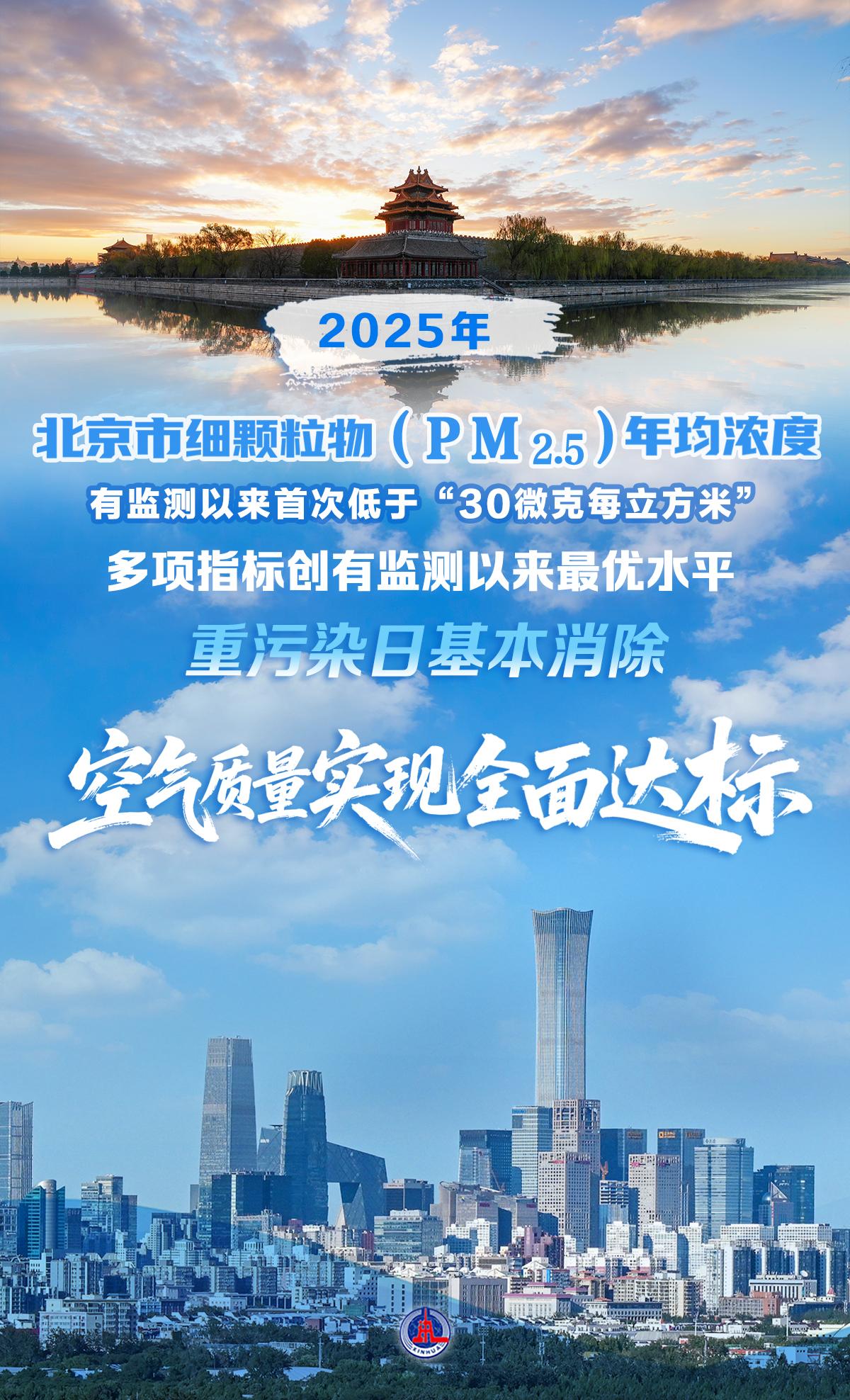
蓝天成为常态!北京空气质量多项指标创监测以来最优
Xin Hua She· 2026-01-04 02:24
Core Viewpoint - Beijing has achieved significant improvements in air quality, with PM2.5 annual average concentration dropping to 27.0 micrograms per cubic meter in 2025, marking the first time it has fallen below 30 micrograms since monitoring began [1][4]. Group 1: Air Quality Improvements - In 2025, Beijing recorded 348 days of good air quality, an increase of 144 days compared to 2013, which translates to nearly five additional months of clean air [4]. - The number of heavy pollution days decreased dramatically from 58 days in 2013 to just 1 day in 2025, representing a reduction of over 98% [4]. - All six major pollutants, including inhalable particles, nitrogen dioxide, and ozone, met national standards, indicating comprehensive compliance with air quality requirements [4]. Group 2: Government Initiatives - The Beijing government has launched an extensive "Blue Sky Defense War" to combat air pollution, treating it as a major political task and a vital public welfare project [4]. - Various pollution control plans have been implemented in a phased and focused manner, addressing mobile source pollution, coal burning, industrial emissions, dust pollution, and domestic source pollution [4]. - The government emphasizes the integration of air pollution control into the broader economic and social development strategy, aiming for a green transformation of the economy [5]. Group 3: Future Goals - Over the next five years, Beijing aims to continue its efforts in air pollution prevention, focusing on PM2.5 reduction and synergizing pollution reduction with carbon reduction [5]. - The city plans to implement a "0.1 microgram" action plan to further enhance air quality and continue the narrative of a beautiful Beijing [5].
石小路近日通车
Xin Lang Cai Jing· 2026-01-03 22:19
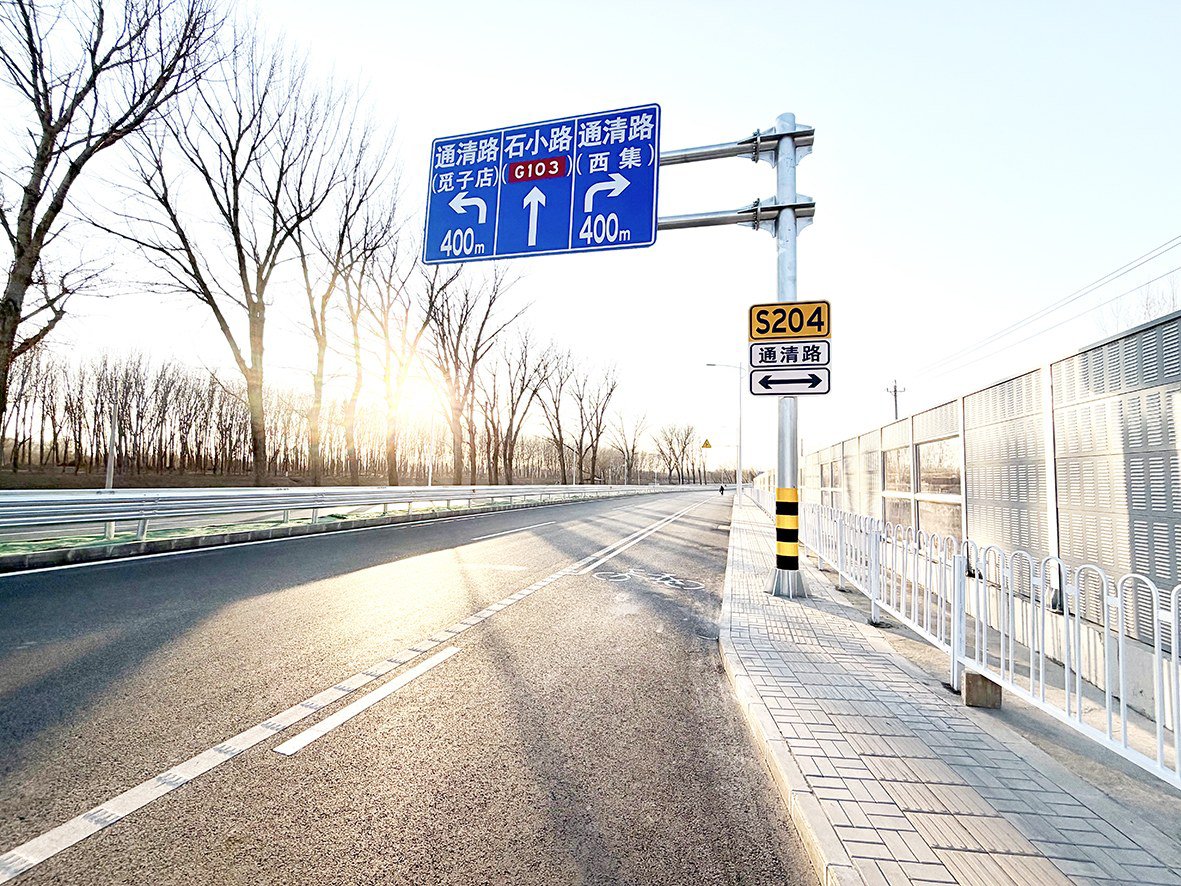
Core Viewpoint - The opening of Shixiao Road on December 31, 2025, enhances transportation connectivity between Beijing's sub-center and Hebei Province, facilitating easier access for residents and supporting regional development [1][2]. Group 1: Infrastructure Development - Shixiao Road, approximately 4.7 kilometers long and built to first-class highway standards, features a dual four-lane design, connecting Beijing's Tongzhou District to Hebei's Anshil Road [1]. - The road serves as a direct passage for residents from Hebei's Shuyang Town to access Beijing's G103 National Road and various functional areas in Tongzhou, including administrative, business, and cultural tourism zones [1]. Group 2: Regional Integration - The completion of Shixiao Road marks a significant advancement in the integration of Beijing's sub-center with the North Three Counties of Langfang, increasing the total number of connected roads to 12, which includes 4 expressways and 8 regular roads [1][2]. - The project was completed within a year, overcoming challenges related to cross-regional coordination and construction organization, and is the first major cross-border road completed in the new decade of coordinated development between Beijing and Hebei [2]. Group 3: Future Developments - The strengthening of transportation links is expected to enhance the daily commuting experience for residents and provide foundational support for regional functional complementarity and industrial collaboration [2]. - Future efforts will focus on continuing cross-regional transportation project development to further improve the road network structure of the Beijing-Tianjin-Hebei urban agglomeration, promoting coordinated regional development [2].
城市副中心发布2026年重点体育赛事活动
Xin Lang Cai Jing· 2026-01-03 22:19
Group 1 - The core focus for the year 2026 in Beijing's urban sub-center is on "collaborative synergy," "brand events," and "mass fitness," aiming to launch a variety of sports events throughout the year to meet citizens' recreational needs and enhance urban vitality [1] - The plan includes a commitment to have "events every week," with collaboration among Beijing, Tianjin, and Hebei to host activities such as cycling, taekwondo, and 3V3 basketball tournaments [1] - The sub-center will continue to host established events like the Beijing Urban Sub-center Marathon and the Beijing Grand Canal Dragon Boat Carnival, while also introducing new competitions such as the Beijing Windsurfing Open and the China Family Sailing Championship [1] Group 2 - The region's abundant water resources and parks position it well for the water sports industry, with plans to attract professional market entities and water sports clubs to the western bank of the canal [2] - The value of sports events extends beyond competition, as they can stimulate related industries such as dining, accommodation, and tourism; efforts will be made to attract high-profile events like the Spartan Race and international 3-on-3 basketball tournaments [2] - A new strategy for sports event promotion will be implemented, focusing on regular live broadcasts of events to enhance brand influence and expand the reach of sports activities [2]
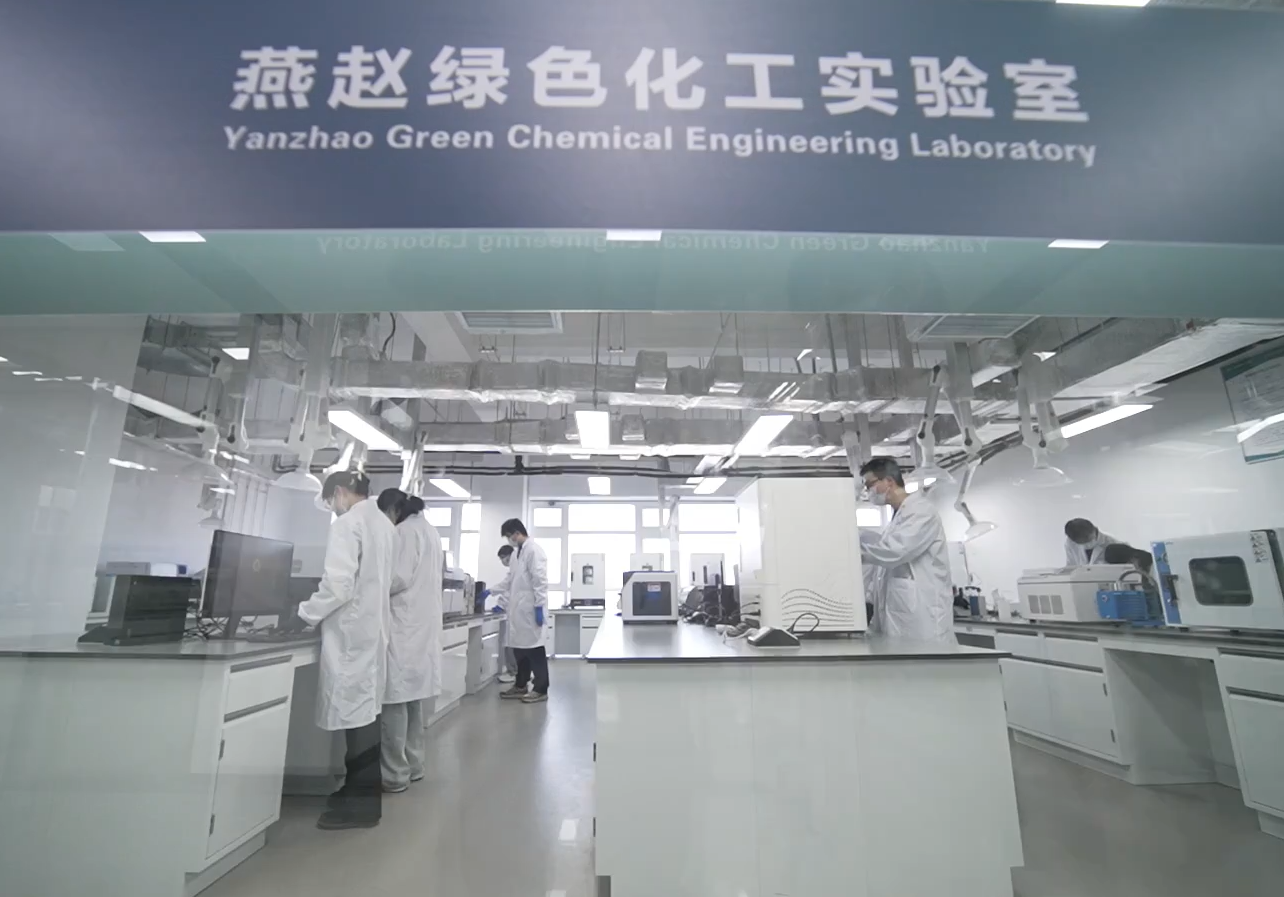
冀时评丨协同创新育“绿芯” 燕赵实验室激活化工产业升级新动能
Xin Lang Cai Jing· 2026-01-03 05:57
(来源:河北新闻网) 放眼全省,实验室揭牌是河北推动化工绿色升级战略布局的关键落子。近年来,河北锚定高端化、绿色化、安全化方向,打出政策"组合拳":《河北省绿色 化工产业高质量发展2025年工作要点》明确7项重点任务,布局曹妃甸、渤海新区、石家庄三大产业基地错位发展;39家化工园区开展规范提升,"开发区管 委会+专业化机构"模式提升治理效能;专项研发资金精准滴灌,跨部门会商机制护航成果转化。从石炼化绿色转型到鑫海新材料基地建设,从精细化工培 育到智能工厂创建,全省化工产业升级的四梁八柱已然筑牢。 更深远的意义在于,燕赵绿色化工实验室成为京津冀协同发展的创新实践样板。河北紧扣"京津研发、河北转化"定位,加强与京津高校院所协作,搭建技术 转移与中试熟化平台,加速创新资源在冀落地。燕赵绿色化工实验室正是这一理念的具象载体——打造京津冀化工协同创新枢纽和中试首选地,汇聚区域人 才与技术,承接京津成果转化,推动产业链、创新链跨域融合。"协同创新+产业转化"模式,既为区域绿色发展提供支撑,也为产业协同探索可行路径。 渤海潮涌催新程,科创赋能启华章。2025年12月29日,燕赵绿色化工实验室在沧州揭牌。作为破解化工"高污染 ...
十大特色消费场景营造浓郁“廊坊年味儿”
Xin Lang Cai Jing· 2026-01-03 04:51
Group 1 - The fifth International Meat Pie Championship in the Beijing-Tianjin-Hebei region will focus on the theme "Intangible Cultural Heritage Celebrating the New Year, Tasting the Chinese Year," featuring 35 domestic and international meat pie making techniques [1] - The event aims to integrate cultural heritage with commercial activities, promoting innovation and public participation through various traditional activities, enhancing the festive atmosphere, and stimulating the culinary tourism sector [1] - The "Langfang Interesting" section will collaborate with sports and education departments to present a series of activities, including wrestling competitions and science-themed events, to cater to diverse leisure experiences for citizens and tourists [1] Group 2 - The "Langfang Scenic" section will utilize unique venues to host various events, such as the Baoding Shengfang New Year Lantern Festival and cultural fairs, to activate the nighttime economy and create a rich festive atmosphere [2] - The "Langfang Fortune" section will partner with cultural associations and volunteers to organize activities like Spring Festival couplet distribution and cultural outreach programs, aiming to deliver quality cultural resources to grassroots communities [2] - The overall initiative will align with the Beijing-Tianjin-Hebei coordinated development strategy, integrating multiple elements such as performing arts, sports, and tourism to create unique experiences and stimulate economic growth through cultural prosperity [3]
通北示范区汇聚高质量发展动能
Xin Lang Cai Jing· 2026-01-03 03:48
深化对接协作,铸牢产业协同"一条链"。两年来,通北示范区紧紧抓住疏解北京非首都功能这个"牛鼻子", 推动创新链、产业链、供应链深度融合。印发实施《通北示范区新增产业禁限目录》,引导更多优质项目落 地发展。北三县深度对接北京城市副中心主导功能,全力打造"科创燕郊、智造三河、商务大厂、文旅香 河"县域经济特色名片。示范区绘制完成"7大产业集群+19个细分领域"产业图谱,加速实现两地五方创新链、 产业链合理布局。强化协同平台建设,京津冀国家技术创新中心燕郊协同创新基地加速建设,吸引大批科技 型企业入驻。2025年廊坊经洽会期间,举办以"通北一体化高质量发展"为主题的"通"途携手"北"启新程系列 活动,吸引优质企业资源向示范区汇聚。连续举办6届北京通州·河北廊坊北三县项目推介洽谈会,累计签约 项目273个。2025年12月17日,通北示范区首次"走出去",在苏州举办一体化联合招商推介暨跨区域合作对接 会,促成重磅签约,为产业集群发展注入新动力。 (来源:廊坊传媒网) 转自:廊坊传媒网 廊坊传媒网讯(记者 王洋洋)2025年12月26日,廊坊市政府新闻办召开通北示范区两周年创新成果主题新闻 发布会。记者从会上获悉,作为 ...