绿水青山就是金山银山

Search documents
万亿水经济崛起!广东发布《广东省绿色水经济发展》白皮书
Nan Fang Nong Cun Bao· 2025-08-15 07:01
Core Viewpoint - Guangdong has officially released the "Guangdong Province Green Water Economy Development" white paper, highlighting a significant investment in water economy projects and the potential for a trillion-yuan industry [2][3][4]. Investment and Economic Scale - From July 2023 to June 2025, Guangdong plans to invest approximately 12 billion yuan in water economy projects [3]. - There are over 100 billion yuan worth of reserve projects planned [4]. - The estimated scale of the water economy industry in Guangdong is around 1 trillion yuan [4]. Development Pathway - The white paper outlines a "1364" development pathway, which includes one goal, three coordinations, and six development models [6][7][8]. - The goal focuses on transforming ecological advantages into economic benefits [6]. - The three coordinations involve balancing development and protection, market and government, as well as supply and demand [7]. - The six development models include water-city integration, industry-driven development, ecological protection, and enhancing cultural tourism [8]. Achievements and Impact - The initiative aims to achieve four key outcomes: expanding regional coordinated development, creating new green consumption scenarios, opening new investment avenues for social capital, and stimulating high-quality development in water management [9][10]. - The white paper emphasizes the role of the green water economy in promoting coordinated urban-rural development [29]. Infrastructure and Investment - Guangdong has invested over 100 billion yuan in water infrastructure in 2023 and 2024 [14][15]. - The province has implemented measures such as the river and lake chief system and ongoing actions to clean up water bodies [15][16]. Industry Development Examples - Various cities are actively developing water economy industries, such as the creation of a "Lake + Green Development Zone" in Heyuan [21][22]. - The integration of water management with tourism and sports industries is being promoted in cities like Shenzhen and Foshan [23][24]. - The North River project in Qingyuan has attracted 220,000 tourists in 2024, generating 32 million yuan in revenue [25][26]. Consumer Trends - The white paper notes a significant increase in demand for water-related tourism among younger generations and the elderly [38]. - Pilot projects in 2023 attracted 11 million visitors, generating over 340 million yuan in revenue, with projections for 2024 to exceed 24 million visitors and 830 million yuan in revenue [40][41]. Water Resource Utilization - Guangdong has identified 330 mineral water sources for high-quality natural drinking water development, indicating substantial market potential [42]. - The water industry parks in Heyuan and Jiangmen are expected to generate significant industrial output and attract investments [44][45].


青山作答 绿水回响
Xin Hua She· 2025-08-15 05:29
Group 1 - The concept of "Lucid waters and lush mountains are invaluable assets" has been proposed for 20 years, emphasizing the importance of ecological protection alongside economic development [1] - China is accelerating the optimization of industrial structure and promoting a comprehensive green transformation of the economy and society, increasing the proportion of green low-carbon industries in the overall economic volume [1][8] - The achievements of green development in China are globally recognized, showcasing the synergy between economic growth and ecological protection [8] Group 2 - Zhejiang Lishui Qingtian County has a long history of oil tea production, with 306,700 acres of oil tea forest, the largest area in Zhejiang province [3] - In 2024, the total annual output value of the oil tea industry chain in Qingtian County is expected to exceed 900 million yuan, with total forestry output value reaching 7.38 billion yuan, illustrating the effective transformation from "green waters and mountains" to "golden mountains and silver mountains" [3] - The development of wetland-themed cultural tourism in Wuyi County's Tantai Village is driven by ecological restoration and revitalization of idle resources [5] Group 3 - Ningxia is implementing measures such as closing mines and conducting ecological restoration, managing forests, grasslands, wetlands, and deserts in a coordinated manner [7] - The transition from "relying on mountains for sustenance" to "protecting and nurturing the mountains" reflects a comprehensive ecological governance approach [7]
“数”里行间感知绿水青山间的生态答卷
Xin Hua Wang· 2025-08-15 04:12
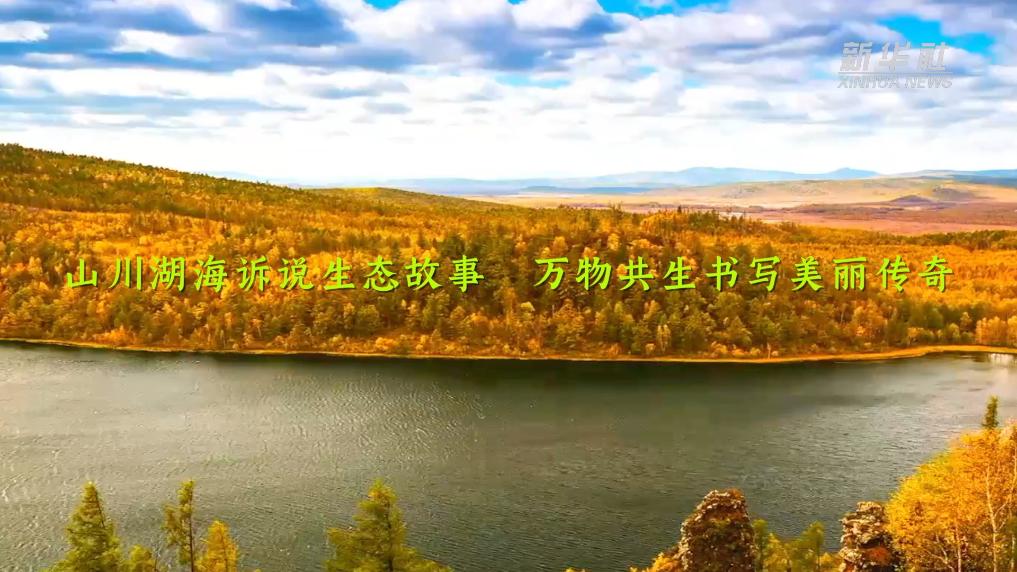
Core Viewpoint - The article emphasizes the significant progress China has made in ecological protection and green development since the 18th National Congress of the Communist Party, highlighting the integration of ecological civilization into economic and social development [3][5][10]. Group 1: Ecological Achievements - Since the 18th National Congress, China has planted over 1 billion acres of trees, increasing forest coverage to over 25% and forest stock to over 20 billion cubic meters, making it the fastest-growing country in global greening [5]. - The country has achieved a stable grassland vegetation coverage of over 50%, reducing the proportion of degraded grasslands by 13 percentage points and decreasing the area of degraded grasslands by an average of 5 million acres annually [5]. - China has completed desertification control tasks over 36.5 million acres and has established a protective area of 27.94 million acres, leading to a "zero growth" in land degradation and a reduction in desertified land area [5]. Group 2: Air and Water Quality - The proportion of days with good air quality has stabilized at around 87%, an increase of 3 percentage points compared to the 13th Five-Year Plan period [7]. - Major rivers like the Yangtze and Yellow Rivers have achieved Class II water quality standards along their entire lengths [7][9]. Group 3: Resource Efficiency and Green Transformation - By 2024, China's energy consumption per unit of GDP is expected to decrease by 11.6% compared to the end of the 13th Five-Year Plan, making it one of the fastest countries in energy intensity reduction [10]. - The recycling of waste steel accounts for over 20% of raw materials used in steel production, showcasing significant energy-saving and carbon reduction achievements [10]. - Renewable energy generation capacity reached 2.09 billion kilowatts by the end of May 2024, more than doubling from 934 million kilowatts at the end of the 13th Five-Year Plan [11]. Group 4: Green Lifestyle and Economic Development - The number of new energy vehicles in China reached 31.4 million by 2024, a fivefold increase from 4.92 million at the end of the 13th Five-Year Plan [12]. - The tourism sector received 6.76 billion visitors in 2024, generating total revenue of 481.42 billion yuan, with over 78,000 green and organic agricultural products available [19]. Group 5: Global Cooperation and Biodiversity - China contributed the largest share to the global renewable energy capacity increase of 585 gigawatts in 2024 and has engaged in green energy project cooperation with over 100 countries [21]. - The country is committed to fulfilling the Convention on Biological Diversity and has established cross-border nature reserves and ecological corridors with neighboring countries [22].

微视频丨青山作答 绿水回响
Xin Hua She· 2025-08-15 04:12
Core Viewpoint - The article emphasizes the synergy between economic development and ecological protection, highlighting China's achievements in green development and the transformative power of the "Lucid waters and lush mountains are invaluable assets" philosophy [9]. Group 1: Green Development Initiatives - China is accelerating the adjustment and optimization of its industrial structure to promote a comprehensive green transformation of the economy and society, increasing the proportion of green and low-carbon industries in the overall economic output [2]. - In Zhejiang's Qingtian County, the oil tea industry, with a production area of 30.67 million mu, is projected to achieve an annual output value of over 900 million yuan in 2024, demonstrating the effective conversion of ecological resources into economic benefits [4]. - Ningxia is implementing measures such as closing mines and conducting ecological restoration to transition from "relying on mountains for sustenance" to "protecting and nurturing the mountains," showcasing a comprehensive approach to ecological governance [6]. Group 2: Ecological Restoration and Tourism - In Wuyi County's Tantai Village, ecological restoration and revitalization of idle resources are being utilized to develop a wetland-themed cultural tourism industry, reflecting the integration of ecological and economic development [7].
青绿不只此 “两山”韵悠长
Zhong Guo Zi Ran Zi Yuan Bao· 2025-08-15 03:53
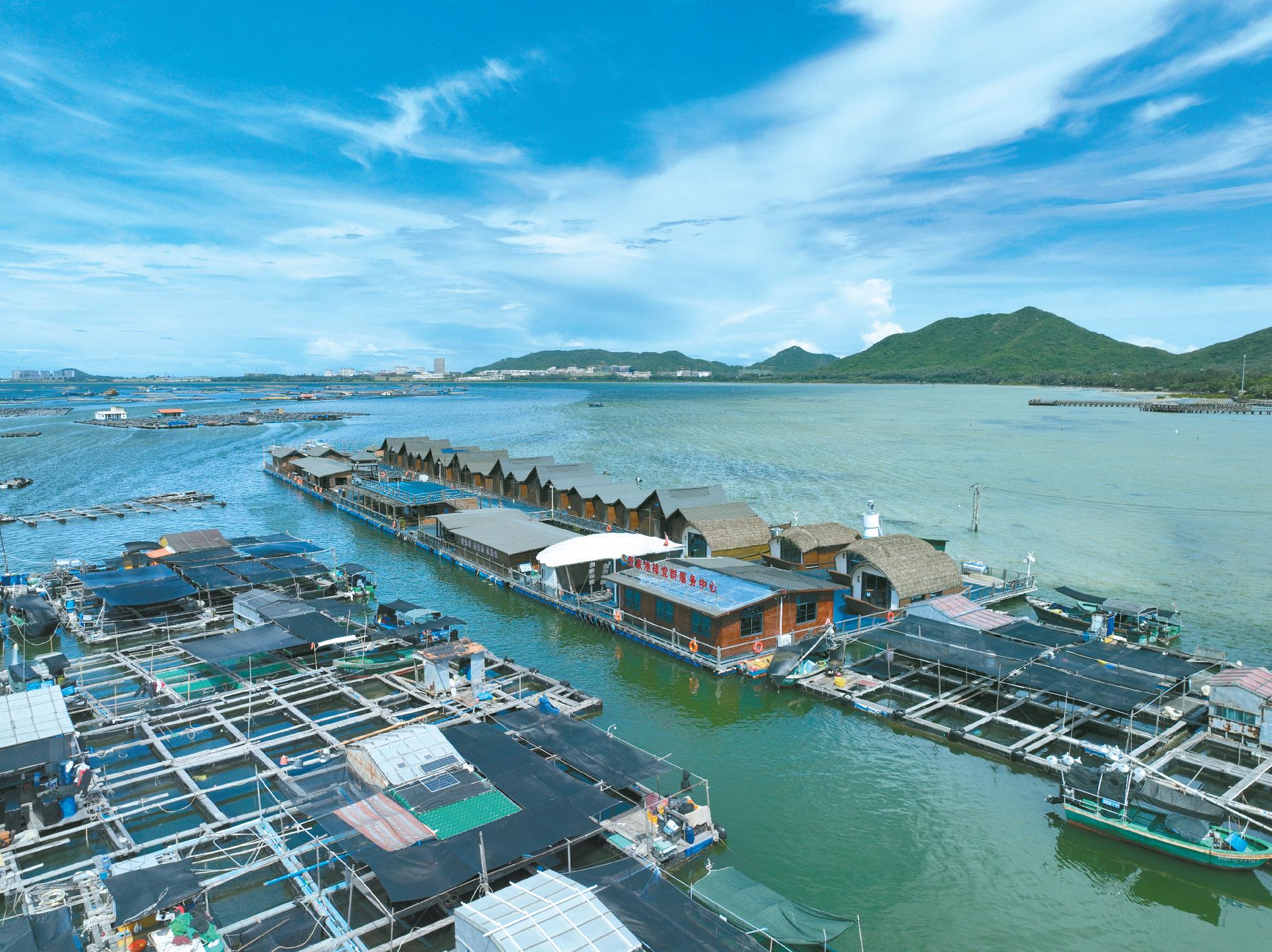
Core Viewpoint - The article highlights the successful integration of ecological restoration and tourism development in Hainan's Lingshui County, showcasing how traditional fishing communities are transforming their livelihoods through sustainable practices and cultural tourism [3][20][21]. Group 1: Ecological Restoration Efforts - Hainan has initiated 13 central and 16 provincial marine protection and restoration projects from 2018 to June 2025, investing a total of 2.6397 billion yuan, restoring 152.33 kilometers of coastal areas and 1,225.94 hectares of mangroves [4][25]. - The ecological environment in Hainan has improved significantly, with over 98% of the water in Lian'an Lagoon reaching Class I water quality, and over 90% in New Village Lagoon reaching Class II standards [6][22]. - The restoration efforts have led to a 50% increase in fish and shellfish resources in restored areas compared to non-restored areas, indicating a successful recovery of marine biodiversity [6][12]. Group 2: Economic Impact and Tourism Development - The tourism sector in Lingshui has flourished, with 1.6557 million visitors and a total tourism revenue of 956 million yuan in 2024, driven by unique cultural experiences and ecological attractions [20][22]. - The local fishing community has seen an increase in average annual income from 36,200 yuan in 2019 to 43,300 yuan in 2022, reflecting the economic benefits of sustainable practices [20][24]. - The establishment of a community benefit-sharing mechanism has allowed local residents to earn income from ecological resources, enhancing their motivation for environmental protection [21][24]. Group 3: Community Involvement and Cultural Integration - The integration of traditional fishing culture with modern ecological tourism has created a sustainable cycle of protection, development, and cultural heritage [19][21]. - Local fishermen have transitioned into roles such as "marine forest guardians" and "ecological tour guides," showcasing the community's active participation in ecological restoration [22][24]. - The establishment of the Hainan Mangrove Museum and various cultural tourism projects has attracted visitors and promoted awareness of the unique marine culture of the fishing communities [20][21].
绿水青山 美丽海南
Hai Nan Ri Bao· 2025-08-15 03:26
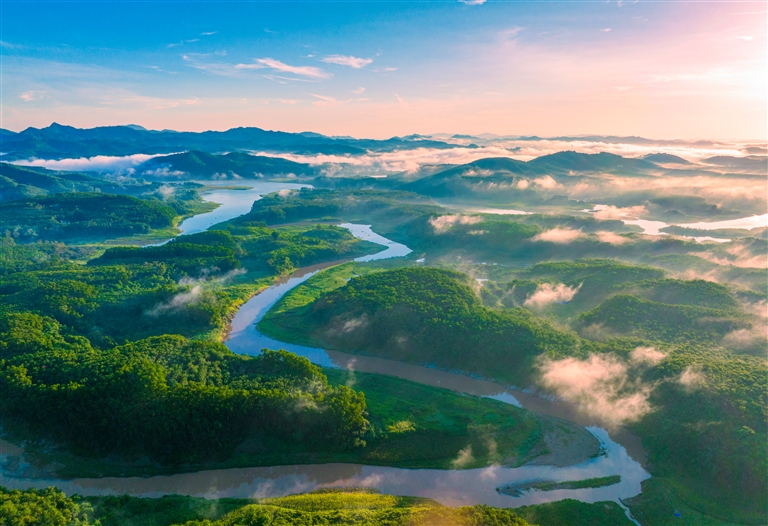
Core Viewpoint - The article emphasizes the importance of ecological preservation and its direct correlation with economic development, highlighting the theme "Green water and lush mountains are as valuable as mountains of gold and silver" on the 20th anniversary of this concept [14][18]. Group 1: Ecological Initiatives - The Baisha tea garden, located in a 70,000-year-old meteorite crater, benefits from mineral-rich soil and a tropical rainforest climate, creating a unique ecological environment that supports diverse flora and fauna [14]. - Lingshui has established China's first yellowfin tuna farming demonstration base, showcasing a shift towards sustainable marine aquaculture that alleviates pressure on marine ecosystems [15]. Group 2: Economic and Tourism Development - The Qiongle Expressway is described as "the most beautiful highway in Hainan," integrating natural landscapes with infrastructure, which enhances tourism potential [16]. - The article asserts that a good ecological environment not only produces quality products but also serves as a foundation for tourism, indicating a dual benefit of ecological preservation and economic growth [18].
微视频|青山作答 绿水回响
Xin Hua She· 2025-08-15 03:14
Group 1 - The core idea emphasizes the integration of ecological protection and economic development, showcasing China's achievements in green development and the transformative power of the "Lucid waters and lush mountains are invaluable assets" concept [8] - The concept was proposed 20 years ago, and the country is accelerating the optimization of industrial structure to promote a comprehensive green transition in the economy and society [1] - The green low-carbon industry is increasingly contributing to the overall economic output, indicating a shift towards sustainable production and lifestyle [1] Group 2 - In Zhejiang's Qingtian County, the oil tea industry, with a production area of 30.67 million mu, is a key driver of economic growth, with an expected annual output value of over 900 million yuan in 2024 [3] - The total forestry output value in Qingtian County is projected to reach 7.38 billion yuan, illustrating the effective conversion of ecological resources into economic benefits [3] - In Wuyi County's Tantai Village, ecological restoration and revitalization of idle resources are being implemented to develop a wetland-themed cultural tourism industry [5] Group 3 - Ningxia is closing down mines and implementing ecological restoration to manage forest, grassland, wetland, and desert systems, transitioning from "relying on mountains for resources" to "protecting and nurturing mountains" [6]
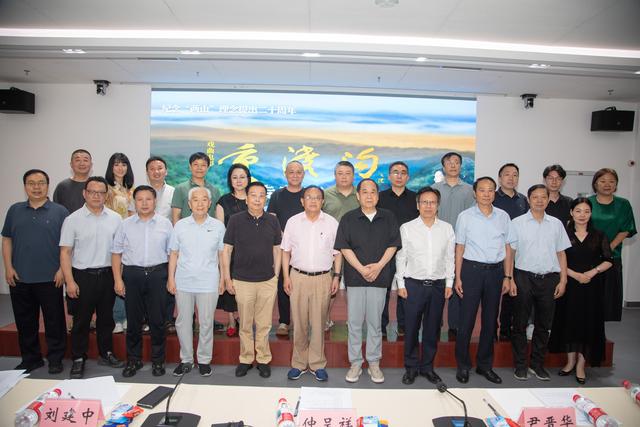
《重渡沟》研讨会在京举行,用戏曲电影创新成功刻画当代基层共产党员鲜活形象
Bei Jing Ri Bao Ke Hu Duan· 2025-08-15 03:14
转自:北京日报客户端 8月13日,由中国文联电影艺术中心指导,中国电影家协会电影文学创作委员会、河南省电影电视家协 会共同主办的戏曲电影《重渡沟》专家研讨会在北京举行。 《重渡沟》改编自同名豫剧现代戏,根据真实事迹创作而成。由朱赵伟执导,贾文龙、杨红霞、盛红林 等豫剧名家主演,是河南豫剧三团"公仆三部曲"收官之作。该片再现了驻村扶贫干部马海明"让绿水青 山变成金山银山"的心中梦想,讲述了他带领村民把重渡沟的自然美景、旅游开发、乡村振兴三者有机 结合,将昔日的穷山沟变成著景区的绿色之梦。 与会嘉宾认为,该片以严谨的现实主义手法,通过对戏曲电影的探索创新,成功刻画了一个当代基层共 产党员的鲜活形象,并借主人公成长的视角,回顾了20年来"两山"理念从孕育、诞生、发展、完善并走 向成熟的历史进程,具有鲜明的时代精神和艺术特色。该影片不仅是一部优秀文艺作品,更是"两山"理 论生动实践的艺术呈现。 著名文艺理论家、中央文史研究馆馆员仲呈祥认为戏曲电影创作进入了重质量而不盲目追求数量的时 代,戏曲电影《重渡沟》无论在思想发现的稀缺性还是审美表现形式的探索性上,都做出了可喜的贡 献,"尤其是用电影语言彰显中华戏曲的独特美学魅 ...
三机构联合发起“爱护绿水青山 倡导无痕旅游”倡议
Xin Jing Bao· 2025-08-15 02:55
Core Viewpoint - The initiative "Protect Green Water and Mountains, Advocate for No Trace Tourism" emphasizes the importance of ecological protection during tourism activities, urging the public to enhance their awareness and take action to safeguard natural resources [1][2]. Group 1: Initiative Details - The initiative consists of five core points aimed at promoting ecological civilization and harmonious coexistence with nature [2]. - It calls for adherence to regulations to ensure the safety of forests and grasslands, preventing forest fires and avoiding sensitive ecological areas [2]. - Respect for nature is highlighted, discouraging the collection of wild plants, disturbing wildlife, and damaging natural and cultural relics [2]. Group 2: Tourism and Ecological Balance - The initiative advocates for green, low-carbon tourism practices, such as minimizing the use of single-use plastics and carrying out waste [2]. - It encourages the dissemination of the no-trace philosophy, promoting civilized tourism behavior and fostering a sustainable tourism culture [2]. - The integration of ecological protection with tourism development is deemed increasingly critical as China advances its tourism power strategy, requiring collaboration from government, tourism enterprises, and individual tourists [2].
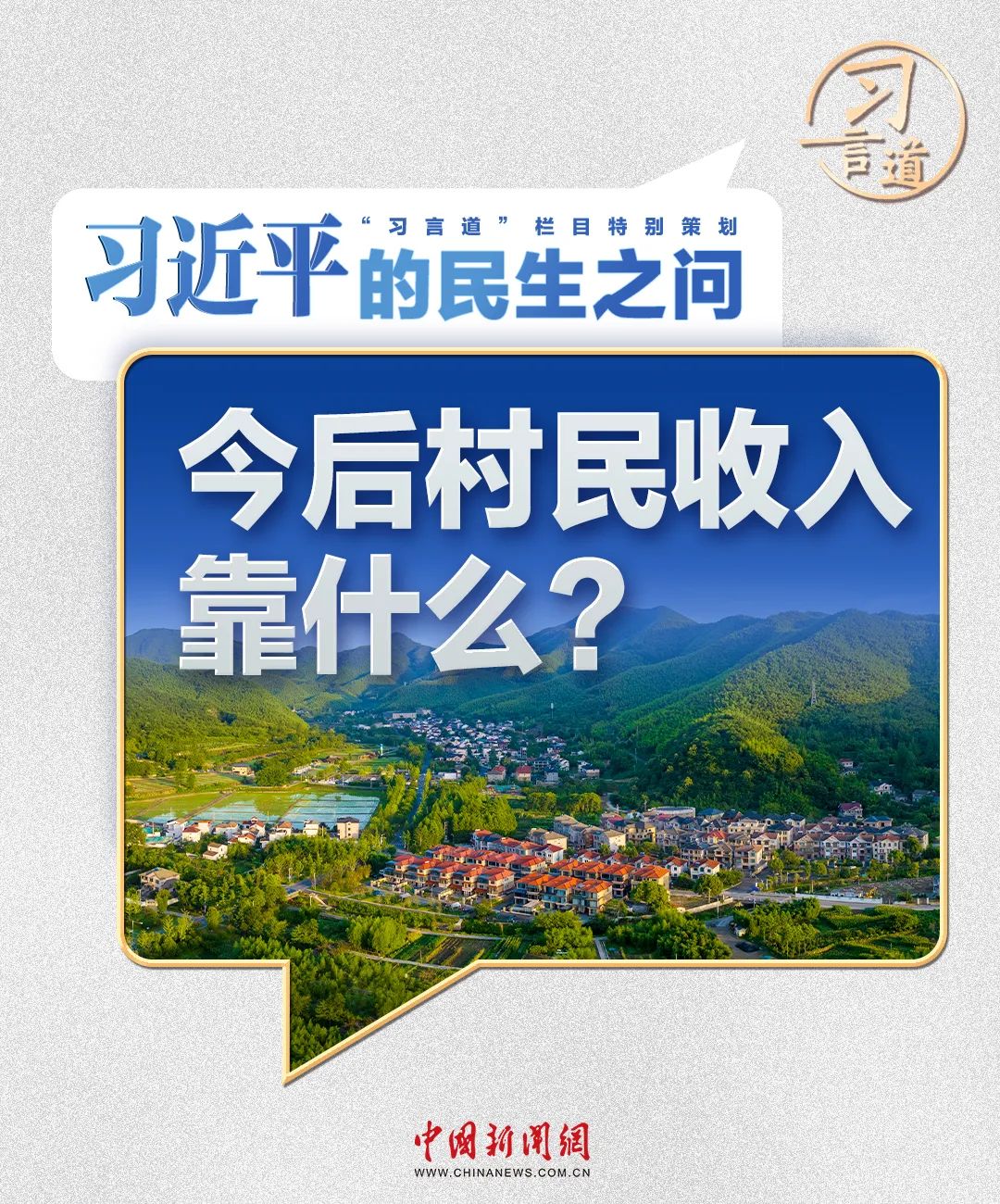
“今后村民收入靠什么?”
Zhong Guo Xin Wen Wang· 2025-08-15 02:38
"今后村民收入靠什么?" 听到时任余村党支部书记鲍新民关于村里关停矿山、水泥厂的汇报,习近平同志关切地询问道。 这一幕发生在20年前。2005年8月15日,时任浙江省委书记习近平来到正处在转型十字路口的余村调研。 余村是浙江湖州安吉县天荒坪镇下辖村,三面环山,自然环境优越。上世纪80年代,余村依靠丰富的石灰岩资源发展"石头经济",一度成为安吉首富村。 不过,钱赚到了,环境也破坏了,"村民不敢开窗,山上连笋都不长"。 2003年1月,在习近平同志推动下,浙江成为全国生态省建设试点省。在湖州的矿山整治中,余村的矿山和水泥厂陆续关停,2004年,余村村集体收入从 300万元直线下滑至20万元。 20年前,在余村简陋的村委会会议室里,习近平同志关于村民收入的提问,是余村村民最关切的事。 "我们也在想办法,村里有几户人家也办了农家乐,收入还不错,看来以后要靠生态旅游、农家乐,靠着青山吃青山了。"当时,鲍新民这样回答。 习近平同志在听取余村发展模式转变的汇报后,一段经典论述就此诞生:"下决心停掉一些矿山,这个都是高明之举。绿水青山就是金山银山。我们过去 讲既要绿水青山,又要金山银山,实际上绿水青山就是金山银山。" 在那个 ...