古蜀文明

Search documents
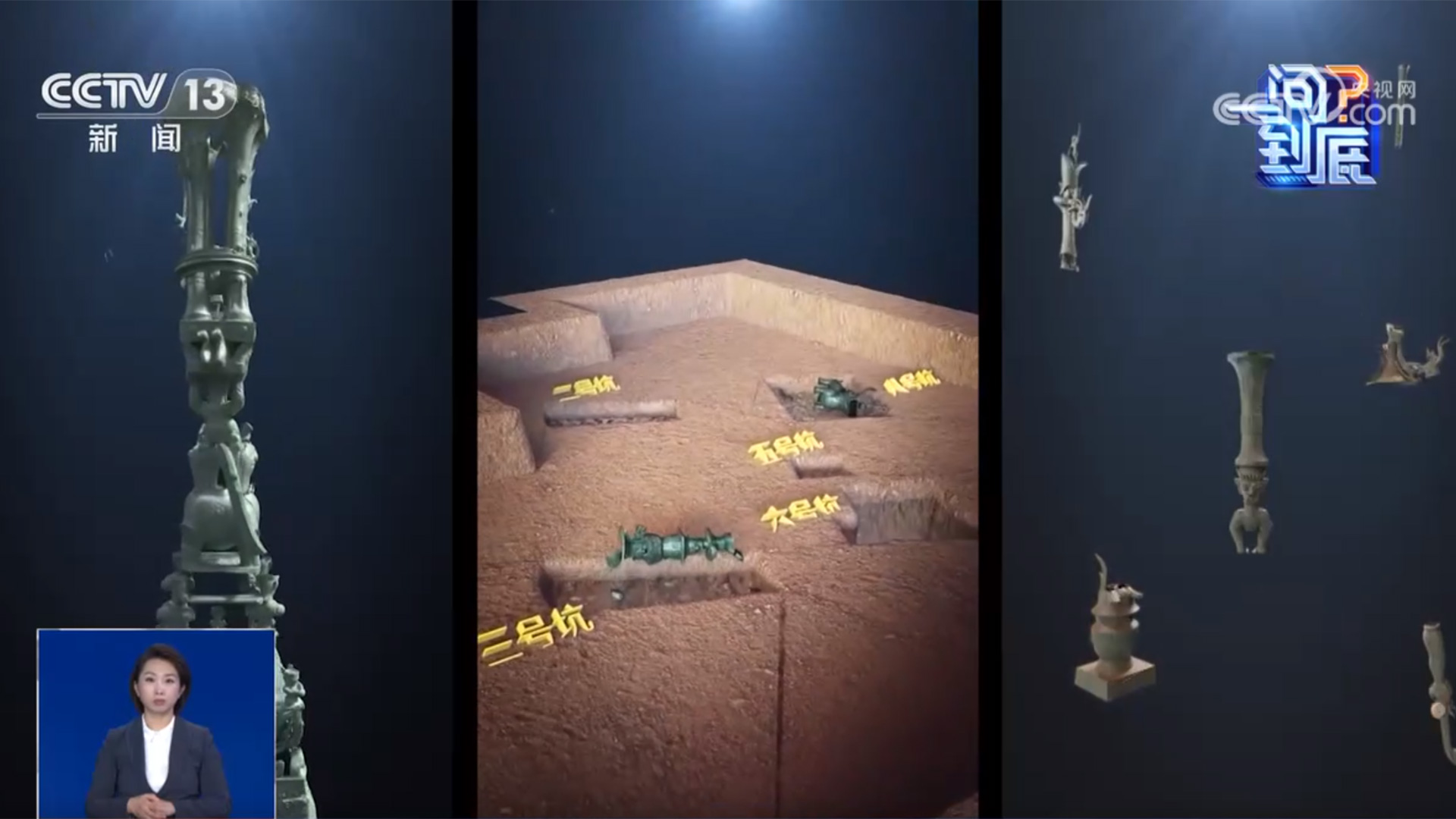
一问到底丨“芯骨-条形芯撑”技术首次揭秘 三星堆最新研究成果发布
Yang Shi Wang· 2025-09-27 23:18
Core Insights - The latest research from the Sichuan Provincial Institute of Cultural Relics and Archaeology confirms the burial date of the Sanxingdui sacrificial pits as the late Shang Dynasty, specifically between 1201 and 1012 BC, with a 95.4% probability [1][3] - The research highlights the significance of this dating in understanding the evolution of ancient Shu civilization and its integration into the broader Chinese cultural context [1] Group 1: Dating of Sacrificial Pits - The sacrificial pits' dating has been a focal point for both academia and the public, with new carbon dating techniques providing precise results [1] - The use of bamboo charcoal for dating has led to a more accurate determination of the pits' age, pinpointing it to around 1100 BC, approximately 3100 years ago [1] - The confirmation of the pits' age is considered a crucial discovery that fills a significant gap in the understanding of ancient Shu civilization [1] Group 2: Bronze Casting Technology - The research introduces the "core-bone-strip support" technique, which plays a vital role in the casting of large bronze artifacts [4] - This technique has been systematically confirmed for the first time in domestic archaeological sites from the same period, indicating a unique innovation in bronze casting [6] - The bronze artifacts from Sanxingdui represent a distinctive technological system that combines core casting with other methods, showcasing a unique bronze culture that is closely linked to the Central Plains civilization [6] Group 3: Gold and Painted Bronze Artifacts - Significant findings include the confirmation that Sanxingdui painted bronze artifacts are among the earliest known lacquered bronze wares in China, using cinnabar and lacquer [9] - Analysis of the gold artifacts indicates that over 2 kilograms of gold were used, employing advanced techniques for purification [9] - The discoveries also suggest that the ancient Shu people had developed intensive wetland rice agriculture and standardized pottery production by the late Shang Dynasty, reflecting a prosperous society [9]

中国彩绘青铜已三千年!最新研究实证多彩三星堆
Xin Hua Wang· 2025-09-27 20:37
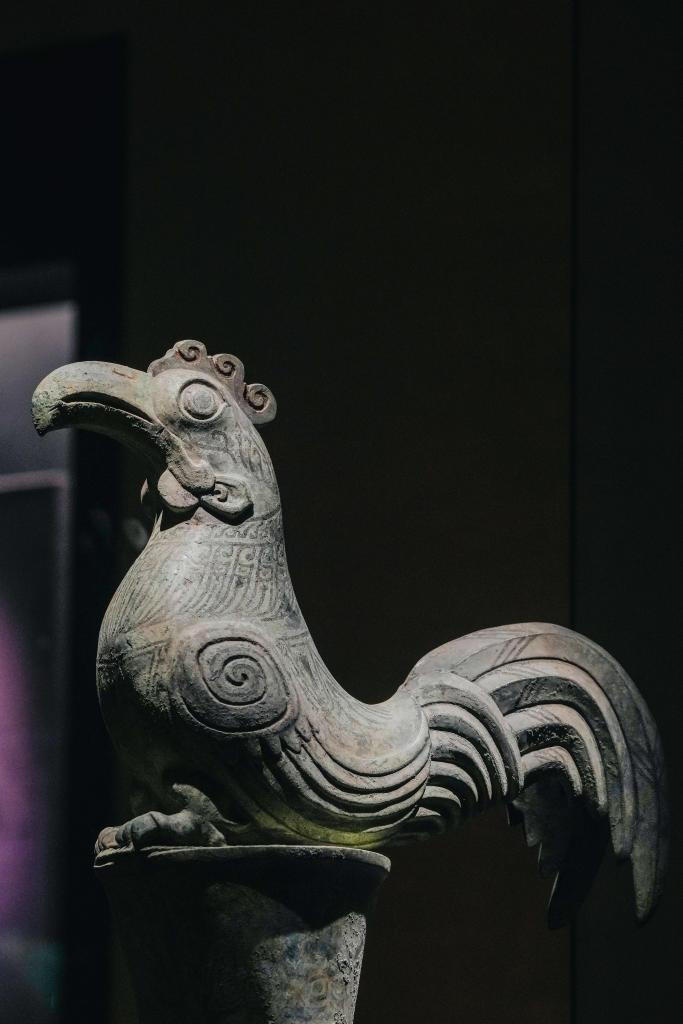
Core Insights - The latest research from the Sichuan Provincial Institute of Cultural Relics and Archaeology reveals that the Sanxingdui site contains a significant number of painted bronze artifacts, pushing back the timeline for the emergence of painted bronze in China by nearly a thousand years [1][2] Group 1: Research Findings - The Sanxingdui bronze artifacts, created around three thousand years ago, were made from a copper, tin, and lead alloy, showcasing high creativity and imagination in their design [2] - The research indicates that the colors found on these artifacts include black and red, with black often used for facial features and symbols, while red appears on floral designs and intricate patterns on vessels and clothing [2][4] - The discovery of these painted bronze artifacts challenges the previous belief that painted bronze was primarily seen during the Warring States and Qin-Han periods, highlighting the advanced craftsmanship and natural materials used in Sanxingdui [2][4] Group 2: Cultural Significance - The colorful designs of Sanxingdui artifacts reflect the high level of artistic skill of ancient craftsmen, filling a gap in the understanding of painting art during the bronze age in China [4] - The combination of black and red colors in ancient China symbolized nobility and was seen as an auspicious sign for national peace and stability, further emphasizing the cultural richness of the Sanxingdui site [4]
三星堆公布重大发现!专家:种种迹象表明,三星堆可能爆发过内战,神权贵族集团受到严重打击
Mei Ri Jing Ji Xin Wen· 2025-09-27 14:24
Core Insights - The latest multidisciplinary research results from the Sanxingdui site have been released by the Sichuan Provincial Institute of Cultural Relics and Archaeology, focusing on the dating of sacrificial pits, unique bronze casting techniques, and new findings in gold and copper artifacts [1][3]. Group 1: Dating of Sacrificial Pits - The dating of the sacrificial pits has been confirmed to the late Shang Dynasty, with a 95.4% probability that pits No. 3, 4, 6, and 8 date between 1201 BC and 1012 BC [5][9]. - The precise dating is significant for understanding the evolution of ancient Shu civilization and its integration into the broader Chinese cultural context [9][3]. - The research utilized carbon-14 dating, with a focus on bamboo charcoal for more accurate results, pinpointing the date to around 1100 BC, approximately 3100 years ago [7][5]. Group 2: Bronze Casting Techniques - The "core-bone and strip core support" technique has been identified as a significant innovation in large bronze casting, marking its first systematic confirmation in domestic archaeological contexts [13][11]. - This technique is compared to the traditional model method used in ancient Chinese bronze casting, showcasing unique local adaptations that contributed to a distinctive bronze culture [15][11]. - The research indicates that the bronze artifacts from Sanxingdui were created using a combination of casting methods, including split casting, which reflects a sophisticated technological system [13][15]. Group 3: Gold and Copper Artifacts - The research confirms that the painted bronze artifacts from Sanxingdui are among the earliest known lacquered copper wares in China, establishing a cultural link between the Sanxingdui and Jinsha sites [19][17]. - Analysis of the gold artifacts indicates that over 2 kilograms of gold were used, employing advanced refining techniques [19][17]. - The findings suggest that the ancient Shu people had developed intensive wetland rice agriculture and standardized pottery production by the late Shang Dynasty, indicating a prosperous society [19][17]. Group 4: Historical Context and Cultural Evolution - The Sanxingdui site represents a long-lasting and extensive archaeological site, encompassing multiple cultural phases, including Baodun, Sanxingdui, and Shierqiao cultures, with significant developmental relationships among them [22][23]. - The Baodun culture period saw the construction of city walls due to resource competition, leading to a landscape of competing settlements [22][23]. - The transition of Sanxingdui from a central state capital to a regular city involved conflicts over capital status, resulting in significant changes to the urban structure and religious practices [23][22].
三星堆公布重大发现!专家:种种迹象表明,三星堆可能爆发过内战,神权贵族集团受到严重打击,城市水系也因此改变
Mei Ri Jing Ji Xin Wen· 2025-09-27 14:21
Core Insights - The latest research from the Sichuan Provincial Institute of Cultural Relics and Archaeology reveals significant findings regarding the Sanxingdui site, including the dating of sacrificial pits and advancements in bronze and gold artifact production techniques [1][3][18]. Group 1: Dating of Sacrificial Pits - The dating of the sacrificial pits has been confirmed to the late Shang Dynasty, with a 95.4% probability that the burial dates range from 1201 BC to 1012 BC [5][10]. - The use of carbon-14 dating, particularly from selected bamboo charcoal, has provided a more precise dating, pinpointing it to around 1100 BC, approximately 3100 years ago [7][10]. - The discovery of cross-pit matching artifacts is crucial for understanding the chronological relationship and nature of the sacrificial pits, confirming they were buried during the same period [9]. Group 2: Bronze Casting Techniques - The "core-bone strip support" technique has been identified as a significant innovation in bronze casting, marking a unique aspect of Sanxingdui's craftsmanship [11][13]. - This technique allows for the creation of complex and large bronze artifacts, showcasing a distinct approach compared to the traditional mold casting methods used in other regions during the same period [15]. - The research indicates that the bronze artifacts from Sanxingdui represent a sophisticated casting technology that integrates multiple methods, including core casting and forging [13]. Group 3: Gold and Painted Bronze Artifacts - The research confirms that the painted bronze artifacts from Sanxingdui are among the earliest known lacquered copper wares in China, utilizing cinnabar and lacquer, establishing a cultural link between Sanxingdui and the Jinsha site [20]. - Analysis of the gold artifacts indicates that over 2 kilograms of gold were used, employing advanced techniques such as the "cupellation" method for purifying gold [20]. - The findings suggest that as early as the late Shang Dynasty, the ancient Shu people had developed intensive wetland rice agriculture and standardized pottery production, reflecting a prosperous society [20]. Group 4: Historical Context and Cultural Significance - The Sanxingdui site represents a long-lasting and extensive archaeological site, encompassing multiple cultural phases, including Baodun, Sanxingdui, and Shierqiao cultures, with significant developmental relationships among them [23]. - The site experienced internal conflicts that led to the decline of its status as a central city, with evidence of warfare impacting its religious and social structures [24]. - The research highlights the interconnectedness of ancient Shu civilization with the Central Plains, emphasizing its role as a vital component of the diverse and unified Chinese civilization [17].
从考古发掘走向全民共享 宝墩国家考古遗址公园开园
Si Chuan Ri Bao· 2025-09-27 00:58
宝墩古城距今约4500年,面积约276万平方米,是我国长江上游地区时代最早、面积最大的史前城 址,被誉为"古蜀文明之源,长江上游文明之光"。从距今4500年左右至秦并巴蜀,成都平原经历了从宝 墩文化到三星堆文化、金沙文化(十二桥文化)、古蜀大型船棺遗存的考古学文化发展脉络,清晰展现 了古蜀文明的演进轨迹,为中华文明起源研究提供了关键例证。这些重大遗址的发现,证明了成都是古 蜀地区的古代文明中心,古蜀文明是中华文明多元一体结构中的重要组成部分,是夏商时代长江流域青 铜文明和城市文明的卓越代表,在中华文明史上占有十分突出的地位。 9月26日,宝墩国家考古遗址公园正式开园。作为古蜀文明、中华文明重要标识的宝墩遗址,从考 古发掘走向全民共享。 今年6月,宝墩古城考古遗址公园入选国家文物局"新一批国家考古遗址公园",成为继三星堆、金 沙、邛窑后,四川第4家获此殊荣的遗址公园。 作为宝墩遗址的守护地,新津已累计投入超5亿元用于遗址公园规划建设,持续推进宝墩遗址保护 传承、研究利用、展示推广、活化转化,加快与三星堆、金沙共同构建"考古研究、文物保护、文旅融 合"协同发展新格局。(记者 吴晓铃) ...
古老文明焕发文旅新活力
Ren Min Ri Bao Hai Wai Ban· 2025-09-15 01:20
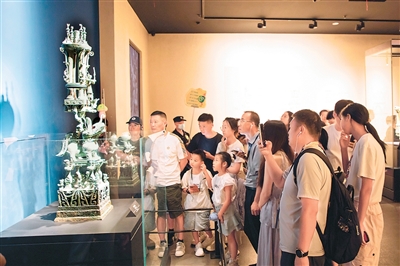
Core Insights - The Sanxingdui Museum's new building showcases unique artifacts from ancient Shu civilization, attracting a significant number of visitors and enhancing cultural appreciation [1][2][3] Group 1: Museum Features - The new museum features a large collection of bronze and jade artifacts, highlighting the exquisite craftsmanship of ancient Shu civilization [2] - A notable exhibit is the 1.5-meter tall bronze tree, which showcases intricate design and craftsmanship, drawing considerable attention from visitors [1] - The architectural design of the new museum incorporates elements of Sanxingdui culture, creating a seamless connection with the old museum [2] Group 2: Visitor Experience - Visitors engage with the exhibits through interactive experiences, such as "wearing" the gold mask for photos, enhancing their connection to the artifacts [1] - The museum includes a large circular chandelier inspired by the motifs found in Sanxingdui artifacts, adding a mysterious ambiance to the space [2] - A rotating ramp in the new museum has been retained from the old museum, providing a sense of familiarity for returning visitors [2] Group 3: Cultural and Economic Impact - The museum is projected to receive nearly 6 million visitors in 2024, indicating its growing popularity [3] - The annual sales of Sanxingdui cultural products are estimated to reach approximately 200 million yuan, reflecting the commercial success of the museum's offerings [3] - The integration of ancient cultural elements into modern products enhances cultural dissemination and practical value [3]
两大两小到四川玩四天三晚人均多少钱?成都亲子游四天时间怎么安排?
Sou Hu Cai Jing· 2025-09-14 02:22
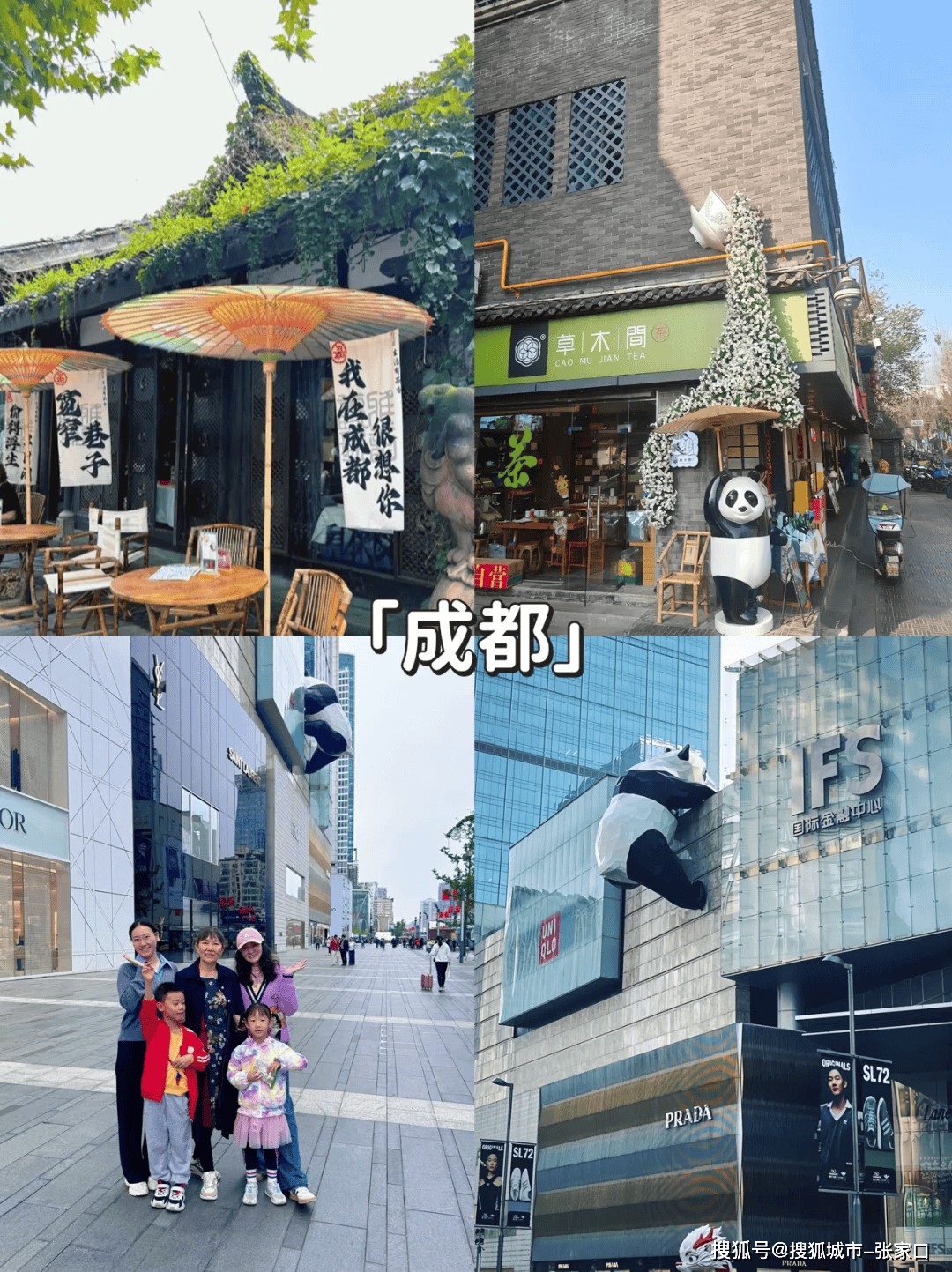
Group 1: Core Attractions of Sichuan - Sichuan is highlighted as a top travel destination in China, known for its stunning natural landscapes such as Jiuzhaigou, Emei Mountain, and the Leshan Giant Buddha [1][2] - Jiuzhaigou is described as a paradise with clear lakes and vibrant colors, while Emei Mountain offers breathtaking views from its summit [1] - The Leshan Giant Buddha is noted as the world's largest stone-carved sitting Buddha, showcasing the region's rich cultural heritage [1] Group 2: Cultural and Historical Significance - Sichuan boasts a deep cultural history, with sites like the Sanxingdui archaeological site revealing ancient artifacts that reflect the mysterious Shu civilization [2] - The Wuhou Shrine is mentioned as a historical site that commemorates the Three Kingdoms period, allowing visitors to connect with the past [2] Group 3: Travel Experience and Cost - A four-day itinerary in Sichuan is presented, emphasizing the affordability of the trip, with average costs ranging from 1000 to 1500 yuan per person [3] - The itinerary includes visits to various attractions, showcasing the diverse experiences available in the region [6][7][8][9] Group 4: Local Cuisine - Sichuan cuisine is renowned for its bold flavors, with recommendations for dishes such as hot pot, skewers, and traditional noodles [16][17] - The unique taste profiles of these dishes, including spicy and numbing flavors, are highlighted as a significant aspect of the culinary experience in Sichuan [16][17]
一家三口到四川成都纯玩四天花费多少钱?怎么玩攻略+注意事项
Sou Hu Cai Jing· 2025-08-23 02:37
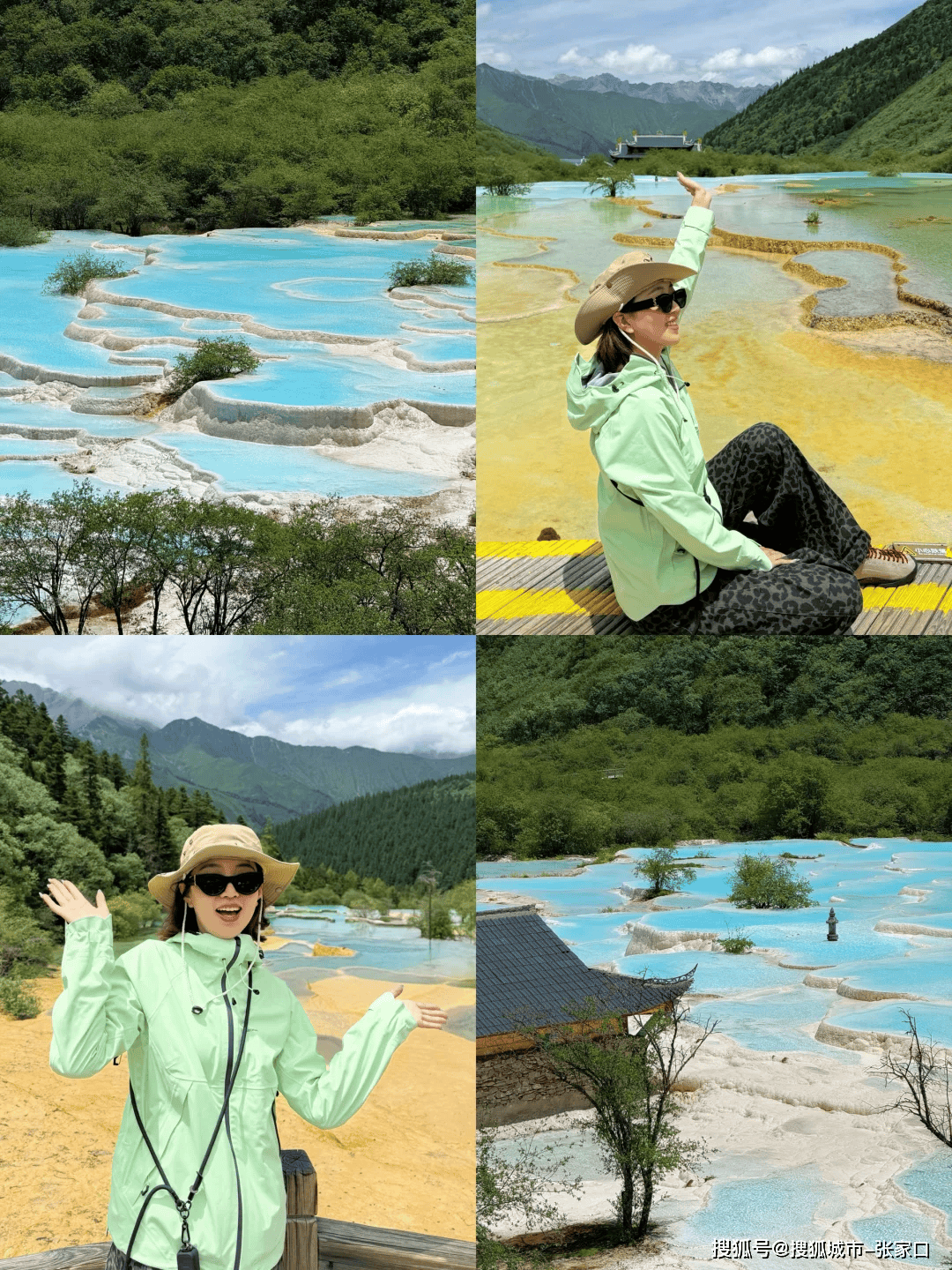
Core Viewpoint - Sichuan is highlighted as a premier travel destination in Southwest China, known for its stunning natural landscapes, rich cultural heritage, and renowned culinary offerings [1][3]. Group 1: Natural Attractions - Sichuan features breathtaking natural sites such as Jiuzhaigou, known for its colorful lakes, and Gongga Mountain, which is revered for its majestic snow-capped peaks [1]. - The vast grasslands of Ruoergai provide picturesque pastoral scenes, enhancing the region's appeal as a travel destination [1]. Group 2: Cultural Heritage - The Sanxingdui archaeological site showcases unique bronze artifacts, reflecting the ancient Shu civilization's grandeur [1]. - The Wuhou Shrine honors Zhuge Liang, a historical figure celebrated for his wisdom and loyalty, offering visitors a glimpse into the Three Kingdoms era [1]. Group 3: Culinary Scene - Sichuan cuisine is famous for its spicy and flavorful dishes, including hot pot, skewers, and various traditional dishes that captivate the taste buds [1][13]. - Signature dishes such as Mapo Tofu, Kung Pao Chicken, and Fish-Flavored Shredded Pork are highlighted for their distinctive flavors and appeal [13]. Group 4: Travel Experience - A recent four-day trip to Sichuan was organized efficiently by a local guide, showcasing the importance of knowledgeable guides in enhancing travel experiences [3][5]. - The trip included visits to various attractions, with a focus on both popular and lesser-known sites, emphasizing the value of personalized travel itineraries [3][5][6]. Group 5: Travel Tips - Travelers are advised to prepare in advance by researching attraction hours and ticket prices to ensure a smooth experience [11]. - It is important to respect local customs and dietary considerations, especially regarding the spicy nature of Sichuan cuisine [12][13].
天府成都:古蜀印记,锦官烟云
Jing Ji Guan Cha Bao· 2025-08-18 01:49
Core Points - The article highlights the historical significance and cultural richness of Chengdu, often referred to as the "Land of Abundance" and a city with a continuous history spanning over a thousand years [1][2][3] Group 1: Ancient Civilization - The Jinsha Site Museum in Chengdu showcases artifacts from the ancient Shu civilization, including the famous Sun Bird gold ornament, which symbolizes the worship of the sun and reflects the astronomical knowledge of the ancient Shu people [2][3] - The Jinsha site, dating back approximately 3200 to 2600 years, has yielded thousands of precious artifacts, including gold, jade, and bronze items, revealing the splendor and mystery of the ancient Shu civilization [3] Group 2: Water Management and Agriculture - The article discusses the historical figure Li Bing, who implemented the Dujiangyan irrigation system to manage the Min River's flooding, transforming the region into a fertile agricultural area [10][12] - Li Bing's innovative approach included constructing a water-dividing dam and a narrow channel to control water flow, ensuring stable irrigation for the Chengdu Plain [10][12] Group 3: Cultural Development - The establishment of the "Shishi" school by the governor Wen Weng aimed to improve local education and promote Confucian values, significantly enhancing the cultural literacy of the region [18][19] - The school became a model for local governance and education, fostering a generation of scholars and officials who contributed to the cultural and administrative development of the area [18][19]
成都世运会 | 世运“朋友圈”:邂逅万千 回味无限
Xin Hua Wang· 2025-08-18 00:42
Core Insights - The Chengdu World Games served as a vibrant showcase of China's modernization, leaving a lasting impression on international participants and visitors [1] Group 1: Cultural Exchange and Experience - The event highlighted the cultural significance of the giant panda, with many athletes and visitors purchasing panda-themed souvenirs, indicating a strong interest in local culture [4][12] - Various cultural experiences were offered during the games, including traditional Sichuan opera, tea house activities, and Chinese calligraphy, enhancing the cultural immersion for attendees [8] - The integration of modern technology, such as AR translation devices, facilitated communication among international athletes, fostering friendships and cultural exchange [15] Group 2: Economic Impact and Tourism - The influx of foreign tourists during the games was significant, with 150,000 international visitors recorded from July 1 to August 16, marking a 49.9% increase year-on-year [12] - Chengdu's vibrant consumer culture was evident, with numerous international payment options available, and a wide array of shopping experiences that attracted foreign visitors [12] - The event's success in promoting local cuisine, particularly the famous Sichuan hotpot, contributed to the city's reputation as a culinary destination [10][11] Group 3: Sports and Community Engagement - The games provided a platform for athletes to engage with local culture, as seen with participants expressing interest in learning about traditional Chinese martial arts [7] - The emotional stories of athletes, such as those overcoming disabilities, resonated with audiences, showcasing the human spirit and the broader impact of the games [13][15] - The event's ability to connect athletes through social media highlighted the modern intersection of sports and digital engagement, enhancing the global reach of the games [18]