
实数融合

Search documents
国家数据局:将继续支持地方深化实数融合 释放数据要素乘数效应
Xin Jing Bao· 2025-09-28 10:47
Core Insights - The National Data Bureau is committed to supporting local governments in deepening the integration of data elements, aiming to unleash the multiplier effect of data elements [1][2][3] Group 1: Policy Support and Implementation - Effective support policies have been established, ensuring better implementation of the "Data Elements ×" action plan, with over 10 provinces and cities, including Shandong, having developed comprehensive or specific work plans [1] - Local governments are creating "Four Libraries" (Project Library, Scenario Library, Case Library, Expert Library) to implement tailored strategies for enterprises, enhancing investment and problem-solving [1] Group 2: Grassroots Exploration and Value Release - Localities are exploring diverse paths for releasing the value of data elements through pilot projects, competitions, and case promotions, with a focus on optimizing supply chain collaboration and innovating with external data [2] - Public data is being utilized to improve government governance and public service levels, leading to new applications in urban governance and emergency response [2] Group 3: Deep Integration of Data Elements - Regions are accelerating the deep integration of data elements, leveraging their resource advantages to enhance traditional industries and foster the growth of emerging sectors [3] - The "Data Elements ×" competition has seen over 22,000 teams registered, with more than 900 projects selected for the national finals, scheduled for mid to late October in Beijing and Shanghai [3]
“数据要素×”行动呈现三个“更”特点
Xin Hua Wang· 2025-09-28 08:30
Core Insights - The "Data Element ×" three-year action plan has been effectively implemented across various regions, showcasing three key characteristics: enhanced action implementation assurance, clearer value release scenarios, and a more robust multiplier effect [1][2]. Group 1: Action Implementation - Supportive policies have been effective, with over 10 provinces and cities, including Shandong, having developed comprehensive or specific work plans for the "Data Element ×" action, along with financial support policies [1]. - Many regions have created project libraries, scenario libraries, case libraries, and expert libraries to implement tailored strategies for registered enterprises, increasing investment and addressing challenges [1]. Group 2: Value Release - Local explorations have effectively diversified the paths for releasing data element value, with enterprises utilizing internal data to reduce costs and improve efficiency, while supply chain data enhances collaboration among chain enterprises [1]. - Public data is being leveraged to improve government governance efficiency and public service levels, with initiatives to authorize and operate open data, promoting integration with various fields [1]. Group 3: Multiplier Effect - Regions are accelerating the deep integration of real and digital data, allowing traditional industries to innovate and new industries to flourish, exemplified by Hebei's focus on steel industry model construction [2]. - The next steps include guiding localities to deepen the action's implementation, issuing scenario guidelines to activate data element value, and supporting further integration to enhance productivity driven by data elements [2]. Group 4: Competition Overview - The "Data Element ×" competition has seen significant participation, with over 22,000 teams registered and more than 900 projects selected for the national finals, scheduled to take place in mid to late October in Beijing and Shanghai [2].
广东省数据局:聚焦实数融合,开展数据要素价值全周期探索
Zhong Guo Jing Ji Wang· 2025-09-28 07:19
Core Insights - Guangdong is leveraging its advantages in the Greater Bay Area, focusing on the deep integration of data elements to explore the full lifecycle value of data [2][3] Group 1: Data Supply and Infrastructure - Guangdong has established a comprehensive public data directory and a "one network sharing" platform that serves 2342 departments with 260,000 data requests [2] - The "Open Guangdong" platform has made over 27 billion public data records available to society, supporting efficient government services [2] Group 2: Policy and Regulation - Guangdong has introduced several key policy documents, including the Provincial Digital Economy Promotion Regulations and the Public Data Management Measures, and is accelerating the legislation of the Guangdong Data Regulations [2][3] - The province holds 6 out of 63 pilot projects for innovative development of trusted data spaces initiated by the National Data Bureau [2] Group 3: Ecosystem Development - The Guangzhou Data Exchange and other platforms are facilitating data circulation, transforming data from a "sleeping gold mine" into "circulating assets" in traditional industries like ceramics, energy, and marine fisheries [3] - Guangdong is focusing on cultivating benchmark data enterprises and enhancing the supply of high-quality digital talent, with 1416 individuals obtaining big data professional certification [3]

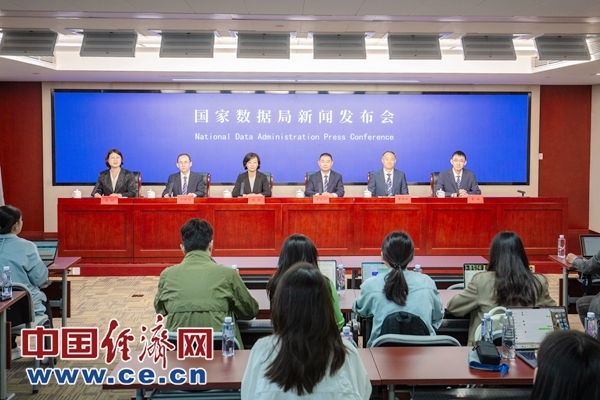
武汉:规上工业总值突破1.67万亿 培育6个千亿产业
Di Yi Cai Jing· 2025-09-10 13:35
Economic Performance - Wuhan's GDP has shown significant growth, reaching a turning point of over 2 trillion yuan, with an annual increase of 550 billion yuan since the start of the 14th Five-Year Plan [1] - In the first half of 2025, the city's GDP is projected to grow by 5.5%, ranking 5th among 15 sub-provincial cities in both scale and growth rate [1] Industrial Development - Wuhan's industrial output value exceeded 1.67 trillion yuan during the first four years of the 14th Five-Year Plan, with an average annual growth rate of 7.1% [2] - The city's industrial investment surpassed 200 billion yuan, accounting for nearly 25% of total investment [1][2] - High-tech manufacturing value added has achieved an average annual growth rate of 16%, contributing over 90% to the growth of the industrial sector [2] Technological Innovation - Wuhan has established 2 national and 7 provincial manufacturing innovation centers, along with 21 provincial pilot platforms [2] - The city is focusing on advanced fields such as high-end chips, industrial mother machines, and humanoid robots, resulting in several world-leading innovations [2] Digital Transformation - The number of 5G base stations in Wuhan reached 56,500, a 4.5-fold increase compared to the end of the 13th Five-Year Plan [3] - The city has built 300 digital production lines and 122 intelligent workshops, leading the nation in digital transformation [3] Private Economy - The number of private enterprises in Wuhan has surpassed 1.17 million, doubling since the end of the 13th Five-Year Plan, with the private economy's contribution to GDP reaching 48.4% [3]
武汉:规上工业总值突破1.67万亿,培育6个千亿产业
Di Yi Cai Jing· 2025-09-10 13:04
Economic Performance - Wuhan's GDP has shown a transformative change during the "14th Five-Year Plan," achieving a recovery and surpassing 2 trillion yuan, with annual GDP growth reaching 5.5% in the first half of 2025 [1] - The city's GDP growth rate consistently exceeds the national average, maintaining a position among the top 10 cities in China and ranking first among central cities [1] Industrial Development - Wuhan's industrial output value exceeded 1.67 trillion yuan during the first four years of the "14th Five-Year Plan," with an average annual growth rate of 7.1% [5] - The total industrial added value reached 507 billion yuan, ranking fourth among sub-provincial cities, with manufacturing and software contributing over 40% to the city's tax revenue [5] - Industrial investment surpassed 200 billion yuan, accounting for nearly 25% of the city's total investment [1] Technological Innovation - Wuhan has established 2 national and 7 provincial manufacturing innovation centers, along with 21 provincial pilot platforms and 11 industry innovation laboratories [5] - The city has made significant advancements in high-end chips, industrial machinery, and other cutting-edge fields, achieving world-leading innovation results [5] Digital Transformation - The number of 5G base stations in Wuhan reached 56,500, a 4.5-fold increase from the end of the "13th Five-Year Plan," with total computing power exceeding 5,300 P [6] - Wuhan leads in digital transformation, having built 300 digital production lines and 30 benchmark smart factories [6] Private Sector Growth - The number of private enterprises in Wuhan has surpassed 1.17 million, doubling since the end of the "13th Five-Year Plan," with the private sector's contribution to GDP reaching 48.4% [6] - During the "14th Five-Year Plan," Wuhan cultivated 3,701 industrial enterprises and 348 national-level specialized "little giant" enterprises [6]
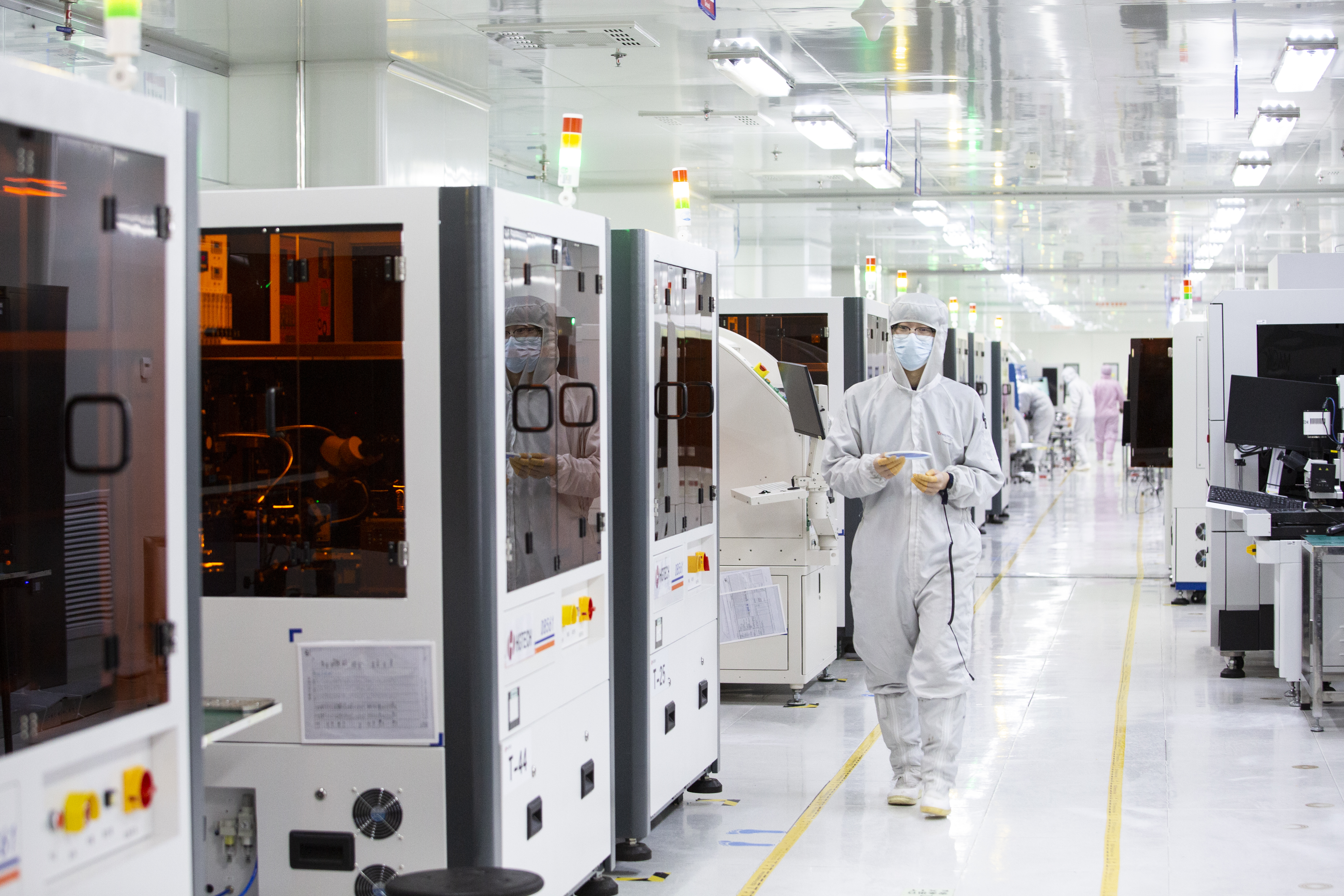
湖北聚焦产业倍增战略“三线并进” 五大支柱产业2025年有望全部迈入万亿级
Chang Jiang Shang Bao· 2025-09-02 23:55
Core Insights - Hubei Province is committed to enhancing its industrial economy during the "14th Five-Year Plan" period, aiming for significant growth in industrial output and modernization of its industrial structure [1][2][7] Industrial Growth and Structure - By 2024, Hubei's industrial enterprises are projected to generate revenues of 4.7 trillion yuan, ranking second in Central China, with a manufacturing value added of 1.76 trillion yuan [1] - The province has over 20,000 industrial enterprises, with 19 industries expected to reach a scale of 100 billion yuan [2] - Hubei's strategic focus includes upgrading traditional industries, nurturing emerging sectors, and planning for future industries [2][9] Technological Innovation - Hubei has been recognized as one of five provinces in the "National Action to Stimulate Industrial Innovation" initiative, with significant advancements in manufacturing innovation centers and R&D capabilities [3][8] - The province's R&D investment is expected to grow by 12.2% in 2024, with a strong emphasis on patent generation and technology breakthroughs [8] Digital Transformation - The number of 5G base stations in Hubei has increased from 31,000 at the end of the "13th Five-Year Plan" to 176,000, marking a 4.6-fold increase [4] - Over 58,000 industrial enterprises have adopted cloud computing, representing nearly 60% of the total, with significant growth in the digital economy [4] Green Manufacturing - Hubei has achieved an 11.8% reduction in energy consumption per unit of industrial value added, with a strong focus on green manufacturing practices [5] - The province has created 268 national-level green factories, contributing to 24.72% of the total industrial output [5] Emerging Industries - Strategic emerging industries are expected to play a crucial role in Hubei's economic future, with high-tech manufacturing value added growing at an annual rate of 19.7% [7] - By 2024, the value added from the digital economy is projected to exceed 50% of the total, maintaining Hubei's leading position in Central China [7] Investment and Support - Hubei plans to continue its support for strategic emerging industries during the "15th Five-Year Plan," focusing on enhancing innovation capabilities and promoting the integration of technology and industry [9]
聊城|“新20条”赋能制造业高质量发展
Da Zhong Ri Bao· 2025-09-02 01:19
Core Viewpoint - The city of Liaocheng is implementing a new set of policies to support the high-quality development of its manufacturing sector, focusing on innovation, enterprise growth, efficiency improvement, digital transformation, public service platforms, and green manufacturing [1][2][3] Group 1: New Policies - The newly introduced "New 20 Policies" integrate and optimize previous measures, focusing on emerging pillar enterprises and champion products, while adding 16 new support policies aimed at future industry development [1][2] - The policies include support for the new energy and new materials manufacturing sectors, aiming to guide industrial development and cultivate new productive forces [2] - The policies also provide support for regional brands and "Liaocheng Quality" products, as well as incentives for industry chain promotion institutions [2] Group 2: Industrial Development - Liaocheng has been advancing its manufacturing strategy, resulting in a significant increase in the manufacturing value added, which is projected to rise from 30.2% of GDP in 2022 to 32.5% in 2024 [3] - The city has seen substantial growth in key industries, with non-ferrous metals and deep processing, as well as agricultural product processing, reaching over 100 billion yuan in scale [3] - Industrial technological transformation investments have maintained a high growth rate of 17.5% annually over the past three years, indicating a strong commitment to modernization [3] Group 3: Enterprise Vitality - The number of high-quality enterprises in Liaocheng has surged to 1,166, nearly ten times the number at the end of 2021, showcasing a vibrant enterprise ecosystem [3] - Liaocheng has been recognized as one of the "Top 100 Advanced Manufacturing Cities in the Country" for three consecutive years, reflecting its successful industrial policies and growth [3]
湖北数字经济综合实力 跻身全国第一梯队
Zheng Quan Shi Bao· 2025-08-26 22:24
Group 1 - The core value added of Hubei's digital economy reached 574.29 billion yuan in 2024, which is 2.4 times that of 2020, and is expected to exceed 10% of GDP this year [1] - Hubei has over 6,000 "Four Up" enterprises in the digital economy sector, including 92 national-level specialized and innovative "little giant" companies and 48 listed companies on A-shares [1] - Wuhan's digital economy core industry value added is projected to reach 308.7 billion yuan in 2024, with an annual growth rate of over 10% [1] Group 2 - The optical electronic information industry in Hubei surpassed 1 trillion yuan last year, with software business revenue accounting for nearly half of the total in Central China [2] - Hubei has established significant projects for computing power infrastructure, including the Wuhan Supercomputing Center and various data centers, with a total computing power scale exceeding 15,000 P [2] - A 400G computing power corridor has been built, creating a low-latency network centered around Wuhan, with latency times of 1 millisecond within the city and 5 milliseconds within the province [2] Group 3 - Hubei is focusing on developing a trusted data space system to enhance data infrastructure and promote efficient data circulation, with 15 provincial pilot projects recently announced [3] - The province aims to accelerate the construction of a dual hub for computing power and data elements, striving to elevate the level of digital development in Hubei [3]
湖北数字经济综合实力跻身全国第一梯队
Zheng Quan Shi Bao Wang· 2025-08-26 12:10
Group 1 - The core viewpoint of the articles highlights the significant growth and development of Hubei Province's digital economy, with the core industry value reaching 574.29 billion yuan in 2024, which is 2.4 times that of 2020, and expected to exceed 10% of GDP [1] - Hubei Province has over 6,000 "Four Up" enterprises in the digital economy sector, including 92 national-level specialized and innovative "little giant" companies and 48 A-share listed companies [1] - Wuhan's digital economy core industry value is projected to reach 308.7 billion yuan in 2024, with an annual growth rate exceeding 10% and a year-on-year increase of 14.7% in invoicing for the first half of the year [1] Group 2 - The optical electronic information industry in Hubei has surpassed 1 trillion yuan, with software business revenue accounting for nearly half of the total in the central six provinces [2] - Significant infrastructure projects have been established, including supercomputing centers and data centers, with total computing power exceeding 15,000 P, of which intelligent computing accounts for over 70% [2] - Hubei Province is focusing on building a trusted data space and has initiated pilot projects to enhance data infrastructure and promote efficient data circulation [3]
海珠:首创线上“增值包”助推“政策找企业”
Guang Zhou Ri Bao· 2025-08-14 01:50
Core Insights - Guangzhou's Haizhu District has introduced an innovative "Industry Government Value-Added Package" to enhance industrial services, transforming fragmented policies into comprehensive support for over 7,000 AI-related enterprises [1][4]. Group 1: Policy Innovation - The "Industry Government Value-Added Package" includes funding support, industry qualifications, tax services, talent services, and policies for accelerated enterprise development [4][5]. - Haizhu District has structured and integrated 73 cross-industry policies tailored to ten sectors, achieving an average of 45 policy items matched per industry [4][5]. Group 2: Active Support and Guidance - The district's officials provide hands-on guidance for algorithm registration, helping companies navigate complex procedures and ensuring timely completion of necessary documentation [2][3]. - The service philosophy of "no disturbance unless needed, response to every call" reflects a proactive approach to meet enterprise needs and industry challenges [3]. Group 3: Economic Impact - The proactive measures have led to significant growth for companies, with one firm reporting a year-on-year revenue increase of over 85%, surpassing 120 million yuan [5]. - Haizhu District has successfully assisted nine companies in becoming data brokers in Guangdong Province, enhancing their market capabilities [5].