房产投资

Search documents
房产是一个好的投资吗?
虎嗅APP· 2025-10-20 09:57
Core Viewpoint - The article discusses the evolving perception of real estate as a core asset for wealth accumulation and social status, questioning its reliability as a protective investment in the current economic climate [5][6][10]. Group 1: Historical Context and Economic Shifts - The shift towards an "asset economy" began approximately forty years ago, where success is increasingly measured by asset ownership rather than income [7][10]. - Historical data shows that real estate has been one of the few assets that the middle class can leverage for long-term returns, serving as a tool for wealth preservation and intergenerational asset transfer [10][12]. Group 2: Psychological and Social Implications - The over-reliance on asset value has led to anxiety among the middle class, as they feel compelled to engage in speculative behavior to maintain their social status [11][14]. - The pursuit of real estate is driven by a fear of being left behind in a competitive social landscape, leading to aggressive purchasing decisions [14][40]. Group 3: Land Value and Economic Growth - Land is identified as the core driver of real estate value, with historical examples showing that government policies often create artificial scarcity, driving up land prices [16][18][20]. - The article emphasizes that the majority of real estate price increases are attributable to land value appreciation rather than construction costs [23]. Group 4: Long-term Returns and Rental Income - Research indicates that rental income constitutes about 80% of the total return on real estate investments, while price appreciation contributes only a small fraction over the long term [25][29]. - The allure of short-term price increases often overshadows the more stable, long-term rental income, leading to risky financial behaviors among homeowners [29][30]. Group 5: Credit Cycles and Market Dynamics - The transformation of the banking system has led to a preference for real estate as collateral, resulting in a credit cycle that disproportionately benefits the housing market [32][33]. - The article warns that the over-reliance on real estate can lead to economic stagnation, as the focus on housing loans reduces credit availability for productive investments [36][37]. Group 6: Risks and Vulnerabilities - The cyclical nature of real estate markets means that downturns can have severe consequences for middle-class families, as they face simultaneous pressures from declining asset values and stagnant wages [38][46]. - The concept of real estate as a "reverse insurance" is introduced, highlighting how reliance on property can exacerbate financial vulnerabilities during economic downturns [47][53].


投资房产!他们全款买房为收租
3 6 Ke· 2025-10-20 02:30
Core Insights - The article discusses the investment strategy of an individual named Zhang Qiang, who is considering purchasing a small apartment in Beijing for rental income rather than capital appreciation [1][7] - The current real estate market is characterized by opportunities for stable rental yields, particularly in core urban areas, despite ongoing market volatility [3][6] Investment Strategy - Zhang Qiang is focusing on properties with lower total prices and higher rental yields, specifically targeting small units within the city’s five-ring area [3][5] - He aims for a rental yield of around 4%, which is more attractive compared to larger units that typically offer lower yields due to higher total prices [5][7] Market Dynamics - The demand for small units is increasing, with over 60% of transactions in the market being for properties under 70 square meters, while larger units are less sought after [5][6] - The article highlights that many buyers, including institutional investors, are actively seeking undervalued properties, indicating a competitive market for desirable listings [5][6] Rental Income Focus - Zhang Qiang's investment approach has shifted from relying on property value appreciation to prioritizing monthly rental income as a financial safety net [7][8] - The article emphasizes that the current investment landscape favors properties with high rental yields, especially in light of inflation concerns and low returns from traditional savings [7][8] Professional Investment Considerations - Institutional investors are beginning to show interest in residential properties due to declining commercial real estate returns, although they are still in the early stages of market assessment [6][8] - The article notes that professional investors utilize more complex calculations for return on investment, factoring in various costs such as maintenance and vacancy losses, which can affect overall yield assessments [8]
投资房产!他们全款买房为收租
经济观察报· 2025-10-19 07:30
Core Viewpoint - The article discusses the investment strategy of an individual named Zhang Qiang, who is considering purchasing a property in Beijing for rental income rather than capital appreciation, reflecting a shift in investment focus in the real estate market [5][17]. Group 1: Investment Motivation - Zhang Qiang was inspired to invest in real estate after a friend's successful purchase of a small apartment for 1.2 million yuan, generating a monthly rental income of approximately 4,000 yuan [5][8]. - The current market conditions have prompted Zhang Qiang to seek stable rental income as a passive income source, especially given the volatility in other investment avenues like stocks and funds [7][10]. Group 2: Property Selection Criteria - Zhang Qiang is focusing on properties within the Fifth Ring Road of Beijing, prioritizing locations with good transportation links, specifically within two kilometers of a subway station [10][11]. - He aims to find properties with lower total prices and higher rental yields, indicating a preference for small units over larger ones due to better rental return rates [13][17]. Group 3: Market Dynamics - The article highlights a trend where small unit properties are increasingly sought after, with over 60% of transactions in the market being for units under 70 square meters [13]. - There is a noted scarcity of high-quality, low-priced properties, as many sellers are reluctant to lower prices unless they are in urgent need of cash [14][15]. Group 4: Investment Returns - Zhang Qiang's target property, if purchased for 1.2 million yuan, could yield an annual rental return of approximately 4%, which is a significant consideration for his investment strategy [11][19]. - The article contrasts the simplistic return calculations of individual investors with the more complex models used by institutional investors, which account for various costs and potential losses [18][19].
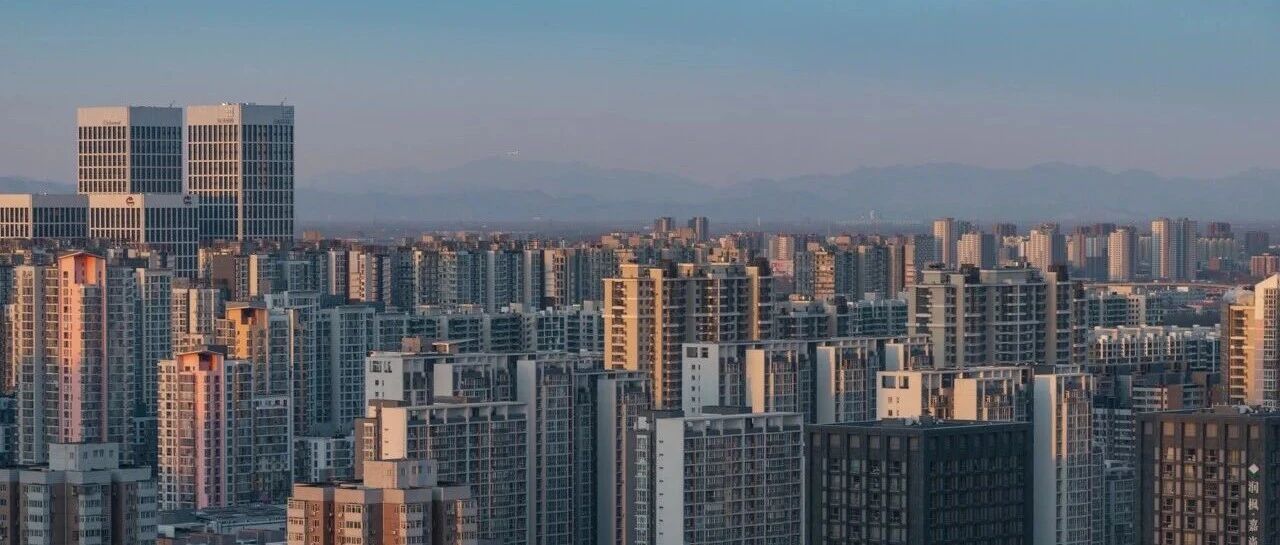
再这么继续下去?真的没人敢买房了!
Sou Hu Cai Jing· 2025-10-16 21:03
Core Viewpoint - The Chinese real estate market is undergoing a significant transformation, with declining property prices and changing buyer sentiment, leading to a reevaluation of housing as an investment versus a necessity [6][7][12]. Market Trends - In 2025, 52 out of 70 major cities in China reported a month-on-month decline in new residential property prices, while 58 cities saw a drop in second-hand housing prices [6]. - From early 2023 to mid-2025, average residential prices in first, second, and third-tier cities fell by 7.3%, 12.5%, and 18.6% respectively, with some third and fourth-tier cities experiencing declines exceeding 30% [6]. Supply and Demand Dynamics - The urbanization rate in China has reached 66.8%, nearing developed country levels, leading to a decrease in housing demand as the population growth slows [7]. - A survey by the People's Bank of China indicated that the home-buying willingness index dropped to 21.4%, the lowest since 2008, reflecting a cautious approach among potential buyers [7]. Housing Supply Structure - The quality of new residential properties has improved significantly, causing older properties to lose appeal. In first-tier cities, the average price of properties over 15 years old has dropped by 21.3% [8]. Investment Perspective - The average rental yield in major cities is only 1.8%, which is lower than bank deposit rates, raising questions about the viability of real estate as a reliable investment [9]. - Homeowners facing mortgage pressure are advised to manage financial risks carefully, with suggestions to downsize or extend loan terms to alleviate monthly payments [10]. Changing Attitudes Towards Homeownership - A survey revealed that 47.3% of younger generations are unwilling to sacrifice their quality of life for homeownership, with 35.6% considering renting a viable option [10]. - The perception of housing is shifting from a mere investment vehicle to a fundamental necessity for living, promoting a healthier real estate market [12]. Recommendations for Homebuyers - Decisions should be based on individual needs and financial capabilities rather than market speculation [11]. - Emphasis should be placed on property quality over size, and maintaining financial health is crucial to avoid excessive leverage [11]. - Diversifying asset allocation beyond real estate is recommended to mitigate risks [11].
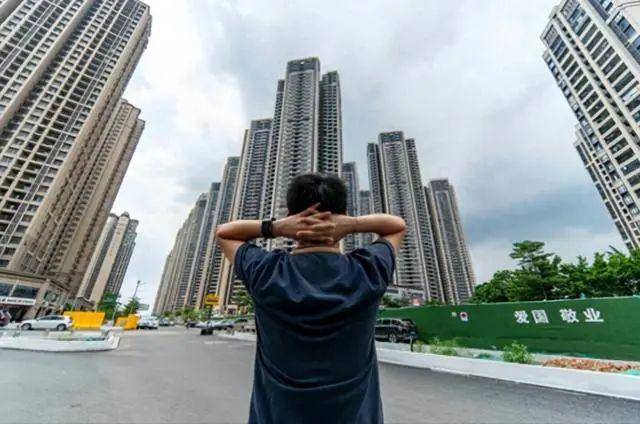
如果手上有50万存款,现在还值得买房吗?内行人给出了答案
Sou Hu Cai Jing· 2025-10-15 19:23
Core Insights - The article discusses the dilemma faced by individuals with savings, particularly 500,000 yuan, regarding whether to invest in real estate in 2025 amidst an uncertain housing market [1][3]. Market Overview - National housing prices have shown a downward trend, with over 50 out of 70 major cities reporting month-on-month declines in new home prices as of Q3 2024 [1][3]. - In 2025, while first-tier cities have stabilized, second and third-tier cities continue to experience price adjustments, with some cities seeing year-on-year declines exceeding 8% [1][3]. Financial Considerations - In first-tier cities like Beijing, 500,000 yuan is insufficient for a down payment, as average prices exceed 30,000 yuan per square meter [3]. - Conversely, in third and fourth-tier cities, 500,000 yuan can cover the full purchase of a decent three-bedroom apartment [3]. - The annualized return on real estate in first-tier cities averaged 3.5% over the past five years, which is comparable to bank financial products yielding 3.8% [3][4]. Mortgage Rates - As of April 2025, the average mortgage rate for first-time homebuyers has decreased to approximately 3.8%, nearly one percentage point lower than in 2023 [4]. - For a 3 million yuan property in Beijing, a down payment of 900,000 yuan results in a monthly payment of 9,645 yuan, which is about 1,000 yuan less than two years ago [4]. Psychological and Social Factors - A survey indicated that 85% of individuals under 35 view homeownership as a significant source of security, with the figure rising to 93% among married individuals [5]. - Homeownership transcends mere investment; it is increasingly seen as a necessity for quality of life and emotional security [5]. Recommendations for Potential Buyers - Assess personal financial situations, ensuring to retain emergency funds equivalent to 3-10 months of living expenses [7]. - Evaluate the necessity of homeownership based on job stability and family planning [7]. - Investigate the future development prospects of the desired area, considering urban renewal plans and infrastructure development [7]. - Account for all costs associated with home buying, including taxes, renovation, and maintenance, which can add significantly to the initial investment [7]. Alternative Investment Strategies - Consider diversifying investments, such as allocating part of the 500,000 yuan to rental expenses and other stable financial products, which have shown a 4.6% annualized return [8]. - Opt for fixed-rate mortgage products to mitigate risks associated with fluctuating interest rates in the future [8]. Conclusion - The decision to buy a home should be made with careful consideration of personal circumstances and market conditions, emphasizing that housing is primarily for living rather than speculative investment [10].


今明两年,持有“多套房”的家庭,将不得不面对“3大问题”
Sou Hu Cai Jing· 2025-10-13 18:42
Core Insights - The article discusses the challenges faced by homeowners with multiple properties in the current real estate market, highlighting a significant shift in market dynamics and psychological expectations regarding property investment [2][4][9]. Group 1: Market Dynamics - The number of second-hand homes listed for sale has exceeded 7.3 million nationwide, with cities like Baicheng experiencing a year-on-year price drop of over 7% [2]. - The supply of second-hand homes has surged while demand has rapidly declined, with listings in Shanghai's outer ring increasing by 42% year-on-year and over 60% of discounted listings in Hangzhou's Qianjiang Century City area [4]. - The demographic shift in homebuyers, particularly the decline in the number of younger buyers (90s and 00s) compared to older generations, is contributing to the oversupply of properties [4]. Group 2: Financial Pressures - Homeowners are facing increasing holding costs, with property taxes and other expenses rising, leading to significant cash flow pressures [7]. - For example, the annual holding cost for a second property valued at 2 million yuan has increased from 3,000 yuan to 42,000 yuan due to new tax regulations and rising property management fees [7]. - Many families are experiencing reduced incomes and job losses, making it difficult to manage high mortgage payments alongside increasing living costs [7]. Group 3: Psychological Impact - The perception of real estate as a guaranteed investment has shifted, with many homeowners now viewing their properties as financial burdens rather than assets [9][10]. - The myth of real estate being a surefire way to accumulate wealth has been challenged, leading to increased anxiety among property owners as they face potential negative equity [10]. - Younger generations are increasingly prioritizing quality of life over property ownership, opting for renting instead of taking on long-term mortgage debt [10]. Group 4: Strategies for Homeowners - Homeowners are advised to adjust their mindset regarding property ownership, recognizing the risks associated with viewing real estate as a wealth symbol [12]. - It is recommended to retain high-quality properties in prime locations while considering selling off less desirable assets to mitigate losses [12]. - Exploring rental options to cover holding costs is suggested, particularly for properties in core urban areas, while offloading underperforming assets may be a more prudent choice [12]. Group 5: Broader Implications - Approximately 45% of urban households own two or more properties, reflecting a widespread struggle with the current market conditions [14]. - The real estate market is transitioning from a speculative environment to one requiring professional management, emphasizing the importance of understanding holding costs, liquidity, and potential for appreciation [14].
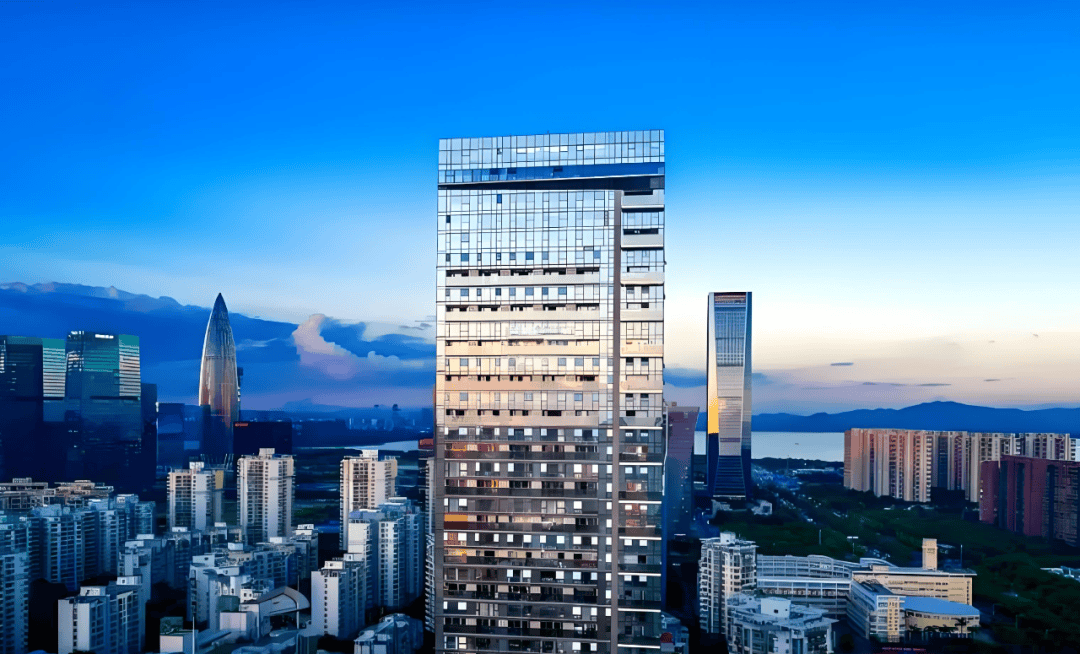
未来3年,咬牙买房还是尽快卖房?曹德旺的忠告很实在
Sou Hu Cai Jing· 2025-10-07 22:58
泡沫与现实:被价格牵引的焦虑 曹德旺先生那句掷地有声的"做生意要脚踏实地,切莫奢望一夜暴富",同样适用于眼下的房产博弈。当前,一股强烈的恐慌情绪正在蔓延:有人因担心错 过"底部"而"咬牙上车",有人则因惧怕"亏本出局"而裹足不前。这种由价格波动引发的集体焦虑,实则大可不必。 环顾当下的市场格局:一线城市的房价增速已然趋缓,局部区域甚至出现松动迹象;而二三线城市的调整则更为显著,部分区域的售价较之昔日峰值,跌幅 已触及两成。但切勿草率地下定论,房价的走势并非"一泻千里"的断崖,亦非"疯牛狂奔"的单边行情,它正处于一个漫长而复杂的盘整期。 "去年我本想果断入手,却在犹豫中蹉跎了半年,如今同地段的房源已比当时便宜了十万元。"一位期盼安家的年轻人道出了错失良机的遗憾。反观另一侧, 一位计划出售现有住房的中年人则苦叹:"我去年担忧下跌而未果断出售,如今市场回调,我少卖了八万,这笔钱可够一家人半年的油盐开销了。" 洞悉喧嚣:曹德旺商业哲学下的购房与售房抉择 "该买还是该卖?"近来,这道关于房产的终极叩问,如同病毒般席卷了社交圈。无论是渴望安居乐业的购房者,还是计划置换资产的售房者,心中都充满了 难以抉择的彷徨。然而,我们 ...
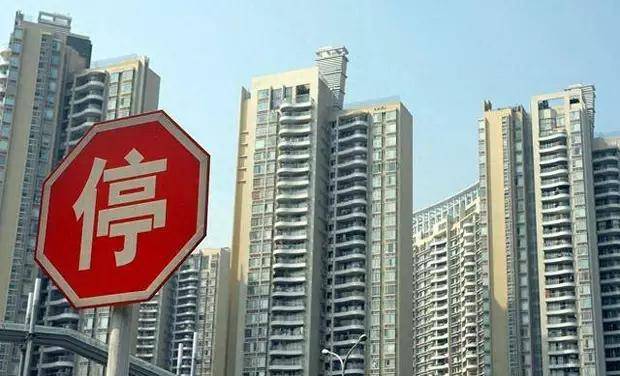
为什么越来越多人,偷偷收购老旧小区顶楼?知道实情,我也想买了
Sou Hu Cai Jing· 2025-10-05 03:44
在近几年房地产市场波诡云谲的变化中,城市扩张的步伐从未停歇,新兴住宅项目如雨后春笋般涌现。当下,许多家庭在购房时,第一时间的联想往往是崭 新的商品房,追逐高层住宅,认为其居住体验更为舒适便捷。然而,一个令人玩味的趋势悄然兴起:越来越多的人开始将目光投向老旧小区,甚至在不为人 知的角落里"低调收藏"起那些被遗忘的顶层。究竟是什么原因让这些老旧小区的顶楼,成为了越来越多人的心头好?当内行人揭示其中的奥秘时,连我也忍 不住心动,想要亲自置办一套。 01、老旧顶楼:被低估的"性价比之王" 当然,老旧小区顶楼缺乏电梯,需要爬楼梯,这一点在很多人看来是不得不接受的"小瑕疵"。但对许多人来说,这并非不可克服。更重要的是,许多老旧小 区的顶楼往往附赠面积可观的露台——这是新房市场难以比拟的独特优势。在这里,你可以亲手打造属于自己的"空中花园",种满喜爱的花草,开辟一个小 小的菜园,或是布置成一个阳光休闲区,尽情享受私密的户外时光。此外,老旧小区的物业费和公摊面积通常都较低,住在顶楼不仅省去了为电梯维护操心 的烦恼,还能在日常开销上节省一笔可观的费用。对于那些热爱"动手实践",又追求实惠的购房者来说,老旧顶楼无疑是一个待人发掘 ...

美联储降息+国内新政双驱动,核心城市房价上涨或已成定局
Sou Hu Cai Jing· 2025-10-04 19:01
Group 1 - The recent interest rate cut by the Federal Reserve has decreased the attractiveness of dollar assets, prompting global capital to seek new investment opportunities, particularly in China's core real estate markets [1][3] - The simplification of foreign investment processes in China has opened doors for foreign capital to enter the real estate market, coinciding with the Federal Reserve's rate cut [1] - The increase in M1 money supply growth from 1.5% in April to 6.0% in August indicates that more liquid funds are available for investment, leading to increased interest in real estate [1] Group 2 - New policies in Shenzhen have significantly lowered the barriers for home purchases, allowing non-residents to buy properties without stringent qualifications, which is expected to boost demand [3] - The reduction in mortgage rates, with the first and second home rates now at 3.05%, provides substantial savings for buyers, further stimulating the market [3] - The ability to withdraw housing provident fund for down payments and the benefits for families with multiple children are designed to alleviate financial burdens on homebuyers, pushing demand into the market [3] Group 3 - Data from September shows a nearly 30% month-on-month increase in customer traffic at Shenzhen sales offices, indicating a strong recovery in buyer interest [5] - The successful issuance of bonds by real estate companies, such as New Town Development's $1.6 billion bond, reflects improved confidence and access to financing in the sector [5] - A predicted 40% increase in transaction volume in peripheral areas of Shenzhen due to new policies suggests a rapid absorption of inventory, which is likely to lead to price increases [5] Group 4 - In major cities like Beijing and Shanghai, there are signs of price increases, with new homes in high-demand areas experiencing significant sales, indicating a supply-demand imbalance [7] - The narrowing decline in new home prices in first-tier cities suggests a potential stabilization and recovery in the market, driven by external capital inflows and relaxed domestic policies [7] - The combination of the Federal Reserve's rate cut and domestic policy adjustments is expected to lead to a significant market rebound in the fourth quarter, with potential price increases for properties [7]
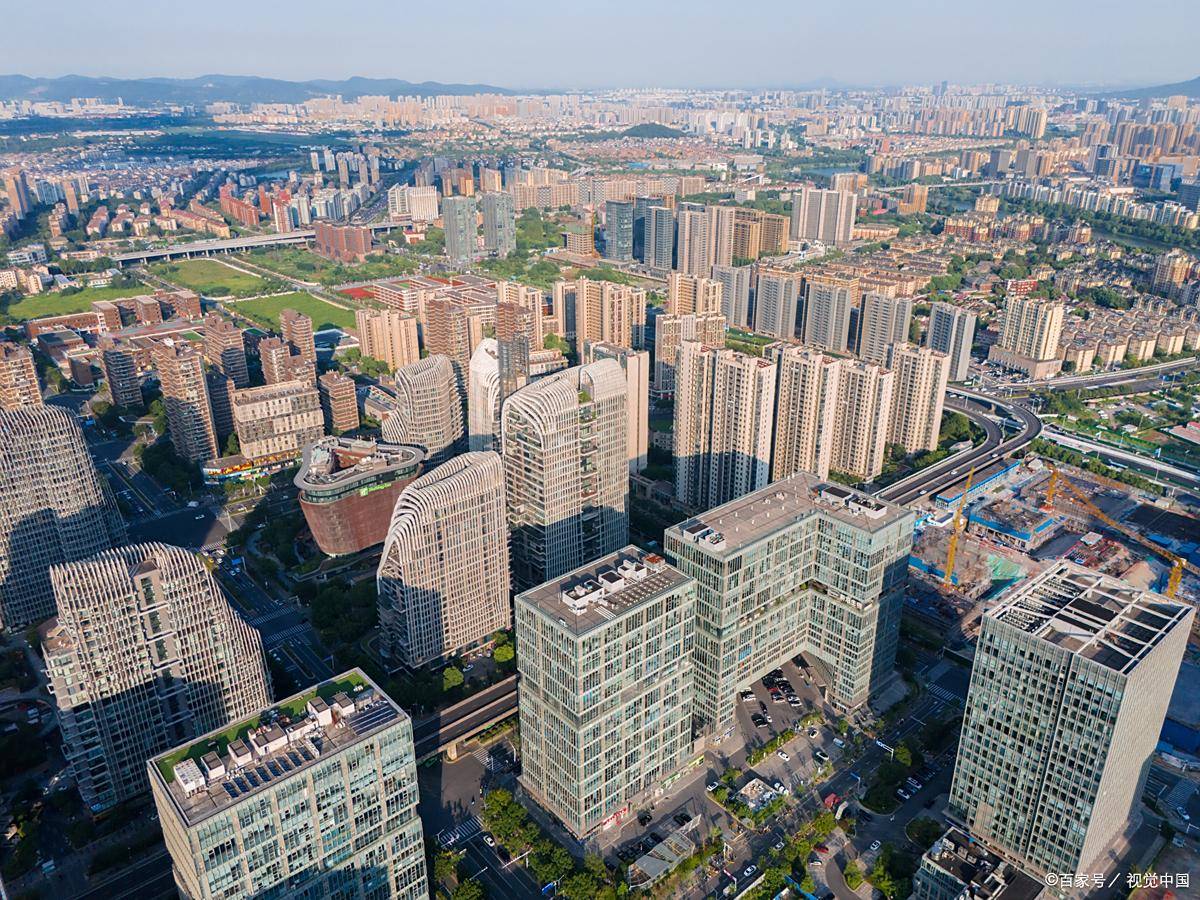
切勿乱买房!
Sou Hu Cai Jing· 2025-09-27 10:34
Group 1 - The core viewpoint is that the real estate market has shifted from a supply-demand imbalance to a situation where supply exceeds demand, making it difficult for prices to rise uniformly across the market [2] - The first consideration for purchasing a property is the target city; first-tier and some strong second-tier cities continue to attract population inflow, suggesting a potential for price stabilization and recovery [2] - The second consideration is the genuine need for housing; while investing in real estate is challenging, those with urgent self-occupancy needs may find opportunities in the current market downturn [3] - The third consideration involves budgeting and future cash flow planning; potential buyers should be cautious about total price and down payment to avoid financial strain from mortgage repayments [3][4] Group 2 - The article emphasizes the importance of not overextending financially when purchasing a home, advising buyers to maintain liquidity for unforeseen circumstances [4] - It warns against the temptation of speculative buying under the guise of self-occupancy needs, highlighting the risk of misjudging one's actual housing requirements [3][4]