生态价值转化

Search documents
呼和浩特市全年林草产值稳定超百亿元
Nei Meng Gu Ri Bao· 2025-12-04 01:37
Group 1: Core Objectives and Projects - In 2025, Hohhot aims to implement 30 key projects focused on ecological construction, resource protection, and industrial development, with a total investment of 306 million yuan [1] - The city has completed all annual construction tasks for engineering projects, achieving expected goals [1] Group 2: Ecological Value Transformation - Hohhot has established a modern forestry and grassland industry system, maintaining an annual output value of over 10 billion yuan [2] - The city has cultivated three national-level and 13 regional-level leading enterprises in the forestry industry, and is supporting the construction of cold storage and processing facilities [2] - The area has developed 20,000 acres of astragalus planting and promoted 100,000 acres of traditional Chinese medicine cultivation, yielding an annual output of 365 tons valued at 10 million yuan [2] Group 3: Resource Management and Protection - Hohhot has initiated comprehensive management projects in high-risk forest and grassland fire areas, resulting in no major forest or grassland fires throughout the year [3] - The wetland protection rate has increased from 26.72% in 2021 to 35.2% [3] - The city has completed pest control over 236,250 acres of forest and 389,000 acres of grassland, with no major disasters reported [3]
生态价值转化不只有旅游一条路
Xin Hua Ri Bao· 2025-12-02 03:09
Core Insights - Jiangsu Province's Jinhu County is exploring the transformation of "green mountains and clear waters" into "golden mountains and silver mountains," focusing on ecological industrialization and industrial ecology [1] - The county has established multi-level green factories, with over 90% of its clean energy generation and more than half of its manufacturing sector being green and low-carbon [1] - The approach has led to recognition as a model for converting ecological value into economic output, achieving high-quality development [1] Group 1 - The concept of "green mountains and clear waters" is often limited to tourism development, which can restrict the full potential of ecological resources and lead to diminishing ecological benefits due to homogenization [1] - A multi-dimensional transformation system is necessary to continuously realize the development dividends from ecological value, moving beyond a singular focus on tourism [2] - The core of ecological value lies in its systematic empowerment, which supports high-end product premiums and sustainable development [2] Group 2 - Traditional industries' green upgrades and the cultivation of emerging ecological industries are crucial for realizing ecological value, broadening the channels for its realization [2] - Strengthening mechanisms and establishing a market-oriented ecological product trading system are essential for quantifying and realizing ecological value [2] - The integration of ecological value into economic accounting systems through dual assessment mechanisms can guide local governments to focus on diverse transformation paths [3] Group 3 - The ecological industry requires significant upfront investment and long return periods, necessitating policy guidance and technological support to activate the internal motivation for ecological value transformation [3] - Establishing special funds and developing financial products like ecological asset credit loans can address financing challenges in the ecological industry [3] - The relationship between "ecological beauty" and "economic value" is interdependent, and both must be harmonized to benefit broader livelihoods and achieve organic unity in ecological and economic development [3]
让“生态颜值”变“经济产值”
Xin Hua Ri Bao· 2025-12-01 05:48
"生态颜值"是无形财富,"经济价值"是有形收益,二者相辅相成、辩证统一,才能惠及更广泛的民生, 实现"生态美、产业兴、百姓富"的有机统一。在绿色发展已成时代共识的当下,唯有始终坚守生态优 先、绿色发展导向,持续探索"生态颜值"科学转化为"经济产值"的路径,强化机制与技术支撑,才能让 绿水青山真正成为永续发展的最大本钱,为建设人与自然和谐共生的现代化筑牢坚实支撑。 □ 孟亚生 同时,要强化机制保障,完善生态价值核算体系,明确生态资源的价值量化标准,建立生态产品市场化 交易机制,让生态价值可衡量、可变现;健全环保监管与激励政策,划定生态保护红线,倒逼经营主体 践行绿色发展理念,为"生态颜值"转化提供制度支撑。唯有让"生态颜值"产生实际收益,才能让生态保 护成为主动选择,让高颜值生态持续存续。 日前,新华社报道金湖县探索"绿水青山"变"金山银山"实践路径,引发广泛关注。该县推动生态产业化 与产业生态化,建成多级绿色工厂,清洁能源发电量占比超九成,绿色低碳产业占制造业比重过半,走 出了生态与工业共生共荣的发展之路,连年获评省高质量发展先进县,成为推动"生态颜值"变"经济产 值"的典范。 当然,生态产业具有前期投入大、 ...
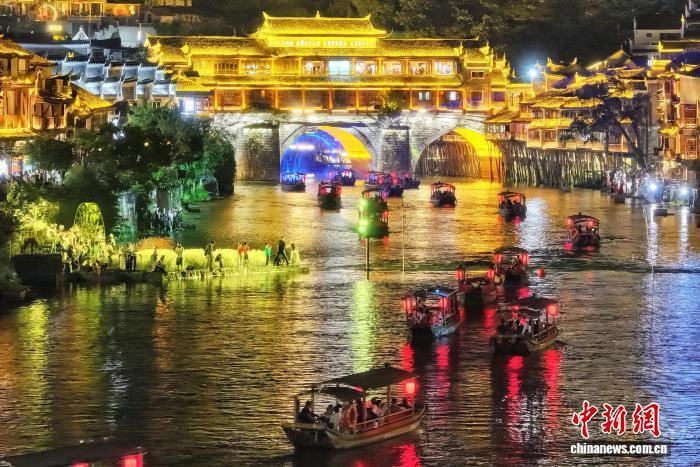
兴产业“开山门” 湖南湘西州走出特色富民路
Zhong Guo Xin Wen Wang· 2025-11-04 05:19
Core Insights - Hunan Xiangxi Tujia and Miao Autonomous Prefecture has achieved significant economic growth, with GDP increasing from 72.51 billion to 85.59 billion from 2020 to 2024, alongside rising urban and rural resident incomes [1][2] Economic Development - The region has established an industrial path focusing on ecological cultural tourism, new industrialization, and characteristic agriculture, with tourism becoming the main driver of development [2] - Tourist numbers rose from 42.06 million to 62.04 million, and total tourism revenue increased from 38.88 billion to 69.13 billion, with annual growth rates of 10.2% and 15.5% respectively [2] - Key manufacturing sectors maintained double-digit growth, and agricultural specialty areas exceeded 4 million acres, establishing bases for high-quality agricultural products [2] Infrastructure and Connectivity - A comprehensive transportation network has been developed, enhancing external connectivity, with over 70 high-speed train services and significant growth in air travel [4] - The region's foreign trade and investment have seen substantial growth, with an average annual increase of over 15% in investment funds and leading export growth rates in Hunan [4] Social Development and Welfare - The region has leveraged its unique ethnic and historical advantages to build a robust industrial system, improving per capita disposable income from 27,900 to 34,300 for urban residents and from 11,200 to 14,900 for rural residents from 2020 to 2024 [5] - Significant investments in public welfare have been made, with over 72% of fiscal spending directed towards social services, and improvements in education and healthcare outcomes [5]

“美丽苏州”生态文明建设媒体采风行启动
Su Zhou Ri Bao· 2025-10-29 00:26
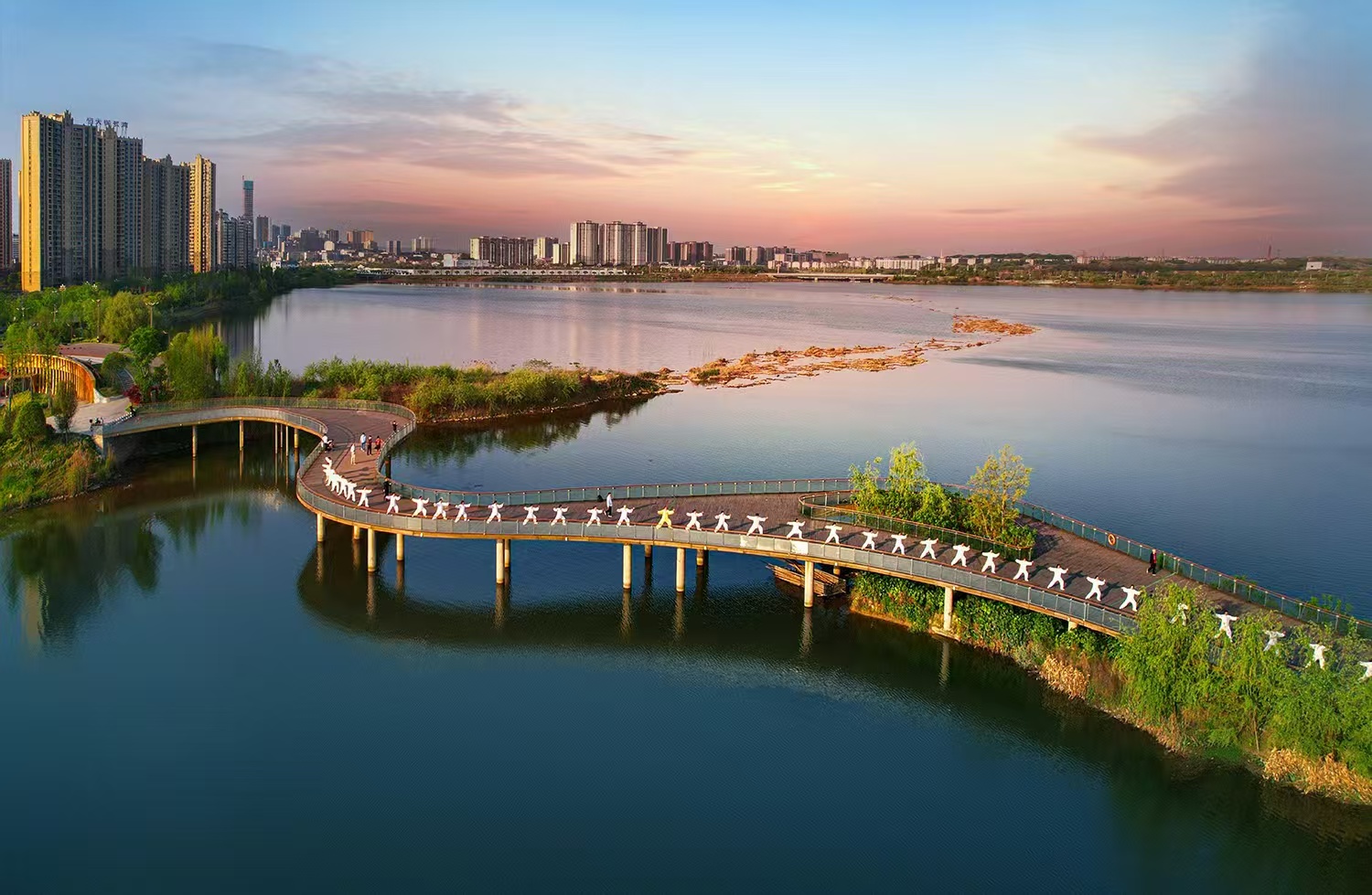
Group 1 - The article highlights the innovative practices and stories of ecological empowerment driving high-quality development in Suzhou [1] - Feng Menglong Village, once an ordinary village, transformed into a famous "internet celebrity village" through ecological upgrades and rural revitalization since its renaming in 2014 [2] - The village has implemented the renovation of 12 rivers and developed a wetland park, enhancing both ecological protection and economic development [2] Group 2 - The Shajiabang National Wetland Park serves as a significant ecological area, showcasing biodiversity and innovative ecological practices in Changshu [3] - Changshu has established a comprehensive biodiversity monitoring network, utilizing advanced technologies like AI and satellite remote sensing for ecological protection [3] - The first batch of "drunken crabs" from Shajiabang was exported to Cambodia, indicating the global reach of local culinary traditions [3] Group 3 - Phoenix Town in Zhangjiagang has adopted a market-oriented approach to mine restoration, balancing ecological protection with urban development since 2016 [4] - The area has transformed abandoned mining sites into a 37,800 square meter lake with Class II water quality, enhancing local tourism [5] - The village of Xiaojiaxiang has become a model for rural revitalization, generating over 60 million yuan in annual revenue and creating over 200 jobs [5]
打通生态价值转化“毛细血管”
Jing Ji Ri Bao· 2025-10-17 22:05
Core Viewpoint - Financial institutions are actively innovating to enhance the conversion of ecological value into economic value, positioning green finance as a key player in this transformation [1][2]. Group 1: Development of Green Finance - China's green finance has evolved into a multi-faceted support system, with a focus on various financial products including green loans, bonds, equity, leasing, trusts, insurance, and funds [1]. - As of mid-2025, the balance of green loans in China reached 42.39 trillion yuan, with an annual growth rate exceeding 20%, and the issuance of green bonds has consistently ranked among the highest globally [1]. Group 2: Innovations in Financial Products - Financial institutions are incorporating environmental benefits into risk assessments and credit decisions, leading to a shift of funds towards low-carbon and environmentally friendly sectors [2]. - Examples include the climate-friendly project scoring system in Huzhou, Zhejiang, which links environmental performance to loan interest rates, and Jiangsu Bank's "Carbon Performance Loan" that prices loans based on carbon emission intensity [2]. Group 3: Challenges in Green Finance - The lack of unified standards for quantifying ecological value is a primary bottleneck for the development of green finance, hindering cross-regional and cross-market cooperation [3]. - Issues such as insufficient ESG governance, "greenwashing" risks, and inadequate environmental information disclosure are affecting market credibility and the sustainable development of green finance [3]. Group 4: Regulatory and Policy Recommendations - There is a need for mandatory environmental information disclosure for listed companies, requiring phased reporting of carbon emissions and environmental risk strategies [4]. - Recommendations include establishing a "green finance special refinancing" tool by the central bank, promoting green bonds, and adjusting risk weights for green loans to encourage long-term asset allocation by financial institutions [4]. - Local governments are encouraged to create "green credit risk compensation funds" to share risks associated with ecological project loans, promoting equitable distribution of benefits in ecological protection [4].
绿意润巴陵 生态惠万家
Zhong Guo Zi Ran Zi Yuan Bao· 2025-10-15 07:23
Core Viewpoint - The article emphasizes the integration of ecological protection and economic development in Yueyang, Hunan Province, focusing on the comprehensive restoration and sustainable utilization of the Dongting Lake ecosystem [3][4]. Ecological Protection and Restoration - Yueyang is implementing an integrated protection and restoration project for the Dongting Lake area, which includes the restoration of historical mining sites, ecological greening of riverbanks, and biodiversity protection in wetlands [5]. - The city aims to increase the total arable land area to 445,500 acres, with a yield increase of 15% and an irrigation guarantee rate exceeding 80% by 2025 [5]. - The establishment of ecological agriculture and tourism, along with carbon trading, is being promoted to develop green industries [5]. Financial Investment and Economic Development - In March 2025, Yueyang signed a strategic cooperation agreement with the Agricultural Development Bank, securing financing of no less than 10 billion yuan for land comprehensive remediation and ecological protection projects [7]. - A multi-source investment model combining government finance, policy finance, and social capital is being utilized to boost green economic development [7]. - The integration of various funding channels is expected to provide strong support for comprehensive remediation projects, with a total of 1.822 billion yuan allocated for various reform projects by 2025 [7]. Systematic Ecological Governance - Yueyang is focusing on a systematic approach to ecological governance, defining key ecological protection and restoration units around Dongting Lake [9]. - The city combines engineering governance with natural restoration to enhance the ecological environment, particularly in critical habitats for migratory birds [9][10]. Cultural and Tourism Development - The city is leveraging its cultural heritage, such as "Youle Culture" and "Dragon Boat Culture," to create eco-tourism experiences that connect cultural landmarks with ecological landscapes [11]. - Longshou Town is developing a red tourism immersive experience center, integrating ecological protection with cultural heritage to promote collaborative development [11]. - The establishment of tourism routes based on cultural experiences and ecological observation is expected to attract significant visitor numbers, with projections of 300,000 annual visitors to certain areas [12]. Land Consolidation and Economic Models - Comprehensive land consolidation is transforming land resources into assets, capital, and funding, fostering new economic models [13]. - Innovative mechanisms are being introduced to enhance rural economies through the integration of industrial funds and agricultural development [13]. - The article highlights the acceleration of ecological value transformation into economic and social benefits, providing a replicable model for green development in the Yangtze River Economic Belt [13].
新华视点丨多元特色绘就文旅发展新图景
Xin Hua Wang· 2025-09-27 06:03
Group 1 - The domestic cultural tourism industry is evolving through the integration of regional characteristics, resource advantages, cultural empowerment, and innovative models [1][2] - The Changbai Mountain project, a panoramic cultural experience, covers an area of 14,000 square meters and features over 30 performances daily, transforming visitors from "observers" to "participants" [1] - The integration of ecological construction, urban development, and cultural tourism is emphasized in Changbai Mountain, creating a 4A scenic area and an "International Slow City" [2] Group 2 - The city of Pu'er in Yunnan is promoting a "coffee tourism" model, creating immersive experiences that serve as a new city brand [4][7] - The county of Lingchuan in Shanxi aims to become a well-known destination for health and wellness tourism, focusing on deep integration and innovative transformation of the cultural tourism industry [5] - In Inner Mongolia, young entrepreneurs are redefining traditional grassland life through the internet, enhancing the grassland tourism industry and significantly increasing sales through live streaming [9][11]

解码古城襄阳“绿色变奏”:执“生态笔”绘宜居城
Zhong Guo Xin Wen Wang· 2025-09-25 05:43
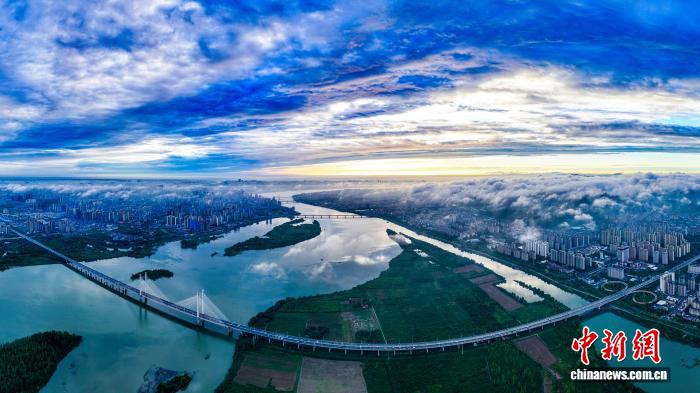
Core Viewpoint - The article highlights the transformation of Xiangyang into a green and livable city through ecological governance and industrial upgrades, achieving a balance between ecological and economic benefits [1]. Environmental Improvement - Xiangyang has implemented a rigorous water pollution prevention strategy, focusing on the protection of the Han River, which is crucial for high-quality development [3][4]. - The city has established a comprehensive water management approach, integrating water resources, ecology, and governance, and has formed collaborative mechanisms with neighboring regions for ecological protection [3]. - The water quality in Xiangyang has shown significant improvement, with 28 monitored sections maintaining a 100% excellent water quality rate for two consecutive years [4]. Air Quality and Pollution Control - The city prioritizes air quality improvement, with a focus on enhancing public perception of blue skies [6]. - In the first half of the year, the proportion of days with good air quality reached 71.8%, an increase of 2% year-on-year, while the average PM2.5 concentration decreased by 5.6% to 48.9 micrograms per cubic meter [6]. - Innovative measures, such as the "green construction site" emergency management mechanism, have been introduced to improve dust control and promote efficient construction alongside air pollution prevention [6]. Industrial Upgrades and Economic Growth - Xiangyang is leveraging ecological value to drive industrial transformation, with a focus on recycling and the circular economy [7]. - The recycling of waste aluminum has become a significant industry, with the local circular economy industrial park projected to achieve an industrial output value exceeding 20 billion yuan in 2024 [7]. Rural Development and Ecological Transformation - The article also discusses the successful green transformation in rural areas, exemplified by Yanhe Village, which has shifted from resource depletion to sustainable development through eco-friendly practices [9]. - The village has developed into a national 4A-level tourist attraction, significantly increasing its collective assets and annual visitor numbers [9]. Conclusion - Xiangyang's ecological civilization reforms are seen as essential for solving problems, promoting development, and improving people's livelihoods, creating a harmonious environment that supports both ecological and economic growth [9].
走,一起参观“大熊猫老家”
Ren Min Ri Bao Hai Wai Ban· 2025-09-25 00:08
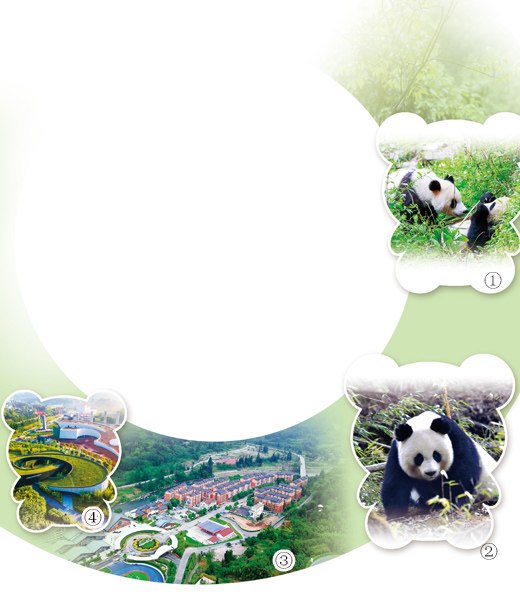
Core Insights - The article highlights the successful conservation efforts for the giant panda in China, particularly through the establishment and development of the Giant Panda National Park, which has led to a significant increase in the panda population and improved ecological conditions [3][7]. Group 1: Panda Population and Conservation Efforts - As of the end of last year, the giant panda population at the research center reached 387 individuals, with a focus shifting from quantity to quality in breeding efforts [3]. - The total number of wild giant pandas in China has increased from approximately 1,100 in the 1980s to around 1,900 today, showcasing effective habitat protection and breeding initiatives [3]. - The construction of the Giant Panda National Park has enhanced research on habitat protection, restoration, and the training and release of captive pandas [4][7]. Group 2: Economic and Community Development - Since the pilot launch of the Giant Panda National Park in 2017, local communities have seen a doubling in permanent population and the number of guesthouses, with per capita income quadrupling [4]. - The "panda tourism" industry has become a pillar of the local economy, with significant investments in infrastructure and the establishment of popular tourist destinations [4][5]. - The transformation of villages into tourist attractions has led to a shift in local residents' roles, turning them into guardians of their natural environment [5]. Group 3: Ecological Restoration and Technological Integration - The Sichuan region has implemented a comprehensive ecological restoration plan, including the establishment of core protection areas and monitoring networks, resulting in the restoration of nearly 33.14 million acres of habitat [7][8]. - Advanced technology, such as infrared cameras and AI recognition systems, has been employed to monitor panda populations and enhance conservation efforts [8]. - Community engagement has been fostered through the establishment of cooperative management committees, leading to the development of eco-friendly industries and the promotion of certified organic products [8].