
节能减排

Search documents
丽江精准治污“气质”再提升
Zhong Guo Huan Jing Bao· 2026-01-21 01:25
Core Viewpoint - Lijiang City has maintained a 100% air quality good rate in its central urban area for ten consecutive years, demonstrating significant achievements in air pollution control and environmental protection efforts from 2016 to 2025 [1][20]. Group 1: Air Quality Improvement - From 2016 to 2025, Lijiang's air quality has consistently remained excellent, with the central urban area's air quality good rate at 100% for ten years [1][20]. - By 2025, the number of days meeting the first-level air quality standard is expected to reach 290 days, with a year-on-year increase of 5% in the good rate [1][20]. - The average concentration of PM2.5 is projected to be 13.2 micrograms per cubic meter, a decrease of 3.3% year-on-year, ranking first in the province [1][20]. Group 2: Policy and Responsibility - Lijiang has implemented the "Air Quality Continuous Improvement Action Plan" and the "Three-Year Implementation Plan for Air Pollution Prevention and Control (2023-2025)" to clarify responsibilities and objectives in air pollution control [2][16]. - The city has established a clear responsibility framework for environmental management, addressing issues of unclear responsibilities and inadequate enforcement [2][16]. - Air quality assessment indicators have been assigned to county governments and included in annual comprehensive evaluations [3][16]. Group 3: Industrial and Energy Transition - Lijiang has introduced the "Carbon Peak Implementation Plan" to promote carbon neutrality and control energy consumption in high-energy industries by 2025 [4][17]. - The total installed capacity of renewable energy is expected to reach 1,719.97 million kilowatts by 2025, with 100% from renewable sources [4][17]. - The city has initiated various projects, including the first hydrogen station and zero-carbon hydrogen production facility, to enhance green energy development [4][17]. Group 4: Pollution Reduction Measures - Lijiang focuses on reducing pollution from key sectors such as industry, transportation, and dust, employing engineering and regulatory measures [6][18]. - The city has implemented ultra-low emission transformations for five cement enterprises and is working on deep pollution control in industrial sectors [6][18]. - A total of 2,419 new energy vehicles have been promoted in public transport, with a 99.87% compliance rate in vehicle emissions testing [6][18]. Group 5: Ongoing Initiatives - Lijiang has developed a three-year action plan for dust pollution control in construction and urban roads, emphasizing meticulous management [19]. - The city is committed to continuous improvement in air quality through targeted measures in construction, agricultural burning, and industrial emissions [19]. - Future efforts will focus on maintaining air quality improvements and solidifying Lijiang's reputation for clean air [19].

比传统热源更灵活、绿色、智慧天津探索公共机构能源托管新范式
Xin Lang Cai Jing· 2026-01-20 20:57
Core Viewpoint - The implementation of energy management in public institutions in Tianjin's Dongli District is demonstrating significant benefits in energy efficiency, cost savings, and environmental impact, showcasing a model that can be replicated in other regions and sectors [1][4][6]. Group 1: Energy Management Implementation - The energy management project in Dongli District, managed by State Grid (Tianjin) Integrated Energy Service Company, is set to begin operations in November 2025, focusing on a new distributed heating system that is flexible, green, and intelligent [1]. - The project aims to achieve dual benefits of energy savings and emissions reduction, with a significant potential for replication and promotion [1][4]. Group 2: Enhanced Heating Effectiveness - The energy management system has improved heating conditions in public institutions, such as Liu Tai Primary School, where the indoor temperature is now consistently above 18°C, leading to better student health and comfort [3][4]. - The use of air source heat pumps has resulted in a notable increase in heating efficiency, with schools reporting an average temperature rise of over 5°C compared to the previous year [4][5]. Group 3: Economic and Environmental Benefits - The first batch of pilot projects is expected to save over 2,300 tons of standard coal and reduce carbon dioxide emissions by more than 5,000 tons annually, while improving energy efficiency in public institutions by over 5% [5][6]. - The project has also led to a reduction in energy costs, with Liu Tai Primary School saving over 40,000 yuan annually [3][5]. Group 4: Future Expansion and Replication - The energy management model is anticipated to expand to more public institutions, including schools and nursing homes, enhancing public service capabilities and promoting technological advancements [6][7]. - Other regions, such as Hubei and Hangzhou, are also adopting similar energy management practices to address energy waste and improve efficiency in public institutions [6][7].
零碳工厂建设目标出台 激发工业企业节能降碳动力
Zheng Quan Ri Bao· 2026-01-20 16:25
Core Viewpoint - The joint release of the "Guiding Opinions on the Construction of Zero Carbon Factories" aims to drive carbon reduction and green transformation in key industrial sectors, injecting strong momentum into energy conservation and carbon reduction in China's industrial field [1][2]. Group 1: Zero Carbon Factory Development - The "Guiding Opinions" propose a phased approach to cultivate zero carbon factories, prioritizing industries with urgent decarbonization needs and primarily electric energy consumption [1][2]. - By 2026, a selection of zero carbon factories will be established as benchmarks, with a focus on sectors such as automotive, lithium batteries, photovoltaics, electronics, light industry, machinery, and computing facilities [2]. - By 2030, the initiative will expand to include high-energy industries like steel, non-ferrous metals, petrochemicals, building materials, and textiles, exploring new decarbonization pathways [2]. Group 2: Technological and Operational Implications - The construction of zero carbon factories is a comprehensive and systematic project that involves energy structure, process technology, funding, and management services, with varying implementation paths across regions and industries [2][3]. - The initiative is expected to stimulate industrial enterprises to increase investment in energy-saving and emission-reduction technology research and application, promoting production technology transformation [3]. - Zero carbon factory construction will encourage the optimization of production methods, leading to intelligent, green, and integrated development, enhancing energy resource output efficiency and reducing production costs [3]. Group 3: Digital Technology Integration - The demand for digital technology in zero carbon factory construction presents unprecedented business growth opportunities for the digital industry [4]. - Digital industry companies can leverage their expertise in 3D modeling and simulation analysis to create high-precision digital twin models for manufacturing enterprises, optimizing factory layout and energy consumption [4]. - The complexity and high standards of zero carbon factory construction will drive innovation in digital technologies, fostering deep integration and collaborative development between the digital industry and manufacturing sectors [4].
威孚高科:公司近两年研发投入占营业收入比例保持6%以上
Zheng Quan Ri Bao Wang· 2026-01-20 08:41
Core Viewpoint - The company, Weifu High Technology (000581), emphasizes its commitment to research and development (R&D), maintaining an R&D investment ratio of over 6% of its revenue for the past two years, focusing on strategic and market-driven areas such as energy conservation, smart electric, green hydrogen, and industrial technology [1] Group 1 - The company is recognized as a national high-tech enterprise [1] - R&D investments are aligned with strategic direction and market demand [1] - The company aims to enhance its core competitive advantages through continuous technological innovation and product development [1]

特朗普:让美国淋浴再次伟大!?
Zhong Guo Xin Wen Wang· 2026-01-20 05:17
最近,这事还真成了政治问题。 1月13日,美国众议院通过了一项被媒体戏称为"洗澡法案"的立法提案,目的很明确:放宽联邦政府对 家用淋浴喷头的流量限制。 这项限制,其实已有30多年历史。 1992年美国通过的《能源政策法》规定,在美国,淋浴喷头出水量不得超过每分钟9.5升。 法案初衷是节水节能,应对资源压力,但美国总统特朗普早就看它不顺眼。 2025年4月,重返白宫不久,特朗普便签署行政令,要求立即废除对淋浴喷头、洗衣机等家电的节水限 制。理由相当个人化:"我站在淋浴喷头下15分钟,头发才能湿透。水流细得一滴一滴往下掉,简直离 谱。"他的口号更是直接套用竞选金句:"让美国淋浴再次伟大"! 白宫随后高调宣称,此举是为了"让美国家庭摆脱官僚主义的过度监管"。 听起来像段子,但共和党人真的在迅速推进。 美国人洗澡,也要分"红蓝"? 有人问:小小一个喷头,至于吗? 别小看这个日常物件,加热水需要消耗大量能源,也就是说,水流越大,燃气或电力使用越多,相应碳 排放也越高。 环保组织分析,在气候危机加剧、美国西部多州持续干旱的背景下,放松节水限制的做法,与全球推动 节能减排的大方向明显相悖。 其实,这场"淋浴之争"已延续多年 ...
钢铁业绿色减排样本:海康威视AI“锁定”,雾炮5秒内精准喷射
Jin Rong Jie· 2026-01-20 04:26
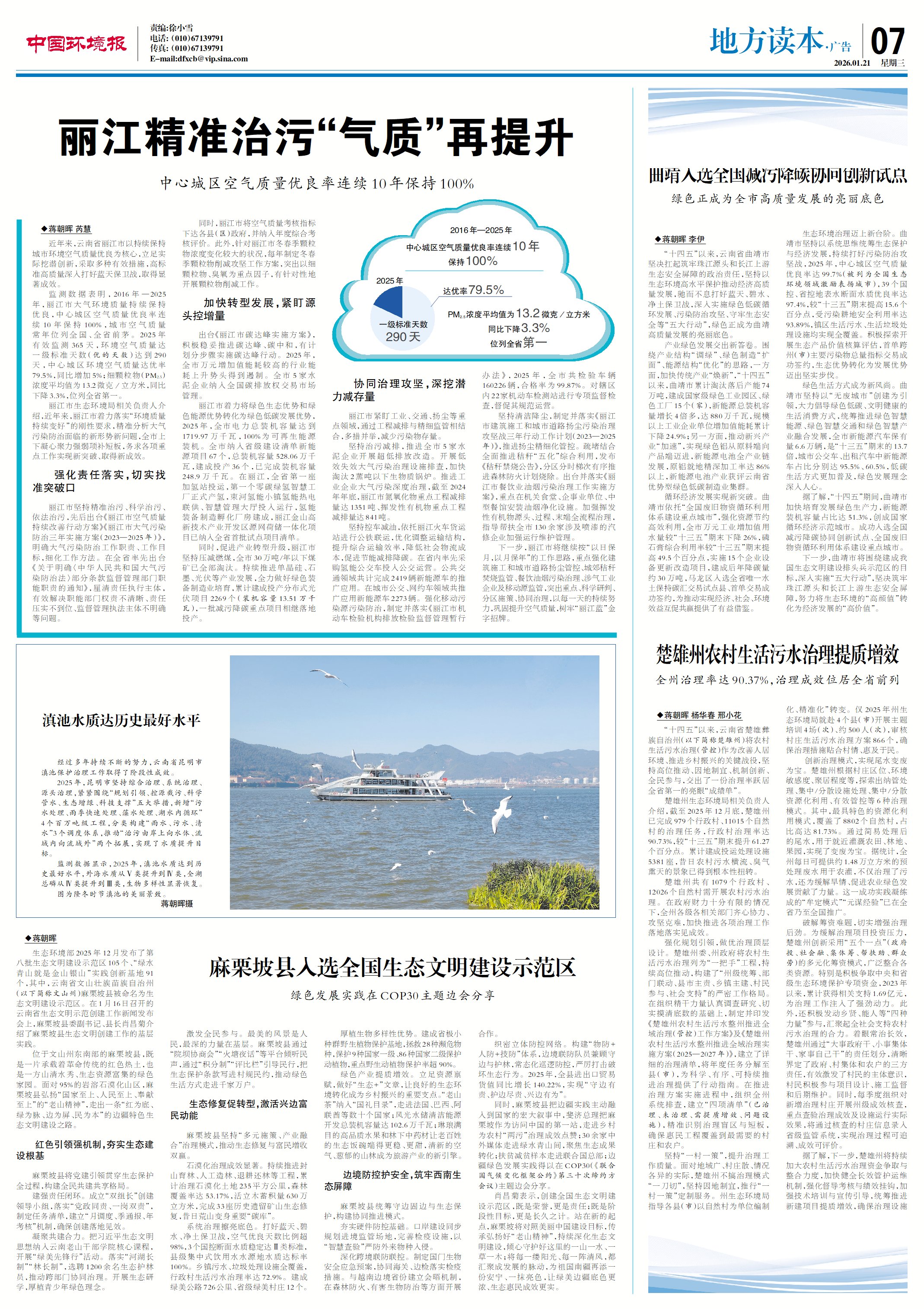
Core Viewpoint - The introduction of an intelligent dust suppression system at Guangxi Steel Port Center represents a significant advancement in dust management within the steel industry, utilizing technology to enhance environmental protection and operational efficiency [3][10]. Group 1: Technology Implementation - The intelligent dust suppression system incorporates Hikvision's eagle-eye cameras, AI recognition, and linked fog cannons to address traditional dust control challenges [3][5]. - The system is deployed in a 160,000 square meter raw material shed, equipped with dozens of cameras for real-time dust monitoring and precise identification of dust sources [3][6]. - The fog cannons can respond within 5 seconds to dust detection, allowing for targeted suppression rather than broad, inefficient spraying [5][8]. Group 2: Environmental and Economic Benefits - The new system has led to an 80% reduction in average total suspended particulate (TSP) concentration in the material yard, showcasing its effectiveness in dust control [11]. - By minimizing water and electricity usage through targeted spraying, the system significantly enhances resource efficiency compared to traditional methods [10][11]. - The system records water and electricity consumption for each operation, providing clear data on energy savings and operational efficiency [11][13]. Group 3: Health and Safety Improvements - The automated monitoring reduces the need for frequent manual inspections, improving the working environment for staff and minimizing health risks associated with high dust concentrations [13]. - The technology not only addresses environmental concerns but also enhances the safety and comfort of workers in the facility [13]. Group 4: Future Implications - The successful implementation of this intelligent dust suppression system serves as a model for other industrial applications, promoting the integration of technology in achieving energy-saving and emission reduction goals [13]. - The steel industry is encouraged to continue leveraging technological advancements to support its green transformation efforts [13].

从销售代理到细分龙头 万丰股份:五彩染料绘就绿色创新路
Shang Hai Zheng Quan Bao· 2026-01-19 00:12
Core Viewpoint - The success of WanFeng Co., Ltd. is attributed to its commitment to innovation and focus on its core business in the dyeing industry, achieving significant advancements in green dyeing and energy efficiency [1] Group 1: Company Background and Development - WanFeng Co., Ltd. has nearly 40 years of technical accumulation in the dyeing field, leading to a 30% reduction in comprehensive energy consumption and pollutant emissions [1] - The company transitioned from a local dye factory to a leading player in the domestic disperse dyeing sector, focusing on high-end niche markets to avoid homogenized competition [1] - The company established a 150-acre dye factory in 2003, primarily producing disperse dyes for polyester and blended fabrics, emphasizing a focus on outdoor and sports fabric businesses [1] Group 2: Innovation and R&D - In 2024, the company invested 18.44 million yuan in R&D, a year-on-year increase of 11.16%, with further investments in 2025 reaching 9.05 million yuan in the first half, a nearly 30% increase [1] - WanFeng Co., Ltd. has developed a new type of dye that can withstand high temperatures of up to 180°C, significantly improving energy efficiency and reducing pollutant emissions by about one-third [1] - The company has established long-term collaborations with several universities, including Donghua University, to enhance its R&D capabilities and develop innovative dyeing technologies [1][2] Group 3: Market Position and Future Goals - WanFeng Co., Ltd. is recognized for its ability to meet complex customer demands, with a reputation for providing hard-to-find dyes in the high-end market [1] - The company aims to extend its reach into higher-end material chains, focusing on strategic materials like polyimide and graphene-enhanced polyimide materials [2] - The long-term goal of the company is to perfect its dyeing processes while successfully developing a second growth curve in the new materials sector [2]

工业余热变电添新招 超临界二氧化碳发电技术实现商业应用
Jing Ji Ri Bao· 2026-01-18 22:20
Core Viewpoint - The successful commercial operation of the world's first 2×15 MW supercritical carbon dioxide waste heat power generation project, known as "Super Carbon No. 1," in Liupanshui, Guizhou, marks a significant advancement in energy conversion technology, utilizing supercritical carbon dioxide instead of steam for power generation, thus opening a new phase in thermal-electric conversion [1][4]. Group 1: Technological Breakthrough - The core innovation of "Super Carbon No. 1" is the replacement of steam with supercritical carbon dioxide as the energy conversion medium, which operates under specific temperature and pressure conditions to achieve a unique state that combines the properties of gas and liquid [2][3]. - Supercritical carbon dioxide has a higher density, allowing it to store more energy and reduce flow resistance, enabling direct expansion to drive power generation without the phase change process required by water [2][3]. Group 2: Advantages of the Technology - The technology does not consume water resources or produce wastewater, which is particularly beneficial for water-scarce regions and high-water-consumption industries like steel production [3]. - The compact design of "Super Carbon No. 1" significantly reduces the footprint compared to traditional steam power systems, and it can operate efficiently with waste heat in the range of 350 to 600 degrees Celsius [3]. - The net power generation efficiency of "Super Carbon No. 1" can improve by 20% to 50% compared to mainstream waste heat steam power technologies, enhancing the conversion of industrial waste heat into electricity [3]. Group 3: Commercialization and Impact - The technology has been recognized as a revolutionary advancement in thermal-electric conversion, with China becoming the first country to commercialize it, following years of research and development [4][5]. - The commercial operation of "Super Carbon No. 1" is expected to significantly enhance corporate profitability by converting industrial waste heat into usable energy, with projections of generating over 70 million kilowatt-hours annually compared to older systems [6]. - The technology supports China's dual carbon goals by potentially saving approximately 4.83 million tons of standard coal and reducing carbon dioxide emissions by 12.85 million tons if widely adopted across similar projects [6]. Group 4: Future Prospects - The technology can be integrated with renewable energy sources like wind and solar power, addressing the instability of new energy sources by using excess electricity to heat molten salt for energy storage, which can then be converted to electricity using supercritical carbon dioxide [7]. - The project has established a comprehensive industrial chain for supercritical carbon dioxide power generation technology in China, paving the way for its application across various sectors, including steel, chemical, cement, and glass industries [7].
从销售代理到细分龙头 万丰股份:五彩染料绘就绿色创新路
Shang Hai Zheng Quan Bao· 2026-01-18 18:15
Core Viewpoint - Wanfu Co., Ltd. has successfully positioned itself in the high-end dye market through innovation and a focus on core business, achieving significant advancements in green dyeing technology and operational efficiency [2][6]. Group 1: Company Background and Development - Wanfu Co., Ltd. has nearly 40 years of experience in the dyeing industry, evolving from a local dye factory to a leading player in the dispersed dye segment in China [2]. - The company was founded by Chairman Yu Xingying, who initially entered the dye industry by chance and has since emphasized innovation and specialization as key to success [2][3]. - The company faced early challenges such as funding shortages and technical bottlenecks, which were addressed by recruiting talent from outside the local area [3][4]. Group 2: Innovation and R&D - Wanfu Co., Ltd. has made substantial investments in R&D, with a budget of 18.44 million yuan in 2024, marking an 11.16% increase year-on-year, and a projected 30% increase in the first half of 2025 [6]. - The company has developed unique technologies, such as high-performance star-shaped disperse dyes that eliminate the need for reduction cleaning and can withstand high temperatures of up to 180°C, significantly reducing energy consumption and pollutant emissions by approximately 30% [9][10]. - Wanfu Co., Ltd. has established partnerships with several universities to enhance its R&D capabilities, focusing on cutting-edge technologies and innovative dyeing processes [8]. Group 3: Market Position and Strategy - The company has strategically targeted the mid-to-high-end dye market, avoiding low-end competition and focusing on unique product offerings tailored to customer needs [4][6]. - Wanfu Co., Ltd. has achieved recognition in the industry, with a reputation for solving complex dyeing challenges, as evidenced by its ability to deliver superior products in a fraction of the time compared to competitors [6][7]. - The company has received multiple environmental certifications, including 126 products certified by Bluesign and ZDHC level 3, reflecting its commitment to sustainability and quality [7]. Group 4: Future Outlook - Wanfu Co., Ltd. aims to continue its growth trajectory by expanding into high-end materials, such as polyimide and graphene-enhanced materials, which are critical for advanced applications in various industries [10]. - The company is committed to long-term development, focusing on refining its dye products while exploring new growth avenues in innovative materials [10].
大连电瓷:公司已在生产厂区内投资建设光伏、充电桩及示范性储能系统
Zheng Quan Ri Bao Wang· 2026-01-15 12:11
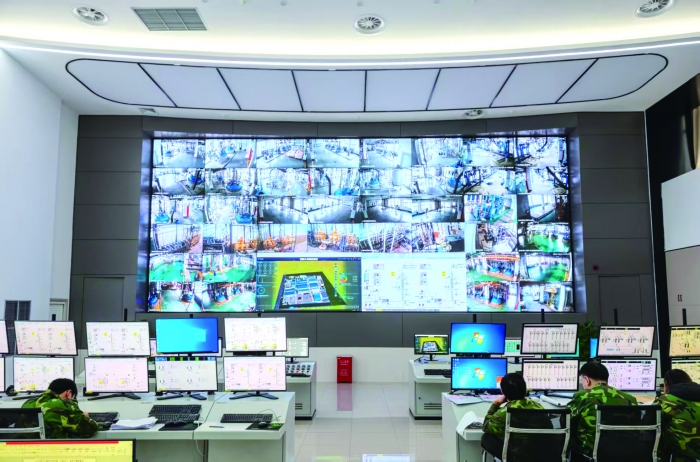
Core Viewpoint - Dalian Electric Porcelain (002606) is enhancing its energy efficiency through its subsidiary, Chaochuang Digital Energy, by integrating energy measurement functions and implementing energy-saving solutions to reduce costs and improve overall energy efficiency [1] Group 1: Business Operations - The company has invested in photovoltaic systems, charging piles, and demonstration energy storage systems within its production facilities [1] - The energy management system for charging piles and photovoltaic applications is currently being promoted internally within the company [1] Group 2: Technological Integration - Chaochuang Digital Energy's digital energy business focuses on monitoring and analyzing factory energy consumption data [1] - A diagnostic mechanism has been established to formulate energy-saving plans based on the analyzed data [1]
